
Podcast
Northwest LifeBeat
Hosted by Northwest Newsradio · EN
Lifebeat is a sixty-second look at health and wellness related topics. It’s a daily feature on Northwest Newsradio in Seattle, hosted by Marina Rockinger.
46episodes
Episodes
Newest firstAll episodes

New Research Highlights Benefits of Outdoor Play, Breakfast, and a Potential Hair-Loss Solution
2d ago00:00:57Tap to summarizeIf it seems like children are playing outside less than they used to, new research from the University of Exeter suggests that's true. A recent study found that just over one-third of children don't play outdoors on school days, while one in five spend no time outside on weekends. Researchers say regular outdoor play helps children develop emotional regulation, improve behavior, and strengthen social skills. A new treatment being developed at the University of Michigan could help chemotherapy patients keep their hair. Researchers have created a shampoo-like hydrogel that remains on the scalp while chemotherapy drugs are in the body, helping protect hair from falling out. Once treatment is complete, the gel can be easily washed away. Scientists hope to begin clinical trials in the near future. Missing breakfast may do more than leave you hungry. A new study from Japan found that people who regularly skip breakfast face a higher risk of developing osteoporosis. Researchers also found that skipping breakfast often goes hand-in-hand with other unhealthy habits, including physical inactivity, smoking, and not getting enough sleep.
Transcribe →
Music and Movement May Help Keep Aging Brains Healthy
5d ago00:00:59Tap to summarizeLiving with dementia can be challenging, but a growing body of research suggests there are more ways than ever to support those affected. Along with medications, supportive care, and therapies such as cognitive stimulation, speech, and physical therapy, music therapy is showing promising results. A study published in Frontiers in Psychiatry found that sessions led by trained music therapists improved quality of life for people with dementia while also reducing stress and agitation. And it's never too late to make music yourself. Researchers in Japan report that learning and continuing to play a musical instrument later in life may help keep the brain flexible while supporting memory and cognitive function. Whether it's a guitar, accordion, tuba, or violin, picking up an instrument could be a rewarding investment in long-term brain health. Staying active is just as important. While regular walks are already known to benefit overall health, researchers at the University of Chicago Medicine say older adults may gain even more by walking a little faster. Their study found that increasing walking speed by about 14 steps per minute above a person's usual pace led to meaningful improvements in physical function. From making music to picking up the pace on daily walks, these simple lifestyle changes may help support healthier aging—one note and one step at a time.
Transcribe →
New Research Highlights the Importance of Muscle, Immunity, and Exercise During Weight Loss
6d ago00:01:00Tap to summarizeA study published in Radiology found that repeated cycles of losing and regaining weight can come at a cost, especially for middle-aged adults. Researchers discovered that people whose weight fluctuated over four years lost significantly more thigh muscle than those who maintained a stable weight. The findings suggest that preserving muscle should be a priority alongside reducing body fat during weight loss. Another study, published in Cell Reports, points to a possible way to strengthen cancer-fighting immunity in obesity. Researchers found that obese laboratory mice given a yeast-based dietary supplement developed changes in their immune cells that improved the body's ability to fight tumors. Scientists say obesity can weaken the immune system, making it more difficult to combat cancer. Meanwhile, Danish researchers report that exercise remains essential for people who lose weight with GLP-1 medications. Their study, published in Nature Metabolism, found that regular physical activity helped participants develop healthier blood vessels and reduced inflammation—both key factors in maintaining good cardiovascular health. The findings reinforce that exercise provides important heart-health benefits beyond weight loss alone.
Transcribe →
New Research Reveals Surprising Animal Survival Strategies
1w ago00:01:01Tap to summarizeScientists have uncovered fascinating insights into how animals improve their chances of survival. A study by Brown University found that migrating birds flying in a V formation not only gain an aerodynamic advantage but also save energy. Researchers developed a model showing that each bird requires about 11% less power to fly, thanks to wingtip vortices - the tiny swirling air currents created at the tips of the wings. Meanwhile, research published in the Proceedings of the National Academy of Sciences explains how honeybees know what jobs to perform. Worker bees take on different roles as they age, with younger bees caring for the queen, tending larvae, and maintaining the hive. Older bees eventually leave to forage for food, a transition scientists say is controlled by a specific gene in their brains. Another study, published in Scientific Reports, reports encouraging news for zoo elephants. Over the past six decades, the life expectancy of both African and Asian elephants in zoos has increased significantly. Female elephants now live up to 21% longer, while males live up to 44% longer than they did in the 1960s. Researchers attribute these improvements to better animal care, veterinary medicine, and population management practices.
Transcribe →
Sugary Drinks, Earbuds, and Traffic Noise
1w ago00:00:57Tap to summarizeThree new studies are shedding light on how everyday habits and environments may influence both mental and physical health. Researchers at Bournemouth University in England have identified a connection between sugary drinks and anxiety in children and teenagers. Their findings suggest that beverages such as fizzy drinks, energy drinks, and sugary juices may worsen anxiety symptoms. While the study does not prove that these drinks cause anxiety, the researchers say high sugar consumption could exacerbate existing feelings of stress and anxiousness. Meanwhile, scientists at the University of Melbourne are exploring an unexpected new use for wireless earbuds. In a recent study, researchers equipped earbuds with acoustic sensors capable of measuring subtle changes in hearing to assess cognitive load. The technology successfully detected and classified brain activity, raising the possibility that future earbuds could help monitor brain health and mental performance during everyday use. A third study highlights a surprising link between traffic noise and heart health. Finnish researchers found that adults exposed to nighttime traffic noise of 50 decibels or higher showed increased cholesterol markers and other signs of metabolic disruption. Although the exact biological mechanism remains unclear, the researchers say the findings underscore the importance of reducing nighttime noise exposure as part of protecting long-term metabolic health. Together, the studies suggest that factors as varied as diet, wearable technology, and environmental noise may all play a role in shaping overall health and well-being.
Transcribe →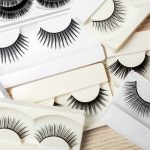
Fuel, Fitness, and False Eyelashes
2w ago00:00:57Tap to summarizeBusy mornings can make breakfast an afterthought, but nutrition experts say eating something before school can help children stay focused and energized throughout the day. Skip sugary options and choose protein-rich foods instead, such as whole-grain toast with peanut butter, a hard-boiled egg, or even a glass of milk if time is short. No gym membership? No problem. A solid workout can happen right at home using your own body weight. Exercises like push-ups, squats, planks, mountain climbers, burpees, lunges, and crunches can help build strength and improve fitness without any equipment. False eyelashes have become a popular part of many daily beauty routines, but they should be used with care. Reusing lashes too many times can allow bacteria to build up, increasing the risk of eye infections. It's also worth checking the adhesive, as some eyelash glues contain formaldehyde, which may cause irritation or allergic reactions.
Transcribe →
Caffeine May Do More Than Wake You Up
2w ago00:00:57Tap to summarizeIf you've ever reached for an extra cup of coffee after a poor night's sleep, new research suggests caffeine may offer more than just a boost in alertness. Researchers at the National University of Singapore found that caffeine can have a positive effect on cognitive function and memory. The study, published in Neuropsychopharmacology, found caffeine may even help restore social recognition memory that can be impaired by sleep deprivation. While caffeine has its benefits, it's important not to overdo it. According to the Mayo Clinic, most healthy adults can safely consume up to 400 milligrams of caffeine per day—about four 8-ounce cups of brewed coffee. Keep in mind that caffeine is also found in chocolate, soda, black tea, and energy drinks, making it easy to exceed the recommended daily limit. For those struggling with insomnia, sleep-tracking apps may seem like a helpful solution. However, a study by Norwegian researchers suggests that some people with insomnia actually experience increased anxiety from monitoring their sleep. The added focus on getting enough rest may, in some cases, contribute to greater stress rather than better sleep.
Transcribe →
Healthy Habits to Keep in Mind
2w ago00:01:00Tap to summarizeSimple lifestyle changes could have surprising health benefits. A new study in Scientific Reports found that regular exercise combined with omega-3 supplements may help reduce the severity of tooth root infections, which can lead to tooth and bone loss if left untreated. Recovery is also getting a boost for cancer survivors. A pilot program called I Can Work is helping participants return to the workplace through virtual counseling and therapy, addressing a key part of recovery that's often overlooked. And to make your groceries last longer, store leafy greens wrapped in paper towels inside a sealed plastic bag, keep the wax on apples until you're ready to eat them, and store onions in a cool, dry place with good air circulation.
Transcribe →
Better Sleep Starts Before the Alarm
2w ago00:00:57Tap to summarizeIf you're reaching for an extra cup of coffee just to make it through the day, it may be more than ordinary tiredness. Health professionals say persistent fatigue can be linked to underlying issues such as sleep disorders, thyroid problems, mental health conditions, or even certain medications. If exhaustion becomes a regular part of your day, it's worth discussing your symptoms with your doctor. How you wake up can also affect how rested you feel. Sleep experts at the Cleveland Clinic say repeatedly hitting the snooze button interrupts the deeper stages of sleep, making it harder to feel refreshed. Instead, set your alarm for the time you actually need to get up and place it across the room to encourage getting out of bed right away. New research is also shedding light on why some nights of sleep feel more restorative than others. Scientists in Italy have found a connection between dreaming and the feeling of having had a good night's sleep. Their study, published in PLOS Biology, suggests that shifts from high- to low-frequency brain waves associated with dreaming may play a key role in how refreshed we feel upon waking. Researchers say the findings could lead to new insights into improving sleep health.
Transcribe →
Smart Plant Sensors, Songbird Pollinators and Seaweed Cookies: New Research Highlights Nature and Innovation
2w ago00:01:01Tap to summarizeFrom wearable technology for people to wearable sensors for plants, researchers continue to find creative ways to solve everyday challenges. Scientists at Tufts University have developed tiny, tattoo-like sensors that adhere to plant leaves and monitor temperature and humidity beneath the surface. The sensors are designed to detect signs of stress, such as water loss, giving farmers and researchers valuable insights into crop health before visible damage appears. Meanwhile, a study published in the Journal of Ecology suggests common UK songbirds may play a bigger role in pollination than previously thought. While insects such as bees and dragonflies remain the primary pollinators, researchers found birds can help transfer pollen between plants, particularly in early spring when insect activity is still limited. And for those following a gluten-free diet, brown seaweed could offer a tasty improvement. Research published in Food Research International found that flour made from brown seaweed boosts the nutritional value of gluten-free cookies while also improving their texture. The seaweed flour helped cookies retain moisture, hold their shape and stay softer for longer.
Transcribe →