Podcast
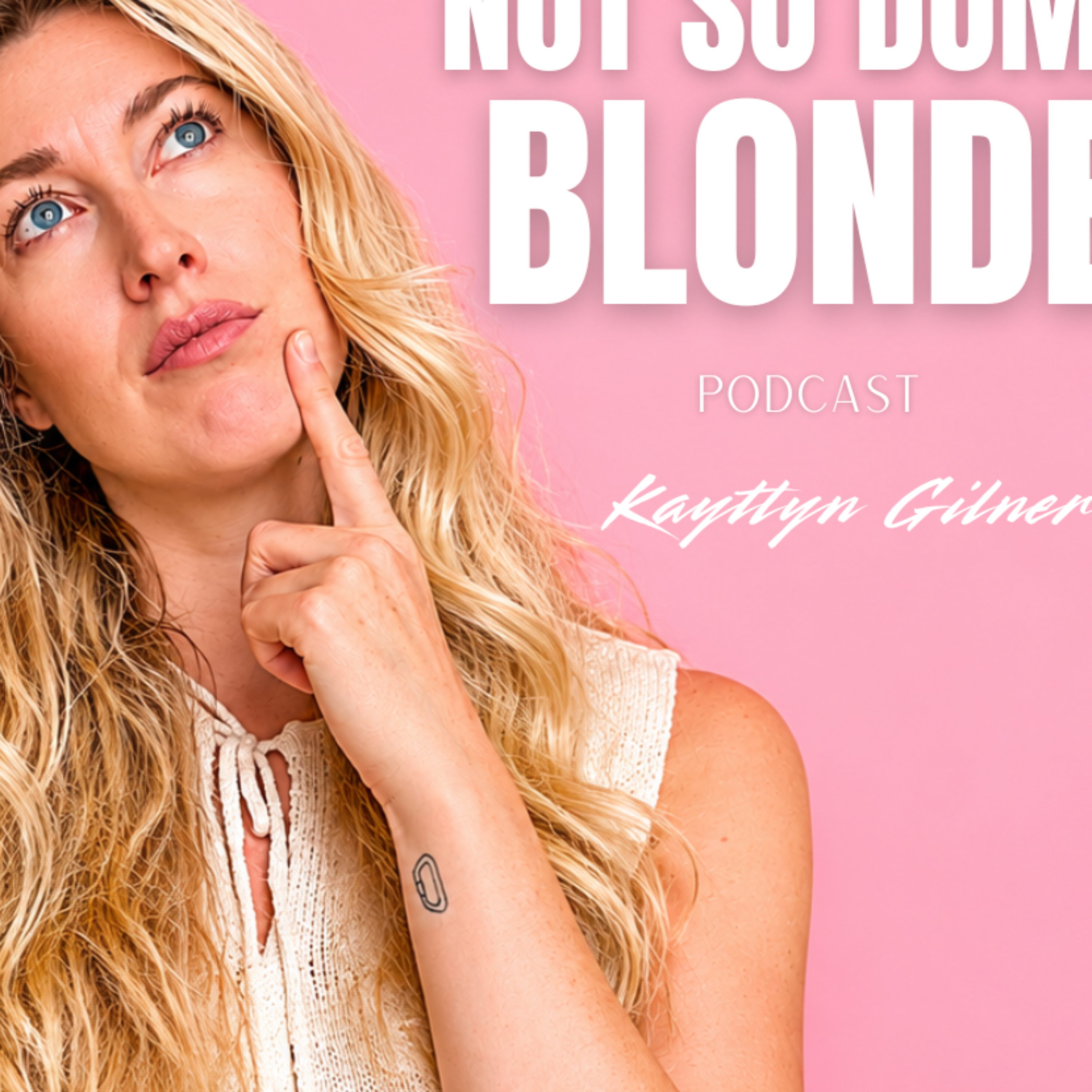
Not So Dumb Blonde
Hosted by Kaytlyn Gilner · EN
Not So Dumb Blonde is a women’s mental health podcast hosted by Kaytlyn, an MSW student and mental health advocate passionate about trauma healing, emotional regulation, DBT, relationships, attachment styles, and women’s empowerment.
This podcast explores the real psychology behind anxiety, BPD, people pleasing, trauma responses, emotional dysregulation, self-worth, boundaries, family systems, and modern relationships — in a relatable, honest, and easy-to-understand way.
Episodes include conversations with therapists, mental health professionals, trauma survivors, authors, and experts, along
50episodes
Episodes
Newest firstAll episodes
Love Is Blind's Joe Ferrucci on His Breakup, Dating, and Life After the Show
1w ago00:55:36Tap to summarizeLove Is Blind's Joe Ferrucci on His Breakup, Dating, and Life After the ShowWhat is it really like dating after Love Is Blind?In this episode of Not So Dumb Blonde, therapist-in-training Kaytlyn Gilner sits down with Joe Ferrucci from Love Is Blind for an honest conversation about what happens after reality TV, how public perception changes dating, and what he's learned about relationships, communication, emotional safety, and personal growth since appearing on the show.Together they discuss why people often believe they already know someone from television, how humor can become both a strength and a defense mechanism, the importance of healthy communication, and how childhood experiences shape the way we love as adults.Joe also shares his thoughts on green flags, red flags, emotional availability, men's mental health, marriage, fatherhood, therapy, and what he's looking for in a healthy long-term relationship.Whether you're a fan of Love Is Blind, navigating modern dating, healing after a breakup, or simply trying to build healthier relationships, this conversation offers practical insight, thoughtful reflection, and honest conversations about love in today's world.• What dating is really like after Love Is Blind• How public perception affects relationships• Why communication is one of the biggest predictors of relationship success• Compatibility vs. chemistry in dating• How childhood experiences shape adult relationships• Why humor can become a coping mechanism• Green flags and red flags to look for in relationships• What emotional safety actually looks like• Why more men are opening up about mental health• Joe's thoughts on marriage, fatherhood, and finding the right partner• The importance of therapy, self-awareness, and personal growth🌿 Free ResourceDownload my free Anxiety or Red Flag? Guide:https://www.therapykay.com/freebie00:00 Dating After Love Is Blind: Joe Ferrucci's Story03:04 How Reality TV Changes Dating & Public Perception06:04 Compatibility vs. Chemistry in Healthy Relationships08:57 Communication Skills That Build Strong Relationships11:59 How Childhood Shapes Adult Relationships & Attachment Styles14:57 Humor as a Coping Mechanism & Emotional Safety17:55 Can Your Partner Be Your Best Friend?20:58 Dating After Reality TV: Challenges Behind the Scenes24:00 Breakups, Mental Health & Personal Growth27:05 Therapy, Self-Awareness & Becoming a Better Partner28:26 Emotional Safety: The Foundation of Healthy Relationships30:59 Green Flags vs. Red Flags in Dating34:30 Kindness, Respect & Emotional Intelligence35:36 Marriage, Family & Joe Ferrucci's Future Goals36:28 Advice Joe Would Give His Younger Self39:03 Men's Mental Health & Emotional Vulnerability41:06 Podcasts, Growth & Learning Through Conversation43:00 What Makes Someone a Great Partner?45:00 Life After Love Is Blind & What's Next47:57 Final Thoughts on Healthy Relationships & Self-AwarenessIn This Episode You'll LearnChapters
Transcribe →Why You Can't Let Go (The Psychology Explained)
1w ago00:18:09Tap to summarizeWhy You Can't Let Go (The Psychology Explained)Why is it so hard to let go of someone—even when you know the relationship isn't healthy?If you've ever wondered, "Why can't I move on?", "Why am I still attached to my ex?", or "Why do I miss someone who hurt me?", this episode breaks down the psychology and neuroscience behind emotional attachment.We explore why your brain can become deeply attached to uncertainty, mixed signals, intermittent reinforcement, and unfinished relationships. You'll learn why understanding your relationship logically is often not enough to heal emotionally, and how concepts from psychology, attachment theory, and neuroscience explain why letting go can feel so incredibly difficult.In this episode we discuss:• Why your brain clings to unfinished relationships (The Zeigarnik Effect)• Intermittent reinforcement and why unpredictable love feels addictive• The psychology behind trauma bonds and emotional t• Why rejection often increases attraction• The difference between chemistry and compatibility• Why healthy relationships can initially feel "boring"• Why grieving potential is often harder than grieving reality• The neuroscience of uncertainty and emotional addiction• How clarity and closure help the healing process• What actually helps you move forward after heartbreakWhether you're healing from a breakup, struggling to move on from an ex, experiencing limerence, or trying to understand unhealthy relationship patterns, this episode will help you understand what's happening inside your brain—and why your experience makes psychological sense.If this episode helped you, please like, subscribe, and share it with someone who needs to hear it.Earth's Splendor Hydration Packs: www.earthssplendor.com (THERAPYKAY15) FOR 15% OFF⬇️ Download my free relationship resources:https://www.therapykay.com/freebie🎙️ Listen on Spotify, Apple Podcasts, and everywhere podcasts are available.Follow Therapy Kay:Instagram: @notsodumbblonde_podTikTok: @itstherapykayFree self trust reset: www.therapykay.com/freebie#relationships #attachment #breakup #traumabond #relationshippsychology #mentalhealth #healing #psychology #selfawareness #datingadviceChapters00:00 Why You Can't Let Go of Someone You Love02:48 Attachment, Anxiety & Relationship Chemistry06:02 Intermittent Reinforcement: Why Mixed Signals Feel Addictive08:55 The Gambling Study That Explains Toxic Relationships11:04 Why Rejection Makes You Want Someone More13:43 Chemistry vs Compatibility: The Difference That Matters14:12 Why Chaos Can Feel Like Love15:11 Why Healthy Love Can Feel "Boring"15:40 Loving Someone Doesn't Mean You Should Stay16:06 The Science Behind Finally Letting GoKeywordswhy can't i let go, why can't i move on, breakup psychology, relationship psychology, trauma bond, attachment theory, attachment styles, anxious attachment, intermittent reinforcement, limerence, toxic relationships, emotional addiction, neuroscience of love, healing after heartbreak, relationship advice, dating psychology, emotional healing, self-awareness, closure after breakup, healthy relationships, mental health, psychology podcast, Therapy Kay
Transcribe →Lindsay Clancy: When the System Fails
1w ago00:14:12Tap to summarizeLindsay Clancy: When the System FailsThe Lindsay Clancy case has sparked a national conversation about postpartum psychosis, maternal mental health, criminal responsibility, and the ways our healthcare system supports—or fails to support—new mothers. #lindsayclancy #clancycase #psychosis #postpartumrecovery #postpartum #postpartumpsychosis #womensmentalhealth In this episode, I break down what postpartum psychosis actually is, how it differs from postpartum depression, and why recognizing the warning signs early can save lives. This episode is not about determining legal guilt or innocence. Instead, it's an educational discussion about postpartum mental illness, maternal mental health, risk factors, warning signs, prevention, and the systemic gaps that continue to leave many women without the support they need.We also explore the historical treatment of women's mental health, why many mothers feel dismissed by the medical system, and how greater awareness and education could help prevent future tragedies.Whether you're a parent, therapist, healthcare professional, student, or simply interested in psychology and mental health, I hope this episode provides evidence-based education, compassion, and a deeper understanding of one of the most misunderstood psychiatric conditions.If you found this episode helpful, please subscribe, leave a comment, and share it with someone who could benefit from learning more about postpartum mental health.📚 Topics Covered• The Lindsay Clancy case• What postpartum psychosis is• Postpartum psychosis vs. postpartum depression• Signs and symptoms of postpartum psychosis• Maternal mental health• Women's mental health• Risk factors for postpartum psychosis• How the healthcare system fails new mothers• Historical treatment of women's mental health• Prevention and early intervention• Mental health advocacy⏱️ Chapters00:00 The Lindsay Clancy Case: Why Everyone Is Talking About Postpartum Psychosis01:52 What Is Postpartum Psychosis? Symptoms, Causes & Why It Happens05:47 Postpartum Psychosis vs. Postpartum Depression: What's the Difference?09:18 Postpartum Psychosis Warning Signs Every Family Should Know13:06 Early Treatment for Postpartum Psychosis Can Save Lives17:42 How the Healthcare System Is Failing Mothers' Mental Health22:35 The History of Women's Mental Health & Medical Bias27:10 Risk Factors for Postpartum Psychosis: Who Is Most at Risk?31:48 How to Recognize Postpartum Psychosis After Childbirth35:55 Preventing Postpartum Psychosis Through Education & Maternal Mental Health Awareness40:12 What the Lindsay Clancy Case Can Teach Us🔎 KeywordsLindsay Clancy, postpartum psychosis, postpartum depression, postpartum anxiety, postpartum OCD, maternal mental health, maternal mental illness, women's mental health, postpartum disorders, postpartum support, psychology, therapist, mental health education, postpartum warning signs, perinatal mental health, postpartum treatment, postpartum care, postpartum recovery, trauma, healthcare system, criminal responsibility, forensic psychology, mental health awareness📌 ResourcesIf you or someone you love is experiencing symptoms of postpartum depression or postpartum psychosis, please seek support from a qualified healthcare provider immediately. Early intervention can save lives.Doing Harm by Maya Dusenbery: https://link.amazon/B0aMS7tzL🎙️ Subscribe for More Evidence-Based Mental Health ContentNew episodes every week!Connect With Me📸 Instagram:@itstherapykay & NotSoDumbBlonde_pod🎙️ Podcast: Not So Dumb Blonde Podcast📩 Join my email list for free mental health resources and relationship tools. www.therapykay.com/freebie#Hashtags#PostpartumPsychosis #LindsayClancy #MentalHealth #MaternalMentalHealth #PostpartumDepression #WomensMentalHealth #Psychology #Therapy #MentalHealthAwareness #Trauma #PerinatalMentalHealth #MentalHealthEducation
Transcribe →Do Narcissists Actually Feel Love?
2w ago00:57:06Tap to summarizeDo Narcissists Actually Feel Love? #npd #empath #narcissist #narcissism #traumabond #toxicrelationships #relationship #dating #marriage #couplestherapy Can a relationship between an empath and someone with narcissistic traits actually heal? What is the difference between narcissism, Narcissistic Personality Disorder (NPD), and healthy self-confidence? And why do so many empaths find themselves in codependent relationships?In this episode, licensed therapist-in-training Kaytlyn Gilner sits down with Kyra Monroe, founder of Recovering Empaths and Heal Narcissism, to explore the psychology behind narcissistic relationship dynamics, empathy, codependency, boundaries, healing, and personal responsibility.Together, they discuss why narcissism and excessive empathy often develop as childhood survival strategies, how these patterns create unhealthy relationship dynamics, and whether lasting change and love is possible. Rather than viewing relationships through a "good person versus bad person" lens, this conversation explores how accountability, self-awareness, and healthy boundaries can help both partners break destructive cycles.Whether you're healing from narcissistic abuse, wondering if your partner has narcissistic traits, struggling with codependency, or trying to understand why you repeatedly attract emotionally unavailable partners, this episode offers research-informed insights and compassionate perspectives to help you move toward healthier relationships.In This EpisodeWhat narcissism actually is (and common misconceptions)Narcissistic Personality Disorder (NPD) vs. narcissistic traitsWhy empaths often attract narcissistic partnersThe psychology of codependency and trauma bondsHow childhood experiences shape relationship patternsCan narcissists change? What healing really requiresThe role of accountability in healthy relationshipsHealthy empathy vs. people-pleasingHow to establish and maintain healthy boundariesWhy self-care is the antidote to codependencyUnderstanding counterfeit love and emotional insecurityPractical tools for healing relationship patternsHow both partners can take responsibility for changeChapters00:00 Introduction: Empaths, Narcissists & Relationship Dynamics03:09 Why Empaths Attract Narcissists: Understanding the Dynamic06:09 Narcissistic Traits vs Narcissistic Personality Disorder (NPD)08:58 Can a Relationship with a Narcissist Heal?12:06 Accountability in Narcissistic Relationships15:03 Codependency, Trauma Bonds & Unhealthy Relationship Patterns17:49 Why We Choose Emotionally Unavailable Partners20:56 Can Narcissists Change? What Healing Really Takes23:58 Healthy Relationships vs Toxic Relationship Dynamics26:58 How Empaths Enable Narcissistic Behavior30:34 Healthy Boundaries, Self-Care & Breaking Codependency33:20 Can Therapy Help Someone with Narcissistic Traits?36:40 Empathy vs People-Pleasing: What's the Difference?39:36 How to Heal Codependency & Rebuild Self-Worth45:17 Do Narcissists Really Love? Understanding Emotional Attachment51:20 Personal Responsibility, Healing & Finding Healthy LoveAbout Kyra MonroeKyra Monroe is the founder of Recovering Empaths and Heal Narcissism, where she helps individuals understand narcissistic relationship dynamics, codependency, emotional healing, boundaries, and personal growth. Through education and coaching, she empowers people to break unhealthy patterns while developing healthier relationships with themselves and others.narcissism, narcissistic traits, narcissistic personality disorder, NPD, empath, empaths, codependency, trauma bond, narcissistic relationships, narcissistic abuse recovery, relationship advice, emotional healing, boundaries, self-care, accountability, therapy, mental health, couples therapy, relationship psychology, CPTSD, attachment styles, healthy relationships, healing from narcissistic abuse, toxic relationships, emotional health
Transcribe →BPD vs Bipolar Disorder: How to Tell the Difference
2w ago00:14:46Tap to summarizeBPD vs Bipolar Disorder: How to Tell the DifferenceWhat is the difference between borderline personality disorder (BPD) and bipolar disorder? BPD and bipolar disorder can look surprisingly similar, especially when it comes to mood swings, impulsivity, emotional reactivity, irritability, and changes in behavior. But they are different mental health conditions with important differences in their symptoms, mood patterns, triggers, diagnosis, and treatment.Stop Second Guessing Yourself - Download Freebie at www.therapykay.com/freebieIn this episode of the Not So Dumb Blonde Podcast, we break down BPD vs bipolar disorder, including how BPD mood swings differ from bipolar mood episodes, what mania and hypomania can look like, and why conditions like ADHD, PTSD, trauma, anxiety, and hormonal changes can make getting the right diagnosis more complicated.If you've ever wondered, “Do I have BPD or bipolar disorder?” “Can BPD look like bipolar?” or “How can you tell BPD mood swings from bipolar mood swings?” this episode will help you understand some of the key patterns mental health professionals consider during assessment.* BPD vs bipolar disorder: the key differences* Why borderline personality disorder and bipolar disorder are often confused* BPD mood swings vs bipolar mood episodes* Why the duration and triggers of mood changes matter* How emotional shifts in BPD can be rapid and reactive to interpersonal events* How bipolar disorder involves more distinct periods of depression, hypomania, and/or mania* Common signs of hypomania and mania, including decreased need for sleep, increased energy, pressured speech, and impulsivity* Relationships, fear of abandonment, and identity disturbance in BPD* Environmental and life stressors that can affect mood symptoms* How ADHD, PTSD, trauma, anxiety, and other conditions can complicate diagnosis* Why clinicians look at patterns over time rather than individual symptoms* Treatment differences between BPD and bipolar disorder* How tracking your moods, triggers, sleep, and behaviors may help you recognize patterns00:00 BPD vs Bipolar Disorder: What’s the Difference?00:29 BPD vs Bipolar Symptoms: Why They’re Often Confused01:23 BPD Mood Swings vs Bipolar Mood Swings: Duration & Triggers02:22 Borderline Personality Disorder Mood Swings & Emotional Reactivity02:51 Bipolar Disorder Mood Episodes: Key Differences From BPD03:21 Mania vs Hypomania: Signs & Symptoms of Bipolar Disorder04:49 BPD Triggers vs Bipolar Disorder Mood Changes05:19 Signs of Mania: Pressured Speech, Impulsivity & Sleep Changes06:08 BPD Relationships: Abandonment Fears & Unstable Identity06:35 Bipolar Disorder Symptoms & Mood Patterns Over Time07:56 BPD, Bipolar, ADHD, PTSD & Trauma: Why Diagnosis Is Complicated08:22 How Trauma, PTSD & ADHD Can Affect Mood and Emotional Regulation09:39 BPD or Bipolar? How Mental Health Professionals Tell the Difference10:05 BPD vs Bipolar Treatment: Therapy, DBT & Medication10:34 Why an Accurate BPD or Bipolar Diagnosis Matters11:30 How to Track Mood Swings, Triggers, Sleep & Emotional Patterns11:59 BPD or Bipolar? Questions to Ask About Your Symptoms12:27 Mental Health Diagnosis: Why Patterns Matter More Than One Symptom12:55 BPD vs Bipolar Disorder: Mood Patterns, Triggers & Treatment13:25 Final Thoughts: Understanding BPD & Bipolar DisorderLearn more about borderline personality disorder (BPD), bipolar disorder, Dialectical Behavior Therapy (DBT), and evidence-based mental health treatment through reputable organizations such as the National Institute of Mental Health (NIMH).Disclaimer: This podcast is for educational and informational purposes only and is not a substitute for individualized mental health assessment, diagnosis, or treatment. Experiencing symptoms discussed in this episode does not necessarily mean you have BPD, bipolar disorder, or another mental health condition.
Transcribe →Why You Can’t Trust Relationship Advice Online (Therapist Explains)
3w ago00:24:35Tap to summarizeWhy You Can’t Trust Relationship Advice Online (Therapist Explains) Is social media helping or hurting your relationships? With endless videos about narcissists, attachment styles, red flags, trauma bonds, gaslighting, and boundaries, it can be difficult to know what advice is actually evidence-based.In this episode of Not So Dumb Blonde, I sit down with licensed clinical social worker Rebecca Ogle, LCSW, to discuss how TikTok, Instagram, and relationship influencers are changing the way we think about dating, mental health, and healing. We explore why relationship advice online often lacks nuance, how algorithms reward extreme opinions, and how to build self-trust instead of relying on social media for every relationship decision.If you've ever wondered whether someone is actually a narcissist, questioned whether you're ignoring red flags, or felt more anxious after watching relationship content online, this conversation will help you separate psychology from social media.In this episode, we discuss:✔️ How social media algorithms influence relationship advice✔️ Why terms like narcissist, gaslighting, and toxic are often overused✔️ The difference between genuine relationship red flags and normal conflict✔️ Why healthy relationships require flexibility instead of perfection✔️ Attachment styles and how they affect dating✔️ How therapy helps build self-trust in relationships✔️ Why black-and-white thinking can damage relationships✔️ How ADHD can affect consuming relationship content online✔️ Evidence-based relationship advice versus viral misinformationWhether you're healing from a toxic relationship, learning healthier relationship patterns, or simply trying to make sense of all the advice on social media, this episode offers practical, balanced guidance grounded in real clinical experience.About Rebecca OgleRebecca Ogle is a licensed clinical social worker specializing in mental health, relationships, anxiety, ADHD, boundaries, emotional regulation, and evidence-based therapy. In this interview, she shares practical insights for navigating modern dating while protecting your mental health.Resources🌐 Grounded Counselinghttps://www.groundedcounseling.org📷 Rebecca Ogle on Instagram@rebeccaoglelcswIf you're interested in:• CPTSD recovery• Trauma healing• Healthy relationships• Attachment styles• Borderline Personality Disorder (BPD)• Anxiety recovery• DBT skills• Mental health education• Narcissistic abuse recovery• Self-trust and emotional healingbe sure to subscribe for weekly interviews with therapists, researchers, psychologists, and mental health experts.Chapters00:00 Introduction | Social Media, Relationships & Mental Health01:39 Is Social Media Ruining Our Relationships?03:10 Why Relationship Content Goes Viral on TikTok & Instagram04:20 Narcissist, Gaslighting & Toxic: Are We Overusing These Terms?07:59 Black-and-White Thinking in Dating & Relationships09:55 Why Relationship Advice Isn't One-Size-Fits-All12:34 Real Relationship Red Flags vs Normal Relationship Conflict14:34 How to Identify Healthy vs Unhealthy Relationship Patterns17:08 DBT Opposite Action: Stop Letting Anxiety Control Dating18:36 What Actually Makes a Healthy Relationship?19:32 How to Watch Relationship Content Without Becoming Anxious22:51 ADHD, Social Media & Relationship Anxiety23:49 Relationship Advice & Final Thoughtssocial media relationships, relationship advice, healthy relationships, dating advice, narcissism, narcissistic abuse, gaslighting, attachment styles, relationship red flags, trauma, CPTSD, therapy, licensed therapist, mental health podcast, boundaries, emotional regulation, relationship anxiety, psychology, TikTok therapy, relationship TikTok, evidence-based therapy, DBT, ADHD relationships, self-trust, healing trauma
Transcribe →Limerence vs Love: Why You cant Stop Thinking About Them
3w ago00:12:59Tap to summarizeLimerence vs Love: Why You cant Stop Thinking About Them #limerence #relationship #toxicrelationships #traumabond #love #psychology #dating Have you ever wondered why you can't stop thinking about someone—even when the relationship was unhealthy? Is it love... or is it limerence?In this episode of Not So Dumb Blonde, therapist-in-training Kaytlyn Gilner explores the psychology of limerence, trauma bonding, attachment styles, and why unresolved childhood trauma can make us vulnerable to obsessive relationships.You'll learn the neuroscience behind romantic obsession, how intermittent reinforcement keeps people emotionally hooked, and why secure love often feels unfamiliar after growing up in chaos. Whether you're struggling to move on from an ex, questioning a trauma bond, healing from childhood trauma, or wondering if you're experiencing limerence, this episode will help you understand what's happening in your brain—and how to begin breaking the cycle.In This Episode✔️ What limerence actually is (and why it isn't love)✔️ The neuroscience of romantic obsession and dopamine✔️ Why trauma increases vulnerability to limerence✔️ Trauma bonding vs. healthy attachment✔️ How anxious attachment fuels obsessive thinking✔️ Why mixed signals and uncertainty are addictive✔️ The impact of social media on limerence✔️ How childhood trauma affects adult relationships✔️ Why secure love often feels "boring" at first✔️ Practical strategies for healing from obsession and trauma✔️ My personal story of reporting childhood sexual abuse years later✔️ Finding justice, closure, and reclaiming your voiceChapters00:00 Why Limerence Feels Like an Addiction (The Neuroscience of Obsession)00:30 What Is Limerence? Signs You're Experiencing Romantic Obsession01:00 Childhood Trauma, Sexual Abuse, and Why I'm Sharing My Story02:00 Why Uncertainty Makes You Obsess Over Someone02:48 Dopamine, Love, and the Brain's Reward System Explained03:48 How Childhood Trauma & Attachment Styles Increase Limerence04:18 Limerence vs Love: How to Tell the Difference05:18 How Social Media Makes Limerence Worse06:30 Soulmates, Fantasy Bonds & Why They Feel So Real07:30 How to Stop Obsessing Over Someone (Without Fighting Your Thoughts)08:00 Why Healthy Relationships Can Feel "Boring" After Trauma09:00 Reporting Childhood Sexual Abuse Years Later: My Experience10:50 Healing Childhood Trauma & Breaking Relationship Patterns11:35 Finding a Childhood Abuser Years Later: Where to Start12:24 Signs Childhood Trauma Is Still Affecting Your Life13:43 Trauma Recovery Resources & Support for Survivors14:46 Why Documenting Abuse Can Help Survivors Seek Justice16:12 Gathering Evidence After Childhood Sexual Abuse17:17 Why Documentation Matters When Reporting Abuse20:34 Healing After Trauma: Final Thoughts & Hope for RecoveryFinal thoughtsIf This Episode Helped...❤️ Subscribe for weekly episodes about:• Trauma recovery• CPTSD• Borderline Personality Disorder (BPD)• Attachment styles• Anxiety• ADHD• Relationships• DBT skills• Mental health educationResources🧠 Learn more about Dialectical Behavior Therapy (DBT)🧠 Find a trauma-informed therapist🧠 Learn more about limerence and attachment theory🧠 Resources for survivors of childhood sexual abuseConnect With MeInstagram: @itstherapykayPodcast Instagram: @notsodumbblonde_podWebsite: https://www.therapykay.comFree Anxiety or Red Flag? Guide: https://www.therapykay.com/freebieHigh-value YouTube search keywords included naturallylimerencelimerence vs lovewhat is limerenceromantic obsessiontrauma bondingattachment stylesanxious attachmentCPTSDchildhood traumadopamine and loverelationship addictionobsessive thoughtshealing traumahealthy relationshipsinsecure attachmentDBTemotional healingchildhood sexual abusetrauma recovery
Transcribe →ADHD in Women: Why So Many Women Are Diagnosed Later in Life
4w ago00:29:05Tap to summarizeMany women don't discover they have ADHD until adulthood—sometimes not until their 30s, 40s, or even later. In this episode, therapist Kaytlyn Gilner sits down with licensed clinical social worker Rebecca Ogle, LCSW, to discuss why ADHD in women is so frequently overlooked, how symptoms present differently than they do in men, and why many women are first diagnosed after major life changes or hormonal shifts.Together they explore the signs of adult ADHD, the overlap between ADHD, anxiety, depression, and autism, and why emotional dysregulation is one of the most misunderstood aspects of ADHD. Rebecca also explains Rejection Sensitive Dysphoria (RSD), executive functioning challenges, masking, and how ADHD can affect relationships, careers, friendships, and everyday life.Whether you've recently been diagnosed, suspect you may have ADHD, or simply want to better understand neurodivergence, this conversation offers practical insight, validation, and evidence-based education.Why ADHD is often missed in girls and womenCommon ADHD symptoms in adult womenADHD vs. anxiety and depressionThe overlap between ADHD and autismHormones, perimenopause, and worsening ADHD symptomsEmotional dysregulation and executive functioningRejection Sensitive Dysphoria (RSD)ADHD and romantic relationshipsMasking and why women are diagnosed later in lifeWhen to seek an ADHD evaluationChapters00:00 Why ADHD in Women Is Often Missed02:49 Hidden ADHD Symptoms in Adult Women06:07 ADHD in Women vs. Men08:58 ADHD vs. Anxiety and Depression11:52 ADHD vs. Autism: Similarities and Differences14:59 Hormones, Perimenopause & ADHD18:02 Rejection Sensitive Dysphoria (RSD)21:01 Emotional Dysregulation & ADHD in Relationships24:11 When Should You Get Evaluated for ADHD?27:01 Final Thoughts on ADHD AwarenessIf you enjoyed this episode, follow Not So Dumb Blonde for conversations about ADHD, trauma, mental health, relationships, DBT, emotional regulation, neurodivergence, and psychology with leading therapists, researchers, and mental health professionals.ADHD in women, adult ADHD, ADHD symptoms, late ADHD diagnosis, women with ADHD, emotional dysregulation, executive dysfunction, rejection sensitive dysphoria, RSD, ADHD and anxiety, ADHD and depression, ADHD and autism, neurodivergence, women's mental health, perimenopause and ADHD, therapy podcast, psychology podcast, mental health podcast.
Transcribe →How to Fight Right: The DBT Skill That Protects Your Self-Respect
Jul 1300:14:39Tap to summarizeHave you ever walked away from an argument feeling like you lost a piece of yourself?Maybe you got your point across, maybe the other person apologized, but afterward you felt exhausted, ashamed, or wondered why you overexplained, people-pleased, or abandoned your own needs just to keep the peace.In this episode, we're diving into one of my favorite Dialectical Behavior Therapy (DBT) skills: FAST—an interpersonal effectiveness skill designed to help you protect your self-respect during conflict.You'll learn why healthy relationships aren't about avoiding conflict—they're about handling conflict without sacrificing your values, your voice, or your sense of self.00:00 How to Stop Losing Yourself During Conflict01:18 Building Self-Trust with DBT Skills02:37 Why Trauma Makes Conflict Feel So Difficult05:06 DBT FAST Skill Explained: Protect Your Self-Respect07:36 Stop People Pleasing & Self-Abandonment09:41 How to Respond When Someone Is Dismissive or Pulls Away10:58 Using the DBT FAST Skill During a Breakup12:11 Build Self-Trust Through Self-Respect & Healthy BoundariesWhat the DBT FAST skill is and how it worksWhy self-abandonment is often more painful than conflict itselfHow childhood trauma, attachment wounds, and people-pleasing shape the way we communicateThe difference between accountability and self-erasureHow to stay true to your values during difficult conversationsReal-life examples of using FAST when someone dismisses your feelings, pulls away emotionally, or during a breakupWhy self-trust is built by consistently choosing self-loyalty instead of self-abandonmentIf you've ever struggled with people-pleasing, anxious attachment, CPTSD, emotional neglect, boundary-setting, or healthy communication, this episode will give you practical, evidence-based tools you can start using today.This is the fourth and final episode in my Self-Trust Reset series, where we've explored:Wise MindWhy trauma can make intuition feel unreliableHow to tell the difference between anxiety and red flagsDEAR MAN for asking for what you needFAST for protecting your self-respect during conflict🎁 Free Resource: Stop Second Guessing Yourself in Relationships and Download my free "Anxiety or Red Flag? Self-Trust Guide" 👉 https://www.therapykay.com/freebieIf you enjoyed this episode, be sure to follow the podcast and share it with someone who's learning how to build healthier relationships, stronger boundaries, and lasting self-trust.Keywords: DBT, Dialectical Behavior Therapy, DBT FAST Skill, interpersonal effectiveness, healthy conflict, communication skills, healthy relationships, self-respect, self-trust, people pleasing, boundaries, conflict resolution, anxious attachment, CPTSD, childhood trauma, emotional regulation, therapy, mental health.
Transcribe →Is PMDD Ruining Your Relationships?
Jul 800:32:25Tap to summarizePMDD Explained: The Hidden Hormone Disorder Affecting Millions of Women #pmdd #pms #womenshealth #adhd #relationship #dating #traumahealing #mentalhealth #reaction Could your hormones be affecting your mental health more than you realize?Millions of women struggle with severe mood changes, anxiety, depression, and emotional overwhelm every month without realizing they may be experiencing Premenstrual Dysphoric Disorder (PMDD). In this episode, I sit down with Val to discuss the signs of PMDD, how it differs from PMS, why so many women go undiagnosed, and practical ways to better understand your cycle.Download my free Anxiety or Red Flag Guide:https://www.therapykay.com/freebieEnjoy organic period care with Rif Care and get your discount using code: BLONDE www.rifcare.com We also dive into the importance of cycle tracking, toxin-free period products, ADHD and hormonal fluctuations, nutrition, supplements, and how understanding your hormones can completely change the way you care for your mental health.If you've ever felt like a completely different person before your period, this conversation may help you finally understand why.In this episode you'll learn:• The difference between PMS and PMDD• Common PMDD symptoms that are often overlooked• Why hormones can dramatically affect anxiety and depression• How ADHD and hormonal changes interact• The benefits of tracking your menstrual cycle• How nutrition and supplements can support hormone health• What to know about toxin-free period products• Practical strategies for managing PMDD symptomsResourcesThe Monarch Manualhttps://rifcare.comConnect with ValInstagram@rifcare @malibumama__ TikTok@rifcare @malibumama__ If this episode helped you, please like this video, subscribe to the channel, and share it with someone who needs to hear it.Download my free Anxiety or Red Flag Guide:https://www.therapykay.com/freebieTimestamps00:00 Introduction00:00 PMDD vs PMS: What's the Difference?02:41 PMDD Symptoms That Can Affect Your Relationships04:26 Signs of PMDD You Shouldn't Ignore06:14 How Hormones Affect Anxiety, Depression, and ADHD09:18 Foods, Supplements, and Lifestyle Changes for PMDD13:25 Are Your Period Products Disrupting Your Hormones?16:28 How to Track Your Cycle for Better Hormone Health19:12 Why PMDD Is Often Misdiagnosed22:04 PMDD Treatment Resources and Support31:46 RifCare Products, Discount Code, and ClosingRelevant Search TermsPMDD, Premenstrual Dysphoric Disorder, women's mental health, hormones and anxiety, hormones and depression, ADHD in women, menstrual cycle, hormone health, cycle tracking, PMS vs PMDD, women's wellness, period health, toxin-free period products, mental health podcast
Transcribe →