Podcast
AI Investigates Everything
Hosted by Elton Sherwin · EN
AI-powered deep dives into the stories that matter.>
I scan the web for the most intriguing breakthroughs and trends, then use advanced AI to investigate and report on them in under 10 minutes. From medical mysteries and nutrition science to global economic shifts, we uncover the "why" behind the headlines.
Note: This is an AI-research experiment using Google’s NotebookLM. AI can make mistakes and mispronounce words; always verify medical or legal facts. Enjoy! — Elton
Topics covered:
#Medicine #Nutrition #PublicHealth #EconomicDevelopment #AIDeepDive
30episodes
Episodes
Newest firstAll episodes
Rethinking Dairy: Science, Casein, and The China Study Debate
2w ago00:06:16Tap to summarizeFor generations, we’ve been told that drinking cow’s milk is essential for strong bones and optimal health. But what does the science actually say?In this episode, we take a deep dive into Dr. T. Colin Campbell’s groundbreaking research in The China Study. We explore the controversy surrounding casein (the primary protein in milk), how laboratory studies link concentrated animal protein to disease progression, and the biological mechanisms behind plant-based vs. animal-protein diets.We also tackle the big questions and critiques:Does low-fat dairy actually concentrate milk proteins?How does the "calcium buffer" hypothesis explain global fracture rates?What are the key statistical and methodological critiques raised by mainstream nutritionists?Whether you follow a plant-based diet or are simply curious about the science behind your food, tune in for a clear, balanced look at one of the most fierce debates in modern nutritional science.Disclaimer: This episode is for informational and educational purposes only and does not constitute medical advice.
Transcribe →Are French Fries Safe for Kids?
3w ago00:05:21Tap to summarizeBefore you pass that next fry to your kids, you'll want to hear what's actually hiding beneath that golden, crispy crunch.We dive into independent 2023 lab testing that reveals shocking levels of glyphosate and other toxic chemical residues lurking in the most popular fast-food fries in the country. Inspired by a dive into Michael Pollan’s The Botany of Desire, this episode tracks the intense chemical gauntlet a potato undergoes from seedling to drive-thru bag.We unpack the history of banned pesticides, look at the systemic neonicotinoids absorbed directly into potato tissue, and uncover why corporate food styling often wins out over harmless, natural blemishes.
Transcribe →
The 2 Healthiest Homemade Yogurts
4w ago00:07:46Tap to summarizeTired of store-bought plant-based yogurts loaded with saturated fats, thickeners, and additives?In this episode of Elton's Health Hacks, we’re solving the plant-based yogurt dilemma once and for all! Learn how to easily make the two healthiest homemade soy yogurts right in your kitchen—with zero cows involved.We break down two distinct methods:🥛 Hack 1: The Pragmatist’s Plain Yogurt – Super high protein, ultra-easy, and zero waste.🥄 Hack 2: The Purist’s Greek Yogurt – Thick, creamy, strained, and made with 100% organic ingredients.We also put them head-to-head in a Nutritional Showdown comparing protein density, ingredient purity, and effort to help you decide which one is right for your gut health and lifestyle.Yogurt Maker: Luvele Yogurt Maker & Euro Cuisine GY60 Greek Yogurt Maker (for straining)Starter Culture: VIVO Probiotic Vegan Yogurt StarterSoy Milk Bases: West Life Smoothie Blend & West Life Organic Unsweetened Soy MilkIf you want to transform your kitchen habits and optimize your vascular and gut health, make sure to follow Elton's Health Hacks on Facebook, TikTok, Spotify, and YouTube!Disclaimer: We are sharing personal health hacks and reading dietary facts straight off the labels. We are not nutritionists. Always consult your doctor for your specific dietary needs.#SoyYogurt #VeganYogurt #Probiotics #GutHealth #PlantBasedRecipe #EltonsHealthHacks #HealthyRecipesEQUIPMENT & INGREDIENTS USED:
Transcribe →Medicare GLP-1 Pricing
4w ago00:04:26Tap to summarizeMedicare just launched a program that slashes the price of popular weight loss medications down to a flat $50 monthly copay. In this episode we map out the structural, administrative, and clinical rules you need to clear to unlock this massive benefit.To qualify for the $50 pricing, you must successfully navigate three distinct boundaries:1. Plan Type Check: You must be enrolled in a standard standalone Medicare Part D prescription drug plan or a Medicare Advantage plan that includes drug coverage (MAPD). If your benefits are managed via an employer waiver, union retiree plan, PACE, or a non-coordinated PFFS without Part D, you are excluded.2. Medical Condition Exclusions: The program is explicitly designed for obesity management. If you have Type 2 diabetes, moderate-to-severe sleep apnea, or MASH (fatty liver disease), you will be directed back to your standard Part D plan formulary to navigate regular deductibles and tier pricing.3. Exact Formulations Only: General GLP-1 prescriptions won't fly. The bridge specifically covers Wegovy (injection or tablet), the Zepbound QuickPen only, and Fandaio tablets. Standard vials, single-dose pens, or brands like Ozempic and Mounjaro are excluded from the flat $50 benefit.If you meet the plan and drug requirements, your doctor must verify your clinical eligibility using one of three strict tiers:Tier 1: A body mass index (BMI) of 35 or higher.Tier 2: A BMI of 30 or higher, paired with uncontrolled hypertension, heart failure, or stage 3a+ chronic kidney disease.Tier 3: A BMI of 27 or higher, paired with pre-diabetes, or a history of heart attack, stroke, or artery disease.Don't expect to walk out with your prescription the same day. Because the program requires a mandatory prior authorization process, the pharmacist must transmit a claim to trigger a form sent to your doctor. This administrative loop creates a standard 24- to 72-hour waiting period before your medication can be dispensed.Enjoying these insights? Elton’s Health Hacks is a multi-platform series dedicated to simplifying complex health policies into smart choices for a better you. Follow us on Facebook, watch our quick updates on TikTok, and listen along right here on Spotify or over on YouTube!📋 The Three-Step Eligibility Checklist⚖️ The Clinical Scorecard: BMI Tiers⏱️ What to Expect at the Pharmacy
Transcribe →
Dementia Risk Doubled by Elevated Cholesterol in 30s, 40s and 50s
Jul 1200:04:15Tap to summarizeHigh levels of LDL cholesterol in mid-life are associated with an increased risk of developing dementia and Alzheimer’s over a decade later, according to a study published in Lancet Healthy Longevity.
Transcribe →
76. Katie Couric’s Health Scare
Jul 1000:04:01Tap to summarizeJournalist Katie Couric recently disclosed a frightening medical event - A Transient Global Amnesia (TGA), a rare condition that causes temporary yet total short-term memory loss. Medical experts describe this phenomenon as a brief malfunction in the hippocampus, the brain's "save button," which prevents the formation of new memories while leaving long-term identity intact. Though the symptoms often mimic a stroke, TGA is typically a benign and self-limiting occurrence triggered by physical or emotional stress. These sources clarify that while patients may repeatedly ask the same questions during an episode, most recover fully within 24 hours. Couric’s public account has fostered a broader conversation, prompting many others to share their personal encounters with this mysterious neurological "black hole." As a long-time health advocate, Couric uses her experience to demystify the condition and provide reassurance to those who find it terrifying.
Transcribe →75. STIs that Cause Cancer
Jul 700:04:02Tap to summarizeCommon Sexually Transmitted Infection (STI) can lead to cancer? 🦠Whether you are gay or straight, in this eye-opening deep dive, we’re breaking down the shocking statistic that 13% of global cancers—about 1 in 8 cases—are actually linked to preventable bacterial and viral infections. From the widespread realities of HPV (and its surprising connection to heart health) to the differing ways Hepatitis B and C target the liver, we look at the science of how these infections operate.More importantly, we talk about the incredible power of prevention, the life-saving impact of vaccines, and the critical role of regular screenings. Knowledge is power, and taking control of your health starts with staying informed.
Transcribe →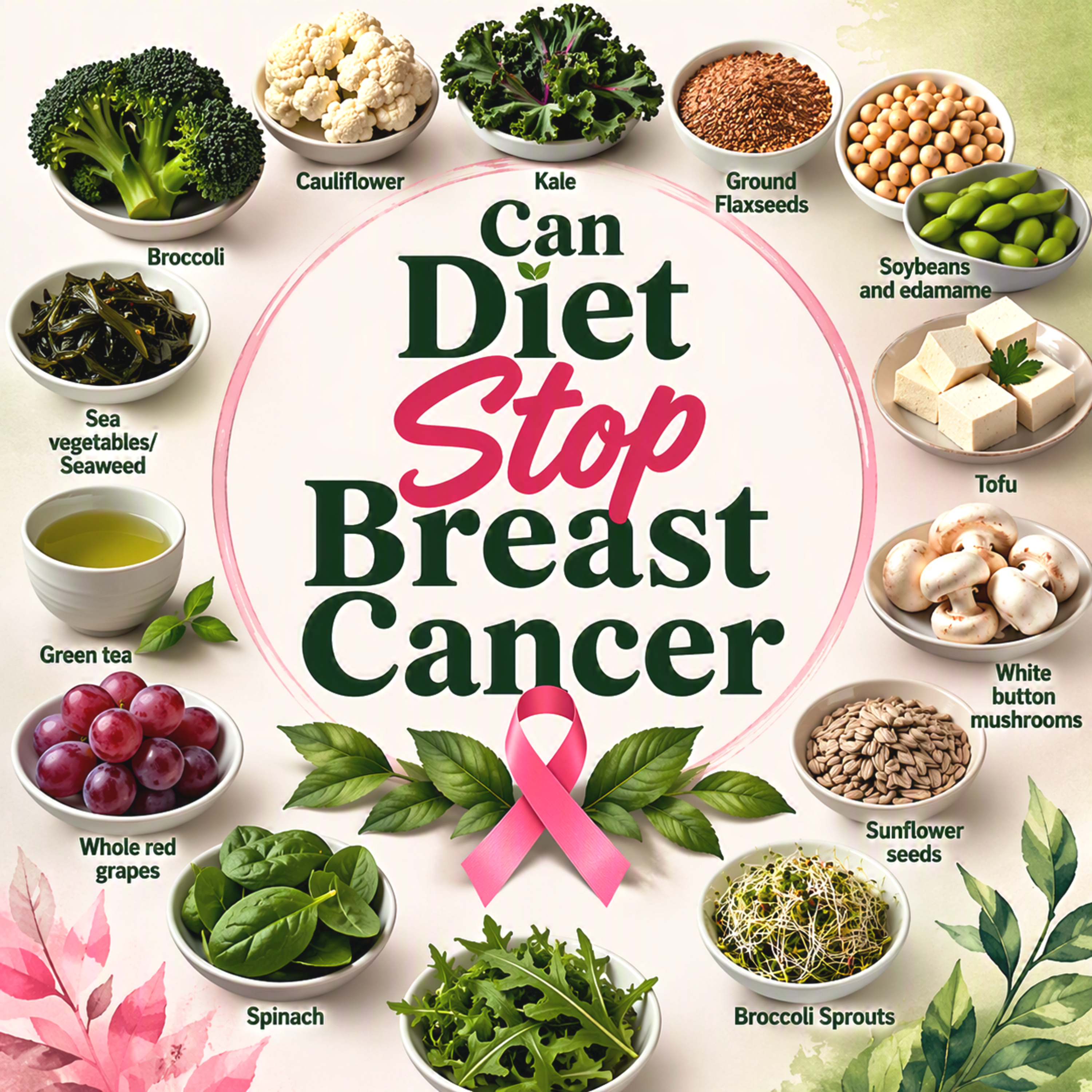
74. Can Diet Stop Breast Cancer?
Jun 2100:05:09Tap to summarizeBreast Cancer Tumors can sometimes grow undetected for decades.In this episode, we uncover how the foods we eat can either fuel tumor growth or actively starve it. Moving beyond genetics, we explore the incredible, evidence-based impact of everyday nutrition—highlighting the "Japanese Diet Advantage" and how shifting our dietary habits can dramatically reduce risk and even improve the effectiveness of traditional treatments.What You'll Learn In This Episode:The Early Detection Myth: Why some tumors can grow for over 20 years before they are finally visible on a standard mammogram.What Actually Fuels Cancer: How excess LDL (bad) cholesterol acts as free fuel for rapidly dividing cancer cells, and why keeping your numbers low is critical.Foods That Fight Back: The science behind how white button mushrooms, cruciferous vegetables (like broccoli, kale, and cauliflower), and ground flaxseeds act as your body's natural defense system.The Soy Solution: How whole soy foods (like edamame and tofu) use phytoestrogens as "rubber keys" to safely block harmful, tumor-fueling estrogens.Resources & Research Mentioned:Based on the evidence-based research of Dr. Michael Greger and the team at NutritionFacts.org.(Disclaimer: We are not medical professionals. This episode is for educational purposes. Always consult with your doctor before making major dietary or treatment changes.)
Transcribe →
73. $2B Levitical Mega-Project... In Vancouver?
Jun 2000:06:49Tap to summarizeWhat happens when ancient laws clash with modern urban planning?In this episode, we dive into a fascinating thought experiment that is playing out in real-time in Vancouver, British Columbia. This Podcasts contrasts a Biblical mandate in Leviticus 25:23—which explicitly forbids the permanent sale of land, asserting that humans are merely tenants and stewards— with the Squamish Nation reclaiming their ancestral territory to build Senakw.Senakw is the largest First Nations economic development project in Canadian history: an unapologetically massive, ultra-dense, net-zero carbon mega-project. Because it is being built entirely on designated reserve land, it completely bypasses the city's strict traditional zoning bylaws.But with density projections five times higher than Canada's current highest-density neighborhoods, the project has sparked a fierce debate. Is this sustainable, earth-centric urban design an inspiring triumph of indigenous reclamation, or an infrastructural recipe for disaster as critics claim?In this episode, we discuss:The staggering $20B economics and architecture of the Senakw development.The density debate: Why urban planners are sounding the alarm on liveability.The ultimate question: Would our cities be better managed if we followed ancient rules of stewardship?
Transcribe →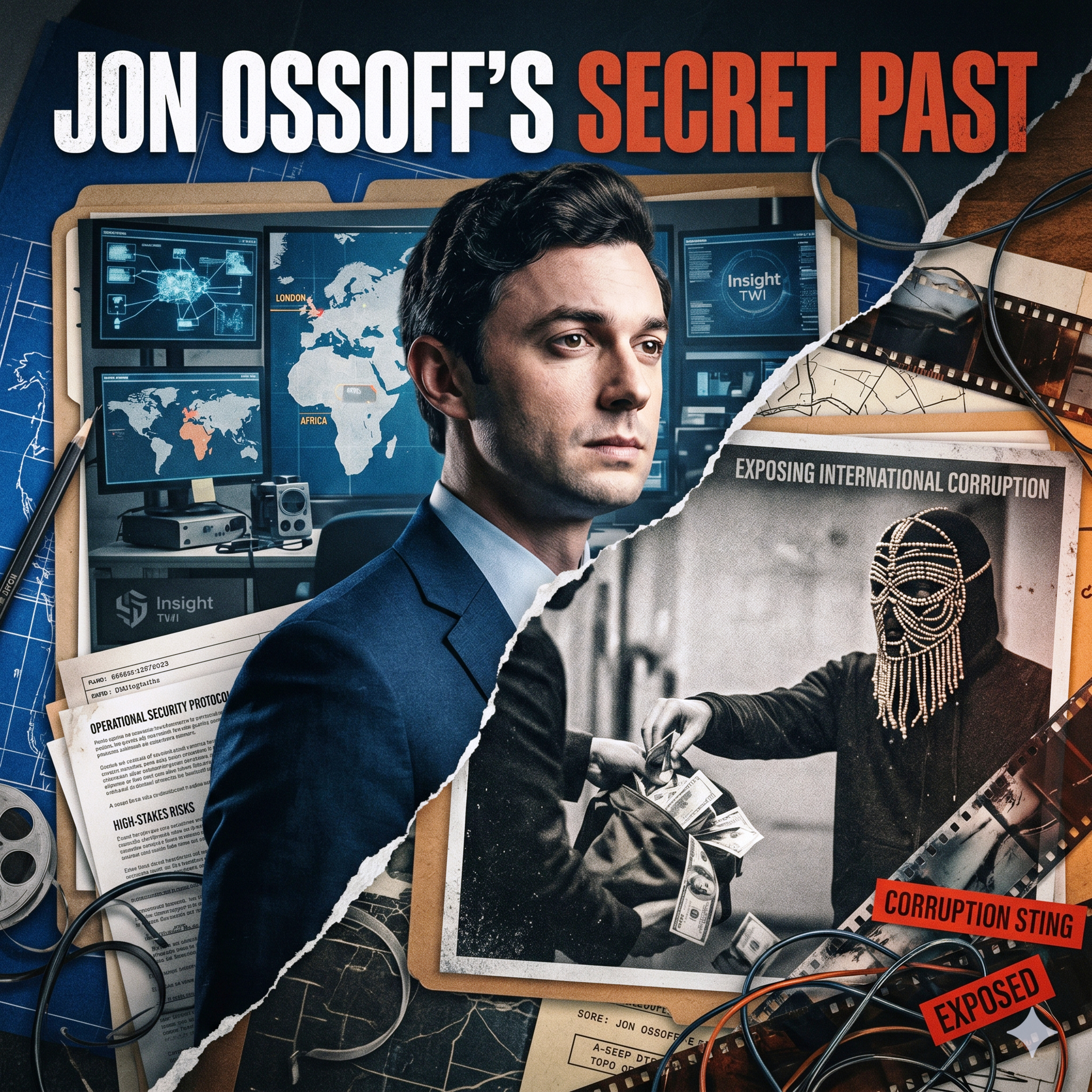
72. Jon Ossoff's Secret Past
Jun 1600:15:36Tap to summarizeBefore he was a United States Senator, he was managing...... international sting operations!In this episode, we dive deep into the unconventional, high-stakes background of Sentor Jon Ossoff. Long before entering the halls of Congress, Ossoff spent his 20s as a CEO and investigative filmmaker, orchestrating documentary stings that exposed international corruption, corporate crimes, and war profiteering.We break down the fascinating timeline of his past—from his early mentorship under civil rights icon John Lewis to his years leading a gritty investigative firm. We also look at how his political opponents tried to weaponize his unconventional resume on the campaign trail, how independent fact-checkers responded, and how the intense operational skills he learned in the private sector prepared him to become the youngest chairman of the Senate's most powerful investigative committee.What We Cover:The Bead Mask Sting: The inside story of a dangerous undercover operation that took down corrupt international soccer officials.The "Q" Factor: Why Ossoff's real role in investigative journalism was less about dodging bullets and more about running high-stakes logistics, security protocols, and international broadcast deals.The Political Fallout: How tax classifications and foreign distribution deals were twisted into campaign attack ads—and what the facts actually show.The Ultimate Training Ground: How managing hostile environments and parsing legal minutiae in his 20s served as the perfect incubator for congressional oversight.
Transcribe →