Podcast
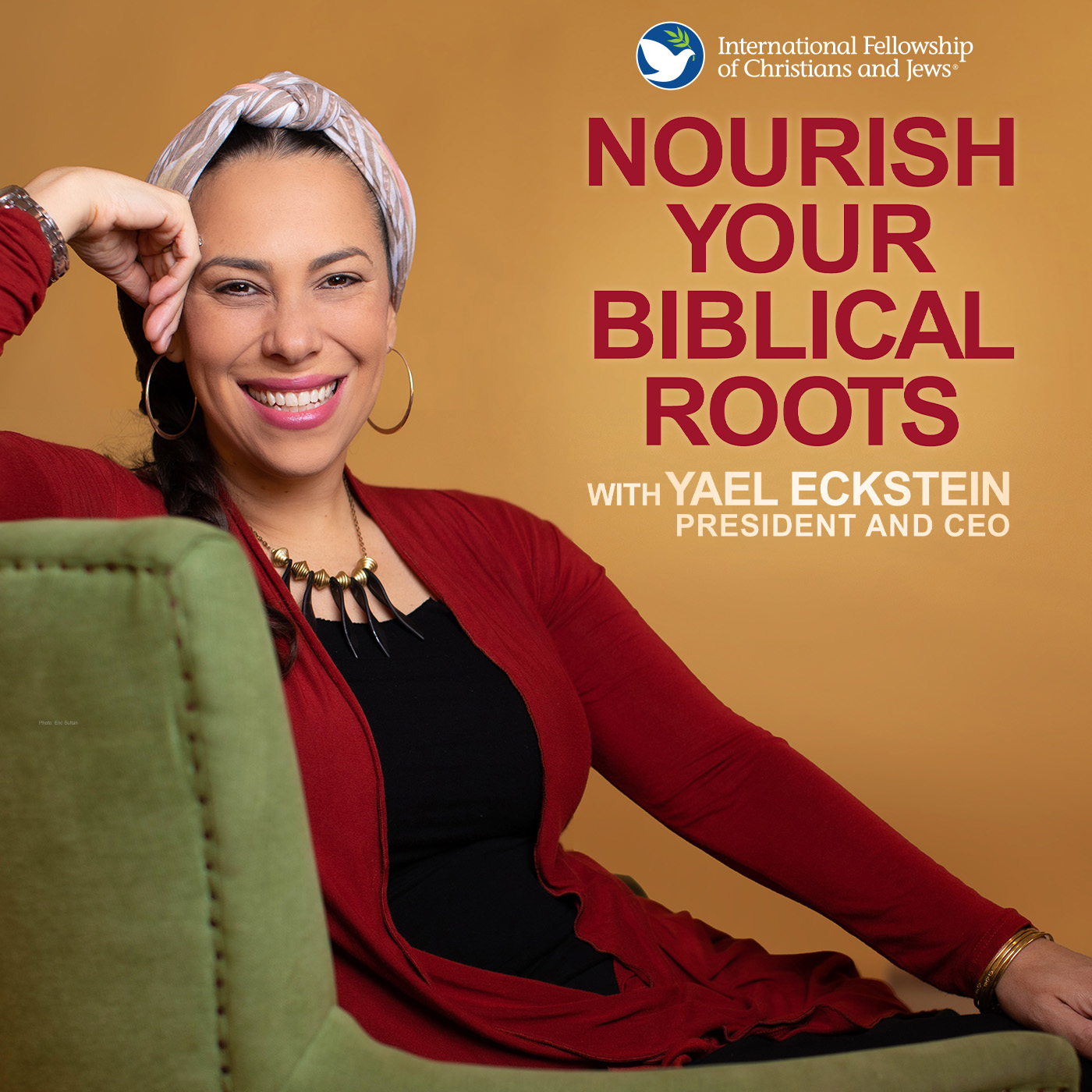
Nourish Your Biblical Roots with Yael Eckstein
Hosted by International Fellowship of Christians and Jews · EN
Explore the ancient Jewish roots of Christianity and their relevance to your life today with podcast host Yael Eckstein, President and CEO of the International Fellowship of Christians and Jews. Join Yael from the Holy Land as she shares spiritual insights, lessons from the Torah, and conversations about life in Israel. This podcast will take you on a unique journey through the Bible that will deepen your personal connection with Israel and offer you inspirational insights into your Christian faith.
31episodes
Episodes
Newest firstAll episodes

Jewish Voices, American Stories: Voices of Faith
Jun 2200:22:29Tap to summarizeThis episode of Jewish Voices, American Stories shares the stories of three American rabbis who helped shape a more inclusive, compassionate, and courageous nation through their convictions and actions.We begin with Rabbi Jacob Frankel, whose appointment as the first Jewish chaplain in the U.S. Army marked a turning point in American history. At a time when Jewish soldiers were excluded from spiritual leadership, Frankel’s service ensured that faith would not be a barrier—but a source of comfort, dignity, and belonging, even in the darkest moments of the Civil War.Next, we meet Rabbi Abraham Joshua Heschel, who believed that faith must be lived out through action. Marching alongside Dr. Martin Luther King Jr., Rabbi Heschel showed that standing against hatred is not optional—it is a calling rooted in faith.Finally, we reflect on the life and legacy of Rabbi Yechiel Eckstein, founder of the International Fellowship of Christians and Jews. Through his vision, relationships once marked by distance became bridges of fellowship and understanding—uniting people of faith around the world.These stories remind us that faith is not meant to remain private or passive. It is meant to move us—to stand together, to serve others, and to build bridges when and where they are needed most.To learn more about God’s people—from the days of the Bible through the present—visit The Fellowship’s Learn Center.
Transcribe →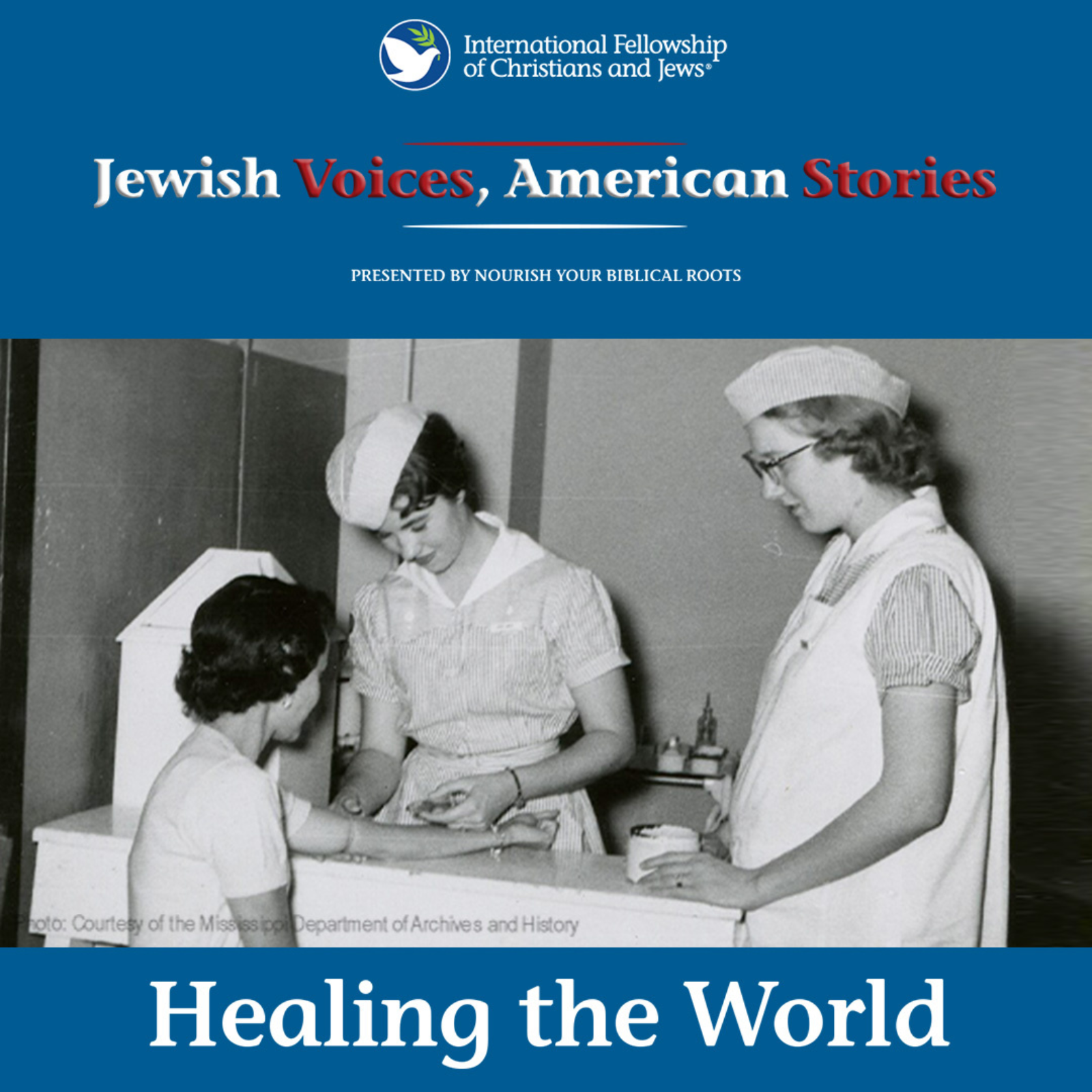
Jewish Voices, American Stories: Healing the World
Jun 1500:22:18Tap to summarizeThis episode of Jewish Voices, American Stories explores how Jewish-American scientists and doctors helped change the course of history—bringing healing, hope, and life to millions.We begin with Jonas Salk and Albert Sabin, two brilliant scientists whose breakthroughs in the fight against polio transformed one of America’s greatest fears into one of its greatest public health victories. At a time when families lived in dread of the disease, their vaccines brought relief, protection, and a future free from fear—and they chose to share their discoveries not for profit, but for the good of humanity.Next, we meet Dr. Henry Heimlich, whose simple yet lifesaving maneuver empowered ordinary people to act in moments of crisis. His work reminds us that sometimes the difference between life and death comes down to knowledge—shared, practical, and ready in an instant.Finally, we turn to two of the most influential scientific minds of the modern era: Albert Einstein and Richard Feynman. Their discoveries reshaped how we understand the universe, while also raising profound questions about responsibility, ethics, and the power of knowledge. From the atomic age to the space age, their work helped define the modern world.These stories reflect a deeply rooted value in Jewish tradition: the call to pursue knowledge, to ask questions, and to use what we learn to better the world. And through these individuals, we see how science—guided by purpose and responsibility—can truly help heal the world.To learn more about God’s people—from the days of the Bible through the present—visit The Fellowship’s Learn Center.
Transcribe →
Jewish Voices, American Stories: The Gift of Laughter
Jun 800:19:18Tap to summarizeThis episode of Jewish Voices, American Stories looks at God’s gift of laughter—and how Jewish comedians have helped bring joy, resilience, and connection to American life.We begin with the Marx Brothers, a family of immigrant performers whose quick wit, physical comedy, and unforgettable characters helped define American humor. In times of hardship and uncertainty, their laughter offered something more than entertainment—it offered relief, creativity, and even healing.Next, we meet Gene Wilder and Gilda Radner, two performers whose comedy made audiences laugh while also touching the heart. From The Producers to Saturday Night Live, their work reflected a uniquely human kind of humor—one rooted in vulnerability, love, and the ability to bring light into life’s hardest moments.Finally, we hear a personal reflection on Adam Sandler, a comedian whose work has connected generations. From the playful humor of his early career to the deeper themes in his later roles, Sandler’s voice has helped make Jewish identity visible, relatable, and joyful—reminding us that laughter can build bridges in unexpected ways.These stories remind us that laughter is more than just humor. It’s resilience. It’s connection. And sometimes, it’s exactly what we need to carry us through—and bring us closer together.To learn more about God’s people—from the days of the Bible through the present—visit The Fellowship’s Learn Center.
Transcribe →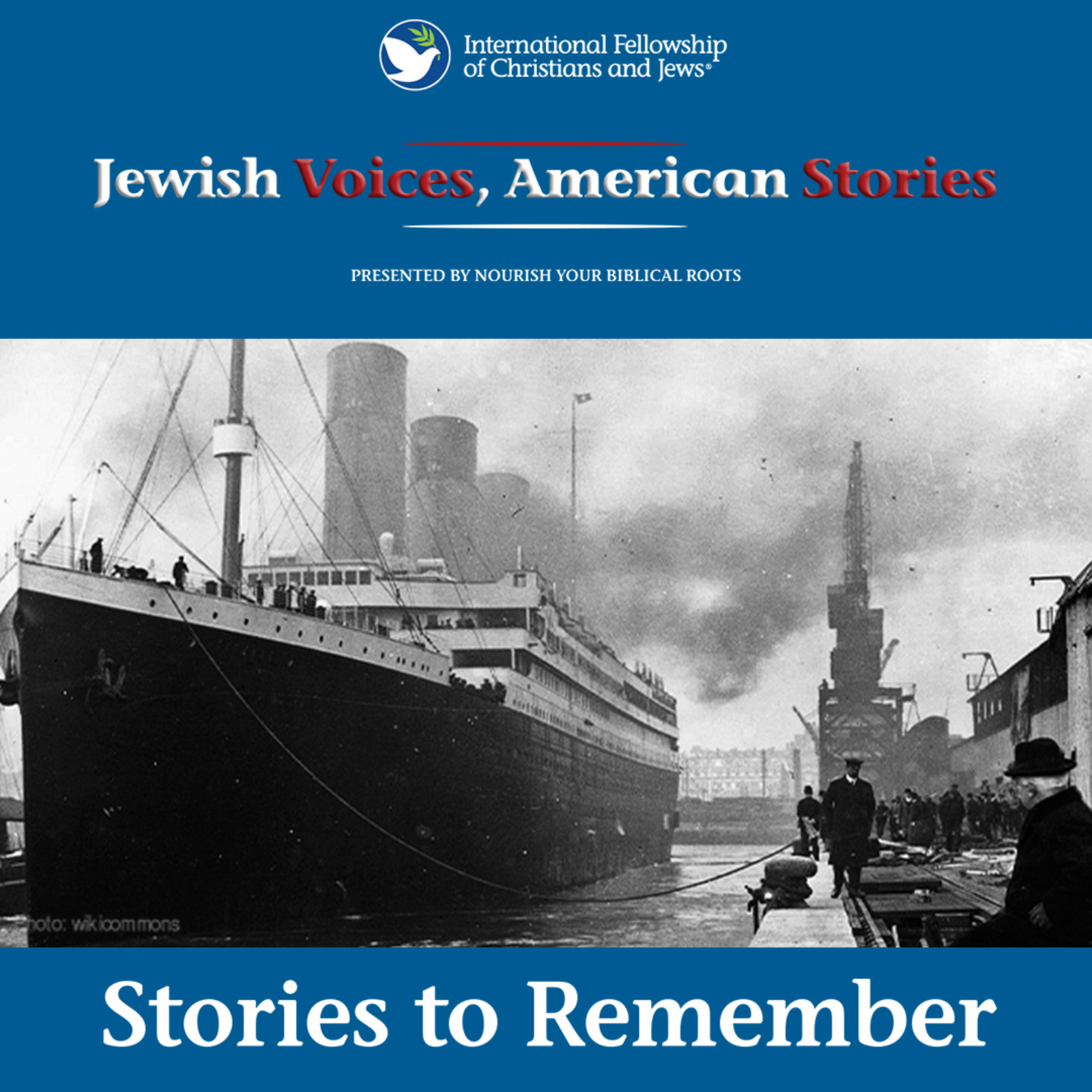
Jewish Voices, American Stories: Stories to Remember
Jun 100:20:42Tap to summarizeThis episode of Jewish Voices, American Stories reflects on moments of tragedy that have shaped both the Jewish experience and the American story—reminding us why memory, compassion, and courage matter.We begin with the Titanic, where amid one of history’s most famous disasters, a remarkable love story unfolded. Isidor and Ida Straus—partners in life for more than forty years—chose to remain together as the ship sank, leaving behind a legacy of devotion that echoes the enduring words: “Many waters cannot quench love.”Next, we turn to the voyage of the St. Louis, a ship carrying nearly a thousand Jewish refugees fleeing Nazi persecution. Denied refuge by multiple nations, many of its passengers were ultimately forced back to Europe—where hundreds would later perish in the Holocaust. Their story stands as a sobering reminder of the cost of indifference and the consequences of closed doors.Finally, we remember the 2018 attack on the Tree of Life synagogue in Pittsburgh—a tragedy that shook the nation and the world. In the face of unimaginable loss, the response called people of faith to something deeper: not only to mourn, but to stand together against hatred and to pursue peace.These stories are difficult. But they are necessary. To remember is to honor those who were lost… and to commit ourselves to building a world where faith is protected, hatred is confronted, and life is valued.To learn more about God’s people—from the days of the Bible through the present—visit The Fellowship’s Learn Center.
Transcribe →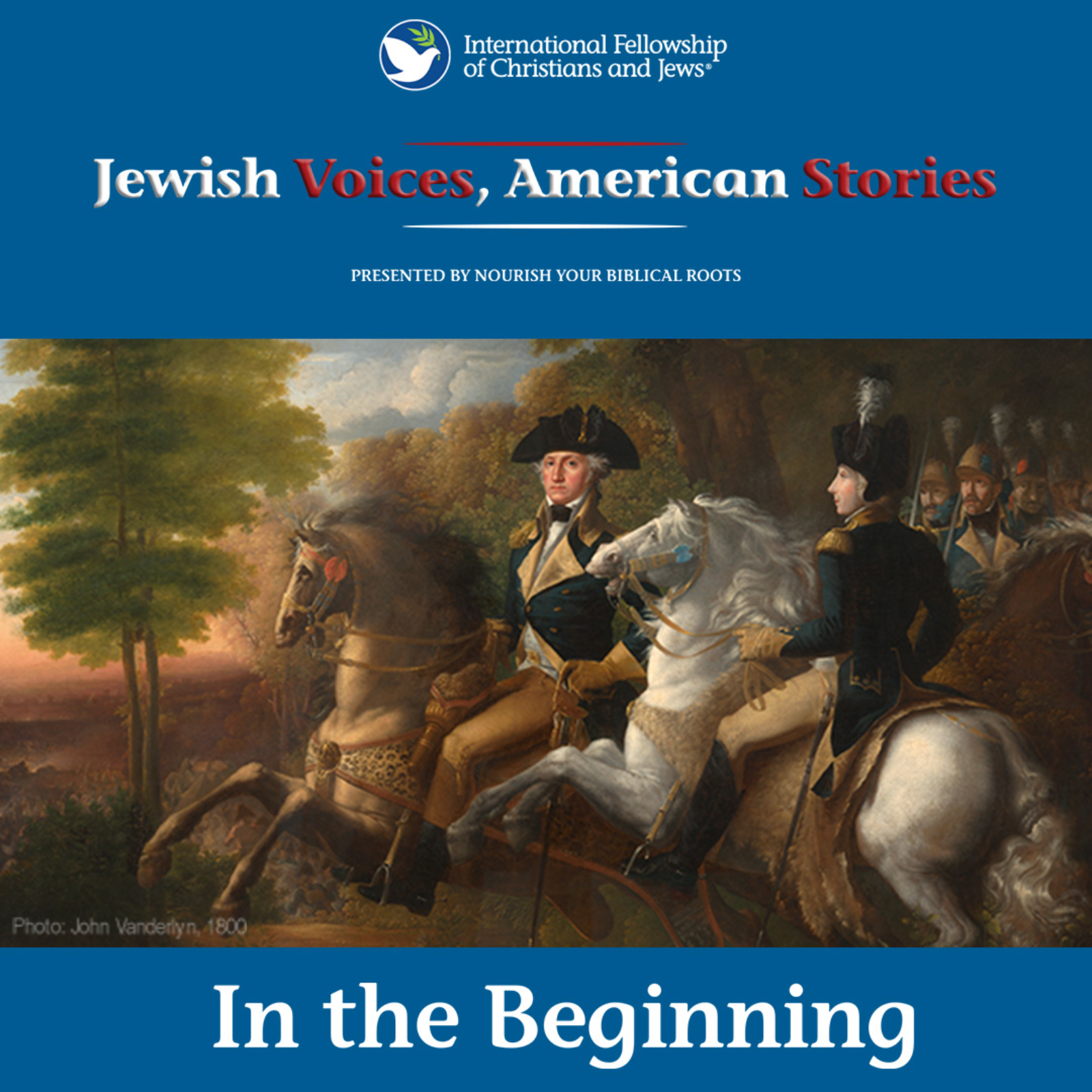
Jewish Voices, American Stories: In the Beginning
May 2500:19:06Tap to summarizeThis episode of Jewish Voices, American Stories takes us back to the earliest chapters of American history—long before Ellis Island—when Jewish life was already taking root in a new and uncertain nation.We begin at Touro Synagogue—the oldest synagogue in the United States. Built by a small community seeking religious freedom, it stands as a lasting symbol of a promise that would define America: that people of all faiths could worship freely and live without fear. That promise was powerfully affirmed in 1790, when President George Washington declared that the new nation would give “to bigotry no sanction, to persecution no assistance.”From there, we move to the front lines of the American Revolution. Jimmy introduces us to Francis Salvador, the first known Jewish patriot to give his life for American independence—a man who chose to fight for a nation still being born, believing in its promise of liberty and opportunity.Finally, we meet Solomon Bush, a Jewish officer in George Washington’s army who was wounded at the Battle of Brandywine and later played a role in uncovering a threat within the Continental forces. His story is a powerful reminder that the fight for freedom was carried not only by generals and statesmen, but by ordinary individuals willing to sacrifice everything.These stories reveal a profound truth: from the very beginning, Jewish Americans were not outsiders to the American story—they were part of it. Building communities. Serving their country. And helping shape a nation founded on faith, freedom, and hope.To learn more about God’s people—from the days of the Bible through the present—visit The Fellowship’s Learn Center.
Transcribe →
Jewish Voices, American Stories: The Soundtrack of America
May 1100:21:01Tap to summarizeIn this episode of Jewish Voices, American Stories, we’ll explore the powerful role Jewish musicians have played in shaping the soundtrack of America. From the concert hall to Broadway to the radio, music has always helped tell the story of our nation—and Jewish voices have played a part in that story in profound and lasting ways.We begin with Itzhak Perlman, a world-renowned violinist whose journey from Tel Aviv to American stages captivated millions. Despite physical challenges from childhood polio, Perlman’s joy, warmth, and extraordinary talent have brought classical music into living rooms across the country—and reminded audiences that music has the power to unite, uplift, and inspire.Next, Jimmy Burns takes us to Broadway, where composer Richard Rodgers helped define the golden age of American musical theater. Through iconic works like Oklahoma!, South Pacific, and The Sound of Music, Rodgers didn’t just write songs—he helped tell the American story itself, weaving themes of hope, justice, and human dignity into melodies that still resonate today.Finally, CJ Burroughs shares a deeply personal reflection on Neil Diamond, a legendary singer-songwriter whose music became part of the fabric of American life. From the Brill Building to sold-out arenas, Diamond’s songs carried echoes of Jewish faith, longing, and identity—offering light, comfort, and connection to generations of listeners.These stories remind us that music is more than entertainment—it’s memory, identity, and testimony. And through these Jewish artists, the soundtrack of America has been enriched with melodies of resilience, faith, and hope.To learn more about God’s people—from the days of the Bible through the present—visit The Fellowship’s Learn Center.
Transcribe →
Jewish Voices, American Stories: Words That Shaped America
May 1100:20:06Tap to summarizeIn this episode of Jewish Voices, American Stories, we’ll explore the Jewish writers whose words helped shape not just literature—but the moral and spiritual conscience of America.We begin with Elie Wiesel, a Holocaust survivor whose powerful testimony in Night brought the reality of unimaginable suffering into classrooms and hearts across the country. Through his writing, Wiesel bore witness to both the horrors he endured and the enduring themes of faith, justice, and human dignity.Next, we meet Hannah Arendt, a brilliant thinker who fled Nazi Europe and later challenged the world to confront a difficult question: how ordinary people can become part of extraordinary evil. Through her reporting on the trial of Adolf Eichmann and her lifelong work, Arendt helped bring the moral complexities of the Holocaust into American thought—urging readers not only to remember history, but to learn from it.Finally, we turn to Emma Lazarus, a poet whose words helped define the American ideal. Moved by the plight of Jewish refugees, Lazarus gave voice to a vision of the United States as a place of refuge and hope. Her poem “The New Colossus” forever transformed the Statue of Liberty into a symbol of welcome—inviting the world’s “tired” and “poor” to find a new beginning.These stories remind us that words have power. They can preserve memory, challenge injustice, and inspire a nation to live up to its highest calling. And through these Jewish voices, the story of America has been shaped—line by line—by truth, courage, and hope.To learn more about God’s people—from the days of the Bible through the present—visit The Fellowship’s Learn Center.
Transcribe →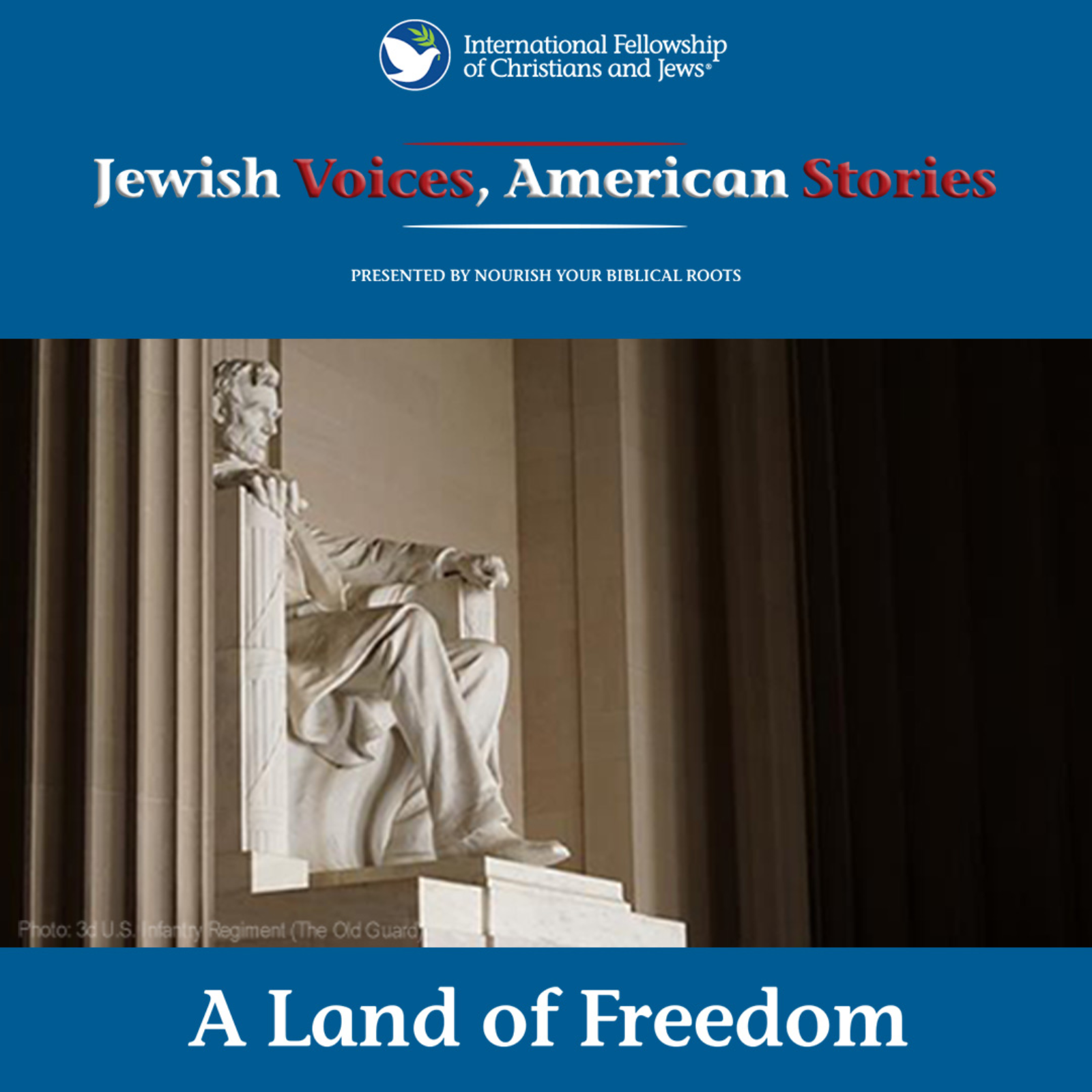
Jewish Voices, American Stories: A Land of Freedom
May 100:21:19Tap to summarizeWelcome to a new podcast season, Jewish Voices, American Stories. In this episode, we’ll explore pivotal moments when American presidents helped shape a nation where the Jewish people could belong—and thrive.We begin at the founding of the United States, when George Washington answered a profound question for a small but faithful community: Would this new nation make room for the Jewish people? Through a historic letter to a Jewish congregation, Washington offered more than tolerance—he affirmed full belonging, promising a country that gives “to bigotry no sanction, to persecution no assistance.”From there, we step into the Civil War. Abraham Lincoln, guided by conscience and inspired by the Bible story of Esther, wrestled with what it meant to act “for such a time as this.” America would be cast as a “land of promise,” drawing deeply from Scripture—reminding us still that freedom is a calling.Finally, we move to the world stage in 1948, when President Harry Truman made a decision that would echo through history. In the shadow of the Holocaust, Truman recognized the State of Israel just minutes after its founding—an act of moral clarity that forged a lasting bond between two nations shaped by faith.These stories remind us that the story of America has always been intertwined with the story of the Jewish people—woven together by shared Scripture, shared struggle, and shared hope.To learn more about God’s people—from the days of the Bible through the present—visit The Fellowship’s Learn Center.
Transcribe →
Why This Night Matters: What Passover Means to You
Mar 2400:31:28Tap to summarizeIn this special Passover episode of Nourish Your Biblical Roots, Yael Eckstein and Bishop Paul Lanier explore one of the most powerful and meaningful stories in the Bible—not only for the Jewish people, but for Christians, too.Passover commemorates God’s dramatic deliverance of the Israelites from slavery in Egypt. But this biblical story of redemption isn’t just about the past—it is meant to shape our faith today.In this moving conversation, Yael and Bishop Lanier reflect on what Christians should know about Passover, the Exodus, and the Jewish roots of their faith. You’ll hear why the Passover story leads to a deeper understanding of the Bible, and why the Seder meal speaks so powerfully to all people of faith.Drawing from Scripture, Yael and Bishop Lanier discuss how Passover calls us to remember who God is, what He has done, and how faith in Him must be passed from one generation to the next. Around the Passover table, questions are asked, stories are retold, and hearts are reminded that God is still present in the midst of suffering… and that He is still bringing redemption.This episode reveals a powerful truth: Passover is not only the story of Israel’s freedom. It’s a story of hope, remembrance, and faith for anyone who seeks to know God more deeply.Listen now.What do you know about Passover? Find out by taking our quiz!
Transcribe →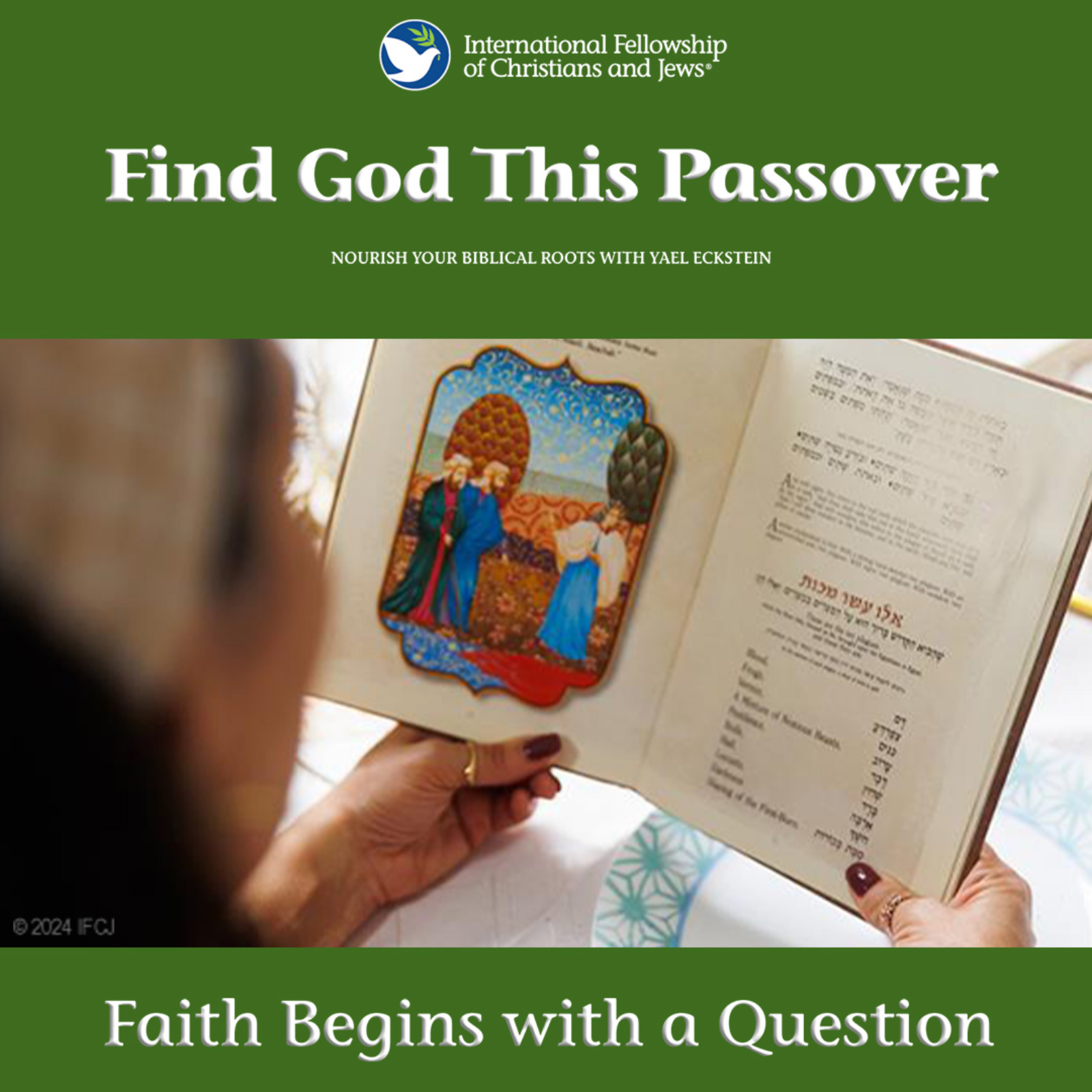
Faith Begins with a Question: Find God This Passover
Mar 2300:20:24Tap to summarizeIn this special Passover episode of Nourish Your Biblical Roots, Yael Eckstein invites us into one of the most powerful—and often overlooked—biblical traditions: the asking of questions.Passover is one of the most sacred holidays in the Bible, commemorating God’s dramatic deliverance of the Israelites from slavery in Egypt. But Passover is not meant to be remembered passively—it’s meant to be experienced personally. And it all begins with a question:Why is this night different from all other nights?The Seder, the traditional Passover meal, was designed by God to awaken our curiosity. The specific foods, the symbolic rituals, and the retelling of the Exodus story are all meant to spark questions that lead us deeper into our faith.Drawing from Exodus 12, Yael reveals how God instructed His people to prepare for the moment when a child would ask, “What does this mean?” Because in the asking, faith comes alive.This episode uncovers a profound truth: God is not distant from our questions. He invites them. And when we come to Him with curiosity and humility, we don’t just learn more about the Bible—we draw closer to Him.This Passover, rediscover the power of asking—and in doing so, draw nearer to God.Listen now!Join Yael’s family to learn more about the Passover celebration.
Transcribe →