Podcast
NOVA Presents
Hosted by GBH · EN
Ever wonder what's really going on in the world of science? We've got you covered. Join us for conversations with the researchers making tomorrow's breakthroughs, deep dives into the universe's biggest mysteries, and clear explanations of the discoveries that matter most. We're talking climate breakthroughs, space mysteries, AI developments, and quantum leaps, all explained by the people doing the work.
Whether you're curious about breaking headlines, fascinated by black holes and alien worlds, or ready for mind-bending conversations with brilliant scientists, NOVA Presents delivers four incredible series that make complex science feel like chatting with your smartest friend. For over 50 years, NOVA has been your trusted guide to understanding the world, now we're bringing that same curiosity and clarity straight to your ears. Come explore with us.
Discover more NOVA content and subscribe to our YouTube channel.
52episodes
Episodes
Newest firstAll episodes
What Species Can We De-Extinct? | Beth Shapiro
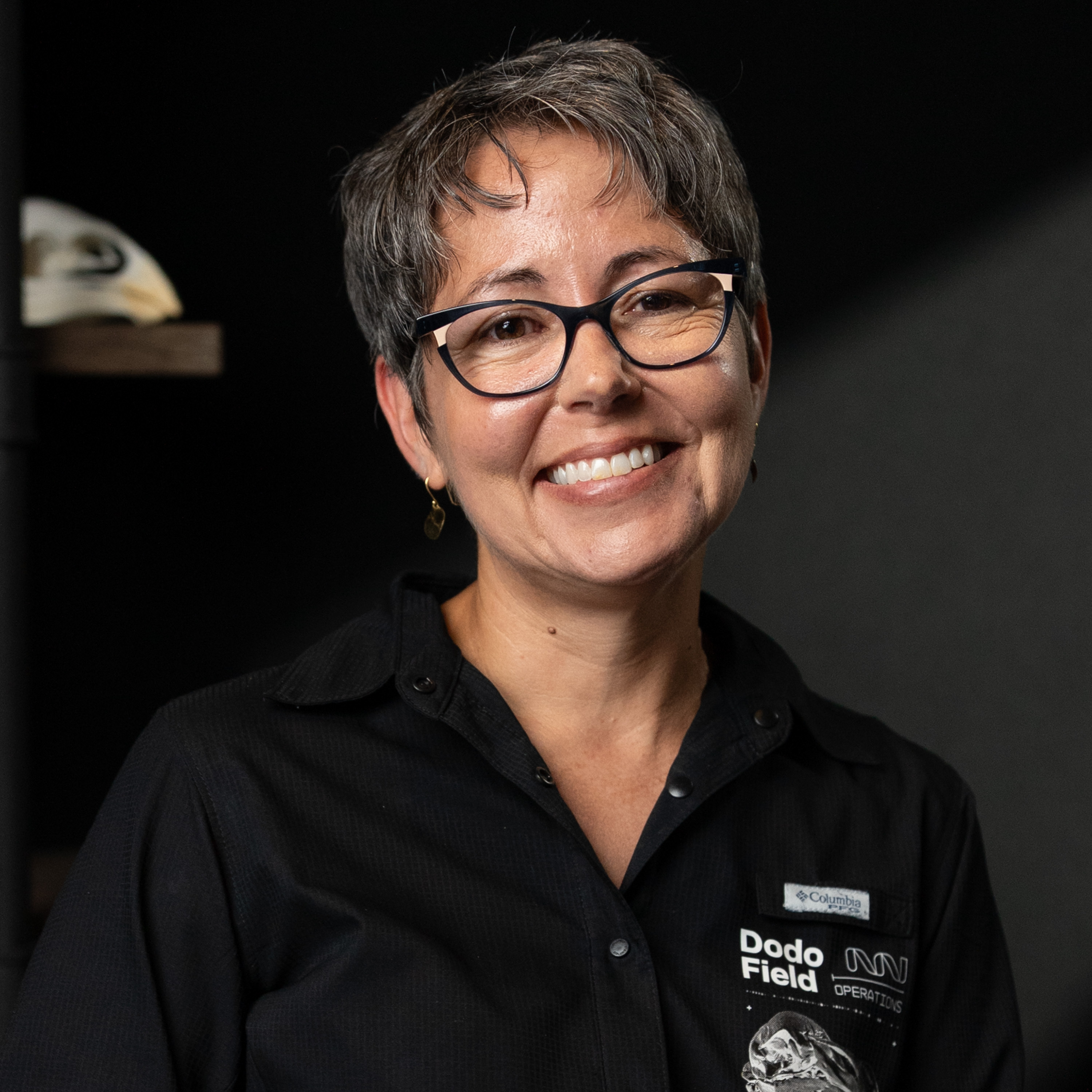
Mar 1800:01:36Tap to summarizeScientists claimed in 2024 that they "de-extincted" the dire wolf… so what’s next, and what determines whether a species can be brought back? Evolutionary biologist Beth Shapiro explains some of the factors that go into deciding what to try and bring back. For more, check out the extended interview with Beth Shapiro. Learn more about NOVA and subscribe to our YouTube channel.
Transcribe →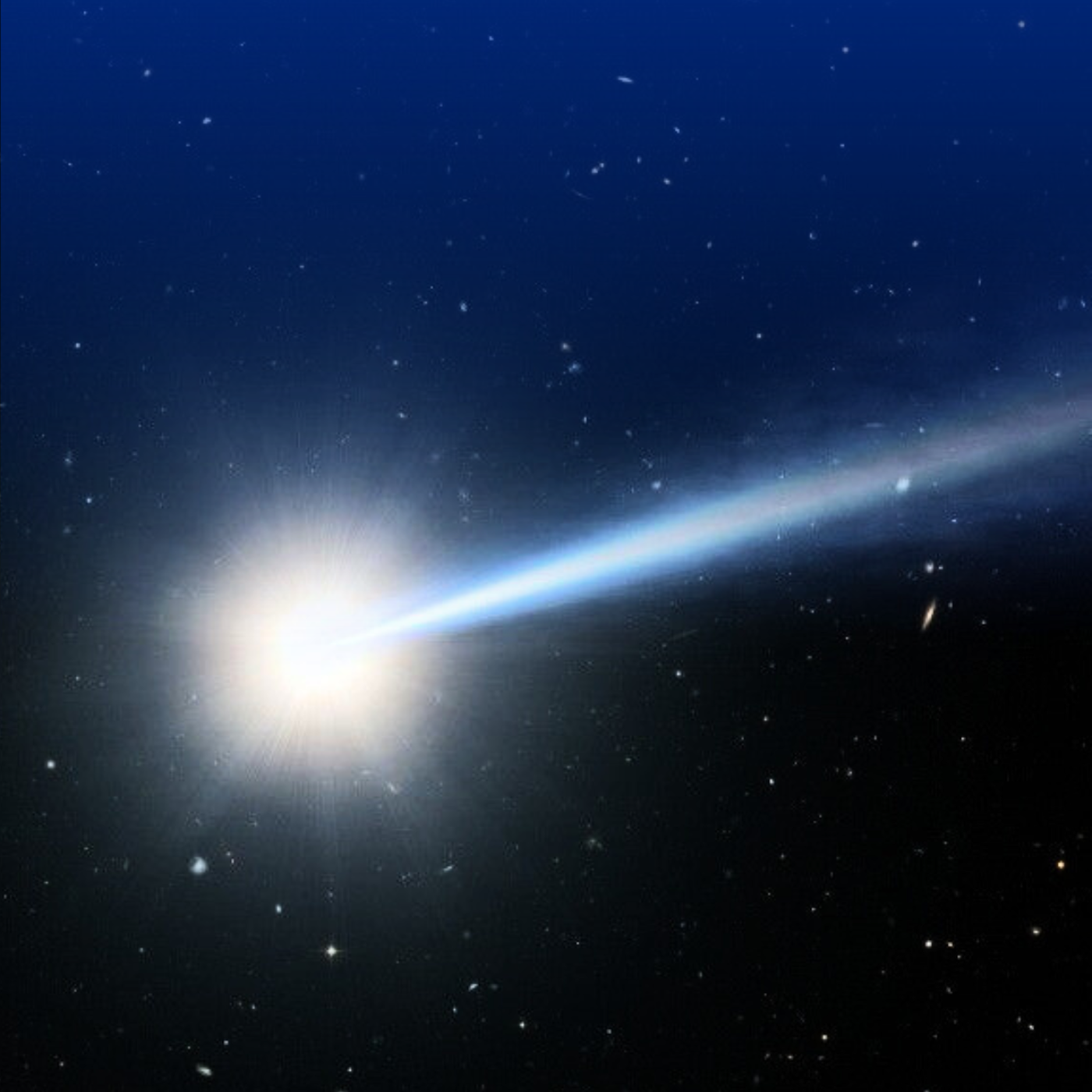
Einstein’s Quantum Riddle
Mar 1700:20:30Tap to summarizeQuantum particles are breaking the rules of reality – or so it seems. Can they truly communicate across time and space instantly? Einstein dismissed this “spooky action at a distance,” convinced it exposed flaws in quantum theory. But the deeper scientists looked, the stranger the universe became. From fierce debates to important discoveries, discover how a once‑controversial quantum oddity is now reshaping how we think, how we compute, and how the future gets built.To watch the full film, visit https://www.pbs.org/wgbh/nova/video/einsteins-quantum-riddle/ Learn more about NOVA and subscribe to our YouTube channel.
Transcribe →
Were Dinosaurs Able to Sing? | Erich Jarvis
Mar 1100:00:41Tap to summarizeDinosaurs might not have been the roaring beasts many imagine. Neuroscientist Erich Jarvis explains why modern birds—living dinosaurs—offer clues about vocal learning and why dinosaurs could have been singers.For more, check out the extended interview with Erich Jarvis. Learn more about NOVA and subscribe to our YouTube channel.
Transcribe →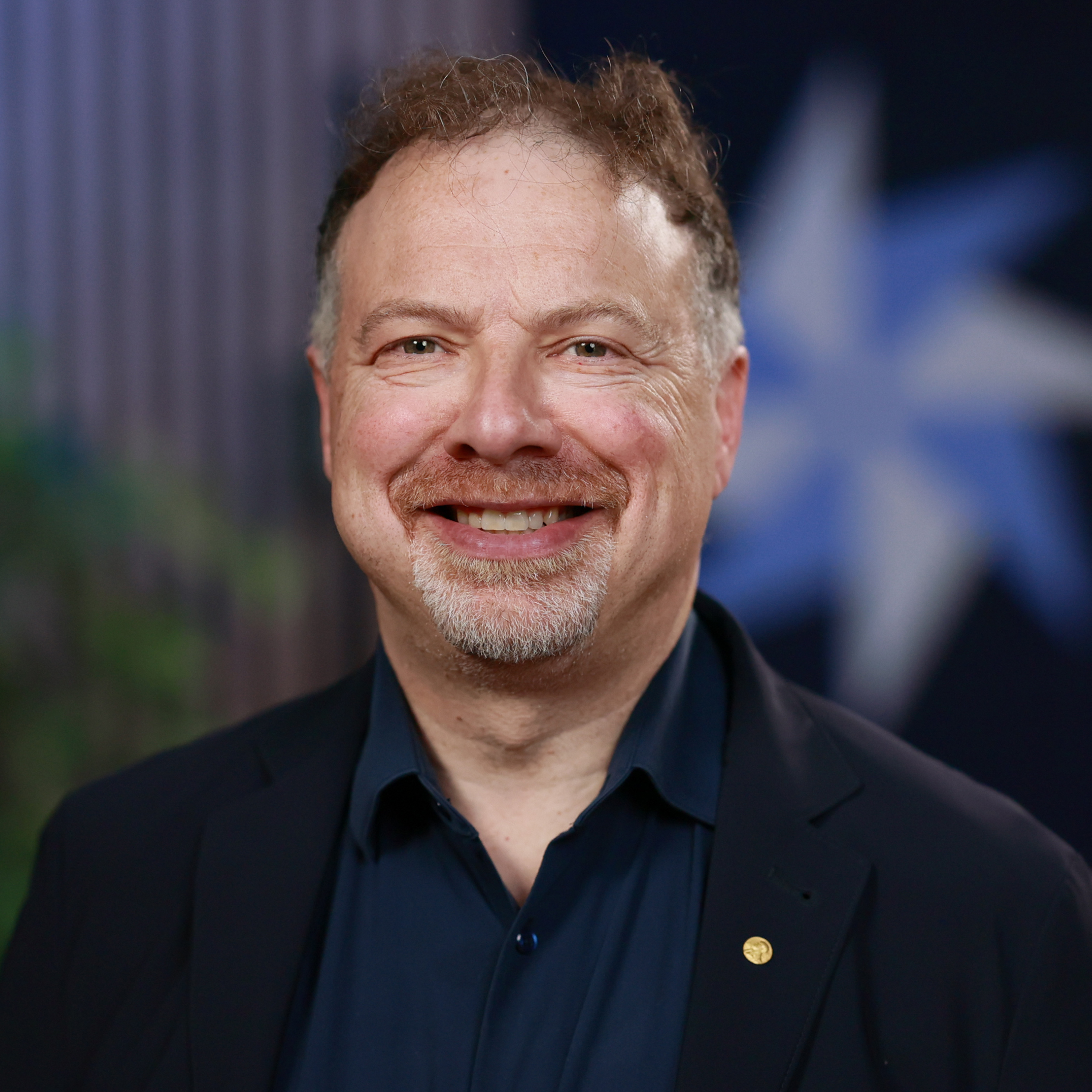
Space-Time Expansion, Explained | Adam Riess
Mar 400:01:41Tap to summarizeIf the universe is expanding, why aren’t galaxies stretching apart? Cosmologist Adam Riess breaks down the physics behind cosmic expansion, the forces that resist it, and why dark energy dominates the vast spaces between.For more, check out the extended interview with Adam Riess.Learn more about NOVA and subscribe to our YouTube channel.
Transcribe →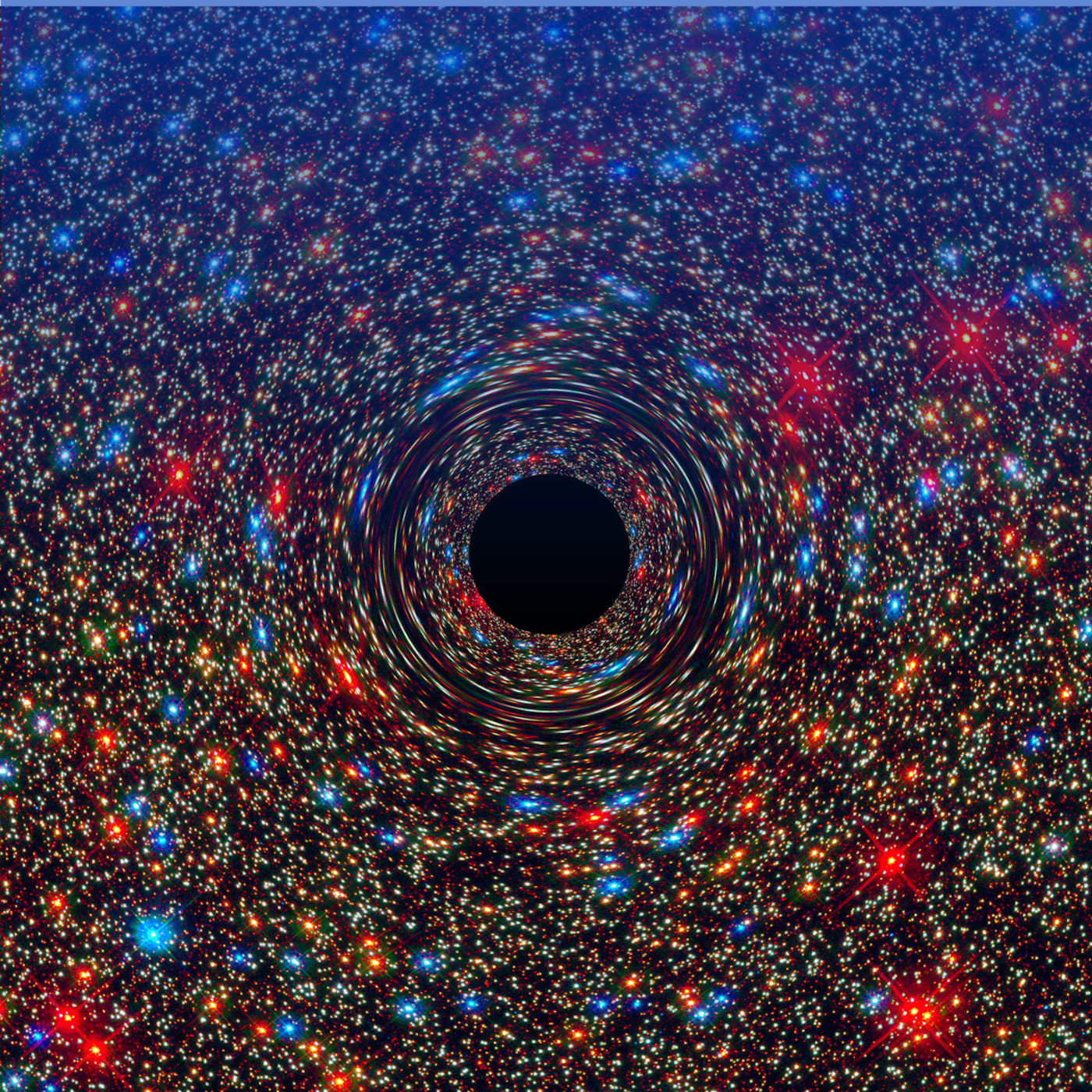
Black Hole Apocalypse
Mar 300:25:00Tap to summarizeWhat if black holes are hiding the answers cosmologists have been chasing for a century? Born from the explosive deaths of massive stars, black holes are so dense even light cannot escape – making them challenging to observe. But after decades of chasing the unseeable and building ever more sophisticated observation tools, researchers are now discovering that they hold profound clues about the nature of spacetime, the formation of galaxies, and the energy that powers our universe.To watch the full film, visit https://www.pbs.org/wgbh/nova/video/black-hole-apocalypse/ Learn more about NOVA and subscribe to our YouTube channel.
Transcribe →
Your Brain’s Peak Performance Mode | Heather Berlin
Feb 2500:01:08Tap to summarizeWhy does thinking too hard ruin your rhythm? Neuroscientist Heather Berlin unpacks the science of flow states, explaining why mastery means trusting your brain’s hidden systems to do what they do best.For more, check out the extended interview with Heather Berlin.Learn more about NOVA and subscribe to our YouTube channel.
Transcribe →
Black Hole Geometry Will Warp Your Brain | Janna Levin
Feb 1800:02:14Tap to summarizeBlack holes can be bigger on the inside than they are on the outside. Astrophysicist Janna Levin explains how this is possible, and what that means about how black holes work. For more, check out the extended interview with Janna Levin.Learn more about NOVA and subscribe to our YouTube channel.
Transcribe →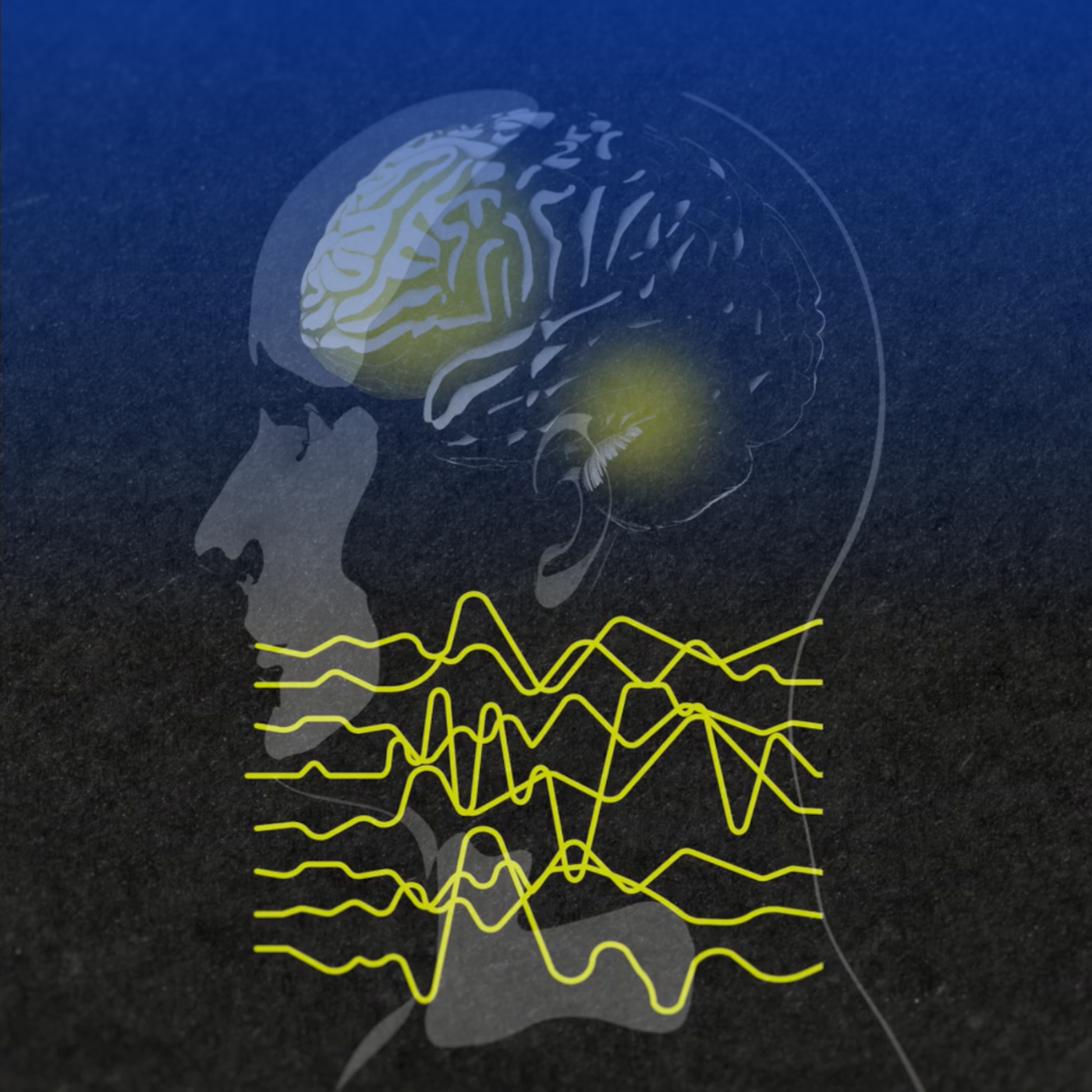
Your Brain: Perception and Control
Feb 1700:18:48Tap to summarizeAre we really in control of our own minds? Research suggests our sense of control may be far more fragile – and far stranger – than we imagine. From moments when the body seems to act without us, to the eerie ways our brains can warp what we think we’ve heard, scientists are uncovering a picture of the mind that’s anything but straightforward. And beneath it all lies a surprising discovery: the brain is less an observer of reality than a prediction engine, forever guessing what comes next.To watch the full film, visit https://www.pbs.org/wgbh/nova/series/your-brain/ Learn more about NOVA and subscribe to our YouTube channel.
Transcribe →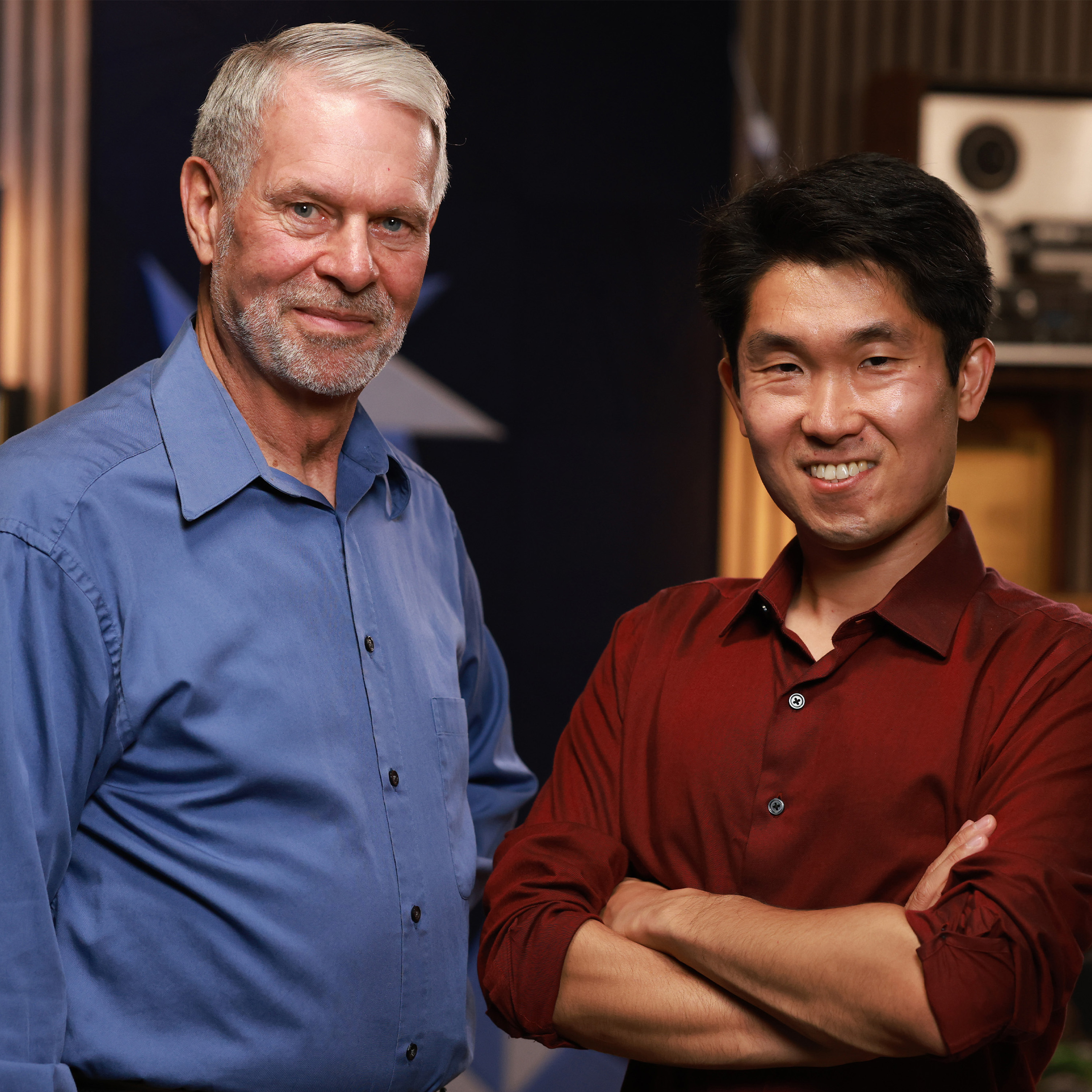
What Exactly Is a Law of Nature? | Robert Hazen & Michael Wong
Feb 1100:02:33Tap to summarizeWhat’s the difference between a fact, a law, and a theory? Mineralogist Robert Hazen and astrobiologist Michael Wong unpack the hierarchy of scientific ideas and reveal how laws of nature elegantly unify the universe.For more, check out the extended interview with Robert Hazen and Michael Wong.Learn more about NOVA and subscribe to our YouTube channel.
Transcribe →
How Many Microbes Live on Earth? | Peter Girguis
Feb 400:01:08Tap to summarizeSorry, Beyoncé, it turns out microbes rule the world. Microbiologist Peter Girguis explains how to conceptualize just how many microbes are on Earth… and how understanding this helps us look for life on other worlds. For more, check out the extended interview with Peter Girguis.Learn more about NOVA and subscribe to our YouTube channel.
Transcribe →