Podcast
NOVA Presents
Hosted by GBH · EN
Ever wonder what's really going on in the world of science? We've got you covered. Join us for conversations with the researchers making tomorrow's breakthroughs, deep dives into the universe's biggest mysteries, and clear explanations of the discoveries that matter most. We're talking climate breakthroughs, space mysteries, AI developments, and quantum leaps, all explained by the people doing the work.
Whether you're curious about breaking headlines, fascinated by black holes and alien worlds, or ready for mind-bending conversations with brilliant scientists, NOVA Presents delivers four incredible series that make complex science feel like chatting with your smartest friend. For over 50 years, NOVA has been your trusted guide to understanding the world, now we're bringing that same curiosity and clarity straight to your ears. Come explore with us.
Discover more NOVA content and subscribe to our YouTube channel.
52episodes
Episodes
Newest firstAll episodes
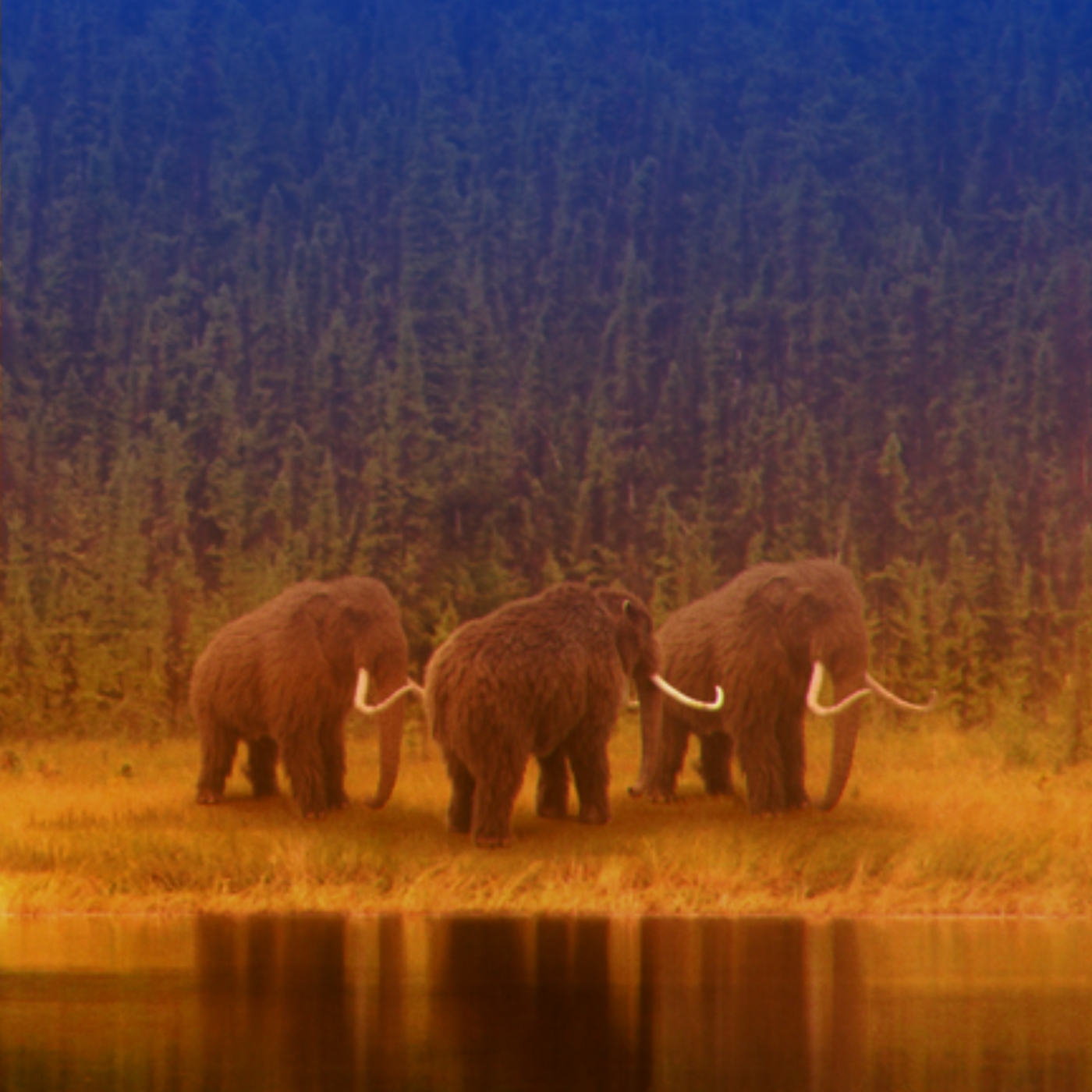
Hunt for the Oldest DNA
Feb 300:19:48Tap to summarizeScientists have discovered the oldest DNA ever found: tiny fragments hidden in the dirt. The idea that soil could hold genetic traces from creatures that vanished millions of years ago seemed impossible – until one researcher had the wild idea to go and look. But how did he find DNA that most scientists thought could never survive? What forgotten worlds can this buried DNA reconstruct? And what might these revelations tell us about our own future on a rapidly changing planet?To watch the full film, visit here.Learn more about NOVA and subscribe to our YouTube channel.
Transcribe →
Why Tropical Trees Don’t Have Rings | Kirk Johnson
Jan 2800:01:00Tap to summarizeGrowth rings on trees can measure time, allowing scientists to date things from the deep past. But, paleobotantist Dr. Kirk Johnson explains why, in the tropics, some trees have no rings.For more, check out the extended interview with Kirk Johnson.Learn more about NOVA and subscribe to our YouTube channel.
Transcribe →
Einstein’s “Biggest Blunder” | Adam Riess
Dec 1500:06:27Tap to summarizeDiscovering dark energy wasn’t just thrilling—it was terrifying. Nobel Prize Winner Adam Riess explains the nerve-wracking process behind confirming that the universe’s expansion is accelerating and why Einstein’s so-called “biggest blunder” turned out to be anything but.Learn more about NOVA and subscribe to our YouTube channel.
Transcribe →
How Fame Affects the Brain | Heather Berlin
Dec 1100:09:56Tap to summarizeFame can hijack the brain like a drug—activating the same reward circuits that fuel a relentless chase for dopamine highs. Neuroscientist Heather Berlin reveals the antidote—and why even social media fame can trigger this cycle.For more, check out the extended interview with Heather Berlin.Learn more about NOVA and subscribe to our YouTube channel.
Transcribe →
How Fossils Form and How to Find Them | Kirk Johnson
Dec 1000:15:19Tap to summarizeFossilization isn’t luck - it’s geology. Paleobotanist Kirk Johnson explains how fossils only form in certain conditions, the tricks to finding them, and why one fossil leaf can lead to thousands more. For more, check out the extended interview with Kirk Johnson.Learn more about NOVA and subscribe to our YouTube channel.
Transcribe →
Why Only Some Species Can Talk—and Dance | Erich Jarvis
Dec 800:09:31Tap to summarizeSpeech is rare in the animal kingdom because it requires a very specific brain architecture. Neuroscientist Erich Jarvis explains how duplicating neural pathways for movement unlocked language, dancing, and even advanced problem-solving in more than just humans.For more, check out the extended interview with Erich Jarvis. Learn more about NOVA and subscribe to our YouTube channel.
Transcribe →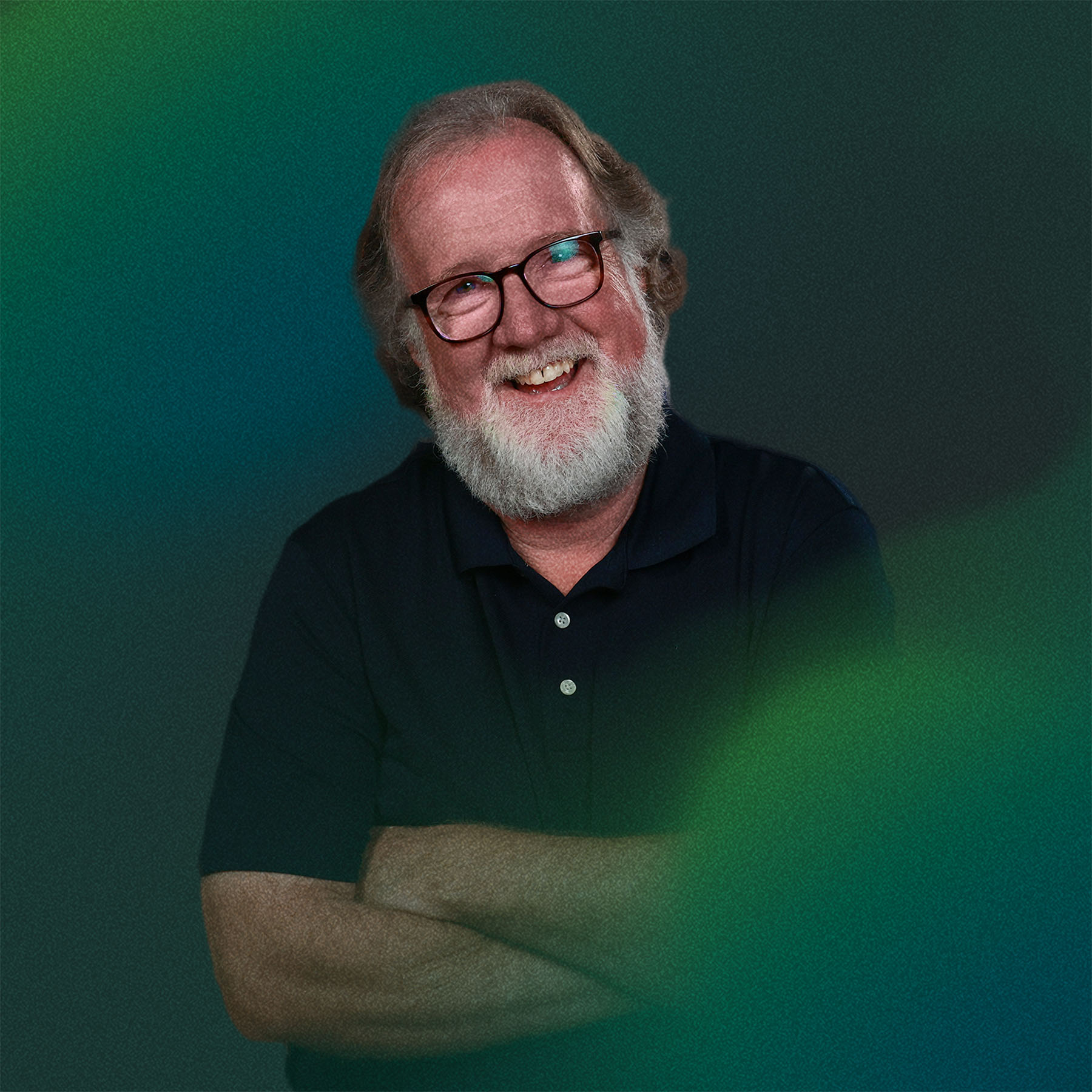
Evolution of New Species, Venom, Wings, and More | Extended Interview with Sean B. Carroll
Dec 401:23:20Tap to summarizeHow does evolution invent entirely new things, like limbs, wings, and venom? Evolutionary biologist Sean B. Carroll joins us to reveal the hidden rules behind nature’s creativity and the genetic toolkit that makes it possible. Carroll explains how the same set of genes can build wildly different creatures — from fruit flies to lobsters — simply by rewiring their genetic circuits. Discover why developmental biology holds the key to understanding evolution, how snake venom evolved, and why medicines like GLP-1 drugs and statins trace their origins to nature’s own innovations. Plus, what the emergence of new species tells us about life’s future and the surprising power of evolution to repurpose old parts in new ways. Learn more about NOVA and subscribe to our YouTube channel. —————————Guest Bio: Sean B. Carroll is a renowned evolutionary biologist and author whose work has inspired a deeper public understanding of evolution and the natural world. He is an Investigator at Howard Hughes Medical Institute (HHMI), where he was formerly Head of HHMI Tangled Bank Studios, and led the Department of Science Education from 2010-2023. He is also a Professor of Biology at the University of Maryland. His research focuses on genes that influence the evolution of animal diversity.Timestamps(00:00:00) How Does A New Species Evolve?(00:12:54) The Process of Speciation: Use It or Lose It(00:36:22) Development: What the Fruit Fly Taught Us(00:55:37) The Evolution of Defense Mechanisms & Developing Medications(01:19:55) The Role of Chance in Evolution(01:24:22) Credits
Transcribe →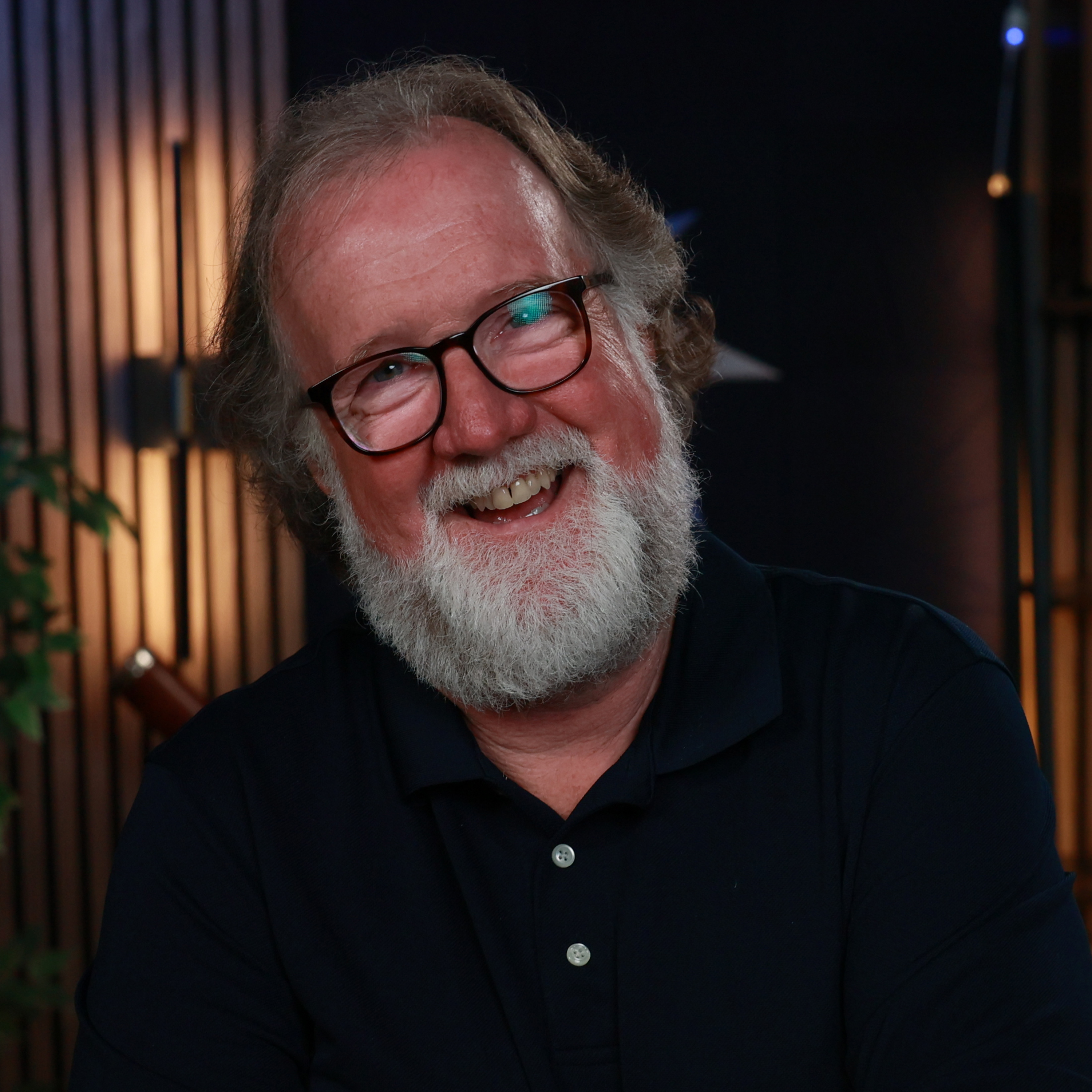
How the Fruit Fly Revolutionized Biology | Sean B. Carroll
Dec 300:12:08Tap to summarizeFrom legs on heads to missing eyes, fruit fly mutations exposed the genetic toolkit that builds all animals. Evolutionary Biologist Sean B. Carroll shows how these discoveries rewrote our understanding of evolution.For more, check out the extended interview with Sean B. Carroll.Learn more about NOVA and subscribe to our YouTube channel.
Transcribe →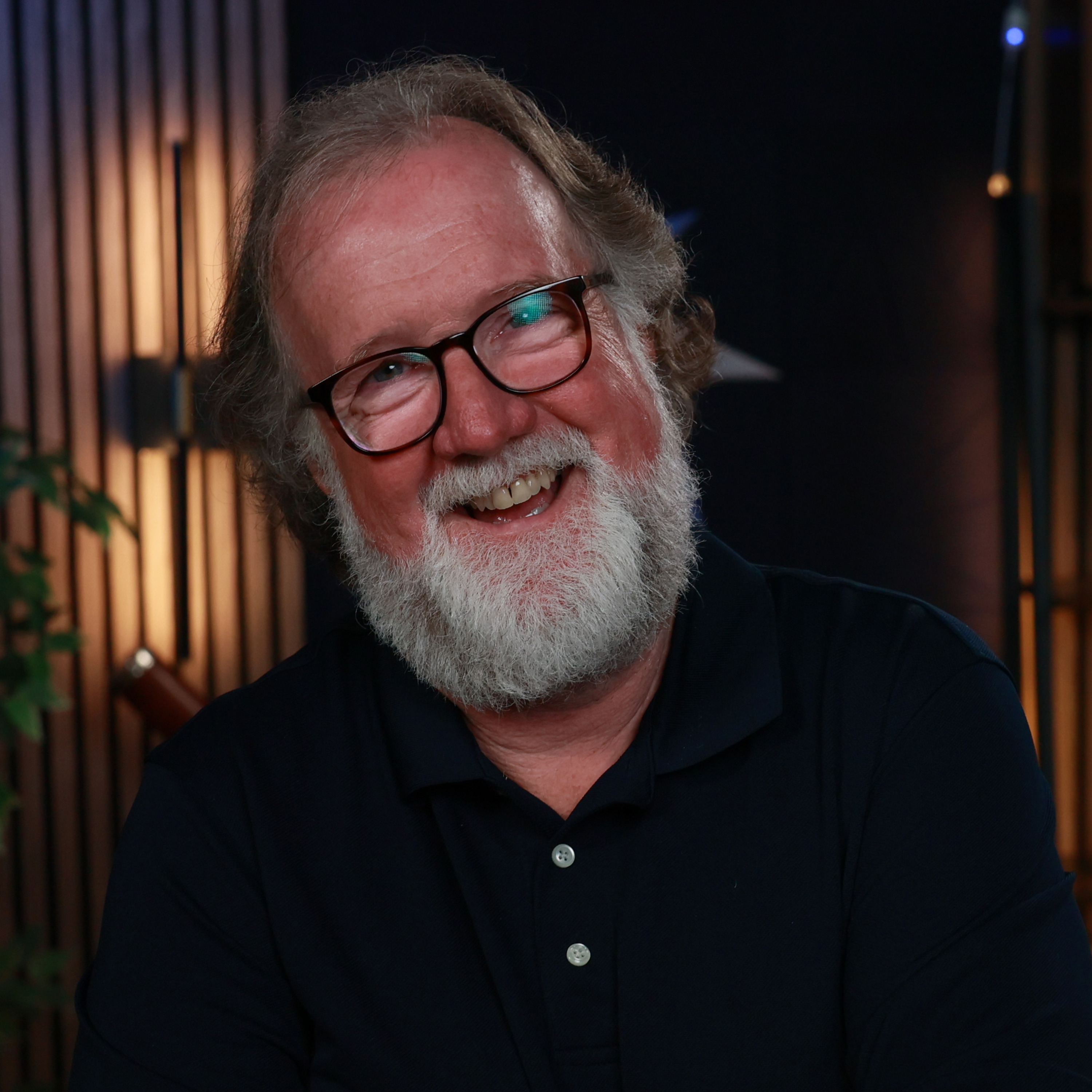
The Evolution of Venom & Antivenom | Sean B. Carroll
Dec 100:12:19Tap to summarizeFrom snakes to jellyfish, venom is one of evolution’s most lethal inventions. Evolutionary Biologist Sean B. Carroll reveals how this deadly innovation emerged—and the new science behind antivenom inspired by nature’s own defenses.For more, check out the extended interview with Sean B. Carroll.Learn more about NOVA and subscribe to our YouTube channel.
Transcribe →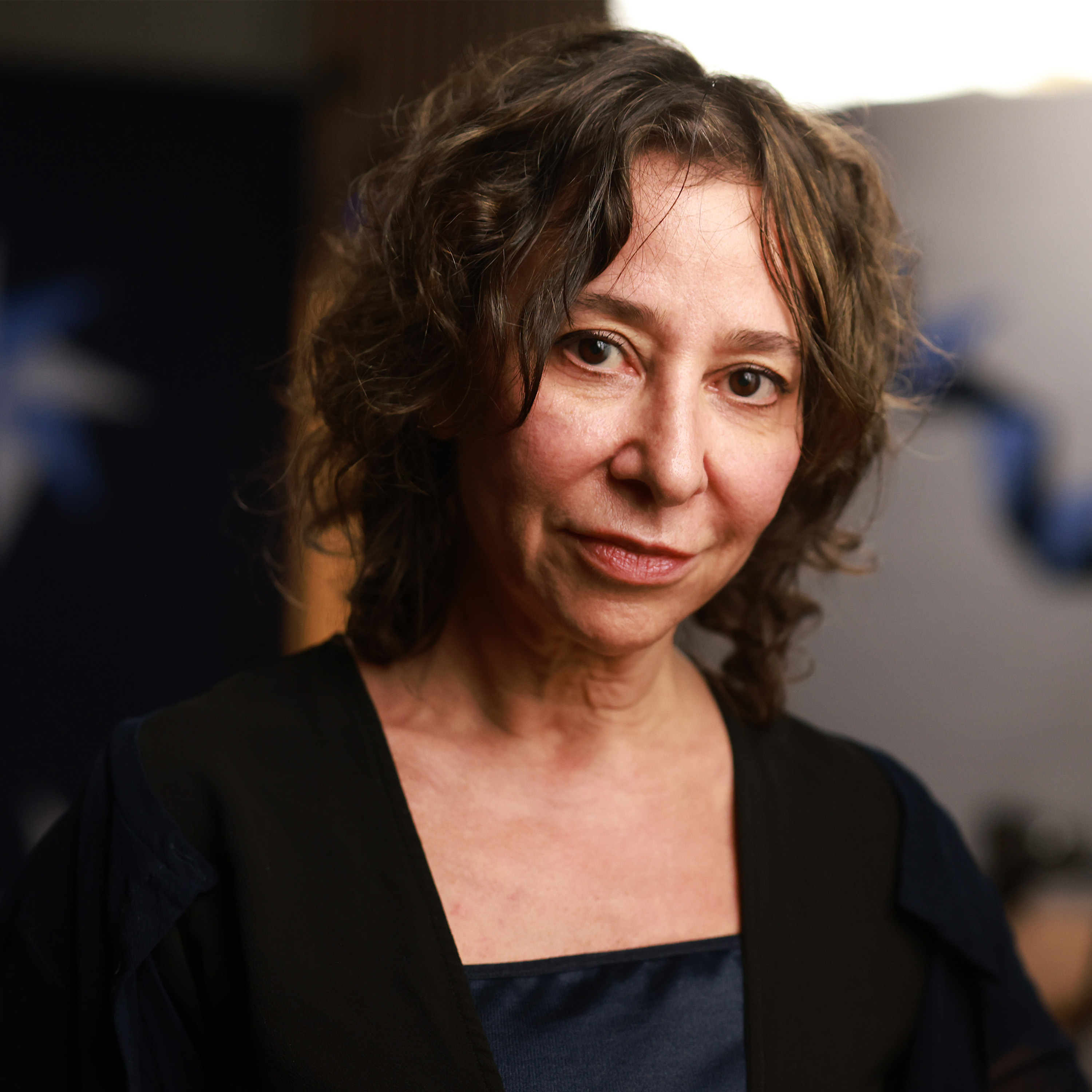
A Black Hole Is a Place, Not a Thing | Janna Levin
Nov 3000:04:52Tap to summarizeThe edge of a black hole isn’t what you think. Astrophysicist Janna Levin dives into the event horizon, the one-way transition where space and time warp so much that escape becomes as impossible as reversing the clock.For more, check out the extended interview with Janna Levin.Learn more about NOVA and subscribe to our YouTube channel.
Transcribe →