← NPR's Book of the Day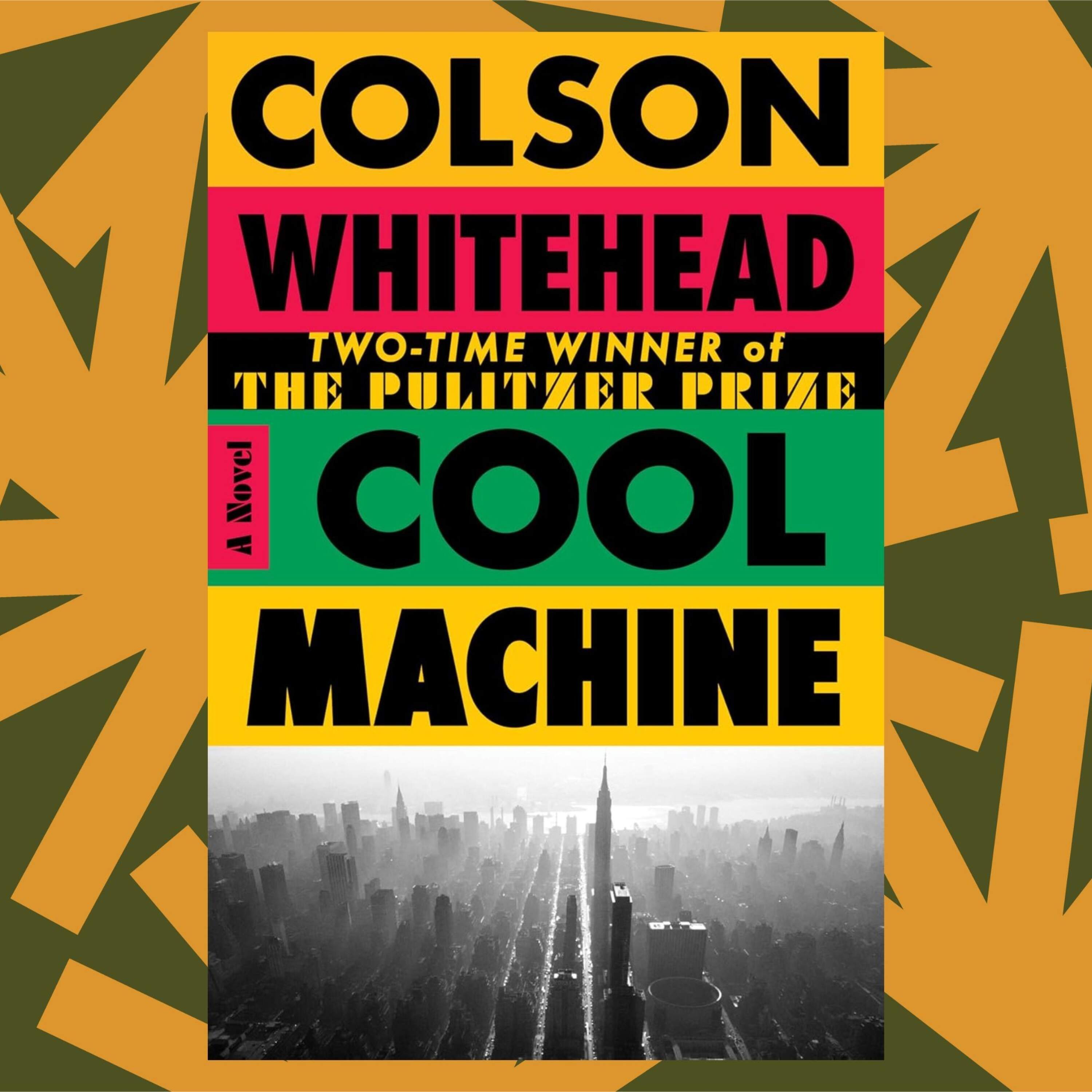
NPR's Book of the Day
Colson Whitehead on 'Cool Machine,' the final in his Harlem Trilogy series
00:07:04
Loading summary
Transcript24 lines
- [00:02]
Alyssa Nadworny
Hello, I'm Alyssa Nadworny, and you're listening to NPR's Book of the Day. The third book in Colson Whitehead's crime trilogy is finally here. His signature style of heists and 80s nostalgia is just as rich as ever in Cool Machine, which picks up the story of Ray Carney navigating the crime world in New York City. Whitehead has won two Pulitzer Prizes, a National Book Award and a MacArthur Genius Grant. He talked with Weekend EDITION host Aisha Roscoe.
- [00:31]
NPR Sponsor Announcer
This message comes from Schwab. At Schwab, you can get everything from self directed investing to full service wealth management all in one place, no matter your investing goal, life stage, amount to invest, or know how you can invest your way with Schwab.
- [00:47]
This message comes from NPR sponsor Carvana. Carvana makes car buying easy 100% online prices down to the penny delivered to your door. Why make car buying hard when it could be eas? Visit Carvana.com today. Terms may apply.
- [01:03]
Aisha Roscoe
Ray Carney is a furniture salesman in Harlem with a long running side hustle acting as a fence.
- [01:10]
Colson Whitehead
A fence is someone who deals in stolen goods, takes them from the illegal world and launders them for the straight world.
- [01:16]
Aisha Roscoe
That's Colson Whitehead, who won Pulitzer Prizes for his books the Underground Railroad and the Nickel Boys. Whitehead's just finished his Harlem trilogy following Ray Carney's descent into crime across decades in a rapidly changing New York City. His latest and last in the trilogy is Cool Machine, set in the 1980s as yuppies take over. And Colson Whitehead joins us now from New York. Thank you for being here.
- [01:45]
Colson Whitehead
Hey, howdy.
- [01:47]
Aisha Roscoe
Ray Carney. He often reflects on why he's drawn to a life of occasional crime. Why do you think he keeps returning to that dark side?
- [02:00]
Colson Whitehead
He's a divided soul. You know, he grew up poor and has these dreams of being solidly middle class, being a good family man, having a nice home, having a legit business. But there's a voice in the back of his head that's always saying, let's do some crimes. And so over the trilogy, he embraces, he runs away from that voice. And in the third book, the final book, he's, you know, trying to integrate these two different halves of himself.
- [02:27]
Aisha Roscoe
And these criminals have codes, they have ways of doing things. And do you think there's like some sort of religion for criminals or is there really no honor among thieves?
- [02:41]
Colson Whitehead
I don't know about honor, but there's a code. You know, the second book is called Crook Manifesto and, you know, one character muses that you have a certain kind of rules, things you will do, what you won't do. A line. And part of the book is exploring, you know, how bad is it being a fence when so many people are committing other, bigger crimes.
- [03:02]
Aisha Roscoe
This novel spans the 1980s, and a big theme is gentrification, both of New York City in general and of these black neighborhoods in Harlem. The characters in your book call it Churn. What interested you about this period of change in New York?
- [03:22]
Colson Whitehead
Churn is an ever present force in the city. Populations are moving in, entering the middle class, you know, flunking out. And if you think about the history of Harlem, there are townhouses that are still standing going back to the 1870s and 1880s, and they are the first homes for German, Irish, Jewish immigrants. They left. Black migrants came from the south and the Caribbean. And there was this constant movement of people in and out of the city, transforming it for themselves, being transformed. And I think one of the cool things about that phenomenon, and it is gentrification, is that the great, great grandkids of those original immigrants, the Germans who came Here in the 19th century, their great grandkids, are moving to Harlem now in the same. They're living in the same buildings. And that replenishment, I think, is really fascinating and lovely about the city, but
- [04:15]
Aisha Roscoe
some of the characters in the book obviously are unmoored by it. Pepper in particular is Ray's relative. He's like musc. And he is really taken aback when his bar, that's supposed to be the bar for, you know, kind of the criminals, the underworld becomes, you know, gentrified with kind of white patrons. Yuppies, I think he calls them.
- [04:41]
Colson Whitehead
Yeah, it's the early 80s, so it's the rise of the yuppie. And they're seeing these new people come to their spots and wondering, why is that guy reading a New York Times? That's where the pimp sits. So Pepper, you know, he's a friendly sociopath. He's older than Ray, doesn't really get people in bell bottoms in the 70s or blaxploitation movies. And he definitely doesn't get Basquiat type painters and post punk. And the downtown scene he's embroiled in. So he's always fun to set loose on a scene, whether it's a violent moment of crime or just the uppies are taking your favorite spot at the bar.
- [05:18]
Aisha Roscoe
Well, do you see Pepper as tragic, running out of time, but also getting out of. And that time is kind of maybe leaving him behind?
- [05:28]
Colson Whitehead
Yeah, you know, I'm following these characters over 30 years, and they're getting older, and I have to dramatize that. So he's 65. He doesn't take a beating as well as he used to. He's always swilling his Pepto Bismol to make sure he can get through the day. And, you know, there's no pension plan for a safecracker. He doesn't have, like an IRA or 401. What's next for him?
- [05:52]
Aisha Roscoe
Yeah, and this time in New York in the 80s, you remember this time, like, is were there things that you really wanted to include from your experience of that time?
- [06:05]
Colson Whitehead
I was a young teenager. It was a great time to be in New York City and soak up the culture. I had a really cool older sister who introduced me to Run DMC and also Liquid Liquid esg, these downtown bands. And so I get to salute that period. And it was great to just be able to bring in some of my New York into Ray's New York.
- [06:26]
Aisha Roscoe
You've written this trilogy. It's rollicking and fun, even as it deals with obviously, you know, real world issues. Racism, police violence. What can this genre still tell us about our world?
- [06:43]
Colson Whitehead
Definitely, if you're someone who likes to make jokes, like me, you know you're gonna have an ironic relationship to the genre. So having fun with the supporting cast, some of the tropes and rhetoric is there's a lot of opportunities for humor. The Underground Railroad and the Nickel Boys were very sober books, but part of my project is pointing out the absurdity of life, and I get to do that in this trilogy. I get to have fun. I get to tell jokes and have a hero who's not as determined by his social circumstances as, say, the characters in Underground or Nickel Boys.
- [07:18]
Aisha Roscoe
That's Coulson Whitehead. His latest book is Cool Machine. Thank you so much for being with us.
- [07:24]
Colson Whitehead
That was a lot of fun. Thanks.
- [07:37]
NPR Sponsor Announcer
This message comes from Jerry. Are you tired of your car insurance rate going up even with a clean driving record? That's why there's Jerry, your proactive insurance assistant. Jerry compares rates side by side from over 50 top insurers and helps you switch with ease. Jerry even tracks market rates and alerts you when it's best to shop. No spam calls, no hidden fees. Drivers who save with Jerry could save over $1,300 a year. Switch with confidence. Download the Jerry app or visit Jerry AI, NPR. Today, this message comes from NPR's sponsor, the NPR Wine Club, a place to find boutique wines from around the world and bottles inspired by popular NPR shows, as well as to explore the producers, regions and exciting stories that bring each selection to life. Whether you buy a few bottles or join the club, all purchases support NPR programming and help fund quality reporting. You can learn more@NPRWineClub.org podcast must be 21 or older to purchase.