Podcast
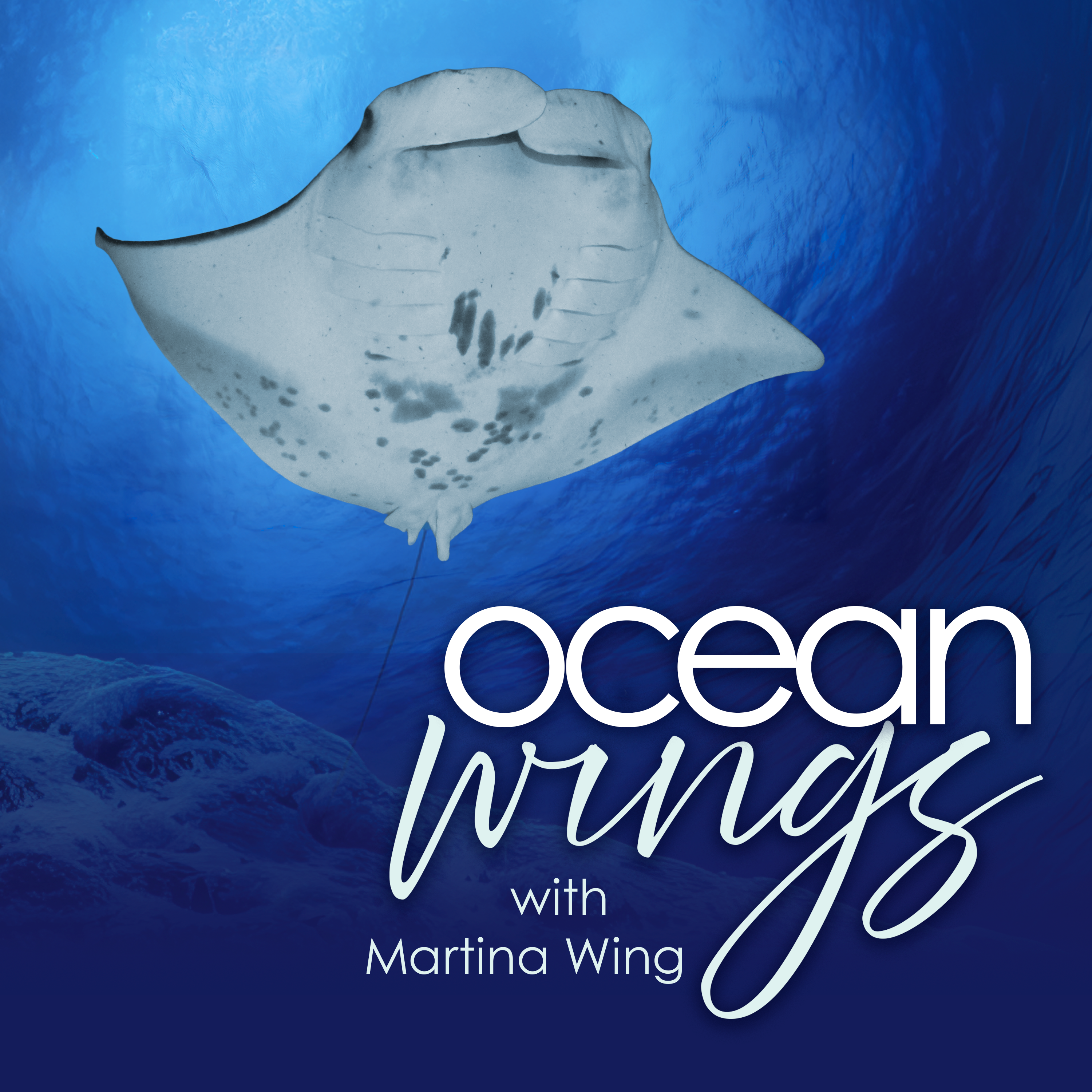
Ocean Wings Podcast
Hosted by Martina Wing · EN
From manta ray magic to meaningful change: conversations about the preservation of our planet, civic courage, and the ripple effect of nature.
Join Martina Wing and her guests as each episode explores how pivotal moments can heal trauma, ignite action, and reconnect us with our purpose in life.
In these uncertain times and this critical hour for the environment, we uncover how each of us can truly make a difference for our planet, for society, and for ourselves - both above and below the surface.
10episodes
Episodes
Newest firstAll episodes
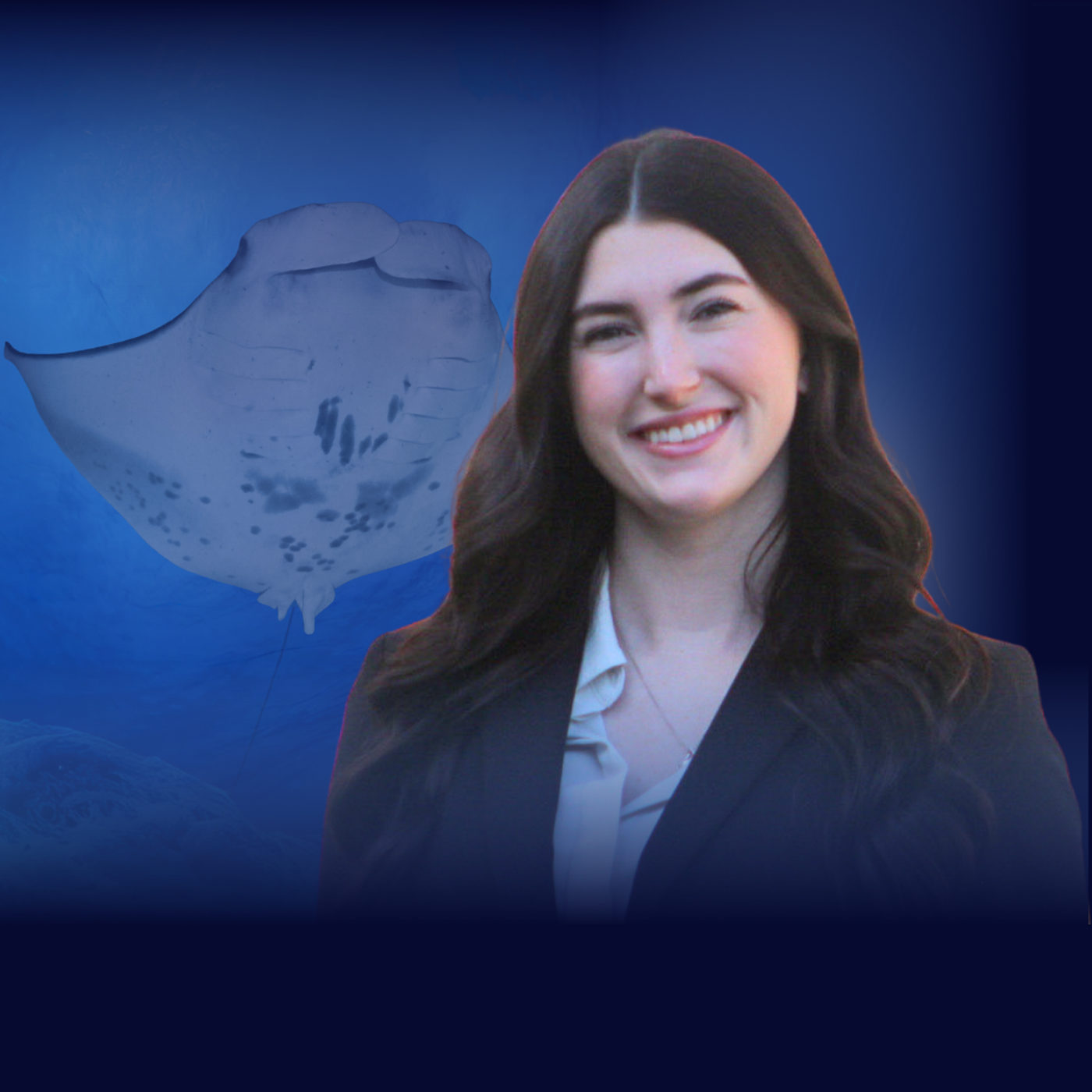
From vet tech to state lobbyist: giving a voice to the voiceless (with Makenna Trapani)
Mar 2600:23:03Tap to summarizeMakenna Trapani spent five years in emergency veterinary medicine before realizing that individual care wasn’t enough to fix the system-level problems affecting animals. Now, at just 23, she works as a Government Affairs Associate in Arizona, helping to pass animal welfare legislation and build the coalitions needed to turn ideas into state law. Martina sits down with Makenna to explore her path from vet tech to policy work, how an internship sparked her interest in public service, and what it actually takes to move a bill through the legislature, from stakeholder negotiations to the persistence required when laws don’t pass the first time.In this episodeWhat emergency veterinary work revealed about the limits of care beyond the clinicHow a Senate internship sparked Makenna’s path into public policy and advocacyWhat a Government Affairs Associate actually does day to dayThe two-year process behind passing an animal neglect lawHow bills move through committees, chambers, and legislative deadlinesWhat “being a voice for the voiceless” means in legislative workThe role of lobbying, amendments, and compromise in shaping legislationWhy persistence and timing matter as much as good ideas in policy workKey moments(00:00) Introducing Makenna and her work in public policy(01:14) Emergency vet work and the gaps that led her toward policy(03:30) What a Government Affairs Associate does(05:29) How Makenna and Martina first met in Hawaii(06:31) Shark research and early conservation work(07:59) Linking conservation work to policy and legislation(09:21) From vet tech shifts to policy work at the Capitol(11:28) The animal neglect case that led to new legislation(13:32) The two-year process behind Arizona's animal neglect legislation(14:50) How legislative timing and deadlines affect bills(17:23) How many people are involved in passing a bill(19:57) Stakeholder work, lobbying, and persistence(21:12) Closing reflections on civic engagement and changeResources• Episode page and resources: https://oceanwingspodcast.com/episode/vet-to-lobbyist-makenna• Get Martina’s emails: https://oceanwingspodcast.com/newsletter • More about manta rays on https://mantarayadvocates.com• Watch the full video on YouTube Follow us on Follow us on YouTube | Instagram | Facebook | Bluesky
Transcribe →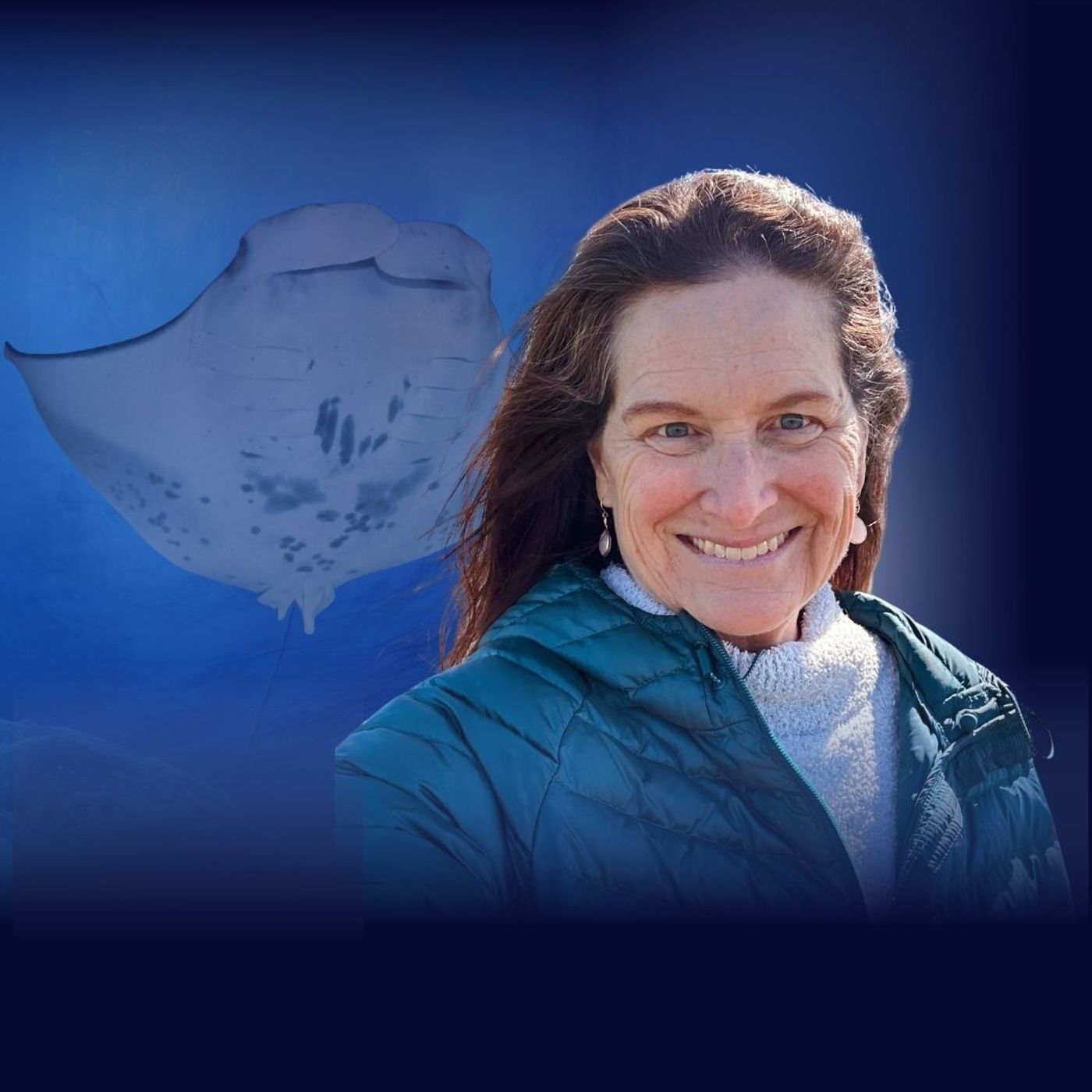
A marine biologist connecting coastlines, classrooms, and conservation (with Dawn Murray)
Mar 1201:13:10Tap to summarizeFor over thirty years, Professor Dawn Murray has built a career in marine science by following her curiosity wherever it led. That path has included jellyfish research at Monterey Bay, documenting Indigenous medicinal plant knowledge in Bhutan, and serving on the advisory council of the first Indigenous-led National Marine Sanctuary in the United States. In this conversation with Martina, she walks through the key turns in her career and the people and places that shaped it — and examines how ocean science translates into education, policy, and real-world action.In this episodeHow a lifelong curiosity for the ocean became a 30+ year career in marine scienceOcean systems, nutrient cycles, and why they matter far beyond the shorelineHow manta rays reveal the health of ocean ecosystemsWorking alongside Indigenous communities from Tulum to Bhutan to Hawai‘iChallenging students to apply ocean science in their own communitiesGrassroots activism, policy, and the long game of ocean conservationKey moments(00:00) Introduction: Dawn Murray, marine scientist and professor(01:48) Growing up coastal: Hawaii, Santa Barbara, and a love of the ocean(04:07) From art history and Italian to marine science (06:01) Jellyfish, marine snow, and master's research at Monterey Bay(09:24) PhD work and citizen science in the intertidal(11:22) Intertidal ecology and human shoreline impacts(14:56) Why ocean health is essential for human survival(15:42) The global ocean conveyor belt explained(19:39) Phytoplankton, food webs, and climate regulation(24:30) The discovery of the third manta species(25:12) Mantas as nutrient movers and ecosystem connectors(27:40) What is plankton? Phytoplankton vs. zooplankton(32:11) Why lights attract plankton at night(34:30) Lifelong curiosity and resilient ecosystems(38:55) Teaching graduate students across the globe(46:00) Environmental awareness: Europe vs America(49:08) From awareness to action: activism and policy(52:50) The Tribal Trust Foundation and advocating for Indigenous voices(55:56) Preserving Indigenous medicinal plant knowledge in Bhutan(01:00:23) The Chumash Heritage National Marine Sanctuary(01:03:10) Miloli‘i: community-led ocean stewardship(01:07:55) Curiosity, connection, and protecting what we loveResources• Episode page and resources: oceanwingspodcast.com/episode/dawn-murray-marine-biologist• Get Martina’s emails: oceanwingspodcast.com/newsletter • More about manta rays on mantarayadvocates.com • Watch the full video on YouTube Follow us on Follow us on YouTube | Instagram | Facebook | Bluesky
Transcribe →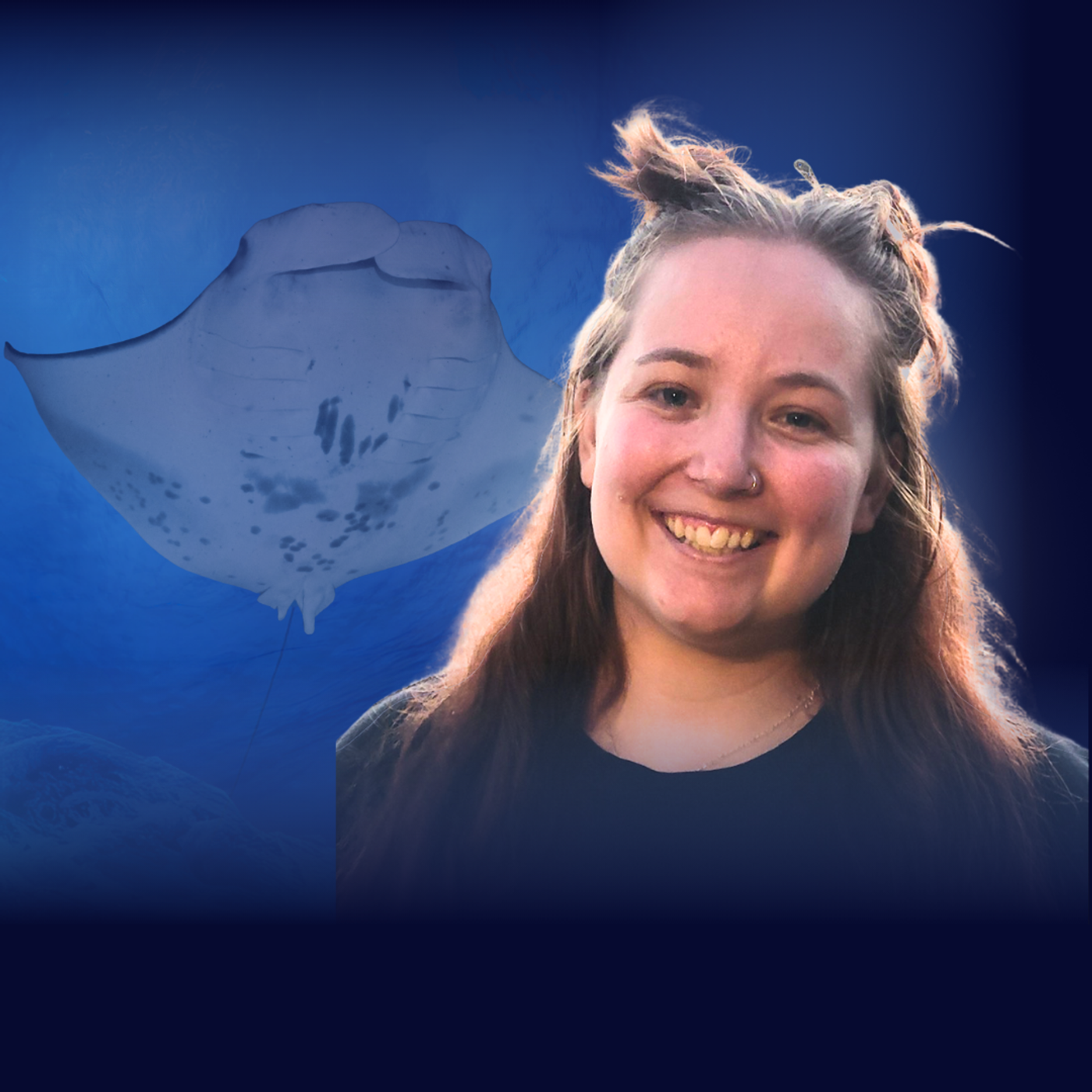
From office to ocean: two sides of being a manta ray advocate (with Savannah Maira)
Feb 2500:43:57Tap to summarizeIn this episode, Martina sits down with Savannah Maira, a core member of the Manta Ray Advocates team, to discuss her journey to her current role in ocean conservation. With a background in backstage theater and office administration, Savannah explains how her skills in organization, consistency, and long-term observation now contribute to manta ray conservation and enhance the guest experience. The conversation provides insight into how individual manta rays are tracked over time, how real sighting data informs candid discussions with guests, and how considerations such as safety, seasonality, and preparation guide responsible ocean encounters. In this episodeSavannah’s path from theater and admin work to swim guiding with manta raysHow nightly manta sightings are tracked and documented over timeThe story of Black Diamond’s fishing hook injury and its long-term resolutionWhat the 2025 sighting data reveals about familiar mantas and close encountersWhy manta ray sightings vary by season, and when tours are canceled for safetyHow the box jellyfish calendar evolved into the Manta Rays of Kona calendar projectSharing manta ray work and knowledge with the next generationKey moments(00:00) Introduction to Savannah and her role at Manta Ray Advocates(00:37) Backstage theater and the path to Hawaii(04:21) How a family connection led to an unexpected job opportunity(07:04) Starting in admin and learning the business fast(08:45) First manta swim and moving into guide briefings(11:19) Swim guide training and lifeguard certification(13:44) Commuting across the island for weekend guiding(15:13) Tracking Black Diamond’s fishing hook injury over time(22:06) Recording nightly manta sightings to answer guest questions(23:41) 2025 sightings: familiar mantas and close encounters(29:14) Seasonal manta sightings and tour cancellations(34:46) The Manta Rays of Kona calendar project(40:21) Raising a four-year-old manta ray enthusiastResources• Episode page and resources: https://oceanwingspodcast.com/episode/savannah-swim-guide• Get Martina’s emails: https://oceanwingspodcast.com/newsletter • More about manta rays on https://mantarayadvocates.com• Watch the full video on YouTube Follow us on YouTube | Instagram | Facebook | Bluesky
Transcribe →
Trauma and Body Trust: a licensed therapist on manta rays as therapy with Rae Madison Gerber
Feb 1100:41:28Tap to summarizeRae Madison Gerber’s life has been shaped by three encounters with manta rays that became unexpected turning points. What began as a tentative first swim evolved into a way to reconnect with her body, question long-held beliefs about trust and worth, and find the clarity to step away from work that no longer felt right. This episode explores listening inward, finding momentum when the world feels overwhelming, and how the ocean can create space for emotional release.In this episode:What manta rays can teach us about self-acceptance and seeing bodies without judgment.How Rae’s work with Body Trust shapes her approach to healing and care.The role of listening inward and continuing forward to something better when the work you’re doing no longer fits.How trauma lives in the body and why the ocean can help unlock what gets stuck.How Rae imagines blending the power of the ocean with therapeutic work to create a different kind of healing space.Key moments:(00:00) Introduction (01:33) Rae's first manta experience(03:33) From anxiety on the beach to joy in the water (06:25) Rae’s path into mental health counseling(07:52) Unlearning body shame with the mantas(09:26) "Big Bertha," a manta ray matriarch (11:43) Burnout and wondering if therapy is still the right path(16:26) A new chapter and choosing work that makes your heart sing(19:47) What Body Trust is and why it matters (22:48) Third manta swim and finding community in the dark(26:41) Keeping momentum when the world feels heavy(31:52) Learning scuba the right way: skill, discipline, safety(34:20) Scar the sea turtle and protecting the ocean(35:46) Body Trust meets the ocean: Rae's vision for group therapy(37:21) Trauma in the body and healing in the oceanResources• Episode page and resources: https://oceanwingspodcast.com/episode/rae-body-trust-therapy• Get Martina’s emails: https://oceanwingspodcast.com/newsletter• More about manta rays on https://mantarayadvocates.com• Watch the full video on YouTubeFollow us on YouTube | Instagram | Facebook | Bluesky
Transcribe →
From landlocked Nebraska to manta rays in Hawaii: bringing the Aloha Spirit home (with Chris Gorman)
Jan 2800:46:53Tap to summarizeLiving in landlocked Nebraska makes ocean visits precious. In this episode, Chris Gorman reflects on why he and his wife keep returning to Hawaii, how they approach travel with care and curiosity, and what made their manta ray experience unexpectedly impactful. It’s a conversation about slowing down, traveling with intention, and bringing a little of the Aloha Spirit back home.In this episode:Chris’s approach to sustainable travel and experiencing places from a local’s perspective How to cut through online noise and figure out which experiences are actually worth your timeWhy choosing fewer, better experiences often leads to deeper trust and more meaningful momentsCarrying lessons from travel back home: slowing down, consuming more thoughtfully, and being more aware of everyday choicesKey moments:(00:00) Intro and living in landlocked Nebraska(04:37) Swimming with manta rays during a stressful season(05:20) Learning about Hawaii from locals, not guidebooks(08:19) Choosing responsible travel experiences (10:05) A magical moment in the water with the manta rays(17:09) "Serial research" and planning trips with intention (18:16) Going beyond the guidebooks and maximizing your travel experience(26:51) Reading between the lines of online reviews(32:48) How preparation and experience create trust on the water(38:02) What indigenous cultures reveal about sustainability(42:19) Feeling more tuned into the planet after time in Hawaii(44:39) Aloha as a way of living, not just a greetingResources• Episode page and resources: https://oceanwingspodcast.com/episode/chris-intentional-travel• Get Martina’s emails: https://oceanwingspodcast.com/newsletter• More about manta rays on https://mantarayadvocates.com• Watch the full video on YouTubeFollow us on YouTube | Instagram | Facebook | Bluesky
Transcribe →
The expectations gap: how technology changes our relationship with nature (with Rowan Daugherty)
Jan 1500:29:07Tap to summarizeWhat does it mean to experience nature without expecting something in return? In this episode, Martina and honors undergraduate student Rowan Daugherty explore that question through the lens of environmental ethics, drawing on Rowan’s academic work and a manta swim that echoed those ideas. Together, they examine how technology and consumer expectations shape our experiences and why shifting away from a human-centered mindset matters.In this episode:How expectations influence our experience of nature, and what happens when we let them goWhy technology and social media subtly distance us from real connection with the natural worldThe difference between a human-centered and eco-centered way of moving through the worldWhat environmental ethics looks like outside the classroom, in everyday choices and habitsKey Moments:(00:00) Meeting through the manta swim (02:51) Rethinking how we interact with nature(04:13) An essay about "Putting the Phone Down" (05:32) Studying law through an environmental lens(09:50) Technology as a barrier to connection in nature(13:39) Turning nature into an attraction(18:09) Aldo Leopold's ecocentric vs. egocentric philosophy(21:45) Being out of your comfort zone in nature(24:05) Thinking about your own environmental ethicResources:• Episode page and resources: oceanwingspodcast.com/episode/rowan-daugherty-technology-vs-nature• Get Martina’s emails: oceanwingspodcast.com/newsletter• More about manta rays on mantarayadvocates.com Watch the full video on YouTube Follow us on YouTube | Instagram | Facebook | Bluesky
Transcribe →
From resolution to regulation: environmental lawmaking in Hawaii (with Rep. Nicole Lowen)
Jan 500:28:45Tap to summarizeHawaii State Rep. Nicole Lowen talks about how laws get made and why ocean conservation policy moves so slowly. From regulating ocean recreation to renewable energy, this is what it takes to turn environmental concerns into action.Why do environmental regulations take so long, even when there's public support? In this episode, Hawaii State Representative Nicole Lowen pulls back the curtain on the legislative process and shares what happens behind the scenes when we try to protect our oceans.Rep. Lowen chairs the Energy and Environmental Protection Committee and has spent over a decade working on renewable energy, ocean conservation, and waste management policy. She walks us through what a state representative does, how committee assignments work, and the departments like DLNR and DOBOR that oversee our natural resources.The conversation discusses the long process of ocean recreation regulation in Hawaii. Despite a 2014 resolution calling for mandatory industry regulation, a tragic death in 2022, and widespread concern about overcrowding at popular manta ray dive locations, rules still haven't been implemented - and Rep. Lowen explains why.We also explore Hawaii's renewable energy: the 100% clean energy goal by 2045, the closure of the last coal plant, the expansion of solar farms, and the potential for geothermal. Rep. Lowen discusses where Hawaii is ahead of schedule and where we're struggling, as well as ongoing challenges with cesspools, waste management, and invasive species.This episode is for anyone who's frustrated by the slow pace of environmental progress and wants to understand how the system actually works. If you care about ocean conservation and want to move beyond individual action to influence policy, this conversation will help you understand how each of us can engage with the process.KEY MOMENTS(00:00) Intro(01:38) What does a lawmaker actually do? The four buckets of the job(04:10) How Rep. Lowen "fell into" politics after working at the legislature(08:29) The committee system: how you get appointed and who has power(10:23) Conservation as the heart of the work—ocean, land, and everything connected(13:40) Hawaii's renewable energy progress: where we're ahead and where we're behind(17:50) Why ocean recreation still isn't regulated after 11+ years(22:30) The tragedy that reopened the conversation in 2022(24:35) The surf lesson lottery disaster and why fair regulation is so hard(27:51) The decade of decisions: why this moment mattersRESOURCES• Episode page and resources: oceanwingspodcast.com/episode/rep-nicole-lowen• Get Martina’s emails: oceanwingspodcast.com/newsletter• More about manta rays on mantarayadvocates.com Follow us on YouTube | Instagram | Facebook | Bluesky
Transcribe →
A marine biologist's journey from California seals to Hawaii's manta rays, with Ashley Jacob
Dec 2200:40:42Tap to summarizeAt age 12, Ashley Jacob knew she wanted to work with marine mammals. Her path there took her through elephant seal fieldwork, challenging funding landscapes, and an unplanned move across the Pacific. Today, she's a marine scientist guiding manta ray swims in Hawaii. Her story shows how persistence and a clear sense of purpose often matter more than any perfect plan.In this episodeHow Ashley’s early love of the ocean and animals evolved into a career in conservation and manta ray advocacyChoosing research, outreach, and education over aquarium work, and why following your values can get you further than a perfect planHow a single wildlife encounter can shift perspective in lasting waysWhy you don’t need to be a large company to make a meaningful impact in conservationPractical advice for anyone who wants to build a career in marine science Key moments:(00:00) Introduction (03:25) How a childhood film sparked Ashley's marine mammal career (07:00) Marine biology at Humboldt (11:34) Scientific diving and choosing conservation education over aquarium work(16:05) Elephant seal fieldwork on California's Lost Coast (20:34) Elephant seal migration patterns (23:25) Florida shark and ray tagging (26:21) Moving to Hawaii for work (30:47) Finding Manta Ray Advocates and aligning work with personal values(35:43) What makes manta ray encounters so transformative (38:20) Ashley's advice for building a career in marine scienceEpisode page and resources: https://oceanwingspodcast.com/episode/ashley-marine-biologistGet Martina’s emails: oceanwingspodcast.com/newsletterMore about manta rays on mantarayadvocates.com Follow us on YouTube | Instagram | Facebook | Bluesky
Transcribe →
The lives and habits of manta rays: Dawn Murray interviews manta expert Martina Wing
Dec 1801:57:50Tap to summarizeMarine biologist Dawn Murray sits down with Martina Wing for two hours of conversation about manta rays. Martina shares 27 years of experience with Hawaii's reef manta rays, from identifying individuals by their belly patterns to navigating the current challenges of sustainable manta tourism. Dawn asks the questions a marine educator wants answered, and Martina provides insights from nearly three decades above and below.In this episode, you’ll learn about:What we know (and don't know) about manta ray reproductionManta rays movement ranges and individual behaviorsThe gracious and acrobatic manta ray feeding patternsMartina’s mission to make manta tours safer and more sustainableThe "superpower" of manta rays: pushing trauma forward for healingYou’ll get to know the individual mantas Martina’s gotten to know and love, hear about civilians and scientists who’ve helped uncover some of the mysteries surrounding the gentle giants of the ocean, along with some manta ray mythbusting. Key moments:(1:46) Martina's origin story: from deep grief to manta rays(8:13) Evolution from underwater videographer to shore-based tour operator(13:48) How do we identify and track individual manta rays?(28:22) The birth and early development of manta rays(46:15) Manta ray filter-feeding behavior and patterns(52:57) Dangers and threats to manta rays in Hawaii and globally(59:14) Why is manta ray tourism such a controversial topic right now? (01:05:00) Stories of manta ray courtship and pregnancy(01:10:55) Mythbusting: manta rays don’t turn off their brains to swim (01:11:13) Manta ray predators and why mantas are hard to catch(01:14:16) Movement range and the Pavlov effect, continued at (1:25:53)(01:20:12) Does the moon affect manta ray movement patterns? Continued at (01:21:32)(01:20:30) The third species of manta rays, officially recognized last summer (2025) (01:23:47) Do manta rays eat jellyfish? (01:29:41) The partnership with Jim, speaking up about safety and manta tour regulations(01:51:48) Sharing the magical experience of swimming with manta raysThis episode is for anyone who wants to understand manta ray behavior and cares about sustainable ocean tourism and conservation. Episode page and resources: https://oceanwingspodcast.com/episode/dawn-martina-manta-deep-diveGet Martina’s emails: https://oceanwingspodcast.com/newsletterMore about manta rays on mantarayadvocates.com Follow us on YouTube | Instagram | Facebook | Bluesky
Transcribe →Ocean Wings Trailer
Dec 1200:01:29Tap to summarizeOcean Wings is a podcast about conservation, civic courage and the ripple effect of nature. Tune in weekly for real stories of how manta ray magic leads to positive action, personal healing and meaningful change.
Transcribe →