Podcast
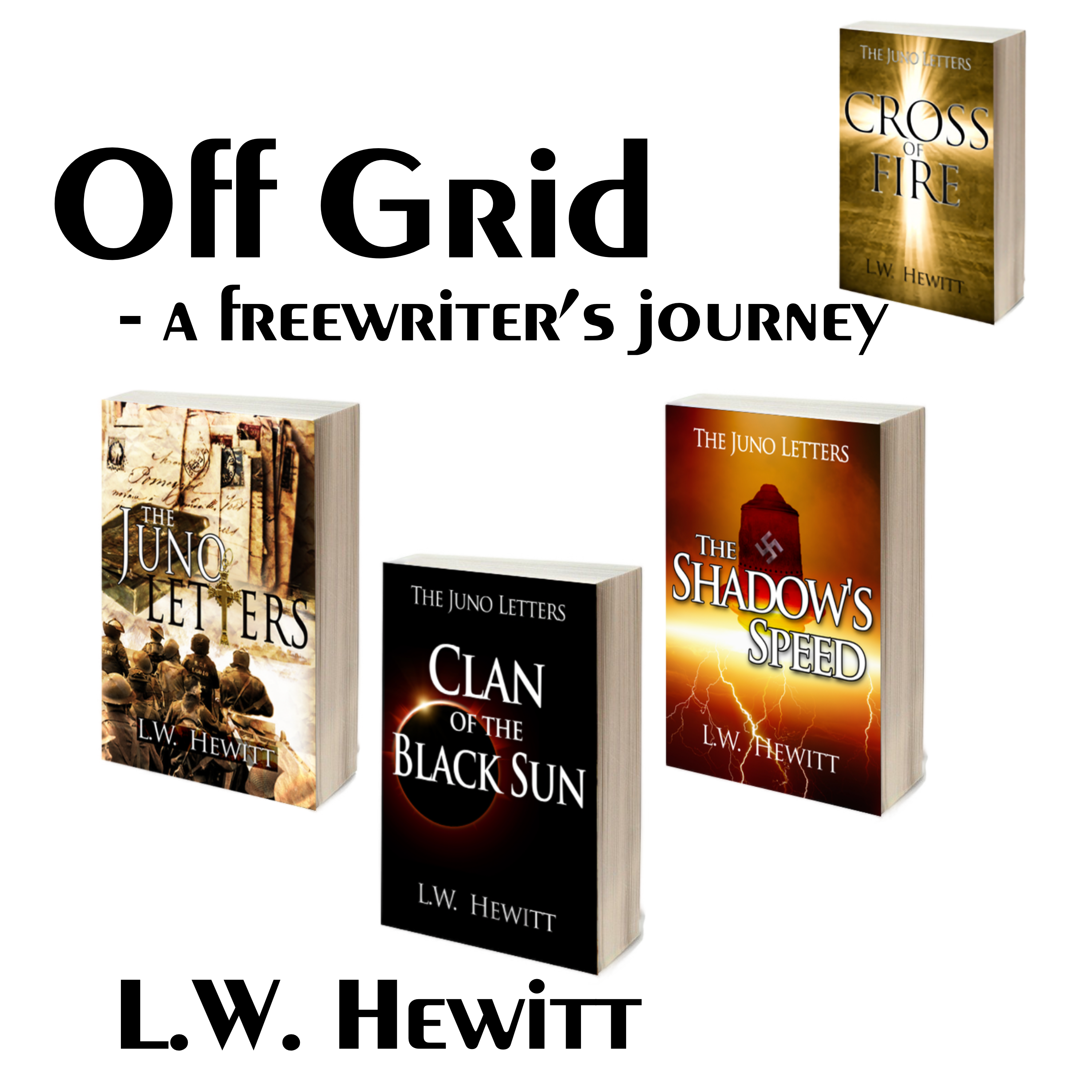
Off Grid - a freewriter's journey
Hosted by L.W. Hewitt · EN
Do you fancy yourself a writer? Stuck in neutral and cannot get past the first page? Been there, done that.
Welcome to Off Grid - a podcast service for writers, would-be writers, and readers of historical and mystery/suspense fiction. It is entitled “Off Grid” for two reasons:
1.- the practice called “freewriting” is an alternative to the grid-based, outlined, and preplanned writing style we were all exposed to in school. There is a better way for those of us who cannot function like that.
2. - I have really gone “Off Grid” - sold our family home in Centralia where we raised 3 of our own, helped with grandchildren, and welcomed almost 40 foster children to our beautiful extended family. Time for a change after 25 years.
So we have gone off grid - taking to the road to discover a whole new range of experiences and intrigues.
I will be featuring ideas and excerpts from my Juno Letters and Carlisle Journal series as they relate to topics of interest. New fiction will follow, and will be debuted here.
We will keep an running account of our travels and how they relate to this writing style.
For an inspiring book on free writing, the one that caught me in its web in college years ago, check out “Writing-without-Teachers” by Professor Peter Elbow ). [This is an unsolicited recommendation]
In the near future the podcast will become a for-fee service, but for now they remain free. Once the serve is set up, your one-time subscription will include ebook copies of all 14 books in my Juno Letters series. For audio, paperback, and hard cover versions, visit junoletters.us for links into the Amazon sites.
Have fun.
I’m L.W. Hewitt, and I’ve gone OFF GRID
11episodes
Episodes
Newest firstAll episodes
Obfuscation - try it out
Apr 30, 202500:08:39Tap to summarizeTry this method of creating thorough characters, scenes, and locations then trimming down to engage and capture the attention and imagination of your readers
Transcribe →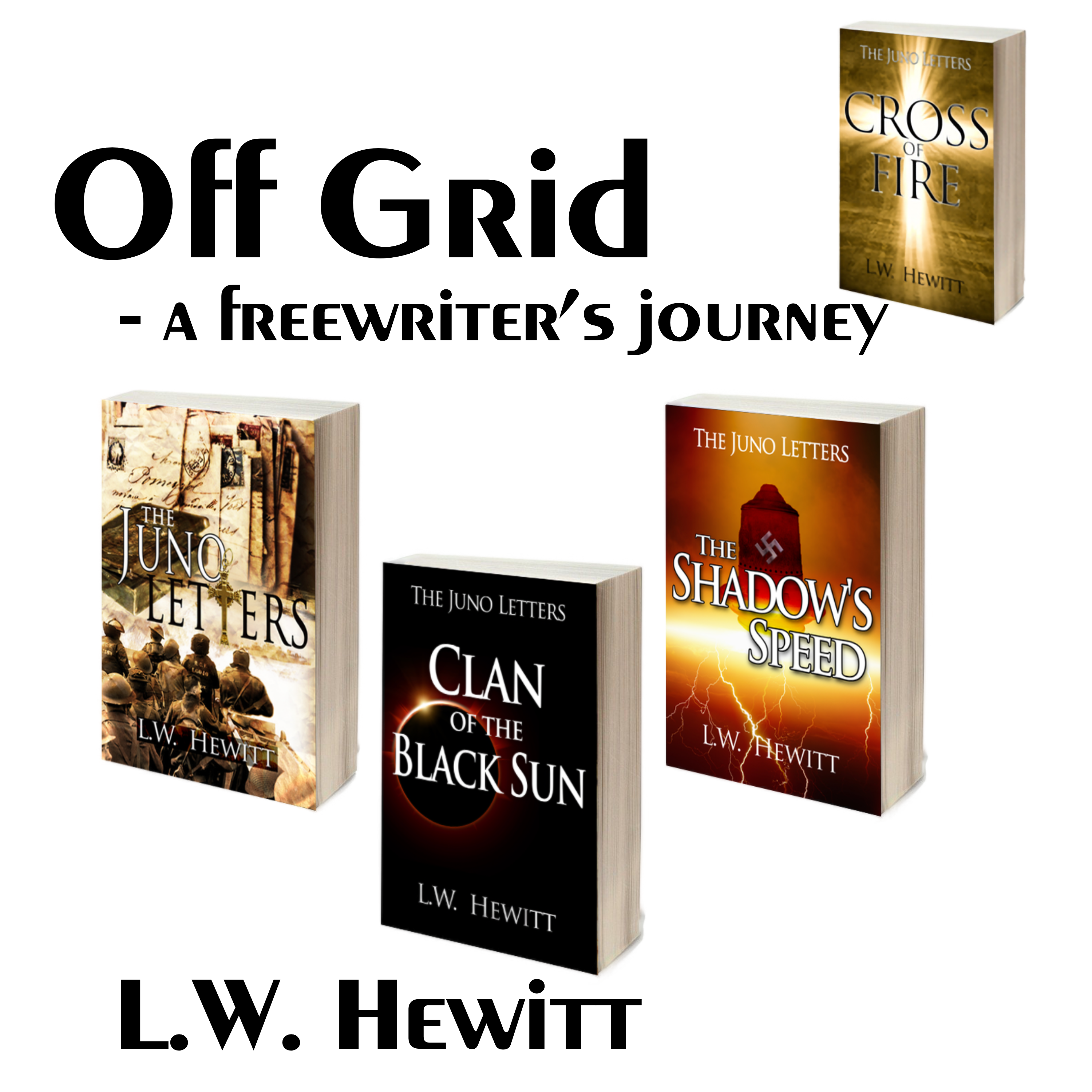
Writer's Block
Feb 11, 202500:03:54Tap to summarizeDo you get stuck in neutral? Can't get off a single line of readable narrative or dialogue? Well, it's called writers block and we all go through it. Take a listen - here are some ideas to break the logjam and get back on track.
Transcribe →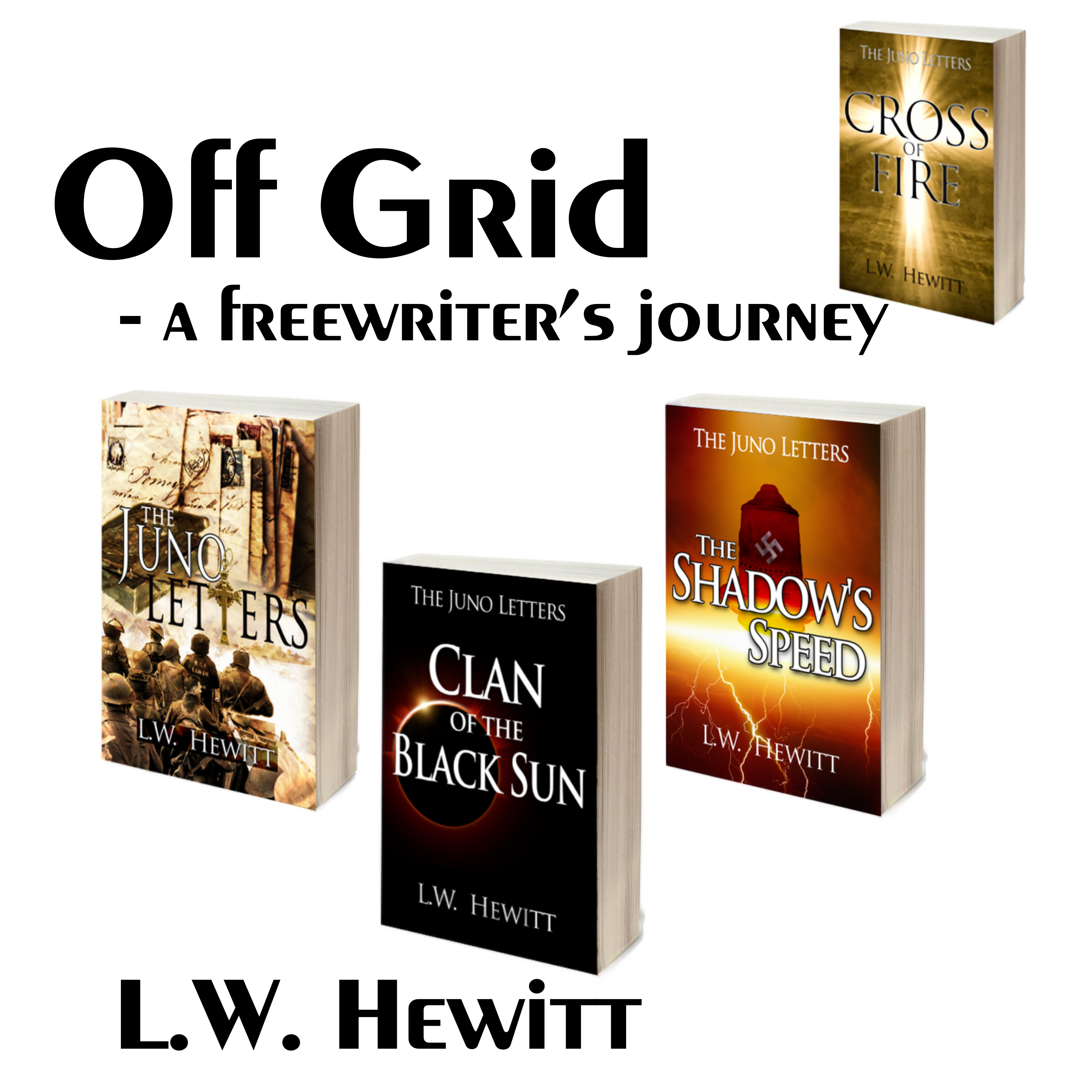
A Better Writing Tool
Jan 30, 202500:04:59Tap to summarizeIf you have tried to write your novel on a traditional word processor I know a good psychologist you should talk to. There is a better way. This episode is all about Scrivener by Literature and Latte. Take a listen, then try a free trial. Your writing process will thank you.Download the transcript for a link.
Transcribe →
Be Your Toughest Editor
Jan 29, 202500:10:54Tap to summarizeEditing is more than proofreading. Whether you self-edit or use a professional it is crucial to spend time polishing your draft before putting it out for editing - give your editor the opportunity to do their best work - even if you self-edit. Here are some ideas.
Transcribe →
The Power of Photographs
Jan 28, 202500:04:46Tap to summarizeThis pod cast is taken from Book 4 of The Juno Letters. It relies heavily on a rather long example so you may want to download the narrative and follow along.Photographs can be powerful plot agents for your books. Here is one example ...
Transcribe →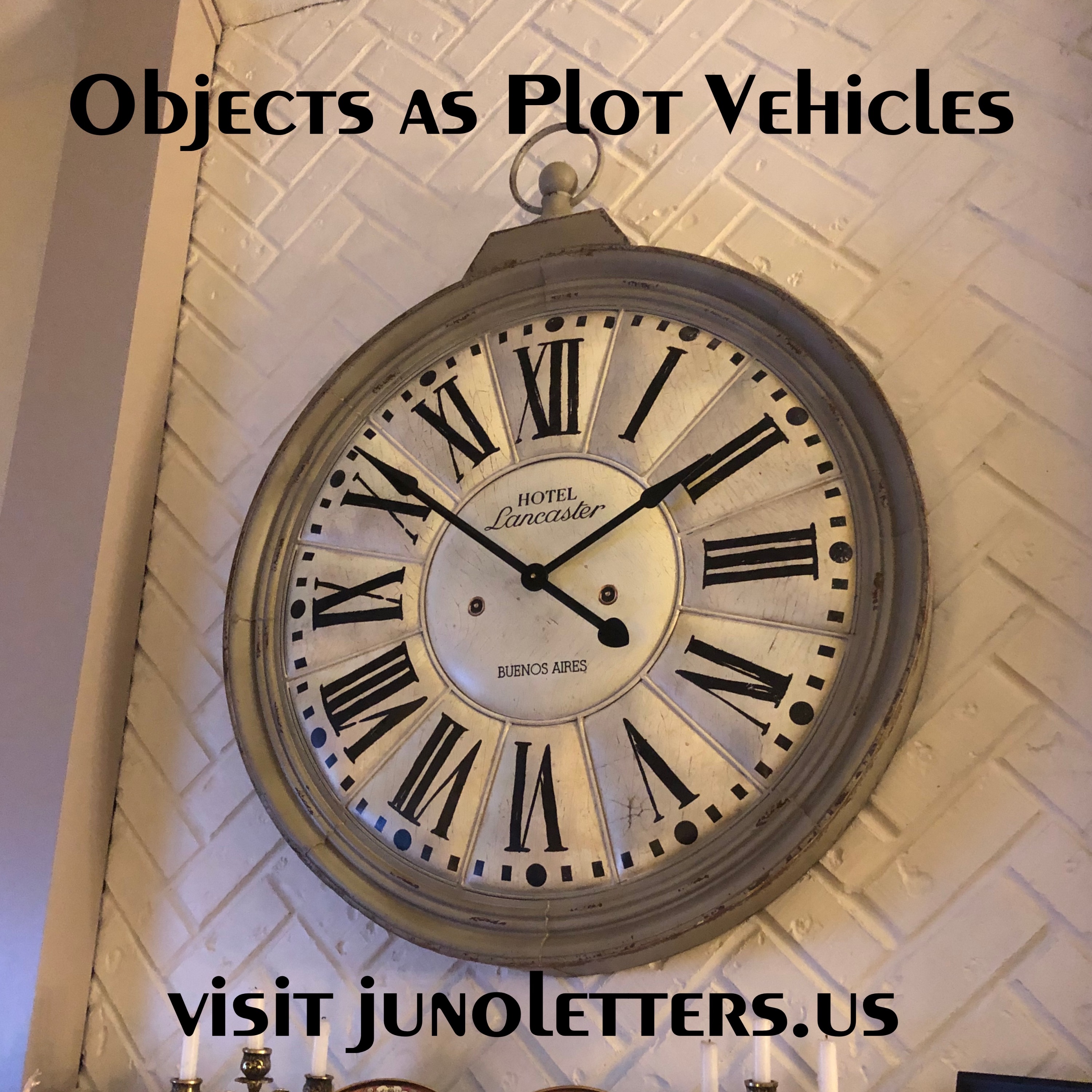
Objects as Plot Vehicles - The Hotel Lancaster
Jan 24, 202500:03:59Tap to summarizeHere is another example from one of my books - The Hotel Lancaster. Tye podcast is about using objects you see in the world around you as plot vehicles. I suggest you download the narrative on this one and read along.
Transcribe →
Scene Repetition
Jan 23, 202500:06:45Tap to summarizeThere are times when borrowing a scene from one of your own works can be a useful tool. Take a look at a couple of examples. I suggest you download the narrative and follow along as it uses examples from several of my books.
Transcribe →
Methods and Other Madness
Jan 22, 202500:09:15Tap to summarizeThis episode looks at some of the methodologies to improve your writing at the scene level.I recommend you download the narrative and follow along. The example sections are much clearer when you can see the placement of the sentences and line breaks.
Transcribe →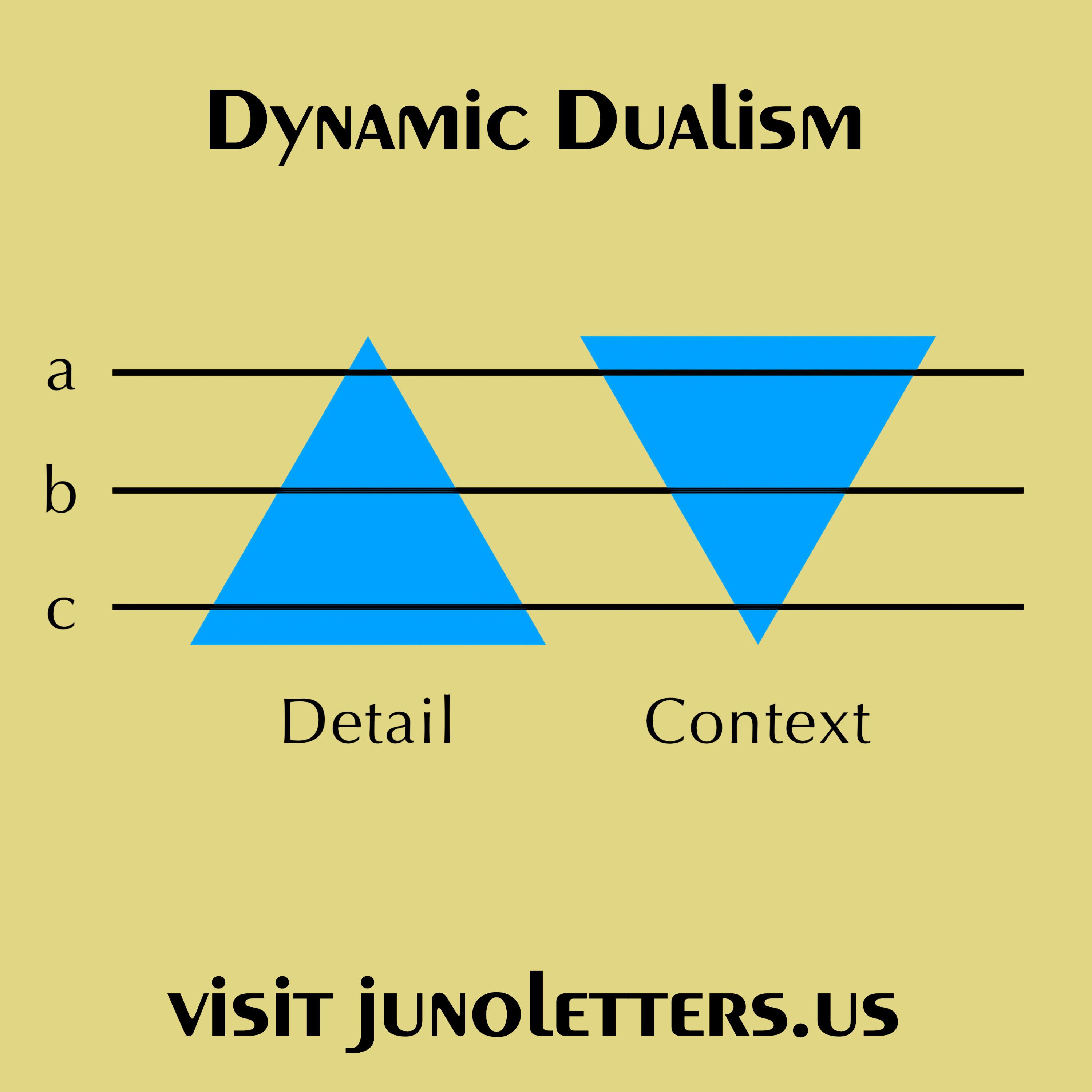
Dynamic Dualism - a Balancing Act
Jan 21, 202500:03:33Tap to summarizeWe'v e seen some examples of plot development, so let's go back and talk about some of the writing principles mentioned in those episodes - DETAIL vs CONTEXT.
Transcribe →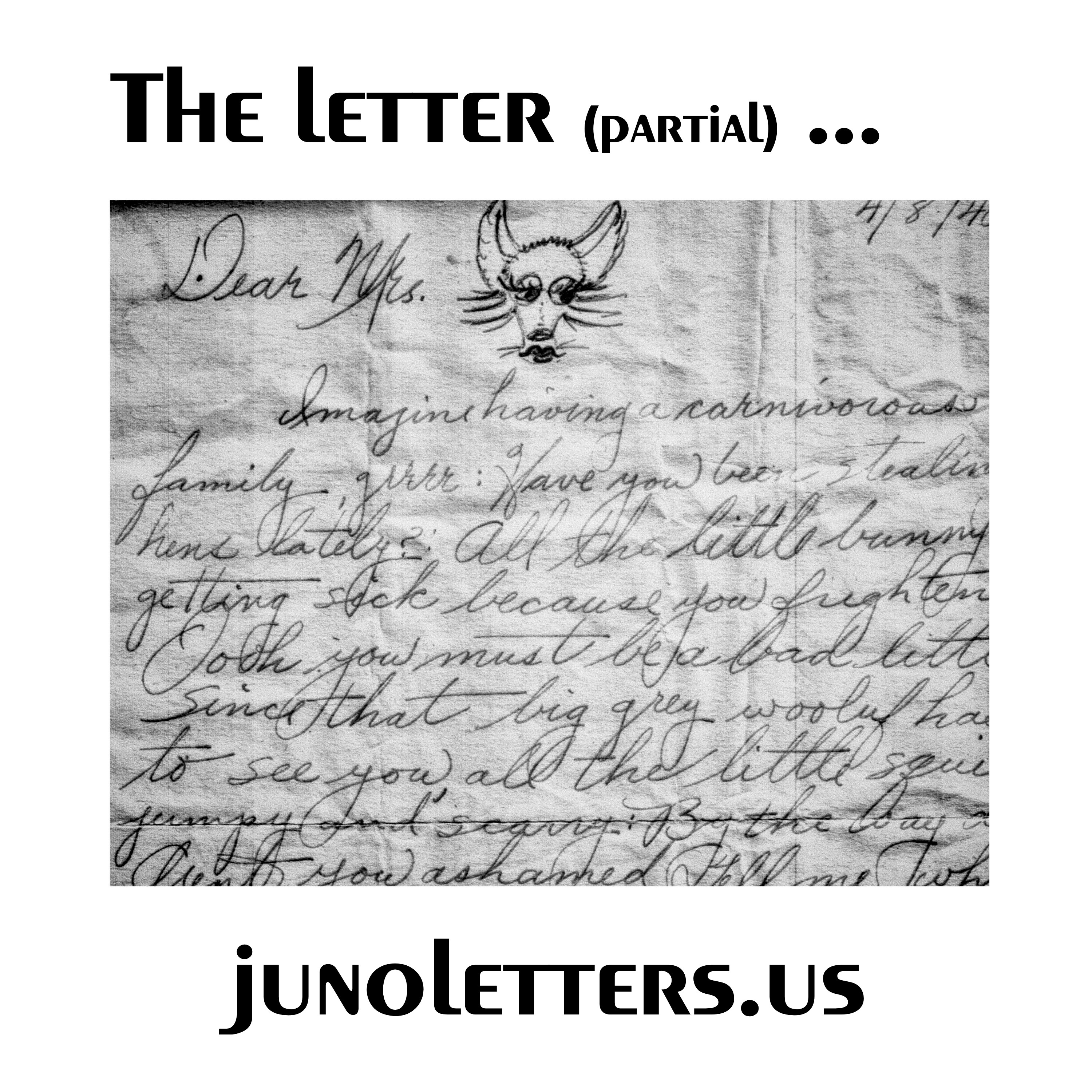
Letters and Journals - the Stuff of History; Part 2
Jan 17, 202500:07:07Tap to summarizeThis is part two of the topic, Letters and Journals.It is based on book #11 of The Jun.o Letters series, Murder on the Red Ball Express.See how a bizarre real-life letter led to a plot of a timely story
Transcribe →