← On the Media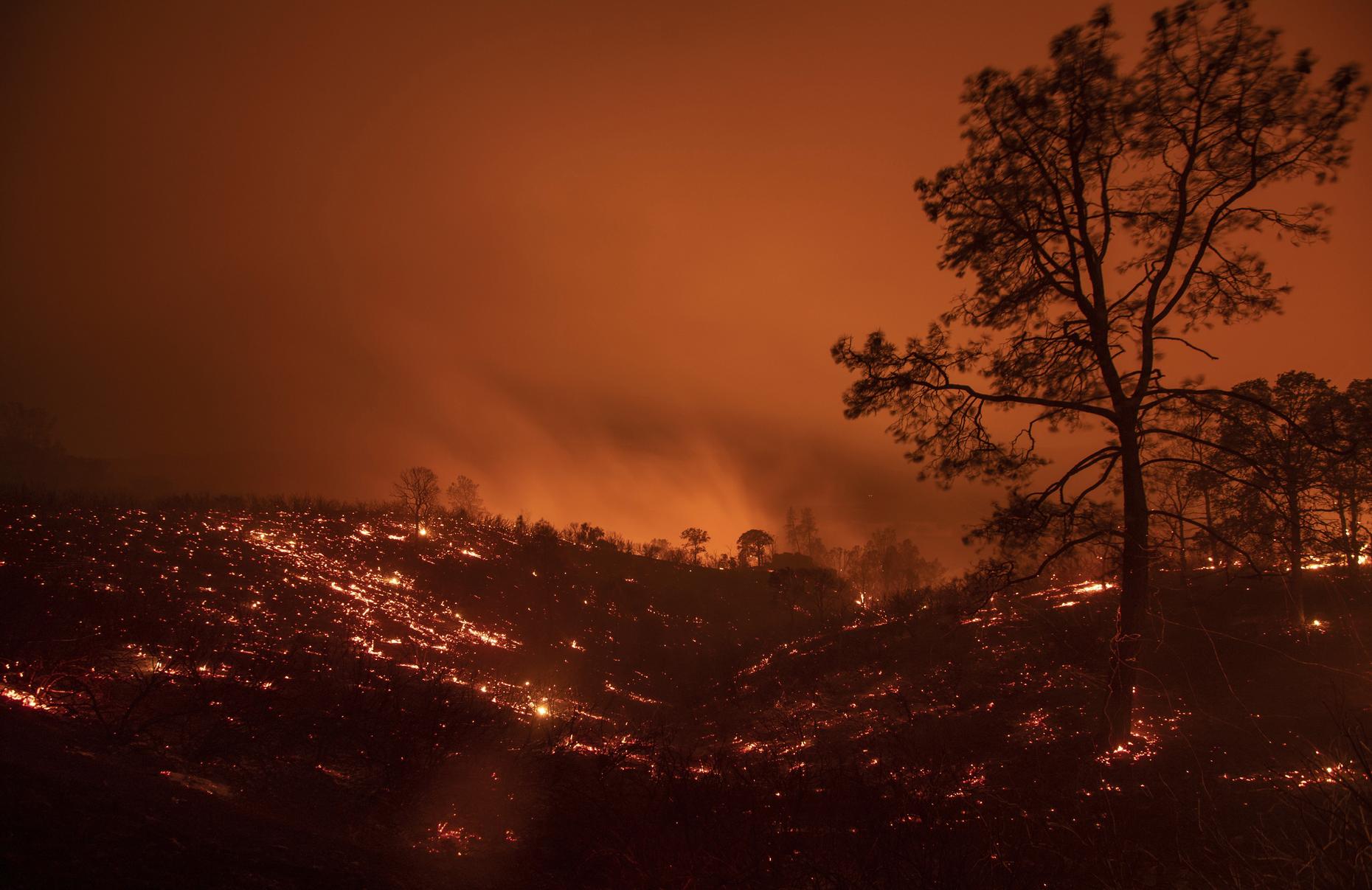
On the Media
Fire and Brimstone
00:49:52
Nicki Minaj; religious exemptions and the vaccine mandate; and climate change disinformation.
Loading summary
Transcript162 lines
- [00:01]
Unnamed Speaker 1
We have become that place that you can't speak.
- [00:06]
Unnamed Speaker 2
You can't speak for the fear of the mob attacking you.
- [00:12]
Sacha Pfeiffer
From Hollywood to Fox News, cries of tyranny against President Biden's vaccine mandate. From WNYC in New York, this is on the media. I'm Sacha Pfeiffer. Also on this week's show, religious exemptions are in vogue when it comes to skirting inoculation. But what actually counts as a religious belief?
- [00:30]
Unnamed Speaker 2
There's no way to distinguish legally between a religion that you and I might cook up right now and an ancient tradition like Judaism.
- [00:41]
Sacha Pfeiffer
Plus, fossil fuel companies have been fighting climate conscious legislation through media advertisements for years. But you may not have noticed.
- [00:49]
Unnamed Speaker 3
Influence doesn't look like an oil tycoon in a top hat showing up at your desk to twirl his mustache and tell you to spike a story.
- [00:57]
Sacha Pfeiffer
It's all coming up after this.
- [01:00]
Unnamed Speaker 2
OnTheMedia is supported by Progressive Insurance. Do you ever find yourself playing the budgeting game? Well, with the name your price tool.
- [01:07]
Sacha Pfeiffer
From progressive, you can find options that fit your budget and potentially lower your bills. Try it@progressive.com Progressive Casualty Insurance Company and affiliates. Price and coverage match limited by state.
- [01:20]
Unnamed Speaker 2
Law, not available in all states. Since Donald Trump reassumed office, over 200 lawsuits have been filed against his administration. Firings, tariffs, immigration, climate policy, it's hard to keep track of and even harder to understand. I'm former U.S. attorney Preet Bharara, and on my podcast, stay tuned with Preet, I'm joined by experts to break down complex legal stories and cut through the.
- [01:43]
Sacha Pfeiffer
Noise of this administration.
- [01:45]
Unnamed Speaker 2
It may feel tempting to tune out, but now more than ever, we need to stay engaged. Search and follow Stay tuned with Preet wherever you listen.
- [01:53]
Sacha Pfeiffer
From WNYC in New York, this is on the media. I'm Sacha Pfeiffer sitting in for Brooke Gladstone. We begin this week with a plea for freedom. When I was a little girl, the.
- [02:04]
Unnamed Speaker 2
People in church would tell us, be.
- [02:06]
Unnamed Speaker 1
Happy that you're able to praise God freely because people in so many countries in the world can't praise the God they'd like to praise freely.
- [02:17]
Unnamed Speaker 2
We have become that place that you can't speak for the fear of the mob attacking you.
- [02:26]
Sacha Pfeiffer
This is rapper Nicki Minaj speaking on Instagram live on Wednesday after she became the subject of an absurd controversy that on its face had nothing to do with religious freedom. The Internet mob was responding to this tweet, which she posted to her 22 million followers on Monday. My cousin in Trinidad won't get the.
- [02:46]
Unnamed Speaker 2
Vaccine because his friend got it and became impotent, she wrote. His testicles became swollen. His friend was weeks away from getting married, and now the girl called off the wedding. So just pray on it and make sure you're comfortable with your decision, not bullied.
- [02:58]
Sacha Pfeiffer
Needless to say, that tweet went viral pretty much instantly, as did Ballgate. Late night hosts, sensing their work had basically been done for them, had a field day. But to be fair to Dr. Minaj.
- [03:12]
Unnamed Speaker 2
Everyone knows there's no source more reliable than your extended family's acquaintances in another country. Her report comes straight from the New England Journal of My Cousin's friend in Trinidad, Ch Check out this week's study. I heard his girlfriend got pregnant from.
- [03:27]
Sacha Pfeiffer
A hot tub, but not everyone found it funny. You have 22 million followers on Twitter Joy Reid on MSNBC, for you to.
- [03:36]
Unnamed Speaker 2
Use your platform to put people in.
- [03:38]
Sacha Pfeiffer
The position of dying from a disease.
- [03:41]
Unnamed Speaker 2
They don't have to die from.
- [03:42]
Unnamed Speaker 3
Oh my God.
- [03:43]
Unnamed Speaker 2
As a fan, as a hip hop fan, as somebody who is your fan.
- [03:46]
Sacha Pfeiffer
I'm so sad that you did that. Then there's the other problem with the story of the rapper's cousin's friend. It didn't check out, unfortunately.
- [03:55]
Unnamed Speaker 2
We wasted so much time yesterday running down this false claim.
- [03:59]
Sacha Pfeiffer
Here's Trinidad and tobago Health Minister Dr. Terrence Dayalsing.
- [04:02]
Unnamed Speaker 2
As far as we know at this point in time, there has been no such reported either side effect or adverse event.
- [04:12]
Sacha Pfeiffer
Rather than just apologizing for spreading medical misinformation, Minaj doubled down. She took to Instagram Live to riff on her feeling that her critics had robbed her of her freedom to speak her mind. She also said she had been put in Twitter jail, which the company says is not true. Facts be damned, the story was catnip for the right wing media.
- [04:33]
Unnamed Speaker 2
It's not anything to do with the physical effect of the vaccine that makes our political class mad. It's the last part of Nicki Minaj's tweet that enrages them. The part where she says you should.
- [04:45]
Sacha Pfeiffer
Prey on it, make the decision yourself like a free human being and quote, don't be bullied. Maybe Tucker Carlson seems seized on the story because being told what to do even in matters of life and death, can be spun to feel un American. It's the same reason conservative lawmakers and pundits have landed on a scary word to describe Joe Biden's new vaccine mandate for companies of 100 employees or more.
- [05:12]
Unnamed Speaker 2
Medical tyranny is still tyranny and that's exactly what this Biden administration is trying to push on the American people. Mississippi Governor Tate Reeves said even though vaccines are life saving, the president's move is unconstitutional. He added, this is still America and we still believe in freedom from tyrants. I think it's interesting that we were assured for four years that Donald Trump is a tyrant, that he is, you know, Hitler incarnate. No, we had to elect this rotting bag of oatmeal to get a real tyrant.
- [05:44]
Sacha Pfeiffer
History shows that vaccine mandates, which have been enforced legally in this country for more than a century, are neither bullying nor tyrannical. On Tuesday, Arizona became the first state to challenge the vaccine mandate, a measure many businesses seem on board with because why would they want their workers to end up in the hospital? President Biden, some of the biggest companies.
- [06:06]
Unnamed Speaker 2
Are already requiring this United Airlines, Disney, Tyson's Food, and even Fox News.
- [06:15]
Sacha Pfeiffer
Fox isn't exactly requiring it. It's asking employees to disclose their vaccination status. And according to a human resources memo sent to Fox staffers this week, 90% of employees at the network are already vaccinated and the rest are tested weekly, meaning Fox was essentially following the president's new policy before he announced it. These claims of government overreach could just be cynical dog whistles aimed at firing up TV viewers and raising funds. But there actually is a conflict between our constitutionally enshrined religious rights and parts of the vaccine rollout.
- [06:53]
Unnamed Speaker 3
Some employees can challenge this vaccine mandate. Title 7 of the Civil Rights act.
- [06:58]
Unnamed Speaker 2
Allows employees to refuse the vaccine over sincerely held religious beliefs. Tell us what this means exactly. It's a little bit murky. No major religious denomination in the US Opposes vaccination outright, but beliefs, practices, observances with which an employer might not be.
- [07:17]
Sacha Pfeiffer
Familiar are still protected. In other words, even though the Pope has come out in favor of vaccinations, Catholics have the right to make an individual case to their employers for opting out. And those requests are on the rise, bringing with them a long list of questions like what counts as a religious exemption? How can we tell if they're sincere? And what even counts as religion?
- [07:43]
Unnamed Speaker 2
Your personal reality is reality, and in Unicult we honor that.
- [07:47]
Sacha Pfeiffer
It is because of this teaching that.
- [07:49]
Unnamed Speaker 2
Unicult protects its members who do not.
- [07:51]
Sacha Pfeiffer
Want to get the vaccine. That's Unicole Unicron, founder of the unicorn cult known as Unicult, speaking on TikTok.
- [07:59]
Unnamed Speaker 2
Unicult is a real religion, and we can provide documentation to support any religious exemptions. If you are a Unicult Member with the highest health in mind.
- [08:09]
Unnamed Speaker 3
We support you and we love you, Uniblus.
- [08:12]
Sacha Pfeiffer
As it turns out, the Constitution doesn't quite spell out what should be done about Unicult because the Constitution doesn't define religion.
- [08:21]
Unnamed Speaker 2
There were so many different churches and other religions in the US that there was no single tradition that could have been a national church. So as a practical matter, it was impossible.
- [08:31]
Sacha Pfeiffer
Winifred Sullivan teaches at Indiana University Bloomington, in both its Department of Religious Studies and Mars School. She's also a visiting professor of religion at the University Sciences Po in Paris. She told me that not defining religion in the Constitution was a deliberate decision to ensure that no one church had sole moral and legal authority.
- [08:54]
Unnamed Speaker 2
We have decided not to know what religion is as an official matter. That that is, you know, a constitutional commitment, that there's no official definition of what religion is. That's something that's left to each individual in each community. There's no way to distinguish legally between a religion that you and I might cook up right now, so to speak, and an ancient tradition like Judaism or an old church like the Roman Catholic Church.
- [09:24]
Sacha Pfeiffer
According to Sullivan, religion is best left undefined in law because otherwise the courts are in the position of deciding what counts as a good or bad religion, which is an open, awfully messy theological business. It also misses the point because religious exemption cases are often about much more than spiritual faith and practice.
- [09:45]
Unnamed Speaker 2
So I do think that religious exemptions become a kind of fevered place where American dysfunction gets litigated and talked about. If you have an example where a single person has said, I should be able to do this even though it's illegal, one question you should ask is, well, maybe everybody should be able to do this. Maybe the problem is with the law, not with the person who's objecting. There's a Supreme Court case that says that a Muslim man who was imprisoned had a religious right to wear a beard, even though beards were prohibited in the prison, I think there a good question to ask is if he can wear a beard, why not those men in the prison who either have medical reasons or even just personal reasons for wanting to wear a beard? You know, why only him? That's an American question to ask.
- [10:43]
Sacha Pfeiffer
The policing of facial hair in prisons is one kind of American dysfunction. But Sullivan says religious exemptions, like those for vaccines can also signal deeper systemic failures in education and healthcare.
- [10:57]
Unnamed Speaker 2
Where there is dysfunction in American government, you see religious exemptions coming up. So that's in health care, where, because we funnel health care through private employers, religious exemptions are raised there. If we had national health care, arguably that would be very differently organized. So I think that the religious exemption problem, or arguing about who we are through arguing about what religion is and what's good religion and what's bad religion, this is something we keep doing, and we're doing it right now because our biggest problem is the pandemic. And there has been so much governmental dysfunction around the managing of the pandemic.
- [11:42]
Sacha Pfeiffer
I do think it's surprising, actually, that we haven't defined religion, especially when you think how much time gets spent trying to define other complicated constitutional words in the Constitution, like speech. Why so much time spent on defining speech but not religion?
- [11:57]
Unnamed Speaker 2
I think in the US it's impossible. I've written a great deal about this. I think it's impossible to be coherent. That isn't true in other countries. And I'd like to point out to Americans that in many countries, perhaps most, there is a ministry of Religious Affairs. There's an office which decides what a religion is. And we decided not to do that. But if you do do that, you have the advantage of being able to have someone to argue with about who's an official in charge. And we have no officials in charge of what religion is. Sometimes academics set themselves up in that role, and sometimes judges have referred to theologians or other academics and use them as authorities. But mostly there's no support for that in our constitutional history. To pick out one Protestant theologian, for example, and say he's the one who defines what religion is.
- [12:55]
Sacha Pfeiffer
The religious exemption allowance was encoded into law with the federal Civil Rights act of 1964. It says employers must make reasonable accommodations for employees who object to work requirements because of sincerely held religious beliefs. And as Winifred Sullivan points out, since the Constitution doesn't define what is a religion or not, the final ruling is up to employers. One hospital system in Arkansas saw an uptick of employees asking for a religious exemption from the COVID 19 vaccine on grounds that fetal cell lines were used in its development and testing. So the hospital called their bluff and had them sign a form promising they wouldn't use any other drugs developed or tested using fetal cell lines.
- [13:40]
Unnamed Speaker 2
The form, which has made the rounds on social media, mentions the vaccine went through the same process as many typical.
- [13:46]
Sacha Pfeiffer
Medications such as ibuprofen, antacids, Tylenol, Pepto, Bismol, Aspirin, Tums, Lipitor, Benadryl, Sudafed, and many other household medicines.
- [13:55]
Unnamed Speaker 2
President and CEO Matt Troup says if someone has those beliefs, and they are truly beliefs that are strongly held there should be no issue, and he hopes some of the staff are more educated.
- [14:04]
Sacha Pfeiffer
About that potential decision. If you can't beat them, educate them. Coming up, more on what happens when church and state are at odds with one another. This is ON the Media.
- [14:25]
Unnamed Speaker 2
On the Media is supported by Progressive Insurance. Do you ever find yourself playing the budgeting game? Well, with the name your price tool.
- [14:32]
Sacha Pfeiffer
From Progressive, you can find options that fit your budget and potentially lower your bills.
- [14:38]
Unnamed Speaker 2
Try it@progressive.com Progressive Casualty Insurance Company and.
- [14:42]
Sacha Pfeiffer
Affiliates Price and coverage match limited by state law not available in all states.
- [14:48]
Unnamed Speaker 2
Since Donald Trump reassumed office, over 200 lawsuits have been filed against his administration. Firings, tariffs, immigration, climate policy. It's hard to keep track of and even harder to understand. I'm former U.S. attorney Preet Bharara, and on my podcast Stay Tuned with Preet, I'm joined by experts to break down complex legal stories and cut through the.
- [15:08]
Sacha Pfeiffer
Noise of this administration.
- [15:10]
Unnamed Speaker 2
It may feel tempting to tune out.
- [15:12]
Unnamed Speaker 3
But now more than ever, we need.
- [15:13]
Unnamed Speaker 2
To stay engaged, search and follow Stay Tuned with Preet.
- [15:16]
Sacha Pfeiffer
Wherever you listen, this is ON the media. I'm Sascha Pfeiffer, sitting in for Brooke Gladstone. All the coverage of religious exemptions in response to the vaccine mandate has raised questions about the blurry lines between church and state and when a person's religious practices collide with the law or when laws based on religious beliefs infringe on people's right. That's when the Supreme Court gets involved.
- [15:40]
Unnamed Speaker 1
The US Supreme Court on Wednesday handed.
- [15:43]
Unnamed Speaker 3
A victory to religious conservatives in the.
- [15:45]
Unnamed Speaker 2
Fight over reproductive rights, allowing employers to opt out of covering contraception last week, a decision in which they said that Montana could not exclude a school from a scholarship program simply because that school was church run.
- [16:02]
Sacha Pfeiffer
And then earlier this month, majority of.
- [16:04]
Unnamed Speaker 2
Abortions in Texas are now banned after the Supreme Court did not rule on an emergency appeal to keep a new law from taking effect. The law, known as Senate Bill 8, prohibits abortions after six weeks. It also allows people to to sue.
- [16:17]
Unnamed Speaker 3
Abortion providers and people who help.
- [16:20]
Sacha Pfeiffer
Last Sunday, less than two weeks after the court allowed the gutting of Roe v. Wade in Texas, Justice Amy Coney Barrett had this to say about the coverage of recent Supreme Court rulings.
- [16:30]
Unnamed Speaker 3
The newest Supreme Court justice says she's worried the public thinks the court is partisan. Justice Amy Coney Barrett says justices must be hyper vigilant to make sure they're not letting personal biases creep into their decisions.
- [16:42]
Sacha Pfeiffer
Her timing raised eyebrows. So did where her words were spoken.
- [16:47]
Unnamed Speaker 2
Judges are people too, barrett said in a lecture hosted by the University of Louisville's McConnell Center. Wait, that McConnell?
- [16:55]
Sacha Pfeiffer
MSNBC's Chris Hayes.
- [16:56]
Unnamed Speaker 2
Oh, yes, it continues, introduced by Senate Republican leader Mitch McConnell, who founded the.
- [17:01]
Sacha Pfeiffer
Center and played a key role in pushing through her confirmation in the last days of the Trump administration. As much as Barrett and the other justices may be protest otherwise, there is consensus among some about where today's Supreme Court lies on the political spectrum.
- [17:16]
Unnamed Speaker 1
Every justice who's been appointed for the last number of decades by a Republican president has been more conservative than the justice that he replaced.
- [17:27]
Sacha Pfeiffer
Linda Greenhouse covered the Supreme Court for 30 years at the New York Times. She's now a clinical lecturer and senior research scholar at Yale Law School, and she writes opinion columns for the Times about the Supreme Court and the law.
- [17:38]
Unnamed Speaker 1
The current court is generally regarded by scholars and historians of the Supreme Court as the most conservative supreme court since the 1930s.
- [17:50]
Sacha Pfeiffer
In your column analyzing the last term of the Supreme Court, the column published in July 2021, entitled what the Supreme Court did for Religion, you invited people who think this was a Supreme Court term in which nothing much happened to take another look. Because you say that today's Supreme Court justices, or at least some of them, are more deferential to religion than past members of the Court. What evidence is there for that?
- [18:14]
Unnamed Speaker 1
Well, the major evidence that I'm sure people are aware of was what the Court did in the context of the COVID 19 pandemic, with regulations that various levels of government had put in limiting public gatherings in one place or another place. And so back in the spring and summer of 2020 first it was a city in California, then it was the state of Nevada, limited all kinds of public gatherings, including gatherings for worship, and these were challenged as violations of religious freedom of the First Amendment free exercise clause. That came up to the Supreme Court, and the Court, by a vote of 5 to 4, upheld the regulations, rejected the challenge. Chief Justice Roberts was in the majority, and so was Justice Ruth Bader Ginsburg. So what happened on the eve of Thanksgiving, this last Thanksgiving, November 2020, another one of these cases came up. This one was from New York, and the court flipped. It was five to four the other way. The restrictions were struck down. Justice Ginsburg, of course, was no longer on the court, and the justice who was there in her place, Justice Barrett, voted as she would not have. And so it came out the other way. The majority seemed to think it was some kind of discrimination against religion to impose on worship services the same kind of public health restrictions that were being Imposed elsewhere.
- [19:44]
Sacha Pfeiffer
In your latest column for the Times, the headline says God has no place in Supreme Court opinions. And you say as the country lurches toward theocracy, we need to call out those who invoke God as their legislative drafting partner.
- [20:01]
Unnamed Speaker 1
I have to say I didn't write the headline. I did write every word of the column. My real aim was at the legislators of the country who are invoking God as the reason why they're shutting down access to abortion. And I quote in the column Governor Abbott of Texas and Governor Ivey of Alabama. And I thought it was time to sort of call out this religiosity both in the legislative branches of the country and on the Supreme Court.
- [20:32]
Sacha Pfeiffer
You seem to be saying that as conservative lawmakers see a growing number of conservative judges on the Supreme Court, they're becoming emboldened to push for conservative legislation that will likely get upheld by the Supreme Court. And those lawmakers are also becoming more open about their religious motivations because they feel confident the Supreme Court will have their back so they don't have to conceal their motives. Is that a fair summary of what you believe?
- [20:55]
Unnamed Speaker 1
Yes, that is a fair summary. You know, not so long ago, if a governor or a legislator was endorsing an anti abortion bill, they would give these kind of phony, secular reasons for doing what they were doing, saying abortion hurts women, abortion hurts the medical profession, I mean, all kinds of stuff. And they didn't say what they really meant, which is we oppose abortion because it's against our religious doctrine. And of course, it's everybody's perfect privilege to think that abortion is against their religious doctrine. But what I'm trying to say is it's not their privilege to enforce their religion on the rest of us. There are some justices on the court who have an agenda. We know that they're very open about it. I mean, Justice Sam Alito spends a lot of his energy writing opinions that basically invite disaffected members of the public to bring issues to the Court. For instance, he's convinced that there's a real threat in the country of discrimination against people who oppose same sex marriage for religious reasons. He says they're going to be subject to discrimination, they're going to be written off as bigots. When just a few years ago it was a majority view to oppose same sex marriage, this kind of thing, I think the public can watch this and say, wait a minute, we thought the court was the passive recipient of the disputes that are roiling the country, not going out seeking to foment those kind of disputes so that the Supreme Court has the raw material to enable it to decide the way it wants to.
- [22:28]
Sacha Pfeiffer
Decide and remind us of the denominational breakdown of the court.
- [22:34]
Unnamed Speaker 1
Justice Neil Gorsuch is Episcopalian. He was raised Catholic. He attended the same Jesuit boys prep school that Justice Brett Kavanaugh did. So let's say there were seven justices raised Catholic on the Supreme Court and there are two who were raised Jewish. And you can say, how did this happen? I think it happened. I mean, people can dispute this, but this is my observation that because Republican presidents basically pledged to appoint judges and justices who would overturn Roe against Wade. How do you do that? You can't ask a potential nominee, by the way, will you promise me that you're going to vote to overturn Roe? So you use proxies, you use the evidence at hand. And I think the proxy had come to be Catholicism.
- [23:26]
Sacha Pfeiffer
You wrote that you consider religion American society's last taboo. We're afraid we'll be accused of being anti religious if we ask whether certain politicians have a religious agenda. So first I have to ask you, do you really believe religion is our last taboo, even more than money or certain political topics?
- [23:42]
Unnamed Speaker 1
I do, actually. I mean, there's really nothing we can't talk about in polite society these days. Accept somebody's religion. And what I had in mind when I wrote that, and I didn't have space in the column even in the virtual space, is not unlimited to recount what happened to Senator Dianne Feinstein back in 2017 when Amy Coney Barrett was nominated by President Trump to the U.S. court of Appeals for the 7th Circuit in Chicago. Amy Barrett was at that time a professor at Notre Dame, and she had been signing statements and expressing her doctrine based views about abortion and so on. And so Senator Feinstein had the nerve to ask her to tell the public, okay, you obviously have strong beliefs in this area and if you become a life tenure judge on the federal appeals court, would you be able to put these beliefs aside?
- [24:40]
Unnamed Speaker 2
When you read your speeches, the conclusion one draws is that the dogma lives loudly within you.
- [24:52]
Unnamed Speaker 1
And that's of concern. And of course Amy Barrett said she could. But the point is that Dianne Feinstein was just blasted by Republicans and more privately by Democrats. So what happened was during Amy Barrett's confirmation hearing in 2020 for the Supreme Court, the Democrats, showing really astonishingly unusual discipline, did not ask her any questions about religion. And what was kind of funny in a grim way is that the Republican senators were primed for the Democrats to ask these questions. And so they had their own questions saying, basically, isn't it terrible that people are challenging your religious beliefs? Nobody in the hearing had challenged her religious beliefs. So it was grimly humorous to watch Lindsey Graham and a couple of the others asking her these leading questions that didn't lead anywhere because they didn't come from anything, because the Democrats have been so disciplined in not asking her those questions.
- [25:55]
Sacha Pfeiffer
The recent Biden order essentially mandating vaccines for employees of companies of a certain size inevitably will begin to bring up the issue of religious exemptions as some people try to get out of vaccines by claiming a religious exemption. Is that one you expect to go to the Supreme Court eventually?
- [26:12]
Unnamed Speaker 1
It may well. I think a lawsuit was filed just yesterday starting the thing off, I would say looking ahead to the coming term to watch that space, because the end of one term and the beginning of another is in a way a kind of an artificial dividing line. So the court has already told us that it's going to continue on its road to expansion of the role of religion in our public life. They've accepted a case about state aid to parochial schools from a case from Maine that I think is going to be quite important. So we can assume that the court is finished with its project one of privileging the role of religion over other rights that our Constitution gives us in our public life.
- [26:58]
Sacha Pfeiffer
Linda Greenhouse was a longtime Supreme Court reporter for the New York Times. She now writes opinion columns for the Times about the Supreme Court and the law.
- [27:06]
Unnamed Speaker 1
Okay, thank you, Sasha.
- [27:13]
Sacha Pfeiffer
Coming up, why TV news standards still has a problem with climate change?
- [27:17]
Unnamed Speaker 2
Let's dispense with this idea that, oh, there's not time or room. I think it is a dodge. All it takes is one sentence to say, as Al Roker said from the ground in New Orleans, this is an example of climate change.
- [27:29]
Sacha Pfeiffer
This is on the media.
- [27:38]
Unnamed Speaker 2
On the Media is supported by Progressive Insurance. Do you ever think about switching insurance.
- [27:43]
Unnamed Speaker 3
Companies to see if you could save some cash?
- [27:45]
Unnamed Speaker 2
Progressive makes it easy to see if you could save when you bundle your.
- [27:49]
Unnamed Speaker 3
Home and auto policies.
- [27:51]
Unnamed Speaker 2
Try it@progressive.com, progressive Casualty Insurance Company and affiliates. Potential savings will vary. Not available in all states. Since Donald Trump reassumed office, over 200 lawsuits have been filed against his administration. Firings, tariffs, immigration, climate policy. It's hard to keep track of and even harder to understand. I'm former US Attorney Preet Bharara and on my podcast Stay Tuned with Preet, I'm joined by experts to break down complex legal stories and cut through the noise of this administration, it may feel tempting to tune out, but now more than ever, we need to stay engaged. Search and Follow Stay tuned with Preet wherever you listen.
- [28:31]
Sacha Pfeiffer
This is ON THE media. I'm Sacha Pfeiffer sitting in for Brooke Gladstone. It is a fact that the raging fires in California and other parts of the west are due to climate change. So are the droughts, deep freezes and drenching storms that are commonplace events nowadays. Even so, media outlets fail regularly in their coverage of the ongoing climate catastrophe. A few years ago, we wrote one of our breaking news consumer handbooks on how not to cover weather events. For example, phrases like once in a hundred year storm are misleading and initial death tolls are often often severely undercounted and the consequences of any storm will keep unfolding long after the camera crews pack up and go home. And most importantly, other than volcanoes and earthquakes, there are no natural disasters. One point that was missing from our handbook that we thought was too obvious to share was that when applicable, journalists should make sure to attribute severe weather to climate change. Guess we shouldn't have assumed Hurricane Ida made landfall in Louisiana today, battering the southeastern Gulf coast with an onslaught of water and dangerous winds with winds 150.
- [29:44]
Unnamed Speaker 2
Mph and those reported wind gusts reaching 172 mph and then remaining a Category 4 storm for an astonishing six hours, the fifth strongest hurricane to hit the.
- [29:56]
Sacha Pfeiffer
US mainland in record recorded history. Media Matters did a study of TV news in the days leading up to and following IDA's landfall in Louisiana. The data showed that of the 774 total TV segments that ABC, CBS, NBC, CNN, Fox News and MSNBC ran about Ida during that period, 34 mentioned climate change, just 4%. And that's causing some reporters to sound the alarm on how we talk about humanity's own role in creating the storms ravaging the world.
- [30:29]
Unnamed Speaker 2
When it comes to that coverage of Hurricane Ida, I confess that I was baffled to see my TV news colleagues leaving climate change out of their stories. In 96% of the stories, at least.
- [30:41]
Sacha Pfeiffer
Mark Herzgerd is the environment correspondent for the Nation magazine and executive director of Covering Climate Now. It's a global media consortium committed to more and better coverage of the climate story.
- [30:52]
Unnamed Speaker 2
I do know this that there are definitely people within the ABC News, the NBC News, the CBS News newsrooms who know perfectly well that Hurricane Ida is an example of climate change at work. And indeed, you saw Al Roker, the NBC News weather expert, say that from the ground in New Orleans. Andrea one Last thing I just want to say, we are looking at the results of climate change. Those Gulf waters were about 3 to 5 degrees above average at 88 to 90 degrees. And that is purely climate change. And Jeff Baradelli at CBS News said the same thing. Ginger Zee at ABC News. But the rest of their news teams did not say that. My hunch is that most of the rest of those journalists in those newsrooms do not have the climate knowledge or the climate confidence to say on the air what their colleague in the weather unit can say.
- [31:52]
Sacha Pfeiffer
I can think of all the times as a reporter I've wanted to include more detail in my stories. But in radio, you have only three minutes or 60 seconds. And if you're writing a newspaper story, you have only 800 words.
- [32:03]
Unnamed Speaker 2
Let's dispense with this idea that, oh, there's not time or room. I think it is a dodge. All it takes is one sentence to say, as Al Roker said from the ground in New Orleans, this is an example of climate change.
- [32:15]
Sacha Pfeiffer
If you believe the part of the problem is we don't have enough specialized newsrooms or reporters with individual expertise in climate science, we may never have that. The media is being decimated. Staffs are shorter. People are often more generalists. So what then? Does there just need to be template language so that if you're covering climate, you can at least have a standardized line that mentions climate change?
- [32:39]
Unnamed Speaker 2
That is what we try to provide, by the way, covering climate. Now, look, here's how you can make the climate connection in your reports. We have 10 best practices in climate reporting that you can read so that, you know, we say to our colleagues, look, if you're new to the climate beat and your managing editor tells you at 10am that you've got to have a story on the air at 6, come to us, read this stuff for an hour, and you can go out and report that story and get something on the air that night that you will not be ashamed of. It is really not that difficult. And let's be clear here, the US media has long been at least 10 years behind our counterparts in Europe on this. Back in the 1990s, the media in Germany, in Britain, in France, in Italy, in Spain, none of them were saying climate science is hoax like we were saying in the United States. None of them were being both sides. Well, there's some people say it's true and some people say it's not. The science was plenty clear enough in the 1990s.
- [33:40]
Sacha Pfeiffer
What would you say to journalists who feel that covering climate change is somehow a partisan style of reporting.
- [33:47]
Unnamed Speaker 2
I would argue that in fact, that's the single greatest mistake that the US media has made on the climate story. Going back 30 years now to when it first appeared on the public agenda. We have treated climate change as a politics story rather than a science story, where, okay, Republicans say one thing and Democrats say another thing. And if we in the media are going to be fair, we have to reflect both sides. You know, when There was the 50th anniversary of the moon landing, we did not say, there are some people who believe that men landed on the moon and other people who don't. And, gee, we don't know. It's up for you, the viewer, the listener to decide. We don't do that with cigarettes. We don't do that with gravity. We don't do that with science.
- [34:27]
Sacha Pfeiffer
Last month there was a Wall Street Journal opinion piece you may have seen. And it didn't deny that climate change is happening, but it said that a lot of liberal media outlets focus on the need to cut back on fossil fuel dependence to try to slow climate change. And this Journal op ed argued instead we should be investing more in withstanding climate change, hardening the grid, better electrical systems, better levees, better flood protection.
- [34:54]
Unnamed Speaker 2
The Wall Street Journal has been lying about climate change on its editorial pages for 30 years. So I'm really not interested in what they have to say. And except for this, it is very interesting to see how just like the fossil fuel companies are now changing their tune on climate change after lying for 30 years, the wall Street Journal is now doing the same thing. They want to look like they are part of the solution. I'm sorry, you don't get a vote on this. You lied for 30 years about it. That's a big part of the reason that we're in this emergency today where the climate chaos is exploding around the world. If you want to be part of the solution, let's start by you fessing up and admitting apologizing for your lies. Then we might take your views seriously. Beyond that, yes, of course we have to do more to prepare for climate change. I wrote 10 years ago, the very first book for the mass market on climate change adaptation. It was called Living through the next 50 years on Earth. Yes, we have to do much, much more on adaptation. But I'm not interested in hearing about that necessity from people who are a big part of the reason for why the problem is as bad as it is today.
- [36:04]
Sacha Pfeiffer
There are a lot of people these days, as I'm sure you know, who Just say they're burnt out by the news, they need a break from the news. It's all bad. Climate change factors into that. It's ominous. It keeps getting worse. Obviously reporters still have to cover the issue, but how should we be factoring in the news consumer fatigue issue? Should we adjust our reporting at all to keep in mind that people are tired and worn out and discouraged and kind of don't want to hear it anymore?
- [36:30]
Unnamed Speaker 2
Yes, the news is often pretty dire, but that doesn't mean that we don't report it because we've got to know what the facts are. That said, one of the things we work on the covering climate now is what is known as solutions journalism, which I quickly add is not boosterism, it is not cheerleading, but it is telling the whole story. Not just oh my God, there's a climate emergency, but oh my God, we have all the tools and technologies we need to fix that climate emergency. We have solar and wind power that have plummeted in costs over the last decade. We have stopped building coal fired power plants that overheat the planet. We have a very vibrant youth climate movement that is pushing governments and businesses to do the right thing. There's a lot of good news on the climate beat as well as the harsher stuff. And I think the best journalism mixes that in a way that is responsible. Again, we're never supposed to be cheerleaders, we're never supposed to be activists, but we do have a civic responsibility to inform the people about the good, the bad, the ugly, but also the possible. And when we do that, I think that the democracy thrives, our audiences like it, and that is going to lead to us having a job going forward, which is, you know, pretty important too.
- [37:50]
Sacha Pfeiffer
Mark, thank you.
- [37:50]
Unnamed Speaker 2
My pleasure. Thanks for having me.
- [37:53]
Sacha Pfeiffer
Mark Herzgaard wrote why Won't TV news say Climate Change? For the Guardian and is the executive director of Covering Climate Now. Full disclosure. Our producing station, wnyc was a co founder of that nonprofit along with several other media organizations. We heard Hertzgaard say that fossil fossil fuel companies have been lying to the public for decades. In fact, it's well documented that almost as soon as climate change became a scientific reality, they actively downplayed the crisis. But to keep Americans unaware of the growing urgency of our environmental problem, those same companies needed a way to paint themselves as heroes. Advertising allowed fossil fuel companies to sell themselves, not their products, as the the good guys. The depictions of billion dollar companies were often folksy, innovative, innocent and brazenly stereotypically American. The strategy was genius. It's also now the subject of congressional scrutiny. This week, the House Oversight Committee officially launched an investigation into the fossil fuel industry's disinformation efforts and their impact on the climate crisis. Journalist and podcast host and Amy Westervelt wanted to go back to the beginning to find out how advertising, the media and the fossil fuel industry became so intertwined. Her podcast Drilled profiled several of the men who invented the public relations business we know today. The following is an excerpt from one of those episodes.
- [39:22]
Unnamed Speaker 2
If you're going to do the job properly, you have to find unconventional ways to communicate to the public. It's not a question of convincing the the press of anything. It's a question of convincing the public.
- [39:32]
Unnamed Speaker 3
That's Mobil Oil's legendary PR guy, Herb Schmertz. Schmertz was VP of Public affairs for Mobil for decades. Slick and handsome, always with an expensive suit, he was the smartest guy in the room and mostly thought that both journalists and other PR guys were idiots. He ran PR for mobile oil from 1969-19 and became a master of media manipulation. Schmertz didn't just focus on placing particular stories. He set about fundamentally changing the relationship between corporations and the media. To Schmertz, the press was more of an obstacle between him and the public or mobile and policymakers.
- [40:14]
Unnamed Speaker 2
And to do the job properly, you have to really go around the press or beyond the press or against the press to get a story out so that the public focuses on it, not the press. If you're just going to limit yourself to getting the press to focus on it, you're not doing the entire job.
- [40:30]
Unnamed Speaker 3
Schmertz is the guy who really turned media into another propaganda tool for the fossil fuel industry. He invented the advertorial for a start. He also invented issue advertising, which is now the only type of advertising the oil industry does. You'd think all they do is farm algae and research carbon capture and worry about climate change if you only paid attention to their ads.
- [40:52]
Unnamed Speaker 2
Energy is a complex challenge. People want power, and power plants account for more than a third of energy related carbon emissions. The challenge is to capture the emissions before they're released into the atmosphere. ExxonMobil is a leader.
- [41:06]
Unnamed Speaker 3
Schmertz also bullied journalists into covering Big Oil's side of the story and he encouraged his peers to do the same, which sadly worked really well. And he lobbied for corporate First Amendment rights and against any media regulations that would make it harder for him to use the press as a tool. Known during his heyday for dapper suits, cigars, and generally being something of a dandy. For the first half of his life, Herb Schmirtz seemed more destined to be Secretary of Labor than a famous PR guy. After graduating from Columbia Law School in 1955, Schmertz was drafted into the Army. The Vietnam War was just beginning, and given his law background, Schmertz was sent straight to work in counterintelligence in Washington, D.C. after two years there, it was back to law for Schmertz. Labor law. Following in the footsteps of his older brother, in 1960, Schmirtz signed on to work for JFK's campaign. He was a Democrat and an idealist, and he helped the campaign with voter registration and reaching out to special groups, including labor and various ethnic communities in New York. When he went to work for Mobil, Schmertz was actually still working in labor. He handled the company's labor relations for five years. But his background in law and political campaigning, combined with his relationships with various labor unions, made Schmertz an even greater, if unexpected, fit for the company's public affairs office. By this point, 1969, Mobile's CEO was a man named Raleigh Warner. Warner wanted Mobil, which always seemed to be playing catch up to Exxon, to be more of a visible player in the industry. Schmertz had a lot of ideas on that front, starting with humanizing Mobile, giving the company a personality complete with ideas that needed to be shared. Here's Schmertz much later in life, describing that as strategy.
- [43:05]
Unnamed Speaker 2
It was a personality where we believed very strongly about the importance of public policy issues. We believed fervently that as custodians of vast resources and employment, that we were not doing our job if we did not participate in the marketplace of ideas.
- [43:23]
Unnamed Speaker 3
To get all the facets of the corporation's personality across to the public, Schmertz used the tools he's come to be known for, the issue ad and the advertorial. The latter was born in 1970 when the new York Times opened up its op ed pages to advertising for the first time. Schmertz wanted Mobile's ad to be just as smart and provocative as any editorial that might appear in the section otherwise. He hired legit writers to write them and eventually ran them every week for decades. They ran the gamut from squawking about taxes to complaining about the media to unexpected takes in favor of public transit. Schmertz talked about one of his advertorials on the PBS show the open mind in 1980.
- [44:09]
Unnamed Speaker 2
Herb, thanks for joining me today. Great pleasure to be here, Dick. I want to turn as quickly as possible to a new fairy tale. The Mobile ad or op ed piece or editorial. Call it what you will do. Call them pamphlets, pamphlets, but they appear in newspapers. Yes.
- [44:25]
Unnamed Speaker 3
A New Kind of Fairy Tale was the title of Schmertz's latest advertorial and it criticized PBS for running a film that stereotyped Saudi Arabians. It was of course in Mobile's interest to be seen as a friend and staunch defender of Saudi Arabia at this point in time. In particular, the company was increasing its profits mainly by expanding its development and production in Saudi Arabia.
- [44:49]
Unnamed Speaker 2
At the end, your conclusion in the ad, we hope that the management of the Public Broadcasting Service will review its decision to run this film. Meaning you hope they wouldn't run it or at least review it and exercise responsible judgment in the light of what is in the best interest of the United States. Right. Do you think they did exercise responsible judgment? I think they did a better job after this ad appeared than they otherwise would have. But they could have done substantially more.
- [45:17]
Unnamed Speaker 3
Driven at least in part by this advertorial. PBS aired a panel discussion following that film where Mobile's position was represented alongside other voices. In various documents and speeches, Schmertz referred to how they helped shape the discourse on key issues to the company and establish Mobil as the thinking man's oil company. In a long buried briefing that we found called Corporations and the First Amendment that Schmertz wrote for the American management association in 1978, he explains why he chose the New York Times for these ads. He writes, quote, the Times was chosen because it is published in the nation's leading population communications and business center, because it has a highly intelligent, vocal, sophisticated readership and because it reaches legislators and other government officials. In short, it was the paper most likely to reach the largest number of opinion leaders and decision makers. Schmertz also talks about the program as a great success. In this briefing, Mobile found that the medium worked. He writes, the messages stimulated discussion among influentials on both sides of the issue. Exactly what the company had set out to do. But it turns out that the result of placing all those ads was quite different from simply stimulating discussion, not just in terms of reaching a large audience of readers, but also in shaping the Times own coverage of these issues.
- [46:40]
Unnamed Speaker 2
They talk about having influenced the New York Times editorial viewpoints.
- [46:46]
Unnamed Speaker 3
Kurt Davies is the founder and director of the Climate Investigation Center, a non profit watchdog group that focuses on influence around energy and environmental policies. They uncovered an internal marketing report from 1982 in which Mobil's marketing and PR team was reporting to the company's leadership about how these advertorials had done.
- [47:08]
Unnamed Speaker 2
The document says, quote, our analysis shows that the Times has altered or significantly softened its viewpoints on conservation. Moving from a total reliance on conservation.
- [47:19]
Unnamed Speaker 3
To advocating increased production incentives to solve.
- [47:23]
Unnamed Speaker 2
The supply shortage, on monopoly and divestiture. Moving from approving the breakup of the oil companies to opposing divestiture. Moving from advocating strict environmental safeguards to suggesting more relaxed controls on offshore drilling. Moving from valuing environmental concerns at the expense of exploration and development to urging accelerated offshore drilling. So they tallying how they have affected.
- [47:47]
Unnamed Speaker 1
The viewpoints of the New York Times.
- [47:49]
Unnamed Speaker 2
On conservation, monopoly and divestiture, decontrol, natural gas, coal, offshore drilling, all things that they had written op EDS on. They've been open and forthright about this even in some of the advertorials themselves.
- [48:04]
Unnamed Speaker 3
Harvard science historian Jeffrey Supran has studied these advertorials at length.
- [48:09]
Unnamed Speaker 2
No doubt the fossil fuel industry has been very effective at embedding themselves into our culture and our society and our media in an increasingly installed that makes it hard to discern when you are being advertised to versus you know, you're simply being reprogrammed to see the world and society in a slightly different way.
- [48:31]
Unnamed Speaker 3
Mobile was convinced enough that its advertorial strategy worked to keep running them weekly in the Times for decades. It was even a program that Exxon kept going after it acquired Mobil.
- [48:42]
Unnamed Speaker 2
They've taken out about one in four of all the avatars that have ever appeared on the op ed page of the New York times.
- [48:48]
Unnamed Speaker 3
He said one in four. So 25% of all advertorials that have ever run in the New York Times op ed pages were commissioned by Mobile or ExxonMobil.
- [49:00]
Unnamed Speaker 2
Political scientists studying these advertorials have described this campaign as towering over all other competitors in its sheer volume and expands.
- [49:08]
Unnamed Speaker 3
ExxonMobil doesn't run its advertorials anymore, but it's moved on to the latest iteration campaigns made by the New York Times itself. It's not the newsroom, it's the brand studio that the New York Times created. But still it's the same company that puts out the New York Times newspaper making oil companies ads for them. See if you can spot a bit of the Schmertz magic here. In 1978, he said the goal of Mobile's advertorial campaigns was to, quote, stimulate discussion among influentials in 2020. The New York Times Brand Studio website's tagline is stories that influence the influential. Here's a campaign they did for ExxonMobil last year highlighting the company's algae biofuel program.
- [49:55]
Unnamed Speaker 2
These vibrant green dots, microscopic living organisms, are algae. Look closely. Algae grows almost everywhere for murky ponds.
- [50:05]
Unnamed Speaker 3
Again, the Brand Studio is separate, separate from the newsroom. There's a definite firewall between advertising and editorial. And every time I talk about these campaigns, New York Times reporters bristle at the idea that they are being accused of being manipulated or influenced by industry. Whether they are or aren't influenced is not really the point. It's not even the goal of these campaigns. The goal is to reach and influence certain types of readers and to wrap the industry's messages in the cloak of credibility provided by the New York Times or the Washington Post, which also does this. Last year, the Post ran a series of stories that its Brand Studio created for the American Petroleum Institute, all about how natural gas and oil are helping to deliver a sustainable fuel mix. These campaigns are worth hundreds of thousands of dollars in revenue for newspapers at a time when the business model for journalism has never been more strained. And when you ask for proposals on them, as I did, ad salespeople start offering all kinds of things. You could place content they write for you in the climate section. You can peg it to keywords like climate change and make sure it's a suggested next read on any related news story. Influence doesn't look like an oil tycoon in a top hat showing up at your desk to twirl his mustache and tell you to spike a story. It looks like readers being fed a bunch of oil propaganda before, after and right next to your legit climate reporting. We have Herb Schmertz to thank for that.
- [51:44]
Sacha Pfeiffer
That was an excerpt from the Mad Men season of Drilled, an investigative podcast about climate change hosted by Amy Westervelt. That's it for this week's show on the Media is produced by Leah Feder, Michael Lowinger, Eloise Blondio, Rebecca Clark Callender and Molly Schwartz, with help from Juria Wright. Zandra Ellen writes our newsletter. Our technical director is Jennifer Munson. Our engineer this week was Adrian Lilly. Atiya Rogers is our executive producer. On the Media is a production of WNYC Studios. Brooke Gladstone will be back in two weeks. I'm Sacha Pfeiffer.
- [52:29]
Unnamed Speaker 2
I'm Ira Flato, host of Science Friday. For over 30 years, our team has been reporting high quality news about science, technology and medicine.
- [52:39]
Unnamed Speaker 3
News you won't get anywhere else.
- [52:41]
Unnamed Speaker 2
And now that political news is 24 7, our audience is turning to us to know about the really important stuff in their lives. Cancer, climate change, genetic engineering, childhood diseases. Our sponsors know the value of science and health news. For more sponsorship information, visit sponsorship. Wnyc. Org.