
Podcast
Open to Debate
Hosted by Open to Debate · EN
America is more divided than ever—but it doesn’t have to be. Open to Debate offers an antidote to the chaos. We bring multiple perspectives together for real, nonpartisan debates. Debates that are structured, respectful, clever, provocative, and driven by the facts. Open to Debate is on a mission to restore balance to the public square through expert moderation, good-faith arguments, and reasoned analysis. We examine the issues of the day with the world’s most influential thinkers spanning science, technology, politics, culture, and global affairs. It’s time to build a stronger, more united democracy with the civil exchange of ideas. Be open-minded. Be curious. Be ready to listen. Join us in being Open to Debate. (Formerly Intelligence Squared U.S.)
51episodes
Episodes
Newest firstAll episodes

Is Trump's America a Reliable Ally?
Jun 24, 202500:53:15Tap to summarizeUnder President Trump, America’s role on the global stage is being redefined — but can other countries trust its allyship under his leadership? Critics argue his transactional approach and threats to abandon allies undermine trust and force nations to reconsider their security. Supporters counter that demanding more from partners is “tough love” that will lead to stronger, more balanced alliances. Now we debate: Is Trump’s America a Reliable Ally? Arguing Yes: Joshua Shifrinson, Associate Professor at University of Maryland's School of Public Policy; Nonresident Senior Fellow at the Cato Institute Kelly Grieco, Senior Fellow with the Reimagining US Grand Strategy Program at the Stimson Center Arguing No: Liana Fix, Fellow for Europe at the Council on Foreign Relations Charles Kupchan, Senior Fellow at the Council on Foreign Relations and Professor of International Affairs at Georgetown University Learn more about your ad choices. Visit podcastchoices.com/adchoices
Transcribe →
Free Speech in the Trump 2.0 Era
Jun 17, 202500:50:30Tap to summarizeThe new Trump presidency has led to pressure on the First Amendment, and the lines between free expression and political enforcement are blurring. Those who say speech is now freer argue that his actions are restoring viewpoint diversity. Those who argue it’s more restricted argue it’s a crackdown on speech that doesn’t align with the administration’s views, especially in Harvard’s case. In partnership with the Cascades PBS Ideas Festival, we debate free speech’s evolution in the Trump 2.0 era. Nadine Strossen, Senior Fellow at FIRE; Former President of the ACLU Brandi Kruse, Host of "unDivided with Brandi Kruse” Nick Gillespie, Editor-at-Large at Reason, is the guest moderator. Visit OpentoDebate.org to watch more insightful debates. Subscribe to our newsletter to stay informed on our curated weekly debates, dynamic live events, and educational initiatives. Learn more about your ad choices. Visit podcastchoices.com/adchoices
Transcribe →
BONUS RELEASE: Can America and Its Allies Tolerate A Nuclear Iran, or Is It Time to Stop Them Now?
Jun 13, 202500:54:02Tap to summarizeIn light of today's breaking news—Israel’s targeted airstrikes on Iranian nuclear and military facilities, and Iran's retaliation—we are re-releasing our episode that confronts one of the most urgent questions of our time. Originally aired in January 2025, this debate has only grown more relevant, with our two experts offering insights critical for understanding the road ahead. Iran is getting closer to developing its first nuclear weapon. With tensions rising in the Middle East, should the U.S. and its allies take a stand? Those calling to stop Iran now argue this is a “now or never” moment for the region. Those calling for tolerance say while it’s not ideal, it is manageable, and maintaining diplomacy should be the focus. Now we debate: Can America and Its Allies Tolerate A Nuclear Iran, or Is It Time to Stop Them Now? Arguing STOP NOW: Behnam Ben Taleblu, Senior Fellow at the Foundation for Defense of Democracies Arguing TOLERATE: Barbara Slavin, Distinguished Fellow at the Stimson Center Learn more about your ad choices. Visit podcastchoices.com/adchoices
Transcribe →
Smart Girl Dumb Questions: Is the Future Bleak?
Apr 2, 2025Tap to summarizeToday we’re bringing you an episode of Smart Girl Dumb Questions, the new podcast by one of our frequent guest moderators, Nayeema Raza. Nayeema asks the questions we’re all thinking to big thinkers in this new show. It is brimming with curiosity, open-mindedness and a willingness to learn – values we hold dear at Open to Debate. As fertility rates plummet, and Millenials and Gen Z increasingly cite climate change and the state of the world as reasons they’re not having children, Nayeema asks: is the future really too bleak to have babies? Her guest is journalist Cleo Abram, a YouTuber who has amassed over 5 million subscribers as she tells optimistic tech stories. Nayeema and Cleo break down quantum, the rise of robots and how technology shifts from IVF to artificial wombs will change not just if, but how, we have babies. Also on the agenda: the media’s bias – not toward left or right, but toward negativity and the opportunity for more curious, independent and fact-based journalism.If you like this episode, you’ll enjoy Nayeema’s episode with Mark Cuban about capitalism, Neil deGrasse Tyson about physics, and two members of Gen Alpha about screen time. Follow Smart Girl Dumb Questions on Apple, Spotify, YouTube or wherever you get your podcasts. The Guest: Cleo Abram, an independent tech journalist behind Huge If TrueThe Host: Nayeema Raza, journalist and host of “Smart Girl Dumb Questions” Learn more about your ad choices. Visit podcastchoices.com/adchoices Learn more about your ad choices. Visit podcastchoices.com/adchoices
Transcribe →
Think Twice: About Abundance with Derek Thompson
Mar 28, 2025Tap to summarizeReporter and podcaster Derek Thompson says we’re better at recognizing problems, but our ability to solve them has not improved. How can we make sure meaningful progress occurs? In this conversation with Open to Debate guest moderator Nayeema Raza, Thompson will discuss his new book “Abundance,” rethinking yesterday’s issues to address today’s problems, and what both sides of the political aisle should learn to ensure we have a more abundant society. Our Guest: Derek Thompson, Staff Writer at The Atlantic; Author of the "Work in Progress" Newsletter Nayeema Raza, Journalist and Host of "Smart Girl Dumb Questions", is the guest moderator. Learn more about your ad choices. Visit podcastchoices.com/adchoices
Transcribe →
America the Dysfunctional with Brian Tyler Cohen
Aug 16, 2024Tap to summarizeAmerican politics today has been marred by increasing levels of “us vs. them” thinking, leading to the destruction of our social fabric and democracy. But critical thinking, facts, and reason can lead us out of that path. In this episode, YouTube sensation, podcaster, and MSNBC contributor Brian Tyler Cohen joins guest moderator and Reason magazine’s Editor-at-Large Nick Gillespie to discuss his book “Shameless”, the future of democracy in America, and advises how to engage young voters. Our Guest: Brian Tyler Cohen, YouTuber and Content Creator; Author of “Shameless” Nick Gillespie, Editor-at-Large of Reason, is the guest moderator. Learn more about your ad choices. Visit podcastchoices.com/adchoices
Transcribe →
Is Islam Antisemitic?
Jun 21, 2024Tap to summarizeThough they share similar values, guidelines, and principles, Islam and Judaism have a long, complicated relationship that has led to tension recorded within the Quran that might engender antisemitism. Those who agree argue that certain Quranic verses could be used to justify some people’s hostility towards Jews. Those who disagree say that references to Jews must be understood in their historical and textual contexts and there have been multiple periods of Muslim-Jewish tolerance. Now we debate: Is Islam Antisemitic? Arguing Yes: Tim Dieppe, Head of Policy at Christian Concern Arguing No: Reza Aslan, Iranian-American Religion Scholar; Bestselling Author of "Zealot" Emmy award-winning journalist John Donvan moderates Learn more about your ad choices. Visit podcastchoices.com/adchoices
Transcribe →
Should Elite Universities Reinstate the SAT?
May 3, 2024Tap to summarizeMany colleges during the pandemic decided to make their applications test-optional, but new research has elite colleges rethinking that policy. Those in favor of reinstating say the SAT is the best way to bring talented students from all socioeconomic levels into the fold. Those against it say it favors the affluent and argue that admissions decisions should be based on a holistic, more inclusive review that considers a wide range of factors Now we debate: Should Elite Universities Reinstate the SAT?Arguing Yes: John Friedman, Professor and Chair of the Economics Department at Brown University Arguing No: Ben Nelson, Founder of Minerva University Emmy award-winning journalist John Donvan moderates Learn more about your ad choices. Visit podcastchoices.com/adchoices
Transcribe →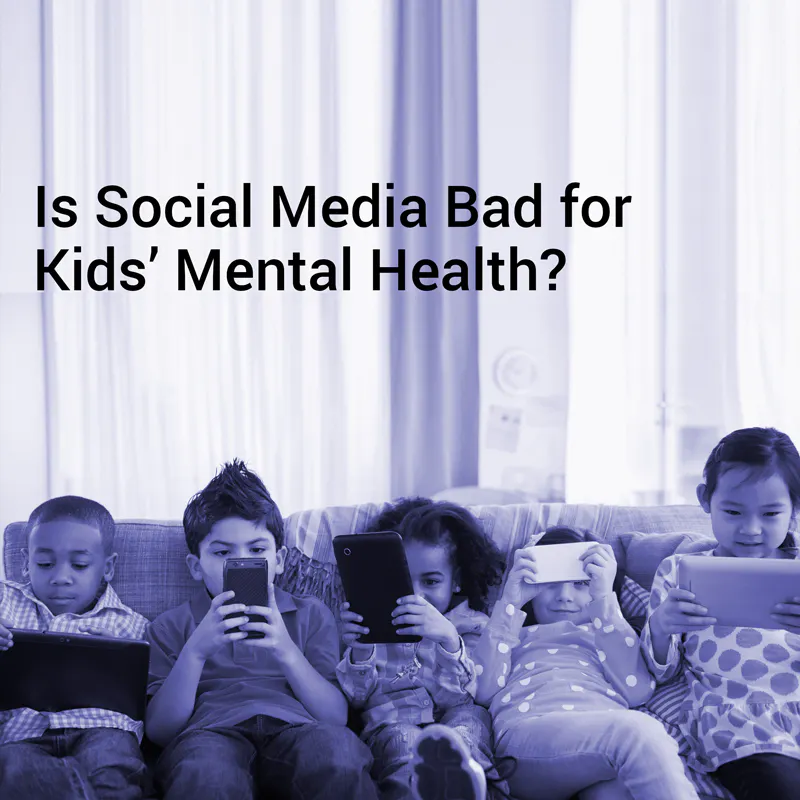
Is Social Media Bad For Kids' Mental Health?
Jul 28, 2023Summary readySocial media platforms have become an integral part of the modern digital landscape, shaping how young individuals connect, communicate, and perceive the world around them. However, concerns have been raised regarding the potential negative consequences on children's mental well-being. Even recently, the US Surgeon General Dr. Vivek Murthy released an advisory stating there’s a risk of profound harm to children and adolescents' mental health and well-being. Those who agree claim that excessive social media usage can make children experience low self-esteem and negative body image. They also highlight cyberbullying and online harassment, which can contribute to increased stress, anxiety, and depression. Those who disagree say that when used responsibly and with proper guidance, social media can enhance social and creative skills, foster a sense of belonging, provide access to valuable educational resources, and help support communities. They also note that studies measuring social media’s impact on kids’ mental health don’t always take into account other prominent factors. With this context, we debate the question: Is Social Media Bad for Kids’ Mental Health? Arguing “YES” is Jim Steyer, founder and CEO of Common Sense Media. Arguing “NO” is Candice Odgers, Professor of Psychological Science and Informatics at University of California, Irvine, and Director of Research and Faculty Development at University of California, Irvine’s School of Social Ecology Emmy Award-winning journalist John Donvan moderates. Learn more about your ad choices. Visit podcastchoices.com/adchoices
Summary
Intelligence Squared Year-Ender
Dec 26, 2020Tap to summarizeLooking back at 2020, it’s been interesting. Intelligence Squared, like the rest of the world, went virtual as a result of the Covid-19 pandemic that upended business models and accelerated trends far beyond what most experts could envision. (“To zoom” no longer just means “to move quickly.”) And so, as the world waits this thing out, we decided an appropriate holiday gift would be a compilation of our favorite debates of 2020. From Iran, China and the Electoral College, to policing and whether society should redistribute the wealth, we hope you enjoy this special year-ender from Intelligence Squared. Learn more about your ad choices. Visit podcastchoices.com/adchoices
Transcribe →