Podcast
Pastoral Reflections
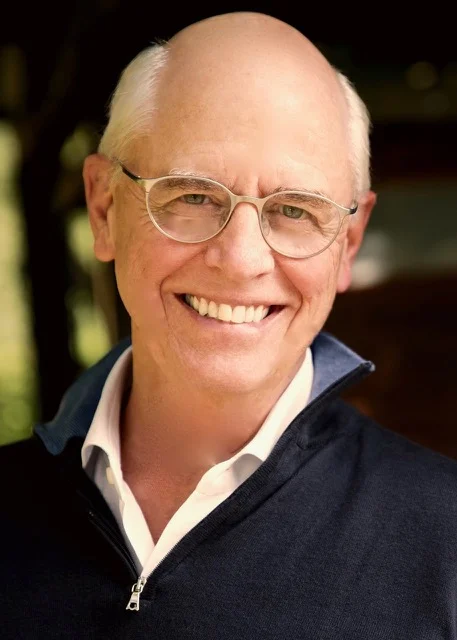
Hosted by Msgr. Don Fischer · EN
Msgr. Don Fischer shares his weekly reflections on Scripture to help awaken listeners to the indwelling presence of God.
41episodes
Episodes
Newest firstAll episodes
The 17th Sunday in Ordinary Time: A 2026
2w agoTap to summarizePastoral Reflections 7-26-26 - The 17th Sunday in Ordinary Time Msgr. Don Fischer Download Original Airdate: July 30, 2023 1 Kings 3:5, 7-12 | Romans 8:28-30 | Matthew 13:44-52 Oh God, protector of those who hope in you, without whom nothing has firm foundation, nothing is holy, bestow in abundance your mercy upon us and grant that, with you as our rule and guide, we may use the good things that pass in such a way as to hold fast even now to those that ever endure. Through our Lord Jesus Christ, your Son, who lives and reigns with you in the unity of the Holy Spirit, one God forever and ever, amen. I want to begin my homily by going back to the very beginning, Adam and Eve. That original mistake they made, the original sin, is very interesting. It needs to be understood clearly, and what I believe they were doing was something that’s so natural to human beings in a lower level of consciousness. They wanted to be their own gods. That’s exactly what they said. They listened to a lie that said, “You can be just like God. You can be him. You don’t need him. You’ll be like him, autonomous.” And that’s a wonderful way of imagining one of the core spiritual struggles we have in this world. Are we in charge of our whole life? Are we the ones responsible for everything we do? It’s so easy, if you just listen to the Old Testament, to realize that God can give you pretty clear notions of what you should and should not do. The church is very good at telling us what to do and what not to do, and that’s helpful. But in a sense, it leaves out the most exciting, the most wonderful, the most beautiful, the most valuable thing that we have in our relationship with God, and that is his indwelling presence. He wants to be a part of us. So let’s look at this gospel, because when Adam and Eve were sent away from the garden, they entered the earth, and there was a statement that God made to Adam. He said, “You’re going to be ⎯ work’s going to be hard.” And he, of course, used agrarian images. He’d be plowing the fields, and there would be thistles and all kinds of struggle and difficulty in raising plants, and then you’d just have the food, and you would eat it. And it’s not a bad image of just the way we can sometimes get into a way of believing or a way of thinking life is just a lot of work, a lot of drudgery. We’ve got to do this, we’ve got to do that, and it’s difficult. And then we get a certain benefit from all the work we do. It feeds a part of us. It certainly takes care of our existence, but as far as our longings and our soul and our heart, it’s not very fulfilling just to be able to finish the task, though it’s enjoyable to do a good job. So what is it that this gospel then is talking about, when Jesus, knowing our heart so perfectly ⎯ he said, “What’s you’ve got to understand is that, in this world that I’ve given you, there is something hidden. It’s actually ⎯ you can find it in the very life you’re living, in the work you’re doing.” And every now and then, you might find something that you hit in your work, and usually it’s sometimes a dark time. And all of a sudden in that time, you discover something that you never saw before, a treasure, something wonderful, some insight that you have that life is good, life is full, life could be wonderful. It’s so valuable, because it gives you that ability to not get bound into a kind of dark drudgery of life. I hear people saying, “I don't know if I want to have children today, because the world is so dark and so conflicted, and we’re going to go through a horrible experience with the planet, and I don’t want to bring a child into this world.” Imagine saying that, and I know people say it. I’m not judging them for saying it. It’s an easy thing to feel, but where’s the hope in that kind of statement? And finding this treasure that Jesus talked about in the parable is finding something that changes everything, so much so that everything you have you let go of. All the things you were focused on you let go to a sort of soft focus, and you’re on this thing, this treasure. And that treasure is hard to describe, but I’m going to try. There’s also an image in this parable of a pearl. It’s beautiful. There’s something about the beauty of life. What I think Jesus is talking about is there’s a way of seeing the world where there is so much abundance and so much life and so much enjoyment of the beauty that’s all around us. That’s what I would call grace, grace coming into us. Listen to Paul when he’s talking about our relationship with God. Go back to the way it was with Adam and Eve. They just thought they could be what God is and went on to do their work, but here Paul is describing what he’s learned from his intimate relationship with God through Jesus speaking to him. And he’s saying, “Look, here’s what you have to understand. You were known before you came into this world.” “I knew you,” God said. “I know you. I made you a certain way. I know exactly everything about you, and I’m going to do something. I am going to call you into life, all you into birth, and then what I do, when I call you into birth, I’m going to do something for you. I’m going to justify you. I’m going to take away everything that separates from you, in the sense that sin does create a kind of separation. I’m going to make sure that never happens. No sin of yours is ever going to separate you from me. So I’m going to call you into this world, justify you by forgiveness, and then I want you to be my glory ⎯ my glory. I’ll glorify you.” What is glory? Uranius said it so beautifully. Mankind fully alive, fully engaged in the work that God has given them, giving life to those around him, being fruitful. That’s the glory of God. That’s what he wants. He wants you and me to live in this world as we’re intended to, to be a little bit ⎯ this goes so strong ⎯ about saving people, and I don’t mean saving people by talking them into religion, all that. I’m just saying you’re there to have an impact on the people around you, and when you feel that that’s the essence of who you are and that you can feel what that feels like, because it’s so much a part of your human nature ⎯ it’s how you were made. You’re predestined for caring for people, and that can be done in so many ways. It doesn’t mean necessarily ⎯ somebody who’s doing something for humanity that has nothing to do with contact with a person is still doing something compassionate and empathetic, because they’re doing it for the good of human beings. So then you look at Solomon, and David was the greatest of all the kings. He was amazing. Most kings, and Solomon included, never really fulfilled their obligations to God. They all turned away from him, so many of them, and that’s what happens when you get power and fame and all that. Human beings aren’t made for that, but what he does do in the beginning, he goes back to his humanity, and he turns to God and says something so beautiful. “Look, you’ve given me a job that I cannot do. I don’t feel I’m capable.” That’s what I would say when God says to me, “I want you to be compassionate and save the people. Help me heal people around you.” I’m too selfish. I’d rather just do something else, but when God heard that prayer from a human being, his response is the response he gives to us when we discover this treasure, and this treasure is his gift of his presence inside of you and inside of me. I don’t know what to say. I have too many responsibilities, all those things. I’m not capable of doing this work. I’m not capable of giving this homily. I’m not, but if I trust in you, if I believe in this treasure that I have, this energy, this life force in my heart resonating out of it to other people, I can be doing that, even unconsciously, without having to worry about whether I’m doing it or not, but it’s my intention. Solomon’s intention was what God was so thrilled with. Here is a human being, among all the human beings that want to be gods, who wants to do the work that I want to do. And what I think we’re asked to understand in the mystery of the incarnation is that, when Paul says that we are made in the image of Jesus, that’s what he’s talking about. We think the image of Jesus is to be crucified. Well, there’s that work there, but we think it’s about being perfect. Well, we’ll be better. No, but the real thing that Jesus is is a manifestation of who we are and what our destiny is: human beings dwelling with this divine presence in an organ that can think, that can feel, that can talk to the brain and get it to do things. It can ⎯ this heart can resonate out of its very center, three feet of an electromagnetic fiel...
Transcribe →The 16th Sunday in Ordinary Time: A 2026
3w agoTap to summarizePastoral Reflections 7-19-26 - The 16th Sunday in Ordinary Time Msgr. Don Fischer Download Original Airdate: July 19, 2020Wisdom 12:13, 16-19 | Romans 8:26-27 | Matthew 13:24-43 or 13:24-30 Show favor, oh Lord, to your servants and mercifully increase the gifts of your grace that, made fervent in hope, faith and charity, they may be ever watchful in keeping commands. Through our Lord Jesus Christ, your Son, who lives and reigns with you in the unity of the Holy Spirit, one God forever and ever, amen. This parable is fascinating to me, because I worked with it for a long time without reading the final part of this set of readings, which is optional to read or not, which is interesting, why the church would make it optional. But the way it’s interpreted for the people who listened to it at the time was that there were people who are good, and there are people who are bad. God makes the good people, and the evil one makes the bad people. And the problem is that the bad people are — the reason they’re bad is because they are caught in something. It’s called evil, and the best description I can give you for evil is found in the Book of Genesis. I go back to it over and over again. When sin appeared, it appeared in a certain form, and the form was a lie. Adam and Eve were there, and they were told not to do something. And this serpent said, “No, no. The very thing that you’re told not to do is the very thing that you need to do, because it’s going to make you as fully alive and as strong as you could ever be.” It fed the ego and said, “Break this rule. Break this law, because basically, if you do, you’re going to be empowered.” And power always is attractive to the ego, more than almost anything else. “Tell me what to do. Tell me what’s right, what’s wrong. Let me figure things out. If I can figure things out, then I’m in charge. I’m in control.” So the issue of sin is that it is attractive, its very nature, to the mind, to the brain, and it makes sense. If I can choose something that I’ve been told is wrong but it’s there to give me something that I think I need and want, I’m going to go with what I want. And so they disobeyed, and out of that action we know then that somehow, at the heart of what sin is, it is people caught in lies. So in a way, the simplest way to interpret this, and the way Jesus interpreted it, which is so fascinating to me, is because of his audience. His audience is not yet redeemed. They didn’t have wisdom poured into them. This seed that we talked about last Sunday is this seed of God’s presence coming into a human being, and when it comes in, it comes in like fire, like a tongue of fire and enters into the human being. And where it goes is to the heart, and the heart is the place of knowing. The mind is the place of understanding, figuring things out, but the heart is that part of you and me where belief comes from. Trust in something you can’t understand. You can’t figure it out, but you believe it, because you know somehow it’s right. That knowing comes from somehow some power given to us from outside of us is able to discern what is true and what is not true, and it destroys — it purifies us from all that is a lie. And so we see this gift of the Spirit not yet given to these people.And so the parable makes clear something that is very basic, and the people that were there needed this kind of information. And it was that, if you choose a lie, it’s never going to produce fruit, and it means you’re going to ultimately not be fully who God wants you to be, which is a form of kind of death. So to be caught in a lie is to be seen, in a sense, in your own mind, I would say, that there’s something so terrible wrong with that that, if you stay in the lie, you’re going to die. You’re going to be burned to death, even though burning has this mysterious image of purification. So in a way, the people that heard this parable the first time would have said, “Okay, I understand. God is saying that there are good people and bad people.” It’s a binary world. That’s so easy for the brain to understand. I understand this, two kinds of people. We hate the ones that are liars, and we want them to be destroyed. And even though they’ll be destroyed at the end, it means certainly we, probably in helping God in our own mind, could say, “Well, we ought to destroy them too.” So whenever we see somebody bad, we want to destroy them. Isn’t that interesting? It’s kind of the way in which sometimes we think about evil people. We think because they did something, they are that, and nothing could be further from the truth. Human nature was created by God. He didn’t create bad people, like the — the parable seems to imply that there’s another person that created life, and there isn’t anybody else that created life. The evil one didn’t create people. He gets into people and destroys who they are and clouds their vision, and so in a way, he’s created them into a being that is locked into a lie. So what is basically being taught in this parable then is evil is destructive, and if it is, then we have a right to destroy it also. But then you listen to the other two readings. They go in complete contrary to this. The greatest thing, the first reading says, the greatest thing about the God who is is that he shows his greatness through his leniency, his patience, his love for a person even though they are caught in a lie. He’s there to bring them out of that lie into the truth. That’s his intention. So what it says in the second reading, the intention of the Spirit is to enter into you and to transform you into a person who understands reality, God’s plan, and everything that chips away at that is somehow some half truth, some illusion, some lie. And so in a sense, if you listen to those first two readings and understand that this God is absolutely 1,000 percent on our side, even though we are sinners, even though we are far, far from him — I remember as a child growing up in Chicago and getting my first communion instructions, and I was told so clearly that God hated sinners and that he would destroy them. And then I learned in the New Testament, God loves sinners. Jesus said, “I love sinners. I want to be with sinners. My whole reason for coming is to change them.” So how do you deal with this parable when you understand that it implies that, if you are evil from the beginning, you’re — it’s hopeless. No one’s coming to your rescue in that image, and the only thing I can think of is that what Jesus was doing was using a parable that can be interpreted many different ways. And the first way was interpreted for the audience — for the audience. When you mess around with those images of lies and violence and destruction and harm to other people, it’s going to destroy you. Okay, that is very clear and strong, but it implies that that’s fine with God. “Doesn’t bother me to take these people that are evil and burn them, destroy them. I didn’t create them.” Well, nothing could be further from the truth. So could it be that this parable was used — and it’s a parable, meaning it’s a puzzle, and you have to work with it. The best they could do with the audience at the time was to say, “Okay, I understand that I’ve got to turn away from evil, because it’ll destroy me.” But the truth, who God is and who he really is is that he’s really — the way I would interpret it now, with the understanding that we have and the capacity we have, because we have the Holy Spirit in us, this flame of insight and awareness and this purifying force that’s inside of us clearing our mind of the logic of the brain and moving us into hope and trust that’s in the heart, we can deal with this in its fullness, I believe, meaning that God doesn’t create bad people. The world is filled with people who have been created by God who have a seed inside of them that is about growth and beauty and development and evolving from selfishness to selflessness. It’s in everybody. So if it’s in everybody, that means it has the potential of being awakened, and so in this story — let’s take it this way. Let’s take it not to mean the world, good people, bad people, but there’s a clue that says the kingdom of God he’s talking about is inside of us also. It’s inside of us. So if it’s inside of us, it means it has something to do with the world that we are interiorly exist...
Transcribe →The 15th Sunday in Ordinary Time: A 2026
4w agoTap to summarizePastoral Reflections 7-12-26 - The 15th Sunday in Ordinary Time Msgr. Don Fischer Download Original Airdate: July 16, 2023 Isaiah 55:10-11 | Romans 8:18-23 | Matthew 13:1-23 Oh God, who show the light of your truth to those who go astray so that they may return to the right path, give all who, for the faith they profess, are accounted Christians the grace to reject whatever is contrary to the name of Christ to strive after all that does it honor. Through our Lord Jesus Christ, your Son, who lives and reigns with you in the unity of the Holy Spirit, one God forever and ever, amen. We’re listening to Jesus in this set of readings. It’s coming to the end of his ministry, and he wants so much for the disciples to understand who he is and why he is in their life. And he’s telling us some very, very important things. He’s saying something about their way of living that is going to be revealed, through their life, to other people so they can live as the apostles have learned to live, and they live with the presence of God. It’s hard to believe that Jesus was God, but that’s who he manifested so clearly. He was a human being so filled with divinity that he was divine. At the same time, he was human. That’s a mystery. We can’t understand it, but all you have to believe in is that he is the representative of who we are intended to be, not divine as he was fully but participating in divinity on a regular, daily basis. He is in us, with us, doing something for us. If I could do anything to change people’s minds about God, I would say, “Stop trying to earn anything from him or please him by doing things that you think he wants you to do. Rather allow him to be who he wants to be in your life, in my life. He wants to be a source, a way, a plan for how we are living our life.”So let’s look at this set of readings by starting off with the idea of, in Isaiah, Jesus describing who he is, but he uses another word rather than ⎯ well, it’s not ⎯ it’s God revealing who he will be, and he’s saying that, “What I am is I am like rain, and rain comes down, and it does something to the soil.” Now, these were agrarian people who were listening to this. They knew exactly what he meant, and without water, there is no ability for a seed to become a plant, to become a wheat that becomes the bread. So what he’s really saying is, “I am something in your life that, without me, there will be no full life, and the way I want you to understand this,” he's saying, “Is that I am giving you an explanation, a way of living, a way of seeing that is key to your being in this world in the way in which you’re intended to be and which will bring you joy and life. Pay attention to what I am offering you, like rain, over and over again so that this thing called your humanity, the soil of the earth,” which is a perfect image of humanity, “will grow rich and produce something wonderful.” So Isaiah is prophesying something so clear, so powerful that sets the tone for the Old Testament, but the thing that’s interesting about the Old Testament is that it’s never able to achieve this goal of God being able to save his people. I’m not saying that God couldn’t do it, but the history basically is that the human beings that he worked with were not very docile or open or receptive. And over and over again, they turned against him, and then when you look at the whole story, the whole Old Testament, when you get down to the time that Jesus entered into the world, he came at a time when it seemed clear that everything that had come before him was not received or not able to produce what it promised. And there was the temple, which was the presence of God in their life, and it had become not a source of life for the people but a burden. And those who were there became thieves, taking away the life that they were destined to have. It’s an incredible indictment, not just on the religion at the time, but it’s a reminder that the Old Testament is not the full story. The full story is Jesus, and so Jesus comes into the world to make a difference, to fulfill the saying, in a way, of Isaiah. Something is coming like rain, like moisture to dry, broken, hard earth, and that coming is God in the presence of a man called Jesus. We call it the Holy Spirit, the presence of God in someone, and when you look at the way in which Jesus is talking to his disciples or to the crowd, of course, but then also to the disciples, he speaks in parables, which are really interesting, because the parable is a way in which, it seems to me, that God is saying, “What I’m teaching you is not so literal. It’s filled with mystery. It’s filled with a deeper understanding of what’s going on. Don’t look at just the actions, but look at what they mean, what’s really being said by these actions of God in Jesus in the world.” And so he describes to his disciples that parables are key. It’s not necessarily that he’s only going to talk in riddles, but it’s everything that’s happening to you is filled with meaning. And your work, and it’s kind of an exciting work ⎯ I have great enthusiasm for paying attention to what I see and paying attention to what I hear, what I see other people doing, what I see myself doing and what I hear people saying when I say, “Pay attention to that and ponder it like you would any mystery.” It’s more than it seems. People are more transparent than they ever, ever realize, and there’s a way in which God gives you the wisdom and the understanding and the power to discern. That’s what he wants you to do. Discern through reflection of what is really happening. We live in the final times. The earth before was never fertile enough for God to truly enter. In a way I’m saying, in a sense, that the Old Testament never was enough, but the New Testament is the essential ingredient to add to the desire that God had, that people will always be what he wants them to be, that they will follow his commandments. He wants that, but he doesn’t want it just out of a sense of obligation. He wants it out of a sense of knowing ⎯ knowing what they’re doing. “Don’t do it because I told you to. Do it, because you understand why it’s so important that you do this.” So what he’s saying to his disciples in this parable about a sower who sows seeds, he’s talking about God the Father and his work, and what he’s saying is, “We’re offering, God is offering, through me,” in particular he is doing it through Jesus. “I’m giving you something that will enable something incredible to happen, and that is what he calls a fruitful life, a full life, a life without excessive shame and fear and anger.” That’s our promise. That’s what’s been made fertile in us, the potential of that kind of life, and it was never there before Jesus. It was never there before redemption. We’re redeemed earth, redeemed soil. We’re redeemed in the sense that our hearts have a capacity to understand, not our minds, our hearts. There’s something about seeing and hearing without judgment or condemnation, which is much of the theme of the Old Testament, but with mercy and understanding and compassion that radically changes your ability to see and to hear what’s really going on. It’s true when you listen to others. It’s true when you listen to yourself. It is true when you see yourself doing things or see someone else doing things. If you’re looking at it with judgment or condemnation, you will go nowhere, but pay attention. Listen, and you will find something beautiful in the fact that there’s a person, that is valuable to God, working out their salvation in ways in which you may be called upon to be an instrument of bringing them something that is like rain, like water, like nourishment so that the thing that they long for to grow and deepen inside of themselves will take root and grow. What an amazing gift God gives us, to be rain, to be truth, to be his presence, to be like him in the world. Just think of what it would be like if you treat everyone, self-included, not with judgment and condemnation, criticism, comparison, but simply with this thing that God is revealed in Jesus to be, compassion, understanding. It’s wonderful. It’s filled with wonder, and it’s your inheritance and mine, and it’s up to us to open our eyes and to listen and to be able to see it for what it is and then to live it. Amen. Father, your gift of your presence is beyond our imagining. Help us to see as you see, to hear what you hear, to know the truth that we are engaged in is going to bring the fullness of life to ourselves as we offer it to one another. Bless us with this wisdom, and we ask this in Jesus’ name, amen.
Transcribe →The 14th Sunday in Ordinary Time: A 2026
Jul 5Tap to summarizePastoral Reflections 7-5-26 - The 14th Sunday in Ordinary Time Msgr. Don Fischer Download Original Airdate: July 9, 2023 Zechariah 9:9-10 | Romans 8:9, 11-13 | Matthew 11:25-30 Oh God, who in the abasement of your Son have raised up a fallen world, fill your faithful with holy joy, for on those you have rescued from slavery to sin, you bestow eternal gladness. Through our Lord Jesus Christ, your Son, who lives and reigns with you in the unity of the Holy Spirit, one God forever and ever, amen. The beauty of this particular set of readings is found in its promise. Life is not supposed to be a burden. It is not supposed to be something that robs us of a sense of wellbeing. It’s not supposed to be something filled with shame and fear, yet we often find ourselves in that kind of world. And this is such a clear statement in all three readings, that God has done something unique and wonderful, and he didn’t do it in the beginning. The Old Testament is a very important book to examine carefully, and first and foremost, you see so many references in the Old Testament to the coming of Jesus and this new life and this new earth, this new world that’s going to be created, but it wasn’t created in the Old Testament. The Old Testament is filled with fear and shame and anger, and we see God angry at his people, willing to destroy them. We see people constantly destroying each other, and we look at this way that people were living, and their performance was terrible. So God came along and gave them the Ten Commandments, which is a way of telling you how to perform, how to do things, and you’re supposed to not do negative things to each other. And you’re supposed to trust in God, but the Old Testament didn’t give people what they needed in order to not only live according to the Ten Commandments but to go beyond them. And that’s what the New Testament is all about. That’s what the revelation of Jesus is all about, a new heaven, a new earth, a new way. And yet we go back and listen to the Old Testament, and we think that this is God speaking to you and to me. And we can get caught up in a kind of darkness and an importance of how we’re performing and worrying about whether we’re earning salvation, and all of that gets caught up in our imaginations and in our minds mostly. And this set of readings just blows that all apart and is saying that the flesh, living in the flesh is living in a world where you are told what to do, and you struggle to do it, and if you do it, you earn something wonderful, and if you do not do it, you are going to be deeply and powerfully punished. It’s justice. It’s performance. It’s called the flesh. I remember as a young Catholic growing up, when you first receive first communion and all those wonderful things and you learn, you’re not supposed to disobey. That was the big sin. Don’t disobey your parents. Don’t disobey your teachers or what the priest said to you. It was also the whole image of not only that but you were supposed to, as you get older, then your body’s awakening, and you’re told that anything you do sexually of any kind is going to be a sin, and you lose God’s favor the minute you commit a sexual act. And you live with that, and you feel, “Well, I know what the flesh is. The flesh is my body, this body that longs for intimacy or longs for release or whatever.” And nothing could be further from the truth. The flesh is not our human nature in itself. It is human nature without something, without spirit, without divinity. If we could just make ourselves conscious and clear about this one single thing: the Old Testament is about performance, deeds, reward, punishment, and it’s necessary at the beginning of someone’s life. Even now today it works, but then it evolves into something so much more amazing and mystical and wonderful, and it’s called God’s Spirit, God’s presence inside of you, living there, resonating life out to those around you and creating in you an amazing understanding of the way life works. Life is not supposed to be necessarily easy in the sense of not difficult and no problems, no pain, no suffering. No, when Jesus is talking about a life without struggle and without ⎯ it’s easy, it’s almost effortless, well, there is a way to live in the world accepting its imperfection and the imperfection of individuals where it doesn’t create inside of you rage and anger and resentment. There’s a way to deal with your own faults, your own fear, your own shame and that of others in a way that is easy, and it’s not that it goes away but that you understand this is part of what life is. And resentment against someone else, shame for whatever you’ve done, anger that it’s too hard or whatever, all those things are the things that can be dealt with in a different way, and they become not a burden but a kind of tool that teaches and opens your eyes to a way of life that you do not want to participate in. So what Jesus is trying to say to us so clearly in his ministry is that, “When you’re living in the flesh, trying to earn my Father’s affection, facing always your own shame and your own fear, you will never enter the kingdom of God. You will be in a place of stress and worry and anxiety.” Look at the Old Testament and look at what happened at the end of almost 2,000 years of trying to live under this notion of justice. And when Jesus came along and revealed who he really is and that his whole notion of you is nothing other than something he sees as beautiful ⎯ he loves what he created. He is the Father. He is the Son. He is all things, and he sees everything as beautiful and everything as having meaning and purpose and working together. And he wants to reveal that to the world, and what did the world that was living then, the religion at the time ⎯ it destroyed him. And that’s always going to be the shadow of religion. Religion thrives in power over people, telling them how to act, reminding them that they need to be better. That’s not the message of Jesus. The message of Jesus is, “You are human. You have faults. You have frailties. You have fears, and you have shame, and I’ve come to release you from that. I’ve forgiven everything you have ever done and will ever do, not because you deserve it but because I choose to. And I know, if you know you’re loved, and if you know you’re held in that kind of esteem in God the Father, God the Son, that’s the same, that when you see God looking at you and loving what you are, you will change. And then the scripture says this Spirit will be given to anyone that allows it to happen, anyone to whom Jesus wishes to give it. Do you think Jesus doesn’t wish to give someone love? Does he not wish to forgive someone who’s such a horrible sinner? No, he is forgiveness. He is love. He is everything that we long for, and yet he stays at a distance as we focus on our performance and forget about what presence really means. It means allowing God to enter into you, see all that you are, all that you’ve done, look into your eyes and tell you how wonderful you are created to be, all your potential. And he said, “Would you let me be with you? Would you let me be in you? And if you allow me in you, I will minister to others. That’s what I want you to do. I’m not focused so much on your performance. I’m focused on what you are potentially to me, my instrument, my hands, my eyes, my feet in the world. I want you to allow me to work through you, even in ways you’ll never know and in ways you’ll see and be in awe of how God has used you to accomplish something for someone else.” St. Catherine of Siena has a wonderful line. She said to God once, when she was ⎯ or ⎯ God and Jesus, they’re the same, but I think she had a mystical experience of Jesus saying, “What can I do? How can I show you how much I love you?” And Jesus said, “I don’t need your love, but you want to please me? If that is something you want to do, love everybody around you. That’s what I want. That’s what I came into the world to engage in, in a life in you, my Spirit dwelling in you so that you can be what I was, and when you see the miracles I performed, they’re all about ⎯ they’re all almost medicinal, eyes that can see, ears that can hear, tongue that can speak, hands that can work, feet that can get you to where you need to be. All of that you are able to do for your brothers and sisters if you will simply open your heart to the Spirit of God dwelling in you.” It first has to remove within you any fear and any shame and any anger about the world that God has created. It’s exactly as it’s supposed to be. It’s exactly the place that God has longed to create at this point in our history, and our consciousness grows and grows and grows and has since Adam ...
Transcribe →The 13th Sunday in Ordinary Time: A 2026
Jun 28Tap to summarizePastoral Reflections 6-28-26 - The 13th Sunday in Ordinary Time Msgr. Don Fischer Download Original Airdate: June 28, 2020 2 Kings 4:8-11, 14-16A | Romans 6:3-4, 8-11 | Matthew 10:37-42 Oh God, who through the grace of adoption chose us to be children of light, grant, we pray, that we may not be wrapped in darkness of error but always be seen to stand in the bright light of truth. Through our Lord Jesus Christ, your Son, who lives and reigns with you in the unity of the Holy Spirit, one God forever and ever, amen. In ordinary time, we’re going to relive the experience of one of the evangelists, one of the writers of the gospel, their experience of this moment that they had with God in history, these three years and then beginning their work as moving from disciples to apostles. A disciple is a learner, someone who’s listening and learning and spending time with someone. An apostle is the one who’s sent forth to do it, and so you’ll notice in this particular gospel of Matthew, it’s the first chapter that we’re — this tenth chapter, rather, is when Jesus is calling his disciples to do their work, and he calls them apostles. “I’m sending you forth.” So what I’m asking you to imagine with me is here is Jesus sending his disciples into the world to do their work. He is no longer with them physically, will not be with them physically when they begin. He is, in this particular passage, with them, but what he wants them to understand is the essence of what it is they’re going to be doing. And if you go back to that earlier part in the gospel, you see what God is asking the disciples to do seems like an impossible thing. “Gentlemen, I want you to go into the world, and I want you to heal the sick, raise the dead and bring life to people and somehow heal leprosy.” Now, leprosy is a beautiful, not a beautiful, but an effective way of describing sin, leprosy, something that distorts us. It deforms us. So when Jesus is giving that responsibility to the disciples, I don't know what it would be like, but if you would hear somebody say that to you — but in a way, Jesus does say it to all. “I want you to go into the world, and I want you to heal people and lift them out of darkness, lift them out of a place that we might call death.” So the main thrust, it seems, the ministry that Jesus has given to his disciples and he’s giving to us, sending us out into the world, has everything to do with this set of readings. So let me see if I can describe it for you, give you a sense of what it is you’re empowered to do.The first story is about a prophet who comes to a woman’s house. He comes often. This woman was obviously very impressed with this prophet Elisha, not Elijah. It’s close. I tend to mispronounce Elisha a little more just to separate him from Elijah, but anyway, she loves this man’s truth. She loves spending time with him, and so she says to her husband, “Let’s create a space for him in our house.” Well, just think of the image that is. Here’s a woman touched by the truth. She wants to create a space in her home, in her very soul, in her essence for this truth to take root, and so she creates a room for him. And when that room is there, she has been longing for something in her life, and it’s to create new life. And so she is like the symbol of all of us, longing to make a difference, longing to create life in the world, and so she has no son. So he said, “I will give you a son.” So here’s the prophet, who represents the truth, coming into a person who opens their heart to him, and when he dwells with them, he has a reward for their hospitality. You will welcome a prophet. You receive a prophet’s reward, and the reward is truth. And the truth is something in her that produces life. So the symbol is she has a son. Now, if you follow this passage from Kings, it’s interesting, because one of the next things that happens is that, as he returns again and again, he comes back, and the son is born. But then she sends word to him one day, and she said, “My son is dead. He’s died. Come and heal him. Bring him back to life,” another aspect of what the truth is able to do. And so he sends his servant. “This is my rod, my authority. I’ll send it through somebody else.” That didn’t work. So he goes, and he does this miraculous — bringing this man back to life, and what he does is he lies on top of him, his lips to his lips, his eyes to his eyes, his hands to his hands, his feet to his feet. It’s a powerful image of someone containing some energy, some life force, and he’s giving it to another person. He just doesn’t put his hand toward him, or he just doesn’t say the words, “Be healed,” really fascinating image. So let’s take this image of this figure, a prophet, as the image of the truth — the truth. What does it do? Opens eyes to see what is real, what is true. Produces life, because it overcomes darkness, and what is darkness? Sin — sin. So the second reading then focuses on the opposite of this great gift of light and truth, and that is sin and darkness. And it’s interesting. St. Paul is talking about this. What he’s saying is that Christ went through something that we have to go through, and it’s a death. And the death we have is the death that is — we all it change, being reborn, being remade. What is it that this change involves? Well, it’s a moving away from darkness. So what is darkness? Well, darkness is the absence of truth. What is the absence of truth? A lie. How did sin enter into the world? It was a lie. A serpent is there, and he’s seducing Adam and Eve into believing something that’s not true. “If you rely upon yourself and you rely upon your own decision-making qualities, if you want to know what’s right and what’s wrong and be the center of your life, well, eat of this tree of the knowledge of good and evil.” It’s so interesting in that story, the minute you buy into a lie, something in you feels odd, feels strange. You feel estranged from some source somewhere, and that’s exactly the effect of sin entering into the human race, was a sense of distance from God. And the distance was, “I’m not worthy. I’m not good enough.” The minute you say, in your relationship with God, “I am going to earn his affection. I’m going to earn his reward of eternal life. I’m going to work for it, and I’m going to get it. It’s going to be my task, and I can feel really good about having accomplished it,” that is the greatest of lies. It’s not something we are called to do by a command from God to become holy and to do all these good things. That’s probably the most insidious lie that’s out there, and it’s more about our human nature than it is about religion. But religion buys into it. So what is it? What is it that God wants us to understand about this truth that you and I are called to engage ourselves with? And when we see it for what it is, it reveals something that has been hidden, and then we have this new life. So how do we imagine that happening? Well, it took redemption for it to happen. All through the Old Testament people have been listening to prophets trying to tell the truth, and they try to live it, and they never do succeed. And they’re punished, and then they straighten up. And then they forget about the punishment, and they fall back into sin. So the Old Testament is filled with people who are seemingly unable to deal with this thing called sin, darkness, another word, again, illusion, half-truths, lies. So what was needed? A Savior, a Messiah, someone who comes that makes a big difference. What is the difference? Well, without going into exactly how redemption takes place, I want to talk about how it impacts us and how and how we’re to participate in it. And it’s the most important thing to understand. By the second paragraph of this gospel, it’s so beautiful. When Jesus sends his disciples into the world to do work that seems way beyond human nature’s possibility, that’s the first piece of truth I want you to ponder. When God is asking you to love, to forgive, to give life to people around you, to be a source of wisdom for them, he is not asking you to produce that wisdom or to produce that capacity to be a healer. It’s not something you do.&nb...
Transcribe →The 12th Sunday in Ordinary Time: A 2026
Jun 21Tap to summarizePastoral Reflections 6-21-26 - The 12th Sunday in Ordinary Time Msgr. Don Fischer Download Original Airdate: June 25, 2023Jeremiah 20:10-13 | Romans 5:12-15 | Matthew 10:26-33 Grant, oh Lord, that we may always revere and love your holy name, never deprive of your guidance those set firm on the foundation of your love. Through our Lord Jesus Christ, your Son, who lives and reigns with you in the unity of the Holy Spirit, one God forever and ever, amen. A couple of weeks ago, I was with a friend, and we were talking about life, the way the world is, what we’re afraid of, and somehow the question came up, and it was from him to me. He said, “Do you believe in evil?” And I said, “Yes.” And he said, “Well, I never have believed in evil.” And I said, “What do you mean?” And he said, “Well, there’s evil in the world, but that’s because human beings are weak, and they don’t really do what they’re called to do. And so evil is just a sign that human beings are weak.” I wish that were true, because I really know, as I listen to scripture and watch Jesus in the world, that evil is a power, a strong, negative power that wants us to be destroyed, not harmed, destroyed. And what’s fascinating about that is that we look at the story, as mentioned in Romans today, that when the world was created and God first encountered human beings and spoke to them, it was not God and Adam and Eve, but it was God, Adam and Eve and a representation of evil. It’s not really called the devil, not really called evil, because it’s really not, in its core, evil. It is the part of human nature that is at the core that we are the center of our universe, and the sin of Adam and Eve was not just disobeying a commandment, but I think that’s how most in the Old Testament thought about it, because you look. They had 613 rules and laws to follow. So being a good follower of God was to do what you’re told. No, the truth is there is something in us that evil knows is there and uses to its own ends of destruction, and that is the temptation that the animal that was most cunning said, “You really need to know that you can be gods. What God wants you to be is equal to him. He wants you to be in charge, you to be the one that makes all the decisions.” And that seed of independence, autonomy from God and trying to be who only God can be in our life is the heart of evil, and it always leads to some kind of destruction.So before the law, sin was in the world. It’s very interesting. It says, “Sin was in the world and reigned as the way that people treated each other, in a sinful way, a way that is to destroy and to abuse and to take from.” It was the way human beings were from Adam to Moses, and the Moses event was when God decided, “I will tell human beings who they are, their nature. I’ll explain to them that they are made differently than they seem to feel they are, and the difference is they are not made to be the ones in charge or in control.” But there’s a beautiful plan that God has for human beings that we together unite in a kind of ecology of oneness where each person is there for the needs of another person, and the joy that they have in giving life to other people is what makes the world worthwhile and what makes it important to do. We are here not for ourselves but for those around us, but when we take care of those around us, we have done the most beautiful thing for ourselves. So sin is in the world. Evil is in the world, and it has a face. The face is power over people. The Spirit, the Holy Spirit, the Spirit of God has been given to the world through prophets, teachers, God speaking to other people, and they tell them what God said. But then there came a moment when he did something extraordinary. He became one of us, entered into the world and said, “The fullness of the plan of God is that you do not need to be in conflict with a power greater than yourself.” Evil is greater than human nature. It has power over people, and so what Jesus is saying, “There’s a Spirit that can be given to you. It’s God’s presence in you. I’m going to show you what it looks like. I’ll come down.” God himself comes down, becomes a human being and then manifests, through the humanity that he created, what divinity looks like in somebody, not telling them what to do but awakening them, awakening their hearts to a wisdom that Eve wanted and thought maybe she could get by saying, “I’d like to be like God.” But she had no idea it meant not being like him but being in him and he in you. What a difference. The power that we have is never going to be residing in our ego, in our will. It’s always in our heart. So what you see so clearly in Jeremiah is, when anyone is asked to proclaim this truth, they’re going to be in trouble. And Jeremiah was very young when he was called to be a prophet, and he was enthusiastic about it. He loved ⎯ God said, “I will teach you how to tear down and build up.” He knows, “I am given a power to conquer someone.” Now, that’s going to feed his ego big time, and it did feed most of the egos of the prophets. The prophets didn’t always agree with what God wanted them to do, but in this case, you see him realizing that this power that he has to speak a word that is different gets him in deep trouble. And this story is about his first major conflict. It’s the first time he’s revealed as a prophet, and whatever he was teaching, whatever he was saying, the word got to the temple priests, and one of the head priests there went after him and said, “I’m going to kill this guy. I’m going to get him.” And he's saying, “People are believing the temple, and they’re watching me differently, and they’re starting to check me out and report on me.” So this is wonderful to think about. When Jeremiah thinks this way, he’s saying, “I know you’ve given me power, and I’m going to win this thing. So I can’t wait to see you take vengeance on this blank-blank person. Kill him. Destroy him. Please God, I want to watch it. I know you’re going to do it.” And it’s so interesting. Jeremiah is actually saying, “I don’t like this guy wanting to kill me, so we will kill him.” So what Jeremiah doesn’t realize, he’s fallen into the same trap that evil creates in people, that when someone is different than you are, somebody isn’t the way you think they should be, you’re going to do something to demean them or even to destroy them in some sense of ruining their self-worth or whatever you can do. But it’s power over people is the goal of evil, and when evil talks a human being into using its own tactics to destroy evil, it’s laughing its head off, because it’s saying, “See, I’ve created in another person a desire for destruction, and that’s what I’m about.” That’s what evil is about, to destroy that which is here. And what is here? It’s called the kingdom of God. And what’s it for? For everyone to realize that there’s something going on here where we are together being informed and then reformed into a people that understand that the fundamental reason we’re here is not for our own profit but for how we contribute to this enterprise called life. Jesus came to teach us how to find life. Isn’t it interesting? Evil, when you spell it backwards is live. Evil is bent on the opposite of life. So we look at the gospel. So what do we need? Well, if you’re going to be a voice that’s contradicted by another voice, you might be afraid that that voice has more power than you have and it might overcome you. And when you think about today, when we’re asked to speak a truth, there is not an easy reception on the other end that says, “Oh, how interesting. Maybe let me see what you see that I don’t see so we can see something together better.” No, there’s a kind of revenge and anger out there about people that think differently than they do, and they want to destroy them, demean them, give them ⎯ create in the minds of others that they cannot be trusted. So what we’re looking at is the most important, I think, teaching to start this ordinary time, that we are in a battle. The battle is really important, and if we think that there’s something wrong with the world, when we’re in conflict with good and evil or light and darkness, we’re not even really doing the work. There’s nothing more important than chaos in order to change, and that’s where we are. We’re looking at a world that frightens us, because we don’t know who to believe or where to turn for whatever it is we need to do to make the world better. Well, we don’t necessarily need to work to make the world better. Politicians, the church, maybe we think they should do it, but then we’ve lost trust in them. But no, it’s our individual work, and it’s finding a way to reconcile ourselves with tho...
Transcribe →The 11th Sunday in Ordinary Time: A 2026
Jun 14Tap to summarizePastoral Reflections 6-14-26 - The 11th Sunday in Ordinary Time Msgr. Don Fischer Download Original Airdate: June 18, 2023 Exodus 19:2-6a | Romans 5:6-11 | Matthew 9:36—10:8 Oh God, strength of those who hope in you, graciously hear our pleas, and since without you mortal frailty can do nothing, grant us always the help of your grace that, in following your commands, we may please you by our resolve and our deeds. Through our Lord Jesus Christ, your Son, who lives and reigns with you in the unity of the Holy Spirit, one God forever and ever, amen. Somehow I’m struck today with the idea that I’ve been looking at these stories over and over and over again, 56 years of preaching and teaching from really a very small part of what the Bible is all about, in terms of the readings that are chosen for the liturgy, but one thing it’s consistently called to my mind is the way in which this story evolves slowly. And that slow evolution that we see in the relationship between God and his people is a very, very good way of understanding our personal relationship with him in our own personal lifespan. In the beginning, it’s clear that God needed to speak to his people. He needed connection, and so he took them out of a place that they’d got themselves into because of their human nature. It’s pretty clear that we, before we kind of figure the world out, we get into a lot of trouble, because we don’t really see the whole picture. And so God is slowly revealing to human beings the relationship that he has with us and begins, first and foremost, by the simple invitation on his part that he wants a relationship with human beings, and he wants it to be personal, and he wants to reveal himself to them. And so you see him doing the thing that is basically an archetype for the whole story of our relationship with God. He takes us from a place of slavery, bondage, not being able to do what we want, not being able to become who we need to be, and says, “I want to tell you that you are special to me. This group of you, I want to start with a small community, and you are special. And I’m going to take care of you. I just want you to come with me, away from where you are into something brand new.” So the story begins, and then as you see it unfold, you realize that, in the process, God took them to a place where they were asked to perform for him. They had to follow his rules and regulations. If they did that, he would stay with them. If not, he would leave them, but then they were still helpless. As the next reading of Romans starts out, in their helplessness of being able to follow what they were supposed to do for fear of punishment was never enough, so they found themselves still struggling. So there had to be something more given to them, and that was called redemption, because the sin that’s in us is always isolating and separating us. And so he said, “I’ve got to do something to break down this separation that people feel with me, because they fail, and they can’t seem to keep my commandments. So I will do something. I will enter into their life and radically change the whole system. They no longer have to earn anything from me. I have a covenant with them I will never ever break.” And then when Jesus comes, the fulness is a message, and he’s looking at the crowds, and he says, “My heart is moved,” because they’re still troubled and abandoned. That’s so much an experience that most of us have even now, today. The world is troubling, and we don’t know that there’s anything there for us that’s going to take care of us and protect us. We feel like we’re abandoned by systems that were there to protect us and keep us safe, and so we’re lost. Then he says something so clearly. He said, “I am going to send people out into your midst, because I’ve discovered that I can’t save you at a distance. I have to come in the form of a human being.” And that’s what he did when he became the Savior of the world, but he did that as a way of saying, “This is what I need you to be for me. I cannot and will not and do not intend to save these people directly just through me but through me in you. And so I have to tell you that I’m giving you the same power that you saw in Jesus.” And when you think about it, you say, “Well, I haven’t felt that power that much. Come on. I still struggle with things, and I can’t make things perfect.” But no, what he’s simply saying is, “Look, I’m sending you these disciples. This is the way I’m going to work from now on. I’m going to send people to you who are different, who have an ability to do things.” When he describes the things that they’re asked to do, it’s amazing when he asks those to pay attention to what he’s going to give to people. It’s too much in a way. He says, “You will open the eyes of the blind. You’ll help people be free of demons. You’ll raise people from the dead. You’ll heal every disease.” Do you know anybody that’s doing that right now? Yeah, I think I do. Maybe not in that direct way and maybe not in that literal way, but raising people from the dead is not necessarily different than lifting someone out of a dark, deep depression. And opening people’s eyes is not anything more, maybe, than being a model for them so they can see who they could be that they might have what we have, because they see it in us as something attractive, less troubled, less abandoned. All kinds of ways he’s doing this work, and that’s the task, to not only be open to the way in which God works through the people around us but also how he works in the circumstances around us, in the direction we see the world going. If you really have a broader sense of history than just right here and now, you’ll realize that every dark, horrible time creates something new and exciting and different. Change is violent, in a sense. It’s difficult and hard on us. When we see people around us giving in to that spirit of abandonment and troubled and anxious and dark, we are crying out, in a sense, for others around us to reach us and speak to us and bring us something that we need. It’s believing in a plan, which is a covenant plan, not a contractual plan. He is saying, “No matter what you do, no matter how far you go, I’m going to work as hard as I can,” and that is a lot to say, when God says as hard as he can, “In the lives of other people to touch you and free you and work with you.” That’s both exciting, when you think about the day-to-day things you’re experiencing, not only from the perspective of what you might be receiving, but from an even more exciting perspective of what you might be giving. And do you think you have that power in you, from you, in you, alone in you? No, that’s where we get bogged down. We’re not used to allowing power to work through us without it being connected to us. Our egos are just too quick to grab hold of that and say, “Wow, I can do anything.” We can’t do anything, but we can do everything we need to do if God is in us. And that’s always the heart of this message of God speaking to his people, from the very beginning of the call of Abraham until this very moment. He’s been working on this relationship with us where we’re co-workers in the vineyard, and we’re making things happen. And if you look at the broader picture, we are better off now than we’ve ever been, even though there’s a lot of division and a lot of problems. Problems are not the problem. Problems are the solution, because in working through them, that’s when God shows himself more powerfully than in any other time. Good times are wonderful. Peaceful times are absolutely essential. Happiness is core need, but struggle is equally essential, equally important, and it’s the meat of this work we have as spiritual creatures in this world. It’s the drink. It’s the food. It’s him in us. That’s the key, and without it, we stay abandoned and hopeless. Amen. Father, help us to remember always that your plan for us is not so much that we grow in a personal perfection but rather we enter more fully into the participation of you saving the world. Bless us with this hope. Bless us with this kind of sense that there is meaning in all that we do, and we ask this in Jesus’ name, amen.
Transcribe →The Solemnity of the Most Holy Body and Blood of Christ: A 2026
Jun 7Tap to summarizePastoral Reflections 6-7-26 - The Solemnity of the Most Holy Body and Blood of Christ Msgr. Don Fischer Download Original Airdate: June 11, 2023 Exodus 34:4b-6, 8-9 | 2 Corinthians 13:11-13 | John 3:16-18 Oh God, who in this wonderful sacrament have left us a memorial of your passion, grant, we pray, so to revere the sacred mysteries of your body and blood that we may always experience in ourselves the fruits of your redemption, who lives and reigns with God the Father in the unity of the Holy Spirit, one God forever and ever, amen. I want you to think for a few moments about Jesus the man, like us in everything, weaknesses, doubts, fears, anxieties, and for 30 years he spent time reflecting and studying and wondering about life and about who he was and about what he was here for. And then it came time for him to have this burning desire inside of him, this desire to teach and to preach and to open people to something that he knew now and was convinced of, and that is God dwelling inside of him. He was God, but he never acted as if he was God. He acted as he was, a man filled with divinity, and so we have to suspend some logical, “How does this happen? How does that work?” Suspend all that, and stay with the image. And the image is this presence of God inside Jesus gave him the ability to do everything that he did, teach everything that he taught, perform every miracle that he performed with one intention. “I want people to understand who this God is and what he wants from them and what he wants to give them.” That first reading talks about the early time that God called a people together and took them on a journey. It’s the archetypal journey of going from slavery to freedom. We are called into a world where we are not burdened by a law and rules and regulations that go against what we really want. No, we’re on a journey transforming us so that the things that we’re called to do are not commands we have to follow but the only choice we believe is the right choice. We begin to live in the truth that the law calls us to live in. And so in those early days, what it was about was God had to work with us where we were, and we were pretty low on the scale of consciousness, and so basically it turned out that God was taking them on a journey. They didn’t know where. They had to trust in him, and so the beginning is do you trust in God and the plan that he has for you. He’s going to invite you into that plan, and so what they were experiencing in the plan is that it was not something that was comfortable or easy. What they left seemed to be more comfortable at times, and so they have this resistance consistently through this journey. We don’t like this process. We don’t like evolving and growing and changing, and so what we sense in this is there is this way in which he says, “Look, I want you to trust in me on this journey, but you’ve got to trust. That is, I’m not going to zoom you to the goal and say, ‘Now here it is. Now do you believe in me?’” No, he said, “I want you to trust in the process.” And so one of the things he promises to do in this journey of ours is to feed us and to make sure that we have what is essential for life: food and water. You can see the images in these things as we look at the whole story of salvation history. Water is all about cleansing and about quenching the longings in our heart, and food is about having the strength and the power to do what we’re called to do or to endure what we’re called to endure. So in the very beginning of this journey that we share with God, he revealed to the people that he is there to nurture so that we can do the work, do the work. And what is the work? Well, Paul brings up something interesting. Nothing is more essential to the teaching of Jesus than the whole notion of his body and his blood being offered to us on a regular basis. That is the thing we need. That’s the nurturing we need in order to do the work we’re here to do, and so Paul is very aware of that. And what he’s saying is something that goes beyond just saying, “We are here to receive from God his presence, and it nurtures us and it feeds us.” But then Paul adds, “Know this work of being fed and nourished is something we have to learn to participate in.” And if you’re participating in it, it doesn’t mean that you’re feeding yourself, but then you’re realizing that you’re being fed with that which gives you strength, and this blood that is so clearly an image of being there for other people, forgiveness, having a stance towards the needs of others, these are things that we are fed, but then we have to feed them to others. So the idea of God giving us what is necessary, he then says, “And if I’m doing that with you, and I’m doing it for everyone, but I’m going to do it often through another person. I’m going to be using you to be my body and my blood to other people, because I am in you, and you share what’s in you.” When you think about all of that, it’s hard to grasp what that really is like, and we believe, as Catholics, in the Eucharist. We use it every day in our ministry to communities. We celebrate it, and then yet what we realize is that, according to the statistics that are out there, asking the average Catholic, “Do you believe that this bread is really the body of Christ? Do you believe this wine is really the blood of Christ?” Supposedly only about 30 percent of Catholics believe in transubstantiation. What do they believe in? It’s a beautiful, rich symbol, a symbol. There’s nothing wrong with having symbols that point to a reality, but why was Jesus so insistent in saying, “Unless you believe in this, you can’t have life.” And what does he mean by life? He means that ability to be engaged in the life that God has created for you and for me, to believe that all of it is interconnected, that we’re part of something much bigger than we are, and we’re living out something that is moving toward life and growth and change and something wonderful. That’s hard to believe in sometimes. So what do we have to do in order to be more in touch with this incredibly core issue of our Catholic faith or Christian faith, Jesus living inside of us as Spirit, the Holy Spirit, God the Father Spirit, his Spirit in us, flowing out of us, doing the same thing that Jesus did on this planet? Now, if you’re waiting for signs, that’s a little dangerous, because I don't know how Jesus dealt with his humanity and the ability that he had to make God’s presence felt through him through signs and wonders and miracles and driving out demons. I don’t think any of us could endure that kind of egocentric food without getting caught up in it. So it has to be done in a way that is not so literal, but at the same time, it is absolutely real. It is his body that we take into us. It is his blood that is coursing through our veins. How else can we imagine God in us, that he’s ⎯ we can imagine that he’s in our heart. He stays there, but he’s in our flesh. He’s in the essence of who we are. What a beautiful image to believe in, and the thing that keeps us is our logical mind that says, “Well, if it’s bread, it can’t really be the body of Christ.” Even miracles around the blessed sacraments, the reality of it is the host bleeds, or somehow the host takes on a quality of flesh, as if to say, “If we believed it really was the body of Christ, by experiment, by science, we would believe it.” Well, I don’t think so, because if you look at science now, science is in a very different place than it was, say, 50 years ago. Quantum physics has changed our whole idea and understanding of what matter really is, and we find out that matter is not made up just of atoms but of tiny particles. And these tiny, tiny particles have the ability to do things we never thought was possible, because a particle can be both something that you can measure and see and weigh, and it can also just be energy, just power, just a force. Reality can be both material, and in a sense, we would say non-material to our eyes. That’s not super-unusual, unnatural. It’s the way the world works. If the world works that way, then the idea of this presence of God in the world that is, to us, invisible, has every right to be there in a sense. Science says, “Yeah, there’s a Spirit in the world that is goodness, that is him, that is God, that is truth, and it’s as real as the person you’re looking at or the chair you’re sitting on.” And that probably doesn’t really work to say, “Well then, I believe,” because even the disciples had a hard time believing. In fact, it’s encouraging to me, when you listen to all those stories after Easter, how many times Jesus had to say, “I was with you. You saw this. You saw that. Why do you still not believe. Believe, believe.” That’s the key. Can you believe that this i...
Transcribe →The Solemnity of the Most Holy Trinity: A 2026
May 31Tap to summarizePastoral Reflections 5-31-26 - The Solemnity of the Most Holy Trinity Msgr. Don Fischer Download Original Airdate: June 7, 2020 Exodus 34:4b-6, 8-9 | 2 Corinthians 13:11-13 | John 3:16-18 Grant, we pray, almighty God, that we who have come to know the grace of the Lord’s resurrection may, through the love of the Spirit, ourselves rise to newness of life. Through our Lord Jesus Christ, your Son, who lives and reigns with you in the unity of the Holy Spirit, one God forever and ever, amen. We’re about to begin what we call the ordinary time of the year, and so during these last many, many weeks, we’ve been focusing on the heart of the message that we find in this mysterious book called scripture, the story of God’s relationship with his people, an invitation for us to enter into that experience in our own life, a relationship with God that is real, powerful, effective and transforming. And so it seems appropriate that, as we end this, we’re looking at, okay, here’s a feast that’s focused on simply who is God. How do you describe him? What’s his name? And the interesting thing about the God that we believe in is that he’s a Trinitarian God. That’s a really interesting thing, and I want to focus on it, because it’s a way for us to understand that the essence of this figure is so far beyond our full understanding that we have to at least approach it from three different sides. Yet we know that somehow the ultimate goal of every human being is to know this God, not just by information but through, first, experience. And then ultimately, the goal is that one day we will be with him, and we will see him face-to-face. We will see his face, which is so interesting to me, because it implies that we’ll see the way that he sees us, and the way he sees us is confusing at times. When you look at the story of salvation history, it is the most amazing compilation of book after book, chapter after chapter that gives experience after experience of this God with his people, and it’s in time, meaning it started close to 4,000 years ago. And who we were 4,000 years ago is not who we are today, so there’s a part of this whole thing that demands a certain way of reading it, a certain way of understanding it. We can’t take it literally, as if every phrase in the scriptures is what God would say to the people today if the situation were somewhat similar. I love this first reading from the book of Exodus, because God is telling us who he is. He’s using words, and he said, “I’m a gracious God. I’m a loving God. I’m a forgiving God. I’m there for you.” And Moses’ response is, “Well, if you are that and you’d like to join us, we can certainly use some help, but we’re pretty stiff-necked, and we’re pretty difficult to deal with. But if you would like to, we would like you to help us. We’d like you to come with us on this journey.” And the book of Exodus has this image of a God joining a people who are longing for something they do not have, and what they don’t have is freedom. They want to be freed from slavery, from that which keeps them from being who they really are, free, open receptive, the gifts that are around them and to use those gifts as a form of developing who they are and then using their evolution of higher consciousness to help other people. That’s the plan, but at the same time, you go back to the book of Exodus — I was reading the same chapter that this is from, and there was a phrase in there, and God was telling them that they needed to do certain things if he was going to walk with them. And one of the things they had to do was keep the Sabbath, and that was not to do things on the Sabbath that would distract them from concentrating on who God is and spending time with him. And he simply said, “Anyone who doesn’t keep the Sabbath, I will kill them.” I thought, “Wait a minute. That doesn’t really sound very gracious or loving or kind.” It’s so easy, in a way, to take anything in this story out of context to give you an image of a God who isn’t really who he is, and I would say that everything in scripture is pointing to who God is and recalling how he’s worked with us over centuries. But it’s not the source, the primary source that we go to to find out who he is. The only way you can really know who God is is to experience him, to have him — allow him to somehow reveal himself to you personally, and he does that. He does that over time, and if you look at salvation history as an image of the way God works with human beings over a long period of time, it’s easy to see that it’s exactly the way God works with every individual over time. In the beginning, he’s the discipline of your parents. He’s the one who tells you, when you’re two years old and you can’t do it, “You’re going to have to do, and if you don’t, you’re going to be punished,” or something like that. You can see the kind of simplicity of people back then. They were like children, in a sense, compared to us today, and then you see them moving away from rules and laws and regulations into something much more intimate, much more personal. Then you see the New Testament. Imagine the Old Testament is God working with people when they’re really, really limited, in terms of their ability to understand much beyond justice. So let’s look at the role of God the Father in the beginning, and the role of God the Father in the beginning was to enter into people’s lives and help guide them on a journey toward freedom. And one of the things that would make them free and enable them to grow was to live in community, and one of the things that was necessary for them to live in community was to be just, to be fair — an eye for an eye, tooth for a tooth, not an eye for ten eyes or a tooth for ten teeth. No, it made sense in the beginning, as they worked together in a community that, if someone did something wrong, you could do it back to them but only in the same proportion they to you, and that was a real step forward. That was a real movement toward understanding the way in which God intends us to live together — in justice. And he tried to lead us into a place of freedom by finding people who could guide us and show us the way. There were patriarchs. There were prophets. There were priests. There were kings, but whenever God works through the authority of another, the human nature of that other gets in the way, because nothing is harder on people than giving them power, in terms of helping them to really be there for other people. It’s such a temptation. We know it. Anyone with authority can so easily use that authority over another and rob them of their dignity and their worth. We see it everywhere, especially today in race relationships. So that’s a stage we went through, but then you realize there had to be another stage. That was God the Father, and now we’re going to look at God the Son. God the Son enters into the world to do something more than the Father could ever do. He has to model for them something that goes beyond justice, and what he’s modeling is a thing called love. And the word in the New Testament is forgiveness. Another word for forgiveness is full, radical acceptance of what is, what is true, to see goodness for what it can accomplish, to see evil for what it destroys, and the more we see both of those things, the more we’re imbued with an experience of one living in the world, manifesting this thing called mercy, called love, called no judgment. It opens us up to a whole other way of interacting with each other. It’s so interesting when God says, “One thing I want you to do —” he said this through his son. “Stop judging each other,” and I think to myself — I’ve said that to people. “God does not want us to judge.” And then they’ll quote the creed that we say on Sunday. “And God is the judge of the living and the dead.” It’s so interesting. You’ve got to understand judgment in this way. Judgment is not discernment as to whether something is live-giving or death-dealing. That’s called discernment, but judgment has to do with value, people’s value. And to judge someone is not valuable, not worth saving, not worth working with, not worth being saved, that’s what we can’t ever, ever fall into, and yet that’s what justice tends to lead to. Sort of like the people who harm us, they should not only be dealt with justly, if they cause pain, they should be in pain, and the mindset is there’s something ugly and horrible and bad about these people, like bad people don’t deserve lov...
Transcribe →Pentecost Sunday: A 2026
May 24Tap to summarizePastoral Reflections 5-24-26 - Pentecost Sunday Msgr. Don Fischer Download Original Airdate: May 28, 2023 Acts 2:1-11 | 1 Corinthians 12:3b-7, 12-13 | John 20:19-23 Almighty, everliving God, who willed the Pascal mystery to be encompassed as a sign in 50 days, granted from out of the scattered nations the confusion of many tongues may be gathered by heavenly grace into one great confession of your name. Through our Lord Jesus Christ, your Son, who lives and reigns with you in the unity of the Holy Spirit, one God forever and ever, amen. As a Catholic, I was obviously very much formed by the liturgy, by mass on Sunday, and as a priest, I’ve celebrated mass after mass after mass every day. I’ll be saying this thing that is a celebration of what has happened to the human race because of this figure Jesus, and one of the things that I love about the liturgy in the renewal is that we brought back at the very beginning of the liturgy a more public form of the request from the congregation to God to forgive us of our sins. It’s interesting. We start every liturgy with simply a request. “Please Father, forgive me. Have mercy on me.” The reason that seems so important is because of the effect of sin. Sin is the enemy. Sin is the thing that Jesus came to conquer, to take away its power. He taught us this mysterious thing about giving in to evil, giving in to sin, and that seems so strange when you think about it. But it has an incredible element of wisdom, and it’s this: sin is what separates people. If there’s anything that’s clear about the message of Jesus, it’s we are all called to be one body, one spirit, one reflection, a multitude of different kinds of reflection, but we’re all called to be in some way a reflection of this incredible loving figure that is God the Father made manifest to us through a God/man, Jesus, who implies so clearly in his ministry what he’s doing is empowering us to be who he was, who he is. And what it is that God always wants of his people is that we become one in union, communion. Oneness, that’s the core. Nothing creates more difficulty and problems for the evolution of a human being from the time they’re young till the time they’re old as the relationships they have with people, and if there’s a healthy flow of life between parent and child, between friends, partners, there’s life. So the first thing I want to start with is this image that God has come into the world to effect a change, and the change is to draw people more and more consciously into one unit, one communion of intention. And the intention is always there for the good of the other. We’re called to be one body manifesting the gifts of the Spirit in different ways. So we look at our first reading, and the first line that strikes me so much is it says that everyone — well, the opening prayer says everyone is gathered together in one great confession of who God is. And this oneness is expressed by this experience of the disciples when they were gathered together. They had 50 days since the time that Jesus died, and once Jesus died, as you know, the disciples were terrified, frightened. They were in a locked room. They were filled with confusion and doubt, and I’d say the 11 that were left ran the gamut from John, who understood everything, to doubting Thomas. If there’s anything clear about the work that Jesus did before the Spirit entered into the world in this new way that he enabled through his death to bring to us, you see that the work before that wasn’t that effective, or at least it was very frightening to the disciples when it took the turn it did when Jesus died. And so you have this sense that there was this lack of cohesion and union, and so what happened in 50 days is you had these men that were so diverse in their response to Jesus all one. And they’re in this room, and suddenly there’s this overwhelming presence of divinity, which is in the form of one of the ways in which God, through Jesus and through the Old Testament, has provided us an image of how this God works in our life, and it’s like breath. It’s like wind. It’s like this mysterious thing. You don’t know where it comes from. You don’t know where it goes, but you know it can effect great changes from a gentle breeze to a hurricane or tornado. So they’re in this room. It’s filled with this wind, and all of a sudden, there’s these tongues of fire. And fire is the most interesting element throughout scripture, but it’s a combination of light, which enlightens, wisdom, and a fire that purifies, burns out everything that isn’t really what it’s intended to be. So just imagine what’s happening is, in this union they feel with each other, the presence of God, that presence awakens in them this awareness. Two things: you’re being purified, transformed, and you’re being enlightened to be a source of wisdom and light for other people. And what was happening when this Spirit came is that they wanted — and this is the dynamic that God has created in our hearts. When we’re given a truth and we’re given life, the instinct, the purest instinct of human nature is to share it with other people, to receive it in gratitude and in thanksgiving and then say, “God, this has given me so much. I want to give it to other people. I do. I want to give it to them.” And so you see all these other people from around them. They’re from all over. They’re in Jerusalem. They’re from every country in a sense, and they’re watching this thing happen. And what they’re hearing is a manifestation of the feeling that each of these men had, knowing that they were being touched by a transforming Spirit, an enlightening Spirit, and that gave them the ability to share the wisdom and the life that they had. And they started talking about it in their own language, and all these other people heard it. Now, why would that be the image that we’re asked to ponder about this new thing called the church? It’s about individuals being infused with life and light and having this not just power but this inner desire to share it with other people, to give it to them, and the interesting thing is it isn’t being communicated in the normal way. In other words, if I’m English-speaking and I’ve got a group of Germans and French people and all these other people and they don’t understand at all my language and I start talking about this thing that I know is in me that I want to be in them and it’s life-giving, they get it. So how’s that working? It’s not through words? It’s through this mysterious thing called presence. This presence that’s in them is so vital and alive that, when one has it and intends to give it to another person, they receive it. It says a lot about the organ that we know that’s in the middle of our chest where God says he dwells. We know that that organ has the capacity — the heart we’re talking about — has the capacity to resonate and share whatever its disposition is, its feeling with another person without using words. It’s called an electromagnetic field. It goes out eight, ten feet. So we have within us this capacity to communicate something without words, and that’s the mystery that I think we’re asked to ponder, this Spirit being given to human beings. When they have it and they feel it and they know what it creates within them and they have a desire to share it, it flows between us. And words, yes, can help, but it’s not the words that work. It’s something else, and I want to talk about that something else. It’s the presence of God and your human presence, and they’re together in terms of their intention of wanting to give life, and it flows. It works. It goes out. So let’s look at, then, the image of the gospel. The gospel is that moment when Jesus came to the disciples after his death. It’s interesting. The gospel is the beginning of Jesus working with the disciples, and his post-resurrection disposition, power, presence in the opening reading was the effectiveness of it. But let’s go back to that moment when Jesus appeared to his disciples for the first time, and they’re locked in a place, and they’re full of fear and confusion and doubt. And he’s just there, and he just says, “Peace be with you. Peace be with you.” And he said, “I want you. I want so much for you to be the person that I’ve called you to be, and I want you to have this great gift that I want to give you. It’s an amazing gift. It’s the gift that you can do something for your brothers and sis...
Transcribe →