Podcast
Pastoral Reflections
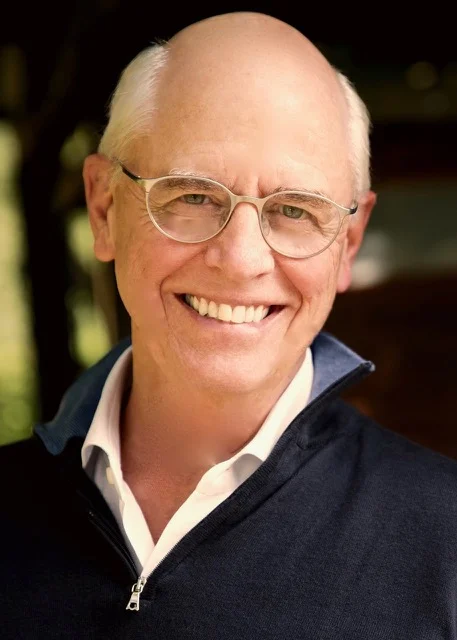
Hosted by Msgr. Don Fischer · EN
Msgr. Don Fischer shares his weekly reflections on Scripture to help awaken listeners to the indwelling presence of God.
42episodes
Episodes
Newest firstAll episodes
The 4th Sunday of Lent: A 2026
Mar 15Tap to summarizePastoral Reflections 3-15-26 - The 4th Sunday of Lent Msgr. Don Fischer Download Original Airdate: March 19, 20231 Samuel 16:1b, 6-7, 10-13a | Ephesians 5:8-14 | John 9:1-41 Oh God, who through your word reconcile the human race to yourself in a wonderful way, grant, we pray, that with prompt devotion and eager faith, the Christian people may hasten toward the solemn celebrations to come. Through our Lord Jesus Christ, your Son, who lives and reigns with you in the unity of the Holy Spirit, one God forever and ever, amen. The opening prayer always sets the tone for this set of readings, and the first two readings are always there to somehow amplify something in the gospel, because the gospel is the source of the truth that I long to awaken you to see. In the opening prayer, it’s clear that the role that God reveals himself to have in your life and in mine is somehow to awaken in us a way of being connected to him. He wants to reconcile human beings to himself. He wants a union and communion with us, and for some reason, his plan was for him to create us and then for us to grow, in our humanity, ever closer to who we are called to be, more like God. And as we become more like him, there is more opportunity for us and for him to meld into one beautiful way of existence. Humanity filled with divinity, that’s what the goal of the Old Testament was in order to prepare us for that incredibly beautiful connection.So we’re looking at the first story, and it teaches us something really beautiful and simple. God sees differently than the way human beings see, and we are human. So our humanity is, in one sense, you would say it’s really a burden, because we’re just slow to catch on. We’re slow to understand. We live in illusions and false truths, and so it’s clear that we struggle. But what he’s saying is, “Here’s the thing.” And it’s like a prediction of how we will be one day. God sees to the heart of things. He sees the essence of a person. He sees why the world is the way it is, and we’re going to have that one day. And so God in this story simply allows a king to be chosen, King David, by insight given to Samuel. He’s the one, the unexpected one. He’s the surprise, in a sense. He’s not the oldest, which is normally who would be given some kind of authority and power. He’s not the tallest. He’s short, and yet he’s the one. God sees only what man longs to see. So then we go to the next reading, and we see something about the way we are empowered to see. When God created the world, there was darkness, and he created light. But it’s interesting. He didn’t do away with darkness. He created light in darkness, and so the darkness is a part of our life. It is something when we’re in a place where we can’t figure things out or when we are just in a place of questioning or wondering or even just doubting. So we’re supposed to be able to live in both places, in light and darkness, and darkness is where we don’t really do things as well as we should. We make shortsighted decisions that cause us great pain and struggle, but the light is always, in the scripture, to be equated with the presence of Jesus in the world. And what he is is truth. So Jesus has come into the world to reveal to you and to me the truth, and one of the things he longs for the most is the hardest thing he asks us to do. It’s not just to see things as God created them to be. It’s not to figure out who he is or to unlock the mysteries of these readings. No, his real challenge is for you to know who you are, who you are, and to look deeply into the darkness, and the darkness is what is in us that blocks us from being in union with God. So we have this dynamic set up from the very beginning. As soon as human beings came into the world and they were given dominion over everything, everything was for them, and they would care for everything. And then darkness enters, and they are confused and make a bad choice, because they believe a lie. And believing the lie is where we get into trouble. So if you want an image of what is light and what is dark, in terms of the scriptures, it is what is a lie and what is the truth. That’s the distinction, and the interesting thing about this wonderful long but very beautiful gospel, it’s read every Lent, and it’s the story of a blindness that is absolutely incapable of seeing light. It’s really terrifying when you think about it, that God has given us such free will that, when we’re presented with an absolute clear reason to believe, we don’t. And why wouldn’t we? Because it demands something, and what does it demand? We change. We have to become something different. So let’s just try to glean from this gospel passage a message that’s directed to your heart, to your essence, to who you really are. It’s first about an indication of who God really is. Jesus is God. Jesus represents God. He gives us an insight into how God thinks and how God works, and it’s so clear that Jesus in his ⎯ all of his miracles, they’re therapeutic. They’re always helping human beings to be more what they were intended to be by God. So we’re always seeing the work of God in your life and in my life as a way of evolving deeper and deeper into who we really are. So we have Jesus in this gospel passage, as he did so often, seeing a need, seeing something, and he would then ⎯ I don't know. There was this intention in him that was so intense so that he would want always to heal what he saw that was broken. So he seeks a blind man, and his disciples ask a very obvious question, because the belief given to those people at the time of Jesus was that every sin that a person committed was being punished in this world by some infirmity or some disease or some bad luck. And so there was always punishment and reward. That’s all that God was able to do for the people, and most of the people were living punished, because their life was less than the life, let’s say, that the Pharisees claimed to have, because they had a life that was beautiful and easy. They had a lot of good things, but their hearts were so far from God. And yet they were able to look at those who didn’t have much, and they weren’t interested in helping them. They were even told not to help them, because they were sinners, and they weren’t worthy of anything from God until they fixed themselves through the work of the temple. Think of that as an image of religion that’s terrifying, that God would really be the God that some religions claim he is when he does not want to be around those who are longing and needing help, restoration, becoming fully who they are. So what is the truth that God is teaching us in this gospel passage? It is this: the truth is that human beings have the capacity to have absolute proof that God would give to them, who they are and why they’re here and show them that he is the one who can change their life. And he is willing to do it, he can do it, and people will still look at that and say, “I don’t believe it,” because it makes them aware of their darkness. God wants to show you who you really are. And when we see people around us, we see things, we become those things. As children, we see people acting a way. We think that’s the way you should act. So seeing is really important. We have to see things for what they are, because we become them. We see God as a judge who isn’t interested in us when we’re not really worthy of his time and attention. That’s the way we are. We become like that. We do that to other people, but the gift of insight can only be given and received ⎯ can only be received rather by a heart that’s willing to face things that are not the way they should be. They’re not who they’re supposed to be. They’re faking it. They’re phony. They’re not real. They’re not honest. That’s our challenge, to face those things, that darkness and at admit we can’t fix it, but there’s someone in us already that says, “I’ll do it for you.” Do you believe it? Have you seen it? Because it’s there. Father, your call, your heart’s intention is that we become who you created us to be, that we are gifted with whatever it is that we need. It’s there within us, and it’s our work to uncover it, to support it, to live it and not to live in an illusion that we are not who we are. Bless us with this kind of self-awareness. Give us the gift of who we are so that we can better serve you, and we ask this in Jesus’ name, amen.
Transcribe →The 3rd Sunday of Lent: A 2026
Mar 8Tap to summarizePastoral Reflections 3-8-26 - The 3rd Sunday of Lent Msgr. Don Fischer Download Original Airdate: March 12, 2026Exodus 17:3-7 | Romans 5:1-2,5-8 | John 4:5-42 O God, author of every mercy and of all goodness, who in fasting, prayer and almsgiving have shown us a remedy for sin, look graciously on this confession of our lowliness, that we, who are bowed down by our conscience, may always be lifted up by your mercy. Through our Lord Jesus Christ, your Son, who lives and reigns with you in the unity of the Holy Spirit, God, for ever and ever
Transcribe →The 2nd Sunday of Lent: A 2026
Mar 1Tap to summarizeOriginal Airdate: March 8, 2020Genesis 12:1-4a | 2 Timothy 1:8b-10 | Matthew 17:1-9 Oh God, who commanded us to listen to your Beloved Son, be pleased, we pray, to nourish us inwardly by your word that, with spiritual sight made pure, we may rejoice to behold your glory through our Lord Jesus Christ, your Son who lives and reigns with you in the unity of the Holy Spirit, one God forever and ever, amen. The most powerful thing about the story that unfolds in the Old and New Testament is how beautiful it is in terms of our understanding it. It’s our story. It’s a story that makes total sense to anyone who is aware of who they are and what they’re here for and why we need something besides ourselves. This story is both theological and anthropological, theological meaning it studies God. Anthropological, it’s a study of human nature, and the beautiful thing about this story is it’s a story of God just entering into, more fully, a relationship with men and women and men and women’s struggle to receive it. It’s really a love story. It’s a story of intimacy, God working with human beings as they evolve, as they grow, as they change, and each time they reach another level of consciousness, there’s a new image that he gives them of who he is until ultimately it gets to a mystical union of oneness. So let’s take a broad look at this Old and New Testament story. The first reading we have is the call of Abraham, and that came about early in human beings’ relationship with God. And what had transpired before that was the story of Adam and Eve. So we know that, when God created us, he created us to be engaged in a world that was beautiful, sensual, good for the eye, good for the heart, good for our stomachs. It was beautiful. It was a garden, rich and full, and then human beings, when they were in this garden, revealed to God something about them. They really didn’t want to be just taken care of in that kind of passive way, but they wanted more. And so when they were tempted to take on a role that was more than what God intended, wanting to be just like him, they made this mistake, and it’s an easy mistake. It’s like, “Well, I would like to be as effective as I can be, and one of the ways I can be effective is if you let me know what’s good and bad. And then I’ll make the choices, and I’ll be in charge of my life. It just demands, unfortunately, that you take this mysterious thing called life and divide it up into two sides, one good, one bad, one light, one dark.” And that’s the first mistake human beings made, an oversimplification of what this human experience of being with God was going to be like. And so God gives them what they want. They want to be in charge of their lives, so he sends them and allows them to go to the earth. No sooner do they create a place on earth, and they have two sons, Cain and Abel. So the real sin of Adam and Eve was basically that they wanted to be autonomously like a God without needing God. So we see the next part of human nature revealed in Adam and Eve’s first children, Cain and Abel. What do we see there? Abel is the man who is taking care of the livestock, and his brother Cain is the one who takes care of the fields. And they each offer their sacrifice to God, and it turns out that the one that is offered is the younger son’s. And all of a sudden, you see in Cain some kind of intense jealousy over the fact that he’s not the best. It’s like in Adam and Eve reveal in human nature this need to be in charge autonomously, and then we see in their sons this image of, “I want to be better than everybody else.” And then there’s that wonderful story about the Tower of Babel where a group of people get together, and all they want to do is do whatever they can — they feel like they can do whatever they want to do. They all speak the same language, and they’re smart, and they can build a tower even to heaven, which might imply that they have a way of even figuring out how to get to the higher realms without the help of anybody else besides them. So all of a sudden we have these three images of the beginning. God working with individuals was difficult in the very beginning, because they were of such low consciousness, and then God makes a decision. In the first reading, we see he calls not just individuals to a new way of life, but he’s calling a people. He needs a community. He’s realizing that individuals on their own need more than just their own ego, their own self-centeredness to lead them. They need a community of people that can be vehicles of teaching them how to grow, how to become more of what they’re intended to be, and so we have this community founded, and there’s a promise that God makes to Abraham — freedom. “I’ll take you to a place of freedom,” ultimately most clearly shown in Moses. But the image is God is going to work with the people, and he’s going to do something for them, with them, in them, and it’s going to bring them to a different place. What we call that is holiness. So Paul, in the second reading, says, “All right, the deal is, when God entered into the world, he wanted to enter into a relationship with God that would enable people to become holy.” And I’ve always thought holiness was perfection, no sin. It’s not. Holiness is like wholeness, authenticity. He’s calling us to be fully ourselves, who God intended us to be. In a way, that’s a lot harder than just a strong will that overrides your passions and your wants and desires by surrendering to a system, a set of laws that take away anything that might sound like selfishness, because look at those first three stories. They seem all about human beings being selfish. Selflessness, being open to the needs of others, compassion, empathy, is a wonderful goal, but it doesn’t mean a rejection of my own value, my own individuality, my own destiny. So we have God calling a community together, and the work of the community is to become holy. Now, how did that unfold for the rest of the Old Testament? We had Abraham. Then we had Moses. These are patriarchs. So God worked through the people that he spoke to directly, and they talked to the people, and then there were prophets that God would speak to, and the prophets would talk to the people. And so there was a communication begun in these communities where God was speaking through others to the people, telling them how they should live, and it didn’t work very well, wasn’t very effective. But then something changed. Two thousand years after the call of Abraham, we have the story in the gospel. Jesus has appeared. He is the Messiah. He is the one to reveal the truth, life. The three things he promised: “I want to open your eyes to see the truth. I want to free you from everything that keeps you from your authenticity, and I want you to live in peace, not stress.” How does that work? How do we achieve that? Well, it’s in becoming holy. The Vatican Council did a most interesting thing when it met in the 1960s, finished in ’65. One of the things it proclaimed is there is this promise from God that every human being has a right to being holy, whole, complete. If there’s anything we learn from the Old Testament, it’s human beings cannot ever become whole and complete on their own. They just can’t. It’s a way uphill battle where they just never can reach it, and so we see in the New Testament the revealing of the secret that is the essence of how it is that we become who we’re meant to be. It is through union, communion with the divine, not God speaking through a prophet, not through any other system but God speaking to human beings directly. You know what we call that? The one word we use often is mysticism, mystics. We’re all called to be mystics. I know that sounds kind of strange, because our image of mystics are these weird kind of people that live on mountain tops that never think about anything. They don’t watch TV. They don’t play sports. They just contemplate, contemplate, meditate, meditate, and out of this incredible life of meditation, they get direct insight from God. Well, that’s our inheritance, yours and mine. That’s what the New Testament is saying. That’s what’s so scandalous and beyond our imagining about it, that we have to break the wall and get into this place that we’re destined to be. So look at this experience that God gives to his church, and he picks just three members, Peter, James and John. And perhaps they were the only ones out of the 12 that would be open to something like a mystical experience. He takes them up on a mountain, and he then reveals himself to them. But the way he does it, he’s not sitting there like on the mountain, giving the parables or giving a long talk or whatever. No, it’s not words coming from Jesus. It’s just Jesus revealing, through a mystical experience, who he really is, and so they’re there, ...
Transcribe →The 1st Sunday of Lent: A 2026
Feb 22Tap to summarizeOriginal Airdate: February 26, 2023Genesis 2:7-9; 3:1-7 | Romans 5:12-19 | Matthew 4:1-11 Grant, almighty God, through the yearly observances of holy Lent, that we may grow in understanding of the riches hidden in Christ and, by worthy conduct, pursue their effects. Through our Lord Jesus Christ, your son, who lives and reigns with you in the unity of the Holy Spirit, one God forever and ever, amen. We have begun a very, very important season called Lent. The word means springtime, and in the opening prayer, we asked God to bless us with the benefits that anything we do during Lent, the observances of holy Lent, might have an impact on us. And it’s so clear in that opening prayer we’re saying, “The observances that we choose in Lent are there to help us grow in understanding of who you are and what is hidden in you.” So even though there’s a long tradition of choosing things that are difficult or painful, being without certain comforts during Lent is beneficial. Well, it is if it means that we’re creating more space, more time for reflection. Who is this Christ? What is he trying to teach me about my life and about the way I live that would engage me in a more intimate relationship with God the Father?So let’s look at this first set of readings and see if it doesn’t set a tone for something that we could hold onto through the whole season, and that is the difference between life and death. We have a choice, to live the life that God has called us to or to reject it and pick something else, something that is more attuned to our lower nature and to live that, which is a kind of death. So let’s go back to the beginning. I love that this is the beginning, first Sunday of this particular season, and we go back to the very beginning of God’s relationship with human beings, the Garden of Eden. In it we have a story. We all know that story very well, but it’s funny. This story has a lot of things added to it that aren’t really there. For example, there’s nothing about an apple in this story. It’s about fruit, but we’ve made it an apple. And most people will talk about Satan in the form of a snake that is tempting Adam and Eve, but it’s not a snake at all. It’s the most cunning of human beings but not even a human being, an animal. So let’s say it’s the most cunning part of our lower nature, and the serpent comes to the woman and questions what command that God had given Adam Eve not to eat of the tree in the middle of the garden, though that’s just implied, and not to eat of the tree of the knowledge of good and evil. What is the tree of the knowledge of good and evil? Well, the more I reflect upon it, the more I think about it, it’s a kind of desire to become like gods. At least that is what’s told to them by this cunning animal spirit in all of us. It’s saying, “If you really want to, you can use God, and you can use everything in you to make you into this strong, autonomous being that has power over people. Wouldn’t you like to be like God, that kind of God?” I’m sure that was the most primitive sense of who God was. And so the woman thought, “Well, maybe this would be good for wisdom. Maybe ⎯ it certainly looks beautiful. It’s good for nourishment,” logic working its way in. But just think for a minute. She’s choosing to eat the apple, because she thinks it will bring the wisdom of God inside of her, and you’ll notice that, when God talked about the tree in the center of the garden, he said, “Don’t even think about eating that. Don’t even touch it, because if you do, you’ll die. And what is the tree of life? It’s wisdom, the hidden knowledge of who God really is and who you really are, and you can’t take that in now, because you’re not evolved enough to deal with it.” So we have this very strong image that, in the first story we have about God’s relationship with us, we see this warning about death. “Be careful what you choose.” And notice that the cunning animal instinct says, “You know what? You break the rules, and your eyes will be opened, and you’ll be like God. And it will be wonderful.” And then just a few lines later they broke with the commandment of God. Their eyes were opened, and they were ashamed. They were naked. They covered themselves.Could this story be the story about the choice to evolve as God intends us to or just simply bypass the whole process and demand that we become almost omniscient and able to do anything we want? Hubris, pride, that’s part of it, but it’s also a wonderful story about the evolution of the human nature into a being that has some kind of inner moral code that, when you break it, your body reacts. It’s interesting. Guilt, you feel bad about something you did. Shame, your whole body feels it. Somehow you’re the sin. So maybe we can see very much in this story that the most important thing we learn from this first encounter of God with his people is he wants them to grow slowly, naturally and to evolve into being not like God, being a god, but being in God and being with God. So now if we look at the beginning of ⎯ we look at this story as the beginning of the Old Testament. Let’s look at the beginning of the New Testament, and the beginning of the New Testament is similar. A temptation takes place, and so we find ourselves, after many centuries of struggling to become who God calls us to be ⎯ God enters the world to fulfill his promises in the Old Testament and to reveal fully who he is, to give his true wisdom. We’re ready now to enter a new stage of existence. No longer are we dependent solely on ourselves and our struggle to do what we’re told, but now we’re entering into a world where we’re going to become someone, not by being like God, being like him in the sense of doing what he does, but being with him and becoming something brand new. So look at Jesus. He’s tempted by now not the highest form of our animal nature, but no, he is directly confronting evil. So it’s the devil that’s there, and he asks him three things. “Command these loaves to become bread, or jump off this tower to prove that God is there to help you.” Or again he says, “Why don’t you look at the world as it is and know that you could run the whole thing? You are so wise and so talented and so creative.” Think about that. Every one of them is a call to truth. It’s like a temptation not to be in tune with the way things really are. Jesus says, “The only thing I ever long for is the truth, the bread of God. God’s presence in me is my bread. It’s not something outside of me that makes me strong. It is my interior presence of God that offers me the insight into what the world is really like and who God is and who I am.” And then if you look at very much the second one, it’s so easy that he's saying, “Look, I don’t doubt in any way, shape or form that this is taking place. I have absolute trust that this process that I’m engaged in, no matter what it turns into or how it works. I’m going to believe that it’s the unfolding of what must be.” What an incredible decision for Jesus to make at the beginning of his ministry. “I want nothing but the truth. I want to live through whatever is happening to me and accept it, knowing it’s bringing me to truth.” And then at last, with that truth so much coursing through his veins as God’s Spirit courses through his whole body, he’s saying, “I am dedicated to a life not of being served the world, but I’m dedicated to a life of service. I want the truth. I want to trust. I want to be in service. I want human beings to be awakened to what you’ve awakened in me, and I’m living it. And I want to teach it.” And the most amazing thing about Jesus is he spoke less in words and more in who he was. That’s our challenge during Lent, to be one, to resonate out of your heart that you are longing for truth. You’re longing for things to be understood in your heart, that they must be, and you are open and growing in your ability to serve. That’s our season, and that’s our work. Amen.So in the first reading, from Zephaniah, there’s something there that struck me, and that is he says, “For those of you who observe a law, you can seek justice, seek humility.” And then he just says, “Perhaps God may not be angry with you.” The reason I say that is because, if you create a rigid system of laws and rules and you break one, you have this sense that God is angry, and God isn’t wanting a relationship like that with you. He doesn’t want you tiptoeing around and making sure you do every single thing right so that he doesn’t get angry, because he's not ⎯ that’s not his major longing with human beings. It’s not to be their corrector and their judge and their punisher. No, he wants them to be intimately engaged with him, and that intimate engagement is really fascinating, because it’s not just for us that he wants to be a part of our lives. But unless he’s a part of our lives, we will never be able to be what we need to be for other people. In other words, the gift that God’s presence brings to you and me, the capacity to love, to hea...
Transcribe →The 6th Sunday in Ordinary Time: A 2026
Feb 15Tap to summarizeOriginal Airdate: February 16, 2020Sirach 15:15-20 | 1 Corinthians 2:6-10 | Matthew 5:17-37 Oh God, who teaches that you abide in hearts that are just and true, grant that we may be so fashioned by your grace as to become a dwelling place pleasing to you. Through our Lord Jesus Christ, your son, who lives and reigns with you in the unity of the Holy Spirit, God forever and ever, amen. The most interesting thing about this set of readings is it talks about two very distinct things. The first two readings talk about the wisdom of God. This mysterious, in a way, unheard of thing that we’re asked to surrender to and believe can only be given to us by this mysterious thing called the Holy Spirit, and many people have sought to describe what the Holy Spirit is. What does it do? And the only thing I can think of is, when God chose to enter into the human race in the person of Jesus, something emanated from him. A God living in a human emanated this mysterious power that had the ability to heal blindness, deafness, muteness. It was opening people to a new, more exciting, more engaged life, and so I just want you to feel that this plan of God, this mysterious thing that God is doing with us needs to be understood before we really get into his direction on how to live with this gift, how to live with the Spirit, how to let it flow through us and become amplifications of that Spirit. So the first thing I want to make sure that you understand is this God who is incarnate. That miracle did not just happen to one person. It happened to Jesus in such a way that, yes, only happened once, and that is that God’s spirit inside Jesus, the human, was so well integrated into his humanity that the two were one. He was the best manifestation we have of who God is and what is in the world to bring human beings, but it’s so interesting that God never seemed to want to work with individuals alone. He always said, “I want a community. I want a people.” Another word for that could be, “I want a church. I want a gathering of people who understand my message and my work, as my work demands that I enter into each and every human being. I dwell within them, and my work is not so much directed to each individual in their needs.” It is but not directly from God. To ask everyone to have this direct contact with God is asking, I think, a lot of the human race, because believing in this mysterious God is not something that comes as natural to a lot of people. It’s easy to listen to any kind of program about does God exist, and you’ll find there are people who absolutely know it as a truth that you couldn’t take it from them if you tried, and others say, “There’s no such thing as a God. We don’t need a God. This is all just sort of random.” And I don’t know how they live with that, but they do, and there’s many of them. More common is someone who just thinks of God, but then he’s this distant sort of — like a deist. “God created the world. Yes, there is a God — placed us here, and then he’ll see us when we end our life. And then he sees us again, and says, ‘Okay, how’d you do? How was it,’” as if he wasn’t engaged in it. But the truth is the plan he has for each of us is the same plan he had to make himself manifest in the world for the first time. He enters into us. You can’t miss that in the teaching of Jesus. “The Father is in me. When you see me, you see the Father. Everything I do is the Father doing it through me. Everything that goes beyond my humanity is God.” And you must believe that that same Spirit of God lives in you, and your work is to integrate your humanity into this divinity, become more and more and more like God until we finish the work here. And then we enter into heaven, and then perhaps we become — it’s hard to know, but we become so much more connected and like our Father, and we live that way in him forever. And the life is so full and so rich we call it heaven, the kingdom that we’ve all longed for. So if the Holy Spirit is the manifestation of God in you and in me, then the way we treat each other is absolutely crucial. People like to say to God, “God, I love you, but oh, these people around me, they’re creeps. They drive me crazy. They’re ugly. They’re dirty. They’re unattractive. I hate people, but I love you, God.” That’s impossible. That’s not the Holy Spirit moving in you. That’s your ego telling you you’re better than everybody else, and the more you put them down, the better you feel. No, the real issue is that God longs to be manifesting himself through you, and then you represent him. You let people know, indirectly, I guess, through humility, but you’re basically letting people know, “This doesn’t all come from me. This is God working through me. It is my love for you that is so powerful, and that love goes way beyond my human capacity to heal and to care for and to release people from all kinds of negativity.” That’s what God gives everybody, the power to love, and that love goes way beyond human attraction or human affection. It’s the work of the Spirit. So then we see Jesus looking at the world that has been created, and he’s there at the time he was, because that’s where consciousness was ready to finally receive this mysterious Spirit coming into their lives, enabling them to do so much they could never have dreamt of doing. What’s interesting is this work of believing that, entering into that is a slow and long process that’s continued to work, and the biggest problem is hypocrisy in the people who claim to be religious. That’s the flaw. That’s the obstacle. It was raging at the time of Jesus. The Pharisees, the scribes, they were self-centered, self-serving human beings whose dignity demanded [sic] on how people saw them, whether they were at the front seats of synagogues, whether they were dressed appropriately. They acted and lived as if they were pure spirit almost, and they were filled with dead men’s bones. They made their converts twice as fit for hell as they were. It was an amazing indictment about hypocrisy. “You represent my Father, and there’s nothing about you that is like my Father. You treat people as objects. You take money from them for the things you do for them in a way that doesn’t imply, or that does imply that you’re not really that concerned about human beings and their plight. You’re concerned about yourself, the importance of the temple.” And so Jesus starts talking to his disciples about all this, and this list of things is really, taken out of context, is really terrifying. It’s like there’s no way we’re not sinning. If every thought we have or everything we do is a sin, we’re finished, but if you listen to this teaching of Jesus to his disciples, think of it as if he is really, really intense and, in a sense, frustrated. “You’re told not to kill somebody, but I’ll tell you, when you hate your brother, when you hate your sister, when you put people down, when you tell them they’re not good, or when you tell everybody else they’re no good, you’re killing them.” It’s like he’s trying to say, “Don’t you see? I can’t love these people unless you allow me to love them through you, and you’ve got to stop acting as if your intention in your heart doesn’t matter.” That’s the thing the Spirit uses, your intention, your heart, your look, and when you have this in your heart for everything that the law requires, and if you go down to the basic thing that the law, the Ten Commandments, have asked of us, it’s nothing more than a love that can best be described as compassion, empathy and a deep desire for every person around you to become fully who God intended them to be and to delight in your ability to do that. That’s the heart of the faith, and when you’re in a community, a church, when that is absolutely the overwhelming sense of what it feels like to be in that community, then you’ve got church. It’s not the hierarchy and the people that make the rules and laws that set the tone. It’s every individual filled with divine grace, filled with divine presence, manifesting the love that was manifested through Jesus into the world that healed everything and transformed everything. We have not the same intensity that Jesus had, but we have the same reality. We have this ability to bring life into the world through our intention, and it’s amazing when you start feeling the joy that comes from seeing people respond positively to the most basic thing you’re offering them, compassion, empathy, love. It feels your darkness. It removes your darkness. It gives you meaning and purpose, and it seems to me, in a way, so obvious now, but it was never obvious to me before. I was always thinking, “I’m not good enough for God to come to me. So I don’t really have him in me, because he needs me to be more perfect. I’m not good enough. So how can I be of great value to the people around me?” Well, the trut...
Transcribe →The 5th Sunday in Ordinary Time: A 2026
Feb 8Tap to summarizeOriginal Airdate: February 5, 2023Isaiah 58:7-10 | 1 Corinthians 2:1-5 | Matthew 5:13-16 Keep your family safe, oh Lord, with unfailing care that, relying solely on the hope of heavenly grace, they may be defended always by your protection. Through our Lord Jesus Christ, your son, who lives and reigns with you in the unity of the Holy Spirit, God forever and ever, amen. This set of readings carries a beautiful message of light and life. I love the opening prayer, because it started with the idea that we are here in relationship with people, and God, who has care for us, interest in how our life goes, he looks at our family, the people that are in our life with us and asks us simply to rely on something called grace ⎯ grace, unmerited love, presence, care, attention from God and that he gives us enormous protection from something that the first reading talks about. And I love this image, because it’s so real in my life and in many of your lives, and that is this thing called gloom or darkness. I don't know how exactly to describe it, but one way I could is to say it’s about anxiety and about fear and about dread and even depression. So when we think about what God asks us to do and we think about why we should follow him, when we aren’t in union with him, when we’re not in the place that he calls us to be, there will be a sign that there’s something missing, and it is often anxiety and fear and shame. And it’s just a sign to us, like any corruption in any institution says things need to change, things need to be different, and maybe our relationship to God has to be radically different, because so often we’re doing what we think we have to do in order for God to love us. We have to clean up our act, do the right thing, stop doing bad things. And sometimes homilies do nothing more than give us good advice as to how to act, but when you listen to carefully to the insights of scripture, it really isn’t talk about doing as much as it’s talking about being. Who are you? For the thing that is overarching in this particular set of readings, I can say that who we are is someone who is dedicated and in need of a relationship with God that is real, that is tangible, that feels different. Life is different when you’re in it with someone, and when you’re with the one who’s created you and created the world and is in charge of it, there is a really wonderful chance that you will not be caught in darkness and gloom. How do you know you’re with him? What is it he’s asking you to do or to be? Well, he uses images, and that’s really important, but the images are always more than what they seem on the surface. So here he’s saying, in Isaiah, God is saying, “I want you to be attentive to the needs of the people around you. If they’re hungry, I want you to feed them. If they’re oppressed and homeless, if they’re drifting and have no place that they feel is protecting them, do something to help them feel protected, feel enclosed in a safe place. And if they’re naked,” meaning if they don’t have a role or a place in the world, because clothing often depicts a certain office that you have, a police uniform, a collar on a priest, a beautiful dress on someone who’s not going out to do something like the market but going to something special. Clothes, in a way, have a way of saying, “This is who I’m about. This is what I’m doing. This is my persona in this particular case.” So when we see this promise in Isaiah that, if you listen to God’s desire, first and foremost, to do these things for you, then you will do them for others, and the sign that he’s not doing them for you is this darkness, and he’ll remove it. And the interesting thing of the sign that it’s removed from you, that you’re no longer feeling that you don’t have a place, that you’re somehow not enough, that you don’t know what you’re called to do, you don’t have a team of people around you that support you, then you’re going to be negative. And you know what it’s like to have a negative person in your midst. They’re constantly feeling ⎯ you feel oppressed, and you listen to them accuse everyone of bad choices and misinformation and conspiracies. It’s malicious speech that just pours out of you, because somehow you’re not in touch with who you are. Most of the complaining we do about other people is what we really are afraid is happening within us. So the first reading says, “Look, there’s something you have to allow God to do for you if you are going to be able to do it for others.” And I want to talk more about what it is that God offers you and me. The two images that are so strong in this set of readings is a belief in who God is first and foremost, and that’s what we see in St. Paul. I used this particular passage ⎯ it’s really interesting to me. I used this when I had my first job of being in charge of a community. I’d been an associate pastor for six years, and I was made chaplain of the University of Dallas, and I was terrified. I was on my own, and I didn’t know how to do ministry with students. I’d never had that ⎯ I was a student at once. I had a chaplain that was deeply impactful in my life, but I didn’t know what to do, and I didn’t think I had enough wisdom or enough strength to do it. So I immediately gravitated to this image of Paul being a person who said, “Look, I’m not a really smart guy, and I don’t have a lot of wisdom.” And I was going to be surrounded by intellectual people at the University of Dallas, and I thought, “Do I have anything to say that is smart, wise?” And all of a sudden, it made clear ⎯ Paul made it clear to me, is that I’m not here to talk in perfect sentences and perfect grammar and perfect insight and perfect, well-crafted sentences. I’ve come to offer something, and what I offer is my experience of Christ and Christ crucified. And what is Christ crucified for Paul, and what does he see in God so clearly that he never saw before and it caused his conversion? That was the crucifixion. God forgave sin through the act of Jesus dying on the cross so that Paul could be drawn into a religion that he felt and knew that he sinned against. And so he’s saying, “I can witness that. I can’t maybe articulate it like I’d like to, but I can witness the fact that I walk around being who I am because of a God who has taken me in in my imperfection, in my darkness, and he is leading me, and he is asking me to be a light to the world.” That’s what we’re asked to be to each other, a light, the light of life.The gospel gives us two images of how we can imagine what this gift is like and what God gives us and what we’re asked to give to another. So Jesus talking to his disciples about their ministry, he’s not talking about how you start a homily and start a talk and then do this conclusion, you visit each house three, four times. He doesn’t give you things to do. He’s saying, “Here’s what I want you to believe. I’ve given you something. In fact you are something if you’ll just open your mind and your heart to being who I’ve called you to be. You are salt.” And what I love about salt, when he says, “Now, be sure you don’t lose this,” he’s saying, by using salt ⎯ salt doesn’t lose its seasoning. You can take salt and pick up a piece of salt that’s been on the salt for ten years, and it’s still salt. So there’s something about saying, “You have to be salt to the earth and don’t let that salt ever lose its taste.” Well, the only way you can do that is to not use salt, and what does salt do? It has two roles. It enhances the flavor of something. If you put it on spinach, it doesn’t make the spinach salty necessarily as much as it makes it more tasting like spinach. It’s like salt makes things more of what they are. What a beautiful image of who we want to be for each other. Help people to be who they really are. And then it is a preservative. It preserves things. It keeps things alive, from being ⎯ free of decay, darkness, gloom. So Jesus is giving his disciples, in this first image, a beautiful way of imagining what it means to be his follower. “Stay with me. Watch me salt people. Watch me do something that brings people into a place where they are being protected against that which would destroy them.” And then he says, “Another thing you are is light.” And this one is so rich, because it’s all about being enlightened. Enlightenment is consciousness. It is an awareness of the reality of the mystery of God in a way that makes total sense and infuses itself into everything you do. It’s not just an idea. It’s not just a direction of what to do. It’s an experience. To be enlightened is to have light in you. To have light in you means that you’ve accepted your darkness as an impossible thing for you to remove, and yet you want it removed. So you open your heart to and your mind to enlightenment, and when you are enlightened, it is not for you to go in a closet and feel how wonderful the light is. No, your light is to shine before others so that they can see something. And notice it doesn’t say so they can see your good deeds, just you, but to see your good deeds and then, in the process of seeing deeds, to glorify your Heavenly Father, because he’s the source of all your good deeds, all your good works, all your good intentions, all the resonance of light and life that...
Transcribe →The 4th Sunday in Ordinary Time: A 2026
Feb 1Tap to summarizeOriginal Airdate: January 29, 2023Zephaniah 2:3; 3:12-13 | 1 Corinthians 1:26-31 | Matthew 5:1-12a Grant us, Lord our God, that we may honor you with our mind and love everyone in truth of heart. Through our Lord Jesus Christ, your Son who lives and reigns with you in the unity of the Holy Spirit, God forever and ever, amen. The opening prayer sets two goals for all of us who listen to this set of readings: honor God with all your mind; love everyone with truth of heart. To honor God is to surrender to the plan that God has created for you and for me. If there’s anything I would long for you to learn from me ⎯ I wish I had learned it much earlier in my life, because it came to me much later in life, and that is that the idea of doing things for God in order to win from him favor is a wasted effort and also not honoring God, not allowing him to be in a relationship with us that he longs to be. He’s not interested in us being obedient to a set of rules and laws, yet that’s what people needed in the beginning. And it’s really probably what they asked for. “We want to know what pleases you so we can be assured that you will be favoring us when it comes to finding our enemies or raising our crops.” And so they kept asking for more and more rules and regulations, and yet you know, and I know, at the beginning of this whole thing called creation, when God created human beings, he placed them in a beautiful place and longed for them not to get caught up in anything that would rob them of honoring his plan. And yet they were caught, and they were tempted by this creature. They were innocents, I guess, in a way, so they were easily misled. But the idea of eating of the tree of the knowledge of good and evil was it seemed that it was good to do in order to be like God, and if you’re like God, then you can work for him. It’s like we want to be gods. We want to be autonomous in what we are able to do for God and win his approval, and nothing is further from his heart. The truth of God’s heart is he wants a relationship with you and me that is loving, intimate, as loving and as intimate as any human relationship we could ever want or ever long for, and yet we tend to still get caught up in doing things, doing things, doing things. So in the first reading, from Zephaniah, there’s something there that struck me, and that is he says, “For those of you who observe a law, you can seek justice, seek humility.” And then he just says, “Perhaps God may not be angry with you.” The reason I say that is because, if you create a rigid system of laws and rules and you break one, you have this sense that God is angry, and God isn’t wanting a relationship like that with you. He doesn’t want you tiptoeing around and making sure you do every single thing right so that he doesn’t get angry, because he's not ⎯ that’s not his major longing with human beings. It’s not to be their corrector and their judge and their punisher. No, he wants them to be intimately engaged with him, and that intimate engagement is really fascinating, because it’s not just for us that he wants to be a part of our lives. But unless he’s a part of our lives, we will never be able to be what we need to be for other people. In other words, the gift that God’s presence brings to you and me, the capacity to love, to heal, to save, to free, all that, when it comes into us, it becomes this thing that is there not just for us but is for those around us. God longs for a relationship with us, because it can radically change the relationship we have with each other, and so it’s interesting in Zephaniah when God says, “I will always have a remnant in your midst. There will always be a people humble and lowly that take refuge in my name, and they do no wrong. They speak no lies, no deceit in them. They take care of their people, their flocks, and they are protected.” So that seems to me that God will promise not necessarily that one set of unique individuals will never fall into the trap of sin. It just means that there’s always someone around that has this gift within them. That’s God’s promise. If he decided that he wanted us to be co-workers with bringing life and light into people’s life, then it would seem that, as he promises his presence with us, he’ll also present ⎯ there’s people around you if you can find them. You’ll know them when you’re with them, because there’s something that resonates from them that feels so right, so good. There will always be someone there for you, and it’s your work to be open to them. Now, it’s reiterated in the reading from St. Paul to the Corinthians. He’s saying that the whole notion of God wanting a relationship with us is based in the fact that we are not enough, that we need to be humble. We’re not the most powerful. We’re not of noble birth. We’re not always wise. We’re not always the strongest. We’re not always the best, but that is the way God intended us to be so that, when we admit to that, when we realize that and allow him to then do something within us, then we are close to what his message is, because the message of Jesus is to reinterpret the relationship the Old Testament was guilty of producing within people. And by guilty I mean that they were constantly told they had to be obedient, and they had to do everything that God called them to do in order for him to be on their side in battles or there for them or making sure their crops were raised correctly. So we listen to this beautiful prayer. It’s really kind of a prayer that he’s offering to this crowd, and then he seems to gather his disciples over maybe afterwards, or maybe it was during it. But it seems like he was almost teaching this to the crowd certainly, but he really needed his disciples to understand it. So he saw the crowd, but then he calls his disciples close to him, like he’s saying, “Listen to this.” And the first thing he says is that, “Everyone who understands who they are, for them to know they are blessed, which means somehow in sync with me, in relationship, a healthy relationship with me, they have to be poor in spirit.” And that simply means that they’re not enough. Their spirit, human spirit is not enough. Divine spirit is what human spirit is made to be entangled and intwined with so that we can be the people that the kingdom of heaven is asking us to be, and remember, the kingdom of heaven is not something that’s happening later. It’s happening now. The kingdom of heaven is now. Jesus would say that. It’s like the whole world continues to be created toward this goal, and we keep moving, moving closer to what we might call heaven or a place of peace, a place of wonder, a place of beauty. We make mistakes, and we keep trying to learn from our mistakes. So we have the reminder that you have to be poor in spirit, and then you have to mourn. And I think the mourning is everything to do with facing everything in you and everything in the world that isn’t the way you want it to be. It’s sad that there’s such violence and discord and wars in this world. And if you can mourn that, you’re blessed, meaning you don’t expect it not to be there, but you know how to somehow suffer it with humanity so that that suffering brings about a new relationship in a situation that will not fall into the trap that causes these conflicts and this pain in the world. And I love the image of meekness, because the meek are those people who don’t have a clear, perfect answer for everything. They are not falling into the trap of Christianity that is constantly oversimplified by preachers that just simply say, “It’s as simple as stop sinning. God is good. You’re bad. God will save you if you stop doing what you’re doing.” Meekness is softening your whole notion of all these nice, neat explanations. What you have to do is hunger, hunger and thirst for God and hunger and thirst for right relationships with people, and when you do that, you’re going to be filled with this capacity to resonate from your heart mercy, wisdom, peace, all the things promised in this wonderful set of readings. And then he must have looked directly at his disciples eyes and said, “But you know what? One day you’re going to be really persecuted for my sake, and you are going to go through something awful. And they’ll be persecuting you, utter every kind of evil falsely against you, but when you take a stand in this world with this new vision of who I am and what I’m calling them to do, it’s going to be rejected and resisted intensely.” He doesn’t go so far as to say, “And all of you will be murdered except for one.” This isn’t something that’s just sweetness and light. To live the way that the Beatitudes calls us to live is a way to be open to the reality of the world, finding the peace that is your inheritance, but being a peace giver, a lover, a forgiver, and at times, the victim of misunderstanding and even hatred. God bless you. Father, your gift of your presence is beyond measure. Help us to realize the fullness of your message that you long nothing more than to come and dwell within us and resonate life and light and love to those around us. Give us humility that enables us to do this marvelous work, and we ask this in Jesus’ name, amen.
Transcribe →The 3rd Sunday in Ordinary Time: A 2026
Jan 25Tap to summarizeOriginal Airdate: January 22, 2023Isaiah 8:23—9:3 | 1 Corinthians 1:10-13, 17 | Matthew 4:12-23 Almighty, everliving God, direct our actions according to your good pleasure that, in the name of your Beloved Son, we might be found in good works. Through our Lord Jesus Christ, your Son who lives and reigns with you in the unity of the Holy Spirit, God forever and ever, amen. Every time we begin this ordinary time, we go through the life of Jesus, the transition from the Old Testament to the New Testament, and there’s a wonderful way of trying to pay attention to the radical difference between the old and the new. And it’s so important that that be the focus of the beginning of your awareness of who Jesus really is to recognize that so much of what we normally grow up believing in, in terms of authority, in terms of seeking wisdom ⎯ we grow up naturally leaning upon other people to tell us what we should do. That’s our parents or anybody in authority. So for the first years of our existence, until, let’s say, we get into our, I don't know, teenage years now, 18, 17, 16, you start believing that you have a right to make your own decisions, and there’s a tension in you, from obedience, authority over you, to an inner authority. And so as we’re looking at this wonderful set of readings, you’re going to be invited with me to journey into this transition place, from old to new, and one of the ways it’s described in this set of readings is from darkness to light. The darkness that’s in the first reading is really an interesting one, because it’s talking about a kind of something that we’re dealing with that causes anguish and gloom and darkness, and yet when we see, even in the Old Testament, those things overcoming the Jewish people ⎯ they were stiff-necked. They weren’t very easy to deal with, and God found himself at times very angry and even at one time wanted to destroy them all because they didn’t obey him. They kept going back to their own ways, but here in Isaiah, he’s foretelling something that’s going to come. It’s going to be something like a light, and so the darkness that you’re in is going to seem not so dark. It’s going to have light in it, and the light will bring about abundant joy as people rejoice when everything is working for them, when their crops have been beautifully grown during the time that they have no control over how it grows because of the weather and they’re just filled with delight that something has worked. So there’s this image of something being broken, taken away from the people in the New Testament, and I love the way this passage ends, where it says, “The yoke that burdened them, the pole of their shoulder, the rod of their taskmaster you’ve smashed.” How’s that for a word to change. Smashed the way it was, and all of those three images, the yoke, the pole, the rod, they’re all about being burdened by something created for you by an authority over you. And that’s really basically what the Old Testament is about, and unfortunately it’s a lot about the way people think about religion even today. “Why do I need this burden on me? Why don’t I be free? Why can’t I be free? Why can’t I do what I want to do?” And it’s so interesting that that sounds so selfish and self-centered, but the truth is that’s exactly what God has placed in you and me, a desire not to be controlled by an outer authority but to come to a place where the inner authority is what does the work, our choices, what we think, what we do. So here’s Paul, in the second reading, talking very clearly about the fact that, “Look, I see something that’s happening that isn’t the intention of God. You all seem to be going in different directions.” And when you go in different directions, it’s not just that everybody agrees, “It’s okay. You go in that one. You go in this one.” But they’re rivalries. “You should be with me. You should be doing this. You should have this.” And it’s so interesting that all of that is a very interesting way of imagining, again, the way religion turns into something that’s my way or the highway. If you were Jewish, that’s what you should be. If you’re a Christian, you should be Christian. If you’re a Muslim, you should be Muslim or follow Islam. It’s really a divided kind of world, and yet even in the Vatican Council, the beauty of that council was that every religion that teaches the truth is a means of salvation. So it’s not about everybody having to be one religion. It’s everybody has to be on the same page when it comes to who God is and what he does for you and for me and the work that we are engaged in together, and that work that every religion should draw us into is the participation in this extraordinary work of the evolution of consciousness, to be able to see the truth so clearly, so beautifully that the darkness that sin creates, the darkness that is created by addiction to things that control us and all of that is to be destroyed by this beautiful coming of God into the world. And his coming into the world, as you well know, is more than his coming into a human form at one time in history, but that action of God becoming human is something so powerful about what it is that religion promises. All religions promise a union, a communion with God. What’s different about some of the religions is they might have a different emphasis on who God is, and I often think it’s so interesting that it’s also about a religion that makes a clear distinction between the Old Testament and New Testament, not that the Old Testament is wrong. It is a beautiful, beautiful religion and a beautiful message, but Jesus had instore for us a radically different message. And it’s not that the Jewish religion doesn’t lead one to the same closeness to God, which is what Christianity and every religion calls us to, but it’s not ⎯ it's this wonderful thing about Jesus being the model, and the model could be just also the maturity of the Jewish faith. It’s becoming so connected to God that you are in his way of living and his plan for you, and that plan is just marvelous. In the gospel, we listen to it, as Jesus is revealed to us, and he’s revealed as light. And isn’t it interesting, when you look at creation, the first thing that God created was light, day and night? And it’s true. In the Old Testament and New Testament, there is still going to be always light and darkness, truth and error, reality and illusion, and yet in the Old Testament, it seemed that it was taught in a way that frightened people into complete submission to rules and regulations, because the darkness had great power to overtake them, and they had to have something that kept them out of it. But now we’re told that the darkness has been destroyed. There still is problems. There still will be darkness, but it’s never going to overtake you. And when you realize that, you realize that then, if it’s never going to win, then every battle with it is going to be some kind of achievement, some kind of growth, and that’s exactly what Jesus means when he says repent. Repent is a change of heart. It’s regret. It’s looking back on those things you did years ago and saying, “What was I thinking? That was crazy. I was so full of myself,” or, “I was so doubting myself,” or, “I was so angry at other people for what they had.” I don't know. Whatever it would be, you grow out of those things. That’s called repentance, and the thing that’s interesting about the way Jesus says it in the gospel verses, the way that John the Baptist would say it is John the Baptist called for repentance, but Jesus says, “Repent. The kingdom is at hand.” The thing that you want, the thing that you long for, the peace that comes from an inner authority living within you, guiding you and directing you, not because you have to, not because you’re made to, not because you’re going to be punished if you don’t, but it simply makes sense. And you want to do it, and you see the fruits of doing it. That’s called the kingdom, and it’s supposed to be now. So then we end this set of readings with something happening, and that’s Jesus calling his disciples. And he’s saying, “Just come after me.” Notice he doesn’t say, “Do what I say.” He doesn’t say, “Come and I’ll tell you what to do.” No. “Come after me. Dwell with me.” “Come see where I live,” is another thing he said to some of the disciples that he invited to follow him, and so what it is is that Jesus is not anything like the temple and the law and the demands and the inflicting of punishment if one does not do what they’re told. It’s another world from that, and the image of that change is, again, mentioned in this particular gospel by the fact that, when he called someone, they immediately left their work and their father. And I don't know if this is, in any way, shape, the intention of the gospel, but it just struck me that their work, or I’d say, the work of the Old Testament was following the law. The work of the New Testament is experiencing God inside of you, guiding you, enabling you to make the decisions that bring the most life and love to you and the people that you care about. And then leaving their father is, in a way, leaving everything the father had taught them. That’s not what it means literally, but I’m just playing with it, saying could that be leaving the work of the Old Testament, leaving ...
Transcribe →The 2nd Sunday in Ordinary Time: A 2026
Jan 18Tap to summarizeOriginal Airdate: January 15, 2023Isaiah 49:3, 5-6 | 1 Corinthians 1:1-3 | John 1:29-34 Almighty, everliving God, who govern all things, both in heaven and on earth, mercifully hear the pleading of your people and bestow your peace on our times. Through our Lord Jesus Christ, your Son who lives and reigns with you in the unity of the Holy Spirit, God forever and ever, amen. I want to begin my reflections, as I always do, with the opening prayer, and what we pray for, what we long for, and it’s so clearly something we need, and that is a sense of wellbeing, peace. And the only way we can find peace is not so much to make a world free of sin or problems or destruction or evil but to make peace with it, to somehow know it has a purpose, it has meaning, it has a reason for being there. And I want to go back to an image I use over and over again, and that is the partial revelation of the Old Testament. It’s not the fullness of who God is, and it’s all based in justice. And justice is a good thing. The world should be just and fair. It isn’t always that way, but it would be good. We love that kind of image of finding peace when there is justice always administered. Those who are good rise to the top; those who are bad are pushed to the bottom. But that’s not the message in any shape or form of Jesus. He radically changed all of that, and peace is no longer found in a kind of perfection but rather in a participation in the most amazing invitation on the part of God. And that’s where he looks at you and he looks at me and said, “You know what? I formed you, the way you look, the race that you belong to, the place where you are, the time in history that you’re participating in, my work. All of that was my plan for you, and it’s not by accident.” It’s not ⎯ nothing is by accident. Everything, God would say to you, is part of his plan, and so what he's inviting you and me to do in the New Testament, the fullness of the message, is to believe in one single thing: what is, is what must be. And that has to do with you, your actions and the world. So let’s look at that for a moment. I want to go back to the Old Testament, because there was a person there that I always find very fascinating, because he feeds my ego, and that is the rich man who came to God and said, “Hey, I have done everything really, really well. I’ve kept every commandment. I have paid attention to you. I’ve tried never to treat anyone unfairly. I’ve been just in my dealings with it. I don’t want another person’s life. Mine is perfect. But it’s really interesting, Jesus’ reaction, and it’s he’s filled with love for a person who’s trying to save themselves by their actions. He really does see it as something good, but it has a very bad after taste, a terrible side effect. And that is pride and judgment against other people. So when the rich man says, “I’ve done everything well. I’m pretty wonderful.” He didn’t say those words, but I think that was the intention. And God said ⎯ Jesus said ⎯ or, excuse me. Jesus said to him, and this is in the New Testament, not the Old Testament, but Jesus said to him, “You’ve got one problem. Let go of your possessions.” If you look up possessions, what it means is not ownership. That’s different, but the thing that you have that makes you feel better than someone else, a bigger house, a bigger car, a bigger job, a bigger whatever, a bigger talent than most people have, those are things that God gives to people, and we are never to compete. So the clear image I want to work with from the New Testament is the image that we do not gain our own salvation by what we do. We participate in this extraordinary work of God using you and me to enlighten other people. We’re not here just to become some perfect being focused on us and our actions, but we’re communal. We’re here to have some impact on other people, and that’s a wonderful role, and we don’t always think of it as something that’s our responsibility. When we look at the world, we often condemn everybody that’s bad and try to hope that those that we think, think the way that we do, that they’re doing the right thing, and there’s something so much more than simply evaluating what’s going on in the world. We need to understand that God has given you and me a certain destiny, and the destiny includes to make ourselves into ⎯ or to have God make us a light to the nations, a light to the circle of friends, a light to your family, a light to your partner, your spouse. It’s wonderful that that’s the challenge that’s before us. And the minute we try to think of it as being perfect, we’re in trouble, because it’s very clear that there is something about our nature that was never promised before the coming of Jesus, and that is not only do we have this destiny from God, formed in the womb to be able to accomplish this by participating in something, not rules and regulations but a presence, a presence that’s in you and in me. Look how John the Baptist recognized Jesus. There are many, many people that came along that said they were Messiahs. That’s even true today in a way. Somebody comes along and says, “I’m going to save the world. I’m going to save everybody.” But the thing about the Messiah that’s so unique and so important, and he’s a model for us, is that he didn’t do what he was doing because of his humanity, which we all have. We have the same humanity that Jesus had. He struggled with understanding the fullness of who God is inside of him. Otherwise he wouldn’t be human. He didn’t always want to do what God was asking him to do. If he didn’t, he wouldn’t be human. So what we see in John’s description of Jesus is something happened to him. The Spirit, the Holy Spirit, came down upon Jesus and entered into him and dwelt in his heart. That’s a very, very beautiful image of who we are in the eyes of God, not Jesus himself literally but like Jesus, filled with a gift, not full divinity but a participation in divinity, particularly in the need and the want and the desire of God to bring light, truth, wisdom to other people. So when we ever get caught up in the rich man’s problem of wanting to be perfect, we have to, again, watch out for the many other side effects, one of which, of course, is that you condemn everybody that’s not as good as you are, because you resent the fact that they might claim to be in God when they are not perfect. And there’s a kind of, unfortunately, well-known experience that people have with having religious people be condemning people that are not of their religion, not doing what they’re doing, but the relationship with God is not solely because of the denomination that we live in. It’s a more personal thing. It’s about the promise that God made to you, a personal promise that everything about you is exactly what you need to be, and there will be sins that you deal with that are specifically your weakness, and you will grow by dealing with that sin, not through perfection but through mercy and forgiveness. And in some cases, you will live with the same sin the whole existence that you have on this earth. St. Paul had a problem, a moral issue that he begged God to take away, and God said, “No, your grace is enough for you,” or, “My grace is enough for you.” It’s a beautiful image of God creating you and me imperfect so that we can live on this planet with the understanding of imperfection our brothers and sisters ⎯ and can recognize, when we meet them with mercy and forgiveness and understanding, we are spreading a light, a light called peace. It’s okay where you are. It’s okay to be who you are in this moment, and yet it is not simply about this moment. And it’s not simply about you. It’s about your participation in a gift called salvation, and when you feel it as a gift, and you know it comes to you from God, you’re going to naturally resonate it. It just comes out of you, because you’re a man of peace, a woman of peace, a child of peace, and it brings such hope to the world that often gets caught up in the need for perfection.So we’re beginning our ministry of Jesus in this ordinary time, and we’re going to look at Matthew so carefully. And what he’s going to teach us is going to lead us into the two things that are mentioned in this set of readings that stand out. You’ll receive grace ⎯ that’s redemption ⎯ and peace. That’s everything as it must be. God bless you. Father, your wisdom is so clearly manifested in your acceptance and understanding of our human condition. You never ask us to be more than we are, more than we can be, yet we stand, often, back and look at ourselves and see so many things that could be better, and we get consumed with our imperfection. Help us to know your will for us. Help us to accept everything that you ask us to deal with, and let us find peace. And we ask this in Jesus’ name, amen.
Transcribe →The Baptism of the Lord: A 2026
Jan 11Tap to summarizeOriginal Airdate: January 12, 2020Isaiah 42:1-4, 6-7 | Acts 10:34-38 | Matthew 3:13-17 Almighty, everliving God who, when Christ had been baptized in the River Jordan and as the Holy Spirit descended upon him, solemnly declared him your beloved Son, grant that your children by adoption, reborn of water and the Holy Spirit may always be well-pleasing to you. Through our Lord Jesus Christ, your Son who lives and reigns with you in the unity of the Holy Spirit, one God forever and ever, amen. We’re about to begin the ordinary time. The ordinary time is the time we reflect, focusing on one of the synoptic gospels to look more thoroughly into the biography of this God/man, Jesus. He has within himself and within the experience he had the experience that all of us are destined to have. We have to pay attention to him. He is the model. He is the example. He is who we are to become. When I grew up, I think I was told that, but one of the things I misunderstood was I felt that Jesus was unique. He wasn’t like me exactly. Well, he was human, but he had one thing that I never had, and that was he was sinless — sinless. And I have to say that, when I grew up in my Catholic Church, I felt that sin was — well, it was obviously the most important thing that I was taught that I must avoid, but it seemed that the descriptions of the sins that I was told that would separate me from God were mostly my human weaknesses. I would tell a lie. I would steal a cookie. I would get angry, but when you look at sin, the essence of sin, the real, mortal, deadly sin is the only one that is really dangerous. The others are signs that we need help and we need support, but the basic core thing that we are — where it’s so important for us to avoid is an out and out rejection of God. And generally, people don’t necessarily make that decision, “I reject God,” but they rather say, “I am the best source of what I need for my life. I am my own savior, my best chance to be who I want to be. I have to do it. I have to do it.” And you add to that kind of egocentric focus, you add that you have to be sinless at the same time. It seems that the majority of my religions in my early years was primarily how to avoid sin, which I mean by that, how not to make mistakes, and basically how to try my best to be the person that I knew God wanted me to be. And I thought that was to imitate him, and I thought it was perfection. But I don’t think that anymore. I don’t want you to think that anymore. So today we celebrate the baptism of Jesus. The interesting thing about Jesus is he is 100 percent human — 100 percent human. I don't know how you can be 100 percent human and not struggle with weaknesses and make mistakes, and those are not necessarily sins like I was taught. One thing I can say about Jesus, I know that he never, ever gave up on his Father. He didn’t always want to do what his Father asked him to do, but he never, ever doubted his Father’s love for him or his Father’s call for him to be someone in the world that would be essential to the world’s wellbeing. He knew he had a purpose. He knew he was loved, and he was promised that he would be safe. “Nothing will harm you, Son, nothing.” And Jesus believed that. He showed he believed that in the temptations in the desert when he was asked to test and, “See if God is really going to take care of you. Jump off the parapet and see if angel catches you.” Well, that was just a way of saying, “If you want to prove it, that means you must doubt it.” He said, “No, I know I’m going to be safe.” So what is it that Jesus had that we don’t have naturally? What is it about him that is so different than we are in a sense, in terms of his humanity? And that was his capacity to receive 100 percent of divinity, that he was free, by some mysterious way, as a full human being, to surrender 1,000 percent to a being living inside of him, guiding him, being his mentor, not explaining everything to him, not making him successful at everything he did. I’ve always thought, if I trusted in God and turned to him and said, “God, you do this through me,” it would be spectacular. It’s be wonderful. I’d be a miracle man. Why wasn’t Jesus more successful with his disciples while he lived on this earth? Why wasn’t he more successful with the temple? Why did he get so cross ways with them? Why didn’t he take his time and maybe take 20, 30, 40 years to slowly teach and make people aware of who he was and what he’s here to teach? No, it worked out the way it worked out, and it wasn’t in any way, shape or form, one might say, perfect. God, perfection, it’s such a — every time I say the word, I get a little chill, because it’s just the word that I used to use all the time for my goal, and now I don’t want to be perfect. I want to be perfectly myself. I want to be who I am, and I want to grow. I know I can’t grow without mistakes and faults, and I know, if I’m going to do what Jesus did, if I’m going to allow God to enter into me — and I think it’s so interesting that he begins his public ministry by making a very dramatic statement that, “I am not doing this work on my own.” That’s why I think he asked John to baptize him, because he said baptism is the symbol. It is the celebration. It is the thing we need to know and be aware of, that we have a God who, at some moment, will enter into our lives and be present to us in a way that is absolutely beyond our imagining. Nothing is more important to me than teaching that one single doctrine of faith. God dwells in his people. He loves them. He’s on their side. He wants nothing other, for them, than to save them. That’s what he wants, yet if you’re living in a world of perfection, like I was, and you keep thinking, “Well, the minute I fail,” what I was taught, and I don’t think it was intended this way, but it’s what I received, that God was upset and disgusted even and turned against me instantly, just because I did something that the law told me I shouldn’t do. And often I felt like I really wasn’t free not to do it, but I did it anyway. But that didn’t seem to change the teaching that they had given me, that it isn’t always my fault. The actions I do are not always my fault. Sometimes they’re just things that I’ve inherited from my ancestors. Sometimes it’s the family of origin I entered into and taught me all kinds of half-truths and lies, or sometimes it’s the culture that just overwhelms me. But the point I’m trying to make is this experience of God in us is never in any way, shape or form conditioned on our actions. I wish somebody had taught me that. He is the God of mercy, we know, and he’s also the God of justice. And I don’t know that we’ve been able to put those two things together, justice and mercy. I sometimes think that I teach a God that is so sweet and so loving and so kind that he doesn’t give a darn about us doing anything bad. He’s just crazy about us. Well, that’s not anything like I want to teach. No, he has a burning, burning desire to do something for you and for me. That’s why he dwells inside of us. He said it over and over and over again. “I want to open your eyes so you see what’s true. Get out of lies and half-truths. I’ll show you what’s true. I promise I will if you trust in me and go with me.” And the other thing he said, “I want to free you from this thing that imprisons you, that keeps you from being the person I intended you to be.” The pressures on you are incredible. He knows that. He knows how hard it is to be living an authentic, intentional life. It is not easy, and it has to stand in the face of so many other people who we respect, perhaps, and who want things from us, and they ask us to live a certain way, because that’s what they think is best for us, and we have to say no, even though we deeply respect and love them. It’s not easy, and then he promises us, “Look, I’ve created a world for you that is peaceful. It is not a world of darkness.” Darkness is in the world. There’s darkness everywhere. We just have to — we don’t have to look very far to find pain and suffering and violence and abuse. Yeah, there’s pain, and there’s suffering and abuse, and there’s dark. It makes people dark, but then there’s a way to be engaged in a world that is dark, where you have within you this light that frees you from the burdens of excessive shame or fear or anger. There’s a way to be at peace when your world is just falling apart. How do you do all that? How does anybody do these things that go way beyond the basic human nature that we have? Human nature was never meant to be alone and work out of its own stuff. That was the sin of Adam and Eve. “Tell us what’s right and wrong, and we’ll take it from here. ...
Transcribe →