Podcast
PEN America
Hosted by PEN America · EN
PEN America stands at the intersection of literature and human rights to protect open expression in the United States and worldwide. We champion the freedom to write, recognizing the power of the word to transform the world. Our mission is to unite writers and their allies to celebrate creative expression and defend the liberties that make it possible.
11episodes
Episodes
Newest firstAll episodes
Works of Justice 201 - David Sanchez on Addiction, Subjectivity, and Selfhood
Mar 23, 202200:26:45Tap to summarizePostgraduate Fellow Emma Stammen talks with 2018-2019 Writing for Justice Fellow David Sanchez about his debut novel "All Day is a Long Time"—a semi-autobiographical coming-of-age story encompassing addiction, mental illness, homelessness, incarceration, and sobriety.
Transcribe →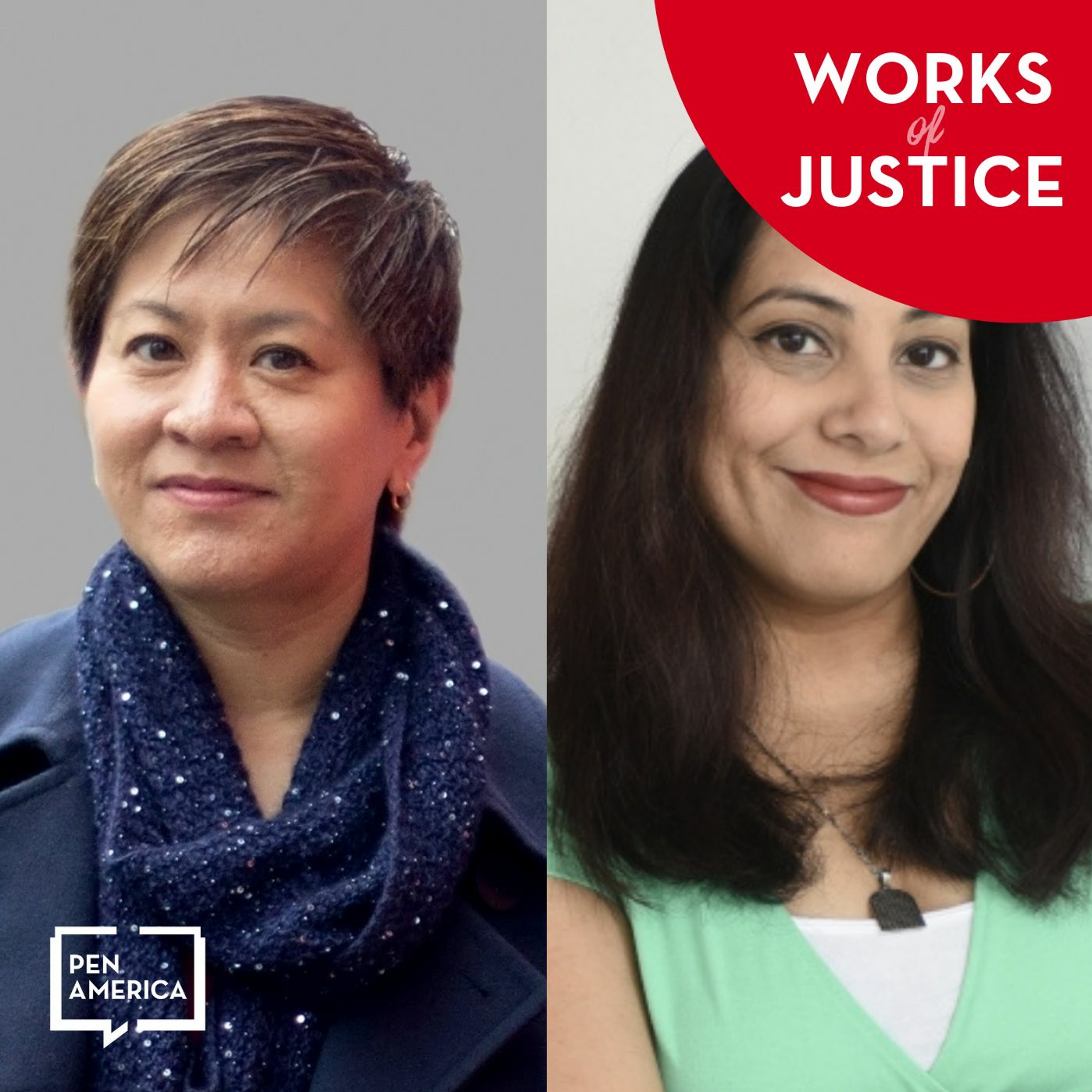
Works of Justice 120 - Yukari Kane & Shaheen Pasha
May 17, 202100:40:35Tap to summarizeTo learn more about the importance of prison journalism and the challenges of reporting from behind bars during the COVID-19 pandemic, we spoke with Yukari Kane and Shaheen Pasha, co-founders and -executive directors of the Prison Journalism Project. In this episode, Kane and Pasha discuss the power of teaching journalism behind bars, particularly during a pandemic; the importance of integrating prison journalism into not only the larger field of journalism, but also broader conversations around criminal justice reform; the nuance of defining the genre of “prison journalism”; and the challenges of fact-checking, verification, and credibility in a space with limited access to the internet and outside sources. This podcast episode was written, hosted, and produced by Frances Keohane, with help from Caits Meissner and Robert Pollock.
Transcribe →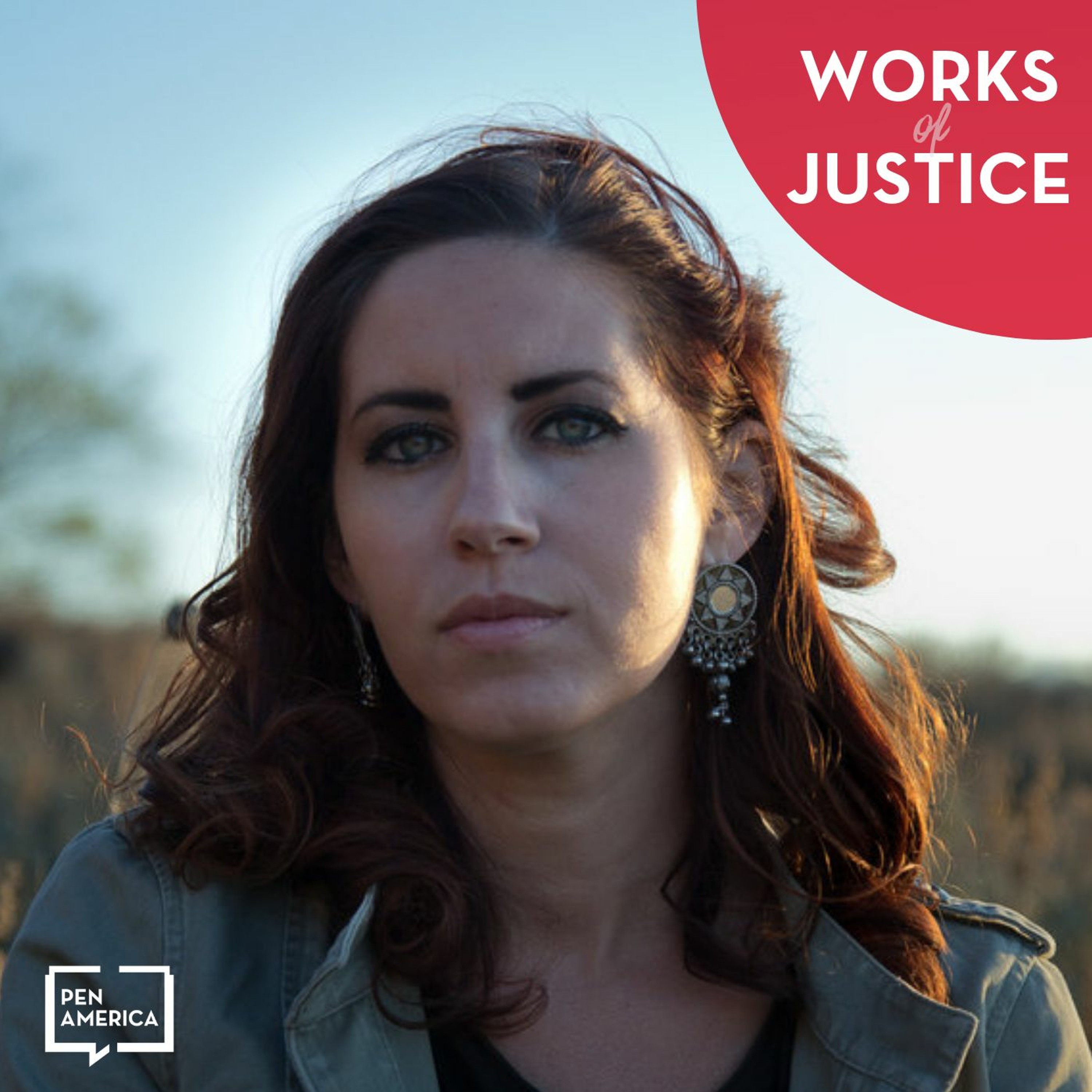
Works of Justice 119 - Erika Cohn
Mar 29, 202100:34:59Tap to summarizeIn this Works of Justice episode, we had the pleasure of speaking with Erika Cohn, Peabody and Emmy Award-winning director and producer. Her newest documentary, "Belly of the Beast," exposes modern-day eugenics and reproductive injustice in California women's prisons. This moving and informative interview followed a private screening of the film for our Prison Writing Mentor community. Erika and Mery Concepción, Prison and Justice Writing Volunteer Coordinator, spoke about the implications of forced sterilization behind bars, how incarceration is itself a tool for eugenics and population control, and the challenges of defining consent in a space characterized by its lack of autonomy. They also discussed what it means to produce a trauma-informed film, and how to navigate and think creatively about obstacles presented by censorship and lack of access to information. This podcast episode was written and hosted by Mery Concepción and produced by Frances Keohane, with help from Caits Meissner and Robert Pollock.
Transcribe →
Works of Justice 118 - Bruce Western
Mar 9, 202100:28:17Tap to summarizeIn this Works of Justice episode, we had the pleasure of speaking with Dr. Bruce Western, a professor of Sociology and Social Justice and codirector of the Justice Lab at Columbia University. A leader in the field of criminal justice reform, Dr. Western has conducted extensive research on various issues within mass incarceration, including reentry, the effects of fines and fees, solitary confinement, and more. During the pandemic, he has worked alongside other experts in publishing the report "Decarcerating Correctional Facilities during COVID-19", as well as the whitepaper "Recommendations for Prioritization and Distribution of COVID-19 Vaccine in Prisons and Jails". In this episode, Dr. Western discussed decarceration strategies that could improve public health outcomes for all, challenges with vaccine distribution inside correctional facilities, and the importance of harboring compassion and empathy particularly in times of crisis. Hosted and produced by Nicolette Natale with support from Frances Keohane, Caits Meissner, Robert Pollock
Transcribe →
Works of Justice 117 - Maurice Chammah
Feb 9, 202100:42:56Tap to summarizeIn this episode of our Works of Justice series, we had the pleasure of speaking with Maurice Chammah, a journalist and staff writer at The Marshall Project whose reporting on the criminal justice system has been published by The New Yorker, The New York Times, The Atlantic, Esquire, and Mother Jones, among others. His first book, Let the Lord Sort Them, was just released. Haunting and absorbing, Let the Lord Sort Them traces the rise and fall of the death penalty in the United States by focusing on Texas as a microcosm of our country's preoccupation with capital punishment. In this interview, in addition to sharing his professional and writing trajectories through and beyond the book, Maurice spoke in depth about his experience as a Writing for Justice mentor for Fellow Thomas Bartlett Whitaker, and about how his relationship with Thomas impacted his own work. Hosted by Frances Keohane Researched, written and produced by Frances Keohane with guidance from Caits Meissner, Robert Pollock, and Stephen Fee
Transcribe →
Works of Justice 116 - Dunasha Payne
Nov 10, 202000:40:18Tap to summarizeIn Part II of our Family Through The Walls series, we meet Dunasha Payne through an intimate and moving conversation about parenting behind bars. Dunasha is an alumna of Rehabilitation Through The Arts, which provides extensive arts access behind the walls of six New York State correctional facilities. There, she proved herself a talented writer, actor, and singer. She is now the Program Coordinator of the Young Women’s Initiative at Drama Club, a non-profit organization that provides theater programming and mentorship to young, justice-involved individuals in New York City. In her current work, Dunasha pulls from her intersecting experiences—as a justice-involved woman, as a mother, and in the arts—to mentor and connect meaningfully with the young people she teaches. Hosted by Caits Meissner Researched and written by Frances Keohane and Nicolette Natale with guidance from Robert Pollock
Transcribe →
Works of Justice 115 - Ebony Underwood
Nov 10, 202000:38:01Tap to summarizeFounder and CEO of WE GOT US NOW, a nonprofit advocacy organization that amplifies the stories of and challenges faced by children and young adults with incarcerated parents, Ebony Underwood is a leader in the fight to expand awareness of and rights for the millions who have experienced parental incarceration. In this podcast episode, Underwood speaks intimately and powerfully about her dad’s incarceration and its effects on her various and intersecting identities: advocate, social entrepreneur, actionist, daughter, and writer. She also details the impact of COVID-19 on the recent efforts of WE GOT US NOW. Hosted and produced by Nicolette Natale with support from Frances Keohane, Caits Meissner, and Robert Pollock
Transcribe →
Works of Justice 114 - Kaveh Akbar
Nov 10, 202000:17:08Tap to summarizeIn this mini-Works of Justice episode, we spoke with celebrated poet Kaveh Akbar, who will be performing Terry Hedin's poem "El Reno" in our "Break Out" Event on November 17th. Terry's piece won Third Place this year in PEN America's Prison Writing Contest. Kaveh spoke honestly and poetically about the privilege and responsibility of holding another person's writing in one's own mouth, and about the importance of poetry as a tool for empathy and connection—especially in our time of unprecedented isolation and increased threats to free speech. Hosted and produced by Frances Keohane with support from Caits Meissner and Robert Pollock
Transcribe →
Works Of Justice 113 - Lucy Lang
Oct 20, 202000:25:55Tap to summarizeTo learn about how local officials within the criminal justice system can be actors—if unlikely ones—in expanding the rights of justice-involved individuals, we spoke to Lucy Lang. The former director of John Jay’s Institute for Innovation in Prosecution and a candidate in the race for Manhattan district attorney, Lang has a reputation for being a leader in reform. In this episode, she helps us understand the scope and significance of the district attorney’s work—particularly in the era of COVID-19, when the leadership of criminal justice officials is paramount in ensuring the safety of individuals behind bars and of their communities on the outside. In doing so, Lang reminds us of the importance of voting in local elections. Echoing our own mission at PEN America, Lang also speaks about the intersection of public policy and writing: how storytelling can be a tool for advocacy and empowerment. Hosted and produced by Nicolette Natale with support from Frances Keohane and Robert Pollock
Transcribe →
Works of Justice 112 - The Lucas Brothers
Aug 25, 202000:33:05Tap to summarizeListen to The Lucas Brothers(Netflix/On Drugs, FOX/Lucas Bros Moving Co, 22 Jump Street), Keith and Kenny, two of the freshest, most dynamic faces in comedy and leaders in exposing the insidious nature of our criminal justice system. The brothers peak about their lives and engage in a Q&A with young people from POPS (Pain of the Prison System) the Club and other organizations across the country who support our underserved youth. Intro by Nicolette Natale Hosted by Robert Pollock Video at http://bit.ly/popslucasbros Read the Lucas Bros Vulture Essay at https://www.vulture.com/article/our-brother-kaizen.html
Transcribe →