Podcast
POOP 911
Hosted by POOP 911 · EN
Our highly trained and professional staff are able to provide weekly or bi-weekly service. Your service is completely customizable, to fit your family and pet's needs. We only charge after each service is provided. Call 1-877-POOP-911 (1-877-766-7911) today to enjoy a hassle-free clean yard. Our service is guaranteed. If you are not happy with your service your next cleaning is on us.
10episodes
Episodes
Newest firstAll episodes
How to Keep Your Dog Calm During New Year's Celebrations
Dec 21, 202400:02:58Tap to summarizeIt’s time to ring in the New Year with parties, and for some, that includes sparklers, fireworks, rockets, and loud music. All the activity might not be so much fun for your dog, and knowing how to keep them calm during a New Year’s celebration will reduce the stress level for you both.Safe SpaceSome dogs are more sensitive to loud noise and can easily get anxious or overwhelmed. Keeping your dog calm during the New Year celebration could mean letting them crawl under the sofa or bed or retreat to their crate. Bring their toys and favorite blankets for added security. Ensure you are close by for support because they might need the added comfort of human company.Dog-Friendly ActivitiesAnother way to keep your dog calm during New Year’s Eve celebrations is by taking them for walks during the day, giving them lots of activities, and doing anything else they enjoy that will also tire them out. It’s a preventive measure that can go a long way. Physical exercise like walks, playing fetch, and games are also important for relieving the body and mind of anxiety, just like humans!Wrap Them UpAnit-stress jackets or half-wrap bandage techniques are a great way to calm your dog down during New Year’s Eve celebrations. Calming or thunder shirts are proven to have a calming effect on animals by exerting continuous and gentle pressure on the dog’s ribcage in much the same manner as a dog half-wrap bandage does. By putting pressure on the animal’s body and simulating a hug, the bandage calms the dog and relieves stress. Of course, you could always be the hug they need, too!Change the FocusDogs love treats and attention, and some even have favorite TV shows. Please keep your dog calm during New Year’s Eve celebrations by distracting them with their favorite activities. Interactive mats, puzzles, and maybe even a new toy! Try to keep their focus on what you’re doing and want them to do to keep their attention away from the noise from fireworks, people, and loud parties.When wanting to keep your dog calm during New Year’s Eve celebrations, the biggest thing is understanding their fear and executing prevention methods. Pay attention to your dog’s behavior and observe for any signs of nervousness. If your furry friend seems incredibly upset or stressed, try offering additional comfort to reassure them. We can help our canine buddies manage with fireworks and other loud noises and have a more relaxed New Year’s Eve celebration.
Transcribe →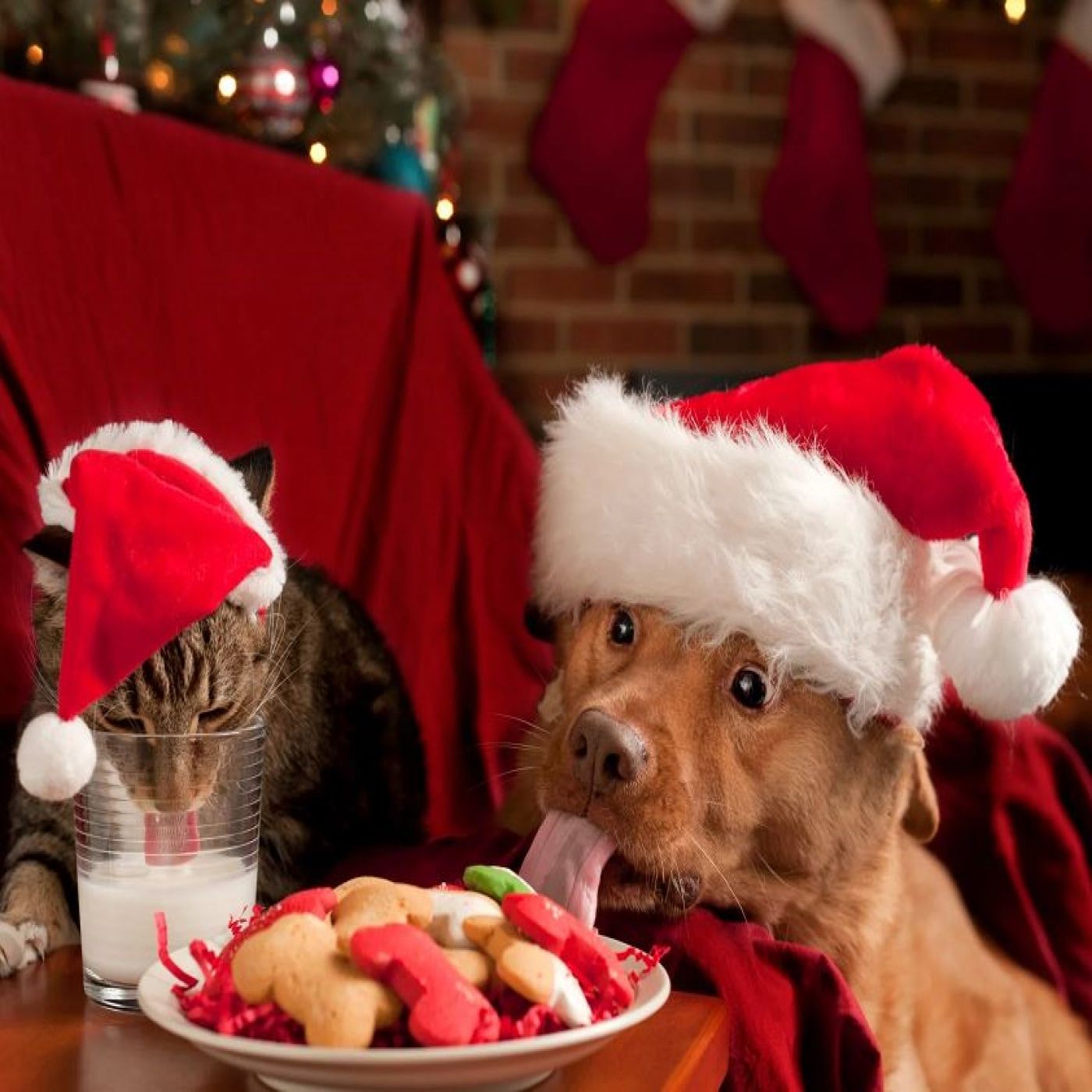
Fun Ways To Include Your Dog At Christmas Parties
Nov 30, 202400:02:58Tap to summarizeDogs are a big part of the family, but around the Holidays, there are many people to see and parties to hold, and it might be hard to find fun ways to include your dog at Christmas parties. Your furry friends like to get in on the action, too, so make a few plans to include them in the fun.Dog-Safe Holiday TreatsA great way to include your dog at Christmas parties is to make them special dog-safe holiday treats. You are probably already making cookies and snacks for your party guests, so why not make your pup feel as special as the occasion with a batch of doggie treats? They already sense the extra energy, excitement, and love, so make sure they’re included in the holiday magic with a bowl of goodies just for them.Dog-Friendly ActivitiesTo prevent your pup from getting bored due to a lack of attention from the guests, give them something to do! Interactive toys can hold even an active dog’s attention for a while so that you can attend to friends and family. If any guests are children, ask them to toss your dog’s favorite toy around in a separate room or outside. Your pup will feel loved and get tired at the same time. A tired doggie is a good doggie!Reward Behaved AttentionDogs love any attention and will do what it takes to receive the attention they enjoy most. Of course, your pup will want to visit with the guests. Leave the bowl of Holiday Treats you’ve made within easy access so that when your pup behaves, your guests can offer a treat and a pat on the head. Your fur baby will adore the attention of everyone and, after getting a ‘good dog’ accolade from everyone, might decide to lie aside and take in all the activity quietly.Keep your Dog SafeYour guests must know what’s allowed and not allowed with your dog. For example, if your dog is not allowed on the furniture, ask the guests not to give in when your dog is begging to get up. Ensure all guests know the only treats your pup can have are those in the Dog-Friendly Holiday Treat Bowl. And, ensure that your dog is not allowed out the door unless you are made aware that someone offered to walk them, play with them, or take a break from the hubbub with them. It’s a safe and fun way to include your dog at Christmas parties! It’s easy to devise fun ways to include your dog at Christmas parties. You know your dog best, how they react to a room full of people, and whether or not they’ll be the life of the party or a naughty doggie. Toys, treats, and lots of love go a long way when you’re a dog who wants to party!
Transcribe →
Why I Became A Pooper Scooper
May 25, 202400:04:00Tap to summarizeIn the grand tapestry of career choices, few threads weave as uniquely as the profession of a pooper scooper service specialist. Why I Became A Pooper ScooperMy journey into the world of dog poop removal wasn’t a product of childhood dreams or a sudden epiphany under a starlit sky. It was more of a gradual realization, like the slow simmer of a pot on a stove. As a result, each day, whether walking in my backyard or through the park, the sight and smell of dog pop piled up painted a picture of a common need. Consequently, like any unnoticed artwork, it took a discerning eye to see the potential.The RevelationYou see, poop scooper is more than a job title; every scoop represents a small step towards a cleaner, more hygienic yard or park. The task, while seemingly Sisyphean, carries a sense of pride. As an example, each nugget of pet waste removed is akin to plucking a thorn from the Earth’s tender side.The CraftAnd oh, the craft! It’s not simply bending and scooping. It’s science meets finesse, a technique honed over time. In addition, it’s about understanding the nuances of different breeds, the dietary impacts on consistency, and the seasonal variations in poop composition. Above all, this job demands a comprehensive knowledge rivaling the best of sommeliers, but for pet poop.The Tools of TradeLet’s talk equipment. A poop scooper is to a pooper scooper specialist what Excalibur was to King Arthur. It’s not just about finding the right tool; it’s about finding the perfect extension of one’s arm. Long handle or short? Plastic or metal? Bagged or unbagged? These are the questions that define our trade.The Social ElementThe social aspect of the job is as rich as the soil after a good composting. However, Dog walkers, curious toddlers, and park regulars – all become part of your daily landscape. An unspoken bond forms when you’re the guardian of the park’s cleanliness. You’re not just a pooper scooper; you’re a silent hero in gloves and a POOP 911 cap.The Business SideLet’s not forget the entrepreneurial spirit that drives a pooper scooper service. For instance, it’s not just about cleaning; it’s about making a difference in people’s lives, freeing up their time while cleaning up their backyard. It’s about customer relationships and building a brand. In other words, you’re not just cleaning up the poop; you’re enterprising peace of mind, extra time to spend with family and friends, and a poop-free lawn for impromptu picnics.The Unexpected RewardsFinally, the job’s rewards are more than just financial. The work has a meditative quality, a rhythm that becomes almost therapeutic. After that, it’s a time to reflect, be one with nature, and ponder the more profound life questions.ConclusionMy journey as a pooper scooper service provider is more than a career path. Most importantly, it’s a commitment to the idea that if the home is where the heart is, a backyard is where the fun is, where families and friends can spend quality time together in the backyard, footloose and worry-free.
Transcribe →
Things Dogs Can't Eat Off Your Plate At Thanksgiving
Nov 18, 202300:03:04Tap to summarizeNo description available
Transcribe →
Should I Put A Sweater On My Dog.
Nov 11, 202300:03:13Tap to summarizeNo description available
Transcribe →
Why Are Dog Owners Happier People?
Nov 4, 202300:04:13Tap to summarizeThere’s an undeniable bond between humans and dogs, which is why they have long been considered “man’s best friend.” Unsurprisingly, numerous studies have suggested that dog owners tend to be happier and more content than their non-dog-owning counterparts. So, how can adopting a dog lead to increased happiness and overall well-being? Here are a few reasons below.Unconditional Love: One of the best things about being a pet parent is the unconditional love and companionship they provide. Dogs are loyal and affectionate creatures, forming deep bonds with their owners. This unwavering devotion can be a source of comfort and security, helping to alleviate feelings of loneliness and isolation. The companionship of a dog can be particularly meaningful for individuals who live alone or struggle with forming connections with others, providing a constant presence and a sense of belonging.Physical Health: Dog owners enjoy better physical health due to the exercise and outdoor activities of caring for their canine companions. Regular walks and play sessions are essential for a dog’s well-being and provide ample opportunities for its owners to stay active and maintain a healthy lifestyle. Engaging in physical activities with a dog can lead to improved cardiovascular health, increased stamina, and better weight management, all of which enhance overall happiness.Mental Health: Petting a dog has been proven to lower stress levels and induce relaxation. Research has shown that interacting with dogs can decrease cortisol and increase oxytocin, hormones associated with stress and relaxation. Additionally, dogs’ innate ability to sense human emotions provides comfort and support during anxiety or distress. This emotional connection can help dog owners navigate stressful situations with greater ease and resilience, resulting in a happier and more balanced life.Social Connections: Dog owners often experience increased social interactions, as caring for a dog can create numerous opportunities to meet and connect with others. Whether at the dog park, a pet-friendly cafe, or a neighborhood stroll, dog owners are likelier to converse with fellow pet owners and forge new friendships. This sense of community and social connection can improve mental health and overall well-being.Purpose: Caring for a dog gives owners a sense of purpose and responsibility. Their canine companions rely on them for their basic needs, such as food, shelter, exercise, and companionship. This responsibility can positively impact an individual’s mental health and self-esteem, giving them a sense of accomplishment and fulfillment. Additionally, the routine and structure that come with dog ownership can benefit individuals struggling with depression or anxiety, providing stability and predictability in their daily lives.Enhanced Happiness and Wellbeing: Dog owners tend to be happier for various reasons, including their pets’ unconditional love and companionship, the physical and mental health benefits associated with dog ownership, and the enhanced social connections from being part of a pet-loving community.Moreover, the sense of purpose and responsibility of caring for a canine companion can contribute to an overall sense of fulfillment and contentment. While owning a dog is not a guarantee for happiness, it is clear that the unique bond between humans and dogs can play a significant role in enhancing one’s well-being and overall quality of life.
Transcribe →
Dog Poop In Fall Leaves
Oct 28, 202300:02:53Tap to summarizeUh oh, you’ve found dog poop in fall leaves!Fall is the best time of year for many, including dogs, who don’t care if they poop on the leaves, hide their presents under the leaves, or if you can find the poop piles or not. If you’re not looking for poop under the leaves, your yard could become a stinky mess.Dog Poop is DangerousMuch to the surprise of many, dog doo is not a fertilizer but a pollutant that can get washed away and enter the surrounding environment, including watercourses such as streams and rivers, and can impact wildlife, plant growth, and human health. While pet owners responsibly scoop the poop they can spot on the lawn, the dog poop in fall leaves is often disguised, not found, and un-scooped. Dog Poop Hide and SeekIn the fall, the maple trees, oaks, crabapples, and other deciduous trees drop their leaves, seemingly plotting to cover the ground with shades of brown. The result: you can easily lose sight of the poop piles so cleverly camouflaged in and under the leaves. It’s not fun to walk through a leaf-covered yard only to step into a pile of mush or have your kids come back indoors after playing in the leaves and finding Fido’s hidden treasures! Dog poop hide and seek is not a fun game. The best way to alleviate mishaps when the leaves fall is to pick up the poop regularly, rake the leaves often, and keep the yard poop-free!Poop-Free for EveryoneIf you have a furry friend, you know how quickly your lawn can become littered with dog waste landmines. It’s good practice to clear the yard of poop piles regularly so your outdoor space is pleasant and usable. Your dogs will appreciate the clean and poop-free stomping grounds they love to play fetch, roll around, and lay in the warm autumn sun. Some dogs instinctively hide their poop under the leaves to cover their tracks so other animals won’t know they’ve been there. Sometimes life gets busy and cleaning up after your doggo is easier said than done.If you need assistance keeping up with the poop piles and the leaves in your yard, POOP 911 is the dog poop pollution solution every pet owner can use. Contact your local professionals today for a first free cleanup!
Transcribe →
How To Train Your Senior Dog
Oct 14, 202300:03:56Tap to summarizeYes, you can teach a senior dog new tricks! You can train your senior dog with patience, consistency, love, and treats. Whether you’ve adopted or rescued an older pup who might not have been taught much as a youngster, or you’ve had your furry friend since puppyhood and want to reinforce some training that got put by the wayside, you can teach any aged dog to respond to your commands.How to train your senior dog depends on a few scenarios. Are there other dogs in the home from which the old girl or boy can pick up clues? Having other pups in the house that already know the basic commands, like sit, stay, down, leave it, etc., greatly assists the new family member in learning what is acceptable. If no other pets are present, there are still ways to train your senior dog. Know Your Senior DogDogs are lifelong learners; generally, they love to please their owners and receive attention. Training your senior dog takes time and patience on your part. It helps to know their background and their past living arrangements, too. Focus on learning and understanding your dog’s characteristics, how they respond to you, and how they accept treats, and watch for subtle signs that your senior pup is trying to tell you something or let you know they need something. It’s much the same as getting a new puppy. Everything is new to both of you, and training a senior dog is no different.Benefits of Training a Senior DogFirst, find out what they already know. Training is super important for an adult dog with no training or manners, like jumping, barking excessively, peeing in the house, and chewing on items other than toys. Be consistent, too. The more you work with your new friend, the better for their mental well-being, keeping them stimulated and interested in what you’re doing and expecting from them. You’ll get a great response from a senior dog who is engaged.Stay on a ScheduleWhether you are home all day or not, pick a time to spend 30 minutes or longer to train your senior dog. Routine is key to getting results; soon enough, your new adult fur kid will look forward to and expect the interaction. Remember always to have your treats ready to reward good behavior!Keep Things PositiveYou’ll get far when positivity is part of how you train your senior dog. Food is gold to a dog, so grab some treats and start with the basics. If your newly adopted senior dog responds appropriately, good for you and them! Pay attention to your pup’s bathroom habits and for any cues they might use to let you know they need to go outside. Never reprimand your dog for making a mistake, but instead, reward and praise them each time they use the outdoors for their potty business, stay on command, and sit when asked to, even if it’s only once a day in the beginning. Positive equals results in the end.Already Knows Basic CommandsTraining your senior dog can be even more fun if your newly adopted older dog already knows the basics. Start with reinforcing those basic commands, and then up the ante. It will be fun for your senior dog to learn something new and please you. Find some brain challenge games like hide and seek with toys and treats, or teach them to bring you various items. You can teach an older dog new tricks. Patience, time, and understanding are needed, and your senior dog will live out their last years happy and healthy.
Transcribe →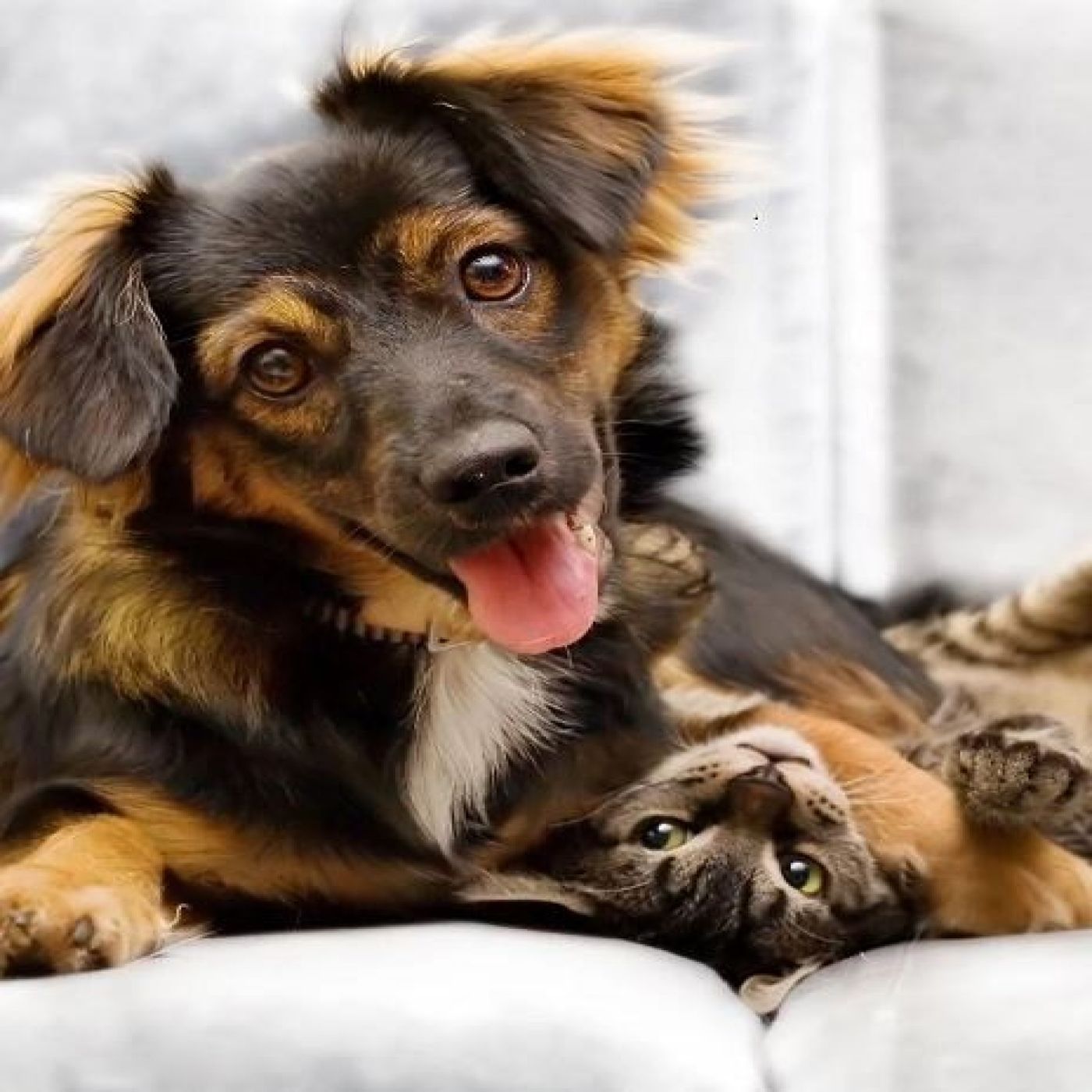
How to Introduce Your New Cat To Your Dog
Sep 23, 202300:04:13Tap to summarizeKnowing how to introduce your new cat to your dog is important. Dogs have gotten a bad rap as being enemies of cats. This doesn’t have to be true if proper preparations, precautions, steps, and dog training are taken before and during the first meet and greet between the cat and your pup.Preparations and PrecautionsWhen you first bring your new cat home, ensure the dog is secured in a room where the new cat won’t see them. There will be enough going on with the trip home, new smells, and sounds, so you want the new cat to be as comfortable as possible with its new surroundings from the start. You should have already chosen a room where the cat can remain separated from the new dog for a few days, maybe longer, depending on the receptiveness of both pets. Make sure to spend lots of time with the cat, allowing both pets to explore the new pet scents on you and your clothing.Start with a closed-door room so the pets can still smell each other without being face to face. When you feel it’s the right time, open the door; however, secure a gate in the doorway. This step is important and a great way to introduce your new cat to your dog without possibly being frightened by this new creature in its new home. Supervise the interactions, and when the over-curiosity subsides, and the two pets seem comfortable with each other’s presence, it’s time for a tour of the home for the new cat.Next StepsBeing aware of how and when to introduce your new cat to your dog is important. When your dog is outside doing doggie things or being taken for a walk, take your cat into the home’s living area. You can carry them around or let them explore without the dog in the house. They will instinctively locate some good hiding places when they might feel scared about loud noises, the dog barking, etc. Be sure to hold the cat when the dog returns to the house. Keep your dog on a leash for this first face-to-face interaction. Remember that kittens are more receptive to other animals or pets than an older cat or one that’s never shared a home with a dog. Give this introduction a little time, then return the cat to its safe place. Do this a few times every day for a few more days when introducing your new cat to your dog.Once you are certain both pets are used to each other, let the dog off the leash and allow the cat to explore. You must supervise closely, as dogs tend to chase and want to play with cats instinctively, and cats usually become afraid and defensive. If more time is needed for uneventful interactions and sharing space peacefully, continue to put the cat behind the gate and allow face-to-face meetings periodically and daily until you feel they are safe to roam without your presence.Training Your Dog Before Getting a New CatAnother important step to consider is proper puppy training before you introduce your new cat to your dog. Once they have been introduced, your dog must be taught that chasing or being rough with a cat is inappropriate behavior and be guided toward what is appropriate. Reward good behaviors in return for a treat. If your dog is always punished when your cat is around and never has “good things” happen in the cat’s presence, your dog may redirect aggression toward the cat. Most cats and dogs learn to live together, play with each other, share food, and even sleep side by side. Some learn to tolerate each other and keep their distance. However, how your new cat and dog choose to live with each other is up to them. Your job is to know how to introduce your new cat to your dog in a way that fosters a comfortable and harmonious household!
Transcribe →
How to Train a Stubborn Puppy
Sep 16, 202300:03:46Tap to summarizeWant to learn how to train a stubborn puppy?Patience, consistency, exercise, and many treats can go a long way in your successful efforts and your puppy’s happiness!Create a RoutinePuppies respond to consistency and habit and want to make you happy. Setting your puppy up for success by setting clear expectations includes establishing a daily routine that meets your new fur baby’s needs, including walks and exercise, socializing with other people and pets, playing, training, feeding, sleeping, and fitting it all into your lifestyle. Lack of motivation in a puppy plays a big factor in stubbornness, and when sticking to a routine, your fur baby will look forward to the interaction and fun, even if the pattern is set at their pace.Lots of Positive ReinforcementPositive reinforcement is one of the most effective ways to promote desirable behavior, and it doesn’t always have to be in the form of food. Lots of things count as ‘treats’ to a puppy – a big hurray, lots of smiles, toys, and attention go a long way when your puppy performs according to your wishes. Remember, positive means adding something, and reinforcement means increasing behavior. When your puppy is lying down, give the treat and say the word or phrase you choose for the action. When your puppy is sitting, do the same. Even when you’re puppy isn’t barking or playing with a toy, you can reinforce the positive behavior. Choose a word for each behavior, good and bad, and remember consistency on your part. Over time, your puppy will learn to understand the word or phrase, behave accordingly, and expect whatever positive reinforcement you choose.Distraction MethodSometimes a stubborn puppy can be easily distracted by a different activity. If you see your puppy start chewing on the furniture, get their attention with a toy. When they stop the bad behavior, say “good puppy!” Distraction can work in your favor to teach the stubborn puppy not to engage in unwanted behavior. If your puppy tends to chase squirrels or other backyard critters, you want to teach them to look at you and come to you, whatever the ‘distraction‘ is. The distraction method could save your puppy’s life or from serious injury if they are ever off-leash in public or get out of the yard. With time and patience, your puppy will decide that you and the distraction are much more fun than being stubborn and getting into trouble!Family MattersEveryone in the family must be on the same page when training a stubborn puppy. All family members need to be taught the same words and phrases that will be used, your methods for positive reinforcement and distraction, and stick to them! Sometimes being stubborn is a sign of confusion, and if the puppy gets a different direction from other family members, your puppy won’t have a chance for success! Additionally, everything you teach your puppy, the words, phrases, and positive reinforcement methods, should be continued through adulthood. Once you’ve changed the thoughts of a stubborn puppy, try new things to keep your growing puppy interested and ready to behave as you wish!
Transcribe →