Podcast
Population Healthy
Hosted by Michigan Public Health · EN
Population Healthy digs into important public health topics that impact our everyday lives. Produced by the University of Michigan School of Public Health, the show brings together experts to discuss population health issues from a variety of perspectives, from the microscopic to the macroeconomic, the social to the environmental, and explore the factors that affect the health of all of us, at a population level.
18episodes
Episodes
Newest firstAll episodes

Sustaining the public health workforce: Student debt, service, and solutions
2w ago00:48:51Tap to summarizeHost Laura Power, Director of Public Health Practice and Global Engagement at the University of Michigan School of Public Health, talks with Brian Castrucci and JP Leider about their new study on student loan debt in the public health workforce. They dig into what the debt burden means for governmental public health workers, what's at risk if the workforce can't keep up, and what policies could help ease debt and strengthen the pipeline into the field.Guests:Brian Castrucci, President and CEO, de Beaumont FoundationJP Leider, Director, Center for Public Health Systems, University of Minnesota School of Public Health-----Learn more about the University of Michigan School of Public Health: publichealth.umich.eduFollow us on social media:Facebook | facebook.com/umichsphInstagram | instagram.com/umichsphLinkedIn | linkedin.com/school/university-of-michigan-school-of-public-healthX | x.com/umichsphYouTube | youtube.com/sphwebDiscover Michigan Public Health's degree programs, sign up for our interest list.
Transcribe →
Building the Future of Maternal, Child and Adolescent Health
4w ago00:16:56Tap to summarizeKendrin Sonneville introduces the new Center of Excellence for Maternal, Child, and Adolescent Health at the University of Michigan School of Public Health. She shares how the Center works to prepare a skilled, equity-focused workforce that is ready to improve outcomes for mothers, children, adolescents, and families, and how building statewide community partnerships helps protect vulnerable people at vulnerable times.------KENDRIN SONNEVILLE is an associate professor and associate chair of Nutritional Sciences, and the director for the Center of Excellence for Maternal, Child, and Adolescent Health, University of Michigan School of Public Health-----Learn more about the University of Michigan School of Public Health: publichealth.umich.eduFollow us on social media:Facebook | facebook.com/umichsphInstagram | instagram.com/umichsphLinkedIn | linkedin.com/school/university-of-michigan-school-of-public-healthX | x.com/umichsphYouTube | youtube.com/sphwebDiscover Michigan Public Health's degree programs, sign up for our interest list.
Transcribe →
Writing Public Health for the Public: Stories That Change Minds
May 2600:33:29Tap to summarizeUniversity of Michigan School of Public Health faculty William Lopez and Paul Fleming have a candid conversation about their recently published books and what it means to communicate public health in an era of mistrust and misinformation. They explore how books can be a powerful way to share public health ideas beyond academia, offering space for storytelling, context, and connection.They also discuss the challenges of writing for public audiences, including ethical storytelling and translating evidence into clear language. Their conversation highlights lessons for students and practitioners, and why public health communication matters now more than ever.Links to the work discussed in this episode:Imagine Doing Better: Why Policies Backfire and How Prevention Thinking Can Change Everything by Paul FlemingRaiding the Heartland: An American Story of Deportation and Resistance by William LopezSeparated: Family and Community in the Aftermath of an Immigration Raid by William LopezMeet the Speakers:William LopezPaul Fleming-----Learn more about the University of Michigan School of Public Health: publichealth.umich.eduFollow us on social media:Facebook | facebook.com/umichsphInstagram | instagram.com/umichsphLinkedIn | linkedin.com/school/university-of-michigan-school-of-public-healthX | x.com/umichsphYouTube | youtube.com/sphwebDiscover Michigan Public Health's degree programs, sign up for our interest list.
Transcribe →
School Safety Drills and Student Well-Being: What the Research Shows
Apr 2100:19:09Tap to summarize(00:00:00) School Safety Drills and Student Well-Being: What the Research Shows (00:02:17) What Are School Safety Drills and Why Do We Have Them? (00:04:40) Effectiveness & Impact of Drills (00:07:17) The Problem with a One-Size-Fits-All Approach (00:09:34) Short and Long-Term Health Impacts of Safety Drills (00:12:18) Improving Practice: What Works and What Needs Reform (00:15:58) Looking Forward: Policy, Practice, and Student Well-being Active shooter drills are now a routine part of school life in the United States, but what does the research actually say about their impact on students and school communities?University of Michigan public health researcherJustin Heinzebreaks down what we know about school safety drills: how they vary across districts, their intended goals, and the unintended mental health, psychological and emotional consequences they can have on school communities. Heinze also shared emerging best practices for schools looking to balance school safety preparedness with student well-being — and what policymakers, educators, and parents should know.-----Learn more about the University of Michigan School of Public Health: publichealth.umich.eduFollow us on social media:Facebook | facebook.com/umichsphInstagram | instagram.com/umichsphLinkedIn | linkedin.com/school/university-of-michigan-school-of-public-healthX | x.com/umichsphYouTube | youtube.com/sphwebDiscover Michigan Public Health's degree programs, sign up for our interest list.
Transcribe →
How Medicaid Policy Shapes the Future of Rural Communities
Mar 2400:13:56Tap to summarizeHealth policy researcher Michael Shepherd explores the importance of Medicaid in rural communities—not only for those who directly receive benefits, but for everyone who counts on having a local clinic, mental health provider, or hospital. Shepherd explains what major changes to Medicaid could mean for rural communities, and how every policy shift can have profound consequences for families, local economies, and entire regions.-----Learn more about the University of Michigan School of Public Health: publichealth.umich.eduFollow us on social media:Facebook | facebook.com/umichsphInstagram | instagram.com/umichsphLinkedIn | linkedin.com/school/university-of-michigan-school-of-public-healthX | x.com/umichsphYouTube | youtube.com/sphwebDiscover Michigan Public Health's degree programs, sign up for our interest list.
Transcribe →
Preventing Intimate Partner Homicide with Red Flag Laws
Feb 2400:13:24Tap to summarizeOver half of all female homicide victims in the United States are killed with a gun, most often by an intimate partner. In this episode, University of Michigan School of Public Health researcher April Zeoli explores how firearm policy—specifically red flag laws and firearm restrictions as part of domestic violence protective orders—can play a crucial role in preventing domestic violence tragedies, particularly intimate partner homicide. Zeoli explains Extreme Risk Protection Orders (ERPOs) and Domestic Violence Protective Orders, how they work in practice when it comes to firearm violence prevention, and how proper implementation can make a life-saving difference.-----Learn more about the University of Michigan School of Public Health: publichealth.umich.eduFollow us on social media:Facebook | facebook.com/umichsphInstagram | instagram.com/umichsphLinkedIn | linkedin.com/school/university-of-michigan-school-of-public-healthX | x.com/umichsphYouTube | youtube.com/sphwebDiscover Michigan Public Health's degree programs, sign up for our interest list.
Transcribe →
Vaccine conversations: Tools for building trust
Dec 1600:46:56Tap to summarize(00:00:00) The Online MPH (ad) (00:01:41) Event Welcome & Introductions (00:07:13) Seasonal vaccine safety (00:10:23) Communication about vaccines (00:13:22) Federal message around autism and vaccines (00:20:49) Vaccine trust (00:27:26) Best practices for discussing vaccines (00:33:17) Working together: Public health & communities (00:37:13) Vaccine disparities (00:41:15) Academia's role in building trust Vaccine conversations don't have to be difficult. Whether you're answering questions from relatives, supporting hesitant friends, or simply want to better understand where we are today, this panel discussion helps you navigate the current vaccine landscape and have more productive conversations about vaccines.Recorded in front of a live audience at the University of Michigan School of Public Health, our expert panelists share insights on building trust and understanding when discussing vaccines with family, friends, and community members.-----Learn more about the University of Michigan School of Public Health: publichealth.umich.eduFollow us on social media:Facebook | facebook.com/umichsphInstagram | instagram.com/umichsphLinkedIn | linkedin.com/school/university-of-michigan-school-of-public-healthX | x.com/umichsphYouTube | youtube.com/sphwebDiscover Michigan Public Health's degree programs, sign up for our interest list.
Transcribe →
Commemorating a milestone: The 70th anniversary of the polio vaccine announcement
Apr 12, 202500:35:08Tap to summarizeWelcome to a special live episode of Population Healthy, recorded in front of an enthusiastic audience at the University of Michigan. We mark a historic moment—70 years since the game-changing announcement of the polio vaccine's success on April 12, 1955, right here in Ann Arbor, Michigan, at Rackham Auditorium, led by the groundbreaking work of Thomas Francis, Jr., and Jonas Salk.We invited two renowned experts: Professor Matt Boulton, and Natasha Bagdasarian, Chief Medical Executive for the State of Michigan, to explore the development and impact of the Salk polio vaccine and its ongoing relevance. Join us as we reflect on that pivotal day and the global joy and relief that followed, as polio's devastating effects could finally be curtailed.-----Learn more about the University of Michigan School of Public Health: publichealth.umich.eduFollow us on social media:Facebook | facebook.com/umichsphInstagram | instagram.com/umichsphLinkedIn | linkedin.com/school/university-of-michigan-school-of-public-healthX | x.com/umichsphYouTube | youtube.com/sphwebDiscover Michigan Public Health's degree programs, sign up for our interest list.
Transcribe →
Breaking barriers: Gender, health, and justice for all
Apr 8, 202500:42:16Tap to summarizeIn this episode of Population Healthy, researchers Dr. Sari Reisner and Dr. Daphne Watkins and prosecutor Eli Savit engage in a dynamic discussion on gender and health equity, recorded at the University of Michigan. In a panel discussion moderated by Justin Colacino, associate professor of Environmental Health Sciences at Michigan Public Health, they explore strategies for advancing gender equity amidst a rapidly evolving political landscape, emphasizing interdisciplinary collaboration and community-driven approaches. The conversation highlights the challenges faced by transgender and non-binary communities, systemic inequities in mental health, and legislative policies impacting health outcomes. Listeners will gain valuable insights and practical strategies for advocacy and action from experts in epidemiology, social work, and law. Whether you're a public health professional, a student, or an individual interested in social justice, this episode offers essential perspectives on creating more inclusive and equitable practices.-----Learn more about the University of Michigan School of Public Health: publichealth.umich.eduFollow us on social media:Facebook | facebook.com/umichsphInstagram | instagram.com/umichsphLinkedIn | linkedin.com/school/university-of-michigan-school-of-public-healthX | x.com/umichsphYouTube | youtube.com/sphwebDiscover Michigan Public Health's degree programs, sign up for our interest list.
Transcribe →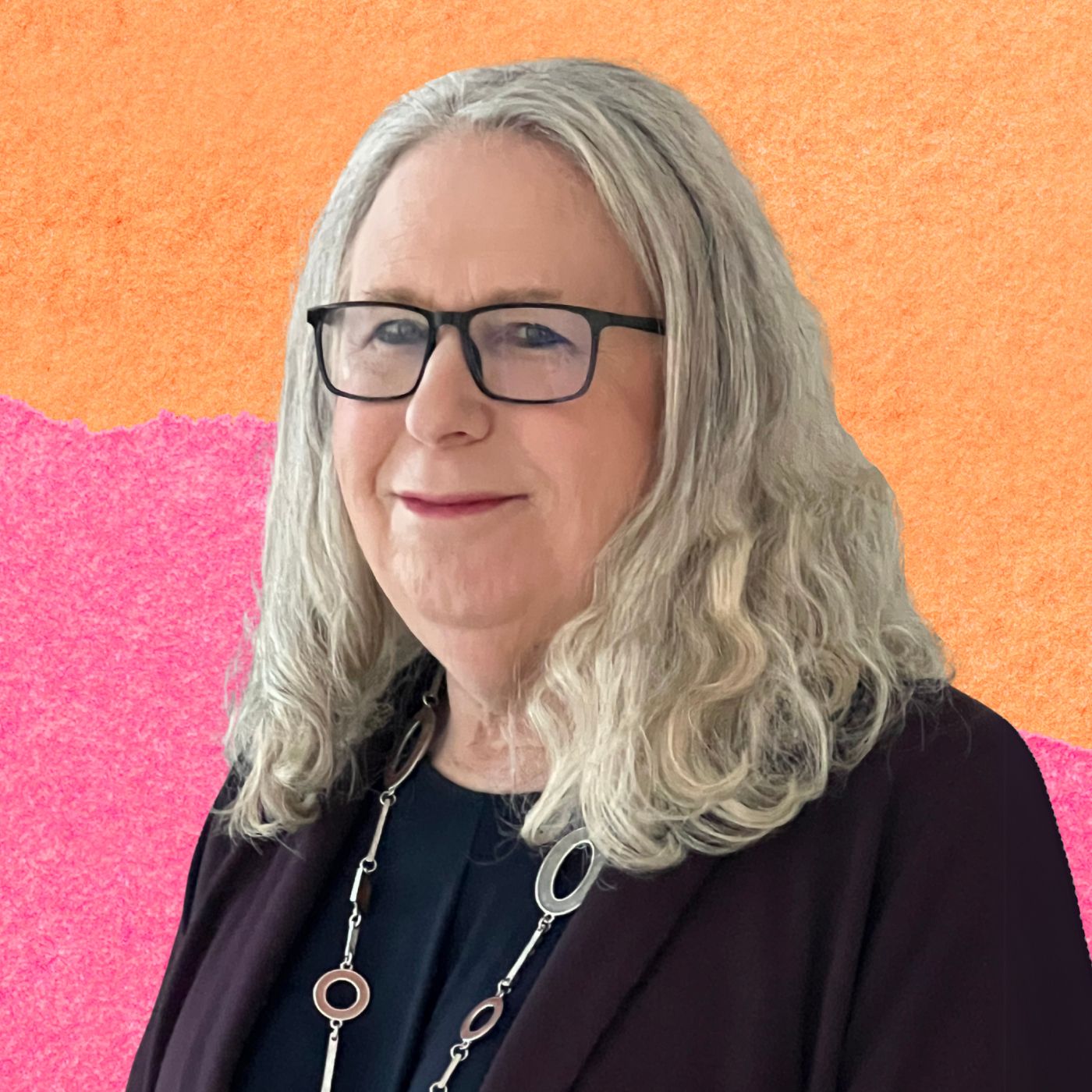
Health equity, leadership, and action: Insights from Dr. Rachel Levine
Mar 25, 202500:31:14Tap to summarizeIn this episode of Population Healthy, we bring you an engaging conversation with Admiral Rachel Levine, MD, USPHS (Ret.), former Assistant Secretary for Health at the US Department of Health and Human Services. Recorded at a recent live event as part of The Exchange: Critical Conversations with Michigan Public Health, Dr. Levine joins Dean F. DuBois Bowman in a conversation about gender and health equity and shares her experience and vision for achieving health equity. She offers an inspiring call to action for public health professionals and advocates, emphasizes the importance of stepping out of comfort zones, and highlights the need for collaboration across political and social divides. The discussion also touches on her leadership journey, strategies for navigating partisanship in public health, and the challenges and opportunities in providing healthcare for transgender individuals. Listen in for a thought-provoking exploration of contemporary health issues and the pathways to health equity.-----Learn more about the University of Michigan School of Public Health: publichealth.umich.eduFollow us on social media:Facebook | facebook.com/umichsphInstagram | instagram.com/umichsphLinkedIn | linkedin.com/school/university-of-michigan-school-of-public-healthX | x.com/umichsphYouTube | youtube.com/sphwebDiscover Michigan Public Health's degree programs, sign up for our interest list.
Transcribe →