Podcast Title: Portraits d’Ébène : histoire des figures noires influentes d’Afrique, des Caraïbes et du monde, explorant culture afro et héritage africain
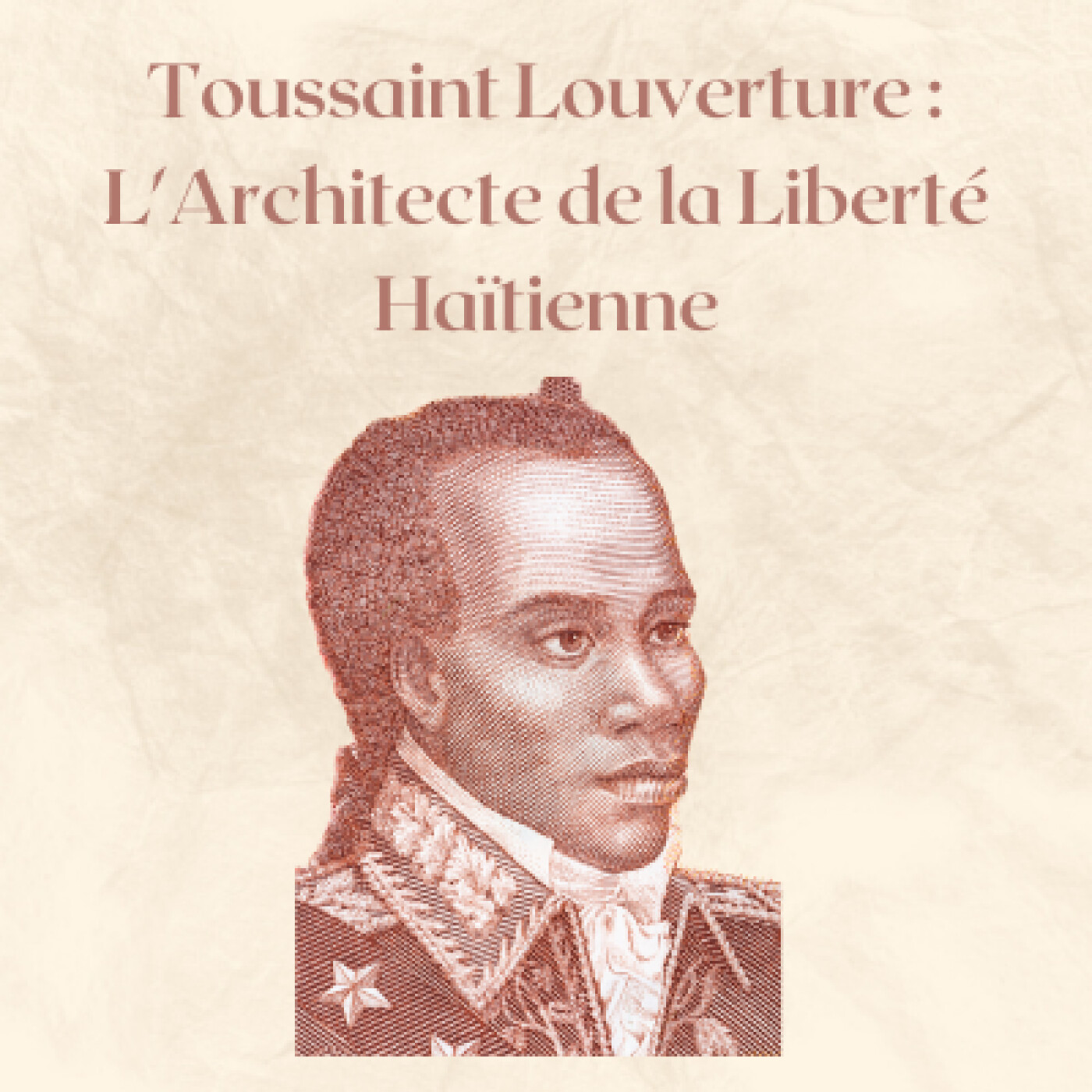
Episode Title: Toussaint Louverture : L'Architecte de la Liberté Haïtienne
Host: Moussa
Release Date: June 26, 2024
Introduction
In this compelling episode of Portraits d’Ébène, host Moussa delves into the life and legacy of Toussaint Louverture, the pivotal leader who orchestrated the Haitian Revolution and laid the groundwork for Haiti's independence. Through meticulous research and engaging storytelling, Moussa paints a detailed portrait of Louverture’s strategic brilliance, political acumen, and unwavering commitment to freedom and equality.
Early Life and Rise to Leadership
Moussa begins by exploring Toussaint Louverture's early life, highlighting his origins as a former slave on the plantation of Bréda in Saint-Domingue (modern-day Haiti). Despite the oppressive conditions, Louverture exhibited remarkable intelligence and leadership qualities from a young age.
"Toussaint's journey from slavery to leadership exemplifies the resilience and ingenuity that defined the Haitian Revolution." (05:32)
Moussa discusses how Louverture gained his freedom and gradually rose to prominence among the burgeoning slave population, leveraging his reputation as a fair and strategic leader to unify disparate groups under a common cause.
Strategic Military Prowess
A significant portion of the episode is dedicated to Louverture's military strategies. Moussa details how Louverture adeptly used guerrilla tactics to counter the better-equipped French forces. His ability to adapt to changing circumstances and his deep understanding of the local terrain were crucial in several key battles.
"At the Battle of Ravine-à-Couleuvres, Toussaint employed unconventional tactics that bewildered the French army and secured a decisive victory." (12:45)
Moussa explains how Louverture's strategic mind not only won battles but also maintained the momentum of the revolution, ensuring sustained pressure against colonial forces and their allies.
Political Vision and Governance
Beyond his military achievements, Louverture's political vision is a focal point of the discussion. Moussa examines Louverture's efforts to establish a stable and equitable society in Saint-Domingue, including his promulgation of the 1801 Constitution, which abolished slavery and declared himself Governor-General for life.
"Toussaint Louverture was not just a military leader; he was a visionary statesman committed to building a society rooted in justice and equality." (22:10)
Moussa highlights Louverture's attempts to modernize the economy, improve infrastructure, and establish diplomatic relations with foreign powers, showcasing his multifaceted approach to leadership.
Conflict with Napoleon and Legacy
The episode also delves into the complex relationship between Louverture and Napoleon Bonaparte. Moussa narrates how Louverture's successes threatened French colonial ambitions, leading to Napoleon's attempt to reassert control over Saint-Domingue. This culminated in Louverture's capture and eventual death in exile, a tragic end to his remarkable journey.
"Napoleon underestimated the indomitable spirit of Toussaint Louverture, a miscalculation that ultimately contributed to the failure of his imperial designs in the Caribbean." (35:50)
Moussa reflects on Louverture's enduring legacy, emphasizing how his leadership inspired future generations in Haiti and beyond, and solidifying his place as a key architect of freedom in the African diaspora.
Insights and Conclusions
Moussa concludes the episode by synthesizing the key lessons from Toussaint Louverture's life. He underscores the importance of unity, strategic thinking, and unwavering dedication to one's principles in the struggle for liberation and self-determination.
"Louverture's legacy is a testament to the power of resilience and the enduring quest for freedom against all odds." (45:20)
Moussa also connects Louverture's story to contemporary movements for justice and equality, drawing parallels that underscore the continued relevance of his contributions to Afrocentric history and the global fight against oppression.
Notable Quotes with Timestamps
-
Moussa: "Toussaint's journey from slavery to leadership exemplifies the resilience and ingenuity that defined the Haitian Revolution." (05:32)
-
Moussa: "At the Battle of Ravine-à-Couleuvres, Toussaint employed unconventional tactics that bewildered the French army and secured a decisive victory." (12:45)
-
Moussa: "Toussaint Louverture was not just a military leader; he was a visionary statesman committed to building a society rooted in justice and equality." (22:10)
-
Moussa: "Napoleon underestimated the indomitable spirit of Toussaint Louverture, a miscalculation that ultimately contributed to the failure of his imperial designs in the Caribbean." (35:50)
-
Moussa: "Louverture's legacy is a testament to the power of resilience and the enduring quest for freedom against all odds." (45:20)
Final Thoughts
This episode of Portraits d’Ébène serves as an illuminating exploration of Toussaint Louverture's monumental role in shaping Haitian history and the broader narrative of African diaspora resilience. Moussa's insightful analysis provides listeners with a deeper understanding of the complexities of colonial resistance, the intricacies of revolutionary leadership, and the lasting impact of Louverture's legacy on Afrocentric identity and heritage.
For those passionate about African history, the struggle for freedom, and the influential figures who have shaped the course of history, this episode offers both education and inspiration, celebrating the indelible mark left by Toussaint Louverture on the world.
Follow Portraits d’Ébène for more in-depth explorations of influential black figures and their contributions to Afrocentric history and culture.
Note: This summary is based on the provided transcript excerpt and the podcast’s description. For a comprehensive understanding, listening to the full episode is recommended.