← Post Reports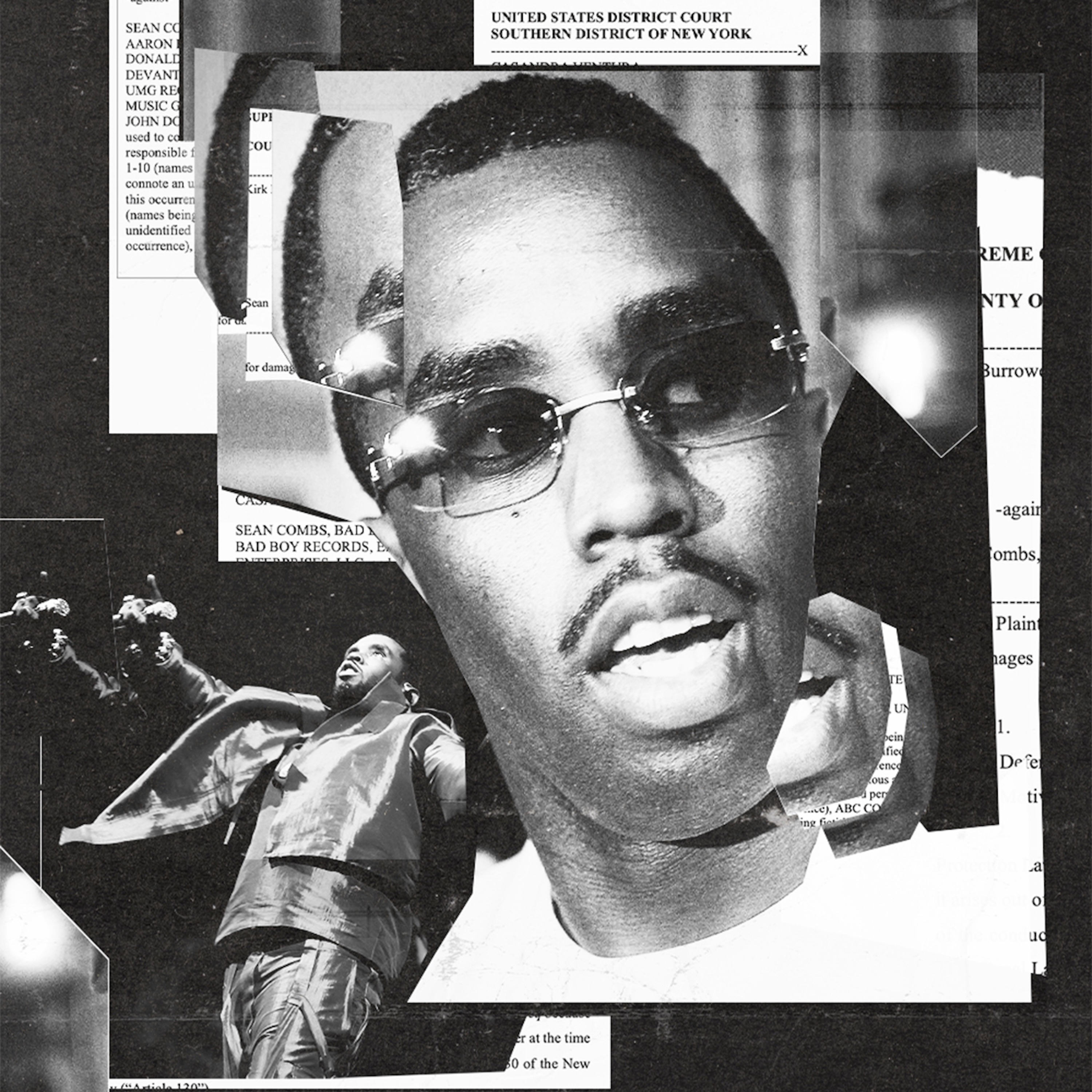
Post Reports
The Diddy trial: How Sean Combs's lawyers mounted a defense
00:19:45
The trial of Sean “Diddy” Combs is about to get turned over to the jury. This week, the prosecution and defense teams delivered closing arguments that were radically different in tone and delivery.
Loading summary
Transcript35 lines
- [00:03]
Colby Yakowitz
After six weeks of intense testimony, the trial of Sean Diddy Combs is coming to an end. This week. Both the prosecution and the defense rested their cases and delivered closing arguments On Friday. Combs defense lawyer Mark Agnifolo laid out a bold argument about one of Combs alleged victims, Cassie Ventura Combs ex girlfriend.
- [00:28]
Shayna Jacobs
He described her relationship with Combs as this grand love story and that it was with these sexual relationships that they were their, their quote, best selves. Right. That these were really intimate moments that bonded them. He's talking about how beautiful Cassie is and that she has a sexual confidence and she should because she's beautiful. And it's those rifts. I'm just not sure how they're landing.
- [00:59]
Colby Yakowitz
Anne Brannigan is a style reporter for the Post who's been covering this trial. She's in New York at the federal courthouse where Combs is on trial for racketeering, conspiracy, sex trafficking and transportation to engage in prostitution. He has pleaded not guilty to the charges, but if convicted, he could be sent to prison for life. Ann stepped out of the courthouse on Friday during a lunch break to take us inside.
- [01:23]
Shayna Jacobs
Combs, DEFENSE so the central thesis in Mark Agnifolo's closing statements on Friday morning is that Sean Combs bedroom is not a crime scene. So basically saying that all of these acts, you know, all the freak offs were consensual events that all the parties mutually enjoyed and in fact, not only enjoyed, but it was the thing that bonded them together. It was part of what made their connection special. It's such a huge pivot, right? It's one thing to, it's one thing to suggest that there was like more consent and more enthusiasm than the prosecution has alleged, but it's quite another thing to paint it in these really rosy terms. I just don't know what a jury is supposed to take from what he's said so far.
- [02:27]
Colby Yakowitz
From the newsroom of the Washington Post, this is Post Reports. I'm Colby Ekowitz filling in for Alahia Ezadi on our coverage of Sean combs. It's Friday, June 27th. Today, we're going to leave Ann in the courthouse and turn to our federal courts reporter, Shayna Jacobs. We're taking a look at what's happened in this last critical week of the trial, how the defense presented their case and how the prosecution handled closing arguments. As the case wraps up and the jury deliberates, we discuss when we might get a verdict and how jurors could decide Combs fate. So, Shanna, this week was a really big One for the trial. As we already heard today, Combs lawyers are delivering their closing arguments. But I want to rewind for a bit because earlier this week, the defense had the chance to make their case to the jury. This was after federal prosecutors had spent weeks calling witnesses and laying out troves of evidence. But then Combs defense team took what, like, less than an hour to make their presentation. How did the defense use that very short amount of time?
- [03:38]
Anne Brannigan
Their presentation was really reserved to introduce a few exhibits to be referred to later, highlighting certain inconsistencies, possibly relatively minor inconsistencies, but inconsistencies nonetheless from the testimony of a few prosecution witnesses. So what they did in at least a couple of cases was highlight what they see as inconsistencies in witness accounts. So the witnesses, before they testify, meet with the government any number of times to prep and to provide, provide details, provide their accounts. And in a few cases, what they were doing was referring back to making a record of the fact that in prior interviews with the government, this person said something slightly different or said something that they later omitted. So that's the kind of thing that, that maybe did not seem incredibly significant or impactful in the moment, but may be part of their bigger case, maybe a small part of their bigger case.
- [04:41]
Colby Yakowitz
What is the strategy of keeping a defense presentation so short?
- [04:46]
Anne Brannigan
The defense strategy could be that they want the jury to focus on their lengthy cross examinations of many, many witnesses, including the two main accusers, Cassie Ventura and Jane. But what goes into a defense decision to present a case or not present a case, or to call witnesses or to not call witnesses is very, you know, it's a very complicated analysis. It's a case by case basis. But ultimately, they must have come to the determination that any testimony they would have offered at this point would not benefit their case. They may think that they cast enough doubt in their cross examinations to achieve what they wanted to achieve, or they may think that they don't have a witness who has anything to offer beyond what they've already put into the record.
- [05:36]
Colby Yakowitz
Got it. So outside of the, like, short case presented by the defense, how else have Combs lawyers been trying to defend him? Like, throughout this entire trial, there's been.
- [05:48]
Anne Brannigan
Extensive, extensive cross examination of some of the key witnesses. And as you guys know from following the case, a lot of that had to do with trying to establish that over and over and over again. Some of the accusers appear to have discussions where they talk about enjoying freak offs, Looking forward to freak offs. Looking forward to seeing Sean Diddy Combs I can't wait to see you again. I love you. All of this flirtatious and sometimes overtly sexual stuff between them, it's meant to paint a picture that they hope dramatically contradicts the argument that they were forced or coerced into participating in these. In these hotel sessions.
- [06:32]
Colby Yakowitz
And, Shaina, if people are just tuning in right now, remind us what exactly a freak off is.
- [06:38]
Anne Brannigan
A freak off is, as far as I can tell, he brings one of his girlfriends to a hotel for hours or even days. And as part of that, he also hires male escorts for that woman to. To have sex with in front of him. And so there's, you know, various iterations of this. And throughout these freak offs, there's a lot of drugs, alcohol. There's sometimes, as prosecutors contend, there's sometimes violence. But two of the two main accusers who testified said that they were pressured into participating or that they feared some other type of repercussion from him. Right.
- [07:20]
Colby Yakowitz
If they refused him.
- [07:22]
Anne Brannigan
Right, exactly.
- [07:23]
Colby Yakowitz
So there had been a lot of speculation ahead of the defense's arguments that they could potentially call additional witnesses. There was also questioning whether Combs himself would take the stand. Obviously, the defense didn't do either of those things. Why do you think that is?
- [07:38]
Anne Brannigan
It's also not unusual for a defense team at a trial to say and to even, you know, to mean that they plan on calling a few witnesses. But it's an organic process. As time goes on, they're reevaluating their circumstances. They're reevaluating how they think the jury is reading the evidence. And so over time, they may not. They may decide they just don't need to call someone or that what someone has to say is no longer helpful. So it really, really depends. I mean, I think it is. It's extremely, extremely rare for any defendant to testify. That's because it opens, you know, it opens the door to extensive, grueling cross examination. It allows the, you know, it allows the prosecutors in general to bring in some very unflattering information that might otherwise not be exposed to the jury. And in this case, it's certainly the expectation that a lot of. A lot of incriminating stuff might come in. So it is. It's really just a matter of what the team decides is best for their case as time goes on. And it is also, like I said, not unusual at all for defense lawyers to plan on calling several people, to prep several people to even have them ready. You know, they might be in New York waiting just in case they decide that they want to call them, but to ultimately decide not to bring in anyone.
- [09:15]
Colby Yakowitz
After the break, we talk closing arguments and when to expect a verdict. We'll be right back. So closing arguments started Thursday. Can you talk a little bit about the importance of closing arguments in general? What does each side need to accomplish here?
- [09:52]
Anne Brannigan
So closing arguments are very important for both sides. What the government did was distill nearly two months worth of evidence and testimony, all of that material, into concise theory for each count. At the same time, it is a roadmap to conviction. They're laying out exactly how a juror can rationalize under the law, getting from point A to point B, and point B is guilty. The defense is going to try very hard to attack the heart of the prosecution's case. And the heart of the case is what the accusers were allegedly forced or coerced into doing. But there's a lot of other aspects they have to address. There's a lot of nuance to the prosecution's case, especially for the conspiracy count. And there's a lot of potential racketeering acts, also known as crimes, potential crimes that the government alleges. So they've got to address those things.
- [11:02]
Colby Yakowitz
And so how did you know. We heard the prosecution's closing arguments on Thursday. How did they approach this really important moment, and how long did they take to make that case?
- [11:15]
Anne Brannigan
They took about five hours after originally planning to take about four hours, which probably is not to be expected because they want to be thorough, and they were extremely thorough. I mean, they sort of left no stone unturned. I mean, really, it's a refresher course. It's. You're explaining the charges, you're explaining what the evidence is and how it applies to the charges. There were so many exhibits in the case, there was so much testimony that they were essentially pulling snippets from actual snippets from the transcript in some case and actual text messages and piecing them together like a puzzle to create this picture of a proven beyond a reasonable doubt racketeering, conspiracy, sex trafficking, transportation, prostitution case. So it's really just tying everything together. And that's not, you know, that is an involved task. It is nearly two months worth of evidence. So tying it together, you can understand how that might take five hours.
- [12:18]
Colby Yakowitz
Yeah. Was there anything that you heard today that stands out in terms of, like, it was a particularly powerful moment or surprising moment?
- [12:28]
Anne Brannigan
The prosecutor really pulled together how many different options there were to convict on racketeering, conspiracy, how many different avenues the jury had to get there. So bringing it together in that sort of a clear, very, very concise way was a pretty powerful moment. The prosecutor pretty early on said, I just described for you one instance of drug distribution out of many, many others discussed in this case. And I've already proven racketeering, conspiracy with that alone. And she talked for another several hours. So, you know, bringing home just how much the government believes they have to work with was a pretty significant moment.
- [13:17]
Colby Yakowitz
So, Shana, as the prosecution is going through its closing arguments and kind of detailing these weeks of evidence and charges against Combs, you're there. What is Combs doing? How does he look?
- [13:32]
Anne Brannigan
So throughout the trial, he was very engaged. He was from, it appeared to be taking a very active part in his defense and writing down notes and constantly conferring with his lawyers and passing them notes, watching witnesses intently. I mean, really just alert and engaged constantly. On Thursday, during the government summation, Sean Combs demeanor noticeably shifted from what it had been earlier in the case. And he was kind of slouched back in his seat for a while. He was looking down. He was looking straight ahead. He was avoiding looking at the jury, and he appeared nervous. He was fidgeting a bit, and he was kind of shaking his leg as he sat there and just kind of looked a lot more sheepish than he had in the past.
- [14:24]
Colby Yakowitz
Yeah, I imagine it's a lot to have it all compressed like that, to hear it all in one, take all the things that have come out against you and have to kind of take that all in.
- [14:34]
Anne Brannigan
Yeah. And the, you know, the government gets the full word. So really, they ran the show. He didn't have an opportunity to chime up and say that's not true or whatever he would say to counter their arguments. So, I mean, it's probably hard to sit there and listen to if you can't defend yourself in the moment.
- [14:56]
Colby Yakowitz
Right. And we heard from our colleague Anne Brannigan at the top of the show about what the defense did during their closing arguments. It sounds like they took a very bold strategy there, and that Combs, he was really sitting up more attentively at this point during the trial. But when the defense finishes, when their closing is done, tell us what happens next.
- [15:16]
Anne Brannigan
After the defense finishes its summation, the prosecution gets more time to argue. They get what's called a rebuttal. So there will be a bit of that. After summations, the judge is going to read a probably pretty lengthy charging instruction to the jury. It's everything from legal definitions to what the law, what, you know, what Going count by count what the law is and what they're allowed to consider, what they're not allowed to consider. It is extremely thorough and detailed and long. It might take some time, an hour or two potentially. And then they go into the room and deliberate and that's, you know, it's up to them what happens next.
- [16:05]
Colby Yakowitz
Do we have any idea or any sense of when we could expect a verdict?
- [16:09]
Anne Brannigan
That is impossible to predict at this point. And people like to start reading tea leaves. Once the jury sends notes in about what it means and how far along they are, they may send a note asking for clarification on one point in the law. So watchers like to say, oh, maybe they're on this certain count, maybe they've moved past the big one. Maybe they've already decided it. But, you know, juries are human and they are coming at the experience often for the first time ever in their lives. And, you know, it's really not predictable as much as, especially in a big case, people like to think about what they're doing and what they're thinking.
- [16:53]
Colby Yakowitz
So obviously we can't know what the outcome will be. But can you walk us through, like, what are the possible outcomes of this case?
- [17:06]
Anne Brannigan
Sure. So the jury could find Sean Combs guilty on all counts, in which case down the line, a sentencing would be scheduled and the judge would have to issue a sentence. If he's found guilty on all counts, he's facing at least a minimum of 15 years behind bars because of a mandatory minimum on a couple of accounts he's charged with. He could also be acquitted on all or some of those counts. And if he's acquitted on some of those counts, there will still be sentencing on whatever he's convicted of. There could be. There's always the possibility of a hung jury in a mistrial or the possibility of something going wrong and interrupting the process in a way that pollutes the process so much that the jury can't continue. And mistrials are declared for all sorts of reasons. They're more rare, certainly, than a verdict. So really the main outcomes are conviction on some or all counts or acquittal.
- [18:14]
Colby Yakowitz
Well, I know we are all waiting anxiously to see what the jury decides. Shana, thanks so much. I know it's been a long day at the courthouse, so thanks so much for coming on.
- [18:27]
Anne Brannigan
Thank you.
- [18:32]
Colby Yakowitz
Shana Jacobs reports on courts and criminal justice for the Post. You also heard from Anne Brannigan at the top of the show. Anne is a style reporter for the Post. That's it for Post reports. Thanks for listening. Today's show was produced by Peter Bresnan. It was edited by Rena Flores. It was mixed by Shawn Carter. Thanks to Carlos Bartos. Have a great weekend. And remember, if you love the show, help other people discover it by leaving a rating on Spotify or a rating and review on Apple Podcasts. Our team includes Maggie Penman, Ted Muldoon, Lucy Perkins, Ilana Gordon, Ariel Plotnick, Rennie Srimouski, Sabi Robinson, Emma Talkoff, Laura Benchoff, Tadeo Ruiz, Sandoval Thomas Lu, Arjun Singh, Martine Powers, Elahi Azadi and Renita Jablonski. I'm Colby Yakowitz. We'll be back tomorrow with more stories from the Washington Post.