← Post Reports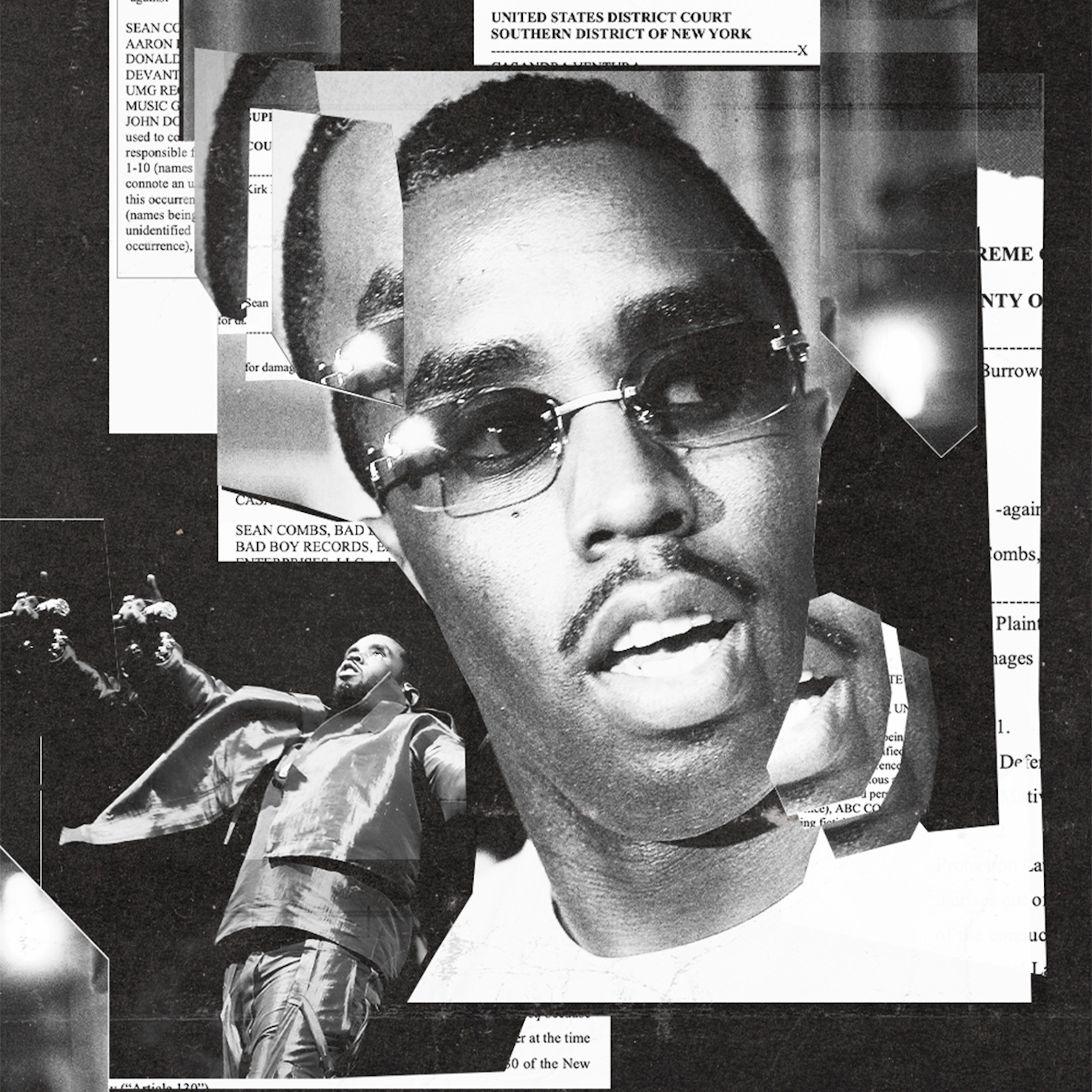
Post Reports
The Diddy trial: Kid Cudi, and ‘Mr. Combs's kingdom’
00:33:08
Rapper Kid Cudi took the stand this week in the trial of Sean “Diddy” Combs, alleging that Combs was responsible for setting his car on fire. And the government’s witnesses testified about incidents where they said Combs was violent and controlling.
Loading summary
Transcript108 lines
- [00:03]
Elahei Izadi
Before we start the show, I want to say a quick thank you for being a listener. And to explain a little more about why my colleagues and I hope you subscribe to the Washington Post. The Post newsroom has published more than 100 scoops so far this year, exclusive stories reported by our newsroom, holding power to account and keeping you informed. That's what drives our work. And it's the kind of work that you support as a subscriber. If you're not one already, this is a great time to take the step. Our Memorial Day sale is happening right now. You can unlock your subscription for just $2 every four weeks for a whole year. And after that, it's just $12 every four weeks. You can cancel anytime. Hit pause right now and go to the subscription link in our show notes or to washingtonpost.com subscribe in a few minutes. You'll have more of what's happening in the world right at your fingertips. This offer is good for a limited time, so really, do not wait. We're excited to welcome you as a subscriber. Okay, here's the show. When people testify in federal court, there's usually a uniform. Most witnesses are dressed in professional attire. Men take the stand wearing suits. That's been the case for most of the witnesses called in the trial of music mogul Sean Diddy Combs. Then there was rapper Kit Cuddy.
- [01:41]
Anne Brannigan
He was quite a presence on the stand, I think a unique presence. Certainly. You know, he showed up to court in a just like some white jeans, a white shirt and a black leather jacket which he wore on the stand when he was delivering his testimony.
- [01:59]
Elahei Izadi
Anne Brannigan has been reporting on the Combs trial in New York for the Post. And she was there on Thursday when the government called up their witness, Scott Mescaty, the musician also known as Kid Cuddy.
- [02:12]
Anne Brannigan
So today we had another packed day of testimony. The government has been, I think, like moving at a pretty fast clip. They've really been packing people in there. So the big name of the day is Kid Cudi.
- [02:33]
Elahei Izadi
This was the second week that federal prosecutors had their witnesses testify. A lot of those witnesses talked about the power Combs had over the people who worked for him and over the people he was romantically involved with. It's why Meskady was there. He briefly dated Combs ex girlfriend Cassie Ventura. A picture emerged in court this week from what Meskady and others said. Through their testimony, federal prosecutors tried to show the vast extent of Combs power in his personal life and in his business. As one witness Put it it was all quote, Mr. Combs kingdom. From the newsroom of the Washington Post, this is Post Reports. I'm Elahay izadi. It's Friday, May 23rd. Today we're continuing our coverage of the trial of Sean Combs, also known as Diddy Puff, Puff Daddy. We'll be bringing you episodes most Fridays and we should note we're going to be discussing sex, drugs and violence. Combs is charged with five criminal counts of racketeering, conspiracy, sex trafficking and transportation to engage in prostitution. He has pleaded not guilty. If convicted, he could face up to life in prison. If you haven't been keeping up with this trial, our episode from last Friday goes over the testimony of Combs ex girlfriend Cassie Ventura. In today's episode, Ann is going to break down the other big witnesses the government is calling how federal prosecutors are using them to build the racketeering case and the defense's pushback. Hi, Ann.
- [04:18]
Anne Brannigan
Hey. How you doing?
- [04:20]
Elahei Izadi
I'm good. This is a special treat for us because usually I'm talking to you. You're in New York, I'm in D.C. but you're here in the studio today because as I understand it, jurors and people like you got let go a little early because of the Memorial Day weekend, right?
- [04:36]
Anne Brannigan
Yes, we have a nice long. So Friday we have off. Monday we have off. So court doesn't resume until Tuesday, which means I get to record here and not in a club closet as I've been calling my New York apartment.
- [04:49]
Elahei Izadi
Yes. Well, and last week when you and I spoke, that was a big week because it was the start of testimony in the trial, but also because we heard from Cassie Ventura. She's an R and B singer and as we've said, she is Combs longtime former girlfriend. She was the government's star witness so far. Can you just briefly remind us of what Ventura said last week and what she alleged?
- [05:15]
Anne Brannigan
Right. So Ventura really laid out her experiences with Combs over the course of the 11 year relationship. We heard a lot about her experience with Freakoffs. These were Combs controlled, in her words, sort of events, highly choreographed, tailored to his preferences. They were born out of his interest in, you know, quote, unquote voyeurism. And so they would involve a male escort. He would be watching and sort of saying what to do according to her testimony. And these took place in hotels, in apartments all over the U.S. you know, L.A. miami, New York, as well as some places overseas as well.
- [05:55]
Elahei Izadi
Yeah. And she also, as I recall from our conversation, talked about Combs physically abused her and that she also became reliant on drugs because of this experience.
- [06:04]
Anne Brannigan
Exactly. So what she talked about was how she was coerced and forced to participate in these freak offs. And that's where she really laid out the physical abuse she experienced in this relationship. She talked about the drug use at one point. You know, she was using them to cope with the reality of these freak offs, she said. And so she was addicted to opiates at one point. She also talked about blackmail and financial control and this, you know, the way that Combs really seemed to just have a hook in all of these other aspects of her life.
- [06:36]
Elahei Izadi
And remind us, how did the defense respond to her and what she was saying?
- [06:42]
Anne Brannigan
Right. Well, over the course of an 11 year relationship, there were a lot of text exchanges, as you can imagine. And so they really pulled forward a lot of this communication and were trying to reframe Combs in a way. And so they were focusing on these caring, kind of deferential messages from Combs, you know, these messages from Ventura that were, you know, expressing enthusiasm for Freakovs and being a bit maybe steamy, like she was planning and proposing them. You know, the whole point there is that they really want to emphasize, the defense does, that Ventura had agency this entire time and that she was making these choices of her own volition.
- [07:21]
Elahei Izadi
Mm. So that was last week. Now, let's talk about the witnesses who testified this week. And as a reminder for listeners, we're still in the part of the trial where we're hearing the government's witnesses. So these are people that the government is calling upon to testify. We haven't gotten to the defense yet. Let's start with rapper Kid Cudi. We already mentioned him. His real name is Scott Mescaty. We knew that he might be called this week because his name came up last week when Ventura was testifying. So what did he have to talk about on the stand?
- [07:54]
Anne Brannigan
So we got to hear his side of a story that was first sort of laid out in Cassie Ventura's 2023 lawsuit. So he talked about an incident in which his Porsche was exploded.
- [08:09]
Elahei Izadi
Like blown up?
- [08:09]
Anne Brannigan
Yes. Apparently was cut open and a Molotov cocktail was thrown in. Now, this is a Porsche 911 Cabriolet.
- [08:17]
Elahei Izadi
Oh, my gosh.
- [08:18]
Anne Brannigan
So we got to hear his side of the story. Apparently, you know, he was away when it happened, but he was alerted to it by a dog sitter.
- [08:24]
Elahei Izadi
So why does his car being blown up have anything to do with John Combs?
- [08:29]
Anne Brannigan
Because what Ventura has alleged, what the government is alleging Is that Combs was behind this event and that it was because he was jealous of the relationship that Meschedy and Ventura had been having.
- [08:44]
Elahei Izadi
So they started dating. And then Meschode is saying combs was jealous and he blew up my very expensive vehicle.
- [08:52]
Anne Brannigan
Exactly. So the relationship took place in 2011. The car explosion happened in early 2012. So when Ventura talked about this, you know, it was as sort of like a threat, as a warning, not as a, you know, intent to actually hurt him, but to intimidate him.
- [09:11]
Elahei Izadi
I see, I see. And has Sean Combs ever said anything about this alleged arson incident?
- [09:17]
Anne Brannigan
He's always denied it. And on the, you know, under cross examination, his defense really leaned into the fact that, you know, Combs fingerprints weren't found. You know, the fact that the arson happened is clear, but they're trying to introduce doubt about, well, is there anybody else who could have done it? I see. You know, trying to create some distance there. Really leaning into the fact that, you know, how much evidence is actually tying him to this incident.
- [09:49]
Elahei Izadi
Did he talk about anything else related to Combs?
- [09:52]
Anne Brannigan
Yeah, so we got to hear a lot more of, you know, his perception of things. We got to hear about an incident that wasn't really talked about before, which was this alleged break in that happened before the Molotov cocktail incident with the car. And so this happened the same day that Combs found out about Venturas and relationship. Right. So what Mescudi laid on the stand was that Ventura calls him in a panic, and then shortly thereafter, they receive a call from an assistant of Combs, and she relays to them that she is sitting outside of Mescutty's home and that Combs and an associate are inside of Mezcudi's home.
- [10:39]
Elahei Izadi
Combs himself.
- [10:40]
Anne Brannigan
Yes, and an associate, according to this assistant.
- [10:43]
Elahei Izadi
Okay, right. And what are they doing in his house?
- [10:45]
Anne Brannigan
That's the big question. Right. So Ms. Cuddy, you know, he calls up combs, he uses some profane language. She's like, mother, uh, okay, you in my home.
- [10:56]
Elahei Izadi
Fill in the blanks there.
- [10:57]
Anne Brannigan
Got it. Calls Combs, heads over to his house. By the time he goes to his house, there's nobody there. But he does see that the security cameras, which are normally sort of trained on the door, they've been turned away. He goes in. It's around Christmas time. He had gotten chanel gifts for his family. Those had been kind of opened and rifled through and were on the kitchen counter.
- [11:21]
Elahei Izadi
Wait, so his Christmas presents were open?
- [11:23]
Anne Brannigan
Yes, rifled through, opened in some way. The thing Here might be actually sort of Muscutti's dog, who apparently was locked in a bathroom when Muscudi arrived home. Now, he said on the stand, you know, his dog normally has free reign of the house, and he didn't close that bathroom door before he left. He was very certain about that and that the dog was agitated and anxious.
- [11:50]
Elahei Izadi
Okay, so he's talking about these two incidents. And then I'm curious, how did Meskady describe his relationship with Ventura? So they dated, Right?
- [12:01]
Anne Brannigan
So they dated, you know, were working together on some music. Um, you know, they fell in love. He described Ventura on the stand as, you know, a fun person to be around, like somebody he, you know, fell in love with.
- [12:13]
Elahei Izadi
Mm.
- [12:14]
Anne Brannigan
Ventura. She said that she and Muscudi got together during a off period between her and Combs.
- [12:21]
Elahei Izadi
So they were on and off, Right, Right.
- [12:23]
Anne Brannigan
And that was Muscadee's understanding, was that they were off during this period. Ventre does disclose that Combs was physically abusive toward her. She did not share anything about sexual abuse, according to. According to him. So something that came out to that that was quite vivid in Mezcaty sort of recollection, right, Was this meeting at the Soho House that happens after the Porsche explosion. Right. Because this is getting out of hand. He calls a meeting with Combs just to, you know, squash it before it can escalate. They meet up. And Muscati here actually compared Combs to a marvel supervillain. He just said, like, wow, on the.
- [13:10]
Elahei Izadi
Stand, he said that?
- [13:11]
Anne Brannigan
Yes, he was looking like a marvel supervillain. So it's during this meeting that Combs and Mezcady hash it out a little bit. And Combs says, you know, apparently, you know, I thought we were homies. You knew that was my girl. Mescady's like, actually, she told me you weren't together. Ventura came in at some point, you know, explained that her and Meschedy had fallen in love, and things just happened, and everything is pretty much sort of copacetic. Right? But there is an exchange that happens at the end, which is he and Combs go in for a handshake, and Mezcotti wanted to look him in the eye and ask him, what are we gonna do about my car? But he says that Combs gave him this cold stare and just said, I don't know what you're talking about. Right. And Mascudi felt that Combs was lying to him. That's where Mescoetes testimony more or less ends. Apparently, years later, again, at that same Soho house, Combs Apologizes for, quote, everything. Not specifying what.
- [14:19]
Elahei Izadi
What the everything was.
- [14:20]
Anne Brannigan
Yeah, Right. Obviously, a lot of what Meskady says is under the government questioning, when the defense comes up, they start probing a little bit more about Meschetes feelings about that overlap. You know, they're really probably prompting the witnesses when they're trying to get this information.
- [14:38]
Elahei Izadi
Yeah. And the overlap between the dating.
- [14:40]
Anne Brannigan
Exactly. And so they prompt him to say, well, did this woman play? You play you both play you guys. And Meskady says that he believes that she did. And so it. You know, it's this moment where Ventura is portrayed as maybe like, a little bit duplicitous or again, like, dating two guys at once. Having control, I think, is really what that goes to. Which is what the defense really wants to emphasize is that she had agency, she made choices. She chose to be this with Meschedy and then did not, you know, that sort of thing.
- [15:15]
Elahei Izadi
Yeah. I mean, when you look at Meskadee's testimony, both under government questioning and defense questioning, what big takeaways did you have from that testimony as far as its relevancy to the case?
- [15:27]
Anne Brannigan
So in the racketeering count, they mentioned arson, and that arson relates back to the car incident. Right. So in that way, meskatee is part of that big racketeering charge.
- [15:40]
Elahei Izadi
Mm. Anne, who else who was close to Ventura was called to testify this week? And what did those witnesses reveal about her relationship with Combs?
- [15:51]
Anne Brannigan
So this week, we really got a lot of people corroborating Ventura's side of the story. So we heard from her ex best friend of 17 years, Carey Morgan. We heard from her mother, Regina Ventura. And we also heard from another friend, a makeup artist called Mila Morales. And all of these women describe, you know, physical injuries or abuse that they witnessed between Combs and Ventura. I think Regina Ventura had a really striking, to me story about how Combs asked her for $20,000. And this was in that 2011 Christmas time period. Right. Where Combs is allegedly, you know, enraged about this revelation that Ventura is dating Mezgate. And he asked Ventura's mother to pay him $20,000, which is the money he estimates he spent on Cassie Ventura and would like to be reimbursed back. And so she does wire him this money. And Ventura said on the stand that she actually took out a home equity loan in this amount in order to pay Combs. This is after she has found out that this man has also been physically assaulting her daughter, Cassie. Ventura also disclosed that, you know, he was making threats and so she pays Combs this money, but he ultimately returns it very shortly after.
- [17:22]
Elahei Izadi
Okay.
- [17:22]
Anne Brannigan
And so, you know, to be clear, the defense does not deny that the wiring of that money happened, that the ask was made, that the money was returned. Interestingly, they did not cross examine her.
- [17:37]
Elahei Izadi
Yeah. How did the defense handle these witnesses who were corroborating Ventura's testimony about being abused?
- [17:44]
Anne Brannigan
Right. In the case of Regina Ventura, there's no follow up questioning there. They did talk quite a bit more to Carey Morgan and Milo Morales. They wanted to portray Ventura as, you know, successful and thriving in her career to kind of counter that argument that, you know, she was being stifled or controlled by Combs. So they're asking her a lot about her career, how well Ventura was doing. There was a moment with Morales who described, you know, a pretty intense assault. Right. And seeing the injuries on her, on Cassie Ventura, you know, the government asks, you know, why didn't you call police? You know, Morales apparently called a doctor friend to come over and check Cassie Ventur and see whether she had a concussion. And Mirala said, you know, one. Ventura didn't want to do these things, but also, I didn't want do these things because I was scared for my life, basically trying to say that if Combs could do this to Cassie Ventura, what could Combs do to her? Right. Now the question you asked was how the defense treats sort of a story like this.
- [19:00]
Elahei Izadi
Yeah.
- [19:01]
Anne Brannigan
And the thing that they ask her is basically like, well, did Sean Combs ever follow up with you? Did an associate ever follow up with you, approach you about what happened? Right. And Morales said, no, no one ever did. And so trying to undercut that, that fear that she said that she felt.
- [19:21]
Elahei Izadi
Or trying to infer, like it's unreasonable and not based on anything, just like.
- [19:24]
Anne Brannigan
Exactly.
- [19:25]
Elahei Izadi
I see.
- [19:25]
Anne Brannigan
Exactly.
- [19:26]
Elahei Izadi
And so what is the version of events that the defense is presenting around these incidents?
- [19:33]
Anne Brannigan
Right. Well, at this point in the trial, because it's the government presenting its case, what they're really doing and what they're really focusing on is poking holes in the government's arguments, really poking holes in the testimony, just trying to undermine the government's version of events. And they will present their version once the prosecution is done. So in the last two weeks of trial, then we'll get to really hear their account of what happened.
- [20:01]
Elahei Izadi
I see. After the break, we hear from the people who worked for Combs, what they saw and what they did for Combs's quote. Kingdom. We'll be right back.
- [20:28]
Sally Jenkins
I'm Sally Jenkins and I'm a sports columnist and feature writer for the Washington Post. My job entails pulling the curtain on really big sports events at what is going on in locker rooms? What's going on in the stadium tunnel? Most importantly, what's going on in the minds of the athletes that I cover. I think that we have an instinct that sports are really important in some primal way. We pay a lot of money for them, we build really big stadiums for them. And I think that athletics really gets us in touch with aspiration and teach something very, very important about accountability, about self determination. And so my job is to really make those links explicit for readers and users. Subscriptions support this work and the people behind it. Find out more@subscription subscribe.washingtonpost.com I'm Sally Jenkins and I'm one of the people behind the Post.
- [21:26]
Christina Quinn
Allergy season doesn't wait, and neither should you. Luckily, with GoodRx, you can get ahead of allergy symptoms and save money doing it. GoodRx helps you find big savings on the meds you need, like popular allergy relief for as little as $15 so you, your family, and even your pets can breathe a little easier. Using GoodRx is free and easy. Just search your prescription on the GoodRx app or website, compare prices at nearby pharmacies, and then show your coupon at the counter. That's it. You can save at over 70,000 pharmacies across the country, including CVS, Walgreens, Walmart, Publix, Kroger and more. And here's something extra. With GoodRx rewards, you earn points every time you use a coupon, points you can redeem later for gift cards and more. GoodRx isn't insurance, but it works whether you have it or not. In fact, it could even beat your insurance copay. So don't let allergy season slow you down. Visit goodrx.com reports today. That's goodrx.com reports you probably have an.
- [22:28]
Unknown Speaker
App for music, but do you have an app for radio? You know, for what's happening right now? An app for breaking news that'll change your daily routine. An app that starts your morning with what you missed last night. An app you can throw on Friday night for a guaranteed party every time? Yeah, there's an app for all that. It's the iHeartRadio app. The app that lets you listen to thousands of live radio stations along with podcasts and a whole lot more. Download the number one radio app, the iHeartRadio app today.
- [23:07]
Elahei Izadi
So those were people who testified who were just like people who were close to Ventura. But last week she testified about how Combs had employees like assistance and security who helped him run his business, but also saw him being violent toward her and would also be the ones to, like, buy drugs and buy supplies for these, like, sex party freak offs. And this seems to relate at least in part to the racketeering conspiracy charge, because that's all about, you know, you using your business, business to commit crimes, basically. So did any of these people, Combs employees or former employees, testify this week, and what did they have to say?
- [23:49]
Anne Brannigan
Yeah, so we heard from two men who used to be assistants to Sean Combs, David James, at the beginning of the week, and then George Kaplan. So the, the portrait that these assistants painted with their testimony was of, you know, these long hours that they had to work, sometimes weeks on end, like really being at Combs Beck and Call, you know, running all of these errands, you know, procuring drugs for him, buying freak off supplies, having to prep hotel rooms, clean hotel rooms up. They were threatened with their jobs, you know, occasionally describing sort of being in this world as this all encompassing thing that really revolved around Combs.
- [24:39]
Elahei Izadi
So Combs assistant, David James, did he sort of describe what it was even like to work for Combs?
- [24:46]
Anne Brannigan
So there's this interesting tension here where it's. He describes it as like a dream job. He's trying to break into fashion. You know, Sean Combs, he has the Sean John fashion line. He's already this icon in the eyes of many people, right. And so he's really excited to work for Sean Combs. But it's also very clear that it's a demanding job and that it completely revolves around Combs. And he knows this because when he was interviewing for it, he's told by, you know, an executive HR person, right? The head of HR at Combs company. You know, she waves to a picture of Combs that's on the wall and says, this is Mr. Combs kingdom we're here to serve in. It is, you know, essentially what he described.
- [25:41]
Elahei Izadi
Yeah, I mean, hearing you talk about these two former assistants and the types of things that they were doing, you know, engaging in behavior that is illegal. So why, why are they not being charged with these crimes? Why is Combs the one on trial here?
- [26:00]
Anne Brannigan
Right. So with Kaplan in particular, we saw him get basically what's called an order of immunity right before he testified. And it basically means he was given immunity for his testimony. So he won't be charged for some of the things that he participated in. Now he can still be charged if he lies on the stand. You know, he's not excused from that.
- [26:23]
Elahei Izadi
Okay, so he can still be charged with perjury if he lies on the stand. But I guess I wonder, like, the fact that he's granted immunity, does that undercut the credibility of his testimony at all? Like, if you give this testimony, then you won't be charged with these crimes?
- [26:37]
Anne Brannigan
Well, it cuts both ways. Like, in some ways, it should not undercut his testimony because the only thing he's being asked to do now is be honest, to be completely transparent about everything that went down. But there are some people who see that, you know, and they could be members of the jury who feel really uncomfortable with that, you know, that feel like that's unfair to Combs. Right.
- [27:04]
Elahei Izadi
Did you get the sense that they wanted to testify? Like, why were they testifying?
- [27:08]
Anne Brannigan
Oh, Kaplan was very forthcoming about the fact that he did not want to testify. He was there because he was subpoenaed by the government, you know, and he said that was why he was there. He did not offer information. He wasn't raising his hand to testify at this trial. He did it because he was subpoenaed. Exactly.
- [27:29]
Elahei Izadi
And that you have to testify.
- [27:30]
Anne Brannigan
Exactly.
- [27:31]
Elahei Izadi
So I want to also ask about another sort of category of people who testified. And this week, the prosecution had law enforcement agents come and also just people who provided expert testimony in the case. So let's talk about the law enforcement agents. Who were they and why were they testifying? What did they say?
- [27:54]
Anne Brannigan
So we heard from a special agent who participated in the raid of Combs Miami homes that took place in March 2024.
- [28:04]
Elahei Izadi
And this is what came before the charges.
- [28:06]
Anne Brannigan
Exactly. And so he described, you know, they found AR15 parts in Sean Combs home. They found dozens of bottles of baby oil, lubricant, all the things that we've been hearing about from before. They found that at his home. Right.
- [28:28]
Elahei Izadi
And then we also mentioned expert witnesses, and these are people called in to provide, like, another layer of context. Who testified and what did they say?
- [28:38]
Anne Brannigan
So we've had only one sort of expert witness so far for the government, and that's Dawn Hughes. She's a forensic psychologist. And she was there as a what's called a blind witness. So she hadn't talked to Cassi Ventura. She hadn't talked to Sean Combs. She wasn't there to, like, diagnose them. She wasn't told any facts of the case. So she was there to deliver just sort of this broad testimony about domestic violence and what the Literature says. Right. What? You know, the consensus in the field is about victims of domestic violence and how they respond to things, you know, what their behavior is. The government very much wants Juris to sort of piece those parts together. When Hughes talks about, for example, that it's easier to talk about abuse when it's a stranger who does it to you than if it's somebody you know. It is harder to escape control from somebody the more kinds of abuse you experience from them.
- [29:41]
Elahei Izadi
I see, I see. So all this is like relevant to them. And so how did the defense talk to her and cross examine her?
- [29:49]
Anne Brannigan
Yeah, it was, it was quite drawn out. I think maybe unexpectedly, I would say the one thing that stood out on cross examination was when they asked if she had ever testified on behalf of somebody who was accused of domestic violence. Right. Cause she has a clinical practice. But she did admit that 60% of her income does come from testifying in these cases.
- [30:14]
Elahei Izadi
Income? Cause she's getting paid as an expert to testify. So they talked about that.
- [30:20]
Anne Brannigan
Yeah. So she gets paid $6,000 a day for her testimony. That was her rate.
- [30:25]
Elahei Izadi
Wow.
- [30:26]
Anne Brannigan
Current rate. Yeah. Yes.
- [30:27]
Elahei Izadi
Okay. So was this important to underscore? I guess I'm just wondering, like the defense, they're arguing this stuff for these jurors, so I'm wondering how this sounds to the jurors.
- [30:38]
Anne Brannigan
So again, this is something that could cut both ways. Cuz the government actually asked her about her rate during their questioning. Maybe they were trying to get ahead of the defense.
- [30:47]
Elahei Izadi
Yeah. And be like, look, we're paying her a lot of money to do this.
- [30:49]
Anne Brannigan
Yeah. But also asking her if she has a financial incentive in the outcome of the trial. So basically she's getting paid for this testimony either way, whether or not Sean Combs gets convicted, there is no financial incentive for her there. It's not like she gets a bonus.
- [31:06]
Elahei Izadi
Based on the outcome of the case.
- [31:07]
Anne Brannigan
Exactly.
- [31:07]
Elahei Izadi
Yeah. And I think this is important to underscore too, because people should know that typically in a criminal trial, witnesses who are subpoenaed, you know, they're not getting any money for this. But if the government is paying someone, and the defense might pay expert witnesses too. So it's like this is like normal. But I'm just wondering like out there in the like, court of public opinion, like, does that how that plays?
- [31:31]
Anne Brannigan
I think there's just like a lot of confusion about stuff like that because we also tend to conflate, I think, the civil process and the criminal process, which are very different.
- [31:41]
Elahei Izadi
Yeah.
- [31:41]
Anne Brannigan
But yes, as you said, most of These witnesses are not getting paid to testify, and there is no financial incentive for them.
- [31:50]
Elahei Izadi
You know, Ann, it's only the second week of testimony. And as I said before, we're just hearing from government witnesses so far. So it's hard to know, like, where this case stands, whether it's going in Sean Combs favor or not. But just when you look at this week, how did the government do in building their case against Combs, and how did the defense respond? If you were to sort of just like step back and think about that.
- [32:18]
Anne Brannigan
For a moment, I think the government managed to successfully sort of corroborate a lot of things around Cassie Ventura's testimony. I think they have laid out vividly, you know, this story of physical abuse. How that registers with the jury I'm genuinely curious about, because the whole thing that, you know, Sean Combs defense is trying to argue is that physical abuse existed, but it was not enough to coerce Cassi Ventura or anybody else. Right. That all the people in Sean Combs orbit, they were doing it because they wanted to, because they wanted to work for him, because they wanted to be in this field, that they had stuff to gain from doing this. And so kind of undercutting, you know, that argument of control and coercion. Right. But I don't know if it's been enough to convince 12 people so far.
- [33:22]
Elahei Izadi
Well, Ann, thank you so much for, you know, joining me in the studio today to lay all this out. And I'll be talking to you next Friday.
- [33:31]
Anne Brannigan
Sounds good. Talk to you then.
- [33:32]
Elahei Izadi
Talk to you then. Ann Branigan is a reporter for the Style section of the Post. Listeners, if you have any thoughts, questions about the trial, what you're hearing from us, what you're reading or seeing online, let us know. Send an email or a voice memo to postreportashpost.com that's it for Post reports. Thanks for listening. Today's show was produced by Sabi Robinson, who also contributed reporting from New York. It was edited by Rena Flores. It was mixed by Sean Carter. Thanks to Carla Spartos. If you love our show, please consider subscribing to the Post. Again, it's the perfect time to subscribe with our Memorial Day sale. Our team includes Martine Powers, Colby Ikowicz, Maggie Penman, Ted Muldoon, Lucy Perkins, Alana Gordon, Ariel Plotnick, Renny Srinofsky, Emma Talkoff, Peter Bresnan, Laura Benshoff and Renita Jablonsky. I'm Elahei Izadi. We'll be back tomorrow with more stories from the Washington Post.
- [34:46]
Sally Jenkins
You don't know me yet, but I bet we have something in common. We all wish we were better functioning humans. Maybe figure out how to sleep better, have more meaningful relations, relationships. Cook more that search for practical knowledge. It's my job at the Washington Post. I host a podcast called Try this. Every episode is like an audio class, and we learn together. I'm Christina Quinn. Now you know me. Check out Try this wherever you're listening.