← Post Reports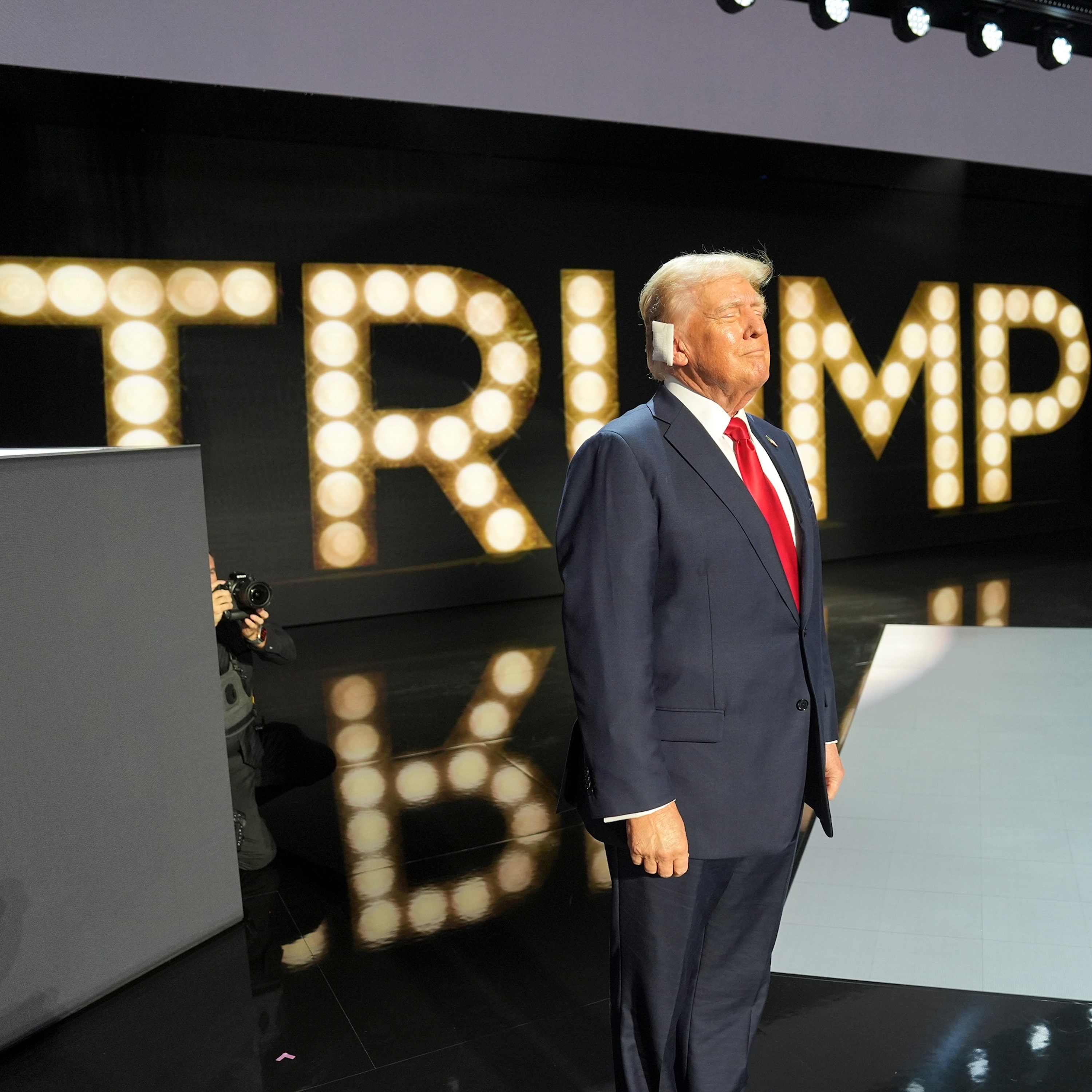
Post Reports
Trump ran to save himself in 2024. He won back America.
00:30:01
Donald Trump’s victory in the 2024 presidential race wasn’t inevitable. A new book by current and former Post reporters goes inside one of the greatest political comebacks in American history.
Loading summary
Transcript88 lines
- [00:03]
Colby Ekowitz
So, Isaac, I did not cover the campaign the way you did in 2024, but I was part of our general coverage.
- [00:09]
Isaac Arnsdorff
Absolutely.
- [00:10]
Colby Ekowitz
And I did not think that I would want to relive 2024.
- [00:15]
Isaac Arnsdorff
Nor did I.
- [00:16]
Colby Ekowitz
It turns out I did. Like, I couldn't put your book down. I mean, what was it like for you, having, like, been out there so much and then. Yeah. To have to relive it.
- [00:28]
Isaac Arnsdorff
Writing it was sort of an exercise and trying to make sense of it for myself. Right. And writing it as we went along and reporting it as we went along, before we knew the ending, before we really knew what mattered. It helped me kind of sort out my thoughts about it and kind of answer the really fundamental questions. You know, I think our real time reporting was really good, but we were all left with some questions of why, and I think we got to the bottom of those in the book.
- [00:59]
Colby Ekowitz
From the newsroom of the Washington Post, this is Post Reports. I'm Colby Ekowitz, politics reporter and host of Post Reports weekly Politics roundtables. It's Friday, July 11, so we're doing something a little different this week. I'm joined by just one guest, and that is senior White House reporter here at the Post, Isaac Arnstroff. Hey, Isaac.
- [01:20]
Isaac Arnsdorff
Hi, Colby. So good to be here.
- [01:23]
Colby Ekowitz
We're going to go deep on a new book called 2024 How Trump Retook the White House and the Democrats Lost America, which you wrote with two other former Post journalists. And it describes in cinematic detail the 2024 presidential election. I mean, Isaac, you're an expert on Trump and Maga. You wrote another book about them, and you're going to bring us into how Trump of clawed his way back to victory after losing the 2020 election. And the book also takes us deep inside the Biden and the Harris campaigns and why they ultimately failed. So, like we said, this book is called 2024, but you begin the story with Donald Trump in August 2022. What was Trump facing at that moment? How was he thinking about his political future?
- [02:09]
Isaac Arnsdorff
Yeah, the reason we started then was that was the moment where Trump actually decided that he was gonna do this, which was not a sure thing. You know, you remember when he left office in isolation, in disgrace, at a real low. But even as he was regaining confidence and regaining his stature in the party, he would have conversations with people on the golf course, and it wasn't clear that he had really made up his mind to run. And that didn't change until the search of Mar? A Lago as the prosecutions got more serious about him. That tipped him over into deciding that he was going to run because it became true that actually it was his best hope of avoiding consequences.
- [02:50]
Colby Ekowitz
And, Isaac, let's remind listeners that the FBI had searched Mar? A Lago, where Trump lives in Florida, in August 2022. They were looking for classified documents that he had allegedly held onto after leaving office. And, you know, at that time, the investigation was just one of several criminal cases that were mounting against Trump. You know, you had one in New York and you had one in Georgia. And as you're saying, those cases, they really, like, fueled him. And the one thing I got out of the book is that he was also surprised at how, like, Republicans started rallying behind him the more and more he got into legal trouble.
- [03:27]
Isaac Arnsdorff
Yeah, he observed that himself in an interview he did for the book with my co author and former colleague Josh Dawsey. He was like, I couldn't believe how they. They're supposed to be running against me. And they all came to my defense. And, I mean, that really kind of was the story of the primary. There's a scene in the book where Ronna McDaniel, who was the party chairwoman at the time, is watching that first debate when they all raised their hands, you all signed a pledge to support the eventual Republican nominee. If former President Trump is convicted in a court of law, would you still support him as your party's choice? Please raise your hand if you would. And she's like, well, that's it. I mean, it's over. And Chris Christie told us that for the book, too, is like, why are we doing this? You know, like, why are we having this primary if that's everyone's position?
- [04:18]
Colby Ekowitz
So you're referencing Chris Christie, former governor of New Jersey, and that was at that first Republican debate, which was in 2023. There was actually, like, a lot of people that thought the party was ready to move past Trump. And there was this field of primary contenders putting themselves out there to take him on. Who were they?
- [04:38]
Isaac Arnsdorff
Right. So unlike on the Democratic side, the Republicans did have a lot of people come forward to say it's time to move on from Trump, including his own Vice President, Mike Pence. Never happened before, like, kind of crazy.
- [04:51]
Colby Ekowitz
Yeah.
- [04:52]
Isaac Arnsdorff
Ron DeSantis was supposed to be the great hope for a lot of Republican.
- [04:56]
Colby Ekowitz
The Florida governor.
- [04:57]
C
We need to end the culture of losing that's infected the Republican Party in recent years. The tired dogmas of the past are inadequate for a vibrant future. We have to look forward. We can't look backwards.
- [05:10]
Isaac Arnsdorff
He was sort of supposed to be like the lab grown candidate for the Republican who thought, oh, I loved his policies, but he tweeted too much. Nikki Haley, Trump's former UN Ambassador and the former governor of South Carolina.
- [05:23]
Colby Ekowitz
You know, everybody wants to talk about President Trump. Well, I can talk about President Trump. I can tell you that I think he was the right president at the right time. I don't think he's the right president now.
- [05:32]
Isaac Arnsdorff
Vivek Ramaswamy. How could we forget God is real. There are two genders. Fossil fuels are a requirement for human prosperity. Reverse racism is racism. An open border is not a border.
- [05:46]
Colby Ekowitz
Right. And I remember when we were covering the primary, like, it just became more and more inevitable and. Inevitable.
- [05:52]
Isaac Arnsdorff
Well, I want to be clear. I mean, the chapter, one of the chapters about the primaries is called inevitable, but it's meant ironically, like it was not inevitable that Trump was gonna win that primary. Republicans treated it that way, and it became self fulfilling. You know, I think one of the key findings from our reporting is, you know, the DeSantis people, like, their view is that Trump was gonna be indicted four times and that was gonna take over the news. There was nothing they possibly could have done. But really, if you look at the sequencing, if you remember how low Trump was after Republicans got clobbered in the midterms and how high Desantis, that was the moment. And DeSantis missed it. He decided to put his head down and go back to Florida and disappear and let Trump take that head start to recover his standing, so that by the time the first indictment happened, DeSantis wasn't even running yet. And Trump had taken that time to remind Republicans why they liked him.
- [06:51]
Colby Ekowitz
There was one detail in the book that I loved, and you describe how before Trump was arraigned in Georgia, he practiced his mugshot. I mean, this is a showman. Like, that just shows how Trump is always thinking about kind of the optics of a moment. Talk to me about how you found out about that story.
- [07:10]
Isaac Arnsdorff
Yeah, there's a line in there. You only get to do it once.
- [07:13]
Colby Ekowitz
Right, Right.
- [07:14]
Isaac Arnsdorff
Well, so they sort of got a clue because you remember, everyone else turned themselves in first. And so all these mug shots were coming out, and it became like a meme, like Hollywood Squares with all the mug shots. And Trump knew that this was gonna be a valuable symbol if he could get it just right. And so the angle. And so he was practicing, actually, as he was going in there to get it just right, he was thinking about how it was going to look, about.
- [07:39]
Colby Ekowitz
The optics One of the things I love so much about the book is how you toggled back and forth between what was happening to both Trump and President Biden in real time. So while Trump is going through all of that Biden, the Democrats, they're also making decisions, right. About the 2024 campaign. That first chapter about Biden, you called it not dead. Why?
- [08:02]
Isaac Arnsdorff
So that comes from something that Biden said when he was running in 2019 or 2020 at the new York Times editorial board is like, people are always counting me out, and guess what? I'm still here. I'm not dead. Now. You know, it's a little macabre because obviously, Biden's advanced age was such an issue in the campaign. But. But that's how people were talking about him in the midterms. Right? They expected it was going to be a wipeout. And there were all these young, ambitious Democrats who were ready to seize that, give Biden the little shove aside and bring the party into the next generation. And when the midterms went the other way, they all chickened out. They all backed off. And that let Biden and his team say, well, look, no one challenged us.
- [08:44]
Colby Ekowitz
Yeah. Who were some of those people that were really seriously considering mounting bids in 2024?
- [08:50]
Isaac Arnsdorff
Well, I mean, they're the people who we see in early primary states this week, like California Governor Gavin Newsom, who's visiting South Carolina. Phil Murphy, the governor of New Jersey, probably isn't the first person who comes to mind as possible Democratic presidential material, but he wanted to be. I mean, he actually. He stands up at a fundraiser and goes, well, you know, obviously, we all support Joe Biden, but if he doesn't run, how about me?
- [09:13]
Colby Ekowitz
Okay, so skipping ahead to the consequential 2024 presidential debate. The nominees, they're now Trump and Biden. Everyone else has fallen away. And the way you guys wrote this book, it's really like a political thriller, especially the parts leading up to the debate, because you're taking us inside the campaigns in real time. And I know as a reader how this is all gonna end, but the characters in the story, they don't know it yet. And I had actually forgotten that, like, leading up to it, Biden's son Hunter was facing criminal gun charges, and that had been weighing on him. So what was Biden's headspace ahead of that critical debate?
- [09:52]
Isaac Arnsdorff
So he actually said to someone close to him a few weeks ahead of that debate, ahead of that month of June, which. Which he and his team recognized was gonna be cr. He had two big foreign trips, and he was raising money when the campaign really needed money. And then he had that debate. And Biden said to someone close to him, the only thing I really care about is that my son doesn't get convicted. Because Hunter's trial was that month, and people close to him noticed the personal toll that took on him. They used the word, like how it seemed to age him. And when people said, look, Biden's not as young and sharp as he used to be, but I've never seen him like that. There was some truth to that in the sense he was in a really bad place because he was sick.
- [10:39]
Colby Ekowitz
He had a cold.
- [10:39]
Isaac Arnsdorff
He had a cold, and the trial really took it out of him.
- [10:43]
Colby Ekowitz
I mean, it's grief, right? He had lost one son and was probably worried about, in some ways losing another.
- [10:50]
Isaac Arnsdorff
He was convinced the reason that the Republicans were going after Hunter so hard was to make him relapse and return to drugs and alcohol and that it would be like losing another son. And so, you know, for all the attention that was paid during the campaign about how the criminal process affected Trump, actually the candidate who was more affected by it was Biden.
- [11:12]
Colby Ekowitz
I mean, during the prep, like you said, he was distracted. You do have this great scene, though, with Steven Spielberg. They bring Steven Spielberg in to kind of help him get ready.
- [11:23]
Isaac Arnsdorff
Yeah. So Steven Spielberg, the director of ET and other American classics, had actually been coaching Biden for a while, including the 2024 State of the Union, which Biden and his team thought went really well. That, you know, Biden appeared much more energetic.
- [11:40]
D
A fair tax code is how we invest things that make this country great. Health care, education, defense, and so much more. But here's the deal. The last administration enacted a $2 trillion tax cut, overwhelmingly benefit the topping 1%, the very wealthy and the biggest corporation, and exploded the federal deficit.
- [12:03]
Isaac Arnsdorff
One person on the campaign said to me it was the first time they felt like they could actually win. But it didn't last, which is why they then had to do that early debate. So they brought Spielberg back, and the advice he gave was actually advice that a lot of candidates give in debates. It's like you're on camera the whole time, not just when you're speaking. So use your face to communicate during the time when the other candidate is speaking also. And that Biden should react to incredulously to what Trump is saying. But some of the other advisors thought that wasn't a great idea, that Biden would just look confused, which I think is how it came across. To most people watching.
- [12:47]
Colby Ekowitz
Yeah. So Biden was trying to follow the.
- [12:50]
Isaac Arnsdorff
He loved that advice.
- [12:51]
Colby Ekowitz
Oscar winning director's advice. And it kind of backfired.
- [12:54]
Isaac Arnsdorff
Yes. As someone said, he clung to it like a life raft.
- [12:58]
Colby Ekowitz
And so he just kept making these facial expressions that people at home were like, what is he doing with his face?
- [13:03]
Isaac Arnsdorff
Right. There's another great moment when Biden starts talking during the debate. The Trump team is watching in their private room and they think the tv's not working cuz they can't hear him. And they start freaking out like, oh my God, I can't believe the TV's not working right now. And they finally realize this is not a problem with the tv.
- [13:24]
Colby Ekowitz
Right. It wasn't. It was actually how Biden was speaking.
- [13:27]
D
Making sure that we're able to make every single solitary person eligible for. What I've been able to do with the. With the COVID Excuse me, with dealing with everything we have to do with. Look, if we finally beat Medicare, you.
- [13:48]
Colby Ekowitz
Know, talking about that night, I mean, I don't think it was 15 minutes in when I got a call from my editor that was like, we should probably find out what the process is if Biden drops out. You know, I was covering democracy then. So it was like, how do you replace a presidential nominee? I mean, the debate was terrible for him. What was the campaign's immediate reaction to it, though?
- [14:10]
Isaac Arnsdorff
Well, Ron Klain, who was Biden's first chief of staff and led his debate prep, stood up after that first answer and said, in words we don't use at the Washington Post, we're screwed. So look, they.
- [14:23]
Colby Ekowitz
An F word though was used. Yeah.
- [14:25]
Isaac Arnsdorff
So they knew this was a problem. Also, we should be clear, the reason they did the early debate was the people close to Biden thought that if the American public could just see him the way that they saw him, they would be reassured. They thought that he was really up to the job and that the problem was this political perception of his age that was in conflict with what they saw. That's not how it went. But there was no process to replace him. It was not a thing. And who was it going to be? There were a lot of reservations about Harris and it didn't seem like they had time to do a primary. The time was back in 2022, after the midterms, when it didn't happen.
- [15:14]
Colby Ekowitz
But that didn't stop a lot of Democrats from beginning to call for him to drop out. And that chorus got louder and louder and louder. You even have this moment when President Obama comes to him and seems to suggest that he should drop out.
- [15:31]
Isaac Arnsdorff
Yeah, but it's a very delicate thing because you have to remember that Obama told Biden not to run in 2016 because he wanted Hillary. And Biden is convinced that actually he could have beaten Trump in 2016. And Obama knew that, too. So he knew that if he, like, came out and tried to. To pressure Biden too hard, it would backfire. And a lot of people couldn't reach him in that time period. He was. So it wasn't about hiding Biden from the world. It was actually about hiding the world from Biden. It was. It was how tightly the people around him were managing the information that got to him.
- [16:09]
Colby Ekowitz
You do have the scene with Chris Coons, the detlor senator who's known Biden forever, and it seems like that was a moment when Biden was like, wow. Like, Coons was like, I'll be with you, but you should probably drop out.
- [16:24]
Isaac Arnsdorff
Well, that finally comes when actually Biden is in isolation in Delaware with COVID Right. And Hunter, Hunter thought, like, there was a way in which him catching COVID and making him stop for a second, because when you're a president, your schedule is so programmed. You're going from this thing to this thing, to this thing and to this thing. And. And Biden, the way he's always operated was to compartmentalize. And so there was a way in which that, like, just having to rest and stop and be by himself because he caught Covid, gave him that moment to reflect and think about what he was doing, and gave him the space to realize that it was time to go.
- [17:04]
Colby Ekowitz
There was also that, you know, as a parent, like that heartbreaking quote from Hunter where he says something to the effect of like, well, it would be nice to have you back.
- [17:14]
Isaac Arnsdorff
Yeah. In some ways, Hunter had the most after Biden on the line for him remaining president. And he never told Biden to run or not. But, yes, there is that really touching line where he's basically said, you know, I missed you. None of his advisors, no one he actually listened to, ever told him not to run. The closest they ever got was inviting him to think about the personal toll that it was taking on him and his family. And that is eventually sort of what did it.
- [17:52]
Colby Ekowitz
Well, let's take a quick break here, and when we come back, we'll get into how the Trump campaign scrambled to adapt to their new opponent. We'll be right back. So Biden drops out, and I want to talk to you about Trump's reaction to that. But before Biden was. Had made that decision. Something massive occurred, and you were there. Almost exactly a year ago, Trump was shot in Butler, Pennsylvania. How did that event change Trump? And like the contours of the race.
- [18:36]
Isaac Arnsdorff
I think it wasn't exactly clear at the time, actually. And it's become clearer with time. You know, the way that Trump himself was talking about it, he kept saying, I'm not supposed to be here. I'm not supposed to be here. And it was actually in a conversation with his top advisor, Susie Wiles, as she said, well, you know, that's God. And, you know, Trump is not known for being a very religious person, although he obviously has a lot of support from people who are. And he seemed to connect with that for a change. And he actually started saying, God save me. And then we eventually heard that publicly and it became a thing at the convention.
- [19:15]
D
But if the events of last Saturday make anything clear, it is that every single moment we have on earth is a gift from God.
- [19:25]
Isaac Arnsdorff
For people who were already on board, it really gave them almost like a supernatural feeling about something historic and momentous happening. I think there were also a lot of people who looked at that and were just kind of like this. You know, like, this is it. Like, what else is there possibly gonna be? And it kind of made them, if they were maybe thinking about Trump, it made them less shy about it. I mean, the most important person like that was actually Elon Musk, who was a reluctant Trump supporter. So reluctant that even though he was spending a lot of money to help Trump get elected, he wouldn't give it to the campaign. He didn't trust the campaign. He was spending it himself. And it was after the assassination attempt that he actually endorsed Trump, became very enthusiastic about supporting Trump.
- [20:16]
Colby Ekowitz
You know, Isaac, thinking back to the craziness of last summer, and despite the shooting, the Trump campaign, they were riding high. He felt like he had the race in the bag. But then, as we alluded, Biden drops out. And that's just days after the Republican National Convention. And he almost immediately throws his support behind Harris, his vice president, and she quickly becomes the Democrats new nominee. How did Trump take that?
- [20:43]
Isaac Arnsdorff
Yeah, he was more than annoyed. I mean, he was really dispirited. He felt like he had won. This was supposed to be over, and now he had to start from scratch. And he took it out on his own advisors because they had encouraged him to do the early debate. They had told him Biden wasn't going to go anywhere, it wasn't going to backfire. And so that made him Question their advice. And he came very, very close to blowing up the team, which had been running very smoothly with a lot less Dr. Than Trump campaigns are used to. And he got into such a funk in August that he really put it right up until the edge where the wheels were coming off that campaign.
- [21:32]
Colby Ekowitz
So Kamala Harris, she becomes the nominee. And the vibes among the Democrats, everyone talked about the vibes, right? They were so positive. If you were on social media, then if you attended one of her kind of massive star studded rallies, Harris had the momentum. She was campaigning on joy and hope. It was in the vein of Obama. Like, it really felt like she was on a trajectory. But what's so fascinating about the book is that the reality was very different behind the scenes. What was going on behind the scenes and where was Harris team falling short?
- [22:05]
Isaac Arnsdorff
I think those vibes, which turned out to be vapors, like, took Harris all the way to the end, to the point that she didn't write a concession speech, right? Like, it didn't feel like a losing campaign and they did not think that they were going to lose. But what the data people on both campaigns, Trump side and the Harris side figured out pretty quickly was that that surge of enthusiasm for Harris was coming from people who should have already been there, right? And they just really weren't on board with Biden. Those were Democratic voters coming out of hiding, coming home. She was not making inroads with the swing voters who she needed to win. And they never had her up. They never had her winning. It was close, but they never had her winning.
- [22:49]
Colby Ekowitz
The internal pollsters didn't have her winning.
- [22:51]
Isaac Arnsdorff
You're saying the Harris internals, right?
- [22:53]
Colby Ekowitz
Because I feel like there were like news organization polls that had her up.
- [22:58]
Isaac Arnsdorff
She was up. Well, she was up a little bit in the public polls, but not nearly enough. You know, the national polls were not nearly enough. If you know that the swing states are to the right of the national polls. The national polls were nowhere near where they needed to be. Part of what I found was so interesting about the different ways that campaigns approached it is like Trump was, you know, Trump was talking about winning New York. Right? Like, and people are like, you laugh at it, right? But what they did was they imagined a landslide and came back to earth, right? They shot for the stars and landed on the moon. The Democrats were like aiming for just enough to get over the top and they didn't quite get there. Right. Whereas, like, did obviously, like, did the Republicans, like win a majority of black men? Not even close. But did they win over enough black men to matter. Like, yes, absolutely. They reimagined the entire electorate and their coalition in a way that got them well over the finish line. And honestly. And this is what the Democrats are still dealing with now, like, puts the Democrats in a position where they have no idea which direction to go.
- [24:12]
Colby Ekowitz
Yeah. What is their coalition now?
- [24:14]
Isaac Arnsdorff
Right.
- [24:14]
Colby Ekowitz
So in the end, we all know how it ended. Trump wins. And you have this quote from him on election night after it's become clear that he has won. And he says, quote, if we'd been in office for the last four years, we'd be getting ready to leave right now. We'd be kind of sad and they'd be rid of us. But we're just getting started. And to me, that quote just really underscores how much Trump's, like, second presidential victory was like a fresh start for him. And, like, he had this, like, comeback kid energy. And I wonder how that. How he's used that energy and how that's impacted the transition and then his approach to the second term.
- [24:50]
Isaac Arnsdorff
I mean, there are ways that it's more like unfinished business. You know, it's like making up for regrets from the first term. You know, the feeling for him and his loyalists who stuck with him, you know, that they were not well served by people who weren't on, didn't support his agenda, that they were too slow at the start. And so I think what you saw is them fighting the last war in terms of having the first hundred days and so far, the first six months correct for their frustrations from the first term.
- [25:27]
Colby Ekowitz
Yeah. So when he says, you're just getting started, he really just means, like, we get a fresh start now. Like, we didn't get to do the things in the first term, and now we can do it the way we want to do it.
- [25:38]
Isaac Arnsdorff
He's thinking. I mean, it's sort of the private version of what he often said at his rallies is like, they thought they'd beat us and we were done. But if we do it this way, where they stole the election from, again, this is how he describes it. They stole the election, then we come back and win. Like, that's gonna be even better, even more historic.
- [25:53]
Colby Ekowitz
I mean, Isaac, the access you guys had for this book was incredible. And at several points, you noted that you actually sat down with Trump to interview him for this. You did not interview Biden, but you did try to reach him. What happened when you guys reached out to President Biden?
- [26:09]
Isaac Arnsdorff
So this was my co author, Tyler Page, and our former colleague, Tyler Pager. Who, you know, like you said, we interviewed Trump. We wanted to interview Biden and Harris. Harris declined. Biden's team also declined. Their explanation was that Biden was writing his own memoir, so cooperating with our book would conflict with that. But Tyler managed to get the former president. He was out of office by that time, managed to get the former president's number and called him, and Biden called back. And when he actually asked Biden to do the interview, Biden sounded into it and his aides freaked out and changed his number.
- [26:51]
Colby Ekowitz
But he does get Biden to answer a question or two before Biden kind of abruptly hangs up. And as far as I know, it's the first comments that Biden has made on his successor. What does he say about Trump?
- [27:04]
Isaac Arnsdorff
It was. He basically said he had nothing good to say about anything that Trump was doing. This was back in March. And also that he wasn't spending time on regrets.
- [27:14]
Colby Ekowitz
It shows, though, like, he's still pretty, like, cocooned in this protective bubble to this day that he was in during the campaign.
- [27:24]
Isaac Arnsdorff
Right. And that said a lot about why he ended up running again and why it took him so long to drop out after the debate.
- [27:30]
Colby Ekowitz
So we're now a few months into Trump's second term. It feels like so much has already happened since the election in November. Some of the people you mention in the book, like Tesla CEO, former Trump advisor Elon Musk, who you describe in the book as never leaving Trump's side, is already out of the administration and not in Trump's good graces anymore. What insights, you know, writing this book, did it give you for now, kind of covering his second time in the White House?
- [27:55]
Isaac Arnsdorff
Trump won this race doing it his way. You know, there's a point where people are telling him, you know, don't attack Harris's gender, don't attack terrorists, race, focus on policy, don't focus on the personal attacks. And he said, I have to do it my way. He ran by saying he was going to impose lots of tariffs and he was going to deport millions of people and he was going to pardon all the January 6th defendants, and he won. So he takes that to mean that's what he's going to do, and he's governed that way and he owns the consequences of that. And I do think that the voters will hold him accountable for the promises that he made and the consequences that they have.
- [28:41]
Colby Ekowitz
Isaac, congrats on this book, and thank you so much for coming on.
- [28:45]
Isaac Arnsdorff
Thank you so much for having me. It's so fun to be here.
- [28:52]
Colby Ekowitz
Isaac Arnsdorff is a senior White House reporter here at the Post. He's also a co author of the new book 2024 How Trump Retook the White House and the Democrats Lost America. We'll have a link to it in our show notes. That's it for our special politics show. Thanks for listening. Today's episode was produced by Arjun Singh and mixed by Shawn Carter. It was edited by Laura Benchoff. Thanks to Katie Vernell Evans. Our team also includes Maggie Penman, Rena Flores, Ted Muldoon, Alana Gordon, Ariel Plotnick, Rennie Stramnowski, Sabi Robinson, Emma Talkoff, Peter Bresnan, Tadeo Ruiz, Sandoval Thomas Lu, Renita Jablonski, Alahia Azadi and Martine Powers. I'm Colbyakowicz. Have a great weekend. Sam.