← Post Reports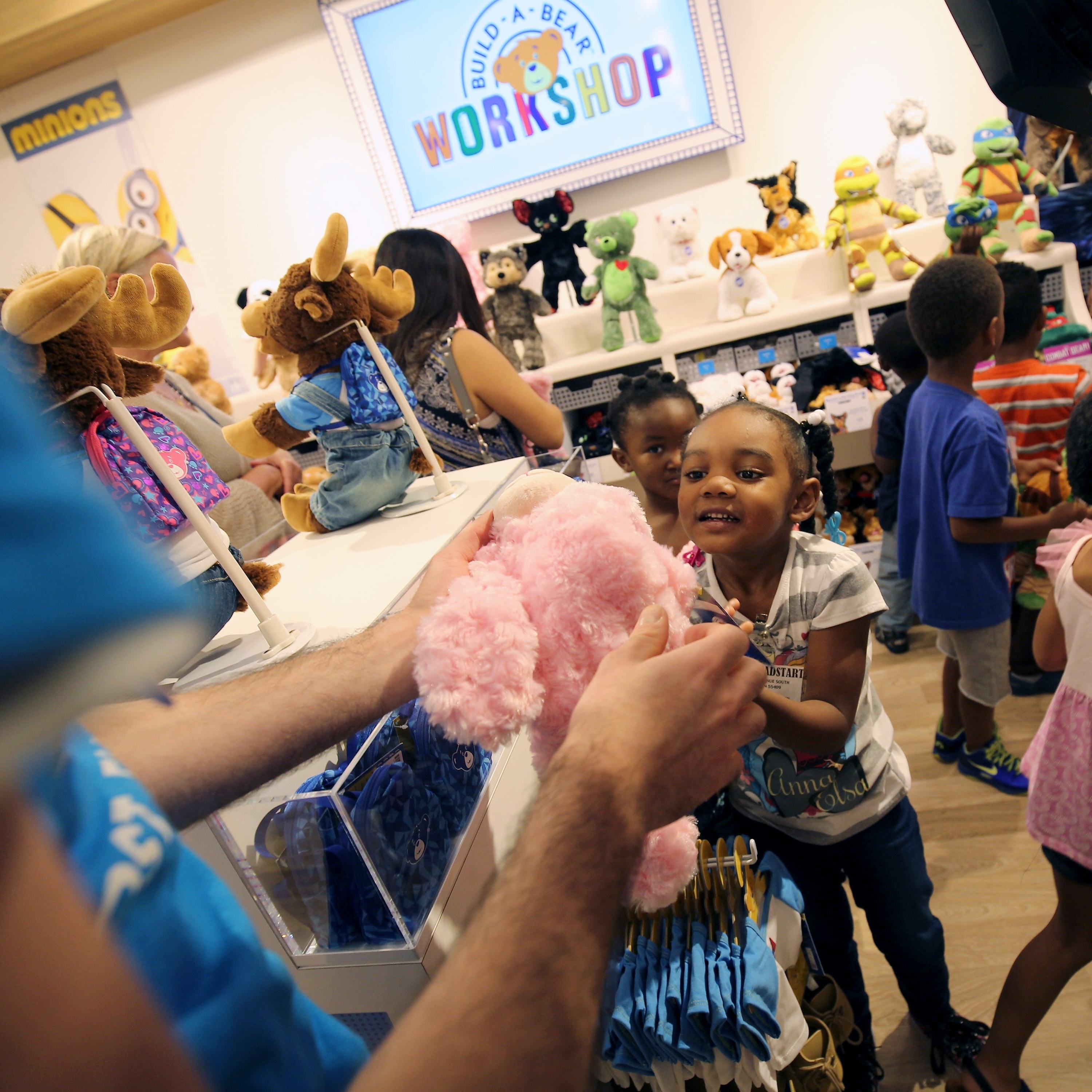
Post Reports
Why Build-a-Bear Workshop is outpacing big tech
00:14:58
Build-a-Bear Workshop’s stock price is outpacing some of the most successful companies in the world. Today, what’s made it stand out and why it’s been able to withstand economic headwinds.
Loading summary
Transcript77 lines
- [00:02]
A
I recently was thinking about how to invest a little bit of money and specifically what companies would be good to buy stock in. The names that came to mind were the usual suspects, the ones dominating the headlines and selling popular tech or AI companies like Microsoft, Apple, Oracle. But my colleague Jackie Peyser had a different company in mind. She's a retail reporter for the Post and recently looked into a business that's been outperforming all of the ones I just mentioned. The company Build a Bear Workshop.
- [00:41]
B
Usually when retailers put out their earnings, we kind of just take a peek at how their stock price is doing because it can give an indication on what analysts are thinking and. And how well the company did. And we were really surprised to see how well Build a Bear stock has done in the last couple of years, and even more surprised when we compared it to some of the biggest companies in the world.
- [01:04]
A
From the newsroom of the Washington Post, this is Post Reports. I'm Elahi izadi. It's Tuesday, October 28th. Today, Jackie explains how a store selling custom stuffed animals in the mall became a financial success story. Build A Bear, as we said, is doing well as a company. But just how well, like, what numbers are we talking about here?
- [01:33]
B
Build A Bear is doing extremely well. I mean, if you just look at its stock price for the last five years, it's up more than 1200%.
- [01:40]
A
Okay, so, wow, that is a huge jump. Jackie, how does that compare to some of the other companies I mentioned, like Apple and, and Microsoft or any other ones?
- [01:50]
B
Yeah, I mean, if you look at just the stock price and all these other large tech companies, the stock price is a lot higher. But the trajectory of how much they've grown doesn't even reach Build A Bear.
- [02:00]
A
So like those companies, it might be way more expensive for me to buy a single share, but the potential for growth isn't what we've seen with Build A Bear.
- [02:07]
B
Yes, that's right.
- [02:08]
A
How remarkable is that?
- [02:10]
B
I mean, for a toy company, specifically one that's in a mall, that's pretty remarkable. It's unheard of.
- [02:15]
A
Has this company ever performed this well before or even been close to this before?
- [02:20]
B
The short answer is no. And even during the pandemic, they really bottomed out. I mean, their stock price went as low as $1, which wasn't abnormal for specifically mall brands. But no, they've never seen success like this. I mean, they're on track for their fifth consecutive year of record revenue growth.
- [02:39]
A
I mean, is part of the growth because they bottomed out so much or.
- [02:42]
B
No, it's definitely part of it. I mean, that definitely shows a more drama. But if you look at the last couple of years, they've just still been growing. So yes, the increase certainly is exaggerated because they hit, you know, a dollar back during the pandemic. But you can't deny that. That they've grown a lot since then.
- [03:00]
A
Okay, so now let's talk about why this is happening. Why is Build a Bear performing so well in this particular moment?
- [03:08]
B
Well, their in store experience is really singular. They have a really unique way of bringing in customers at a really young age and also as an activity that parents can bring their kids to. And it's step by step building a. Literally. Okay, so take.
- [03:20]
A
Pretend we're walking in. Take me into the Build a Bear experience. How does it work?
- [03:24]
B
Okay, so you.
- [03:25]
A
Because I have to say, like, I've always walked by it as a kid and I never got to build a bear. So, like, what would it be like?
- [03:30]
B
So you walk in and there are all different kinds of. They call them furry friends.
- [03:35]
A
But are they always bears?
- [03:36]
B
No.
- [03:37]
A
Okay.
- [03:37]
B
No. So you can get a bat, you can get an axolotl. You can get like a dragon, you can get a cat. So there's a lot of different options, but you go through and you can choose which one you want to make and then you can choose an outfit for them. So there's all different kinds of styles you can choose from. There's also seasonal ones. So if you want to dress them up for Halloween, you can. So then you can. Once you've picked out which one you want, you bring it over and they stuff it and.
- [04:02]
A
Wait, it's not even stuffed?
- [04:03]
B
No, it's like. I hate saying it, but it's like a skin. Okay.
- [04:07]
A
A furry skin. All right.
- [04:11]
B
Wow.
- [04:11]
A
I'm wondering, like, wow. I don't know how I would have taken it as a child.
- [04:15]
B
I mean, they have this pre stuffed ones there.
- [04:17]
A
Oh. For you to choose from. Okay.
- [04:19]
B
Okay.
- [04:19]
A
So they're stuffing it and then what happens?
- [04:21]
B
And they get the kids involved so they can press on the pedal to stuff them themselves. Then they go through like a heart ceremony. Where is it? Like, little kind of fits in the palm of your hand. Satin textured heart. And they put it inside the bear so the kids can rub it, they can make a wish to it. And then they put it in the bear so they know like they were part of bringing the bear to life. And then they can upgrade it. You can add a sound to it so you can get a recording of your Ca. Or of your mom saying I love you or your grandmother saying something. And then you can also get a scent. So they have some scents you can choose, so you can really personalize it generally.
- [04:58]
A
How much do they cost?
- [04:59]
B
It ranges. So for a standard Build A Bear basic without like buying an outfit for it, it can be around 36 to $38. And then for the higher end ones, it can get to like $85. And then there's like super limited edition ones and big ones that can go into the hundreds.
- [05:20]
A
Oh, wow. So when I think of Build a Bear, I think this is a store that I've. I've only seen them in malls. But aren't malls dying? So, like, how come Build a Bear is doing well despite the decline of the shopping mall?
- [05:33]
B
Yeah, malls aren't doing great. I mean, there are obviously exceptions, but mall brands specifically are not doing well, especially like legacy mall brands, which I would equate Build A Bear to be kind of in that category.
- [05:47]
A
And why is that? Why are legacy mall brands not doing well?
- [05:50]
B
People are changing how they shop, especially younger consumers. I mean, Gen Z, Gen Alpha specifically are shopping on their phones. They're discovering things on their phones. We used to walk around the mall.
- [05:59]
A
Yeah.
- [06:00]
B
And you know, go into Claire's.
- [06:01]
A
Oh, yeah, that was a Friday night.
- [06:03]
B
Yeah, it was peak entertainment at that time. But they don't need to do that anymore. And we saw that with Claire's. Exactly. They just filed her bankruptcy. I mean, they were just bought out, but they're closing a lot of stores.
- [06:15]
A
So how does Build a Bear explain why they are still around despite these kinds of trends? And in general, mall brands declining.
- [06:23]
B
Yeah, I mean, they call it the halo effect. They bring in these kids at a really young age, get them acquainted with the brand, and then as they get older, maybe they're not buying bears anymore, but maybe they become an adult and they want to buy their kid one. And so there's this nostalgia aspect to it. Parents want to have something to bring their kids to, or grandparents want to have something, an experience to treat their grandchild to. But it's also something that has now translated into adults as well. So in the last several years, they've been really strategic about setting themselves up to be secure in case times of uncertainty, which is what we're entering into right now. But they were very surgical about going through every store, assessing if they were profitable, closing ones that weren't. They also adjusted their supply chain, so they do a lot of their fulfillment of online orders in stores. So they're kind of like, like double dipping on labor and you can get it a lot faster.
- [07:17]
A
Wait, explain to me how that works when you mean double dipping on labor.
- [07:20]
B
Yeah. So they still have a warehouse where they had to, you know, hire people. There was a big staff that was fulfilling all the online orders. Now they already have staff in stores. So if there's a lull and they're, you know, not everyone is busy at all times. You know, kids are in school in the middle of the day. They have labor, they have staff that's already there. So they are. And they have all the materials to build the Build Bear that they can then mail out. So they're there so they can, you know, stuff the bear and put it, the package together to then send to you.
- [07:47]
A
Yeah, we're also like in this economic moment with tariffs. And so how is Build a Bear doing well right now when so many toy makers and companies that are putting out products like toys have been struggling with the uncertainty that tariffs bring?
- [08:01]
B
Yeah, I mean, the toy industry is particularly vulnerable to tariffs right now. Majority of their inventory comes from China and they didn't move their manufacturing during Trump's last administration because they, they didn't get tariffed. They weren't exempt, but they just weren't getting tariffed on toys. So that's left a lot of companies really vulnerable right now. And, and most of them, including Build A Bear, really front loaded their inventory in preparation for these tariffs to kick in. So they had kind of a backlog. They had, they had some inventory ready to go that was pre tariffed. But like most companies, they've kind of been flexible in like upping prices on certain items. They've been really surgical about that. So for example, they have these mini beans, which is a newer product. They're of like mini Build a Bears. And they were $9.50. Now they're $10. An analyst I spoke to said that the company will probably raise prices on certain things also throughout the rest of the year. But that's pretty common. That what we're seeing across the board.
- [09:02]
A
After the break, the surprising customer base that's helping to fuel Build a Bear's success and whether the company can keep that success going. We'll be right back.
- [09:21]
C
We all have tons of decisions we juggle every day at work and in our businesses. Even us here at the Post. Scripts, show artwork, recording schedules. It can get overwhelming. And that's especially true if you're starting a small business. It can be pretty intimidating wearing so many hats and learning everything on the fly. So finding the right tools and partners that not only help you out, but also simplify everything can be such a game changer for millions of businesses. That tool is Shopify. Shopify helps you in so many ways, from building a beautiful online store using their hundreds of templates to helpful AI tools that write product descriptions, page headlines, and even enhance your product photography to help you easily create email and social media campaigns to target your customer wherever they may be. That's why millions of brands like Allbirds and Skims use Shopify to grow their businesses every day. Turn your big business idea into With Shopify on your side, sign up for your $1 per month trial and start selling today at shopify.com reports. Go to shopify.com reports shopify.com reports to first responders every second counts. Firefighters, paramedics, law enforcement officers and 911 operators need to communicate instantly. And that's why FirstNet exists. FirstNet is the only network built with and for first responders. It's a unique public private partnership with the FirstNet authority making sure America's first responders always have priority access. Whether in the heart of a big city, a rural county or a remote territory. During natural disasters, major storms or large scale events, first responders know they can count on FirstNet to keep them connected, even when other networks are congested or unavailable. FirstNet is more than a network. It's a commitment to first responders, a promise that America's public safety always comes first. FirstNet built with AT&T. Learn more@firstnet.com PublicSafetyFirst.
- [11:25]
A
So Jackie, let's talk a little bit more about the customers here. So they're presumably kids and their parents or grandparents or other adults in their lives are paying for this. Right?
- [11:36]
B
So majority of the customers are children. I mean, their parents or grandparents buying it for them. But 40% are adults buying them for themselves.
- [11:45]
A
Wait, not for kids?
- [11:46]
B
No, for themselves.
- [11:48]
A
Okay, tell me about this. Why are adults buying it for themselves?
- [11:50]
B
Okay, this is actually a really fascinating trend in the toy industry and they call it kidulting. And I've actually written a couple stories about this trend. Like Hot Wheels, for example. Their growth is being driven by adults. Squishmallows. Another plushie is also selling really well with adults. I mean, we have Labubus.
- [12:09]
A
Oh yeah, we did an episode about Labubus. And it's all about adults really loving them.
- [12:13]
B
Yeah, and it's all about nostalgia. I mean, there's a couple of reasons, but that's a big one. And I think you Know, specifically in the millennial, you know, age range that's. It's just been really popular. So I think it's just people want something to make them remind them of their childhood, something of simpler and happier times. And so, you know, seeing a toy that maybe you loved when you were a kid and now having adult money and being able to buy it for yourself can be exc. And they've also just been, like, very smart about keeping track of social media. They have a whole team that's tracking what's going viral. I mean, that was another reason why they've gotten so popular with adults is because they're seeing this really cute. Like, there was a bat that they released during Halloween, and it was so popular, it sold out online, it sold out in stores. I mean, everyone wanted it, and they were keeping an eye on that, so they know kind of when to restock what's trending so they can kind of keep people engaged.
- [13:07]
A
Is it like, I'm also thinking about, like, I never got a Build A Bear or an American Girl doll or any of these. Is it like, people who are like, oh, I didn't get to have that as a kid. Now I have the money to get it 100%.
- [13:19]
B
That is part of it. I mean, I talked to a couple of really big Build A Bear fans, and I would say 75% of the ones I talked to said, well, I couldn't afford one when I was a kid, and now I can. And then another big part of it is the licensing of it all.
- [13:34]
A
What do you mean by licensing?
- [13:35]
B
So, and this is very common across the toy industry. It's basically when these toy companies partner with a brand and then they make a version of it in their own toy. So, for example, there are Star Wars Build A Bears, there's hello Kitty, there's Harry Potter, Pokemon, you know how to Train youn Dragon. So all different kinds. And there's also. And a lot of adults collect based on that specific brand.
- [13:59]
C
Mm.
- [13:59]
A
Yeah. Like, okay, you might not be a Build A Bear person, but you might be a Star wars person.
- [14:02]
B
Yeah. Like, I talked to this couple, Bridget and Zach. They're a married couple living out in Texas who have vast collections of Pokemon, Harry Potter and Star Wars. I mean, we were young when Pokemon first came out, so it kind of appeals to that nostalgia for us.
- [14:21]
D
Same with Harry Potter and Star Wars.
- [14:23]
B
Of course, that's the big thing. There's a lot of nostalgia. And it's not just in Belt A Bear. They have all different kinds of toy brands that are of that ip.
- [14:35]
A
So, Jackie, you're a retail reporter. You're paying very close attention to retail habits and also how companies are preparing themselves and how they're doing the fact that this company that seems pretty old school has done well in the market. What does this story tell you? What did you walk away thinking about?
- [14:49]
B
I walked away thinking that there is still some value in an in store experience if you're giving something unique to the customer. And that's something that's been talked about in the retail industry for the last couple of years, at least since I've been covering it. It's finding way to create an experience around a brand and they've really executed that very well.
- [15:09]
A
Is there a ceiling to this particular company's success? Like what does their future look like?
- [15:14]
B
I mean, they're still growing tremendously. They're planning on opening 60 more stores by the end of the year and they have a lot of room to grow overseas. And they're not even a billion dollar company yet. I mean, last year their annual revenue was around $500 million, which is obviously a lot of money. But when in the grand scheme of things of toy companies, it's a lot smaller. But they' exempt from all the challenges that retailers are facing, especially now that tariffs are really ramping up prices and consumers are being really stretched by higher grocery costs and cost of living and everything. So they are susceptible to folks wanting to pull back and not wanting to splurge on an experience like this. It's not cheap and it's not something that for some folks that they can just, you know, spend on a Tuesday. So they're susceptible to that. But they have also kind of safeguarded themselves in a way and protected themselves a little bit more than maybe some of the other companies in the malls. And they're constantly reinventing themselves and putting out new product. There's constant newness which is so important in retail to keep people engaged.
- [16:18]
A
Well, Jackie, thanks so much for talking today.
- [16:21]
B
Thanks for having me.
- [16:27]
A
Jackie Peyser is a retail reporter for the Post. That's it for Post Reports. Thanks for listening. Today's show was produced by Sabi Robinson. It was edited by Peter Bresnan and mixed by Sean Carter and Sam Baer. Thanks to Helen Fessenden. I'm Elahei Izadi. We'll be back tomorrow with more stories from the Washington Post.
- [17:05]
D
Think about why you listen to podcasts. It's like having a friend who makes you think or can help you wind down, right? Well, the Washington Post has a lot of people you can turn to at any hour. You can read the most important and interesting stories. We can help you cook something delicious, give you advice on a tricky friendship. Rave about a movie or book that you shouldn't miss. When you become a Washington Post subscriber, you have a companion for whatever part of your day needs it most. Get it all for just $4 every four weeks. That's for an entire year. After that, it's just $12 every four weeks. Cancel anytime. Go to washingtonpost.com subscribe that's washingtonpost.com subscribe.