← ProductLed Podcast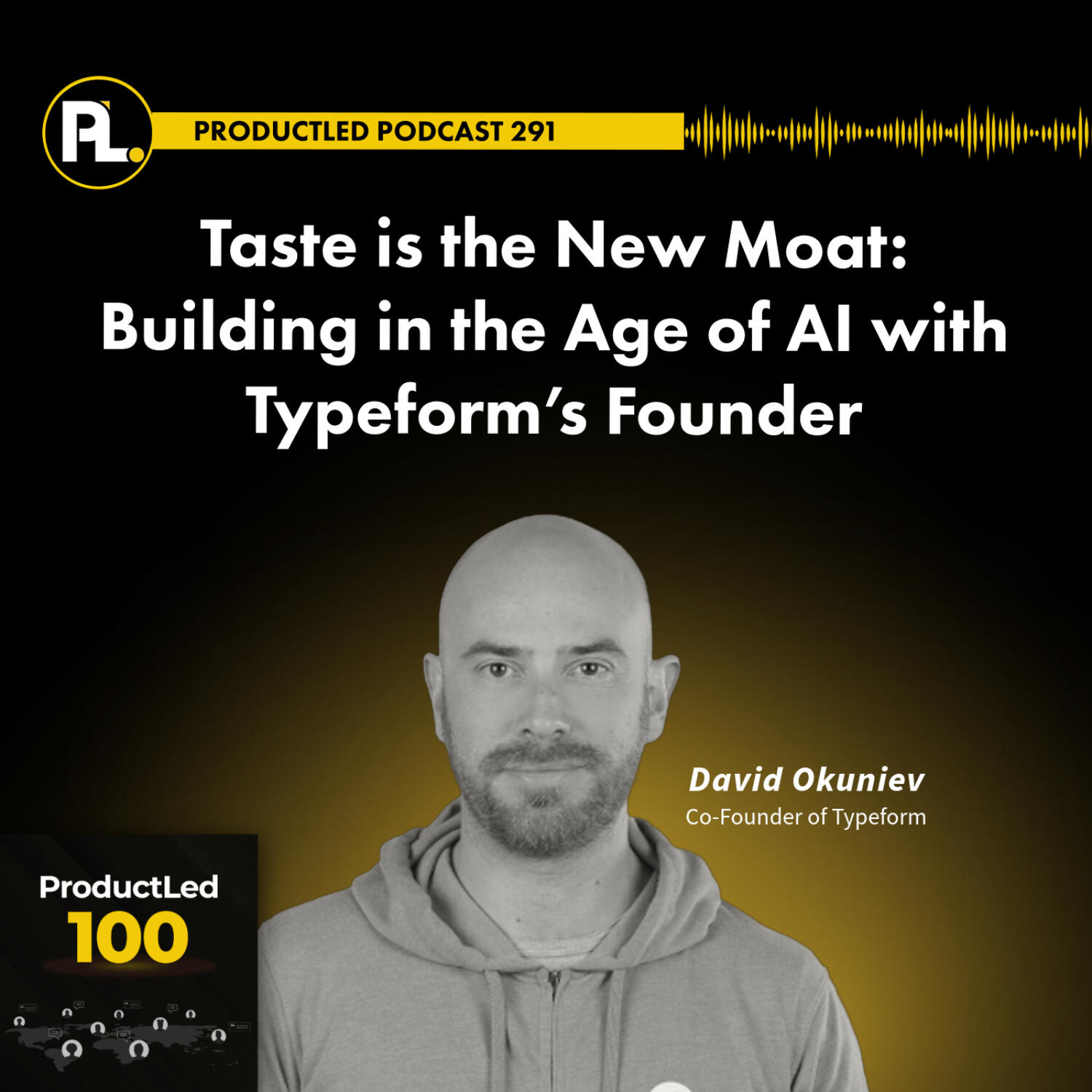
Loading summary
Transcript55 lines
- [00:00]
David Okuniev
Every time we talk about hiring more people, we don't do it Actually now with how fast you can move with claw code, I'm even thinking we don't need that many people working on Supercar at all. We can build a world class product with like very few people because you can just move so, so damn fast.
- [00:14]
Esben Højlund
When User Flow wanted to change pricing, it was us as founders who said let's change the pricing and we did it within a week or so. In a big company where the founders are not directly involved in that, it will take months and months to change just a fraction of the pricing. Right. And that's just too slow.
- [00:32]
David Okuniev
I think in a world where it's just so easy to put things together and the language models are doing a lot of the heavy lifting, taste and design and be able to like direct it is going to be the big differentiator.
- [00:47]
Podcast Host
Welcome to the product led podcast everybody. With me today I have my co host Esben who is the entrepreneur in residence at productled and he was also the co founder of User Flow which bootstrapped to almost 5 million and ARR with just 3 people and product led growth. And today's guest we have David who is the co founder of Float, which is a product studio that's building Supercut IO an AI powered screen recording tool. But prior to Float he was the co founder of Typeform which was, as you probably know, a highly, highly successful survey tool that conquered the world of boring surveys. And I still remember to this day, actually the first time I used Typeform I was like, like this is just boring. Hands down, way better than the alternatives. Whether it was survey monkey, Google forms, they're just like, they're a little soulless is probably the best way to put it.
- [01:37]
David Okuniev
So it feels like prehistory now though.
- [01:39]
Podcast Host
Yeah, it does. But another notable thing too about David and his team is they did all this not being based out of Silicon Valley but in Barcelona, Spain. So super excited to have you here David. Thanks for coming on.
- [01:51]
David Okuniev
Pleasure to be here.
- [01:53]
Podcast Host
Let's just start off with the first question. So when you initially started Typeform, what were some of the things that came up for you? Like why did you need to create another survey tool? What was kind of the reasoning there, David?
- [02:05]
David Okuniev
So there was nothing intentional about building Typeform. It actually isn't an accident because we basically, myself and my co founder had our own kind of web design studios and we had, we had clients and one of my co founders clients was a, a toilet. Well a bathroom company based in Barcelona called Roca and it was Robert's client and he brought me on board to do this project for them which was in their main showroom to have like three Macs kind of in the entrance that would, when people were leaving the showroom, they would leave the name, email and any other details. And so, you know, we got tasked with this project and we thought we couldn't just do like a simple, you know, boring old form with boxes. We had to make it kind of interactive. And I was brought onto the project to help out with Robert and you know, we were already doing some projects together because we happened to be working out of the same co working space and we had been dreaming a little bit about doing a product. And then we had this project for Roka which was like, you know, we ended up buildings completely different form and one thing led to another. Then we thought, well, let's invest a bit more time in this after the, the rocket project is done and you know, turn this into a product.
- [03:21]
Podcast Host
That seems pretty straightforward. But when you launch that interactive form, what was the thinking of like, okay, great, like we're going to spend more time investing in this. But once you launched it, what did you do next to be like, okay, let's validate demands. Do people really want this like new and unique way of doing surveys and forms? What came up as the next step there?
- [03:44]
David Okuniev
Yeah, I mean it's funny that you use that concept of validating demand. Like, we didn't even know what MRR was when we started Typeform. We just had a dream of like, hey, like, because we were kind of like, you know, design led. We're like, hey, wouldn't it be cool if there was like a better way for doing forms? Like websites had evolved because we were working on doing websites for clients. But like contact forms were always this like lowly corner of the Internet. We thought, well, why don't we bring all the niceness that we've been doing on websites to kind of forms and make them more interactive. So we were like thinking about like, hey, let's validate this. We were just like, we're just going to do this and put it out. We've got a dream. And, and, and yeah, I mean the trick. Trippy said as soon as we had the product ready, we put a landing page out. We had a video of, of, you know, us and some other people just walking around Barcelona filling out these forms. We put that out. We had like 8,000 pre registered. I have no idea where these things came from, these users came from. I think some of Them maybe came from a website called Betalist. And then we launched it, like we did like maybe 6,000 people signed up for the service in like the first week. They built type forms and send them out and it just went whoosh. And that was like. I just remember a moment with Robert, my co founder, where we kind of looked at each other after we thought, fuck, this is going to be huge. And that was it. That was kind of our validation maybe, you know, if you want to put the theory around it, like our product market fit moment. But it's such a long time away now we're talking about like, yeah, over 12 years ago, right, so. And so much has changed.
- [05:28]
Esben Højlund
Great story, David. I think you made it, you, you made it sound like random, but I think there's a bit more to it.
- [05:34]
David Okuniev
Probably we can dig in a bit more if you want to hear more of the details, that there was a lot of work behind it. Right. We iterated on the form for like a year and a half after doing this project for Roka. We were just like obsessed with the whole thing. We were just like, how could. Cause we built the whole thing in Flash. So this is how old this is. We built the thing for Roka, the customer in Flash, literally. Obviously we thought, well, we need to build a proper product out of this. So we converted to HTML and we like tried all sorts of different things to get it working and we spent a long time on it, like a year and a half where this decrepit PHP backend thing built by one of our only developer, which was from Columbia.
- [06:20]
Esben Højlund
What did you do when Flash died then? Did you change the product or was this.
- [06:25]
David Okuniev
Flash was still going when we, when we released it, but we knew it was kind of like on its way out and obviously we didn't want people to install a plugin, to have to load a form, plus it wasn't, you know, accessible etc. So yeah, we always knew that we had to do it properly. The reason why we went with Flash is because like at the time, like both our studios were working just so much in Flash, right. It's just really quick to prototype stuff which is interactive in Flash. Remember that back in, you know, 12 years ago, you know, every, you know, web standards were not where they are now. So, you know, you have to like really wrestle with it to get it to work like really nicely and be performant on different browsers, brother, on different machines. We're talking about, you know, before even like, I mean, what version of Mac or with kernel, what processes were you running 12 years ago. So you can imagine what it was like wild west definitely.
- [07:19]
Podcast Host
And what was the like tolerated pain that you think was in the market? So when you look at like why there was so much virality, so many signups there, there was definitely something there where people were like, this sucks. Current solutions don't match. And it was like an unspoken thing, nobody was saying it out loud. But as soon as they saw a type form they were like, yeah, it's bad, we need this solution.
- [07:45]
David Okuniev
It was one of these things where people said, oh wow, why has no one thought of this one before? Seemed quite obvious, but someone had to do it first. I think it wasn't so much that people had a problem, but as soon as they saw this, they realized there was a problem. By that I mean so much of the Internet is kind of formed, right? And it's like to get someone to take an action, people have to, you know, either pay or subscribe to something. And, and you know, the drop off rates on forms are obviously really high. And if you bring people into an experience, especially into an experience which is like one question at a time, that kind of changed the game, right? And we were kind of the first to bring that in. The thought of forms before was just like a laundry list of questions that you had to fill. And it was just like boring and just had to be done. And we thought, well, why can't this be interactive, have kind of a flow to it? One question at a time. It can bring your brand in and it can feel like an experience. And that was like a lot of people just got it really quickly when they saw it the first time. And that was just the growth like funnily enough, in my career mostly the products I've done have been around like rethinking and interface. So I did like some like not pro video art and formless which was an AI first form and video ask was kind of video driven forms and none of them like Typeform really caught fire in the same way, like in terms of that eureka moment because at that time people just hadn't thought of this area of the Internet to be like it could be different, right? So it was just a magic moment and we were there at the right moment and we kind of defined almost a new category. And funnily enough now if you look at all the form companies of exactly what type form pioneered really and it's now like the standard no one wants to. I mean Google Forms are still doing long forms. I think they have a one question at a time Format probably, but it was really early on and we were really lucky to be there and you know, grab a hold of that moment, let's say.
- [09:54]
Podcast Host
Yeah, I think it's super interesting because if you look at SaaS as it is today, there's like, okay, all the functional jobs to be done have been pretty much met for the most part. Like there, there still is like new ones that need to be done but like there's millions of apps out there that solve bas, obviously spreadsheets in a different way that's more efficient and tons of things but everything's form mate. You even say yeah, exactly. It's like moving from functional to experiences. That is the next level. And so it is really like back to your thesis for float. It is a lot more companies are going to be design led and they need to have these world class experiences and so I'm curious to hear your take on this. Like how do you think about design, like the importance of design when building a software business today?
- [10:41]
David Okuniev
Well, I mean I've always thought it was cool, but I think now more than ever it's kind of critical. I mean so many people are building and so many people are building that quick. What's really going to be the differentiator at the end of the day? I mean just, just to give you an idea, over Christmas started really getting like going hard on like 5 coding and seeing how quick I could do stuff. I don't know Swift. I do code but I don't know Swift. And I built an end to end Swift app in a question of days. And the days was actually me just iterating on the design and trying to get it right. Like it doing the code was probably like the fastest part. So I think in a world where it's just so easy to put things together and the language models are doing a lot of the heavy lifting, like, and you've heard this all before, I'm obviously the first person to say it. It's like taste and design and be able to like direct it is going to be the big differentiator. Obviously you need to have a good idea and, and you need to be very clear on how you communicate it. You're going to need distribution as well. But the days of just like hey, I'm just gonna put something which works well and is cool, it's just not enough anymore. There's just so much being flooded out that you need that differentiator and design more than ever is that definitely.
- [12:00]
Podcast Host
What would you say is your founder's archetype so Esmen and I have been talking a little bit about this with a lot of the founders we interviewed. There is some, they prefer red oceans. Some obviously prefer, like, blue oceans. New stuff. But as we were kind of going through your story and the different companies you've worked on as well, we're like, starting to spot some trends. They're like, okay, you go after red oceans. Whether it's validated demands, whether it's in videos or surveys, both of these products have, like, high virality. So they can grow through word of mouth pretty easily if done right, which you're good at doing the done right part on those. And the design and taste matter, like, that's a way you like to differentiate. And, you know, maybe it's a, I don't know, like, there's an opinion in the software, in the design as far as, like, hey, this is a beautiful form. This is what we think is beautiful. And so what else would you say is, like, this is your founder's archetype of, like, this is the sweet spot for David, where we're going to make the best products ever. Is there anything else there that you would kind of list out?
- [13:06]
David Okuniev
I don't think I've ever deliberately thought of myself. Like, I just work in, in, in red, Asian. But it's true to say, like, everything that I've done has been in a busy space. I just think I, I, I look at some products and I think, well, there's still so much room for innovation, right? I, I, I. Well, now I'm working on a screen recording tool, a video messaging tool, and it's the same thing. I think, like, everything out there is just so clunky and very busy and, you know, there needs to be a space for, like, this done, like, properly or so. So I get excited about that. I'm also very impulsive as a person. And I guess my archetype is that I'm not really scared of, like, doing, doing stuff. I almost, like, have, have this sense well, I have to kind of like, suspend reality and think, like, yeah, this could, like, like, really work. I mean, just to give you an example, like, my wife is a complete opposite. She won't do something unless she's 100% sure that it's really gonna work. And I'm like, more. I can just very quickly get inside, excited on impulse. And I just, I want to explore it. I want to explore it. The good thing being a designer, it's kind of a superpower that you can really, you know, explore that visually. And it's for me, it's such a pleasurable process to actually build things and see them come out in design. And then obviously now, well, I've been coding for like, like a few years, but now I can just produce stuff so fast and it's just so satisfying. It's like I even like started to just naturally have like product ideas all of a sudden just because I know that, you know, I can just do something over the weekend. I can just launch something so quickly. So, yeah, I think just to summarize. Yeah, like I'm curious, impulsive and kind of not scared of failing, I guess would be my archetype. Very. Like there are some founders of much more analytical. Right. They'll just like really make sure they're doing the right decision and that's good for them later in, later stage. Right. I'm actually, I would say even though I stayed in typhoon for 10 years, I was CEO for six years, which was six years too long. I'm really very much like the early stage person, which is figuring out the product, framing it, the positioning, the early positioning at least and then probably handing it off to someone else to really like. I guess the archetype is the Pioneer archetype. I think that's what people generally use. There are people at Settlers and I feel comfortable in the Pioneer.
- [15:36]
Podcast Host
Nice. That's awesome. And Esvin, I'll. I'll throw you on that hot seat here too. What would you say is your founder's archetype? And I'm curious the differences here too, because like we're talking a bit about like your next chapter too, like after User Flow, like what is that next market? I'm curious, like what is the difference there for you? Because User Flow doesn't necessarily have that by reality component as much. It's more like inside the company. But we're. What else do you think is the same and different?
- [16:02]
Esben Højlund
Yeah, I would have loved to create some viral products. Both Cobalt and userflow were. Not that Cobalt had a bit more virality, but almost the same as userflow. I mean you would like companies would see userflow in their applications and we did have like made with userflow in the boxes. So some would see it, but it didn't seem to have a big effect on us getting new customers. Whereas something like Typeform or Supercut, I can definitely see being something that people sign up because they see others using it. But I would say my archetype is I have a lot of similarities to how David think. I'm also very much hands on kind of person I want to be early in the early stages. It's one of the big reasons why I left Cobalt was we became a 200 people company and suddenly the founders were kind of far away from the product which, which I honestly think even when you grow a company you should try to avoid that because the founders are also typically the people who can take the tough decisions and speed up things with. We can have a whole podcast about that. But yeah, I'm a very much hands on person and joined co founded userfloat with Sebastian exactly because of that. Because we could be a small team and we could stay small and we could stay hands on on the product. So for me that's very important. The second thing I would say is similar to David, I like building products that have a clean ux. Great kind of the Scandinavian mindset, I guess. Beautiful products that are easy to use and it was all the same. I'm hearing a lot of the same things as David with userflow. We also looked at the market and saw a lot of clunky products and decided to change the game. And similar to Typeform, we not only made a nicer ui, we actually did a paradigm change. And I think that's what's needed. We made a whole new way of building these onboarding flows, similar to how Typhoon made a whole new way of, of doing surveys. That is also very important to me to, to build beautiful products. And then the third thing is, is really all about being product led. So building something that can kind of run on its own and, and become fully automated. So it doesn't depend on me as a person or depend on other people to kind of stay involved. I think those are the greatest products that can just run on, on their own. Basically.
- [18:25]
David Okuniev
Yeah, I resonate with all that. I mean the ultimate expression, one thing that resonated with me is, is like founder staying close to the product. Because it's really the founder that like just has a kind of natural disposition to like obsess over it. And when they see something that they don't like or they're not comfortable, they jump in and they, you know, it's like their baby.
- [18:48]
Podcast Host
Right.
- [18:48]
David Okuniev
I guess like the ultimate expression of that in the most successful company is probably, yeah, I guess it's Brian Chesney from, from Airbnb. But yeah, I mean it's like there is a unique angle that, you know, keeping the founder staying close to the product gives and often you have other situations where the, the, the, the founders aren't. So let's say design led or, or Product led. And it's more about, okay, building the business around that. So it's like, okay, the product does what it does. It doesn't have to like delight the customers, just has to get the job to be done and we'll sell it really well and build good sales teams around it. And that's another playbook, right? And that works. Companies out there that have sort of just tick the box products and are doing very well, I guess, you know, it's like, well, what do you want to do? But I think in the future that is going to become, well, you know, because we spoke about this earlier, like being design led. I just think, you know, it's just becoming more and more pertinent, right, that, that, that you can't just get away with, you know, just setting something which is average. You've really got to, you know, build that capability, hire design people if you don't have them, but put that focus on it to really ultimately, ultimately succeed. And the last point I'll say here is that it's, it's mostly driven by the consumer, the customer that, that actually knows, like, knows what shit is and how. Right. And has a high bar because there's more and more good product. There's been more and more good products out there.
- [20:26]
Podcast Host
So before we get into like Supercut, what you're doing at Float, when we think about your decision where you said, like, okay, I was CEO for six years too long, what would have been the alternative that you, like, if you went back in time, what would you have said like, okay, to David, who's going through that whole experience, like, okay, it doesn't make sense to stay a CEO. But then there's the Brian Cheskys of the world where it's like, okay, they stay on somehow and they figure it out. And then there's others that they, they just put the founder in like the head of product seat and they do that. They do what they love and there's lots of ways to approach it. And I've also heard there's this one other founder, he like exited. He took over this company. He was like, CEO and he was like, I definitely don't want the founder on here because he's going to undermine everything. So it's like, what is the, the best case scenario of like, how you would approach that scenario again? And what would be your advice to other founders that are that same like archetype where they want to be the pioneer, they want to stay close to the product. What would you recommend them to do?
- [21:28]
David Okuniev
Well, let Me just start by saying that I stepped down. Well, I was co CEO of my co founder and I stepped down as co CEO together with my co founder because we just felt like we weren't up to the task and it was just, the pressure was just like really mounting. We were already maybe 250 people, you know, at that scale we were dealing with a lot of people issues all the time and it was just like, you know, everything we do just takes us away from, from product at the same time. Like we had by that point we had raised several rounds. We're ready our series, we've done our series B and it was just like, I think we felt a little bit of pressure as well from, from the board, the investors that maybe we're not the best people for the job. So you know, all that together like made us think like, like yeah, maybe we need to bring in someone else. And that's what we did. In hindsight, I actually think it wasn't the best decision because what basically happened was that the company lost its design focus, went overly analytical, really slowed down in terms of innovation and even the culture suffered. And so if I could go back in time, not that I regret any anywhere now, but if I could go back in time in a time machine and tell myself I would say like stick at it and you define what you want, you'll come how, how you're going to, what kind of leader you're going to be because you can just put your hand up and say, look, I'm not like this uber business leader that's going to solve all growth and I've got all this, the solutions. What I've got is like this energy to, to drive and love this company and love the product and we're going to keep on itching at it and people want to follow that. We brought in a CEO. He did a, you know, did a good job for like, like many years. But it was a different style and ultimately that style did, how to put it. Just don't want to put it wrong. But that, that style did had its kind of limitations. Well and after a while you started to feel that. And so my advice to, to, to people that think they can't be the CEO as, as a founder, I think that's, that's bullshit. I think some of the best companies out there have founders which have grown with, with the company and have fought through their imposter syndrome and have learned and just keep on, kept on at it and they're better companies for it. But yeah, I mean now we have a new CEO in Typhoon. Obviously, I haven't gone back and. And. But the, you know, the focus is back on, like, you know, reigniting innovation and, you know, and really pushing things forward, which was the original way we would operate. But, yeah, a lot of companies go through this cycle, right? I think it's pretty typical.
- [24:19]
Podcast Host
Oh, definitely. And I. Before we get into the next part, too, I'll share just a quick story. I was listening to the founders podcast, which is awesome. And he was interviewing the CEO of Spotify. His name's Daniel. And it was just like this fascinating story of, okay, he's a different kind of leader. He's not the rah, rah, rah, like, extroverted CEO that many people like. That's the archetype of a great CEO kind of thing. No, he's super introverted, super quiet. And the common trends I'm hearing again and again through all the founders he interviews there, which is super fun, is if you think of, like, the best CEOs, what do they do? They design the cockpit for their business. The leadership team is like, the way they run it. It has to vibe with who they are. Like, Jensen from Nvidia is like, he doesn't do one on ones. He doesn't like them. So it's like everything is in those leadership meetings, and that's how he wants to run the business. And so I think, just to echo what you said, it is really also not just, like, when you feel that pressure, it's natural to be like, okay, let's find somebody else to do this. Let's go through that. But it's like, what would have to be true for you to succeed in this role as CEO with your current abilities and capabilities? And it's like, maybe, okay, there's a different way you could run the business that helps you stay in the flow, helps you have that control and that creative freedom, but also get supported on all those other areas that obviously drain you.
- [25:51]
Esben Højlund
For that part, I want to add to this that totally put myself in your shoes, David. I've gone through exactly the same with Cobalt and seen exactly the same thing. I also left around 200 people. I definitely, especially now in the age of AI, would have loved to see them move faster in that world than they are currently. But they're getting there, so they will get there in their own pace. But what I saw almost earlier than that was, and that's the reason why I decided to, first and foremost bootstrap user flow, but also keep the team small, was the innovation kind of died even before that because we became too many people and got too far away from the customers. Too many layers of organizations, these kind of things. It was limited what us as founders could really do without overruling people. Right. And so my solution was kind of keep the team small instead create less layers of organization and then you can stay on as a founder. And so that's my solution.
- [26:49]
David Okuniev
You create a separate team for yourself.
- [26:52]
Esben Højlund
You could maybe do that, but I think in general I would just keep the teams. Like keep. I would. If I was to do Cobalt again, I would not have hired 200 people. Right. I would have hired, you know, max 50. Maybe a bit like more like Basecamp, you see, with where, where the founders are still very close to the product. Right. But one example that that is out there today, which I think is a great case study of it being possible to bring back a founder and bring back the innovation is Intercom. So Intercom was actually dying out as a business from, from. For a few years there they also went into the trap of hiring a professional CEO and these kind of things. And then they, they, they brought back the, the founder CEO and he went all in on AI and today known for fin AI. Right. And, and, and have completely pivoted and generating millions in, in AR and, and are growing again. So that's an amazing pivot story, I think.
- [27:50]
David Okuniev
Yeah, I think because like, in a way the founder's got much less to lose and it's not exactly that because obviously loads to lose, but it's like that founder energy is like, fuck it. Like you put, you're willing to put all your chips on the table, right? But a professional CEO is more like, well, this is my career. If I mess this up like, and I get fired, how am I going to get into another company as a professional CEO? Like the founder doesn't make those equations. The founder's supposed to fail and then pick themselves back up and do the next thing. So, you know. Yeah, it makes sense that in the case of intercomby, only the founder could have pivoted the whole company easily to that and take that risk.
- [28:31]
Podcast Host
And you mentioned this as well in your architect, when I gave you that question too, of like, you don't care to make some of those big calls, make those big bets. Why do you think that is? Because that is like, if you think of like the professional CEO, they're, they're, they're looking to like optimize. They have the playbook, they've been hired to kind of implement. And then for yourself as like a founder, there's, there's something else there. Is it like, what do you think it is? Is it what drives you? What is the thing where it's like, this is what stands up. Like, if you think of the pecking order of like, messing up everything and losing millions, all that stuff, versus is it like the standard of like, I feel like, is it perfectionism? Is it like, what is the thing above that that is motivating you to like, make that decision where it's like, it's going to cost a lot potentially if this doesn't work, but I'm doing it because of this reason. What is that for you?
- [29:22]
David Okuniev
First of all, like, I say this because you can as a founder, like, that's the first thing I think you're also expected to. Right? It's like people look to you to take, like, really big, ballsy decisions. And when you do, people generally rally around you. They're like, yeah, let's do this. And some CEOs like, will be less willing to do that. That doesn't mean that there aren't like professional CEOs. The founders are great CEOs and do have big balls, but it's just a different power dynamic, right? Maybe the professional CEOs thinks that they're working for the board. Sometimes you get, you get that dynamic. I think if a founder starts feeling that, then I think they're in big trouble. But yeah, there's been. Few have a different perspective on this. But just like, you can be a bit more crazy, I'd say, as a, as a family, even though you have this huge responsibility, of course, it's not like you just throw it away, but you can.
- [30:13]
Esben Højlund
I think that is the main trait of a founder. They can, you know, they founded the company, so they, and they should be able to take tough calls and make big, big decisions. And I think the companies that go away from that are the ones that fail or where growth kind of declines over time because they don't have those kind of people in the organization. And I don't think it's, it's just on the CEO level, I think it's also lower down in the organization from product decisions and these kind of things that somebody who are not afraid to take quick decisions. The example I would bring is like, when user flow, when we wanted to change pricing, it was us as founders who said, let's change the pricing. And we did it within a week or so. In a big company where the founders are not directly involved in that, it will take months and Months to change just a fraction of the pricing, right? And that's just too slow. I think there are plenty of examples of that that you basically just slow the business by having too many people and having people that are afraid to make big decisions.
- [31:17]
David Okuniev
And that by the way, starts at the top, right? So if you have a leadership style that's very command and control, then everyone just gets overly analytical. They're like, we have to justify this decision because we're going to have to really research the shit out of this thing first and then maybe we'll move on it as opposed to just like, well, we have an intuition, let's move on it. If it doesn't work, we'll quickly fix it and move on. And I saw this a lot at typefall, right? Just people just walking on eggshells when they do a product. Absolutely. Like we're just paralyzed. There's just so much process to do anything like that had to page eventually because it's no model. Especially nowadays. Like imagine it's unthinkable now the speed at which you can move. And if you're being hampered by you know, some crazy overstretched process, it's like you cannot compete now. You just, you're just gonna die.
- [32:14]
Esben Højlund
One thing, look, when I'm looking at the AI market for instance, I see all these hyper growth companies, right? And, and all of them are founder led at the moment. And my biggest fear is for them, and I hope maybe they will listen to this, is they, because they're growing so fast, they get all this attention from VCs and VCs are bagging them and sending them money, big bags of money and they then hire a ton of people, right? And in the end it's going to be a huge organization which is not at all where they started or wanted to be in debt. When you start talking about a professional CEO and these kind of things, right?
- [32:49]
David Okuniev
That's the whole thing about getting into this game. Like as a first time founder with hyperbole. It's exactly what happened to us. We were like, oh, we can get this person that worked at this company. Wow, they've got this track record. Ah, now we can, we can have an advisor that's the ex CMO of Slack. Wow, isn't that crazy good? So you can get as much advice as you want, right? At the end of the day it's not, I don't know if it makes such a big difference compared to like just have a really good focus team, like really working at it and having really good communication. So, yeah, that advice that you've been giving, I think that's kind of always been the case. Right. But you have a lot of these really young CEOs coming up. Founders, like, seeing growth because they're on the. They're building an AI product. It's just like scaling, not even hypergrowth. It's just like out of this league kind of growth. Right. Like, Typeform was hypergrowth, and it was like million first year, 3 million ARR the next year, and then 9 million. That was the unicorn path. But now that's. That. That's nothing. Now, like, we're talking about, like, getting to like, you know, like 100 million ARR in like eight months. Right. So, yeah, yeah. You think lose your head really quickly when you. When you're that age. Right. So, yeah, I mean, obviously it's still good advice.
- [34:12]
Podcast Host
Actually, I think to recap that part about, like, CEOs founders, one quote Jason Fried gave me when we were doing the interview with him on the product LED podcast was, the founder's job is to introduce risk into the business while the rest of the team is to mitigate. It was kind of interesting. I'm like, okay, yeah, if there isn't anybody stirring the pot, doing creative destruction, then innovation dies in a company and everybody starts mitigating it. Which I think goes back to your point, David, about the professional CEOs. What do they potentially get wrong? And it is. They're trying to mitigate things. They're trying to protect the profit. They're trying to really just have that stability.
- [34:51]
David Okuniev
They're not founders for a reason. Right. It's just like going back to the archetype. They're just a different archetype. So of course there's exceptions. But if you're having a professional CEO, is it you looking for that crazy innovator like that crazy innovator shouldn't. Who will not be a professional CEO. They'll be. They'll be building their own company. So, you know, by. By choosing a professional CEO, you're taking a very. You have to know that you're making a very deliberate choice. Unless. Unless. And obviously there's a caveat to this. Like, you're really in a very close partnership with the professional CEO. Almost like you're kind of like a co CEO, like in silence on the side, and the other person is doing what you hate doing, which is kind of like a CEO COO relationship, maybe. But, yeah, we'll make the same mistakes again. That's it.
- [35:44]
Podcast Host
And for your next chapter. So working on float and then Supercut, could you maybe share a little bit more about what you're building up, Float? I guess the whole plan to just build more of these applications that kind of meet that founder's archetype of like they're red ocean, they're focusing on design first and how you're thinking about building them out and how that's going so far at supercut.
- [36:06]
David Okuniev
Just to go back a little bit like. So when I stepped down a CEO at Typeform, I spent the following, like four years in a product lab at Typeform we called Typeform Labs. And in that we built several products, a couple which we took to market or one half the market. But one was videoaski and another one was Formless, which was like a completely AI driven version of Typeform. So I was kind of already doing Float Labs in, in, in Typeform, which was moving really fast, no dependencies. My style being that I just want to get shit done and you know, worry about the problems later and just, you know, build as fast as you can. And obviously at that point it was, you know, there wasn't AI to build. Right. So things still took a reasonable amount of time. But you know, compared to the rest of the organization, we were moving like really, really fast. And so I built a team around videoask. And one of the first people to join that team, I actually recruited someone from outside called Neil, who's now my co founder in Float. And most of the team that was in Typeform Labs have actually joined us in Float. So Float Labs is basically Typeform Labs outside Typeform. And I guess the, the, the, the thesis and the reason why we call it Float because we, we really like taking a product from zero to a point where, where it can just float off by itself. So what, what I mean by that is if we just focus it around myself and Neil, we just love that early stage. We love to build like the initial core team around it and get the product to a point where we're like, okay, the big problems are solved as far as like the product. We've, we've, the core thing is done now. It's like deliberately choosing the right things to build on top and building the strategy. And then, you know, I don't know if it's before or after that we step away from it. But you know, already my co founders is, well, Neil is starting to look in another area. I'm, I'm kind of like mostly working on Supercar and thinking about other things. I just launched an iOS app. It just got approved today. It's called the App cam and it's a, it's a camera you can talk to. So we're going to do more products for sure. The only thing is that when we raised this, we raised around for float on the back of Supercar. We kind of really felt that pressure to stay really focused on Supercut fully until we got it to decent place. Which means like to revenue and, and growing. Now we're in, we're now in this space where we've got like, you know, we're over a thousand customers and we're like growing it and looking like, you know, what's the strategy to get this to the next level. But we are looking at doing other things as well like I mentioned. So yeah, that's kind of like how we operate. And the team is, it's, it's seven people, five of us on, on, on, on product. One person that is more like everything outside product apart from deep business stuff like back office and then someone running, running the back office. But we're like a super, super tight team and every time we talk about hiring more people, we don't do it. So you know, we've been like this size for like quite a while actually now with how fast you can move with claw code. I'm even thinking we don't need like, like that many people working on Supercut at all. Now that we've like solved the right problems, just like let's scale down the team like liberate other people to do like more stuff and you know, we can build a world class product with like very few people because you can just move so, so damn fast. It's so crazy to think that like where this is going to be in six months, like thinking where it's, how it's changed since just before Christmas when Clobco was introduced. I know there's Codex as well, like that's getting quite a lot of attention as well. But the step change in terms of you completely trusting the AI and, and you're mostly actually just like vite coding and then checking the PR at the end. That's the new paradigm. I'm literally now coding, talking through a microphone into Claude code and seeing the browser update and then I'm just like a tastemaker. This is, yeah, do this, do that, do that, do that and just a cycle of moving that fast. I don't have to, I don't have to solve any problems to think like how am I going to architect this or how am I going to, okay, I need to take like super cuts of React app. So how am I going to structure this component? Like, how am I going to split this up? I don't have to care about that anymore. I did have to care like three months ago because I, I knew like the AI would probably get it wrong and I would have to like clean up. But now it's like I don't care. And maybe I'll care at the end of the PR and I'll notice something, but I can just very quickly give it back to Claude and it'll just do it. So it's like we're just living in a completely different world and like everyone's building. Like, I mean even like I told my son who's studying engineering, like, you just gotta build. I just bought him a Claude code subscription. Will say, just build, build, build. Now that's all you gotta do. So now the equation is like, how are you gonna distribute this? Like, what's the let you know, how do you like, stand up? Like, design's a big thing, distribution's a big thing. Building a community around yourself is a big, big thing. It's just a different world now look on the lower end, right? Enterprise software, I think that's going to take a while for that to change. But of course the other equation is that enterprises are going to start to create teams of people in their company that just by coding internal tools to not have to buy software and actually adapt the software to their use case and not have to worry about any data leaks or anything. So I think the landscape is, is changing so fast and it's going to change even faster.
- [41:58]
Podcast Host
Yeah.
- [41:58]
David Okuniev
Anyway, it's a, it's a whole long compensation. But you know, you know the deal. If you spend like an hour on Twitter, you're just like, your head will explode. Yeah, definitely.
- [42:09]
Podcast Host
And for a minimum viable team, who do you think is like you mentioned, like, okay, nowadays you could even get your teams even smaller than before who would be on your minimum viable team? Because I know like going back to Esme user flows like himself, he was the chief growth officer. There was Sebastian, who is capable at so many things and developing the product. He could do the design too. But then they hired the designer as well. So they had like those, those core three people. But I'm curious on your end, what would that, that look like? If you're to design your like a minimum viable team, this is what you need for, for each of your products as you build out your portfolio?
- [42:43]
David Okuniev
Well, no, no. Leadership team was such like the idea of like having a leadership team seems like it's just a disconnected layer. Just have a small team of really good people that know their domain really well. So what's the dream team? One, it's as small as possible. It's a design driven founder which can jump into code and understand code. A founder with deep technology, an engineer and a marketing business person. I think you're going to see companies just have that and then automate the rest because it's the most fun, right? Like having to like deal with an organization. Those will still exist for sure. But like having to deal with that, like who, who really wants to do that? Right? It's like you just want to move fast and have maximum impact. I don't know people that really like, have an ambition to build like just a huge company. It's more about, like, how can I do more with less? That's my dream company. When I was Bernmedi, it was slightly glitched. Ted, friend, hobby or even smaller, could be just new.
- [43:46]
Esben Højlund
I think that that's a perfect team. Like, I mean with userflow, we were, me, coach Margot, you know, Sebastian, building the product and a designer, I think those, that's like the, if you have that, it's everything. We spoke with Winston Young earlier on the podcast and he's trying to do it with one person. But I would, I would, I think I would feel lonely as a founder just being alone building something. And honestly, I think, yes, I can do design, but I think a designer is really a superpower that they can, you know, they can do stuff that I can't. And those are the. And similar with a great cto, right? Like I can, yes, I can use cloud code or whatever. But a great cto, they can, you know, build some much more sophisticated stuff that can really do a paradigm change. Right? So I think that's, that's what you need to do to do paradigm changes.
- [44:40]
Podcast Host
Definitely. So to wrap up any last advice you'd give David, for a founder who has your same archetype, like, what is it that you'd be like, hey, this is what you guys gotta do to succeed in 2026 with everything you have at your disposal nowadays, like cloud code, it's faster, it's easier. There's a lot of products out there that are ripe for disruption, that need better design. What would be your advice? And then where can people find out more about what you're up to?
- [45:05]
David Okuniev
Well, I think obviously you can validate a product more faster now, right? Because you can build something that looks half decent really, really quickly. So just try loads of ideas. Right. Plus you're, you're a founder looking for something, something, something new. Like spend a month, two months, just like build three or four things, see what sticks.
- [45:25]
Esben Højlund
Yeah.
- [45:26]
David Okuniev
Again, like if you're not, you know, design. If you're not a designer, doesn't. I think more than being a designer, you cannot, you should be a good taste maker. Right. And have good taste and know what you want and you can, you can use AI to, to design things for you as well and get it to a pretty decent level. So it's not just like I need to be a designer. What you need is to be opinionated. Right. And know what you want. So yeah, I mean now more than ever is like, wow, it's like the wild west. You know, it's such a great time to build a company because you can just do it so easily. Right. You don't need to raise that much money. You can just build something, put it out there and build an audience and you know, and then take it from there. Just running it would be my advice.
- [46:09]
Podcast Host
Awesome. And so I know people can find out more about what you're up to at Float Build and any other places you want people to interact with you. Reach out if they have any questions about the episode.
- [46:20]
David Okuniev
Well, I'm on Twitter, Okuiux and all through Supercar. That's kind of like our main destination. But yeah, we're just, just looking for people to try our products and you know, if they enjoy good software. Try, try what we're working on.
- [46:37]
Podcast Host
Awesome. Well, we'll definitely link to those in the show notes as well. But thanks so much for coming on David. This has been a blast chatting with you and to wrap things up, thank you everybody for listening to this version of the product podcast. Make sure to rate review this on wherever you listen to podcasts, whether it's Apple, Google, you name it, Spotify. I'm going to read every single one of those reviews and that's how I know how to improve this. Also, if you want to stay in contact with me and learn what is going on in the world of plg and every single week get a the best actionable deep dives on product led growth. Make sure to head on over to productled.com forward slash newsletter. I am personally writing each of these deep dives every single week and you're going to get a ton of it. So make sure to head on over there to product led.com forward slash newsletter.