Loading summary
Transcript23 lines
- [00:00]
A
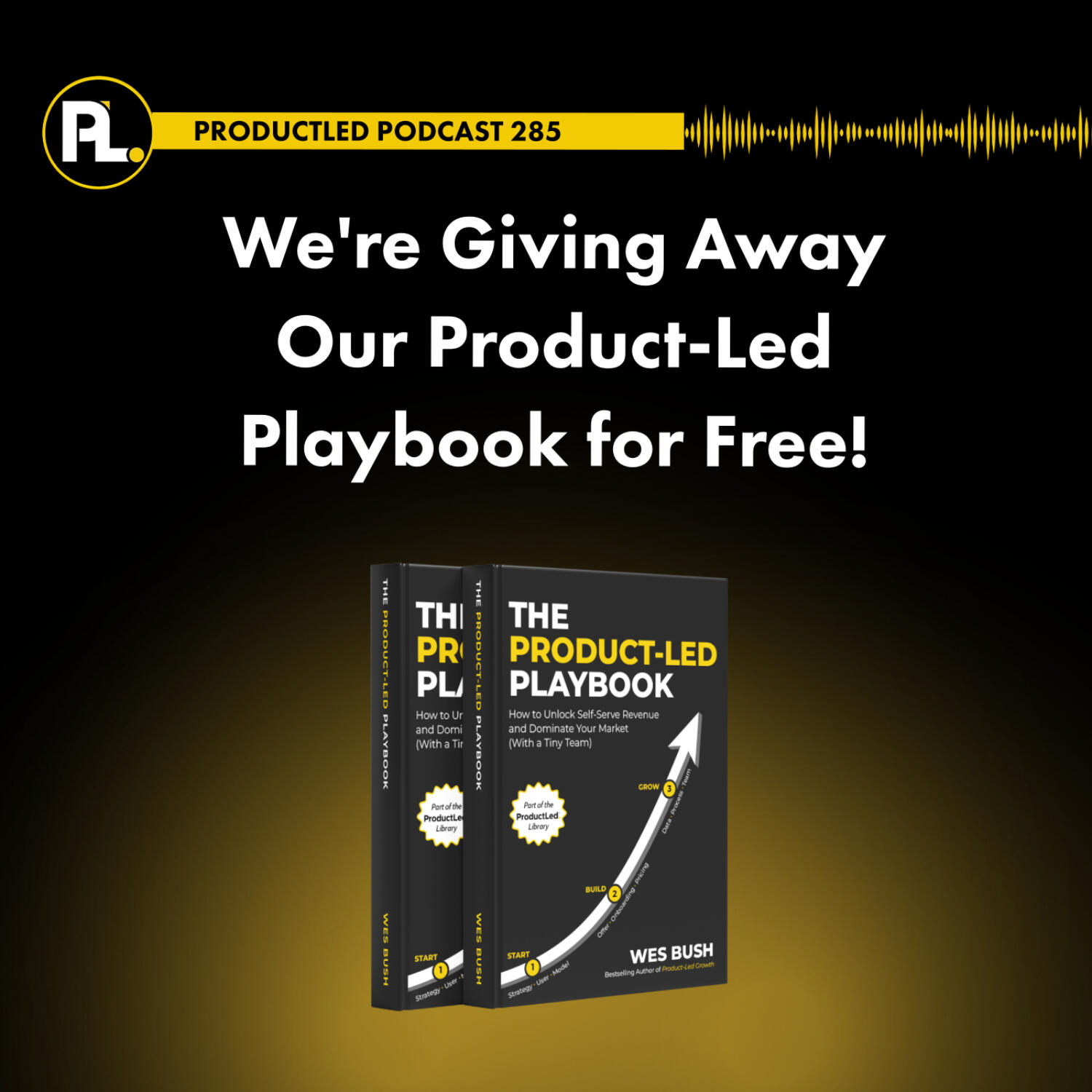
What if there was a proven system that could help your product sell itself without relying on a massive sales team? A system that separates companies that soar with product led growth from those that crash and burn? And what if we told you we're giving it away for free? Next week, on October 7, 2025, we're releasing the complete product LED playbook at no cost. This is the book that took two years and analysis of over 324 companies to create. And we've never done anything like this before. We're republishing this behind the scenes episode today because it reveals exactly what you're getting. The nine core components that the most successful founders use to build companies that become the obvious choice in their market. You'll hear how we discovered the predictable patterns of product led success, what makes the difference between effortless growth and complete failure, and why this system works when traditional approaches fall short. By the end of this episode, you'll understand the system and next week you'll own it completely free. To make sure you don't miss it, sign up for our newsletter@productled.com newsletter and we'll send you the Playbook the moment it drops. Let's dive in. Today is going to be a little bit of a preview of something we've been working on really hard at Product Led for the last couple years. We've been working on a new book which is called the Product LED Playbook. And so this is going to be a little bit of a background scenes kind of episode. We're going to learn why we created it, why we're super excited about it, and what you're going to be able to take away from this book. So this is the behind the scenes kind of take on everything. And here we have Laura, our director of content, who's going to also be joining us and going through this because you were a very big piece of this. So it's, it's great to have you on this as well.
- [01:42]
B
Thanks, Wes. Yeah, it's been a while since I've been here, so it's great. I'm really happy to be back and share a little bit information about why the Product LED Playbook exists, which is the first question I really want to ask you because I think it is so important and it's about what inspired you to write the Product led Playbook to begin with.
- [02:01]
A
Yeah. So I think like one of the things going back to all of the many different kinds of clients is just how do we predictably help companies succeed with plg? And so for the Very like since PLG was ever coined as a chairman, we started helping other companies with plg. We've been fortunate enough to help hundreds of companies. So we've been able to see some ones that are really, really successful with PLG and others that just weren't that successful. And so it always kind of came back to me where I was like, well, what's the difference? You know, we apply that, go through the same program, we help these clients in the same ways. But why are some wildly successful while others are very not so successful with plg, where it actually ends up not working or they kill it? And why is that? So that was the kind of initial question I came into this while trying to understand, like what, what goes into this? What is the biggest difference between the winners, the losers when it comes to blg? And so that's what initially sparked that kind of curiosity is like, is there a more predictable way? What is biggest difference between these two companies?
- [03:12]
B
And then how did you go about even tackling that, that question? I'm very curious about that because I think that's a good starting point to figure out, like how you went about, you know, coming up with this idea and then putting it into action and deciding that you're going to write a book about it. And, and also I know that like you, we decided to name it the Product LED Playbook, which I think is very interesting as well. So I'd love to hear why it's a playbook itself. And what part, like how you even came to create something like this.
- [03:47]
A
Yep. So one of the things I did the early days before you thinking about, like, oh, I should write another book because it's a big undertaking, was just analyzing all of our customers. So we had 324plus customers when I did this analysis. And I looked at every single one of them. So who sent teams when it came to our training, who actually joined the training, whether it was like the founder, whether it's the senior partner, product executive. And then I started looking at, okay, their websites. Who actually successfully launched a product LED motion? I signed up for the ones that did. I was able to see who actually did a great job, who didn't. And also if they did have that, I asked them, okay, what was the revenue, the self serve motion, how is that supporting their business? And so I got a really good idea about, you know, what actually works and what didn't work. And one of my gifts, I would say is just pattern recognition. So I started identifying some things. So I was like, oh, okay, this is really interesting. Like founders, for instance, were really successful. And so when I started talking to the founders, I was like, oh, okay, that's interesting. That's what you did differently. And then I started hearing a lot of the same things again and again, which then made me think, okay, there's something else that's going on here. And at that time it was really interesting because our ideal customer profile was senior product executives and that we realized actually they weren't the most successful. It was actually the founders. And so it was a combination of those two things. We realized, okay, there's the founders, they're doing something different. And what ended up happening is they were implementing product that growth is like a company level strategy for their business. And that had an outsized impact on just how successful it was. And so we just kind of doubled down on that, started looking at more and more examples of the founders that did that very successfully and basically identified that there was these nine core things that they were doing to really see success with this. And I call these like components in the book and everything. But what I identified is they're kind of like Pareto's principle where it's like there is these 20% of things you could do in your product and business that will have 80% of the results. And so that's what we decided like to write the book on. And why it's the playbook is because I think people need a simpler, easier way to just become product LED and understand what really goes into it. And so yeah, that's the kind of like how we found it and then why it's a playbook itself.
- [06:20]
B
Awesome. And so can you just explain a little bit on how this book is structured? Because we do talk. You just mentioned those nine components. And I'm curious as to or our audience I think would be curious as to like how. How is it laid out in the book? I know on our end and if you've been following along for a while, you know that we do call it the product LED system. And I think it's really, it would be really beneficial to learn why like how it's structured and how these nine components are supposed to be rolled out and why it's a system and why it's a systemized approach to product LED growth.
- [06:55]
A
Yes. And we can joke about all the other names that have the product LED method, the product LED go to market system, but yes, the main kind of breakdown of it is the NOD components and the very like first three are all the foundational ones. So we call this like stage one, where you build an unshakable foundation for your business. And this is actually what most people forget whenever they're thinking about building part of that business. The first component of that stage is building a winning strategy. So how does this PLG thing actually tie you to how you're going to win as a business? Now a lot of companies, they don't intentionally think about that or they roll out PLG as, let's say a product initiative or it's a marketing initiative and then it just doesn't get the support it needs. And so you gotta start with the strategy, tie it into what you're doing and then you have to get really clear. This is the second component on who's your ideal user? Who are those people that like love what you do? Like if you think of like ClickUp, it's productivity nerds, Netflix, it's people who love entertainment. And so every product has an ideal user and it's your goal to identify who they are and understand them better than anyone else in your market. So that's kind of the second one. Third component is just your model. So what do you decide to give away for free? A lot of people just randomly talk about and debate about a model. They're not intentional with it. And so that's the whole goal. It's like your, your model should get people to the next level in their life and they feel like, oh wow, like life with your product is better. I actually had a transformation here. Not like just signed up, clicked around, that's about it. Get how many free motions are just like that. So that's the first kind of stage and that's really, really important to kind of build that foundation. And one thing that I'll kind of point out here too is there's a strategic order to all of this. Each component builds off of each other. You won't build a great model if you don't understand your user. You won't have a great strategy if you're where to play strategies, we target everyone and everything else. So that's stage one. The second stage is just about how do you build a go to market motion and unlock self serve customers. Now how you do that, you need to have one, an irresistible offer. Two, frictionless onboarding to get people to experience that value. And lastly, you need to have powerful pricing which is super underrated in a product like business where it's like you, yes, can hopefully turn those free users into paying customers, but can you turn them into high paying customers? First? Not a lot of product Companies can say that. And so that's why we spend a ton of time going through value metrics and time what you do as a business to the core value and charging based on that. And then the last stage is all about how do you unlock that exponential growth now that you have that foundation, now that you have tightened up the go to market motion, now it's just time to scale it up. So you're going to have the actionable data which is the first component of that stage. Then once you have that and know your biggest bottleneck, then you got to have the right growth process to run those meetings and really just accelerate the growth. So you're executing on the highest impact stuff every single week as a team. And then lastly, you can focus on leveling up your team, making sure you have the right people in the right seats and building the right capabilities internally to support your strategy. So overall, those nine components, they flow together really, really nicely. And when combined, they unlock a product led organization where product led growth will succeed and it will work out really, really well because you build that foundation and that company will just make sure PLG works.
- [10:50]
B
I think like moments that a lot of founders have when they learn about the product LED system is just that there is that order to it as well. I think one of the biggest pain points that founders have when they approach us is that they just don't even know where to start when it comes to product led growth. And this playbook actually gives you a great starting point. So I think that is a really key part of what this is all about. I also want to, I want to know how our founders supposed to use this playbook because we put a lot of thought and effort into it and it's not just a simple read. And so I would love to hear from your perspective, Wes, like how you want founders to, to really use it so that they can, you know, harness the full value of what comes out of it.
- [11:38]
A
Yeah, such a good question. Because the book is not meant to just be read once. It's meant to be something you reference and go through many times. And each of the components, it's could be argued it's kind of like a habit your team needs to consistently do again and again to really get better and better at. I actually did this three times in the book I mentioned. I'm like, this is not something you set and forget. These things need to be updated consistently at least once a year. If you think about your strategy, for instance, should you update that like once a year? It's like yeah. At least now if like, let's say AI comes out on the scene, you're like, oh man, there's so many more things we could do there. And everything else is like, you should probably think about updating it if it's relevant for you because the market conditions have changed. And if you're struggling with a lot of churn, for instance, it's like, should you reevaluate your ideal user? Yes. If you have a low rate of conversion rate, should you look at your model, should you look at your operating? Yes. And so all those things really should be updated consistently and they eventually will become capabilities inside your product led company. And so that's the really important thing. It starts with the system, then eventually as your team gets more and more familiar with them, it should become like second nature. We're updating these things.
- [13:04]
B
Yeah. And then I do want to point out that we've also put a lot of thought into just like how you work through it in terms of templates that we've built out. So I know that we have templates that are for every single component that you can use with your team. So actually I'd love for you to touch on who this is for and who it's meant to be worked with because as we know from now, it's not just like a solo siloed effort. And so who should read this book and who should be involved with like the activities during the book?
- [13:34]
A
Yep. So it was written for like B2B software founder specifically. And that does not mean it's only for them, but they would get the most daily out of reading this. And then it's for the early stage, kind of like go to market teams that are, whether that's like your CRO or it's your better products, like the people who are either building the products or the go to market engine within your company. And so all of those people will get a ton of value out of this particular product. And why it was written for the founder and CEO of the company is really because we found that if they don't get it as far as it relates to building a product led business, the odds of it succeeding are really low. So it has to start with them, as we've learned from all the data and number crunching we did on our head to see like who's successful, who's not. And so that's really why we decided to kind of make it for the B2B SaaS founder.
- [14:31]
B
That's great. And then I know that people listening are probably like okay, this is great. There's like a great approach to product led growth now that and like I could possibly follow it. But what are the results? Like what, what have you seen? Like we've implemented this in many, many companies here at product led. And what are the results that these companies have seen from this product led system?
- [14:54]
A
Yep. And there's three main ones I would say are like you're easily going to see the results pretty quickly. The first one is effortless and overrecurring revenue. So is your self serve revenue increasing or not? And the only way you get that is if you have a product that can sell itself. And so that's the first one you're going to see. You're just going to have a lot more self serve revenue. Then you're also going to look at your revenue per employee and like the second biggest kind of outcome is lean scale. And so are you able to grow your business without hiring more people? That should be a really big kind of trends you see going on in your business because what you're building is a product that becomes the machine. It's not your team. And so that's a really important distinction because a lot of sales like companies as they scale and they grow, what ends up happening is the people become the machine. It becomes a bit like a meat grinder. It's actually we need more salespeople to get more sales. Hire, hire, hire. And in a product company actually doesn't work that way. It's like you might have a 1% improvement in your free to pay commercial, but you do that every single month and it compounds and you're like, or making a lot of money with like nobody else new on the team. Fantastic. That's really cool metric you can look at. And then the last one is just durable growth. So is your profit increasing every single year? And this is not to say okay, we're just looking at profit alone. It's durable growth so increases every year because you have the right strategy, because you get more efficient as you grow that end. So I would look for those three core outcomes. The overarching one though, like the big kahuna kind of transformation we want you to have is that you will eventually become the obvious choice in your market and you will become that if you can become the most recommended tool in your market and with your product led, the odds of that happening skyrocket. But when you do product led the best in your market, then the odds of that happening also increase exponentially. And so that's really the goal is we Want you to become the obvious choice in your specific market.
- [17:05]
B
Just to clarify, when it comes to being the obvious choice, I just want to give some examples of that, because it might be hard for listeners to really conceptualize that, but when you think of, like, Zoom, they're like the go to tool for anyone communicating on a video call or canva, anyone who wants to design. So what that means is we want you to be the obvious choice for whatever solution your product or problem that your product solves. All right, I think I would love to hear what you didn't include in the book that you wish that you had included, because as we all know, writing a book is really hard, and you cut out a lot of stuff. And so is there more than that? Like those, like, nine components that you wish you just could have stuffed in there, but just felt like maybe it wasn't in time?
- [17:56]
A
Well, I tried, Laura, but you. You said, no, we gotta cut this out. No, I mean, there are so many things you would know because, like, we. We wrote this book 16 times. And so when you do that, there's a lot of stuff you start with, and you're like, oh, no, that doesn't make sense anymore. And we don't need to add it in. But then there's also stuff where you're like, man, I really want to include this. It still is a core piece of a product LED business. You still have to do this. But is it. It goes back to that 8020 Pareto principle. Could somebody get a lot of value without this yet? And it's like, you know, like, for instance, in the process component, it's like the meetings, the meeting structure, the rhythms. That is really, really important. Even more important than having the right kind of experimentation roadmap, which is a shocker for a lot of people because they're like, oh, yeah, we got to have the roadmap and all that stuff. So, yes, that's one of them. Where I'm like, we do have that, and we will have that for our clients and stuff. But in getting the basics right, you need to have the rhythms, so you got to start there. And so everything in the book is very much set in stone where it's like, it's the. The most basic stuff that is simple to implement that will get you the best results. And that's kind of our rule of thumb. If it made it to the book and it's still there. The advanced stuff, even, like the other one I have here is like the value engine mapping, like, mapping out your entire flow of how you create and generate value. I mean, for our clients, this has been like really fantastic and it's hugely valuable. But it's one of those things goes back to could you get away without doing this for a while? And some of it's covered in like the straight line operating flow. So, yes, there's that stuff which, yes, still would love to include in some ends, but we removed that in customer research tools like how to actually do a lot more of the research instead of just giving you the framework for how to think through it. There's so many of those examples where it's like, yes, I would like to go deep, but each of these components can and will one day become its own book. So we'll get to it in the next one, but this one's the best high level overview guaranteed.
- [20:13]
B
Yeah. And I think it's really, we've been really intentional about what we've put into it so that it's not too overwhelming for a founder and very like, this is, this is what you can do to really see some results as fast as possible. All right, I think this has been a great chat. I would love to hear, you know, like the juicy gift that we're going to give everybody in the next couple weeks here at the Product LED podcast.
- [20:38]
A
Yes. So next week, starting next week, we are going to be gifting you, the loyal listeners on the Product LED podcast, the entire audiobook of the Product LED playbook. Since it's always our mission here at ProductLED to democratize product LED growth, we want to make sure that that's accessible and anybody can listen to that. And so starting next week, you'll be able to learn more about that. So just make sure you subscribe, tune in to the Product LED Playbook and we'll make sure that you get the entire free book and to go through everything. And so I'm so excited to share that with you because Laura and I have and the rest of the product team have been working super, super hard to bring this to you and it's finally time to let it shine.
- [21:23]
B
Yeah, I'm really excited about it. We'll be releasing it, I think in little pockets, so too. So. But if you want to actually read the entire book in its entirety at once, Wes, can you explain how they can do that?
- [21:37]
A
Yep, you can just head on over to productlight.com forward/playbook and then you'll be able to go ahead, grab a copy wherever you want to grab a copy and listen to it or read it on any platform you want.
- [21:52]
B
Awesome. Elle Any final words for today?
- [21:55]
A
Wes Yes, I would say if you're looking to build and scale a product by business, this is the best, hands down the best resource you could ever get. There's nothing more tactical, actionable that will help you get a lot of that results in a shorter period of time and it will just kind of change the way you think about growing your business forever. So that's a tall order. But I want you to go ahead, read that book and see for yourself. And I want to hear about it. If it makes a big impact for you, reach out to me on LinkedIn and I want to hear all about it on that end.
- [22:30]
B
Thank you.
- [22:34]
A
And to wrap things up, thank you everybody for listening to this version of the product LED podcast. Make sure to rate review this on wherever you listen to podcasts, whether it's Apple, Google, you name it, Spotify. I'm going to read every single one of those views and that's how I know how to improve this. Also, if you want to stay in contact with me and learn what is going on in the world of PLG and every single week get the best actionable deep dives on product led growth. Make sure to head on over to product led.com forward/newsletter I am personally writing each of these deep dives every single week and you're going to get a ton of it. So make sure to head on over there to product led.com forward slash newsletter.