
Podcast
Quick Reads
Hosted by Pratham Malhotra · EN
"Welcome to Quick Reads, the podcast where we take you on a literary journey through the world of books, one summary at a time! Join us as we delve into captivating stories, insightful non-fiction, and timeless classics, providing concise yet comprehensive summaries that allow you to explore a plethora of titles in a fraction of the time. Whether you're a book lover short on time or seeking inspiration for your next read, Quick Reads is your go-to destination for literary exploration. Tune in for quick doses of literary delight and let us guide you through the vast universe of literature!"
Exclusive, Hand-Picked Deals Just for You:
👉 https://mydeals.page/a5mf
Become a supporter of this podcast: https://www.spreaker.com/podcast/quick-reads--6471107/support.
Exclusive, Hand-Picked Deals Just for You:
👉 https://mydeals.page/a5mf
Become a supporter of this podcast: https://www.spreaker.com/podcast/quick-reads--6471107/support.
52episodes
Episodes
Newest firstAll episodes
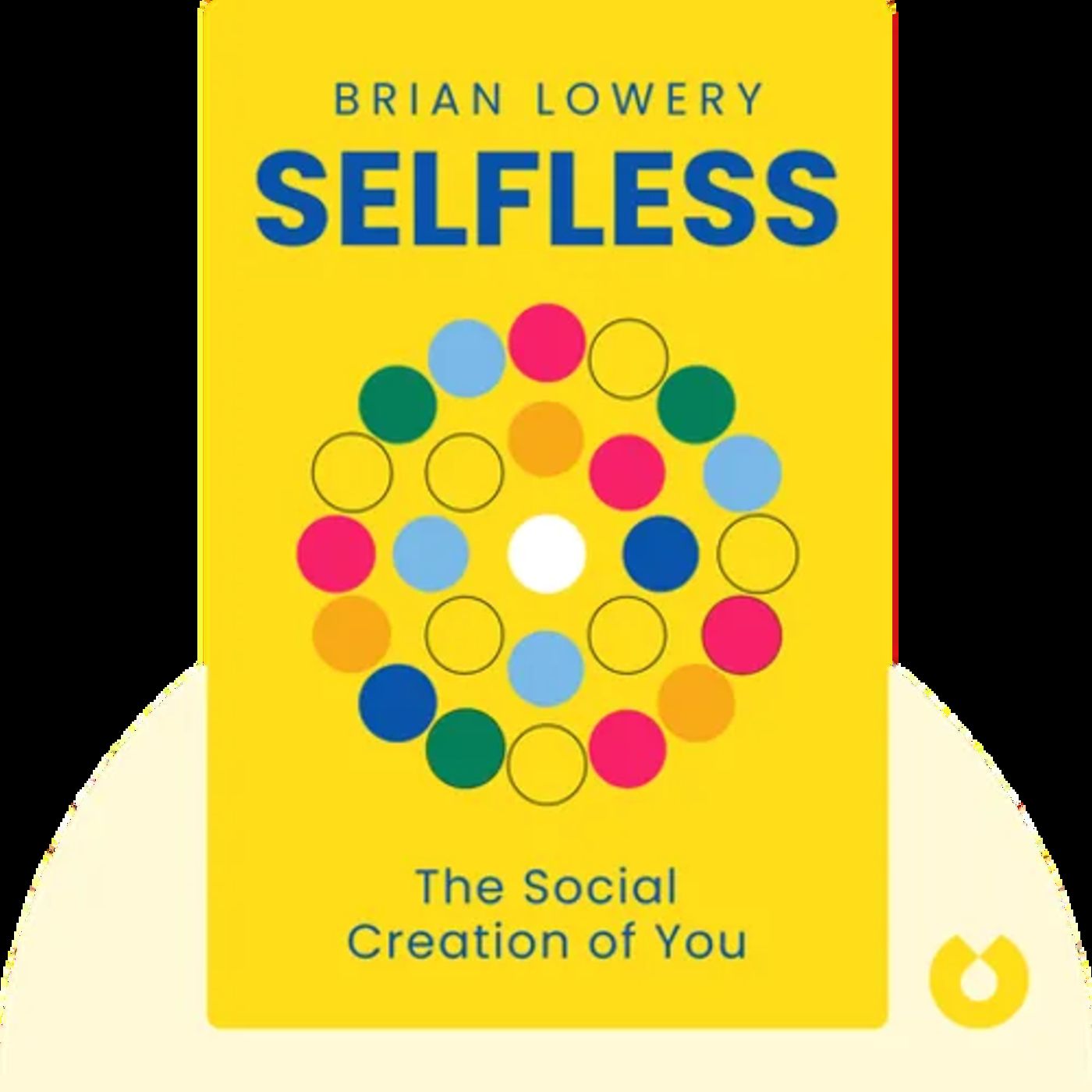
SELFLESS
4w ago00:08:35Tap to summarizeSelfless by Brian Lowery challenges the idea that we possess a fixed and independent identity. Drawing from psychology, sociology, and personal experience, Lowery argues that who we are is shaped by our relationships, communities, and social environments rather than existing in isolation. The book explores how our sense of self changes over time and is deeply connected to the people around us. By understanding this interconnected nature of identity, readers can become more empathetic, adaptable, and open-minded. The core message is that the self is not something we own but something we continuously create through connection and experience.Become a supporter of this podcast: https://www.spreaker.com/podcast/quick-reads--6471107/support.
Transcribe →
FINDING FOCUS
Jul 1600:10:19Tap to summarizeFinding Focus by Dr. Zelana Montminy explores how to reclaim attention and mental clarity in a world filled with distractions and information overload. The book combines behavioral science, neuroscience, and practical strategies to help readers improve concentration, reduce digital distractions, and become more intentional with their time and energy. Montminy explains that attention is one of our most valuable resources and that protecting it is essential for productivity, creativity, and well-being. Rather than promoting constant hustle, the book encourages mindfulness, presence, and purposeful action. The core message is simple: mastering your attention allows you to live and work with greater clarity and impact.Become a supporter of this podcast: https://www.spreaker.com/podcast/quick-reads--6471107/support.
Transcribe →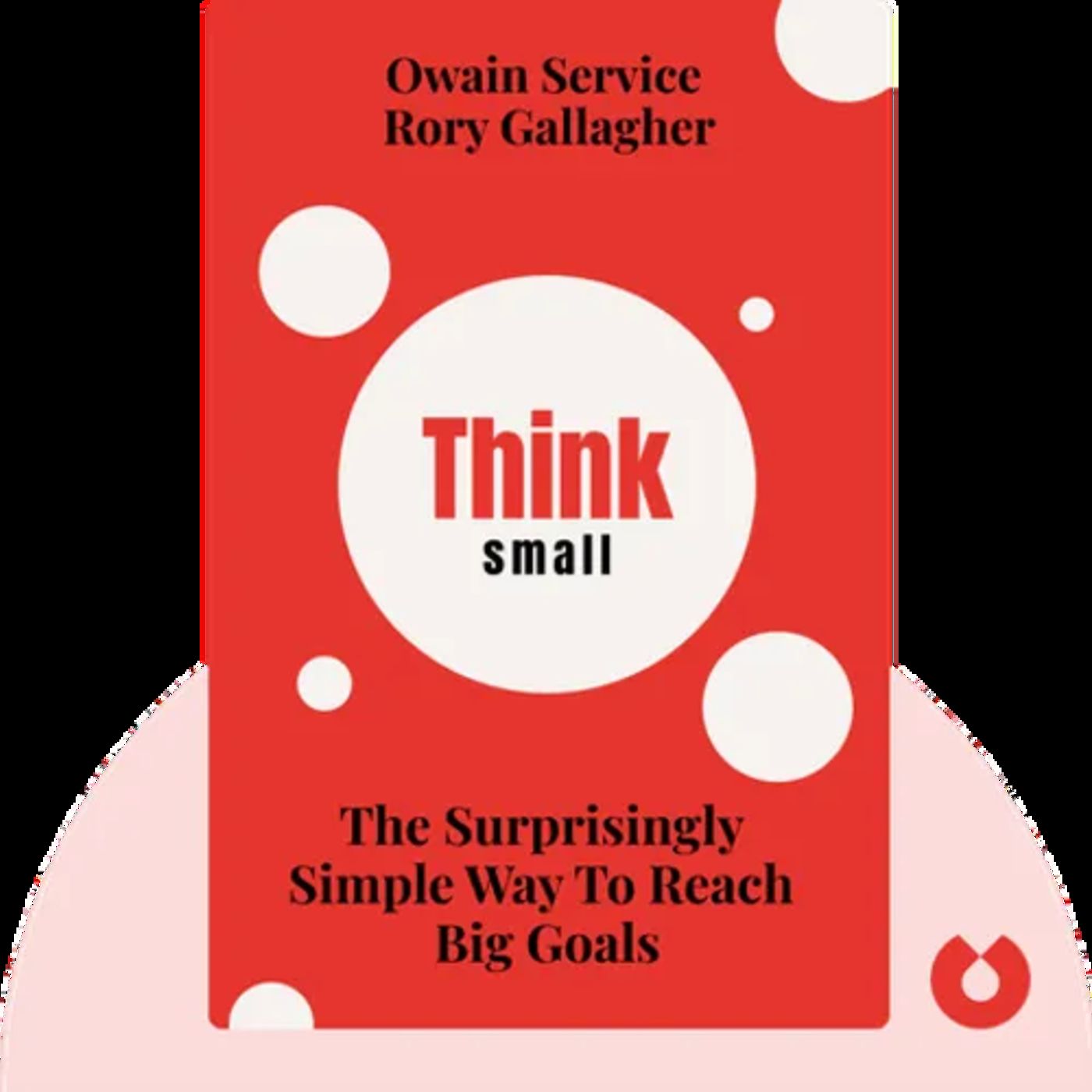
THINK SMALL
Jul 1200:09:47Tap to summarizeThink Small: The Surprisingly Simple Ways to Reach Big Goals by Owain Service and Rory Gallagher explains how small behavioral changes can lead to extraordinary results. Drawing from behavioral science and the work of the UK's famous "Nudge Unit," the authors show that achieving big goals is less about motivation and more about designing systems that make good actions easier to repeat. The book introduces practical strategies such as setting clear goals, creating accountability, and using small incentives to build momentum. The core message is simple yet powerful: lasting success comes from consistent small actions rather than dramatic one-time efforts.Become a supporter of this podcast: https://www.spreaker.com/podcast/quick-reads--6471107/support.
Transcribe →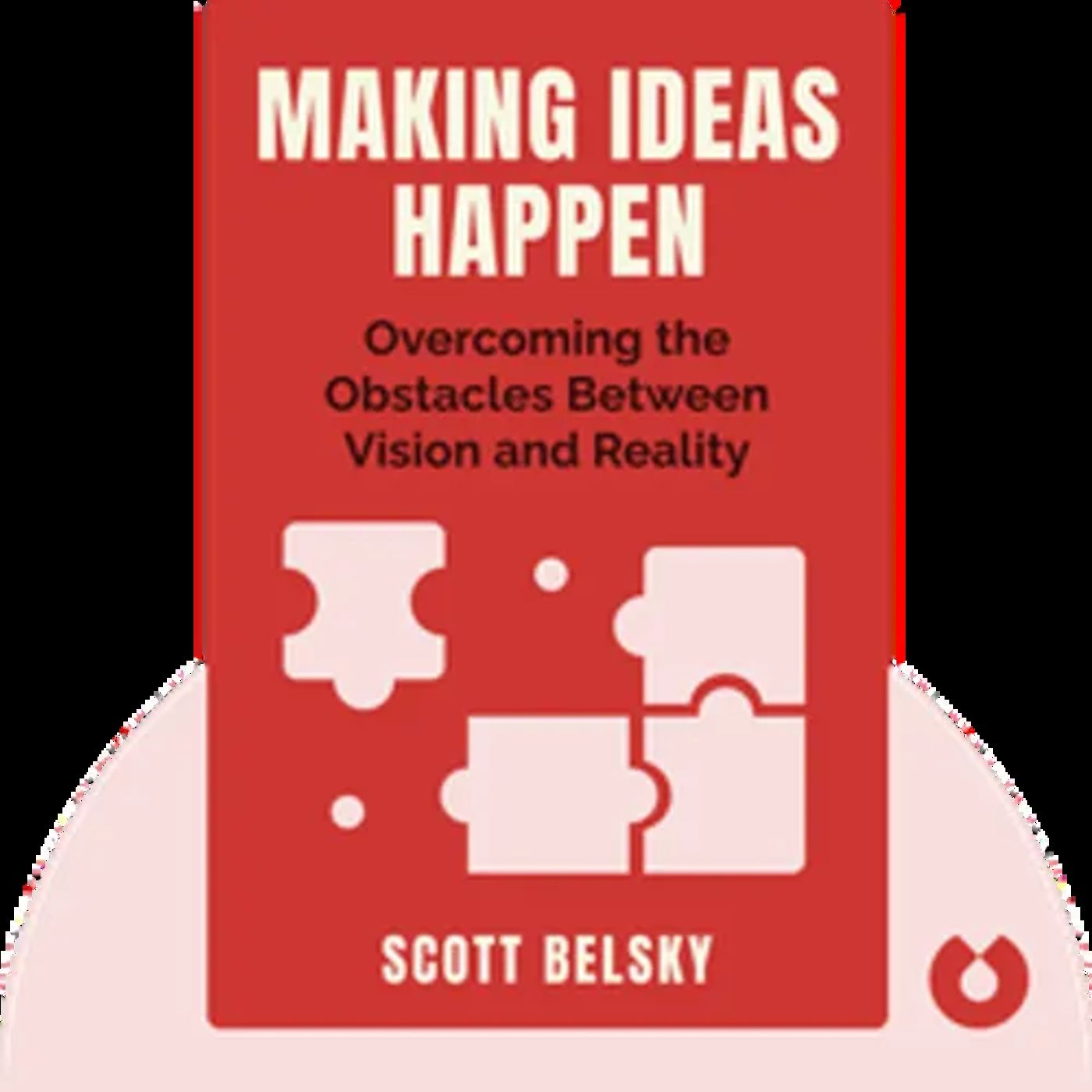
MAKING IDEAS HAPPEN
Jul 800:07:37Tap to summarizeMaking Ideas Happen by Scott Belsky is a practical guide to turning creative ideas into real results through disciplined execution. The book argues that great ideas alone are not enough—success comes from consistent action, organization, and follow-through. Belsky introduces systems for managing projects, prioritizing tasks, collaborating effectively, and overcoming procrastination. Drawing from the experiences of successful entrepreneurs, designers, and creators, he explains how productive habits and accountability transform inspiration into achievement. The core message is that execution is the true differentiator between dreamers and achievers, and anyone can bring ideas to life by building the right systems and mindset.Become a supporter of this podcast: https://www.spreaker.com/podcast/quick-reads--6471107/support.
Transcribe →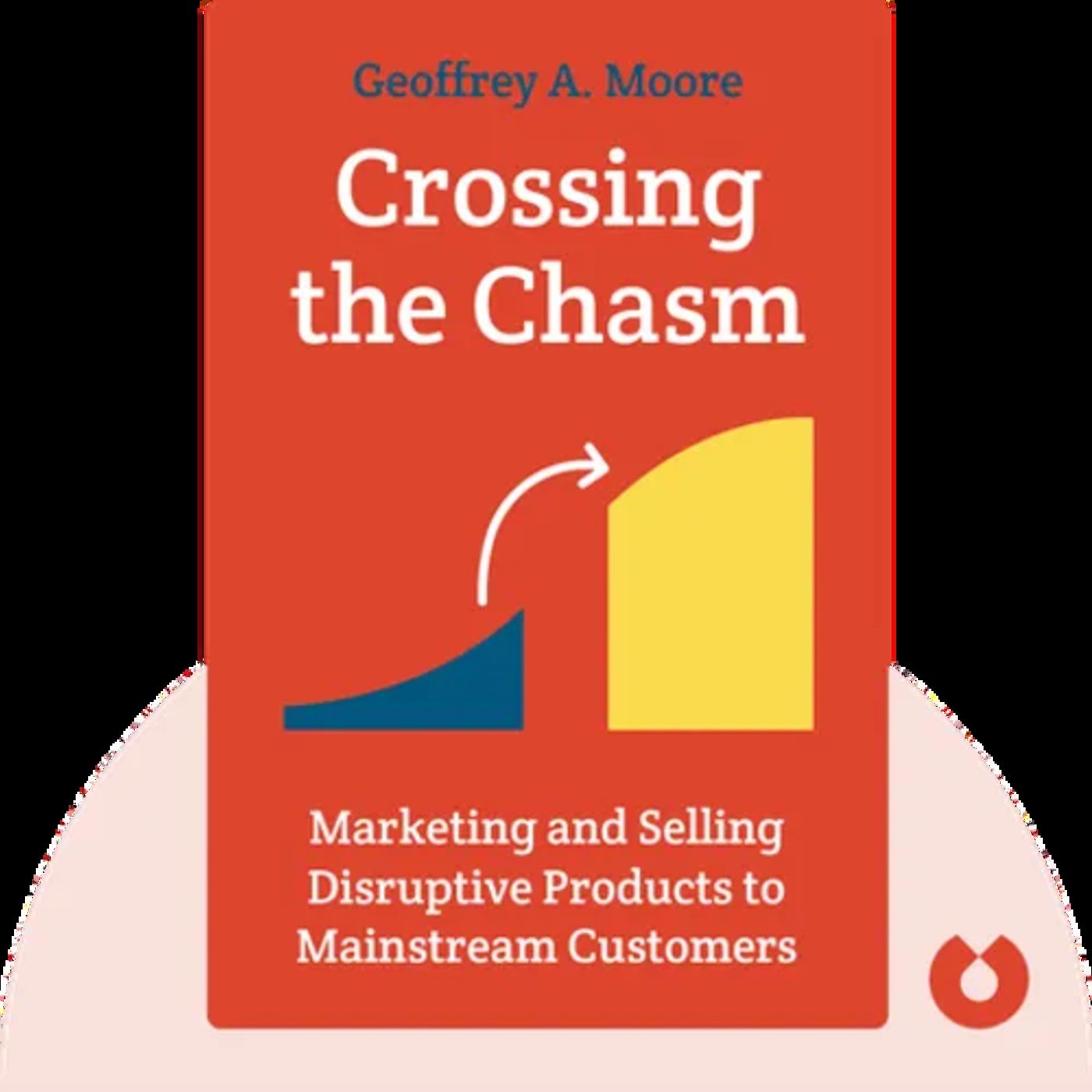
CROSSING THE CHASM
Jul 400:09:33Tap to summarizeCrossing the Chasm by Geoffrey A. Moore is a classic business and marketing book that explains why many innovative products fail to reach the mainstream market. The book introduces the concept of the "chasm"—the gap between early adopters who embrace new technology and the larger mainstream audience that demands proven value. Moore provides practical strategies for startups and technology companies to position their products, target the right niche, and build credibility before expanding. The core message is that long-term success depends on understanding customer behavior, choosing the right market, and creating a strategy that bridges the gap from innovation to widespread adoption.Become a supporter of this podcast: https://www.spreaker.com/podcast/quick-reads--6471107/support.
Transcribe →
MEASURE WHAT MATTERS
Jun 3000:10:30Tap to summarizeMeasure What Matters by John Doerr introduces the powerful goal-setting framework known as OKRs (Objectives and Key Results), used by companies like Google to drive focus, alignment, and exceptional performance. The book explains how setting clear objectives and measurable results helps individuals and organizations prioritize what truly matters, track progress, and achieve ambitious goals. Through inspiring case studies from leading companies and nonprofits, Doerr demonstrates how transparency, accountability, and continuous measurement fuel innovation and growth. The core message is that success comes from focusing on meaningful goals, measuring progress consistently, and aligning teams around a shared vision.Become a supporter of this podcast: https://www.spreaker.com/podcast/quick-reads--6471107/support.
Transcribe →
THE OPPOSITE OF SETTLING
Jun 2600:10:48Tap to summarizeThe Opposite of Settling by Amy Bucher is a practical guide to creating a more fulfilling life by making intentional choices instead of accepting what feels merely “good enough.” Drawing on behavioral science and psychology, Bucher explains how small, evidence-based changes can help people improve their careers, relationships, health, and personal happiness. Rather than chasing perfection, the book encourages readers to identify what truly matters, overcome limiting habits, and design a life aligned with their values. The core message is that lasting fulfillment comes from making thoughtful decisions that move you closer to the life you genuinely want.Become a supporter of this podcast: https://www.spreaker.com/podcast/quick-reads--6471107/support.
Transcribe →
DO WHAT MATTERS MOST
Jun 2200:10:03Tap to summarizeDo What Matters Most by Rob Shallenberger and Steve Shallenberger is a productivity and leadership guide focused on aligning daily actions with long-term priorities. The book teaches how to avoid distractions, manage time intentionally, and focus on the activities that create the greatest impact. Through practical systems and planning methods, the authors explain how consistent execution, clarity, and discipline lead to meaningful success in both personal and professional life. The book emphasizes purpose-driven productivity rather than busyness. Its core message is simple: when you identify what truly matters and act on it consistently, you achieve greater fulfillment, balance, and long-term results.Become a supporter of this podcast: https://www.spreaker.com/podcast/quick-reads--6471107/support.
Transcribe →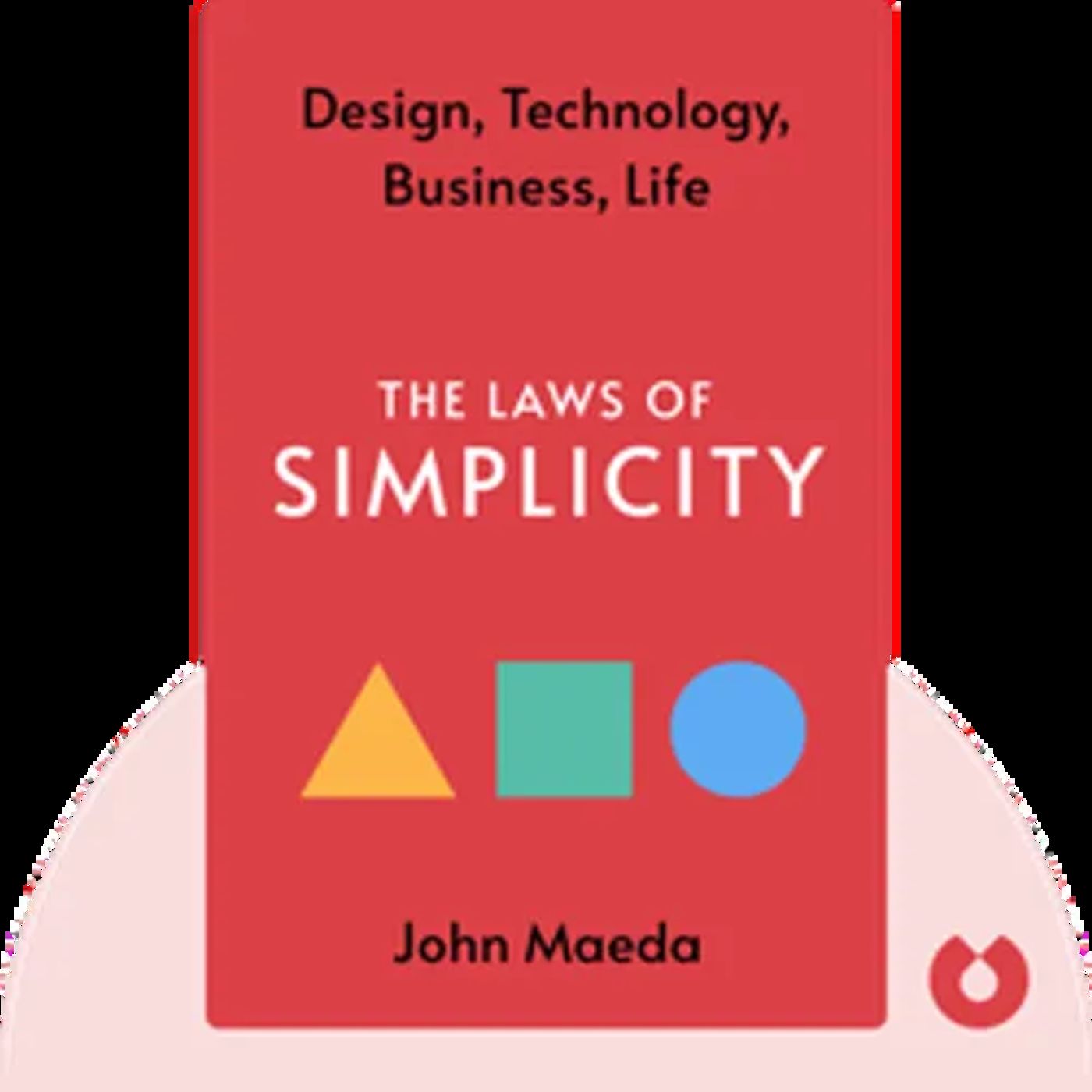
THE LAW OF SIMPLICITY
Jun 1800:09:34Tap to summarizeThe Laws of Simplicity by John Maeda explores how simplicity can improve design, technology, business, and everyday life. Maeda presents ten principles that explain how to reduce complexity without losing meaning or functionality. The book shows that simplicity is not about removing everything, but about making things clearer, more elegant, and easier to use. Through examples from design, communication, and innovation, Maeda explains how thoughtful simplicity increases efficiency, beauty, and understanding. The core message is that in a world overloaded with information and distractions, simplicity becomes a powerful advantage for creativity, productivity, and human connection.Become a supporter of this podcast: https://www.spreaker.com/podcast/quick-reads--6471107/support.
Transcribe →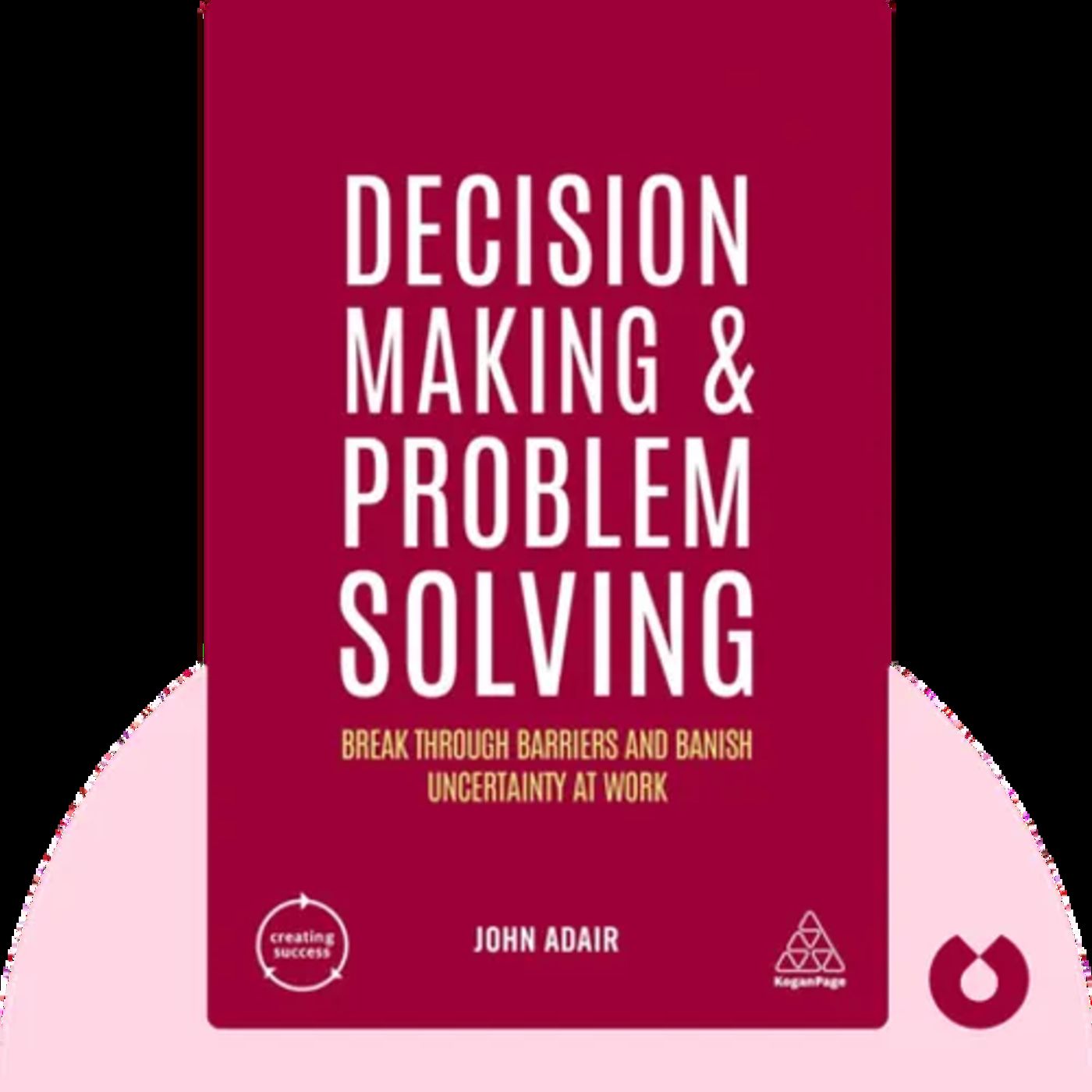
DECISION MAKING PROBLEM SOLVING
Jun 1400:10:36Tap to summarizeDecision Making and Problem Solving by John Adair is a practical guide to improving critical thinking, leadership, and effective decision-making. The book explains how successful individuals and organizations approach problems with clarity, logic, and structured analysis. Adair introduces techniques for identifying root causes, evaluating options, reducing bias, and making confident decisions under pressure. Through real-world examples and actionable strategies, he shows how problem-solving is a skill that can be developed through practice and disciplined thinking. The core message is that better decisions lead to better outcomes, and mastering problem-solving is essential for leadership, productivity, and long-term success.Become a supporter of this podcast: https://www.spreaker.com/podcast/quick-reads--6471107/support.
Transcribe →