Podcast
Quick Reads
Hosted by Sanchez Media · EN
Your ultimate guide to unlocking the power of books in the midst of life's hustle and bustle. In each episode, we provide time-strapped individuals with expert strategies and insights to absorb the essence of literature efficiently. Join us as we streamline your reading experience, empowering you to stay informed, inspired, and intellectually engaged, even when time is scarce.
10episodes
Episodes
Newest firstAll episodes
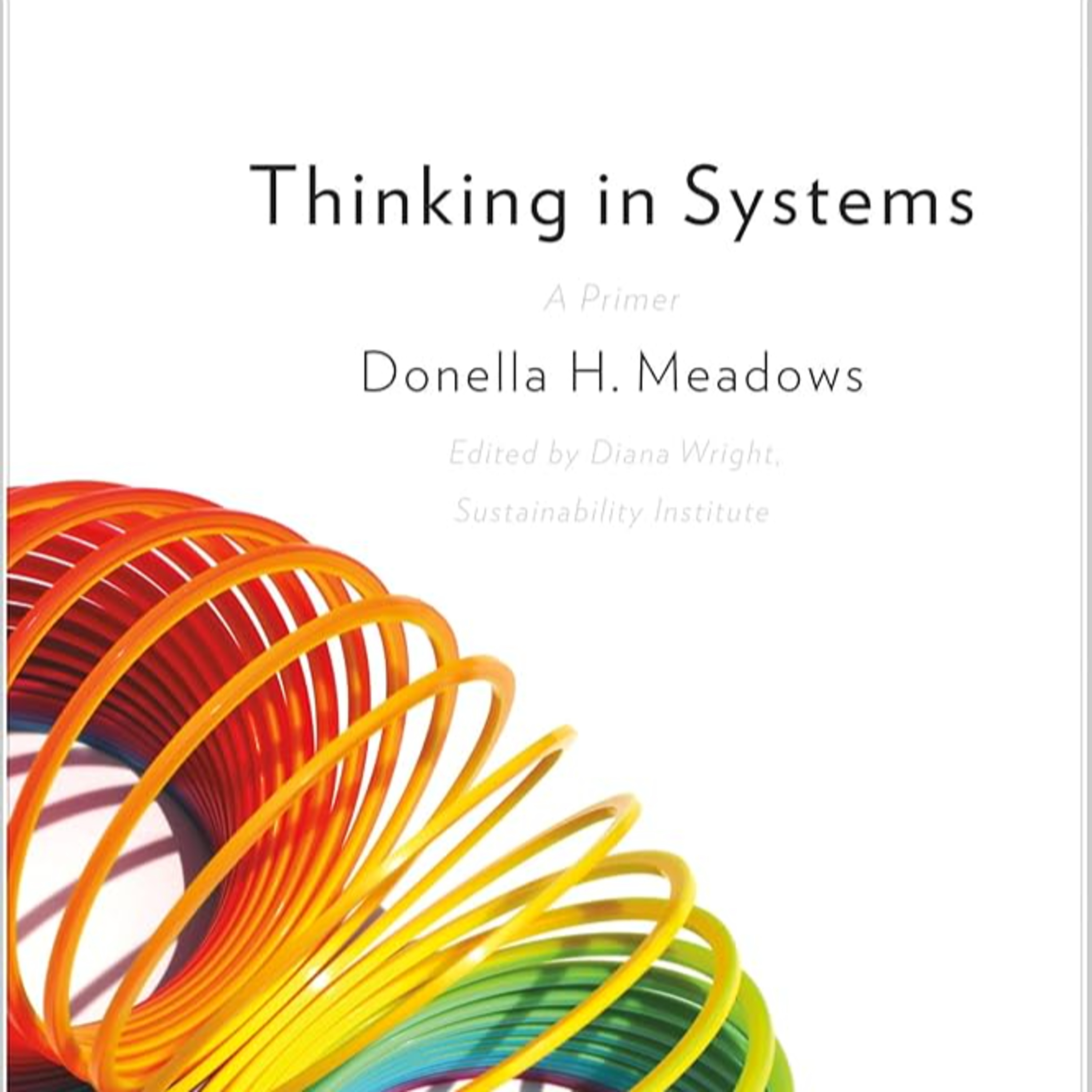
Thinking in Systems by Donella Meadows
Nov 1700:13:39Tap to summarizeDonella H. Meadows’ book, Thinking in Systems: A Primer, which serves as an extensive introduction to systems dynamics and thinking.
Transcribe →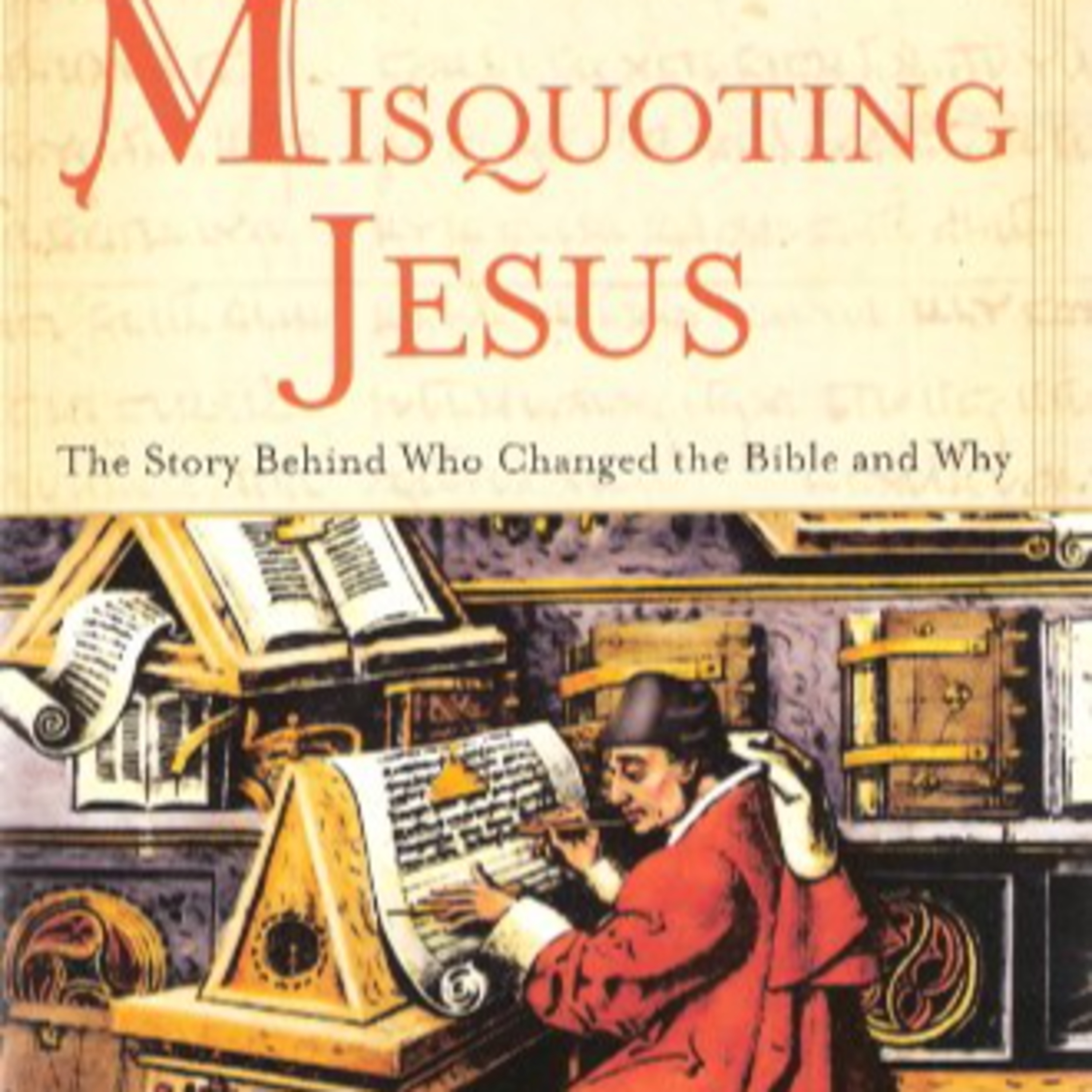
Misquoting Jesus by Bart Ehrman
Oct 2900:18:46Tap to summarizeEhrman discusses the origins of Christian writings, the low literacy rates in the ancient world, and how early texts were likely read aloud in congregations. A central theme is how scribes introduced numerous changes, sometimes unintentionally and sometimes deliberately for theological or apologetic reasons, as evidenced by variant readings concerning Jesus's emotions or divinity. The book outlines the shift from amateur scribes in the early centuries to professional Christian scriptoria in later periods, which improved copying accuracy, and details the ongoing academic quest to reconstruct the original words of the New Testament authors.
Transcribe →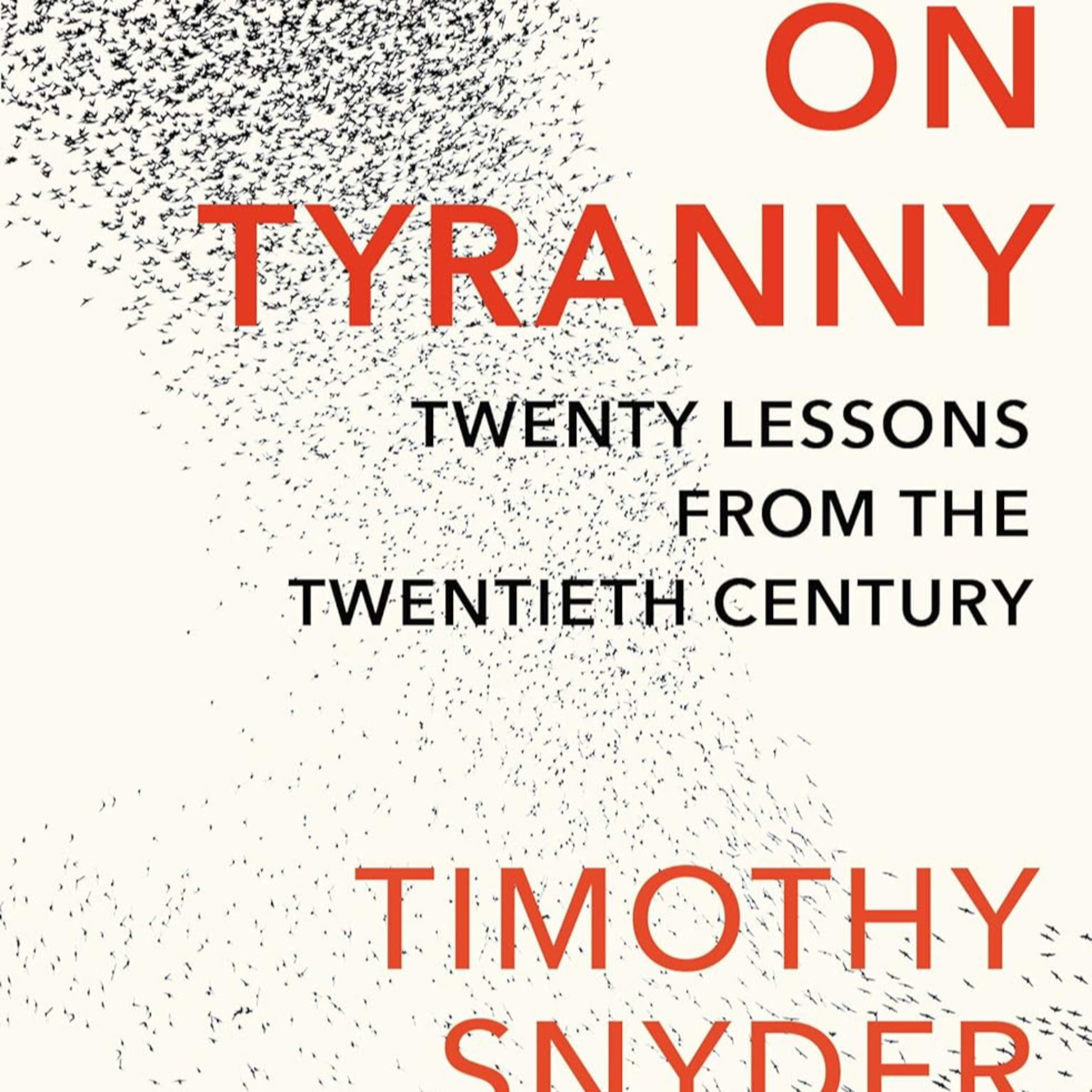
On Tyranny by Timothy Snyder
Oct 2400:20:58Tap to summarizeThe Founding Fathers tried to protect us from the threat they knew, the tyranny that overcame ancient democracy. Today, our political order faces new threats, not unlike the totalitarianism of the twentieth century. We are no wiser than the Europeans who saw democracy yield to fascism, Nazism, or communism. Our one advantage is that we might learn from their experience.On Tyranny is a call to arms and a guide to resistance, with invaluable ideas for how we can preserve our freedoms in the uncertain years to come.
Transcribe →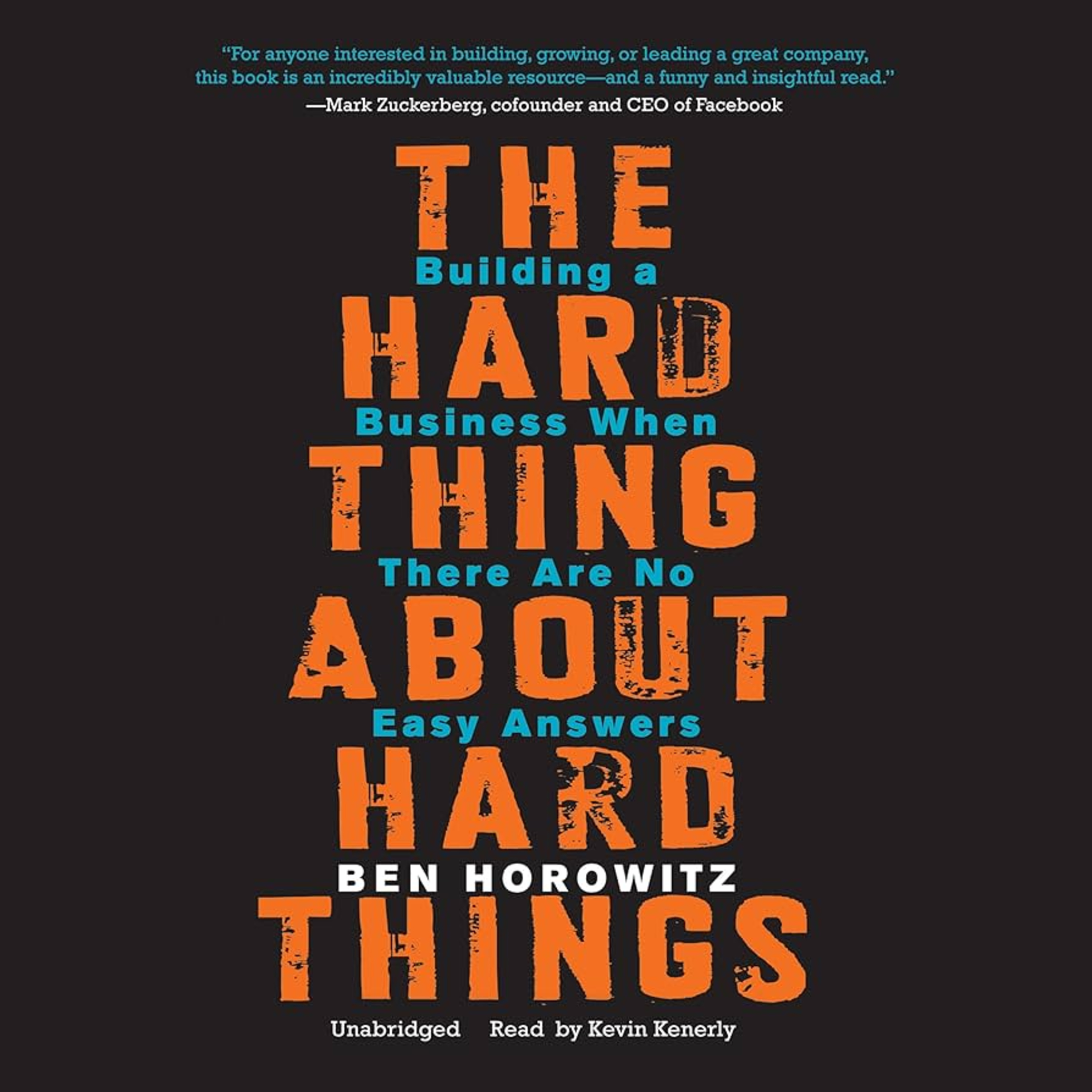
The Hard Thing About Hard Things by Ben Horowitz
May 6, 202500:12:11Tap to summarize"The Hard Thing About Hard Things," offers candid insights into the challenges of managing and leading a technology company. It addresses difficult aspects of business, such as layoffs, demotions, and confronting harsh realities.
Transcribe →
Content Inc. by Joe Pulizzi
May 1, 202500:18:25Tap to summarizeContent Inc. outlines a business model where entrepreneurs build an audience through valuable content before offering products or services.
Transcribe →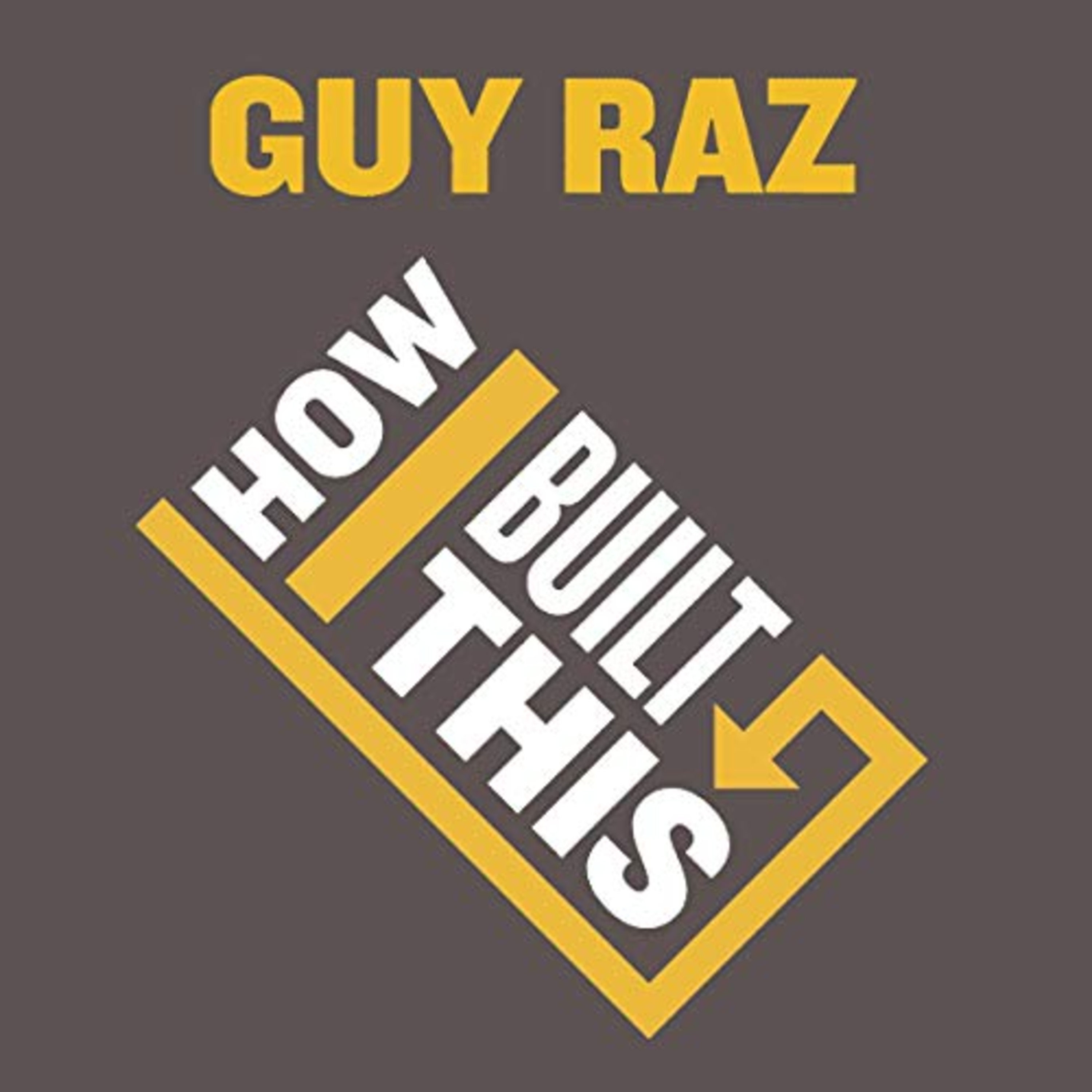
How I Built This by Guy Raz
Apr 29, 202500:13:29Tap to summarizeHow I Built This" explores the journeys of numerous entrepreneurs, detailing the pivotal moments, challenges, and insights gained while creating their businesses.
Transcribe →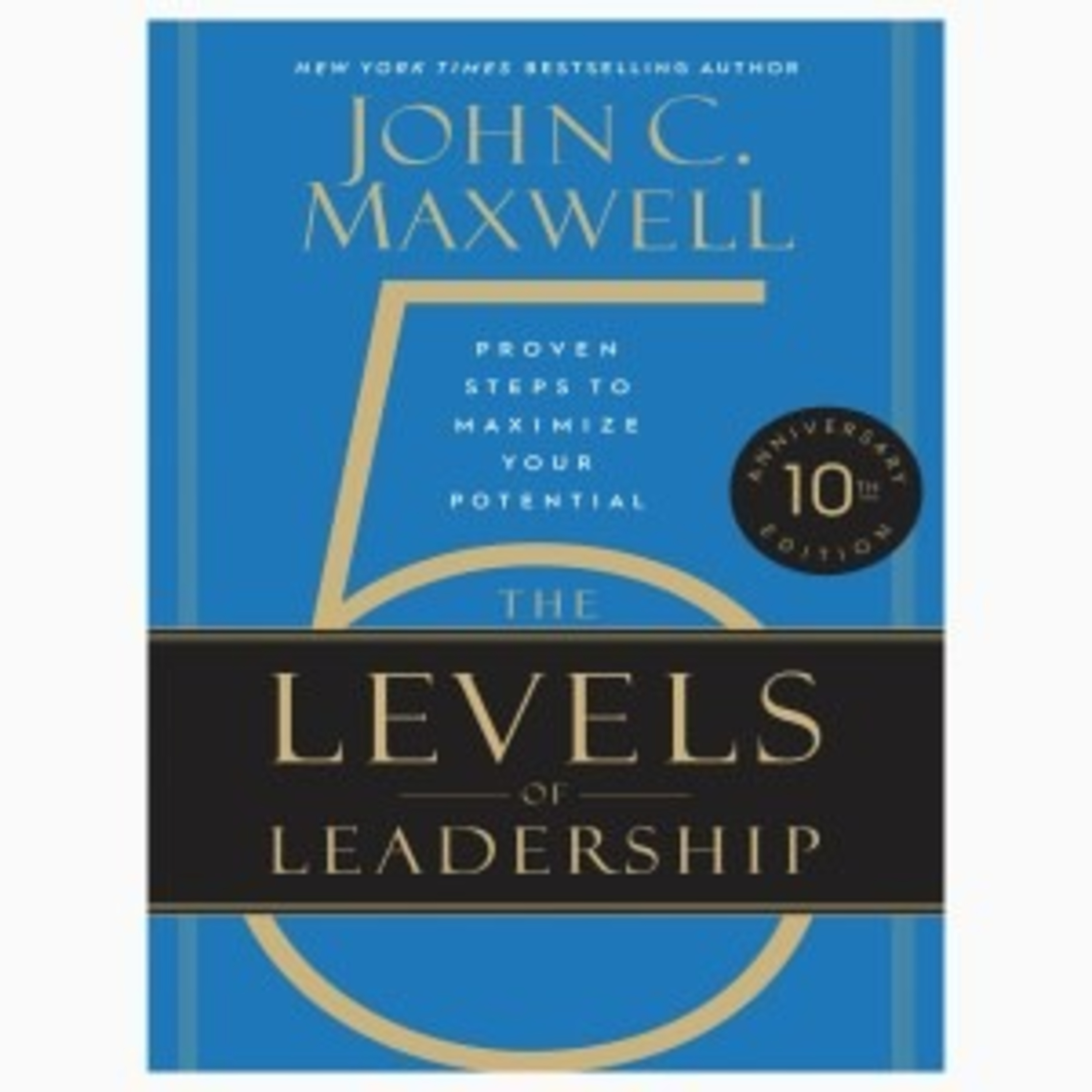
The 5 Levels of Leadership by John Maxwell
Apr 25, 202500:13:30Tap to summarizeJohn Maxwell's "The 5 Levels of Leadership" outlines a framework for understanding and developing leadership capabilities, suggesting that leadership grows through five distinct stages.Look out for our Patreon soon. You'll get exclusive briefing documents, outlining the most important parts of each book we review.
Transcribe →
Your Face Belongs to Us by Kashmir Hill
Apr 22, 202500:30:14Tap to summarizeYour Face Belongs to Us," focuses on the rise of Clearview AI, a secretive company that developed a powerful facial recognition technology by scraping billions of photos from the internet. The narrative follows the reporter's investigation into the company's controversial practices, its connections to influential figures like Peter Thiel, and the ethical and privacy implications of its technology being used by law enforcement and potentially others.
Transcribe →
The Paradox of Choice by Barry Schwartz
Apr 14, 202500:32:26Tap to summarizeSure! Here's a rewritten version of your paragraph for clarity and flow:The book explores the behavior of different personality types, especially maximizers and satisficers. It argues that the dramatic increase in choices—ranging from everyday decisions to major life challenges like balancing career, family, and personal needs—has paradoxically become more of a burden than a benefit. The author suggests that our obsession with having more options often leads us to make decisions that ultimately leave us feeling less satisfied.
Transcribe →
Nudge by Thaler and Sunstein
Mar 28, 202500:18:15Tap to summarizeNudge by Thaler and Sunstein, explores the concept of libertarian paternalism, suggesting that it is possible and desirable for choice architects in both public and private sectors to influence individuals' decisions in ways that make them better off, without limiting their freedom of choice. The authors argue that because humans often deviate from rational behavior due to predictable cognitive biases, carefully designed "nudges" can guide them toward improved outcomes in areas such as savings, health, and environmental choices. The book provides numerous examples and proposes various choice architecture interventions, emphasizing transparency and the preservation of individual liberty while promoting well-being.
Transcribe →