Podcast
Radiolab
Hosted by WNYC Studios · EN
Radiolab is on a curiosity bender. We ask deep questions and use investigative journalism to get the answers. A given episode might whirl you through science, legal history, and into the home of someone halfway across the world. The show is known for innovative sound design, smashing information into music. It is hosted by Lulu Miller and Latif Nasser.
374episodes
Episodes
Newest firstAll episodes
Touch at a Distance
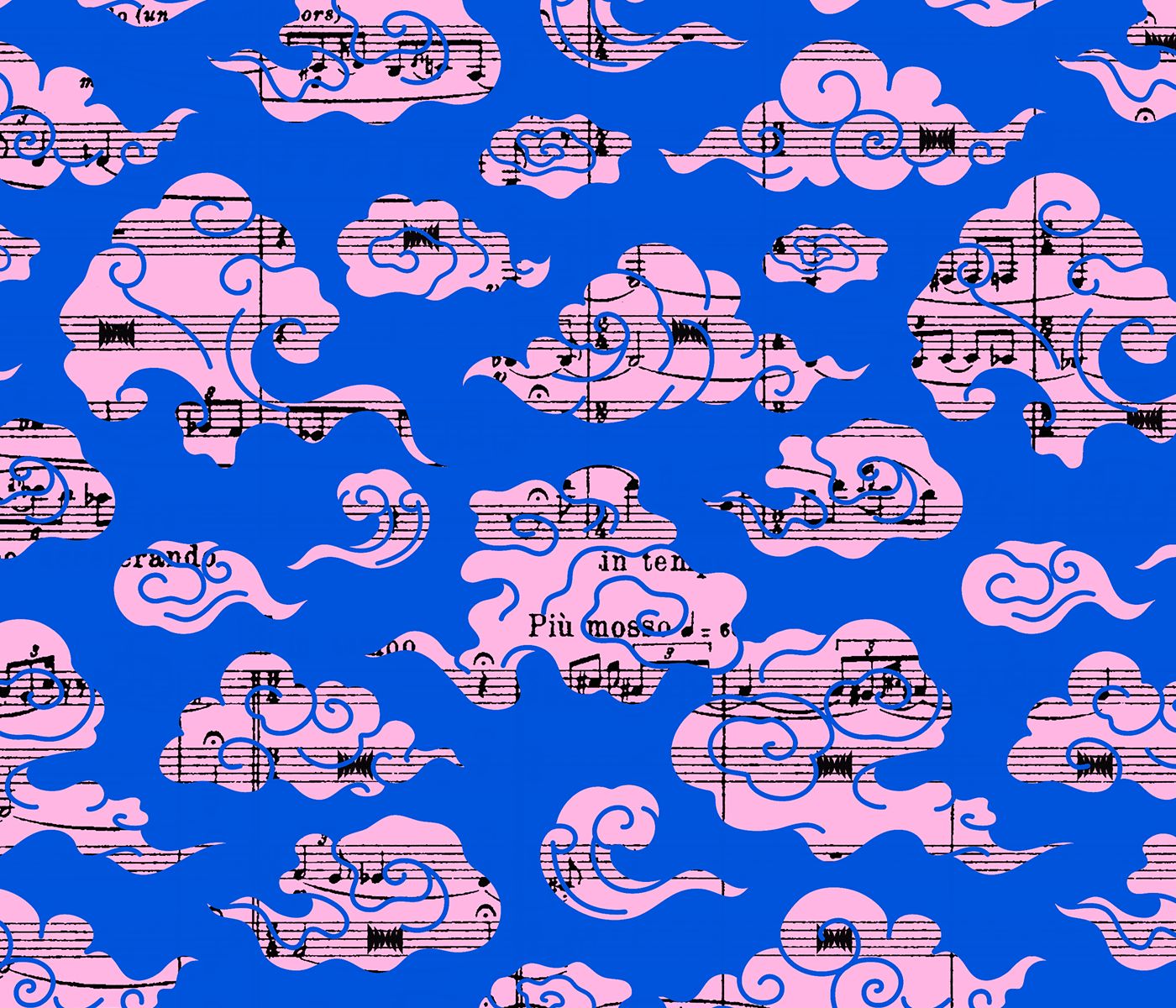
Sep 1, 2023Tap to summarizeIn this episode from 2007, we take you on a tour of language, music, and the properties of sound. We look at what sound does to our bodies, our brains, our feelings… and we go back to the reason we at Radiolab tell you stories the way we do. First, we look at Diana Deutsch’s work on language and music, and how certain languages seem to promote musicality in humans. Then we meet Psychologist Anne Fernald and listen to parents as they talk to their babies across languages and cultures. Last, we go to 1913 Paris and sneak into the premiere of Igor Stravinsky’s score of The Rite of Spring. Check out Diana Deutsch's 'Audio Illusions' here (https://deutsch.ucsd.edu/psychology/pages.php?i=201). Our newsletter comes out every Wednesday. It includes short essays, recommendations, and details about other ways to interact with the show. Sign up (https://radiolab.org/newsletter)! Radiolab is supported by listeners like you. Support Radiolab by becoming a member of The Lab (https://members.radiolab.org/) today. Follow our show on Instagram, Twitter and Facebook @radiolab, and share your thoughts with us by emailing radiolab@wnyc.orgCorrection: An earlier version of this piece incorrectly stated the dates of two performances of “Rite of Spring” and the time that passed between them. The performance that inspired rioting occurred on May 29th, 1913. The second performance that we discussed occurred in April of 1914. The audio has been adjusted to reflect this fact.Correction: An earlier version of this piece incorrectly stated that the “Rite of Spring” was used in the movie “Fantasia” during the part that featured mushrooms. It was in fact used during the part that featured dinosaurs. The audio has been adjusted to reflect this fact. Leadership support for Radiolab’s science programming is provided by the Gordon and Betty Moore Foundation, Science Sandbox, a Simons Foundation Initiative, and the John Templeton Foundation. Foundational support for Radiolab was provided by the Alfred P. Sloan Foundation.
Transcribe →
The Wubi Effect
Aug 18, 2023Tap to summarizeWhen we think of China today, we think of a technological superpower. From Huawei and 5G to TikTok and viral social media, China is stride for stride with the United States in the world of computing. However, China’s technological renaissance almost didn’t happen. And for one very basic reason: The Chinese language, with its 70,000 plus characters, couldn’t fit on a keyboard. Today, we tell the story of Professor Wang Yongmin, a hard headed computer programmer who solved this puzzle and laid the foundation for the China we know today. Episode CreditsReported by - Simon AdlerProduced by - Simon AdlerTHE DETAILS TO SIMON ADLER’S LIVESHOW!For People in ChicagoSimon will be performing at the Chicago at the Frank Lloyd Wright Unity Temple on Saturday, September 30th (https://zpr.io/jePmFHyKUqiM).For People in BostonSimon performs at the WBUR City Space on Friday, December 8th (https://zpr.io/jePmFHyKUqiM). Our newsletter comes out every Wednesday. It includes short essays, recommendations, and details about other ways to interact with the show. Sign up (https://radiolab.org/newsletter)!Radiolab is supported by listeners like you. Support Radiolab by becoming a member of The Lab (https://members.radiolab.org/) today.Follow our show on Instagram, Twitter and Facebook @radiolab, and share your thoughts with us by emailing radiolab@wnyc.org Leadership support for Radiolab’s science programming is provided by the Gordon and Betty Moore Foundation, Science Sandbox, a Simons Foundation Initiative, and the John Templeton Foundation. Foundational support for Radiolab was provided by the Alfred P. Sloan Foundation.
Transcribe →
Eye in the Sky
Jun 9, 2023Tap to summarizeRoss McNutt has a superpower: he can zoom in on everyday life, then rewind and fast-forward to solve crimes in a shutter-flash. But should he? In 2004, when casualties in Iraq were rising due to roadside bombs, Ross McNutt and his team came up with an idea. With a small plane and a 44 megapixel camera, they figured out how to watch an entire city all at once, all day long. Whenever a bomb detonated, they could zoom into that spot and then, because this eye in the sky had been there all along, they could scroll back in time and see—literally see—who planted it. After the war, Ross McNutt retired from the Air Force, and brought this technology back home with him. Manoush Zomorodi and Alex Goldmark (from the podcast Note to Self) give us the lowdown on Ross’ unique brand of persistent surveillance, from Juarez, Mexico to Dayton, Ohio. Then, once we realize what we can do, we wonder whether we should. Our newsletter comes out every Wednesday. It includes short essays, recommendations, and details about other ways to interact with the show. Sign up (https://radiolab.org/newsletter)! Radiolab is supported by listeners like you. Support Radiolab by becoming a member of The Lab (https://members.radiolab.org/) today. Follow our show on Instagram, Twitter and Facebook @radiolab, and share your thoughts with us by emailing radiolab@wnyc.org Leadership support for Radiolab’s science programming is provided by the Gordon and Betty Moore Foundation, Science Sandbox, a Simons Foundation Initiative, and the John Templeton Foundation. Foundational support for Radiolab was provided by the Alfred P. Sloan Foundation.
Transcribe →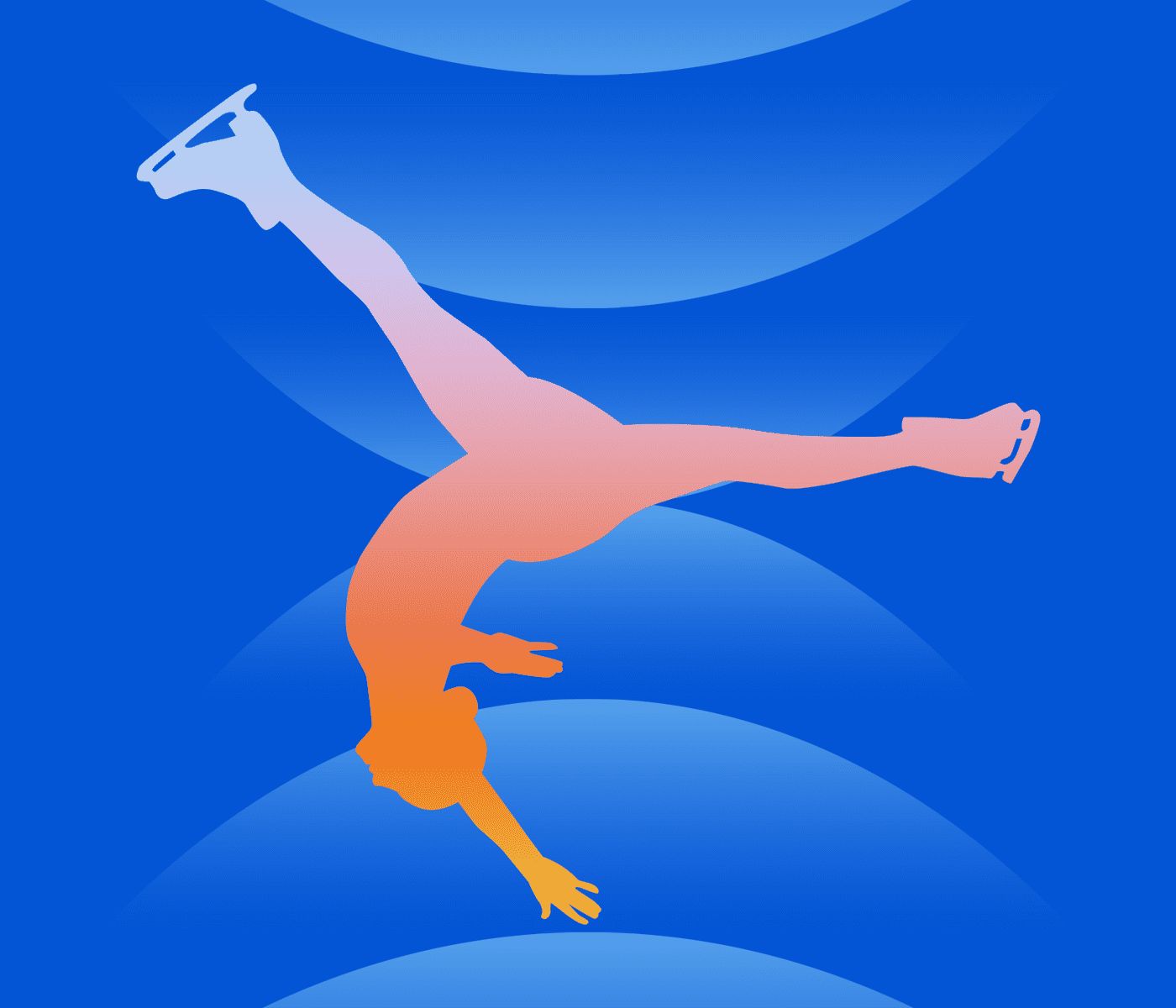
On the Edge
May 26, 2023Tap to summarizeAt the 1998 Olympics in Nagano, Japan, one athlete pulled a move that, as far as we know, no one else had ever attempted. In this episode, first aired in the Spring of 2016, we tell you about Surya Bonaly. Surya was not your typical figure skater: she is black, she is athletic, and she didn’t seem to care about artistry. Her performances—punctuated by triple jumps and other power moves—thrilled audiences around the world. Yet commentators claimed she couldn’t skate and judges never gave her high marks. But Surya didn’t accept that criticism. Unlike her competitors—ice princesses who hid behind demure smiles—Surya made her feelings known. Then, during her final Olympic performance, she attempted one jump that flew in the face of the establishment and marked her for life as a rebel. Our newsletter comes out every Wednesday. It includes short essays, recommendations, and details about other ways to interact with the show. Sign up (https://radiolab.org/newsletter)!Radiolab is supported by listeners like you. Support Radiolab by becoming a member of The Lab (https://members.radiolab.org/) today.Follow our show on Instagram, Twitter and Facebook @radiolab, and share your thoughts with us by emailing radiolab@wnyc.org Leadership support for Radiolab’s science programming is provided by the Gordon and Betty Moore Foundation, Science Sandbox, a Simons Foundation Initiative, and the John Templeton Foundation. Foundational support for Radiolab was provided by the Alfred P. Sloan Foundation.
Transcribe →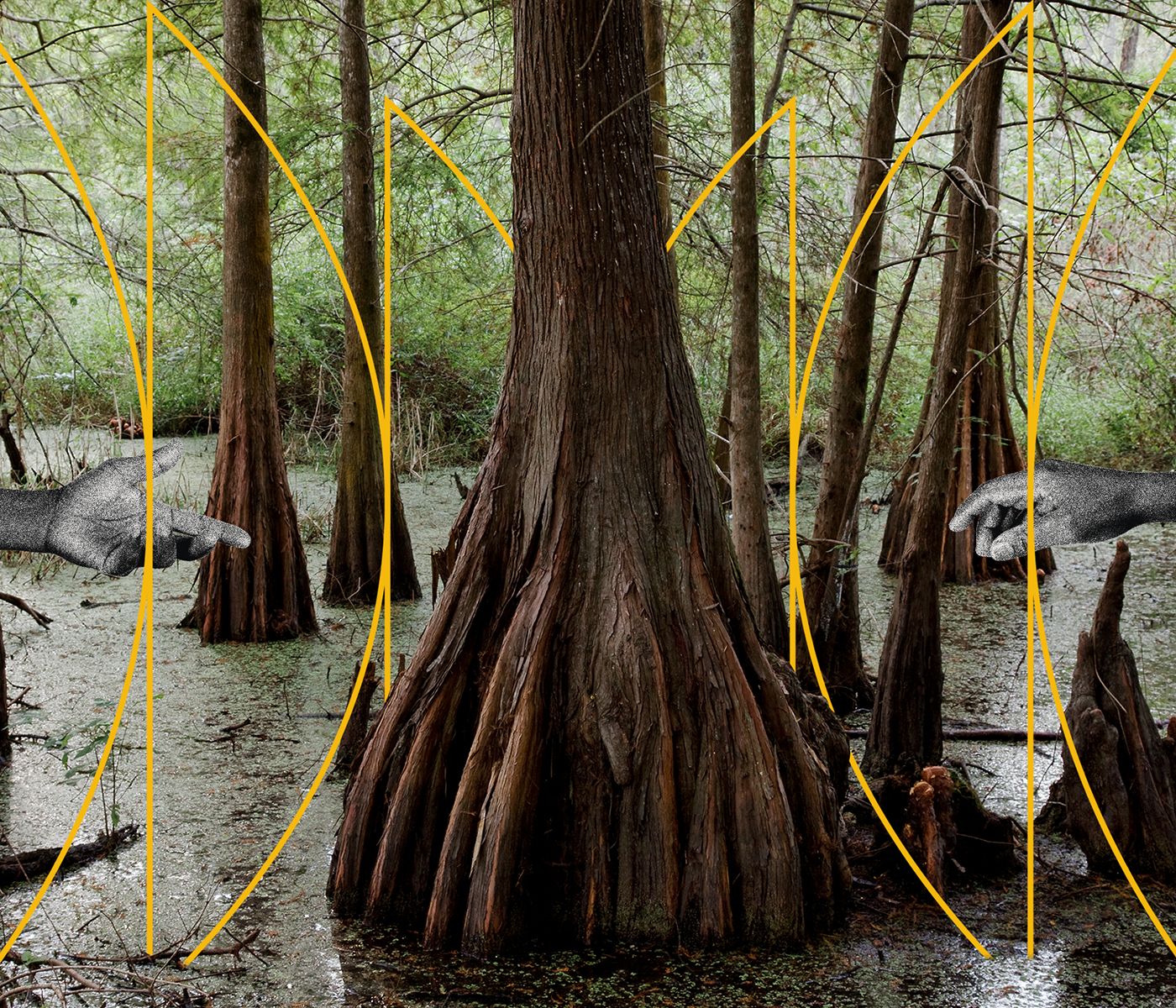
Family People
May 19, 2023Tap to summarizeIn 2021, editor Alex Neason's grandfather passed away. On his funeral program, she learned the name of his father for the first time: Wilson Howard. Not Neason. Howard. And when she asked her family why his last name was different from everybody else's, nobody had an answer. In this episode, we tag along as Alex searches for answers through swampy cemeteries, libraries, and archives in the heart of south Louisiana: who was her great grandfather, really? Is she supposed to be a Neason? Where did the name Neason come from, anyways? And is a name something whose weight you have to shed, or is it the only path forward into the future?Special thanks to, Cheryl Neason-Isidore, Karen Neason Dykes, Johari Neason, Keaun Neason, Kevin Neason, Anthony Neason, the late Clarence Neason Sr. and Anthony Neason, Clarence Neason Jr., Olivia Neason, Tori Neason, Orelia Amelia Jackson, Russell Gragg, Victor Yvellez, Asher Griffith, Devan Schwartz, Myrriah Gossett, Sabrina Thomas, Nancy Richard, Katie Neason, Amanda Hayden, Gabriel Lee, Paul Brandenburg, Justin Flynn, Mark Miller, Kenny Bentley, Jason Isaac, Irene Trudel, Bill Hyland, the staff members at the Orleans Parish, East Feliciana Parish, and Plaquemines Parish Clerk of Court offices. Episode Credits:Reported by - Alex Neasonwith help from - Nicka Sewell-SmithProduced by - Annie McEwenwith help from - Andrew ViñalesMusic performed by - Jason Isaac, Paul Brandenburg, Justin Fynn, Mark Miller, and Kenny Bentleywith engineering and mixing help from - Arianne Wack and Irene TrudelFact-checking by - Emily KriegerEpisode Citations:Audio - You can listen to the episode of La Brega (https://zpr.io/p5EcBJyU2dfJ), in English and in Spanish.Our newsletter comes out every Wednesday. It includes short essays, recommendations, and details about other ways to interact with the show. Sign up (https://radiolab.org/newsletter)! Radiolab is supported by listeners like you. Support Radiolab by becoming a member of The Lab (https://members.radiolab.org/) today. Follow our show on Instagram, Twitter and Facebook @radiolab, and share your thoughts with us by emailing radiolab@wnyc.org. Leadership support for Radiolab’s science programming is provided by the Gordon and Betty Moore Foundation, Science Sandbox, a Simons Foundation Initiative, and the John Templeton Foundation. Foundational support for Radiolab was provided by the Alfred P. Sloan Foundation.
Transcribe →
Ologies: Dark Matters
May 5, 2023Tap to summarizeTestudinology. Enigmatology. Hagfishology. Raccoonology. Meteorology. Chronobiology. Chickenology. Delphinology. Bryology. Vampirology. Zymology. Echinology. Screamology. Melaninology. Dolorology.In this episode, we introduce you to one of our all-time favorite science podcasts. Ologies. A show that’s a kindred spirit to ours, but also… very different. In each episode, Host Alie Ward interviews a brilliant, charming ologist, and wanders with them deep into their research, quirky facts they’ve learned throughout their career and their personal motivations for studying what they study. “It’s all over the map,” she says. And we love it. To give you a taste of the show, we’re playing her ep on scotohylology, the study of dark matter, with UC-Riverside theoretical particle physicist Flip Tanedo (https://zpr.io/FJWL4NtH5Wsi). If you like it, you can find more than 300 more episodes of Ologies at ologies.com.Episode CreditsReported by - Alie WardProduced by - Pat Walterswith mixing help from - Arianne WackFact-checking by - Diane KellyOur newsletter comes out every Wednesday. It includes short essays, recommendations, and details about other ways to interact with the show. Sign up (https://radiolab.org/newsletter)!Radiolab is supported by listeners like you. Support Radiolab by becoming a member of The Lab (https://members.radiolab.org/) today.Follow our show on Instagram, Twitter and Facebook @radiolab, and share your thoughts with us by emailing radiolab@wnyc.org. Leadership support for Radiolab’s science programming is provided by the Gordon and Betty Moore Foundation, Science Sandbox, a Simons Foundation Initiative, and the John Templeton Foundation. Foundational support for Radiolab was provided by the Alfred P. Sloan Foundation.
Transcribe →
The Library of Alexandra
Apr 7, 2023Tap to summarizeHow much does knowledge cost? While that sounds like an abstract question, the answer is surprisingly specific: $3,096,988,440.00. That’s how much the business of publishing scientific and academic research is worth. This is the story of one woman’s battle against a global network of academic journals that underlie published scientific research. In 2011, Alexandra Elbakyan had just moved home to Kazakhstan after a disappointing few years trying to study neuroscience in the United States when she landed on an internet forum where a bunch of scientists were all looking for the same thing: access to academic journal articles that were behind paywalls. That’s the moment the very simple, but enormously powerful, website called Sci Hub was born. The site holds over 88 million articles and serves up about a million downloads to people in practically every country on the globe. We travel to Kazakhstan to meet the mysterious woman behind it all and to find out what it takes to make everything we know about anything available to anyone anywhere, for free.Special thanks to Vrindra Bhandari, Balázs Bodó, Stephen Buranyi, Ian Graber-Stiehl, Joel Joseph, Noorain Khalifa, Aparajita Lath, Steve McLaughlin, Marcia McNutt, Randy Scheckman Tanmay Singh, Deborah Harkness, Joe Karaganis, Lawrence Lessig, Glyn Moody, and Steven Press. Episode Credits:Reported by - Eli CohenReporting help from - Karishma Mehrotra, Emily Krumberger and Norihelys RamosProduced by Simon Adlerwith help from - Eli CohenOriginal music and sound designed by - Simon AdlerMixing by - Jeremy BloomEdited by - Alex Neason Our newsletter comes out every Wednesday. It includes short essays, recommendations, and details about other ways to interact with the show. Sign up (https://radiolab.org/newsletter)! Radiolab is supported by listeners like you. Support Radiolab by becoming a member of The Lab (https://members.radiolab.org/) today. Radiolab is on YouTube! Catch up with new episodes and hear classics from our archive. Plus, find other cool things we did in the past — like miniseries, music videos, short films and animations, behind-the-scenes features, Radiolab live shows, and more. Take a look, explore and subscribe! Follow our show on Instagram, Twitter and Facebook @radiolab, and share your thoughts with us by emailing radiolab@wnyc.org. Leadership support for Radiolab’s science programming is provided by the Gordon and Betty Moore Foundation, Science Sandbox, a Simons Foundation Initiative, and the John Templeton Foundation. Foundational support for Radiolab was provided by the Alfred P. Sloan Foundation. Hosted by Simplecast, an AdsWizz company. See pcm.adswizz.com for information about our collection and use of personal data for advertising.
Transcribe →
Buttons Not Buttons
Mar 10, 2023Tap to summarizeTiny buttons have such a hold on us. They can be portals to power, freedom, and destruction. Today, with the help of buttons, we tell you about taking charge of the little things in life, about fortunes made and lost, and about the ease with which the world can end. Confused? Push the button marked Play.Special thanks for the music of Brian Carpenter's Ghost Train OrchestraOur newsletter comes out every Wednesday. It includes short essays, recommendations, and details about other ways to interact with the show. Sign up (https://radiolab.org/newsletter)!Radiolab is supported by listeners like you. Support Radiolab by becoming a member of The Lab (https://members.radiolab.org/) today.Follow our show on Instagram, Twitter and Facebook @radiolab, and share your thoughts with us by emailing radiolab@wnyc.org Leadership support for Radiolab’s science programming is provided by the Gordon and Betty Moore Foundation, Science Sandbox, a Simons Foundation Initiative, and the John Templeton Foundation. Foundational support for Radiolab was provided by the Alfred P. Sloan Foundation.
Transcribe →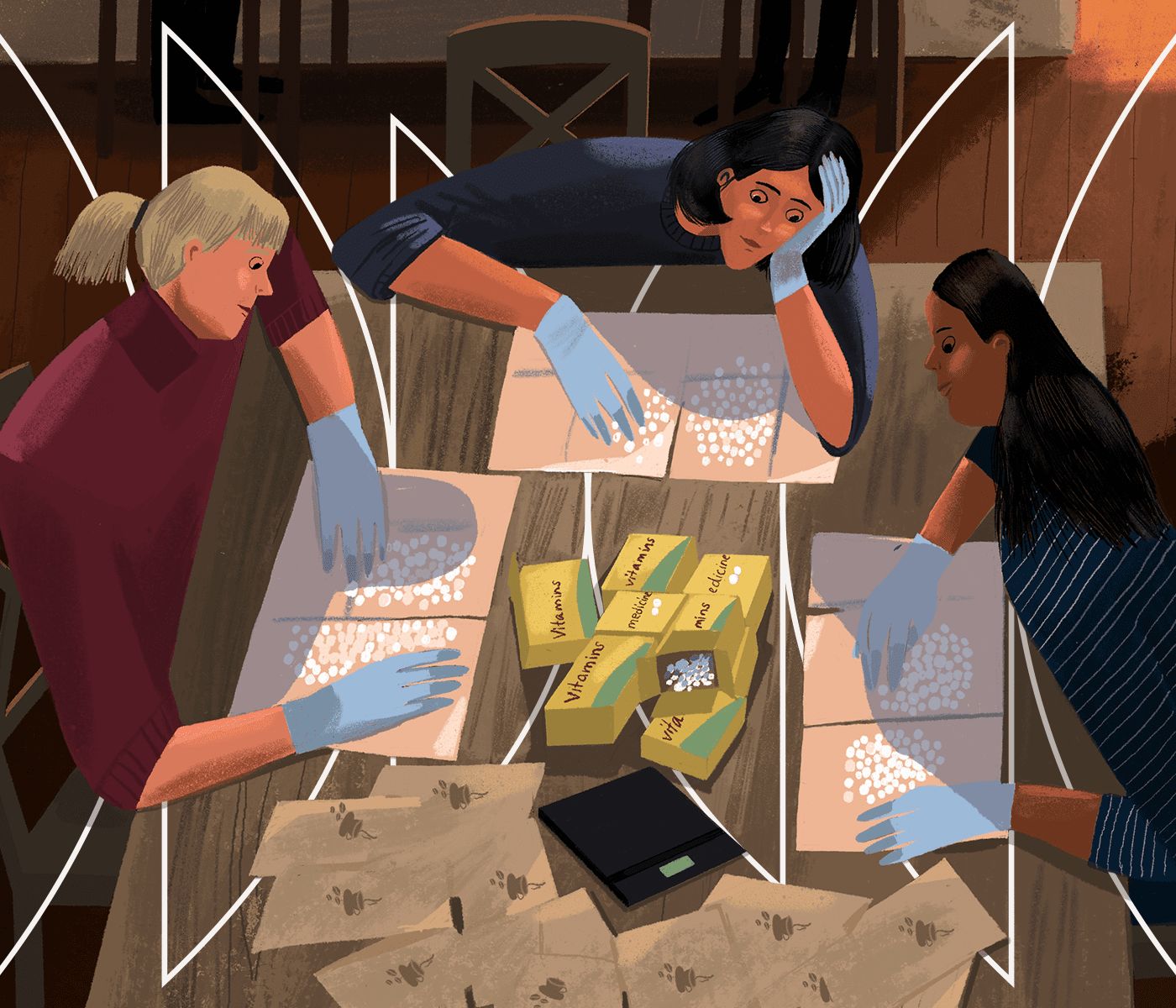
Ukraine: The Handoff
Feb 3, 2023Tap to summarizeWe continue the story of a covert smuggling operation to bring abortion pills into Ukraine, shortly after the Russian invasion. In this episode, reporters Katz Laszlo and Gregory Warner go to Ukraine, landing on a fall night during a citywide blackout, to pick up the trail of the pills and find out about the doctors and patients who needed them. But as they follow the pills around the country, what they learn changes their understanding of how we talk about these pills, and how we talk about choice, in a war. This episode is the second of two done in collaboration with NPR’s Rough Translation. You can find the first episode here (https://zpr.io/CnmNVFQ6X5gc). Special thanks to the Rough Translation team for reporting help. Thanks also to Liana Simstrom, Irene Noguchi, and Eleana Tworek. Thanks to the ears of Valeria Fokina, Andrii Degeler, Noel King, Robert Krulwich and Sana Krasikov. And to our interpreters, Kira Leonova and Tetyana Yurinetz. Thanks to Drs Natalia, Irna & Diana. To Yulia Mytsko, Yulia Babych, Maria Hlazunova, Nika Bielska, Yvette Mrova, Lauren Ramires, Jane Newnham, Olena Shevchenko, Marta Chumako, Jamie Nadal, Jonathan Bearak, and the many others who we spoke with for this story. Thank you to NPR’s International Desk and the team at the Ukraine bureau. Translations from Eugene Alper and Dennis Tkachivsky. Voice over from Lizzie Marchenko and Yuliia Serbenenko. Archival from the Heal Foundation. Legal guidance provided by Micah Ratner, Lauren Cooperman, and Dentons. Ethical guidance from Tony Cavin. EPISODE CREDITS: Guest hosted by - Gregory Warner and Molly Webster Reported by - Katz Laszlo, Gregory Warner Produced by - Tessa Paoli, Daniel Girma, Adelina Lancianese w/ production help from - Nic M. Neves Mixer - James Willetts and Robert Rodriguez w/ mixing help from - Jeremy Bloom Fact-checking by - Marisa Robertson-Textor and Edited by - Brenna Farrell Music: John Ellis composed the Rough Translation theme music. Original music from Dylan Keefe. Additional music from Blue Dot Sessions and FirstCom Music. CITATIONSPhotos - See a Lviv blackout through host Gregory Warner’s eyes – he posted photos from his time in Lviv on Twitter (https://zpr.io/egzpZZw7xPKk). Podcasts - To understand Ukraine’s president, it helps to know the training ground of his youth: the competitive comedy (https://zpr.io/ympqrikgCkE3) circuit, in this Rough Translation episode. Listen to “No-Touch Abortion” (https://zpr.io/5SB6bpNzUs6r) from Radiolab for more on the science and use of abortion pills Articles - Further reading: a study on medical abortion (https://zpr.io/f8h5WNfKaMtk) by Galina Maistruck, one of the main sources in our piece Our newsletter comes out every Wednesday. It includes short essays, recommendations, and details about other ways to interact with the show. Sign up (https://radiolab.org/newsletter)! Radiolab is supported by listeners like you. Support Radiolab by becoming a member of The Lab (https://members.radiolab.org/) today. Follow our show on Instagram, Twitter and Facebook @radiolab, and share your thoughts with us by emailing radiolab@wnyc.org. Leadership support for Radiolab’s science programming is provided by the Gordon and Betty Moore Foundation, Science Sandbox, a Simons Foundation Initiative, and the John Templeton Foundation. Foundational support for Radiolab was provided by the Alfred P. Sloan Foundation. Hosted by Simplecast, an AdsWizz company. See pcm.adswizz.com for information about our collection and use of personal data for advertising.
Transcribe →
The Weather Report
Oct 28, 2022Tap to summarizeMeteorologists are as common as the clouds these days. Rolling onto the airwaves at morning, noon and night they tell us what to wear and where to plan our picnics. They’re local celebrities with an outsized influence. But in the 1940s, there was really only one of them: Irving P. Krick. He was suave and dapper, with the charm of a sunbeam and the boldness of a thunderclap. He was a salesman who turned the weather into a product. Today, listen to the story of Krick and his descendants, a crew of profit prophets who have found fame and fortune staring at the sky and seeing the future. We follow them from the bloody beaches of World War II to the climate changed coasts of today, exploring their impact and predicting what they’ll mean in our wackier weather world. Special Thanks:Special thanks to Xandra Clark, Homa Sarabi, Santi Dharmawan, Francisco Alvarez, Maureen O’Leary and everyone at NOAA, Shimon Elkabetz, Jack Neff, Joe Pennington, Brad Colman, Morgan Yarker, Megan Walker, Eric Bramford, Jay Cohen and Irving Krick Jr for supplying us with tons of great archival footage and audio. Episode Credits: Reported by Simon Adler and Annie McEwenProduced by Annie McEwen and Simon AdlerSound & Music by Simon Adler and Annie McEwen and Jeremy BloomMixing help from Arianne WackFact-checking by Diane KellyEdited by Soren Wheeler Citations: Books: If you’re curious to know more about the history of weather forecasting, go check out Kris Harper’s book Weather by the Numbers. Video: We also asked Illustrator and Animator Sophia Twigt to make a little video explaining how the U.S. government agency NOAA collects and treats weather data to make weather forecasts. Here it is, narrated by Simon Adler. We hope you enjoy it: Our newsletter comes out every Wednesday. It includes short essays, recommendations, and details about other ways to interact with the show. Sign up (https://radiolab.org/newsletter)! Radiolab is supported by listeners like you. Support Radiolab by becoming a member of The Lab (https://members.radiolab.org/) today. Follow our show on Instagram, Twitter and Facebook @radiolab, and share your thoughts with us by emailing radiolab@wnyc.org. Leadership support for Radiolab’s science programming is provided by the Gordon and Betty Moore Foundation, Science Sandbox, a Simons Foundation Initiative, and the John Templeton Foundation. Foundational support for Radiolab was provided by the Alfred P. Sloan Foundation.
Transcribe →