
Podcast
Real Estate Educators Podcast with Kevin Amolsch
Hosted by Kevin Amolsch · EN
We provide the real estate education you can build on. This podcast is unlike any I have seen where we not only focus on real estate investing but on the content creation behind it. We want to help real estate investors and real estate influencers build their wealth.
Hosted on Ausha. See ausha.co/privacy-policy for more information.
39episodes
Episodes
Newest firstAll episodes
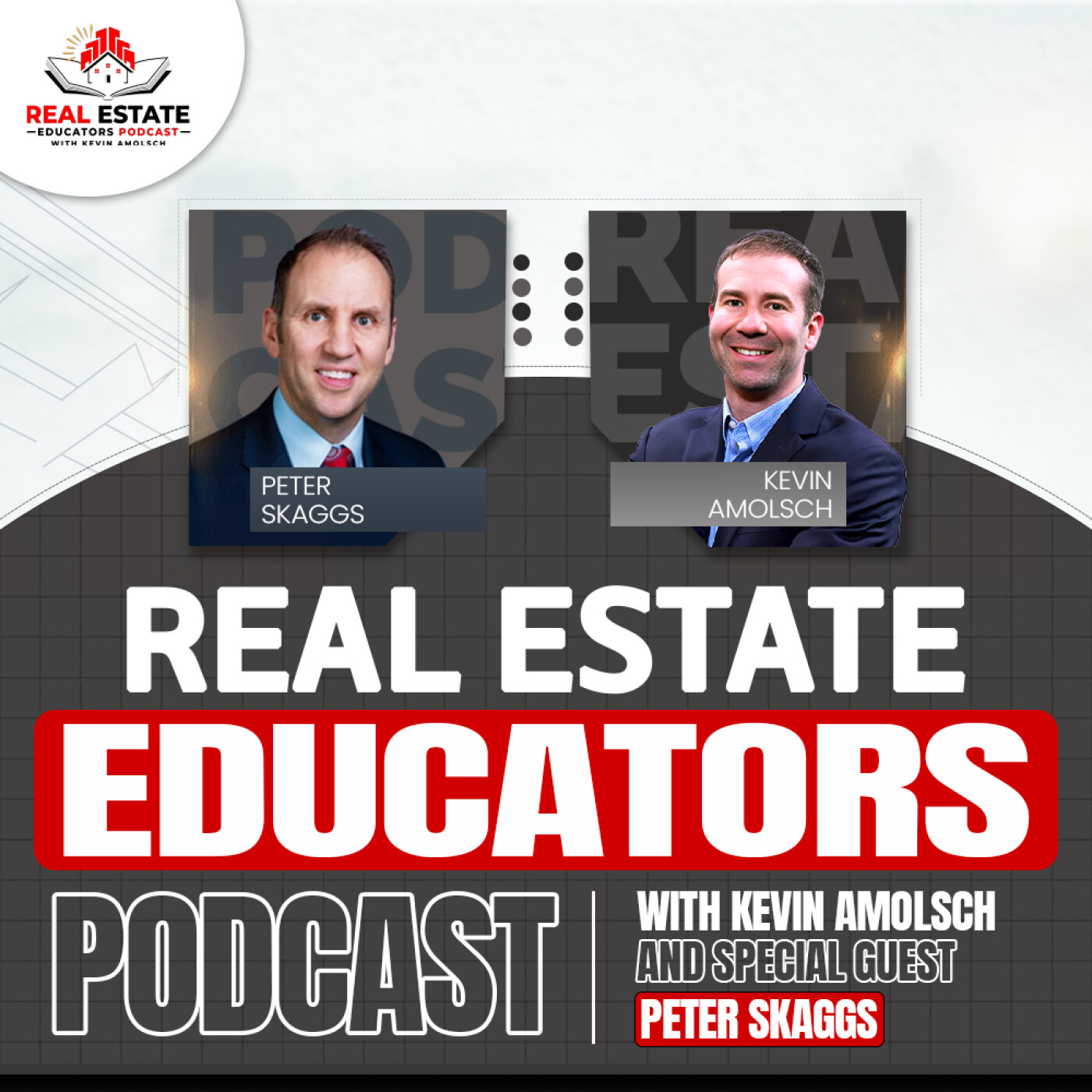
Peter Skaggs - How to Build a Real Estate Portfolio That Survives Any Market
6d ago00:46:26Tap to summarizeWhat if you bought your first rental property at the absolute peak of the 2007 housing market?Most investors would assume that deal was a disaster. For Peter Skaggs, it became one of the biggest lessons of his investing career.In this episode of the Real Estate Educators Podcast, Kevin Amolsch talks with Peter Skaggs, a mortgage professional with more than 20 years of experience and a real estate investor who has built a portfolio of more than 250 units.Peter explains why buying power, staying power, and growing power are the three keys to long-term success in real estate. He also shares why cash flow matters more than market timing, why he prefers 30-year fixed-rate financing, and how investors can build portfolios that survive market downturns instead of being forced to sell.They also discuss the differences between single-family rentals and multifamily investing, DSCR loans, interest rate strategy, and the simple framework Peter uses to analyze investment properties.Whether you're buying your first rental or refining a large portfolio, this episode is packed with practical investing advice.00:00 - The family story that inspired Peter's investing journey05:45 - From mortgage websites to a 20-year lending career14:18 - Why cash flow helped Peter survive the housing crash17:10 - Buying Power, Staying Power & Growing Power explained23:12 - Single-family vs. multifamily investing29:22 - DSCR loans vs. conventional financing35:10 - How Peter analyzes investment properties in minutes38:15 - Why liquidity is every investor's safety net41:02 - The importance of mentorship in real estate investingConnect with Peter Skaggs:Website: InvestorLighthouse.comUse Peter's free Deal Analyzer to evaluate rental properties, compare financing scenarios, and learn his Buying Power, Staying Power, and Growing Power framework for building wealth through real estate.Learn more about Pine Financial Group:pinefinancialgroup.com43:35 Peter's final advice for building long-term wealthHosted on Ausha. See ausha.co/privacy-policy for more information.
Transcribe →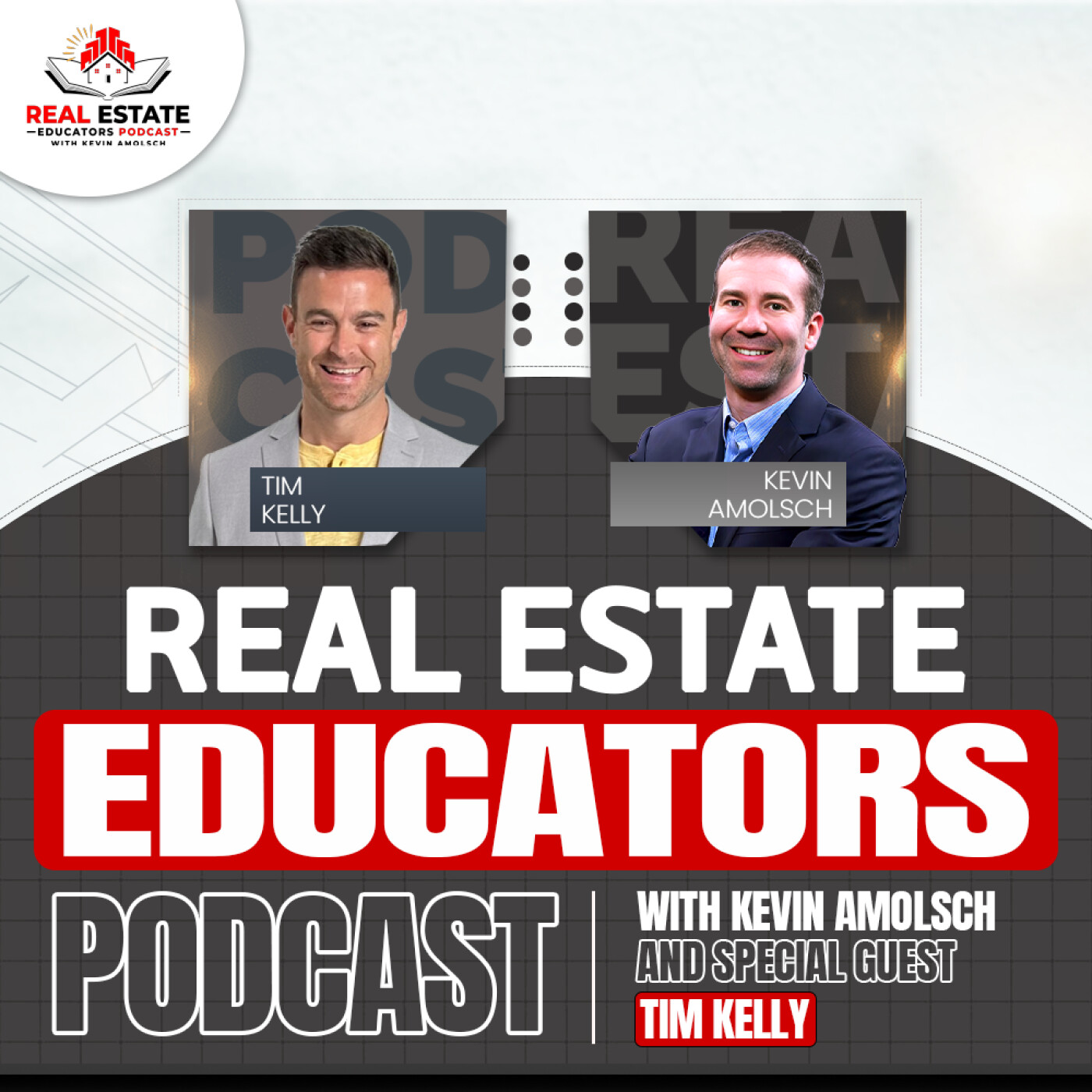
Tim Kelly - The Truth About Financial Freedom That No One Talks About
2w ago00:44:31Tap to summarizeEveryone talks about achieving financial freedom—but almost nobody talks about what happens after you get there.In this episode of the Real Estate Educators Podcast, Kevin Amolsch sits down with former Navy rescue swimmer, multifamily investor, bestselling author, and high-performance coach Tim Kelly.Tim shares how house hacking with a VA loan sparked his investing journey, how mentorship helped him buy apartment buildings while still serving in the military, and why he walked away from a military pension to pursue financial freedom.But the conversation goes much deeper than real estate.Tim opens up about hitting financial freedom only to discover it didn't automatically create happiness. He shares the personal struggles that followed, how rebuilding his life changed his perspective, and why true freedom requires purpose, discipline, relationships, and personal growth—not just passive income.Whether you're just getting started in real estate or already building wealth, this episode is filled with practical investing advice and meaningful life lessons.TIMESTAMPS00:00 - From Navy rescue swimmer to real estate investor09:05 - Buying apartment buildings while serving in the military12:18 - Why mentorship accelerated Tim's success18:08 - Why most people stay stuck and never invest28:05 - The surprising truth about financial freedom38:20 - Clarity, energy, and courage: Tim's coaching philosophyConnect with Tim Kelly:Website: TheTimothyKelly.comLearn more about Tim's coaching programs, commercial real estate investing, leadership development, and transformational adventure retreats.Learn more about Pine Financial Group:pinefinancialgroup.comHosted on Ausha. See ausha.co/privacy-policy for more information.
Transcribe →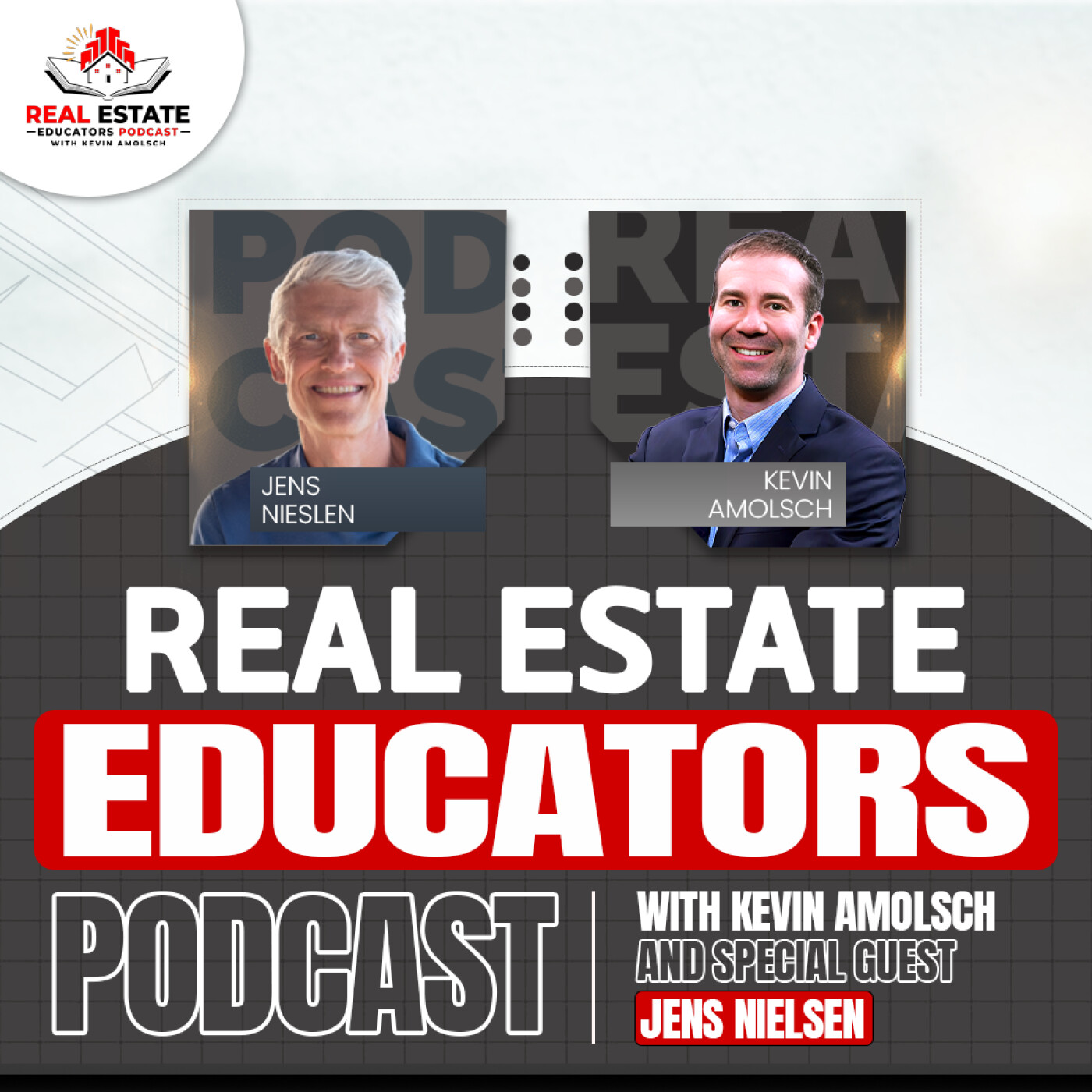
Jens Nielsen - How to Scale Your Real Estate Business Without Burning Out
3w ago00:40:25Tap to summarizeBuying your first rental property is exciting—but building a real estate business that actually scales is a completely different challenge.In this return appearance on the Real Estate Educators Podcast, Kevin Amolsch welcomes back Jens Nielsen to discuss what happens after you've bought your first few properties.Jens explains why investors need to stop thinking like owner-operators and start thinking like business owners. They dive into building the right team, outsourcing effectively, finding mentors, knowing when to hire employees, and creating systems that allow your business to grow without consuming your life.They also discuss today's real estate market, why many investors are struggling to make deals work, and how successful entrepreneurs stay focused despite economic uncertainty.Whether you're trying to buy your first investment property or scale to hundreds of units, this episode is full of practical advice for building a business that lasts.00:00 - Meet returning guest Jens Nielsen06:10 - Thinking like an investor instead of an operator09:00 - Why your team determines your ability to scale18:05 - When should you outsource vs. hire employees?26:00 - The difference between core competencies and outsourced work29:12 - Lessons from The Science of Scaling by Benjamin Hardy32:18 - Knowing when it's time to walk away from a deal35:15 - Jens' coaching philosophy and helping entrepreneurs growConnect with Jens Nielsen:Website: JensNielsen.usLearn more about business coaching, real estate investing, leadership, and building systems that allow you to scale without sacrificing your time.Learn more about Pine Financial Group:pinefinancialgroup.comHosted on Ausha. See ausha.co/privacy-policy for more information.
Transcribe →
The Biggest Lessons Real Estate Investors Need to Know from Season 6
Jun 1000:17:49Tap to summarizeWhat separates successful real estate investors from those who never get started?After six seasons of the Real Estate Educators Podcast, Kevin Amolsch is breaking down the biggest lessons, mistakes, and trends from conversations with investors, entrepreneurs, and industry experts.In this Season 6 recap episode, Kevin shares the common themes that kept coming up again and again—from why taking action is the biggest predictor of success to the underwriting mistakes that quietly destroy deals.He also dives into how investors are using AI to save time, improve decision-making, review documents, streamline operations, and create more efficient businesses.Plus, Kevin discusses why real estate will always be a people business and how relationships with tenants, contractors, vendors, and other investors can make the difference between struggling and scaling.If you want to become a better investor, avoid common mistakes, and prepare for where real estate is headed next, this episode is for you.TIMESTAMPS00:00 - The #1 mistake real estate investors keep making05:02 - The importance of keeping consistent income while building wealth09:05 - How AI is changing real estate investing13:10 - Building the right team of vendors and contractorsLearn more about Pine Financial Group:pinefinancialgroup.comSubscribe to the Real Estate Educators Podcast for more conversations about real estate investing, market trends, financing strategies, and building long-term wealth.Hosted on Ausha. See ausha.co/privacy-policy for more information.
Transcribe →
Benjamin Stef - The Lending Strategies Real Estate Investors Are Using in 2026
Jun 400:36:26Tap to summarizeMost investors focus on finding the next deal—but the way you structure your financing can make or break your ability to scale.In this episode of the Real Estate Educators Podcast, Kevin Amolsch sits down with Benjamin Stef to discuss creative lending strategies, DSCR loans, HELOCs, building momentum, and what separates successful investors from those who quit.Ben shares how growing up in an entrepreneurial real estate family shaped the way he thinks about investing and lending. After starting his lending career during COVID and surviving one of the toughest interest rate shifts in history, Ben explains why focusing on the right daily activities and avoiding “shiny object syndrome” are critical for long-term success.They also break down creative financing options investors may not know exist—including DSCR loans, investor HELOCs, non-QM lending, and strategies to access capital without selling properties or giving up low interest rates.If you’re looking to grow your portfolio, unlock equity, or understand how successful investors think about financing, this episode is packed with valuable insights.TIMESTAMPS00:00 - Growing up around real estate and entrepreneurship07:05 - Starting a lending career during COVID09:24 - Surviving the interest rate shift when others quit18:04 - Finding your “why” and refusing to quit20:40 What is non-QM lending?24:45 - Hosting events and building relationships through education29:15 - Why every investor needs to pick a nicheConnect with Benjamin Stef:YouTube: Funding Freedom – Ben StefWebsite: FundingFreedom.netLearn more about creative financing, DSCR loans, investor lending strategies, and ways to leverage equity to grow your real estate portfolio.Learn more about Pine Financial Group:pinefinancialgroup.comHosted on Ausha. See ausha.co/privacy-policy for more information.
Transcribe →
Jason Roberts - The Real Truth About Fix & Flipping in Today’s Market
May 2700:38:41Tap to summarizeCan you really make six figures on a single house flip, even in a challenging market?In this episode of the Real Estate Educators Podcast, Kevin Amolsch sits down with Jason Roberts to talk about wholesaling, fix-and-flipping, market risk, mentorship, and building a recession-resistant real estate business.Jason shares how watching his parents lose everything during the 2007–2008 housing crash shaped the way he approaches investing today. They discuss why investors need multiple streams of income, how to stress test deals, and why wholesaling creates the cash flow needed to survive market downturns.They also dive into double closings, finding off-market deals, probate opportunities, and how Jason’s mentorship students are landing six-figure flips.If you’re interested in wholesaling, flipping houses, or building long-term wealth through real estate, this episode is packed with practical advice.TIMESTAMPS00:00 - Growing up in a real estate family in New York09:05 - From engineering to real estate investing11:14 - How fix-and-flipping replaced Jason’s W-2 income13:28 - The biggest lesson from the 2008 housing crash18:08 - The balance between staying focused and diversifying22:18 - How Jason finds off-market wholesale deals26:40 - What a “double close” actually means31:45 - Scaling from one flip to 20+ projects per year34:18 - The mentorship program helping students land six-figure flips43:08 - Why market data matters more than opinionsConnect with Jason Roberts:Website: BetterBlueprintAcademy.comLearn more about wholesaling, fix-and-flipping, and real estate mentorship opportunities in Colorado and nationwide.Learn more about Pine Financial Group:pinefinancialgroup.comHosted on Ausha. See ausha.co/privacy-policy for more information.
Transcribe →
Cameron Tope - The Truth About Rental Property Cash Flow in 2026
May 2000:42:04Tap to summarizeMost real estate investors think the hardest part is buying the property. According to Cameron Tope, that’s just the beginning.In this episode of the Real Estate Educators Podcast, Kevin Amolsch sits down with Cameron Tope, a Houston-based investor and property manager overseeing 300+ units, to break down the biggest mistakes landlords make with rental properties.They discuss the BRRRR strategy, the 1% rule, tenant retention, turnovers, vacancy costs, underwriting maintenance correctly, and why “cash flow” is often misunderstood in real estate investing.Cameron also shares why he believes appreciation has created far more wealth than monthly cash flow—and why speed and responsiveness are critical in today’s rental market.If you own rentals, want to scale a portfolio, or are thinking about hiring a property manager, this episode is packed with practical advice.TIMESTAMPS00:00 - Meet Cameron Tope05:20 - Scaling with the BRRRR strategy and private money09:02 - The $40,000 rental property that crushed the 1% rule14:05 - Cash flow vs appreciation: what actually builds wealth?21:08 - The biggest mistake landlords make with vacancies29:18 - The importance of tenant responsiveness and communication33:52 - Why month-to-month leases can be risky36:08 - Cameron’s advice for new real estate investorsConnect with Brandon Cobb:Website: EmersonPropertyManagement.comLearn more about property management, tenant screening, and rental investing strategies in Houston.Learn more about Pine Financial Group:pinefinancialgroup.comHosted on Ausha. See ausha.co/privacy-policy for more information.
Transcribe →
Colorado Real Estate Market Pulse Update with Joe Massey - May 2026
May 1900:49:21Tap to summarizeWe are back with Joe Massey to chat Denver real estate. Curious what’s really happening in the Denver housing market? In this market pulse, we discuss what we are currently seeing during the second quarter of 2026. Joe Massey brings a ton of experience to the Denver real estate scene, making him someone you want to pay attention to if you care about market trends and smart investing. As part of Synergy One Lending, Joe helps people with everything from buying their first home to locking in financing for investment properties, including condos, single-family homes, and even multi-units up to four units. He’s worked with investors in the Denver area for well over a decade, so he’s seen all kinds of market cycles and knows the ins and outs of residential lending. Joe’s got a knack for explaining complicated stuff in a way that actually makes sense, and he’s always looking for ways to help clients grow their portfolios. With a reputation for being both knowledgeable and genuinely invested in the success of others, Joe Massey is a solid voice when it comes to making sense of Denver’s ever-changing real estate market. The resources mentioned in this episode are: Visit Pine Financial Group to learn more about their private lending solutions and mortgage fund for passive investors: https://pinefinancialgroup.com Contact Joe Massey at Synergy One Lending for information on new investor and second home loan programs, refinancing, or portfolio review. Call to discuss your rental property financing options, including current rates for investment properties and second homes. Reach out to review your real estate portfolio and explore opportunities to improve cash flow or access equity. Follow and leave a five-star review for the Real Estate Educators podcast, and share the podcast with a friend.Hosted on Ausha. See ausha.co/privacy-policy for more information.
Transcribe →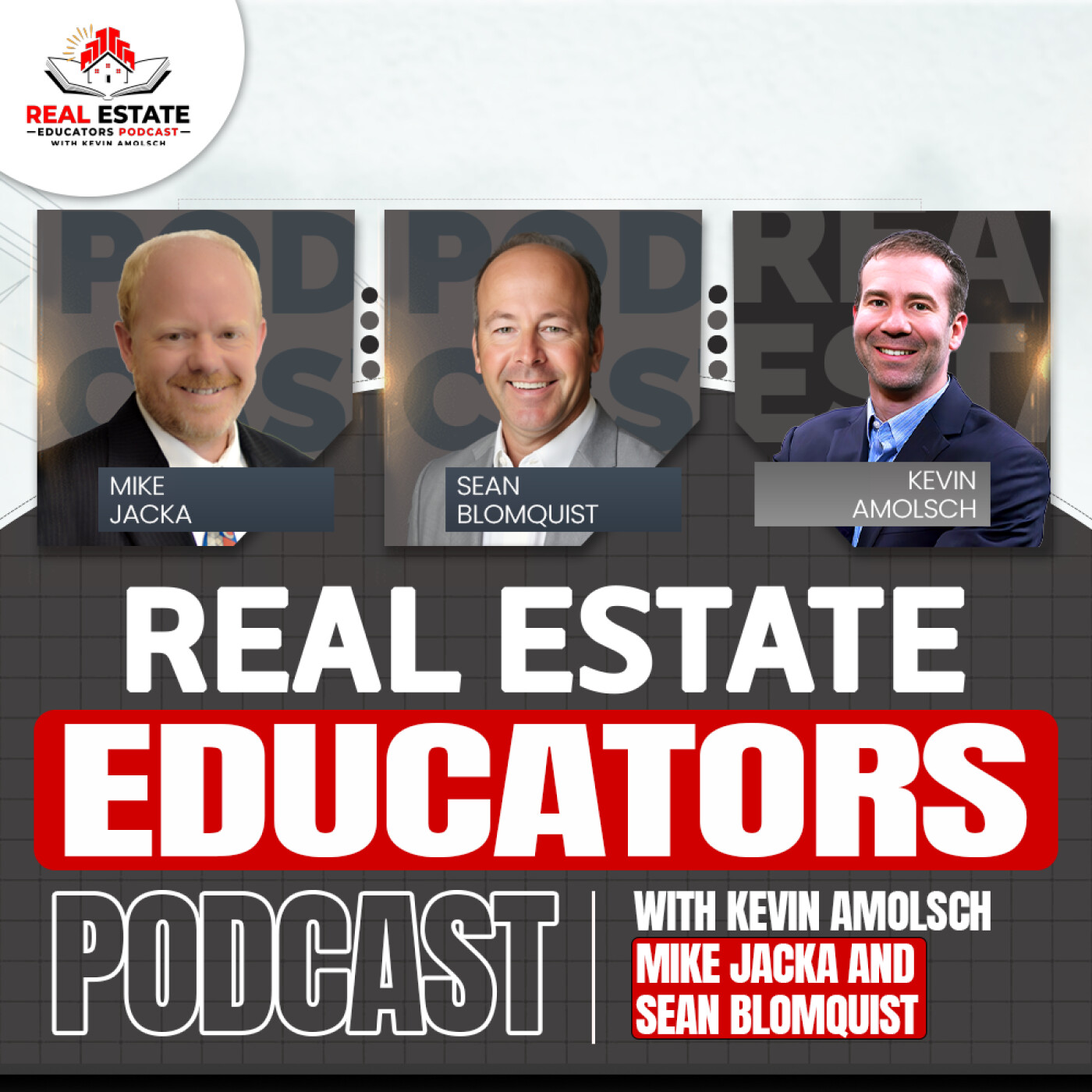
Twin Cities Real Estate Market Pulse Update - May 2026
May 1901:07:55Tap to summarizeHere’s your 2026 Q2 Market Pulse for the Twin Cities real estate scene. We break down what we are seeing in the market and what that means for real estate investors. Host Kevin Amolsch is joined by local pros Mike Jacka (President & Founder, MNREIA) and Sean Blomquist (Pine Financial Group) to sort through national headlines and local data. Guest bios: Mike Jacka — President & Founder of MNREIA (est. 2002). Leads one of the largest real estate investor associations in the country, focused on education and local dealmaking. Sean Blomquist — Minnesota Loan Officer at Pine Financial Group, specializing in private lending for fix‑and‑flip, buy‑and‑hold, and value‑add projects. Resources mentioned: MNREIA — Meetings, education, and local investor community Pine Financial Group — Private lending and fund infoHosted on Ausha. See ausha.co/privacy-policy for more information.
Transcribe →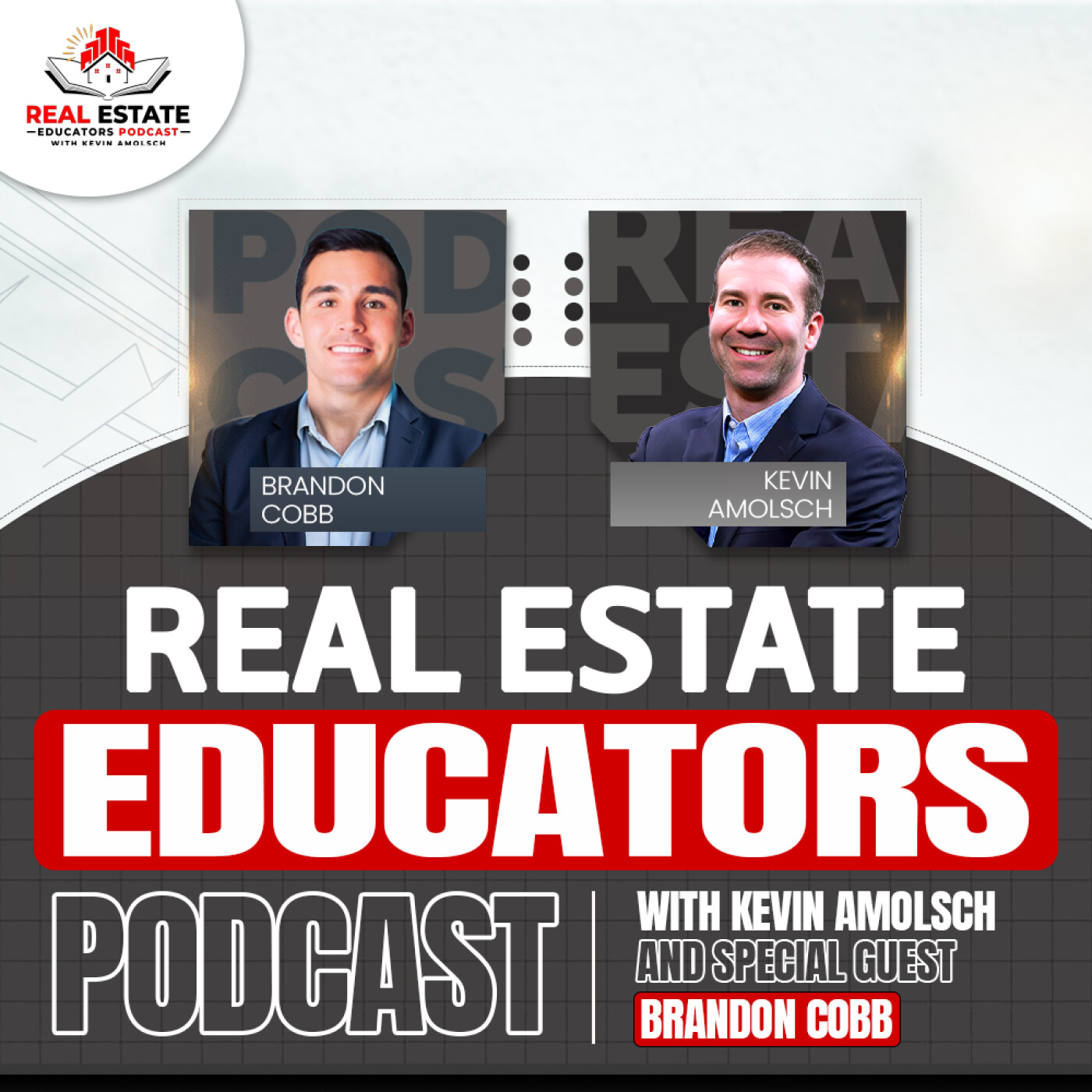
Brandon Cobb - From Land Deals to AI Agents: How to Scale Your Real Estate Business
May 1300:44:07Tap to summarizeLand development can be one of the most profitable—and risky—strategies in real estate. So how do you actually make money while managing long timelines, rising interest rates, and unpredictable markets?In this episode of the Real Estate Educators Podcast, Kevin Amolsch sits down with Brandon Cobb to break down how he structures deals to generate cash flow at every stage of development.Brandon shares his journey from medical device sales to building a $22M/year land development business, why most investors underestimate the importance of cash flow, and how to survive when deals don’t go as planned.They also dive into AI agents and how they’re transforming real estate businesses—from automating operations to increasing revenue.If you’re interested in land development, scaling your business, or leveraging AI, this episode is packed with actionable insights.TIMESTAMPS00:00 - Early failures and lessons learned08:12 - Transitioning from flipping to new construction13:18 - The three phases of development explained19:20 - Why interest rates have slowed development24:05 - The biggest risk in land deals (and how to mitigate it)29:12 - Using deposits and private money to fund deals34:40 - The reality of losses in real estate investing40:15 - Automating marketing, bookkeeping, and content with AIConnect with Brandon Cobb:Mastermind & Training: LearnLandDevelopment.comInvesting Opportunities: HBGCapital.netExplore land development strategies, AI implementation, and investment opportunities.Hosted on Ausha. See ausha.co/privacy-policy for more information.
Transcribe →