Podcast
Recovery Daily Podcast
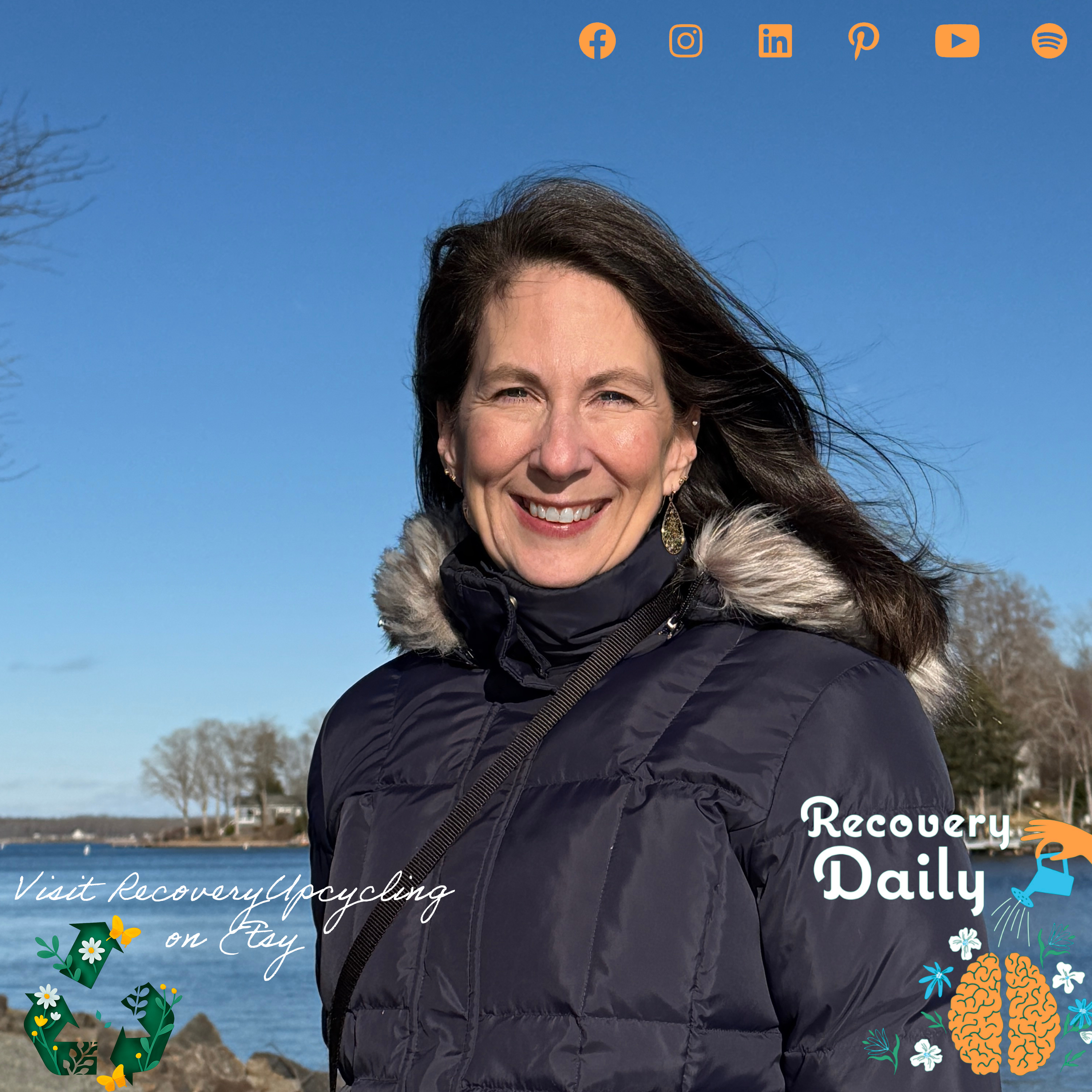
Hosted by Rachel (Miller) Abbassi · EN
Recovery Daily Podcast is hosted by Rachel (Miller) Abbassi, a recovering alcoholic and stroke survivor. With 9 years of sobriety, Rachel regressed into severe post-stroke chronic daily migraines, vision impairment due to vestibular disorder, and mild vascular neurocognitive disorder. The first episode starts only days after recognizing that she must start her journey of rehabilitation again and pull herself away from a career she loves. She believes that the greatest healing comes from sharing her experience, strength, and hope with others in recovery. Follow the podcast to join the journey!
81episodes
Episodes
Newest firstAll episodes
When I'm Disturbed, What's My Next Right Thing?
3w ago00:25:55Tap to summarizeMy sobriety program teaches me what to do with fear, anger, sadness, disappointment, embarrassment, etc. The real problem isn't the thing that’s disturbing me, it's what I do because I'm disturbed. Left alone, my thoughts isolate me and feed on each other. But the 12 steps has given me a different path. Today I explore the power of pausing, focusing on what I can control, getting the disturbance out of my head and through my mouth, and doing the next right thing.Listen and subscribe wherever you get your podcasts:Rather listen on Apple Podcasts? https://podcasts.apple.com/us/podcast/recovery-daily-podcast/id1693924779Visit my Recovery Upcycling Etsy shop! https://www.etsy.com/shop/RecoveryUpcycling
Transcribe →
I’m Back: Recovery With Eyes Wide Open
3w ago00:28:51Tap to summarizeAfter taking a week away from the podcast to rest during a vestibular flare, I'm back with an update on my health, my birthday, my family, and what's been filling my mind lately. I've been exploring everything from quantum physics to spiritual awakening, and I've realized they have something in common: learning to see beyond what's right in front of us. In recovery, I didn't just stop drinking, I slowly began opening my eyes to a bigger, richer, more meaningful way of living.Listen and subscribe wherever you get your podcasts:Rather listen on Apple Podcasts? https://podcasts.apple.com/us/podcast/recovery-daily-podcast/id1693924779Visit my Recovery Upcycling Etsy shop! https://www.etsy.com/shop/RecoveryUpcycling
Transcribe →Health Update
Jul 1300:03:21Tap to summarizeToday I'm just checking in to let you know that I'm taking a week off due to a temporary (hopefully) decline in my condition.
Transcribe →
When Your Brain Says, "That's Enough": Living with a Vestibular Disorder
Jul 900:10:05Tap to summarizeSome days, the best thing I can do is admit that my brain has reached its limit.In this episode, I share what it's really like to live with a vestibular disorder after stroke, how symptoms change from moment to moment, why treating one symptom reveals another, and what brain fog feels like from the inside. I also talk about the frustration of searching for answers, advocating for yourself with doctors, and learning to listen when your body tells you it's time to stop.Coincidentally, by the end of this episode, my brain fog became so overwhelming that I couldn't even remember the point I was trying to make. I left it in so you can see the most honest picture of recovery.Listen and subscribe wherever you get your podcasts:Rather listen on Apple Podcasts? https://podcasts.apple.com/us/podcast/recovery-daily-podcast/id1693924779Visit my Recovery Upcycling Etsy shop! https://www.etsy.com/shop/RecoveryUpcycling
Transcribe →
Rest Is Productive: The Reward is Quality of Life
Jul 800:20:20Tap to summarizeToday I'm doing something I don't want to do: nothing. When you live with chronic illness, pain, or disability life can unpredictably erase your entire to-do-list forcing you to invest in tomorrow through rest. Doing less today allows you to do more tomorrow.Listen and subscribe wherever you get your podcasts:Rather listen on Apple Podcasts? https://podcasts.apple.com/us/podcast/recovery-daily-podcast/id1693924779Visit my Recovery Upcycling Etsy shop! https://www.etsy.com/shop/RecoveryUpcycling
Transcribe →
Recovery Doesn't Take a Day Off: Acceptance Every Single Day
Jul 800:28:18Tap to summarizeMy disability, chronic pain, and alcoholism doesn't take a day off. Invisible illnesses don’t do that.After staying up late to enjoy the Fourth of July celebration, I was reminded that even good choices can have consequences when you're living with a chronic condition. Sometimes I get tired of living a full time recovery life, but even so, I must accept reality and surrender to it, one day at a time.It's okay to get tired of being sick. It's okay to get tired of living with alcoholism. What's important is that we don't stop accepting what is true today and doing the next right thing. It's how we stay free.Listen and subscribe wherever you get your podcasts:Rather listen on Apple Podcasts? https://podcasts.apple.com/us/podcast/recovery-daily-podcast/id1693924779Visit my Recovery Upcycling Etsy shop! https://www.etsy.com/shop/RecoveryUpcycling
Transcribe →
Trusting Others: When Self-Sufficiency Fails Us
Jul 200:25:22Tap to summarize"I want help, but let me tell you how to help me." Classic Rachel!Whether I’m relying on my husband, sponsor, doctors, friends and family, or my Higher Power, I am constantly negotiating how others should help me. I become teachable when my self-sufficiency reaches its limits, and humility and desperation force me to surrender. Only then does my life change in beautiful ways I never could have planned.I struggle to let go of control while still hoping things will get better. Recovery only exists when I’m willing to accept help, trust the process, and don’t try to do life alone.Listen and subscribe wherever you get your podcasts:Rather listen on Apple Podcasts? https://podcasts.apple.com/us/podcast/recovery-daily-podcast/id1693924779Visit my Recovery Upcycling Etsy shop! https://www.etsy.com/shop/RecoveryUpcycling
Transcribe →
Relief Is In the Seeking, Not the Understanding
Jul 100:28:31Tap to summarizeWhat does it mean to rely on God? If you've ever struggled with the idea of faith, wondered how to accept God into your life, or felt like you needed proof before you could believe, you're not alone.In this episode, I explore Step Two of Alcoholics Anonymous: "Came to believe that a Power greater than ourselves could restore us to sanity." I talk about what sanity means, why open-mindedness and humility matter most, and how relief is in the seeking not the understanding.Just as science accepts unseen forces like dark matter and dark energy because of their effects on the universe, we can learn to recognize the evidence of a Higher Power in the peace, hope, and transformation that seeking Him brings.Listen and subscribe wherever you get your podcasts:Rather listen on Apple Podcasts? https://podcasts.apple.com/us/podcast/recovery-daily-podcast/id1693924779
Transcribe →
Stop Rehearsing the Worst: Walking Toward Fear Creates New Evidence
Jun 3000:23:37Tap to summarizeI don't become brave before I act. I become brave because I act. Every time I walk toward fear, my brain collects evidence that I can survive it. Confidence is learned.Before a difficult conversation or situation, my mind writes the ending before the story even begins. I rehearse failure, rejection, embarrassment, and loss while my emotions respond as if those imagined outcomes are real. Understanding the emotions beneath my anxiety can change the way I approach challenges. Sometimes what looks like anxiety is really insecurity, fear, or even excitement. By slowing down and identifying what I’m actually feeling, I can stop reacting to the stories in my head and start responding to the reality in front of me.Listen and subscribe wherever you get your podcasts:Rather listen on Apple Podcasts? https://podcasts.apple.com/us/podcast/recovery-daily-podcast/id1693924779
Transcribe →
Stay Curious To Stay Present
Jun 3000:23:04Tap to summarizeFor 42 years, I sleepwalked through life. My body was present, but my mind was elsewhere replaying yesterday and worrying about tomorrow. Alcohol was my favorite escape, but there are many ways to leave the present moment, like busyness, tv, books, and social media.In this episode, I discuss what mindfulness actually MEANS to me and the need to pair that with introspection to attain emotional sobriety. The Twelve Steps teach me that recovery is more than putting down the drink. I can show up for my life physically, emotionally, and spiritually. I learn to keep my head where my feet are while also exploring what's happening inside me. Curiosity becomes courage while each decision I make bridges the world outside of me with the world within.Listen and subscribe wherever you get your podcasts:Rather listen on Apple Podcasts? https://podcasts.apple.com/us/podcast/recovery-daily-podcast/id1693924779
Transcribe →