Podcast
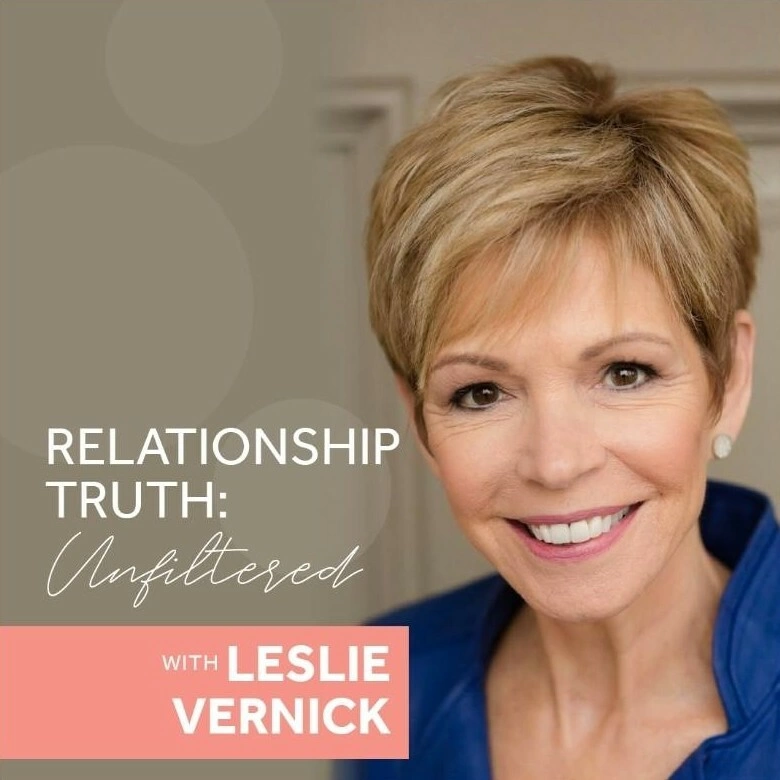
Relationship Truth: Unfiltered
Hosted by Leslie Vernick · EN
Relationship Truth: Unfiltered is a place for people of faith to find real answers when it comes to destructive relationships.
Leslie Vernick is the author of seven books, including the best-selling, ”The Emotionally Destructive Marriage.” She has dedicated her life to cutting through the religious confusion and teaching women to grow in their relationships: with God, with themselves, and with others.
32episodes
Episodes
Newest firstAll episodes
Boundaries During the Holidays
Nov 1700:43:13Tap to summarizeOver-Functioning During the Holidays: Why Boundaries Matter More Than Ever Do you dread the holidays—not because you don’t love your people—but because you're already feeling stretched thin, emotionally exhausted, and maybe even a little resentful? You’re not alone. This week, Leslie Vernick and Coach Diana unpack what it looks like to stop over-functioning during the holidays by learning how to set boundaries—clearly, kindly, and biblically. From role-playing difficult conversations to exploring the internal guilt and fear many women wrestle with, this episode is packed with faith-filled insight and practical tools to help you protect your peace and prioritize what matters most. If you’ve ever felt selfish for saying “no” or guilty for disappointing others, this conversation will give you the clarity and courage you need to love well—without losing yourself. Key Takeaways 1. Boundaries Are God’s Design, Not Rebellion Boundaries aren’t selfish—they’re sacred. God set boundaries in creation, and He calls us to do the same. Boundaries reflect His nature of order, peace, and love. When we set boundaries, we’re not being harsh—we’re honoring God’s call to steward our time, energy, and hearts. "Above all else, guard your heart, for everything you do flows from it." – Proverbs 4:23 2. Love Without Boundaries Isn’t Love—It’s Control When we can’t say no, our yes becomes meaningless. Love that’s forced or rooted in fear isn’t love at all—it’s obligation. God never forces us into relationship with Him. He invites, never invades. In the same way, healthy love must include freedom and choice. 3. Role-Playing Real-Life Scenarios Builds Confidence Leslie and Diana walk through real examples—like refusing to host Christmas, saying no to dog-sitting, or sticking to a spending limit. Each scenario highlights how to express a firm and loving no without over-explaining, defending, or absorbing guilt. These scripts show how clarity and compassion can coexist. 4. You Are Not Responsible for Other People’s Disappointment Someone else’s sadness, frustration, or manipulation does not mean you’ve done something wrong. Healthy boundaries often expose unhealthy dynamics. When others push back, it reveals their reliance on your compliance—not your care. "Let them have their feelings. It’s not your job to manage their emotions—it’s your job to steward your obedience to God." 5. Practical Tools for Calming the Guilt and Holding the Line You’ll learn how to: Prepare for pushback by getting clear with God ahead of time Use breathwork and body-awareness to stay calm under pressure Let silence do the heavy lifting after you’ve stated your boundary Anchor your identity in Christ, not someone else’s approval Use simple scripts to hold a boundary without getting defensive A Personal Invitation Are the holidays bringing up anxiety instead of joy? If you’re tired of the pressure to perform, please others, or over-function to keep the peace, Leslie’s resources can help you create emotional and spiritual breathing room. Register now for Leslie’s free workshop: Change Your Story, Change Your Life: Moving from Breakdown to Breakthrough Thursday, December 4th at 12pm or 7:30pm ET leslievernick.com/stuck Final Encouragement Friend, you don’t have to be everything to everyone this holiday season. You don’t need to hustle for love or sacrifice your sanity to make others happy. Boundaries aren’t walls to shut people out—they’re gates that let love in. You are allowed to protect your peace. You are allowed to rest. You are allowed to say no—with kindness, clarity, and courage. And when you do? You’ll be saying a much bigger yes to God, to emotional wholeness, and to the kind of love that sets both you and others free. You’ve got this—with God’s help.
Transcribe →How to Discern a Safe and Godly Man
Nov 300:48:18Tap to summarizeHow to Discern a Safe and Godly Man What does a safe and godly man truly look like? And how can you tell the difference between surface-level change and deep, lasting heart transformation? In this powerful episode, Leslie sits down with Michael and Kristen Cary, founders of Living Truth and creators of Men in the Battle and Women in the Battle. Together, they unpack the hard but healing truth about what real repentance looks like in a man, how to spot red flags—even when he seems "nice"—and why women need to do their own healing work, whether or not their partner is changing. With raw honesty and biblical wisdom, this conversation offers practical tools to help women discern character, build clarity, and courageously walk toward truth and safety. Key Takeaways True Repentance Goes Beyond Behavior Management Real heart change isn’t just about stopping bad behavior—it’s about digging deep to understand the “why” beneath it. Men who are truly repentant aren’t just trying to avoid consequences; they’re broken over the pain they’ve caused, open to feedback, and willing to do the long, hard work of healing. Women Must Heal, Too Betrayal trauma doesn’t just disappear with his sobriety. Even if the sexual sin wasn’t yours, the pain and damage are real. Healing requires tending to your own wounds, setting boundaries, and stepping into the work of becoming whole again—regardless of what he chooses to do. Believe the Behavior, Not the Words Change is seen in fruit, not phrases. Many men can talk the talk—especially in Christian circles—but safety is shown through consistent actions: humility, accountability, respect for boundaries, and emotional maturity. If he gets defensive, blames, or minimizes your pain, those are red flags—not repentance. When “Nice” Isn’t Safe Just because he’s nice doesn’t mean he’s safe. Safety means he can hear your truth without punishing you. He respects your "no," honors your boundaries, and doesn’t manipulate with guilt, fear, or Scripture. A man who is truly safe will prioritize your emotional and spiritual well-being—not just try to keep the peace. The Pain Must Be His Teacher—Not Yours Sometimes the only thing that wakes someone up is the pain of consequences. Staying “nice” to avoid upsetting him often prevents the very growth that’s needed. Love does not mean enabling sin. Godly sorrow leads to repentance—not just sorrow over being caught. If You're Struggling to Discern the Truth… If you’re unsure whether your marriage is just difficult, chronically disappointing, or truly destructive, don’t stay stuck in confusion. Leslie has created a free Quick Start Guide to help you gain clarity, take your next right step, and begin walking in truth. Download your guide here: www.leslievernick.com/guide To connect with Michael and Kristen Cary and explore their healing programs for men and women: Visit: www.living-truth.org Dear Friend, God is not asking you to sacrifice your safety, sanity, or soul to save a marriage that is wounding you. He calls us to walk in truth, not denial—to speak up, not shrink back. Even if he never changes, you can. You are not alone, and you are not powerless. With God’s help, you can move forward in wisdom, clarity, and courage—one brave step at a time.
Transcribe →The Night I Stopped Pretending
Jan 27, 202500:40:21Tap to summarizeResources Register here for Leslie's free workshop, "I'm Not Okay When You're Not Okay" Leslie's Quick Start Guide Introduction Have you ever felt trapped in a relationship that looked perfect on the outside but was suffocating behind closed doors? In this episode, Michelle shares her courageous journey from hiding abuse within the walls of the church to stepping into freedom, healing, and a mission to help other women recognize when difficult crosses into destructive. If you’ve ever questioned whether your struggles in marriage were just normal hardships or something more harmful, Michelle’s story will provide clarity, validation, and hope. Key Takeaways 1. Recognizing Red Flags in Christian Courtship Michelle reflects on the early warning signs she overlooked during dating. While her relationship seemed like a picture-perfect Christian courtship, subtle yet significant issues surfaced: boundary-pushing, controlling tendencies, and an inability to respect her differing opinions. If a man says one thing but does another—especially when it comes to physical boundaries—that’s a serious character concern. A man’s integrity matters more than his words. 2. When Submission Becomes Oppression Michelle shares how scripture was twisted in her marriage, particularly regarding intimacy. Instead of mutual love and respect, biblical teachings were weaponized to demand compliance. She felt like an object rather than a cherished wife. This distortion of faith kept her stuck, believing she had to endure rather than address the toxic dynamic. 3. The Loneliness of an Unseen Battle Perhaps one of the most heartbreaking moments Michelle describes is standing alone in the kitchen late at night, feeling used and unseen, while her husband slept peacefully. She cried out to God, struggling to reconcile her suffering with the belief that divorce was not an option. Her prayers shifted over time—from asking ‘How long, O Lord?’ to pleading for rescue. 4. When Christian Marriage Advice Keeps You Trapped Books like Love and Respect made Michelle believe that if she just respected her husband enough, things would change. But no amount of respect can fix a heart unwilling to change. In a healthy marriage, both partners seek growth, repentance, and mutual love. The problem isn’t just about how a wife behaves—it’s about whether both people are truly honoring God in their marriage. 5. Isolation and Control: A Subtle Form of Abuse Michelle’s husband worked to isolate her from friends by criticizing their parenting or questioning their submission. She initially believed his concerns, but over time, she realized it was a tactic to keep her dependent. Meanwhile, he maintained his own friendships, often mentoring men and encouraging their wives to submit, reinforcing harmful dynamics. 6. The Breaking Point: When Abuse Turns Physical Michelle recounts the night her husband physically removed her from their car and abandoned her miles from home. Despite years of emotional and spiritual abuse, this moment shattered her sense of security. Yet, even then, she felt trapped, unsure of where to go or whom to tell. The shame of staying weighed on her, but she also feared the unknown. 7. A Divine Wake-Up Call In 2023, Michelle experienced a powerful moment with God—a dream, a whispered name, and a podcast episode that spoke directly to her situation. This was her turning point. She finally recognized that her marriage wasn’t just difficult; it was destructive. With courage, she sought help, setting boundaries and eventually moving out when it became clear her husband was unwilling to change. 8. Finding Strength and Support in Conquer As Michelle searched for answers, she discovered Leslie Vernick through a podcast with Lysa Terkeurst. She dove deep into Leslie’s teachings, and after joining the Conquer group, found the validation and strength she needed to break free. With guidance from a Christian counselor and the support of Conquer, Michelle gained the confidence to make empowered decisions for herself and her children. 9. Understanding True Repentance A key revelation for Michelle came from a conversation between Leslie Vernick and Chris Moles. She learned that true repentance isn’t just words—it’s a heart transformation. A truly repentant man focuses not on regaining control of his wife but on her healing and well-being. This realization helped Michelle recognize that her husband’s apologies lacked genuine accountability and change. 10. A New Future: Education and Independence Despite opposition from her husband, Michelle pursued a master’s degree, taking one class per semester since 2020. Now, as she approaches graduation in classical studies, she is excited about her future in education, curriculum development, and potentially women’s ministry. Her newfound independence is a testament to her resilience and faith. A Call to Freedom If Michelle’s story resonates with you, you are not alone. Abuse—whether emotional, spiritual, or physical—is not God’s design for marriage. You do not have to stay stuck. There is hope, there is help, and there is a way forward. For more support, visit Leslie Vernick & Co. and explore resources to help you discern truth, find your voice, and take courageous steps toward healing. Closing Encouragement You are precious in God’s eyes. He sees your pain, and He does not call you to endure suffering in silence. If you are struggling in a destructive marriage, reach out for help. Healing, freedom, and a life of true peace are possible. You don’t have to walk this path alone—God is with you, and so is this community of women who have found strength to step into the light. Stay strong, stay hopeful, and take the next step toward your healing journey today.
Transcribe →Why Churches Resist Abuse Ministry
Jan 20, 202500:37:59Tap to summarizeRESOURCES Leslie's Quick Start Guide Brad Hambrick's Blog: Why Is It So Hard to Have Constructive Conversations About Abuse? Church Cares American Association of Christian Counselors (AACC) Equip Show Notes: Why Churches Resist Abuse Ministry Introduction Have you ever wondered why churches sometimes hesitate or even resist addressing abuse within their congregations? In today’s episode, Leslie Vernick unpacks this difficult but vital question. She shares her years of experience working with churches and individuals to create safer spaces for those harmed by abuse. Whether you’ve felt dismissed by your church, or you’re striving to bring change, this conversation offers clarity, hope, and practical steps forward. Together, we’ll explore why this resistance exists, what’s changing, and how we can be part of the solution. Key Takeaways 1. The History of Church Resistance to Abuse Ministry In the past, many churches believed abuse wasn’t a problem among Christians, leading to unsafe environments for children and vulnerable members. Change was driven largely by legal and financial accountability rather than a proactive desire for safety. Churches must recognize the reality of abuse and embrace preventative measures as part of their mission to love and protect their people. 2. The Misconceptions That Fuel Resistance Many church leaders empathize more with the fear of false accusations than with victims’ lived experiences, despite false reports being rare. Misunderstandings about what constitutes abuse—such as emotional or sexual abuse within marriage—prevent churches from addressing it effectively. 3. The Role of Leadership in Healthy Relationships Biblical headship is about servant leadership, not power or control. Healthy leaders use their influence to empower and uplift others, reflecting Christ’s example. Submission, as taught in Scripture, is a voluntary act rooted in mutual love and respect—not coercion or oppression. 4. Why Individual Healing Must Precede Marriage Work Starting with marriage counseling in abusive situations often leads to failure. Individual healing for both parties is essential before addressing the relationship. Churches can support this process by encouraging personal growth and connecting individuals with appropriate resources. 5. Resources to Equip Churches for Better Ministry Free tools like the Church Cares Curriculum provide essential training for addressing abuse. Leslie’s EQUIP group offers ongoing support and education for pastors, counselors, and leaders seeking to handle abuse well. A Personal Invitation If you’re a church leader, counselor, or someone who wants to advocate for healthier, safer relationships in your community, take the next step. Visit LeslieVernick.com to learn more about EQUIP and access resources designed to empower leaders and protect the vulnerable. Change is possible when we open our hearts to God’s guidance and truly listen to the pain of those around us. If you’ve been hurt by the church or feel overwhelmed as a leader, know that God sees you and desires healing and growth. Listen to the full episode now and share it with your pastor or church leader! Together, we can foster safer, healthier communities.
Transcribe →Hidden in Plain Sight: Recognizing Emotional Abuse in Marriage
Jan 13, 202500:52:09Tap to summarizeHear this raw conversation with Julie Sedenko and Jessica about recognizing and escaping covert abuse in her Christian marriage RESOURCES Leslie Vernick's website Leslie's Quick Start Guide The Relationship Timeline Love bombing during dating phase Emotional regulation issues during engagement Marriage lasted 2 years Ended with 6-week separation Red Flags & Patterns Husband proud of his "manipulation talent" Consistent gaslighting and emotional control Sexual addiction disclosed pre-wedding Financial dependence despite her being primary breadwinner Isolation from family and friends Turning Points The wedding incident revealing deeper issues Writing "the letter" that sparked change Breaking point during Bible study Understanding God's word "faithful" in new light Finding Help Leslie Vernick's teachings CORE program principles Conquer program Church community support
Transcribe →The Scriptural Case for Women's Value with Elyse Fitzpatrick
Jan 6, 202500:49:29Tap to summarizeResources: Elyse Fitzpatrick's website Elyse's Books Leslie's Website Leslie's Quick Start Guide In this episode, Leslie Vernick talks with Elyse Fitzpatrick the author of over 25 books on Christian living. Elyse holds a master's degree in biblical counseling from Trinity Theological Seminary and is a popular conference speaker and grandmother to six. Discussing 'Worthy: Celebrating the Value of Women': Overview of Elyse's book 'Worthy.' The book celebrates the value of women in the church and society. The inspiration behind writing 'Worthy.' Writing and Reception: Elyse's experiences around 2019-2020 that led to writing the book. Conversation with Paul Tripp and reading a blog post by Eric Shoemaker. The unexpected pushback received from various groups, including church leaders. Handling Pushback: The surprising amount of resistance to the book's message. Criticisms, including the apparent lack of focus on traditional gender roles. Shock and discouragement faced, even being disinvited from conferences and losing publishing contracts. The Biblical Value of Women: Discussion on the value of women as depicted in the Bible. Examples such as Hagar and the significance of her story in Genesis. Cultural and Church Challenges: Examination of the church’s fear of women having power. The issue of power dynamics and the misuse of spiritual teachings to control. Lessons from the Bible: Biblical accounts demonstrating God's use and valuing of women. Stories of women like Eve, Hagar, and Mary of Bethany. Women as Co-laborers in Faith: The importance of recognizing women as equal contributors to the faith. Challenges women face in being seen as more than just traditional roles. Jesus' Treatment of Women: Examples from the New Testament showing Jesus' respect and care for women. Stories of Jesus protecting and valuing women. Resistance and Reconciliation: Different responses to sin and accountability between David and Saul. Importance of genuine repentance and the recognition of women's value in the community.
Transcribe →Reconcilation: Ready or Not?
Dec 30, 202400:36:26Tap to summarizeIn this episode of Relationship Truth Unfiltered, Julie Sedenko and relationship expert Leslie Vernick tackle the tough topic of reconciliation. If you've ever wondered when or if you should reconcile in a relationship, this episode is for you. They discuss everything from the reasons why someone might separate to how to know if it's really the right time to come back together. Why Separate? Leslie talks about the big reasons people choose to separate—from safety concerns to ongoing negative behavior and its impact. Separation as a Wake-Up Call Separation can sometimes be a wake-up call. How do you know if it's working? Spotting Real Change It's not just about saying sorry. How do you know your partner has really changed and is ready to reconcile? Legal Stuff You Need to Know Separation isn't just emotional—there are legal aspects to consider. Make sure you're protected. Grace and Boundaries How do you balance giving grace with setting boundaries? We discuss what you can tolerate and what’s a deal-breaker. When It's Just Not Going to Work Sometimes, reconciliation isn’t possible. Leslie explains when you should consider calling it quits.
Transcribe →Promise of Peace: Navigating Christmas When Relationships Hurt
Dec 23, 202400:20:34Tap to summarizeThis episode, recorded last Christmas, is a reminder that you can find peace in God's presence this Christmas... even if you're dealing with a destructive relationship. In this episode, Leslie & Julie share memories of Christmas debacles and difficulties as well as very practical tips for being your best self during the holidays. Rest assured, friend, there is HOPE! He was born and He is risen. Merry Christmas!!
Transcribe →Break Free From the Breakdown Mindset
Dec 16, 202400:47:25Tap to summarizeImportance of Mindset Discusses the critical role of mindset in making real changes. Leslie explains the difference between breakdown and breakthrough mindsets. Uses biblical examples like Esther and Joseph to illustrate points. Breakdown Mindset Leslie describes what a breakdown mindset is. Explains its effects using stories of people stuck in victim mentality. Denial of Reality Leslie explains how people deny reality to avoid suffering. Shares examples of false spirituality and its impact on lives. Personal Story of Grief Julie shares a personal story about her sister’s tragic death and subsequent family losses. Discusses the weight of grief and the common but unhelpful reactions from others. Steps to Breakthrough Mindset Leslie talks about distinguishing between healthy grieving and a breakdown. Emphasizes finding meaning in suffering. Shares the importance of perspective and purpose in tragedy. Breakthrough Mindset Leslie explains what a breakthrough mindset looks like. Provides personal and real-world examples of people converting loss into meaningful actions. Practical Techniques Leslie provides practical steps and mindset shifts. Includes tracking thoughts and noticing the stories we tell ourselves. Importance of Self-Growth Stresses the importance of self-growth and taking responsibility for one’s mindset. Mentions the Empowered to Change group as a resource for developing a noble self. Empowered to Change Details about the Empowered to Change group: Its role in personal growth. How it helps women navigate difficult times by focusing on individual growth and mindset shifts. Prayer and Encouragement Leslie ends with a prayer for women in a breakdown mindset.
Transcribe →Reclaiming Her Life: Mary's Fight
Dec 9, 202400:47:14Tap to summarizeResources: Empowered to Change: www.leslievernick.com/empowered Darby Strickland https://www.darbystrickland.com/ In this heart-wrenching and inspirational episode, Mary shares her powerful story of overcoming decades of abuse. From her tumultuous marriages to finding the strength to rebuild her life, listeners will be moved and motivated to find resilience in their own struggles. Mary's Background Insights into Mary’s early life and personal history. Brief mention of her age and pride in overcoming challenges. First Marriage The emotional and psychological abuse Mary experienced. Efforts to maintain a normal home and protect her children. Her husband’s eventual abandonment. Second Marriage Initial optimism and eventual realization of failure. The additional challenges and learning experiences. Discovering Leslie's Materials How Mary found and began engaging with Leslie’s resources. The impact of biblical evidence and therapy on her decisions. Applying Knowledge and Therapy Practical steps Mary took to apply Leslie’s teachings. Collaboration with her PTSD therapist to understand and confront abuse. Personal Achievements and Growth Overcoming past abuses and achieving significant personal milestones. Her educational pursuits and the establishment of a discipleship group. Aspirations to start an autism center. Balancing Commitments Struggles and strategies for maintaining a balanced life. Learning to prioritize and manage commitments without overextending. The Role of Counseling The necessity and importance of having a supportive counselor. Perseverance in finding the right match for counseling. Practical advice for those experiencing abuse and seeking help. Final Thoughts Encouragement for listeners to seek help and realize their value. Empowering message to those feeling defeated by ongoing abuse.
Transcribe →