
Podcast
Researchers Under the Scope
Hosted by University of Saskatchewan, OVDR, College of Medicine · EN
Medicine is so much more than lab coats and stethoscopes. The research community at the University of Saskatchewan College of Medicine is a diverse group of humans, all working with their own unique motivations — and not all of them work in a hospital setting. Get to know what gets these researchers amped about their jobs, what they're doing, where they're doing it, and why. Presented by the Office of Vice-Dean of Research, College of Medicine at the University of Saskatchewan.
23episodes
Episodes
Newest firstAll episodes
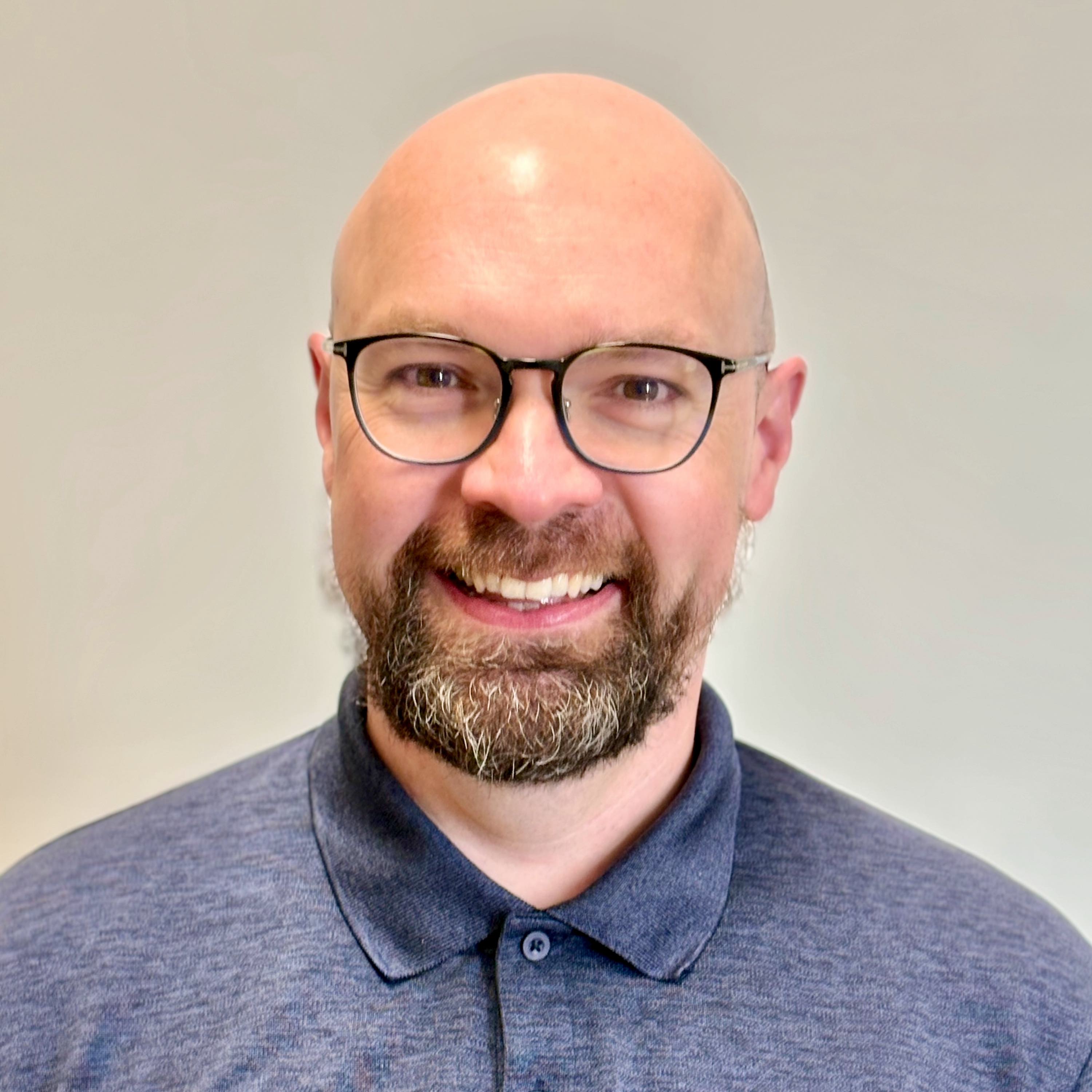
Dr. Sébastien Gauvrit: Fishing for Answers in Vascular Development
Jul 30, 202500:25:49Tap to summarizeSébastien Gauvrit (PhD) was only ten when his family let him have his first tank of guppies. Within weeks, he was hooked. "I actually had to understand genetics directly by mixing these different fish together to get the colour or fin shape I was interested in," said the vascular biologist and genetic modelling pioneer. From his home in France, to post-doctoral work pioneering new models for vascular disease in Germany, to his current position as an assistant professor of Anatomy, Physiology and Pharmacology at the University of Saskatchewan's College of Medicine — tropical fish tanks remain a constant in Gauvrit's life. This year, two grants from the National Sciences and Engineering Research Council of Canada (NSERC) totalling $340,000 mean Dr. Gauvrit will expand the University of Saskatchewan's zebrafish aquariums — and refine his laboratory's modelling work and research on vascular development. Zebrafish are transparent in their first hours and days, which allows scientists to watch them forming vascular cells in real time. "Most genes that trigger vascular disease in humans are present in zebrafish," Gauvrit said, noting they share 70 per cent of of their genes with humans. Using both fish and rodent models, Gauvrit will do a deeper analysis of the transcription factor HHEX [Hematopoietically Expressed Homeobox], because of its cascading effect on the cells that eventually determine lymphatic health. "If you understand how this gene regulates others, we can identify new genes involved in lymphatic disease, and understand a bit more the process behind all these events," Gauvrit said. He's also looking at VEGF-A [vascular endothelial growth factor], a gene implicated in vascular diseases, including age-related macular degeneration [AMD]. Right now, patients with blurred vision and an overgrowth of blood vessels are treated with multiple injections to the eye, with the hope of limiting damage. "A high proportion of patients develop resistance against this therapy, which is a big issue," Gauvrit said. "It's also very costly." Mice die quickly without VEGF-A, but zebrafish without it survive — even thrive. Gauvrit wants to know what processes help zebrafish compensate, and where mammalian cells diverge. Gauvrit said the broader implications of vascular research will have ripple effects in treating lymphedema, strokes, and age-related macular degeneration. "We still discover new things," Gauvrit said. "Just by serendipity and by randomness, sometimes you can find a bit greater science than when you have a very specific question."
Transcribe →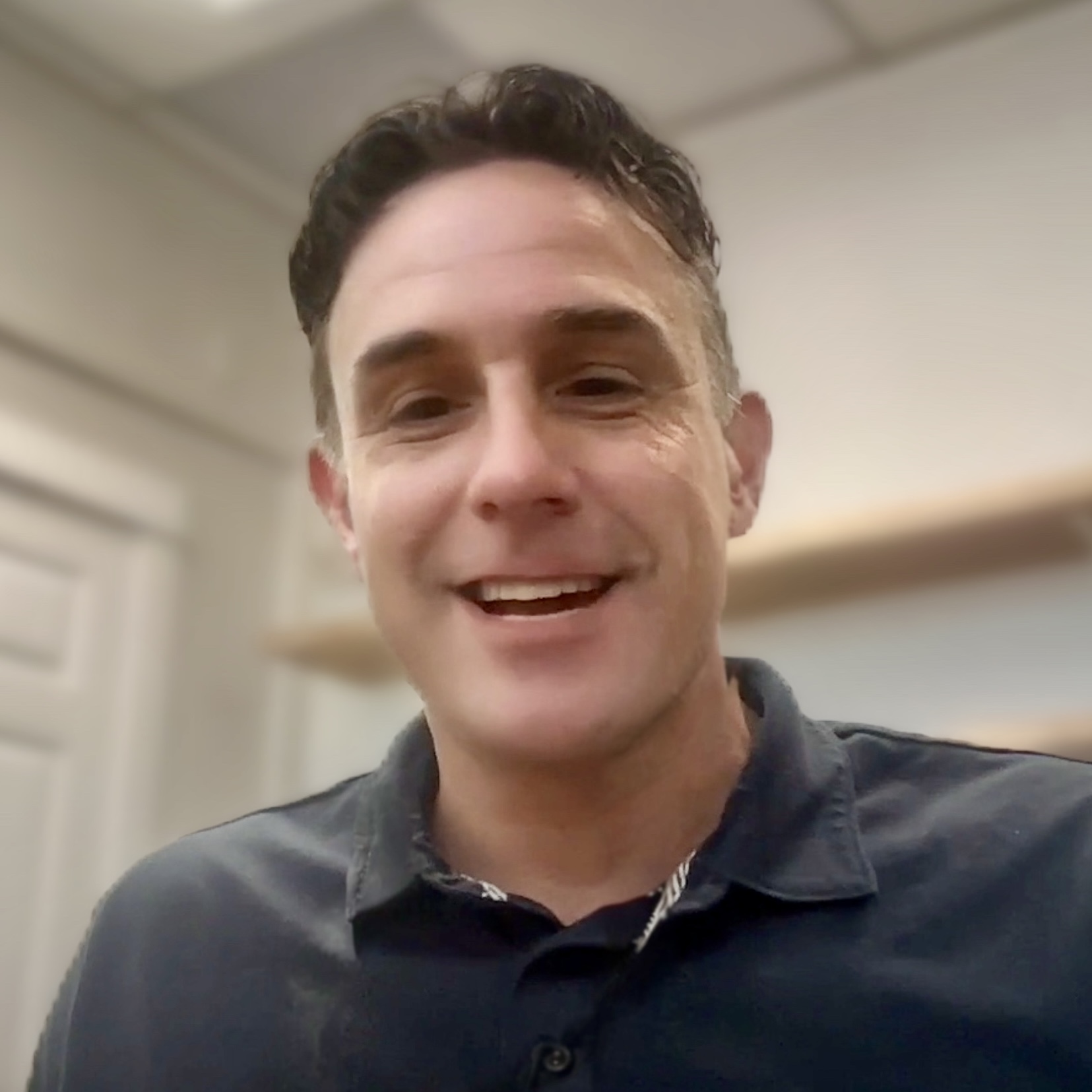
Dr. Stu Skinner & Mobile Medicine: Halting Syphilis & HIV
Jun 26, 202500:31:00Tap to summarizeStuart Skinner (MD) knew something was wrong three years ago, when patients started coming to him with vision loss, fever, rashes, and meningitis. Almost every case could be traced back to untreated syphilis — a sexually transmitted infection with caseloads exploding 1,200 per cent from 2017. Saskatchewan saw this spike just as Covid-19 entered the picture. "With the pandemic, testing dropped dramatically," Skinner said, noting this wave of syphilis entered north-western Saskatchewan from Alberta, often travelling alongside HIV. Syphilis often spreads through sores, and can remain unnoticed for months or years on end, making early detection difficult. "If you don't see it, you won't be seeking care for it." When the infectious diseases physician and the Wellness Wheel team began treating mothers with severely ill newborns, stillbirths and birth defects, Skinner knew he had to act. Treating syphilis usually means a series of clinic and laboratory appointments, followed by intramuscular Bicillin injections, and intense contact tracing. Instead, Skinner, Dr. Sean Rourke, Cara Spence and their teams pared that down to a one-hour stop. They approached tribal councils and Indigenous-led health organizations, asking for help setting up mobile locations where anyone could be tested, diagnosed, and offered treatment. Nursing teams drove vans to powwows, festivals, even pharmacies, offering quick, confidential finger-prick tests and results. "The whole concept was to be flexible and mobile and adaptable . . . . so that we weren't the barrier," said Skinner. "It wasn't easy for the nurses to set up and read the results or draw the blood in a less comfortable environment, but they did an amazing job." In Saskatchewan, a total of 1,797 people agreed to be tested, uptake Skinner calls 'phenomenal'. Roughly three per cent were infected with HIV; 16% had syphilis. "The majority were willing to get treated right then and there," Skinner said. Those teams have now visited more than 50 locations across the prairies, through a $4M national partnership called the 'Ayaangwaamiziwin' Centre — which translates to 'be careful, be prepared' in Anishinaabe. Health officials and private donors recently extended those grants for an additional year. Skinner's colleagues keep fielding requests for the point-of-care service, which in turn has created a network of trusted Indigenous health leaders. This web, he said, could create the backbone of targeted outreach and screening for other diseases, such as diabetes or cancer. But it only works with mutual respect, he warned. "This isn't going to First Nations just to help them," Skinner said. "I've learned so much from the cultural values that are built on what happens in First Nations. We have a lot to learn." Skinner said mutual respect also means predictable paycheques — not just the odd grant. He said health budgets need to pay for health promotion workers employed at Indigenous-run organizations and non-profits, the ones who stick around after the testing van leaves. Patients are more likely to stay in touch with familiar faces and staff, he said. "It's about respect, kindness, and building trust," he said. "That is really critical."
Transcribe →
Peptide Puzzle: Dr. Yi-Chun Chen on Early Markers for Diabetes and Obesity
May 20, 202500:26:28Tap to summarizeYi-Chun Chen (PhD) is taking a close-up look at some of the body's hardest-working cells — the ones often processing an overabundance of modern-day food and nutrients. "From an evolutionary point of view, our cells are not designed to deal with that," said Chen, who joined the department of Anatomy, Physiology, and Pharmacology at the University of Saskatchewan last year as an assistant professor. She said our bodies are pushed into churning out large amounts of insulin rapidly after snacks and meals, "which makes the beta cells work extra hard." Raised in Taiwan and inspired by her grandfather—a retired elementary school science teacher—Chen's fascination with biology first led her to work as a medical laboratory technologist, then to the world of cellular research. Using both rodent and human models, Chen is studying pancreatic beta cells: the way they process peptide hormones like insulin and how their behaviour and function is affected by an excess of nutrients. With high-resolution imaging, she and her team are examining how both humans and mice synthesize, process, and clear peptide hormones. "There are a lot of things we still don't know about peptide hormones, not just in the pancreas, but in the brain, in the gut," she said. "Those are fascinating." Last year, Chen was the recipient of a Canadian Institutes of Health Research Research Excellence, Diversity, and Independence Early Career Transition Award. After moving from UBC to Saskatoon, Dr. Chen said feels considerable support already from her established and mid-career prairie colleagues. "They can mentor us and guide us, and we also have a group of five or six young scientists," she said. "I can envision myself working on many, many interesting projects with them." Her goal today is to identify biomarkers that could predict diabetes far earlier. She hopes to develop biochemical assays that measure proinsulin levels to serve as an early warning system. This could enable interventions months or even years before a traditional diagnosis based on blood glucose levels. "We want to be able to predict the development of, for example, type 1 or type 2 diabetes before they are diagnosed," said Chen. In the long term, Chen envisions both preventative strategies and regenerative therapies to fight diabetes. Stem cell-derived beta cells may be a future solution, she said. "We are making really good progress in Canada, actually. We have clinical trials. We're putting the stem cell–derived beta cells into patients with type 1 diabetes." She hopes this will one day reduce the need for constant insulin injections, even helping curb obesity. "Don't give up," Chen said. "We are passionate and we want to work on many, many things." "If you like it, keep going."
Transcribe →
Dr. Sarah Forgie: Why the New Dean of Medicine Taught Herself the Ukelele
Oct 31, 202400:27:00Tap to summarizeIn this episode, we gain insight into Dr. Sarah Forgie, the new Dean of the College of Medicine. She discusses her innovative teaching methods, her career as a pediatric infectious disease specialist, and her vision for advancing Saskatchewan’s College of Medicine. Dr. Forgie also shares the story behind her decision to learn the ukulele. Born to family physicians, Dr. Forgie grew up in Lynn Lake, Manitoba, a remote fly-in mining community. Her family later relocated to Winnipeg, where Dr. Forgie credits much of her motivation to her mother, who encouraged her to pursue both medicine and leadership roles. As a pediatrician and professor at the University of Alberta, Dr. Forgie’s journey into university leadership can be traced back to her willingness to deploy creative teaching methods. Faced with the challenge of teaching infectious diseases to first-year medical students, she re-wrote the Talking Heads hit “Psycho Killer” to reinforce best practices in treating Streptococcal pharyngitis -- with ukulele accompaniment. It worked. Those who attended her “Take Five” bacteriology lectures at the University of Alberta retained 98% of the key concepts, compared to a 50-60% retention rate among students in standard classes. Dr. Forgie strived to instill strong clinical reasoning, and challenged her students to present key concepts in their own creative ways. “With every session, I would do something, they would do something, and it just made it a fun environment,” she said. Following her appointment as Saskatchewan’s first full-time female Dean of Medicine on July 1, 2024, Dr. Forgie returned to clinical service this fall as a pediatrician at the Jim Pattison Children’s Hospital in Saskatoon. In her role as Dean, she aims to strengthen connections between the College of Medicine and Saskatchewan’s medical practitioners. “What I would love to see in Saskatchewan is that every physician approaches their work with an academic lens,” Dr. Forgie said. This 'lens' may encompass participating in clinical trials, exploring ways to alleviate physician workloads, or collaborating with learners, she said. Engagement with Indigenous communities remains a critical component of Dr. Forgie’s vision for wellness. “I am all about collaboration... with First Nation, Inuit, and Métis communities to better prepare our trainees to work within these communities,” she stated, affirming her commitment to cultural sensitivity in healthcare. As a lifelong resident of the prairies, Dr. Forgie understands the isolation often experienced in rural medicine. She aims to foster connectivity among healthcare providers and new learners. “How can we help and how can we reduce some of those feelings that you're having around burnout and frustration?” she asked. “Helping with that leads to a virtuous cycle of how do we make things better in Saskatchewan?”
Transcribe →
Grey Area: Dr. John Howland on Cannabis & Budding Brains
Sep 30, 202400:24:33Tap to summarizeA behavioural neuroscientist in Saskatoon is uncovering marijuana’s effects on fetal brain development. After recently winning a five-year CIHR grant of $960,076 in the spring of 2024, Dr. John Howland’s lab at the University of Saskatchewan is expanding its work examining prenatal exposure to cannabis smoke. Howland’s teams will assess the way cannabis exposure alters higher brain functions like memory and learning in both rats and mice. Compared to cannabis injections in the past, the professor of Anatomy, Physiology and Pharmacology at the College of Medicine said exposing rodents to high-potency smoke for up to 15 minutes at a time provides a more realistic picture of marijuana's effects on fetal brain development. Over their lives, Howland will measure changes in cortical limbic circuitruity, for both rodent mothers and their offspring. “The cortex is definitely involved, but we also look at other areas like the hippocampus and the amygdala,” said Howland. “There’s pretty good evidence that they are at least subtly affected after gestational exposure to cannabis.” Now, it’s a matter of quantifying which circuits cannabis affects in the rodent brain — under circumstances as close to real-life human exposure as Howland's laboratory can create. "It's not simple," said Howland. He notes a wide variety of phenotypes of THC and CBD strains are now available at retailers, each with its own characteristics and potential interactions with neurons. “These receptors are involved in many discrete events during brain development,” he said. "We're hoping to be more controlled and more specific." Howland's team is also searching for ways to stem damage from high-potency strains, while exploring therapies like exercise to counteract cannabis exposure and help future generations grow healthier brains. He said cannabis may be legal -- but that does not make it safe. "It turns out a lot of things that are legal like alcohol and tobacco aren't that safe during pregnancy either," said Howland. "I think more knowledge has to be helpful as women make these decisions for themselves.”
Transcribe →
Innovating and Bridging Gaps in IBD Care: Dr. Juan-Nicolás Peňa-Sánchez
Aug 6, 202400:24:36Tap to summarizeGrowing up in Columbia had a profound impact on Dr. Juan-Nicolas Pẽna-Sànchez. In this episode, hear why the former family physician pivoted, becoming Saskatchewan's lead in finding the best ways to treat Crohn's disease and ulcerative colitis in rural and Indigenous patients. Even as a teenager, Juan-Nicolás Peña-Sánchez could see stark differences in health for those who had medical coverage — and those without, thanks to his stepfather, an emergency department physician. “I used to go with him sometimes on shifts to learn and shadow him,” said Peña-Sánchez said. “The healthcare system was quite fragmented and most of the population was not covered.” In the 1990s, the Colombian healthcare system was reformed within the context of “neoliberal health reforms” promoted by the World Bank and International Monetary Fund, integrating privatization of the care delivery system, individual health insurance as the mechanism for receiving healthcare, the development of basic benefit plans, among other reforms. “It changed the way to practice medicine,” said Peña-Sánchez, who observed among his stepfather and his medical school instructors’ grew dissatisfied with limits imposed under the new tiered coverage system. Peña-Sánchez went on to work for non-governmental organizations in Bogotá, providing healthcare to individuals living in marginalized communities and with limited resources. After witnessing the inequities amplified by healthcare reforms, Peña-Sánchez began to analyze health systems themselves. He moved to Spain, Poland, and France to continue his graduate studies, and then to the University of Saskatchewan, where he joined the Department of Community Health and Epidemiology as an associate professor after researching physician satisfaction and alternatives to ‘fee-for-service’ payment models. Still, Peña-Sánchez missed interacting directly with patients, and hearing their stories. Through the College of Medicine, he began learning about inflammatory bowel disease (IBD) and moved his focus to innovative models of care for IBD. Canada’s high prevalence of IBD, particularly Crohn’s disease and ulcerative colitis, stood in stark contrast to his experiences in Colombia. Dr. Peña-Sánchez formed the IBD among Indigenous Peoples Research Team after realizing in 2017 there was virtually no data on the incidence, prevalence or treatment of IBD for First Nations and Metis people. “We learned that IBD is increasing among First Nations in Saskatchewan,” said Peña-Sánchez, who started zeroing in on disparities in those patients’ healthcare access and outcomes. Peña-Sánchez and his team explain their findings in this episode. “Having that regular access is critical,” he said, advocating for innovative approaches to healthcare delivery. Dr. Peña-Sánchez also explored the potential of virtual care, particularly telephone consultations, to improve healthcare access for rural populations. He found rural residents were more satisfied with telephone care compared to urban dwellers, an insight that underscores the need for adaptable healthcare models. Currently, Dr. Peña-Sánchez is focused on patient navigation interventions to support individuals with chronic gastrointestinal conditions, particularly in rural Saskatchewan and for Indigenous community members. His research aims to improve access to specialized IBD care and patient outcomes through peer support and patient navigators.
Transcribe →
Cuts Like a NanoKnife: Dr. Mike Moser
Jul 7, 202400:27:56Tap to summarize"When I got into medical school, the last thing in the world I wanted to be was a surgeon because I couldn't stand the sight of blood," said Dr. Mike Moser. Fast-forward to the present day, where Moser is now one of Saskatchewan's top kidney transplant surgeons, winning last year's Golden Scalpel Award for Pre-clerkship Education, the 2022 Logan Boulet Humanitarian of the Year Award, and numerous teaching awards. In this episode, the professor of general surgery at the University of Saskatchewan's College of Medicine takes us back to one pivotal day where everything changed, propelling forward his career in Hepato-pancreato-biliary (HPB) surgery and organ transplants Moser’s research has pushed forward transplant science, and led to safer kidney biopsies. Along with interventional radiologist Dr. Chris Wall, Moser led the charge to bring NanoKnife technology to Saskatchewan. His team has now spent a decade using the tool to treat otherwise inoperable tumors. The NanoKnife relies on irreversible electroporation (IRE) — using electrical pulses to create tiny holes in tumor cells, causing them to die without harming surrounding structures. "I love making those little, elegant, tiny connections," said Moser, whose work focuses on destroying cancer cells, while preserving delicate tissue. Those two interests led to collaborations with various departments, including biomedical engineering, as well as chemistry, immunology, and pharmacology. Moser is most excited today to see IRE combined with immunotherapy, to enhance the body's immune response against cancer. "It's like a killed cell vaccine situation because we've got these dead, helpless cancer cells. They're still exposing their proteins," said Moser. Although the research is still in its early stages, Moser said the results so far show "great potential" in treating metastatic cancers. "One could actually treat the area where the tumor started without directly treating it,” he said.
Transcribe →
Walking the Talk: Dr. Daniel Fuller on Urban Health and Mobility
Jun 23, 202400:26:43Tap to summarizeAs an undergrad, Daniel Fuller didn’t have a car, nor was he keen on taking the bus. “I rode my bike to university every day in the fall and then just kept on going and never stopped,” said Fuller, a former national and international canoe/kayak athlete. As he pedaled, Fuller watched the way people used trails, sidewalks and roads. “I really started to get into active transportation, how people move around cities and how we can get people active -- outside of the sport environment,” said Fuller, now an associate professor in Community Health and Epidemiology at the University of Saskatchewan. Fuller moved to Montreal for his doctorate as the city launched its bicycle-taxi program. After the widespread installation of shared-use bicycles, Fuller observed no changes in collisions or crashes. However, a significant number of people started to combine biking with walking, and public transit. Fuller said Montreal succeeded because the city went big, launching more than 5,000 rental bicycles at 405 docking stations. “They work on network effects: people being able to find them, people being able to use them, and integrate them with their mobility,” said Fuller. His goal is to link active transportation in urban planning to measurable gains in public health outcomes. “If we implement a bike lane, how much health benefit is there? Or how many health dollars might we save? Because health care is our biggest expenditure provincially, and if we can save money on health, then that's really, really important.” For almost everyone, Fuller said five to ten more minutes of walking each day would be “extremely beneficial.” “It improves mental health, reduces depression, improves type 2 diabetes, improves chronic obstructive pulmonary disease, and prevents certain forms of cancer,” he said. Technology plays a big role in Fuller’s work. From 2016-2022, he was a Canada Research Chair in Population Physical Activity at Memorial University, and he remains a Principal Investigator on the INTERventions, Research, and Action in Cities (INTERACT) team. He’s studied wearable devices to assess their accuracy, and how much they motivate people to stay physically active. “The jury's kind of out on that," said Fuller, who noted Fitbits and Apple Watches tend to give users an initial activity boost, which fades after a year or two. Instead, he said population density is far more effective in raising the number of minutes people move each day. Fuller said city planners rely on traffic counts to decide whether or not an intersection should be expanded or changed — but there’s virtually no information to accurately quantify sidewalk use, or the health costs of urban sprawl. As the co-principal investigator of the CapaCITY/É Healthy Cities Implementation Science Team, he’s trying to get a detailed handle on why some cities succeed with active transportation, while others struggle. "There’s a whole political hierarchy,” said Fuller. “Who's paying, how much are they paying, how fast does it have to happen, all these kinds of questions that we don't have good generalized kind of science about yet.”
Transcribe →
Anatomy of Success: Three Researchers, Three Grants, One Goal
Jun 9, 202400:37:31Tap to summarizeFrom the laboratory to saving lives, this episode brings together three outstanding researchers from the University of Saskatchewan’s Department of Anatomy, Physiology, and Pharmacology (APP) as they discuss their work and its implications for cardiac care. Dr. Michelle Collins, Dr. Scott Widenmaier, and Dr. Changting Xiao are all recent recipients of research grants from Heart & Stroke (formerly the Heart and Stroke Foundation of Canada). In Canada, one per cent of newborns have congenital heart defects. Thanks to advances in cardiac care, up to 85 per cent of these infants now survive to adulthood. Meredith Rhinas is one of those survivors. Diagnosed with aortic stenosis as an infant, by her thirties, she received conflicting guidance from cardiologists, and risked congestive heart failure giving birth. She underwent open-heart surgery to replace her aortic valve after delivering her fourth and final child, surgery that led to further complications caused by an oversized replacement valve. “That’s a piece that is missing,” said Rhinas, who said most heart attack protocols still skew toward older men -- often overlooking younger patients and women of childbearing age. “I want the research to catch up." In this episode Dr. Michelle Collins, an expert in the molecular basis of cardiac development and function, discusses her work on congenital heart defects, seeking to understand what makes a heart beat. With her lab’s focus on the movement of calcium ions and their role in heart function, Collins emphasizes the importance of understanding cardiac arrhythmias, particularly atrial fibrillation, which has traditionally been viewed as an electrical disease. “There’s a significant contribution from genes that are really early transcription factors that build the heart during development,” Collins said. Dr. Scott Widenmaier's work looks at the liver, an organ he has dubbed "the Amazon of our body", as it presents our first line of defence against stressors, which often are a precursor to heart disease. In this episode, Widenmaier explains how and why those stress defense mechanisms can be harnessed to prevent the conditions that lead to heart disease and stroke. "Things are happening way quicker, way faster, and the technology's there. The ability to find the genetic variants is there," Widenmaier said. "There's hope in that.” Dr. Changting Xiao, known for his innovative work on gut physiology and metabolism, explores the gut’s role in lipid processing and its implications for heart disease. "We want to understand how these enterocytes process the fat inside the cells," said Xiao. His research aims to identify druggable targets within the gut to correct lipid disorders and combat heart disease. Xiao passionately believes in the ancient wisdom that "all disease starts in the gut," asserting that a deeper understanding of gut functions can lead to breakthroughs in preventing and treating heart conditions. "Every small step we move forward looks small, but in the long run we build knowledge and we move forward," said Xiao. His laboratory is now one of only a handful worldwide specializing in being able to see both sides of nutrients entering and leaving the gut. With awards being administered through a rigorous national peer-review process, Carolyn Cyr praised Saskatchewan's researchers for rising to the top. She’s the province’s Director of Health Policy and Systems for Heart & Stroke. "It’s definitely something to celebrate,” said Cyr. "It's a testament to the excellent research they're doing and the high calibre of their applications that we have three researchers from the same department who are able to be funded.”
Transcribe →
Dr. Jacob Alhassan and the Politics of Expendability
May 26, 202400:29:01Tap to summarize"Pushing politicians to do what is good for the health of the people, there's no way around it," said Dr Jacob Alhassan. Born and raised in a rural Ghanaian village, Alhassan grew up without electricty and paved roads. He watched women die in childbirth. He grew resentful of health systems that left the poorest people to fend for themselves, while the rich thrived. Alhassan decided to take action. At first, he thought he would study hard to become a local hospital administrator. Partway through his university years, Alhassan began to dream even bigger. In this episode, he looks back at his arrival in Saskatoon, and how his trajectory to becoming an assistant professor of Community Health and Epidemiology was forever changed by provincial austerity measures that wiped out the Saskatchewan Transportation Company (STC). Billed as a cut that would save taxpayers $85 million dollars over five years, Alhassan studied Hansard and the full debate around the public transit network's closure. He found little evidence supporting the decision to cut it. "We have a political system that is not necessarily arranged for the well-being of average people," said Alhassan, who still remembers travelling to towns and cities across Saskatchewan to interview people devastated by the closure of the intercity bus service. He said the cuts "radically changed" some people's lives, in some cases shortening them. Losing the parcel service also cost the provincial health care system more, with patients delaying medical care, and pharmacists throwing out delayed and weather-damaged medication and vaccines. "It's literally a might-makes-right sort of thing, where the most powerful people make decisions that deeply impact the lives of people who don't really have the voice to raise their concerns or to be heard," Alhassan said. Today, Alhassan's looking more closely at health outcomes tied to public transportation, and their financial impact on taxpayers. He's also one of the academic co-leads of the University of Saskatchewan's Certificate in Global Health. "You cannot do this type of work to improve people's health if you disconnect yourself from the politics," said Alhassan. "That's not going to happen if I kind of sit in the ivory tower and kind of disconnect myself from the political aspect of this. I strongly believe in that."
Transcribe →