Podcast
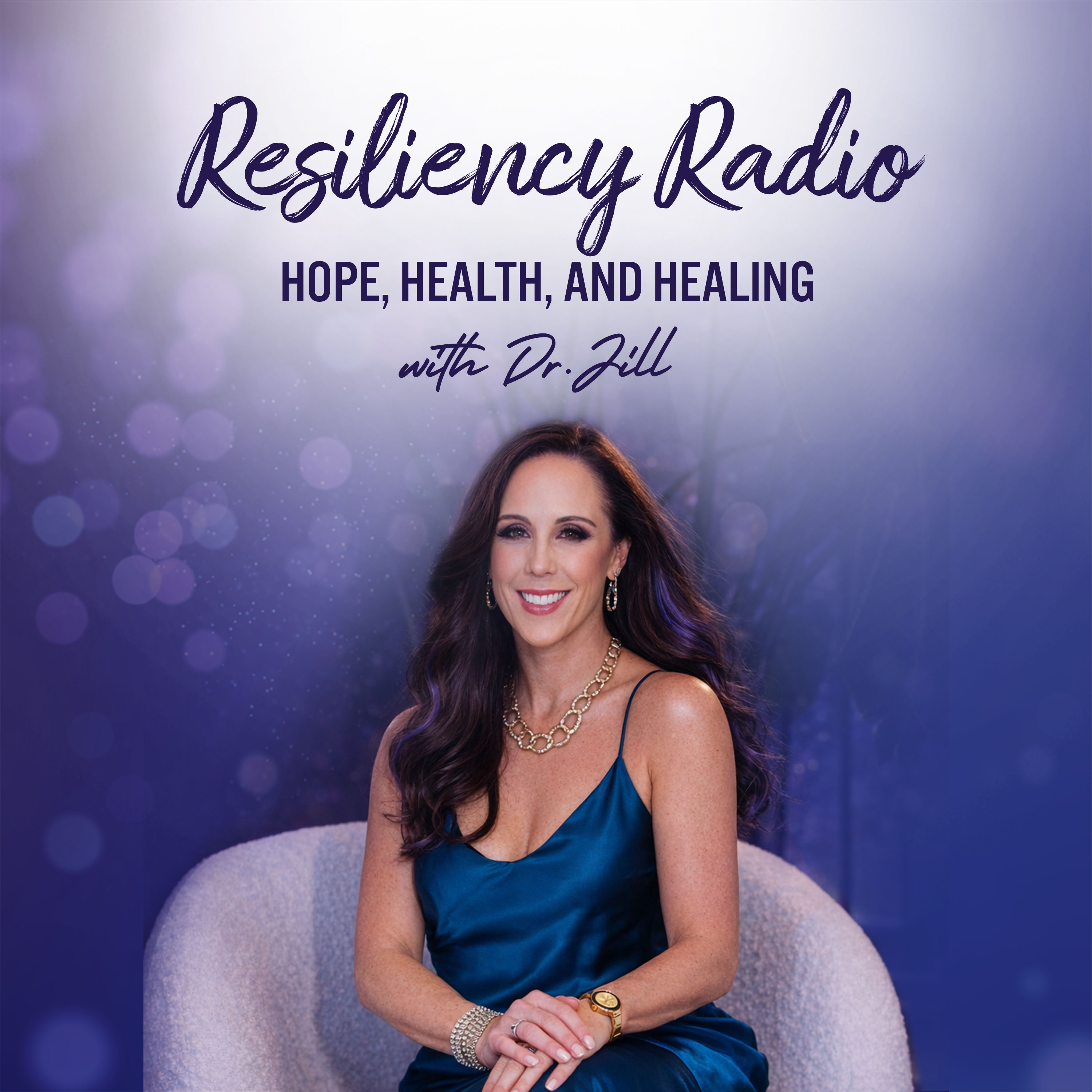
Resiliency Radio with Dr. Jill Carnahan, MD
Hosted by Dr. Jill Carnahan · EN
Dr. Jill Carnahan, MD, ABIHM, ABoIM, IFMCP is a globally recognized leader in functional and integrative medicine, specializing in complex chronic illness, environmental toxicity, immune dysfunction, and resilience-based healing. She is dually board-certified and the founder and Medical Director of Flatiron Functional Medicine in Colorado, where she practices personalized precision medicine using advanced diagnostics and systems-based, root-cause care.
A survivor of breast cancer, Crohn's disease, and severe mold-related illness, Dr. Jill brings both scientific expertise and lived experience to her work—bridging cutting-edge medical research with compassionate, patient-centered care. Her clinical approach focuses on restoring physiological resilience, optimizing immune and metabolic function, and supporting long-term health through individualized, evidence-informed protocols.
Dr. Jill is the best-selling author of Unexpected: Finding Resilience Through Functional Medicine, Science, and Faith and the executive producer and featured physician in the award-winning documentary Doctor/Patient, which explores the future of medicine through the lens of healing, personalization, and human connection.
As host of Resiliency Radio, Dr. Jill engages leading experts in functional medicine, longevity science, neuroscience, nutrition, environmental health, spirituality, and human performance. Each episode translates complex research into practical insights to help listeners build resilience, improve healthspan, and thrive in the face of modern health challenges.
A sought-after international speaker, educator, and mentor, Dr. Jill is known for making advanced medical science accessible, hopeful, and actionable—delivered with clarity, compassion, and authenticity.
Follow @drjillcarnahan for podcasts, research-backed education, articles, and resources. Disclaimer: This podcast is for educational purposes only and does not provide individual medical advice. Please consult your healthcare provider for personal medical care.
41episodes
Episodes
Newest firstAll episodes

326: Resiliency Radio with Dr. Jill: Longevity & Recovery: The Science of Compression & Circulation
Yesterday00:32:53Tap to summarizeIn this episode of Resiliency Radio with Dr. Jill, Dr. Jill Carnahan welcomes Eric Fernandez, Senior Director of Hyperice's Rehab Division, for an exciting conversation about the science behind recovery, circulation, and nervous system regulation. From elite athletes to individuals living with chronic illness, they explore how technologies like Normatec compression therapy are transforming recovery, improving circulation, reducing inflammation, and supporting long-term health. Together they discuss the growing role of compression therapy in performance, lymphatic health, dysautonomia, longevity, and everyday wellness. Whether you're looking to recover faster, optimize performance, improve circulation, or simply age more gracefully, this episode offers practical, science-backed strategies to help your body recover and thrive. 🔑 5 Key Discussions ① 🦵 The Science of Compression Therapy ⇨ Normatec compression technology improves circulation, lymphatic drainage, and muscle recovery. ⇨ Research shows a 30-minute session provides circulatory benefits comparable to low-intensity exercise. ② ⚡ Recovery, Performance & Longevity ⇨ Compression therapy helps reduce muscle soreness, improve mobility, and accelerate recovery after exercise. ⇨ Better circulation supports healthy aging, tissue repair, and long-term physical performance. ③ ❤️ Circulation & Chronic Illness ⇨ Improved blood flow can benefit individuals with POTS, dysautonomia, lymphedema, chronic inflammation, and post-surgical recovery. ⇨ Supporting vascular and lymphatic health helps reduce fluid retention and improve overall resilience. ④ 🧠 Nervous System Reset ⇨ Compression therapy helps calm the sympathetic nervous system while promoting relaxation and recovery. ⇨ Supporting autonomic nervous system balance may improve sleep quality, stress resilience, and overall well-being. ⑤ 🚀 Recovery as Daily Medicine ⇨ Recovery should be viewed as an essential part of health—not just for athletes. ⇨ Daily movement, circulation, and recovery habits help optimize performance, longevity, and quality of life. ⭐ Key Takeaways 🔹 Recovery is just as important as exercise for long-term health. 🔹 Compression therapy improves circulation, lymphatic flow, and muscle recovery. 🔹 Healthy blood flow supports brain function, mobility, and healthy aging. 🔹 Nervous system regulation plays a critical role in recovery and resilience. 🔹 Consistent recovery habits improve both performance and everyday wellness. 👨💼 Guest Biography Eric Fernandez is the Senior Director of Hyperice's Rehabilitation Division, where he helps lead one of the world's most innovative companies in recovery, rehabilitation, and human performance technology. His work focuses on advancing evidence-based solutions that improve circulation, accelerate recovery, reduce pain, and optimize physical performance. Working alongside healthcare professionals, elite athletes, and wellness leaders, Eric has helped educate clinicians and consumers on the growing role of recovery technologies—including Normatec compression therapy—for athletic performance, chronic illness, rehabilitation, and healthy aging. 🌐 Website: https://hyperice.com/?utm_source=jillcarnahan.com
Transcribe →
325: Resiliency Radio with Dr. Jill: Comfort Always: Healing in the Age of Technology with Dr. Alan Cohen
6d ago00:35:05Tap to summarizeIn this episode of Resiliency Radio with Dr. Jill, Dr. Jill Carnahan welcomes renowned pediatric neurosurgeon Dr. Alan R. Cohen for a thoughtful conversation about the future of medicine—and why compassion remains its most powerful tool. Drawing on nearly four decades of caring for children with complex neurological conditions, Dr. Cohen shares lessons from his new book, Comfort Always: Healing in the Age of Technology. Together they explore how advanced technologies like AI, neuroimaging, and minimally invasive surgery are transforming healthcare, while reminding us that empathy, trust, and human connection remain at the heart of true healing. Whether you're a healthcare professional, patient, caregiver, or simply passionate about compassionate medicine, this episode is a powerful reminder that technology may treat disease—but humanity heals people. 🔑 5 Key Discussions ① ❤️ The Human Side of Medicine ⇨ Technology can improve diagnosis and treatment, but healing begins with empathy, trust, and compassion. ⇨ Building meaningful relationships with patients and families remains the foundation of exceptional care. ② 🧠 Healing Beyond Technology ⇨ Advanced surgical tools, AI, and medical innovation are transforming healthcare. ⇨ Clinical judgment, bedside presence, and human connection remain irreplaceable. ③ 👨👩👧 The Power of Hope ⇨ Dr. Cohen shares remarkable patient stories that demonstrate the importance of optimism, perseverance, and keeping an open mind. ⇨ Sometimes the greatest breakthroughs come from questioning assumptions and reassessing difficult diagnoses. ④ 🤖 AI & The Future of Healthcare ⇨ Artificial intelligence can enhance diagnostics and improve clinical decision-making. ⇨ The physician's role as healer, listener, and compassionate guide will always remain essential. ⑤ 🌟 Redefining Success in Medicine ⇨ Success is measured not only by survival, but by improving quality of life for patients and families. ⇨ Medicine is both a science and an art that requires lifelong learning, humility, and humanity. ⭐ Key Takeaways 🔹 Compassion is one of the most powerful tools in medicine. 🔹 Technology should enhance—not replace—the doctor-patient relationship. 🔹 Hope, empathy, and communication improve healing outcomes. 🔹 AI will transform healthcare, but human connection remains irreplaceable. 🔹 Great physicians care for the person, not just the disease. 👨⚕️ Guest Biography Dr. Alan R. Cohen is a nationally recognized pediatric neurosurgeon, author, educator, and pioneer in minimally invasive neurosurgery. Throughout his distinguished career, he has authored more than 250 scientific publications, book chapters, and textbooks, while delivering hundreds of national and international presentations advancing pediatric neurosurgery. His award-winning textbook, Pediatric Neurosurgery: Tricks of the Trade, received top honors from both the Association of American Publishers and the British Medical Association. Dr. Cohen has held editorial leadership positions for leading neurosurgical journals and is internationally recognized for his work in pediatric brain tumors, neuroendoscopy, surgical innovation, and compassionate patient care. His latest book, Comfort Always: Healing in the Age of Technology, reflects on a lifetime of caring for children and their families while exploring the essential role of humanity in modern medicine. 🏥 Affiliation: Johns Hopkins University School of Medicine 📚 Featured Book: Comfort Always: Healing in the Age of Technology: https://a.co/d/0bCard4T
Transcribe →
324: Resiliency Radio with Dr. Jill: Solving the Chronic Illness Puzzle with Dr. Paul Anderson
2w ago00:53:55Tap to summarizeIn this episode of Resiliency Radio with Dr. Jill, Dr. Jill Carnahan welcomes Dr. Paul Anderson, one of the leading voices in integrative and naturopathic medicine, for a fascinating discussion on solving the chronic illness puzzle through a root-cause approach. Drawing from more than three decades of clinical experience, Dr. Anderson explains why conventional medicine often struggles with complex chronic illnesses and how functional medicine uncovers the hidden factors driving disease. Together, they explore environmental toxins, chronic infections, mitochondrial dysfunction, immune imbalance, cancer support, and innovative IV therapies that help restore health and resilience. Whether you're dealing with chronic illness, cancer, autoimmune disease, or simply looking to optimize your health, this episode offers practical insights into healing from the inside out. 🔑 5 Key Discussions ① 🧩 Looking Beyond Symptoms ⇨ Chronic illness requires investigating the root causes rather than simply treating symptoms. ⇨ Functional medicine looks "below the waterline" to uncover hidden contributors to disease. ② ☣️ The Hidden Drivers of Chronic Illness ⇨ Environmental toxins, chronic infections, immune dysfunction, and mitochondrial damage often work together. ⇨ Addressing these interconnected factors creates a stronger foundation for healing. ③ 💉 Integrative IV Therapies ⇨ High-dose Vitamin C, mistletoe therapy, ozone therapy, and metabolic support may complement conventional treatments. ⇨ Restoring mitochondrial function plays an important role in recovery and resilience. ④ 🛡️ Immune Health & Cancer Support ⇨ Chronic inflammation and immune dysregulation contribute to many chronic diseases, including cancer. ⇨ Supporting immune function may improve quality of life and overall treatment outcomes. ⑤ 🌱 Patient Empowerment & Healing ⇨ Healing begins when patients become active participants in their health journey. ⇨ Understanding the root causes of illness helps individuals move beyond fear and toward lasting wellness. ⭐ Key Takeaways 🔹 Chronic illness is rarely caused by a single factor. 🔹 Root-cause medicine investigates toxins, infections, immunity, hormones, and mitochondrial health. 🔹 Integrative therapies may provide valuable support alongside conventional medical care. 🔹 Patient education and empowerment are essential components of healing. 🔹 Functional medicine focuses on restoring health—not simply managing disease. 👨⚕️ Guest Biography Dr. Paul Anderson is an internationally recognized clinician, educator, and expert in integrative and naturopathic medicine with more than 30 years of experience treating complex chronic illnesses and cancer. He previously led the interventional arm of a National Institutes of Health-funded clinical research trial investigating IV and integrative therapies for cancer patients and has held faculty positions at Bastyr University, where he served as Professor of Pharmacology and Clinical Medicine and Chief of IV Services for the Bastyr Oncology Research Center. Dr. Anderson is the co-author of several respected books, including Outside the Box Cancer Therapies, Cancer... The Journey from Diagnosis to Empowerment, and A Scientific Reference for Intravenous Nutrient Therapy. Today, he collaborates with clinics and hospitals worldwide, educating practitioners on advanced therapies for chronic illness and cancer. 🔗 Website: https://www.dranow.com 🔗 YouTube: https://www.youtube.com/@DrA-Online 🔗 Instagram: https://www.instagram.com/draonline/
Transcribe →
323: Resiliency Radio with Dr. Jill: Rewriting Your Story: The Power of Transformation with Ken Miller
3w ago00:55:11Tap to summarizeIn this episode of Resiliency Radio with Dr. Jill, Dr. Jill Carnahan sits down with author, speaker, and resilience advocate Ken Miller to explore one of the most powerful forces in healing—the ability to rewrite your story. From childhood trauma and foster care to addiction, homelessness, incarceration, and ultimately a life of purpose, Ken shares his remarkable journey of transformation. Through faith, forgiveness, community, and intentional living, he demonstrates that no matter where your story begins, healing and resilience are always possible. Whether you're navigating personal adversity, recovering from trauma, or seeking greater purpose, this inspiring conversation offers hope, practical wisdom, and a reminder that your past does not define your future. 🔑 5 Key Discussions ① 🌱 From Trauma to Transformation ⇨ Ken shares his journey through foster care, childhood trauma, addiction, and incarceration. ⇨ His story demonstrates that even life's darkest moments can become the foundation for healing and purpose. ② ❤️ The Healing Power of Forgivene ⇨ Forgiving others—and yourself—is essential for lasting emotional freedom. ⇨ Bringing hidden pain into the light allows true healing to begin. ③ 🙏 Faith, Identity & Resilience ⇨ A profound spiritual awakening became the turning point in Ken's recovery. ⇨ Living with purpose, gratitude, and hope continues to guide his daily life. ④ 🤝 Community, Mentorship & Connection ⇨ Healing happens through relationships, mentorship, and shared experiences. ⇨ Ken discusses the importance of investing in future generations through leadership and community. ⑤ 🚀 Rewriting Your Story ⇨ Every person has the ability to move beyond past circumstances. ⇨ Small daily choices can create lasting transformation and a life filled with purpose. ⭐ Key Takeaways 🔹 Your past does not determine your future. 🔹 Healing begins with honesty, forgiveness, and self-acceptance. 🔹 Faith and resilience can transform even the most difficult circumstances. 🔹 Community and mentorship are powerful catalysts for growth. 🔹 Everyone has the ability to rewrite their story and create a meaningful life. 👨💼 Guest Biography Ken Miller, CFRE is an internationally recognized speaker, trainer, consultant, and author of Becoming Ken. After overcoming childhood trauma, addiction, homelessness, and incarceration, Ken has dedicated his life to helping others discover resilience, purpose, and lasting transformation. A passionate mentor and leadership educator, Ken serves as an AFP Faculty Trainer, former AFP Global Board Member, and co-founder of Men of Color in Development (MOCID). Through his speaking, writing, and mentorship, he inspires individuals and organizations to embrace resilience, ethical leadership, and personal growth. 🔗 Website: https://www.kenmillerspeaks.com 🔗 LinkedIn: https://www.linkedin.com/in/kenmiller84 🔗 Facebook: https://www.facebook.com/ken.miller.10420321 🔗 Instagram: https://www.instagram.com/kenmiller1984/ 📚 Featured Book: Becoming Ken: https://kenmillerspeaks.com/
Transcribe →
322: Resiliency Radio with Dr. Jill: The Future of Healing the Heart w/ Cardiologist Dr. Abid Husain
4w ago00:39:19Tap to summarizeIn this episode of Resiliency Radio, Dr. Jill Carnahan welcomes cardiologist and longevity expert Dr. Abid Husain for an eye-opening discussion on the future of cardiovascular medicine. After years in conventional cardiology, Dr. Husain recognized that treating heart disease after it develops is not enough. Today, he combines cardiology, functional medicine, regenerative therapies, hormone optimization, and peptide science to help patients prevent disease and optimize performance. Together, they explore the hidden drivers of cardiovascular disease, including inflammation, gut dysfunction, toxic burden, sleep disturbances, hormone imbalances, and metabolic health. This conversation offers a roadmap for anyone interested in preventing heart disease, improving longevity, and understanding how regenerative medicine is reshaping the future of cardiac care. 🔑 5 Key Discussions ① ❤️ Beyond Traditional Cardiology ⇨ Conventional medicine often focuses on treating disease after it develops rather than identifying root causes. ⇨ Dr. Husain discusses his transition from interventional cardiology to longevity and regenerative medicine. ② 🧬 The Hidden Drivers of Heart Disease ⇨ Sleep disorders, gut dysfunction, toxins, infections, and chronic inflammation all contribute to cardiovascular risk. ⇨ Long COVID and environmental toxic exposures may accelerate vascular damage and plaque formation. ③ 📊 Advanced Cardiovascular Testing ⇨ Standard cholesterol panels often miss important risk factors. ⇨ APOB, LP(a), oxidized LDL, and advanced lipid particle testing provide a deeper understanding of cardiovascular health. ④ 🌿 Natural & Regenerative Therapies ⇨ Bergamot, Citronol, and aged garlic extract may help reduce inflammation and support healthy cholesterol metabolism. ⇨ Functional approaches can complement traditional cardiovascular care. ⑤ ⚡ Hormones, Peptides & Longevity ⇨ Balanced testosterone and estrogen levels play important roles in heart, brain, and metabolic health. ⇨ Peptides such as BPC-157, TB4, Tesamorelin, and Ipamorelin may support vascular repair, recovery, and healthy aging. ⭐ Key Takeaways 🔹 Heart disease is often driven by inflammation, metabolic dysfunction, toxins, and lifestyle factors. 🔹 Advanced cardiovascular testing provides a more accurate assessment of risk than standard cholesterol panels. 🔹 Gut health and sleep quality are foundational for cardiovascular wellness. 🔹 Hormone optimization and regenerative therapies may play important roles in longevity. 🔹 Prevention and root-cause medicine offer new opportunities to improve cardiovascular outcomes. 👨⚕️ Guest Biography Dr. Abid Husain is among a growing group of physicians transforming the way cardiovascular disease is approached and treated. After years in conventional cardiology, he recognized the limitations of a reactive healthcare model and pursued advanced training in functional medicine, bioidentical hormone replacement therapy, peptide therapies, and regenerative medicine. Today, Dr. Husain integrates traditional cardiology with cutting-edge longevity and performance medicine to provide highly personalized cardiovascular care. In addition to his clinical practice, he serves as an educator and advisor dedicated to advancing the future of heart health. 🔗 Website: https://boulderlongevity.com/ 🔗 Instagram:https://www.instagram.com/dr_abidhusain/ 🔗 Facebook: https://www.facebook.com/abid.husain.7712 🔗 LinkedIn: www.linkedin.com/in/abid-husain-md-facc-abaarm-00874419 🔗 YouTube: https://www.youtube.com/@DoctorAbidHusain
Transcribe →
321: Resiliency Radio with Dr. Jill: Your Symptoms Are Speaking: Are You Listening?
Jun 2400:58:53Tap to summarizeIn this episode of Resiliency Radio with Dr. Jill, Dr. Jill Carnahan sits down with Dr. John Demartini, a world-renowned human behavior expert, bestselling author, and founder of the Demartini Institute, to explore the deeper meaning behind physical symptoms and chronic illness. Together, they discuss how symptoms may serve as powerful messages rather than random malfunctions, revealing underlying emotional, psychological, and physiological imbalances. Dr. Demartini shares insights from five decades of research into human behavior, neuroscience, philosophy, and healing, offering a unique perspective on the mind-body connection and the role of purpose, gratitude, and self-awareness in wellness. This thought-provoking conversation challenges conventional views of disease and invites listeners to discover how understanding the body's messages can unlock greater health, resilience, and fulfillment. 🔑 5 Key Discussions ① 🧠 The Body as a Messenger ⇨ Physical symptoms are not random events but meaningful feedback mechanisms designed to restore balance. ⇨ The body continually communicates through symptoms, emotions, and sensations. ② ⚡ Stress, Perception & Chronic Disease ⇨ Stress arises when we struggle to adapt to changing circumstances. ⇨ Our perceptions and emotional reactions directly influence inflammation, immune function, and overall health. ③ ❤️ The Healing Power of Love & Gratitude ⇨ Gratitude and unconditional love create physiological states that support healing and resilience. ⇨ Shifting perspective can profoundly impact emotional and physical well-being. ④ 🎯 Living in Alignment with Your Values ⇨ Health improves when our daily actions align with what matters most to us. ⇨ Living according to external expectations often creates internal conflict and stress. ⑤ 🌞 The Seven Doctors of Wellness ⇨ Dr. Demartini shares seven foundational pillars of health: breathing, water, rest, food, mind, sunshine, and inspired action. ⇨ These timeless principles provide a roadmap for vitality and longevity. ⭐ Key Takeaways 🔹 Symptoms often contain valuable information about underlying imbalances. 🔹 Chronic stress can drive inflammation and disease through the mind-body connection. 🔹 Gratitude, love, and purpose are powerful healing influences. 🔹 Living in alignment with your highest values supports resilience and well-being. 🔹 Lasting health requires addressing root causes rather than simply suppressing symptoms. 👨⚕️ Guest Biography Dr. John Demartini is a human behavior specialist, philosopher, educator, international speaker, and bestselling author. As the founder of the Demartini Institute, he has spent more than five decades researching human behavior, leadership, performance, psychology, neuroscience, philosophy, and physiology. Dr. Demartini is the author of 43 books and has been featured in global documentaries including The Secret and The Breakthrough Movie. He is the creator of the internationally recognized Demartini Method®, a transformational framework designed to help individuals maximize their potential and live with greater purpose. He is currently touring his signature seminar, Decoding the Body's Messages, a five-day immersive program exploring the psychological roots of nearly 1,000 health conditions. 🔗 Website: https://drdemartini.com/ 📚 Featured Program: Decoding the Body's Messages - Learn more about his signature seminar, "Decoding the Body's Messages," and find upcoming tour dates.
Transcribe →
320: Resiliency Radio with Dr. Jill: Perimenopause: Healing, Hormones & Hope with Dr. Jen Pfleghaar
Jun 1700:50:10Tap to summarizeIn this episode of Resiliency Radio with Dr. Jill, Dr. Jill Carnahan welcomes Dr. Jen Pfleghaar for a heartfelt and practical discussion on navigating perimenopause with confidence, resilience, and hope. Together, they explore why more women are experiencing hormonal symptoms earlier than ever before, how stress and environmental toxins contribute to hormonal imbalance, and why a personalized approach is essential for optimal health during midlife transitions. Dr. Jen shares her unique perspective as a double board-certified physician who combines evidence-based medicine with faith-centered wellness strategies to help women reclaim their energy, clarity, and joy. Whether you're struggling with anxiety, fatigue, sleep disturbances, mood changes, or hormone fluctuations, this episode provides actionable insights to help you understand your body and thrive through perimenopause. 🔑 5 Key Discussions ① 🌸 Understanding Perimenopause & Hormonal Changes ⇨ Perimenopause can begin as early as a woman's 30s, often presenting with anxiety, mood changes, heavier periods, and sleep disruptions. ⇨ Fluctuating estrogen and declining progesterone create many of the symptoms women experience during this transition. ② 🧠 The Stress-Hormone Connection ⇨ Elevated cortisol is one of the most overlooked contributors to hormone imbalance. ⇨ Chronic stress can worsen fatigue, anxiety, weight gain, sleep disturbances, and adrenal dysfunction. ③ 🙏 Faith, Purpose & Emotional Resilience ⇨ Spiritual practices such as prayer, scripture reading, and faith-based reflection can reduce stress and support emotional well-being. ⇨ Finding purpose and peace during life transitions can positively impact hormonal health. ④ ☣️ Environmental Toxins & Hormone Disruption ⇨ Endocrine disruptors such as BPA, glyphosate, plastics, and other environmental toxins can interfere with hormone production and detoxification. ⇨ Reducing toxic exposures is a foundational step toward restoring balance. ⑤ 🩺 Personalized Hormone Testing & Treatment ⇨ Comprehensive testing helps identify hormone imbalances and metabolic patterns unique to each woman. ⇨ Effective treatment requires individualized care rather than a one-size-fits-all hormone replacement approach. ⭐ Key Takeaways 🔹 Perimenopause is a natural transition that requires personalized support and understanding. 🔹 Stress management plays a critical role in hormone balance and symptom relief. 🔹 Faith and spiritual wellness can be powerful tools for resilience and healing. 🔹 Reducing environmental toxin exposure supports healthy hormone function. 🔹 Working with an experienced practitioner can help create a safe and effective hormone strategy. 👩⚕️ Guest Biography Dr. Jen Pfleghaar is a double board-certified physician in Emergency Medicine and Integrative Medicine. After experiencing her own health challenges and seeing the limitations of conventional approaches, she transitioned into integrative medicine with a special focus on women's health, hormone balance, and whole-person wellness. Dr. Jen lives on a mini farm in Tennessee with her husband and four children. She is the bestselling author of The Perimenopause Reset, a faith-based guide designed to help women navigate hormonal changes with confidence, energy, and hope. Through her coaching programs, courses, and educational content, she empowers women to take control of their health using science-backed and faith-centered strategies. Websites By Dr. Jen 🔗 https://www.youtube.com/@integrativedrmom 🔗 https://www.instagram.com/integrativedrmom/ 🔗 https://www.healthybydrjen.com/ 🔗 https://x.com/integrativedrma 🔗 https://www.facebook.com/IntegrativeDrMom 🔗 https://www.linkedin.com/in/drjenpfleghaar/ 🔗 https://www.tiktok.com/@integrativedrjen
Transcribe →
319: Resiliency Radio with Dr. Jill: The Neurotoxic Loop: Why Your Brain Must Feel Safe Before Your Body Can Detox with Dr. Jaban Moore
Jun 1000:50:10Tap to summarizeIn this episode of Resiliency Radio with Dr. Jill, Dr. Jill Carnahan welcomes Dr. Jaban Moore for an in-depth discussion on the hidden drivers behind chronic illness, including mold toxicity, Lyme disease, parasites, trauma, and nervous system dysfunction. Drawing from his own journey through chronic illness, Dr. Moore shares how environmental toxins, infections, and unresolved stress can create a perfect storm of inflammation and immune dysregulation. Together, they explore why so many patients remain stuck despite treatment and what it takes to create a foundation for true healing. This conversation offers practical insights into detoxification, nervous system regulation, parasite protocols, peptide therapies, and creating an internal environment where the body can finally recover. 🔑 5 Key Discussions ① 🦠 The Toxic-Infectious Burden Connection ⇨ Chronic illness often involves a combination of mold exposure, Lyme disease, parasites, and co-infections. ⇨ These overlapping stressors create inflammation, immune dysfunction, and persistent symptoms. ② 🧠 Trauma, Stress & Nervous System Dysregulation ⇨ Mold, infections, and emotional trauma can trap the body in a chronic fight-or-flight state. ⇨ Establishing safety is essential before the body can effectively heal and detoxify. ③ ⚠️ The Rise of Mast Cell Activation Syndrome (MCAS) ⇨ Increasing numbers of patients are developing sensitivities to foods, supplements, light, and environmental triggers. ⇨ Mold exposure, long COVID, and chronic stress may all contribute to MCAS. ④ 🌱 Parasites, Mold & Gut Health ⇨ Parasites and mold frequently coexist due to immune suppression and gut dysfunction. ⇨ Clinical assessment often provides valuable clues when laboratory testing is inconclusive. ⑤ ⚡ Peptides & Advanced Healing Strategies ⇨ Low-dose GLP-1 therapies, growth hormone secretagogues, and mitochondrial peptides may support recovery and longevity. ⇨ These therapies work best when combined with foundational health practices and professional guidance. ⭐ Key Takeaways 🔹 Chronic illness is often driven by a combination of toxins, infections, and nervous system dysregulation. 🔹 Creating a sense of safety is foundational for healing and recovery. 🔹 Mold toxicity and Lyme disease frequently coexist with gut dysfunction and parasitic burden. 🔹 MCAS is becoming increasingly common and requires an individualized approach. 🔹 Peptides may offer exciting new tools for optimization when used appropriately. 👨⚕️ Guest Biography Dr. Jaban Moore is a nationally recognized expert in root-cause medicine and founder of the Redefining Wellness Center. After overcoming his own battle with Lyme disease and mold toxicity, Dr. Moore dedicated his career to helping patients uncover the hidden causes of chronic illness. With more than a decade of clinical experience and over 10,000 clients served, he has become a trusted voice in the fields of gut health, neuroinflammation, detoxification, and chronic disease recovery. Known for combining cutting-edge science with practical solutions, Dr. Moore empowers individuals to identify why they are not healing and develop personalized strategies for long-term wellness. 🔗 Website: https://www.redefiningwellnesscenter.com/ 🔗 Instagram: https://www.instagram.com/redefiningwellnesscenter_/ 🔗 YouTube: https://www.youtube.com/c/drjabanmoore
Transcribe →
318: Resiliency Radio with Dr. Jill: From Hopeless Diagnosis to Defying All Odds with Aaron Hartman
Jun 300:45:12Tap to summarizeIn this episode of Resiliency Radio with Dr. Jill, Dr. Jill Carnahan sits down with Dr. Aaron Hartman to discuss the extraordinary story that transformed his medical career and changed his understanding of healing forever. After adopting their daughter Anna—who was born with severe neurological and developmental complications due to prenatal substance exposure—Dr. Hartman and his wife faced devastating predictions from the medical system. Refusing to accept hopelessness, they explored functional and integrative therapies that ultimately helped Anna exceed every expectation. Together, they explore the power of nutrition, epigenetics, cellular health, functional medicine, and parental intuition in overcoming complex chronic illness. This deeply inspiring episode highlights how hope, persistence, and root-cause medicine can transform lives. 🔑 5 Key Discussions ① 🧠 Anna's Journey & Defying the Odds ⇨ Doctors predicted Anna would never walk, talk, or crawl due to severe neurological damage. ⇨ Functional and integrative therapies helped her achieve remarkable progress beyond expectations. ② 🌱 The Limits of Conventional Medicine ⇨ Dr. Hartman shares how standard medical approaches often fail to address root causes. ⇨ His daughter's experience led him to embrace functional medicine and personalized care. ③ ⚡ Cellular Health & Nutrition ⇨ Healthy fats, phospholipids, and mitochondrial support are essential for neurological and cellular function. ⇨ Food, sleep, environment, and emotional health form the foundation of healing. ④ 🧬 Epigenetics & Environmental Influence ⇨ Lifestyle and environmental factors strongly influence gene expression and health outcomes. ⇨ Genetics are not destiny—healing environments can profoundly shape recovery. ⑤ 💫 Trusting Intuition & Pursuing Hope ⇨ Parents and patients should trust their instincts when navigating complex illnesses. ⇨ Curiosity, persistence, and open-mindedness are essential for finding answers. ⭐ Key Takeaways 🔹 Functional medicine can uncover solutions when conventional approaches fall short. 🔹 Nutrition, cellular health, and environment play a critical role in healing. 🔹 Epigenetics shows that lifestyle can influence health far beyond genetics alone. 🔹 Persistence and hope are powerful tools in overcoming chronic illness. 🔹 Healing requires addressing the whole person—body, mind, and spirit. 👨⚕️ Guest Biography Dr. Aaron Hartman is a functional medicine physician, researcher, and founder of Richmond Integrative and Functional Medicine. His journey into functional medicine began after adopting his daughter Anna, whose severe health challenges inspired him to look beyond conventional medical treatments and explore root-cause healing approaches. Dr. Hartman has contributed to more than 70 clinical studies, founded the Virginia Research Center, serves as an Assistant Clinical Professor at VCU School of Medicine, and specializes in helping patients with complex chronic conditions uncover personalized solutions for healing and resilience. 📘 Book: UnCurable: From Hopeless Diagnosis to Defying All Odds 🔗 Book Website: UnCurable Book https://www.linkedin.com/in/aaron-hartman 🔗 Website: Aaron Hartman MD http://www.aaronhartmanmd.com/ 🔗 Clinic: Richmond Functional Medicine http://www.richmondfunctionalmedicine.com/ 🔗 Facebook: RVA Integrative Facebook http://www.facebook.com/rvaintegrative 🔗 Instagram: @rvaintegrative http://www.instagram.com/rvaintegrative 🔗 X/Twitter: @aaronhartmanMD https://twitter.com/aaronhartmanMD 🔗 LinkedIn: Aaron Hartman LinkedIn https://www.linkedin.com/in/aaron-hartman 🔗 YouTube: Aaron Hartman YouTube https://www.youtube.com/c/AaronHartmanMD
Transcribe →
317: Resiliency Radio with Dr. Jill: PANS & PANDAS – The Path to Recovery with Dr. Melissa Jones
May 2700:54:52Tap to summarizeIn this episode of Resiliency Radio with Dr. Jill, Dr. Jill Carnahan speaks with Dr. Melissa Jones about the growing epidemic of PANS, PANDAS, neuroinflammation, and autoimmune brain disorders in children and adults. Dr. Jones shares how her journey from conventional pediatric neurology into functional medicine transformed the way she approaches complex neuropsychiatric conditions. Together, they explore the root causes behind sudden-onset OCD, anxiety, tics, behavioral changes, and neurological symptoms linked to infections, immune dysfunction, mold toxicity, and gut inflammation. This episode provides hope for families navigating these often misunderstood conditions and offers practical insight into how a root-cause, functional medicine approach can support recovery and healing. 🔑 5 Key Discussions ① 🧠 Understanding PANS & PANDAS ⇨ PANDAS occurs when infections like strep trigger autoimmune inflammation in the brain. ⇨ PANS describes sudden-onset neuropsychiatric symptoms triggered by infections, toxins, or immune dysregulation. ② ⚡ The Brain-Immune Connection ⇨ Molecular mimicry can cause antibodies to mistakenly attack the basal ganglia. ⇨ Neuroinflammation may lead to OCD, tics, anxiety, mood changes, and behavioral regression. ③ 🦠 Infections, Mold & Environmental Triggers ⇨ Strep, Mycoplasma, viruses, mold exposure, and toxins can all contribute to neuroimmune activation. ⇨ Chronic inflammatory responses often involve multiple overlapping triggers. ④ 🌱 The Gut-Brain Axis ⇨ Gut dysbiosis and intestinal permeability can worsen immune dysfunction and brain inflammation. ⇨ Healing the gut is a key part of restoring neurological and immune balance. ⑤ 🔬 Functional Medicine Approaches to Recovery ⇨ Testing for infections, inflammation, mold, and toxins helps uncover root causes. ⇨ Treatments may include immune modulation, gut healing, antimicrobial support, and personalized therapies. ⭐ Key Takeaways 🔹 PANS and PANDAS are real neuroinflammatory conditions linked to immune dysfunction. 🔹 Sudden behavioral or neurological changes after illness should never be ignored. 🔹 Mold, infections, gut health, and toxins can all contribute to brain inflammation. 🔹 Functional medicine offers tools to identify and address underlying triggers. 🔹 Recovery is possible with a comprehensive root-cause approach. 👩⚕️ Guest Biography Dr. Melissa Jones is a Board-Certified neurologist with special qualifications in Child Neurology and advanced training in functional medicine and neuroinflammatory disorders. She specializes in treating conditions including PANS/PANDAS, CIRS (Chronic Inflammatory Response Syndrome), mold toxicity, regressive autism, autoimmune encephalitis, ADHD, anxiety, and depression using a whole-body, root-cause approach. Dr. Jones combines conventional neurology with functional medicine to help children and adults recover from complex neuroimmune conditions. 🔗 Website: www.aiopwellness.com 🔗 Instagram: https://www.instagram.com/allinonepeacewellness 🔗 TikTok: https://www.tiktok.com/@allinonepeace 🔗 YouTube: https://www.youtube.com/@Allinonepeace 🔗 Facebook: https://www.facebook.com/people/All-In-One-Peace/100093045876533/?mibextid=LQQJ4d
Transcribe →