Podcast
Rise Above with Kevin Lanning
Hosted by Kevin Lanning · EN
Welcome to Rise Above with Kevin Lanning. Join Kevin, a former Google executive in sobriety, as he shares inspiring stories of resilience. Each episode features individuals who have faced life’s toughest challenges—addiction, trauma, anxiety, and more—and emerged stronger. These conversations aren’t just about survival; they’re about thriving and finding practical solutions to rise above adversity. Kevin’s own journey through addiction and childhood trauma fuels his passion for sharing stories that uplift, educate, and inspire. Tune in and discover the strength within you.
85episodes
Episodes
Newest firstAll episodes
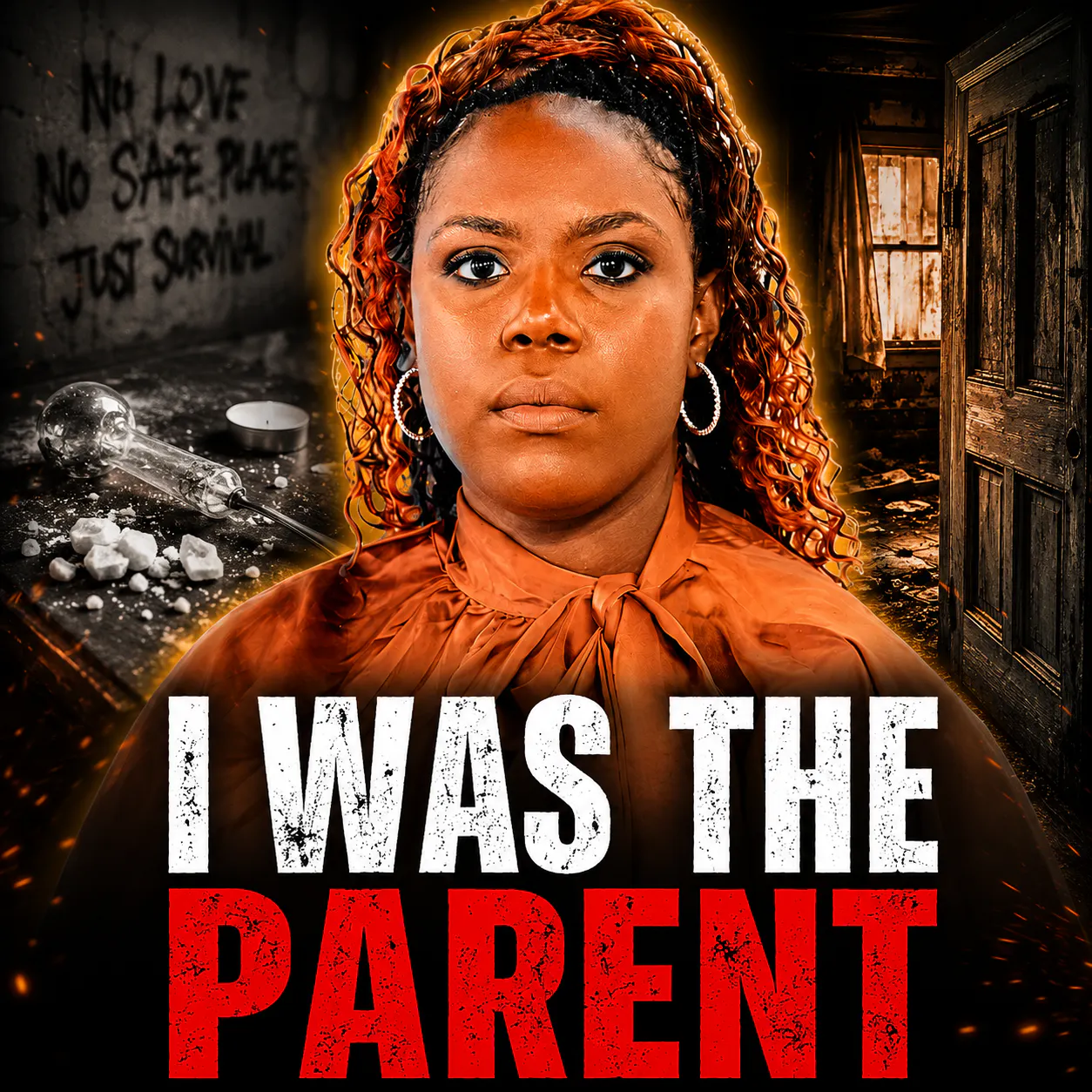
I Grew Up In A Crack Addicted Household | What It Really Does To A Child
1w ago01:29:41Tap to summarizeIndee Fields was four years old the first time she watched her mother hide from witches that weren't there. Her mom was smoking crack. By ten, Indee was the one running the household — bathing and feeding her younger siblings, breaking up the violence between her mother and stepfather, and calling the police when she was told to, only to be blamed for it the next morning. The rule was simple: you don't tell anyone what happens in this house. This is a raw conversation about what it actually does to a child to grow up as the parent in their own home — the hypervigilance, the caretaking, the way chaos starts to feel like the only thing you know how to operate in. It's also a story of breaking the cycle: how Indee got out, what she's unlearning, and the father who got sober and reminded her of her own worth. For every adult still carrying what they survived as a kid — this one's for you. #RiseAbove #AdultChildrenOfAlcoholics #ACOA #GrowingUpWithAddicts #FamilyDisease #CrackAddiction#BreakingTheCycle #ChildhoodTrauma #Parentification #GenerationalTrauma #TraumaRecovery#RiseAbovePodcast #KevinLanning #IndeeFields #HealingJourney #Codependency #SurvivorStory#DomesticViolenceAwareness #YouAreNotAlone #OneMoreThing Learn more about your ad choices. Visit megaphone.fm/adchoices
Transcribe →
Ketamine Psychosis | My Ketamine Addiction Was Destroying My Organs | How I Got Sober
2w ago01:12:23Tap to summarizeSydney Steele was prescribed Ritalin at five years old, just as she was finishing preschool. From there came Concerta, Vyvanse, and Adderall — a stimulant cycle that ran nearly nonstop through her childhood, alongside psychiatric diagnoses she now believes were largely a reaction to the medication itself. She made it through Syracuse as an illustration major with a real gift and a growing art business — while binge drinking and discovering she loved pills. Then she tried ketamine. A friend had warned her she'd never be able to handle it. He was right. She describes it as the drug she'd been looking for her whole life, and within a few years her tolerance was, in her words, like a 700-pound man's. What almost nobody talks about is what ketamine does to the body. Sydney does. She describes cramps that escalated into 72 hours of pain so severe she was screaming through a heating pad, five ER visits in a single year, and a urologist warning her she was headed for surgery — all while holding a 200-pill Klonopin prescription from a psychiatrist she'd told, in plain words, that she was using every day. Her mother noticed a prescription refill Sydney never picked up. That was the thread that pulled her into treatment. Today Sydney is nearly two years sober, president of the Caron Alumni Association, and back to making the art she loves. Sponsored by Caron Treatment Centers My recovery journey began at Caron Treatment Centers, and the care I received there changed the course of my life. That's why I'm proud to partner with Caron. If you or someone you love is struggling with addiction, Caron has been helping individuals and families find hope and lasting recovery for nearly 70 years. They are in-network with all major insurance providers, and same-day admission is available. ➡️ Learn more: https://www.caron.org/lp/rise-above 📞 Call Caron today: 855-352-0103 Recovery starts with taking the first step. #RiseAbove #KetamineAddiction #Ketamine #AddictionRecovery #RecoveryIsPossible #WomenInRecovery#2YearsSober #SoberLife #Caron #PrescribedYoung #ADHDMedication #SobrietyJourney #MentalHealth#KetamineRecovery #RiseAbovePodcast #KevinLanning #SydneySteele #OverPrescribed #SoberCurious#OneMoreThing Learn more about your ad choices. Visit megaphone.fm/adchoices
Transcribe →
A Decade Long Addiction to Opioids | How I Broke the Chains and Got Clean & Sober
2w ago01:54:38Tap to summarizeBy June of 2017, Billy Rich had nothing left in his own eyes. A decade into opioid addiction, isolated in a blacked-out bedroom in Rhode Island, cut off from his family, grieving his father, buried under legal fear and a mental state he describes as beyond anything he'd known — he had decided he was done. He didn't see a recovery option. He didn't think there was a way out. He survived that night. Something he can only describe as divine intervention pulled him back at the last possible second, and for the first time he heard a different thought: maybe I'm still here for a reason. His mother found him, got on the phone calling every detox in a fifty-mile radius, and Billy walked into treatment the next day. What followed was the slow, unglamorous work of rebuilding a person — eighteen weeks in an outpatient program when the standard was six, learning who he was without a substance for the first time since he was a teenager, walking miles to and from treatment every day because his life was in pieces. Nine years later, Billy is engaged, has a two-year-old, has built a career with more opportunity than he ever imagined, and walked into this interview with a smile he couldn't have pictured back then. By June of 2017, Billy Rich had nothing left in his own eyes. A decade into opioid addiction, isolated in a blacked-out bedroom in Rhode Island, cut off from his family, grieving his father, buried under legal fear and a mental state he describes as beyond anything he'd known — he had decided he was done. He didn't see a recovery option. He didn't think there was a way out.He survived that night. Something he can only describe as divine intervention pulled him back at the last possible second, and for the first time he heard a different thought: maybe I'm still here for a reason. His mother found him, got on the phone calling every detox in a fifty-mile radius, and Billy walked into treatment the next day.What followed was the slow, unglamorous work of rebuilding a person — eighteen weeks in an outpatient program when the standard was six, learning who he was without a substance for the first time since he was a teenager, walking miles to and from treatment every day because his life was in pieces. Nine years later, Billy is engaged, has a two-year-old, has built a career with more opportunity than he ever imagined, and walked into this interview with a smile he couldn't have pictured back then. Sponsored by Caron Treatment Centers My recovery journey began at Caron Treatment Centers, and the care I received there changed the course of my life. That's why I'm proud to partner with Caron. If you or someone you love is struggling with addiction, Caron has been helping individuals and families find hope and lasting recovery for nearly 70 years. They are in-network with all major insurance providers, and same-day admission is available. ➡️ Learn more: https://www.caron.org/lp/rise-above 📞 Call Caron today: 855-352-0103 Recovery starts with taking the first step. #RiseAbove #Recovery #9YearsSober #RecoveryIsPossible #AddictionRecovery #SoberLife#MentalHealthAwareness #SuicidePrevention #YouAreNotAlone #HopeInRecovery #OpioidRecovery#SobrietyJourney #RiseAbovePodcast #KevinLanning #BillyRich #988 #SecondChances #KeepGoing #MensMentalHealth #ThereIsHope Learn more about your ad choices. Visit megaphone.fm/adchoices
Transcribe →
What Leads Someone To Plan a School Shooting?...The Early Warning Signs Everyone Missed
2w ago01:12:49Tap to summarize⚠️ This episode is presented for educational and prevention purposes only. In 2018, Brendan Vaughan was arrested for making terroristic threats against his high school. We sat down with him — and previously with the detective who arrested him — not to sensationalize what happened, but to understand the early warning signs that might help someone intervene before a young person reaches that point. If this helps prevent even one tragedy, it will have done its job. Brendan grew up an only child in Orange County, New York, raised by two alcoholic parents in a home where, by his own account, he never saw human connection modeled. A severe stutter and later-diagnosed autism left him profoundly isolated. His father was physically abusive during his drinking years; his mother later drank herself to death. He speaks candidly about the things that, in hindsight, were red flags: being put on SSRIs young, an escalating obsession with true crime, the empathy problems he now takes responsibility for, and the deep resentment he felt toward peers after an injury took away sports — his one connection to others. He walks through how the planning began, the classmates who reported him (which he now says was exactly right), and the multiple points where the adults around him could have intervened. Today Brendan takes full responsibility for the fear he caused. This is a hard conversation, but an important one for any parent, educator, or young person trying to understand what these warning signs actually look like from the inside. Sponsored by Caron Treatment Centers My recovery journey began at Caron Treatment Centers, and the care I received there changed the course of my life. That's why I'm proud to partner with Caron. If you or someone you love is struggling with addiction, Caron has been helping individuals and families find hope and lasting recovery for nearly 70 years. They are in-network with all major insurance providers, and same-day admission is available. ➡️ Learn more: https://www.caron.org/lp/rise-above 📞 Call Caron today: 855-352-0103 Recovery starts with taking the first step. #RiseAbove #SchoolSafety #ViolencePrevention #WarningSigns #MentalHealthAwareness #SandyHookPromise#KnowTheSigns #Accountability #TraumaAndBehavior #YouthMentalHealth #RiseAbovePodcast #KevinLanning#SchoolShootingPrevention #SeeSomethingSaySomething #Autism #Isolation #SecondChances #Rehabilitation#Parenting #Prevention Learn more about your ad choices. Visit megaphone.fm/adchoices
Transcribe →
She Sold Her Body For Heroin & Crack, Totaled 7 Cars & Had 5 Arrests In A Month | Now 5 Years Sober
3w ago00:59:39Tap to summarizeBrittany Logan grew up an only child split between two households — her mother's world of structure and discipline, and her alcoholic father's world of no rules and chaos. By 15 she was drinking before class and never wanted to stop. She got kicked out of art school, was arrested five times in a single month, and moved from blues to Oxys to heroin — a drug she says she first heard glamorized inside her own rehab. For eight years she ran on methadone and weekend heroin. Her final year spiraled into crack addiction and selling her body full-time through the COVID pandemic, cycling in and out of psych wards, certain she was going to die. It took a move to Florida, more relapses, and finally a total surrender — she was simply too exhausted to fight anymore — before two girls outside a 12-step clubhouse showed her that people really could be happy without drugs and alcohol. Now 5 years clean and sober, Brittany has done the work, rebuilt her family relationships, and lives a life she never believed was possible. Brittany Logan grew up an only child split between two households — her mother's world of structure and discipline, and her alcoholic father's world of no rules and chaos. By 15 she was drinking before class and never wanted to stop. She got kicked out of art school, was arrested five times in a single month, and moved from blues to Oxys to heroin — a drug she says she first heard glamorized inside her own rehab.For eight years she ran on methadone and weekend heroin. Her final year spiraled into crack addiction and selling her body full-time through the COVID pandemic, cycling in and out of psych wards, certain she was going to die. It took a move to Florida, more relapses, and finally a total surrender — she was simply too exhausted to fight anymore — before two girls outside a 12-step clubhouse showed her that people really could be happy without drugs and alcohol.Now 5 years clean and sober, Brittany has done the work, rebuilt her family relationships, and lives a life she never believed was possible. This Episode Is Sponsored By NOCD A lot of people who've done the hard work of getting sober still struggle with unwanted, intrusive thoughts that bring guilt and shame and keep coming back. For some people, that may be OCD — and in recovery it often goes unrecognized for years because it can look like anxiety or feel like part of the process. The good news is it's treatable. NOCD is the world's leading provider of OCD treatment, with licensed therapists who specialize in ERP (exposure and response prevention) therapy through live, face-to-face virtual sessions, plus support between sessions. NOCD is covered by insurance for over 138 million Americans. 👉 Book a free 15-minute call at: https://www.treatmyocd.com/ #RiseAbove #WomenInRecovery #HeroinRecovery #CrackAddiction #5YearsSober #RecoveryIsPossible#AddictionRecovery #SoberLife #AlcoholRecovery #Methadone #SobrietyJourney #MentalHealth#SurrenderToWin #RiseAbovePodcast #KevinLanning #BrittanyLogan #FromRockBottom #OverdoseAwareness #OneDayAtATime #OneMoreThing Learn more about your ad choices. Visit megaphone.fm/adchoices
Transcribe →
I Drank a Bottle For 700 Straight Days and Lost Everything | How I Finally Got Sober
3w ago01:31:16Tap to summarizeSponsored by Caron Treatment Centers My recovery journey began at Caron Treatment Centers, and the care I received there changed the course of my life. That's why I'm proud to partner with Caron. If you or someone you love is struggling with addiction, Caron has been helping individuals and families find hope and lasting recovery for nearly 70 years. They are in-network with all major insurance providers, and same-day admission is available. ➡️ Learn more: https://www.caron.org/lp/rise-above 📞 Call Caron today: 855-352-0103 Recovery starts with taking the first step. Brian Hughes grew up in a quintessential New England town on the water, the son of loving parents — and the great-grandson, grandson, and son of alcoholics. His mother would go on to get sober and become a doctor specializing in addiction, quietly paving a way Brian couldn't yet see. He blacked out the first time he ever drank, at 13, was found passed out in a shower with his head split open, and was back on the basketball court the next morning with no real consequences. That, he says, was the story of his life for decades: no consequences, until there were. Brian built a successful career in the beer and alcohol industry, married his valedictorian sweetheart, raised four children, and eventually sold his business for a small fortune. And then the free-fall came. An affair. Drinking around the clock. Within about a year of having a beautiful home and millions in the bank, he was homeless. His drinking escalated to 700 straight days. The bottom, when it finally came, was total: federal prison, where he spent 44 days in general population detoxing on a bare metal slab, the only English speaker in a cell block, certain at his lowest that he wanted to end his life. What turned it was nine months of treatment — long enough, he says, when 28 days never was — a therapist he still sees today, and the slow rebuilding of a man. He got out with nothing, walked to a job cleaning up the blood and cartilage in a grocery store meat department for $13.65 an hour, and felt more pride in keeping his word to himself than in any paycheck he'd ever earned. From there he found his way to helping others, becoming a recovery coach, and eventually working at Caron, one of the institutions that had once saved his own life. Now with years of hard-won sobriety, Brian is a wounded healer using his wounds to help others — and this conversation is a masterclass in how far down the disease can take a person, and how completely a life can be rebuilt. #RiseAbove #AlcoholRecovery #SoberLife #RecoveryIsPossible #AddictionRecovery#HighFunctioningAlcoholic #SobrietyJourney #MentalHealth #FromRockBottom #WoundedHealer #RecoveryCoach#PrisonToPurpose #RiseAbovePodcast #KevinLanning #BrianHughes #Caron #SecondChances #EstimableActs#NewEnglandRecovery #OneMoreThing Learn more about your ad choices. Visit megaphone.fm/adchoices
Transcribe →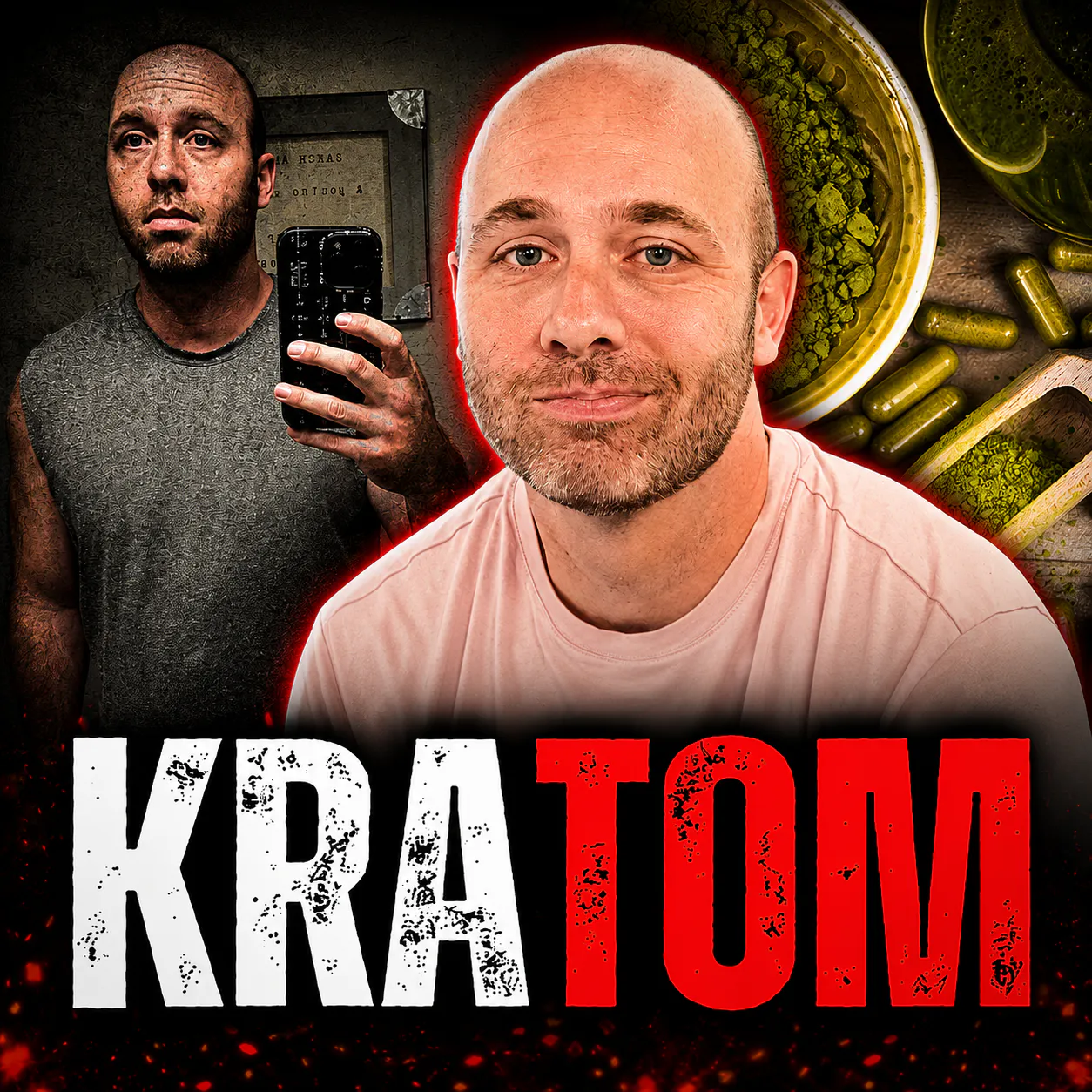
I Was Buying Kratom At The Gas Station Every Morning Just To Function....It Destroyed Me
3w ago01:14:23Tap to summarizeMatt Von Boecklin grew up outside Seattle, raised by a single mother after his father suffered a mental break when Matt was a toddler and had to be cared for in a home. A socially anxious kid always reaching for the edge of the cool crowd, Matt found early that alcohol quieted that feeling — and years later, a motorcycle accident introduced him to opiates and opened a door he says was impossible to un-see. What followed was a global, restless run — tramadol by the pocketful in Mexico, a rock-bottom withdrawal alone in Nairobi crying on a shower floor, and finally the substance almost nobody talks about honestly: kratom, and its concentrated form 7-OH, sold legally over the counter at gas stations and smoke shops. This episode is essential listening on a crisis that's exploding right now, because Matt lived it and beat it. He describes buying "feel free" bottles and the hardest-hitting extract shots every single morning just to get through work meetings, seeing double, losing his balance, hiding it from the fiancée he loved, and the shame of driving a mile and a half for a fix in the time it should've taken to grab a bagel. Here's what makes his story valuable: Matt is a chemical engineer, and he approached quitting like an engineer. He built himself a "quit kit" of non-prescription supplements to manage the brutal withdrawals, did the reading, and finally threw the last shot in the trash before a trivia night with his fiancée. Now 2 years sober, he can speak with rare clarity about how these legal products hook people who never thought of themselves as addicts — and exactly what it takes to get free. If you or someone you love is stuck on kratom or 7-OH and telling yourself it's fine because it's legal, this is the episode to hear. Matt Von Boecklin grew up outside Seattle, raised by a single mother after his father suffered a mental break when Matt was a toddler and had to be cared for in a home. A socially anxious kid always reaching for the edge of the cool crowd, Matt found early that alcohol quieted that feeling — and years later, a motorcycle accident introduced him to opiates and opened a door he says was impossible to un-see.What followed was a global, restless run — tramadol by the pocketful in Mexico, a rock-bottom withdrawal alone in Nairobi crying on a shower floor, and finally the substance almost nobody talks about honestly: kratom, and its concentrated form 7-OH, sold legally over the counter at gas stations and smoke shops. This episode is essential listening on a crisis that's exploding right now, because Matt lived it and beat it. He describes buying "feel free" bottles and the hardest-hitting extract shots every single morning just to get through work meetings, seeing double, losing his balance, hiding it from the fiancée he loved, and the shame of driving a mile and a half for a fix in the time it should've taken to grab a bagel.Here's what makes his story valuable: Matt is a chemical engineer, and he approached quitting like an engineer. He built himself a "quit kit" of non-prescription supplements to manage the brutal withdrawals, did the reading, and finally threw the last shot in the trash before a trivia night with his fiancée. Now 2 years sober, he can speak with rare clarity about how these legal products hook people who never thought of themselves as addicts — and exactly what it takes to get free.If you or someone you love is stuck on kratom or 7-OH and telling yourself it's fine because it's legal, this is the episode to hear. If you or someone you love is struggling with addiction or mental health, you don’t have to do it alone. Reach out to my partners at Compassion Behavioral Health. They offer individualized care and a full continuum of treatment. Call or Text: 844-443-5669 Visit: https: https://compassionbehavioralhealth.com/rise-above/ #RiseAbove #KratomAddiction #7OH #KratomRecovery #2YearsSober #RecoveryIsPossible #AddictionRecovery#SoberLife #LegalOpioid #OpioidRecovery #MensRecovery #SobrietyJourney #MentalHealth #RiseAbovePodcast #KevinLanning #MattVonBoecklin #FeelFree #OverTheCounterAddiction #QuitKit #OneMoreThing Learn more about your ad choices. Visit megaphone.fm/adchoices
Transcribe →
My Heart Stopped From A Fentanyl Overdose & I Woke Up From A Coma Having To Learn To Walk Again
3w ago01:26:49Tap to summarizeIf you caught Brenda Zane's episode a few months ago — the mother who shared the harrowing story of her son's addiction and near-death — this is that son. Enzo is here to tell it from the inside. Enzo grew up in Seattle with two loving, supportive parents and a natural entrepreneurial streak, running little candy schemes and haircut businesses as a kid. But a fascination with the "forbidden" turned into weed by middle school, then cocaine and Xanax, then the pills that got too expensive — and finally, in 2017, fentanyl, right as it was flooding the streets and long before most people knew what it was. His first overdose landed him in the hospital; he walked out and used again the same day, telling no one. His second nearly ended everything. Found in a car with no pulse, foam coming from his mouth, his heart had stopped long enough that doctors placed him in a three-day medical coma to keep his organs from swelling. When they took him off the ventilator, no one knew if he'd breathe on his own, or what mental capacity he'd have if he woke. He woke up unable to recognize his own family, his hands and feet curled from lack of blood flow, and had to spend the next month learning to walk again. That was his last time using. Now 9 years sober, Enzo has rebuilt his life around the lessons that saved it — and this conversation is a rare chance to hear a survival story this extreme told with humor, gratitude, and hard-won wisdom. This one is proof of just how close the line is, and how completely a life can come back from the other side of it. If you or someone you love is struggling with addiction or mental health, you don’t have to do it alone. Reach out to my partners at Compassion Behavioral Health. They offer individualized care and a full continuum of treatment. Call or Text: 844-443-5669 Visit: https:https: https://compassionbehavioralhealth.com/rise-above/ #RiseAbove #FentanylOverdose #FentanylRecovery #9YearsSober #RecoveryIsPossible #AddictionRecovery#SoberLife #OverdoseSurvivor #NarcanSavesLives #MensRecovery #SobrietyJourney #MentalHealth#RiseAbovePodcast #KevinLanning #AddictionDoesntDiscriminate #MiracleStory #SecondChances#FentanylAwareness #LearningToWalkAgain #OneMoreThing Learn more about your ad choices. Visit megaphone.fm/adchoices
Transcribe →
I Was Spending $300 A Day On 7OH....Legal Gas Station Hero!n
3w ago01:17:02Tap to summarizeNick Thornton grew up outside Portland, Maine, raised by his grandparents after his mother's addiction pulled her out of his life. He was warned early that with both parents struggling, he could never drink — a warning he took as a challenge. By 14 he was drinking and smoking weed daily, and from the very first time, he always went harder than everyone around him. What followed was a decade-plus run through Oxy and blues, cocaine, a move to California, a marriage, a business, and a drinking problem he was certain he'd beaten — right up until he replaced it with something he could buy legally at the store. This episode goes deep on the drug almost nobody's talking about honestly yet: 7-OH, the concentrated kratom derivative sold at gas stations and vape shops that Nick describes as, functionally, a legal opioid. He was taking 400 to 500 milligrams a day, living on an eight-hour timer, waking up in full withdrawal in the middle of the night, and dropping three to four thousand dollars a month — all on a product sitting on a shelf next to the register. He talks candidly about the nodding off at his desk, snapping at his kids, the brutal withdrawals when Florida made 7-OH illegal, and finally getting honest with his wife and business partner — both of whom already knew. Now 9 months clean and sober, Nick is rebuilding, running his company, and speaking out about a substance he believes is quietly hooking a lot of people who don't realize what they're actually taking. If you or someone you love is using kratom or 7-OH and telling yourself it's harmless because it's legal, this is the episode to hear. #RiseAbove #7OH #KratomAddiction #7Hydroxymitragynine #9MonthsSober #RecoveryIsPossible#AddictionRecovery #SoberLife #LegalOpioid #OpioidRecovery #MensRecovery #SobrietyJourney #MentalHealth#RiseAbovePodcast #KevinLanning #NickThornton #KratomRecovery #SoberDad #HotTopic #OneMoreThing Learn more about your ad choices. Visit megaphone.fm/adchoices
Transcribe →
I Was Doing Cocaine Every Single Day For 3 Years & Had A Seizure At My Desk....and I Kept Using
3w ago01:07:36Tap to summarizeFrom the outside Gregg looked like he had it handled — a family, a career, a wife he'd known since middle school. Underneath it he was doing cocaine every single day, and had been for years. He'll tell you he never fit the picture of what people imagine an addict looks like. He wasn't running around wired; cocaine actually quieted the chaos in his head, turned down the noise, and let him not feel. And once he started, he couldn't stop. For about two and a half to three years he used daily, isolating, trying to solve the problem himself without ever saying it out loud to another person. His marriage was going south, his self-worth was gone, and he'd gotten to the point where he couldn't even look at himself in the mirror to shave. Then, in the middle of a run, he had a seizure and woke up on the floor, ending up in the hospital. And even that didn't stop him — he kept using for days afterward. His actual bottom came quietly, sitting on his son's Little League bench, unable to keep his eyes open, thinking to himself what a piece of garbage he'd become. A few days later, something a podcast host said cut through: you can't start to fix the problem until you say it out loud to someone else. Gregg picked up the phone, called a friend who's now his sponsor, and for the first time felt the weight lift. That friend told him to go to treatment. He put up a fight for about thirty seconds — and then he went. Now 1 year sober, Gregg has his marriage, his kids, and himself back — and he's learned that the drugs were never really the problem. They were his broken solution to a life he didn't know how to live. This one is for the high-functioning addict who looks fine on the outside and is quietly falling apart. If you or someone you love is struggling with addiction or mental health, you don’t have to do it alone. Reach out to my partners at Compassion Behavioral Health. They offer individualized care and a full continuum of treatment. Call or Text: 844-443-5669 Visit: https: https://compassionbehavioralhealth.com/rise-above/ #RiseAbove #CocaineAddiction #1YearSober #RecoveryIsPossible #AddictionRecovery #SoberLife#HighFunctioningAddict #SobrietyJourney #MentalHealth #FatherhoodInRecovery #FromRockBottom #SoberDad#RiseAbovePodcast #KevinLanning #GreggHayim #SelfWorth #CocaineRecovery #OneDayAtATime #NewYorkRecovery #OneMoreThing Learn more about your ad choices. Visit megaphone.fm/adchoices
Transcribe →