
Podcast
Room for Discussion
Hosted by Room for Discussion · EN
Room for Discussion conducts free live interviews at the University of Amsterdam, with leading voices in politics, economics, journalism and more. Each interview is fully led and conducted by students.
22episodes
Episodes
Newest firstAll episodes
Regulation, Sweet Regulation: Protecting Consumers with Martijn Snoep
Jun 1800:57:21Tap to summarizeGrocery prices are increasing, Meta flaunts its dominant position on the market, and the Paramount acquisition of WarnerBros marks an era of massive media consolidation. It seems that companies hold all the power, but who can hold them accountable?Join us on 20th of May, 13:00-14:00 at the REC E-Hall for an interview with Martijn Snoep, Chairman of the Dutch Authority for Consumers and Markets (ACM). We will zoom in on consumer protection, discuss how to regulate without stifling innovation, the political implications of regulatory policy, and look at ongoing cases currently handled by the ACM.Whether an avid shopper or a competition policy enthusiast, do not miss the chance to understand what is done to protect your consumer rights!
Transcribe →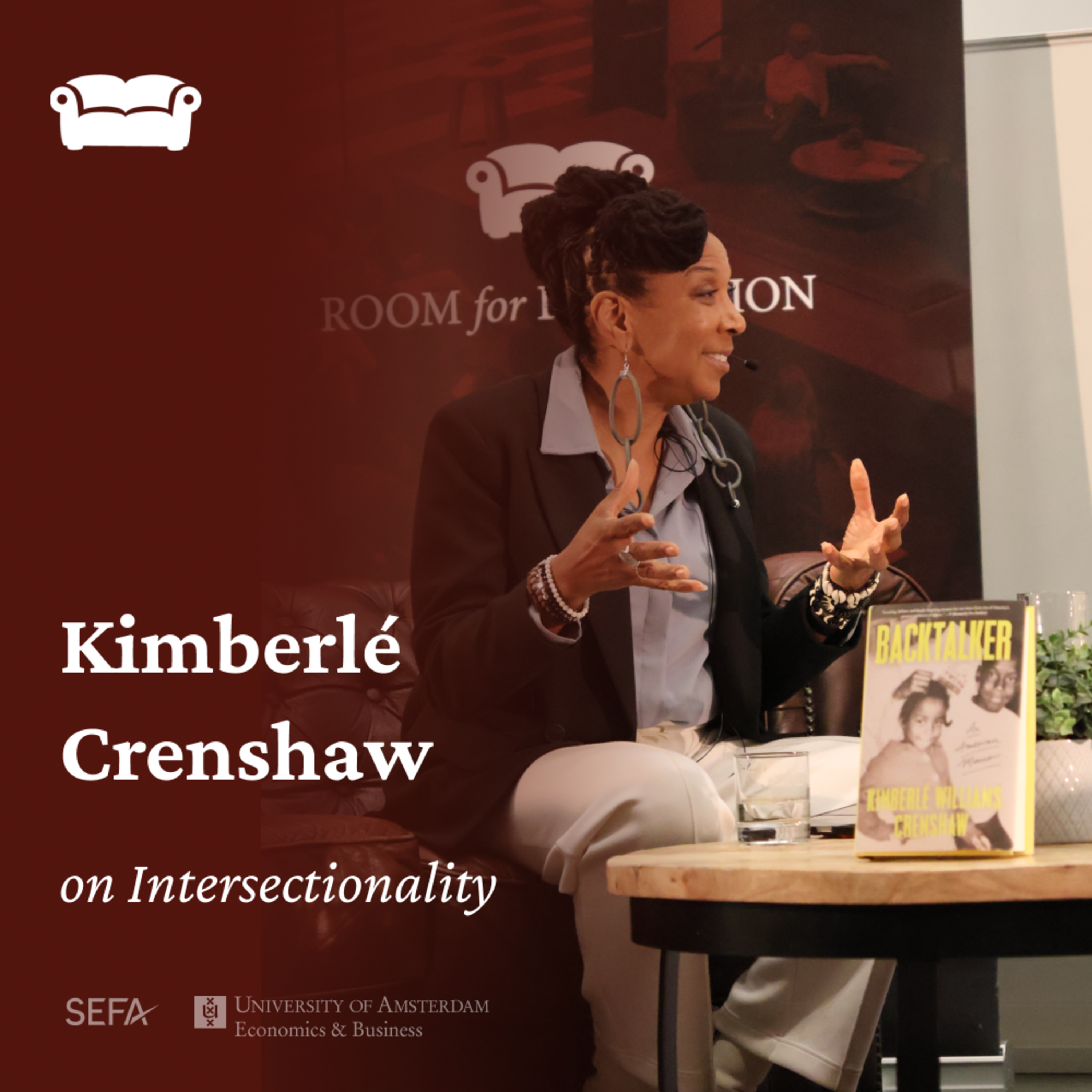
Talking Back and Looking Forward-- Prof. Kimberlé Crenshaw on Intersectionality
Jun 1801:33:43Tap to summarizeFew academic concepts have travelled as far as intersectionality. Coined nearly four decades ago, it transformed how we think about race, gender, power, and inequality, while also becoming one of the most debated ideas of our time.We were thrilled to welcome Kimberlé Crenshaw, legal scholar, author of Backtalker: An American Memoir, co-founder of Critical Race Theory, and the person behind intersectionality.Drawing on both her personal journey and decades of academic work, we explore the origins of intersectionality, the backlash against Critical Race Theory and what the ongoing debates around race, identity and democracy reveal about the United States and Europe today.
Transcribe →Promoting Peace or Power? With Paige Alexander, CEO of Carter Center
Jun 1000:55:18Tap to summarizePalestine, Sudan, Iran. Global conflicts dominate the headlines every day. But what does it actually take to build lasting peace? And who gets to decide what that peace looks like?Together with Paige Alexander, the CEO of the Carter Center, we explore the role of the international community in conflict resolution, democracy promotion, and the politics of peacebuilding. Founded by former US President Jimmy Carter and Rosalynn Carter to advance human rights worldwide, the Carter Center is now active in peace and development efforts across the globe.Drawing on decades of experience, Alexander will discuss how peace is negotiated, how local communities shape outcomes, and what it would take to achieve lasting peace in Palestine.
Transcribe →From Tulips to Turmoil: Ambassador Fatma Ceren Yazgan on Türkiye in Transition
May 3101:03:41Tap to summarizeWith war at its doorstep, Türkiye is once again in the middle of geopolitical turmoil. Whether it’s the Syrian refugee crisis, the war in Gaza, or the closure of the strait of Hormuz, Türkiye has had to consistently re-balance and re-negotiate its partnerships. Turkish Ambassador H.E. Fatma Ceren Yazgan will join us to talk about how Türkiye does this in practice. With a long career as a high ranking diplomat and civil servant, she offers firsthand experience into the complexities of Turkish politics.
Transcribe →When Germany Sneezes, Europe Catches a Cold - A Conversation with Economist Marcel Fratzscher
May 2001:02:15Tap to summarizeGermany has been Europe’s economic engine for quite some time, both its industrial powerhouse and fiscal anchor in times of deep uncertainty. While Southern Europe suffered deep recessions during the Eurocrisis, Germany maintained low unemployment and a massive trade surplus. After 5 years of economic stagnation induced by the Covid-19 pandemic, that role is now under strain. In a conversation with Marcel Fratzscher, President of the German Institute for Economic Research, we examine whether Germany can still fulfill that role or whether structural pressures are permanently reshaping its role within Europe. As its export-driven model comes under strain and fiscal constraints limit large-scale investment, a key question emerges: Will Germany continue to be the economic engine Europe can look up to?
Transcribe →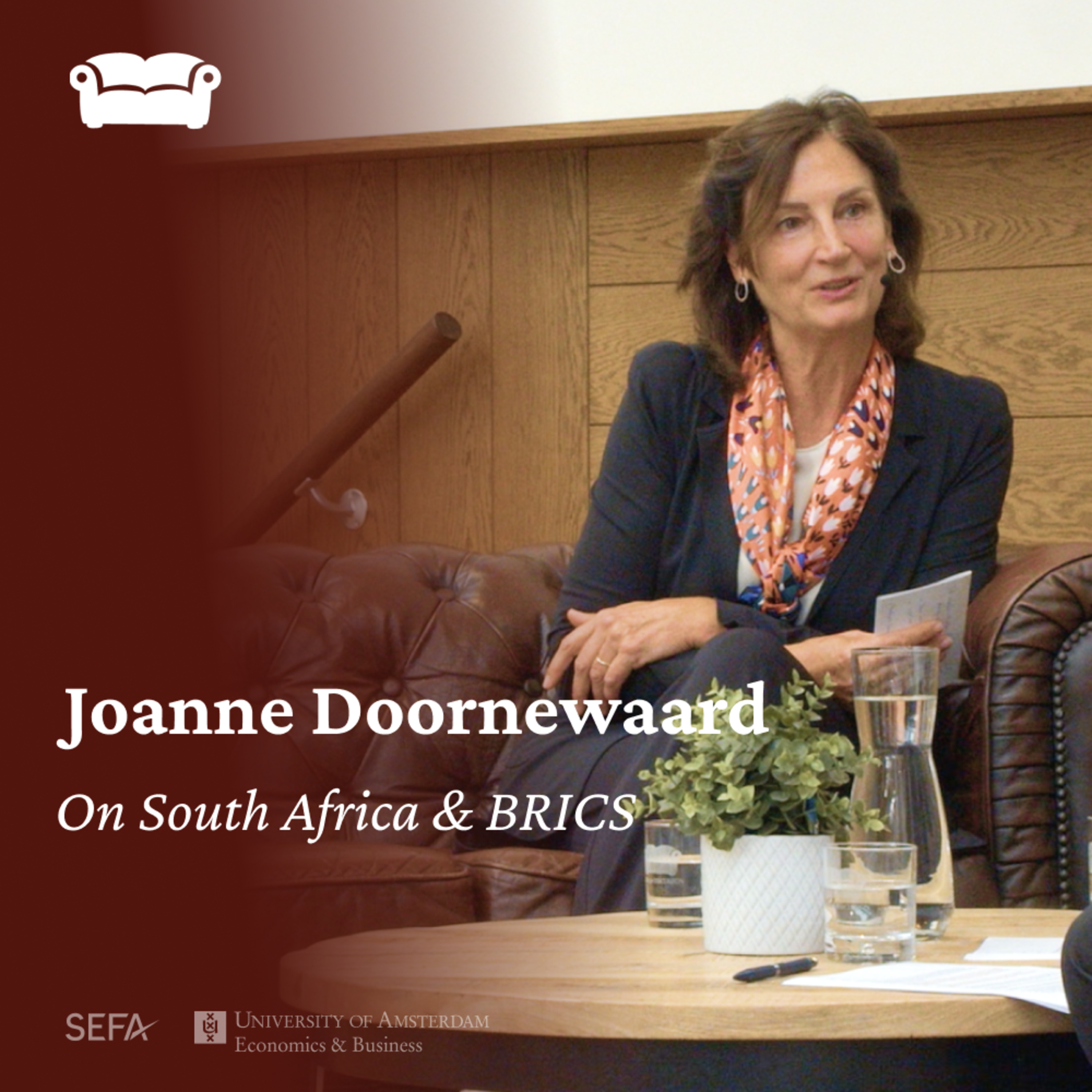
Balancing BRICS and Beyond: A conversation with Dutch Ambassador to South-Africa Joanne Doornewaard
May 2000:57:00Tap to summarizeThe relationship between the Netherlands and South Africa stretches back centuries, shaped by both painful history and meaningful cooperation. It includes dark chapters, such as the Netherlands’ role in using South Africa as part of the slave trade, but also moments of solidarity, including the Netherlands’ early opposition to apartheid and its current position as one of South Africa’s key economic partners. To explore this complex and evolving relationship, we will be joined by Joanne Doornewaard. As an experienced diplomat, she will help unpack the history, tensions, and opportunities that continue to define this important partnership. How have Dutch interests in South Africa changed over time? What do South Africa’s alignments within BRICS mean for the future of bilateral relations? And in an increasingly transactional geopolitical landscape, what would it take to build a relationship that is genuinely cooperative? Join us on 6 May at the E-Hall for a timely conversation on the past, present, and future of Dutch–South African relations.
Transcribe →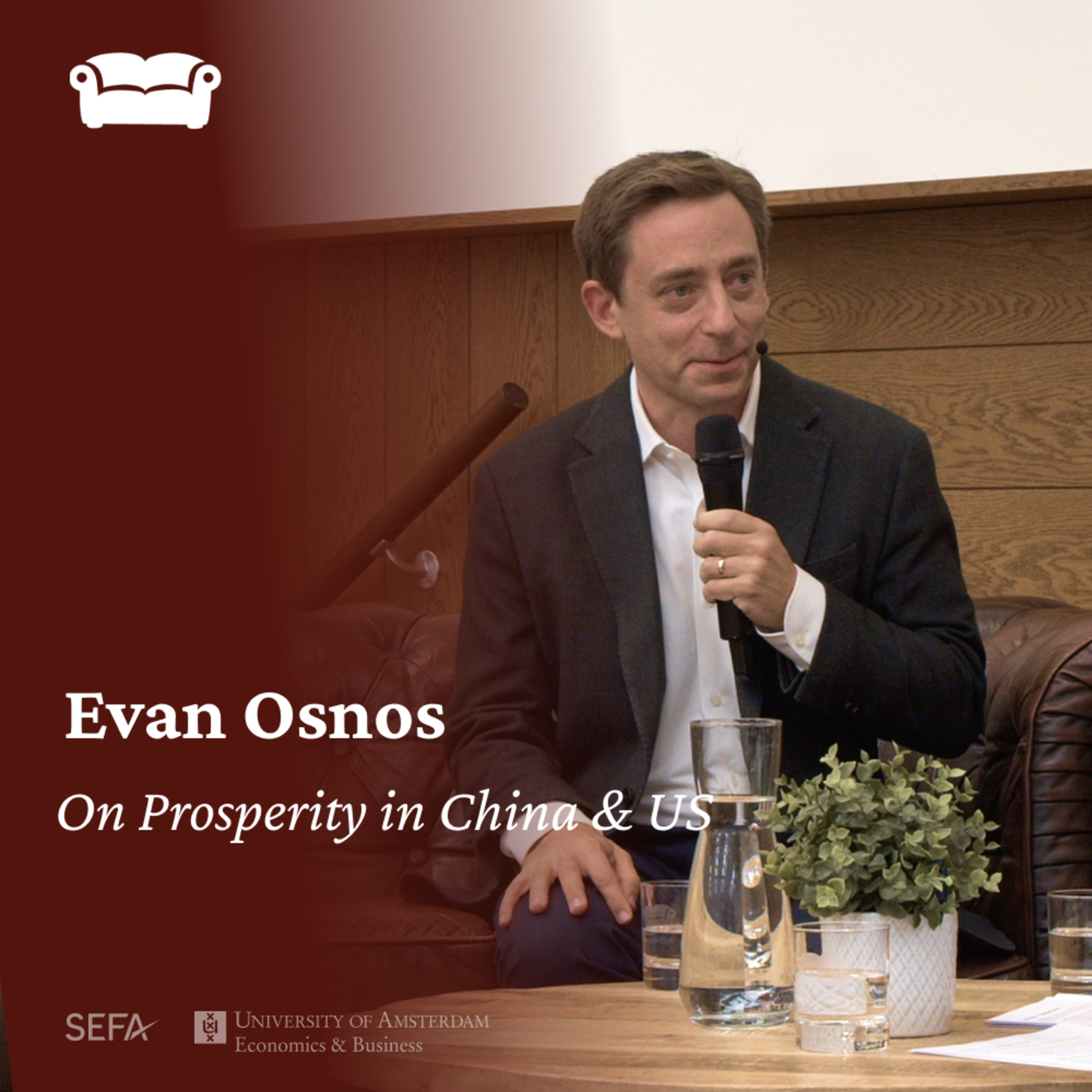
The Pursuit of More: Evan Osnos on Prosperity in China and the US
May 1900:55:04Tap to summarizeWhat happens when wealth does not just buy comfort, but an entirely different reality? When power does not mean responsibility anymore, but the option to escape all consequences? When ambition turns into status anxiety? From rural China to billionaire bunkers, Evan Osnos gets up close to people, telling bigger stories through human details. These stories trace how pursuit, aspiration and prosperity evolve in radically different systems at a time of widening inequality and political shifts. The New Yorker journalist and author Evan Osnos will discuss with us the intersection of ambition, power and inequality in the E-Hall on Tuesday, April 13th, from 13:00-14:00.
Transcribe →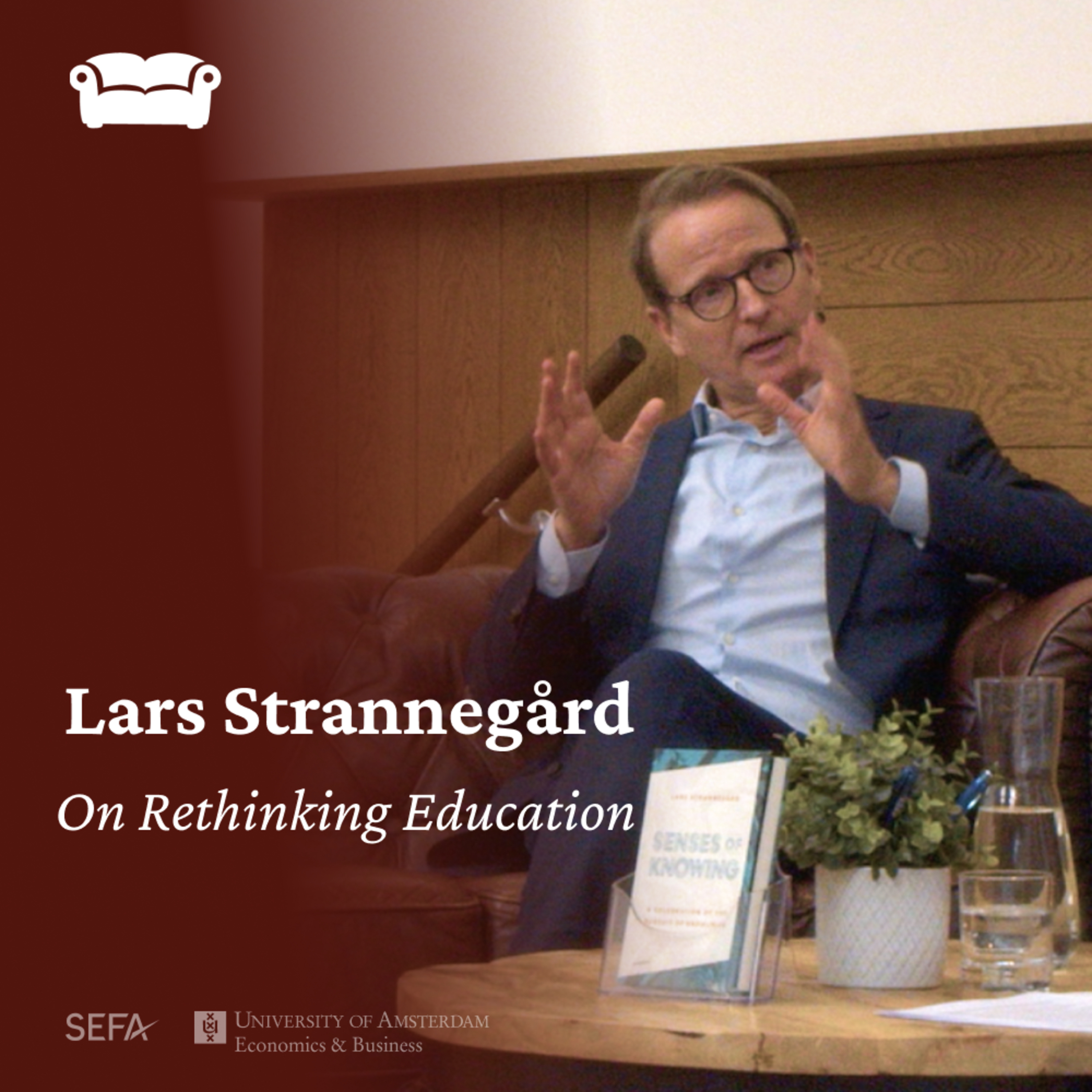
Sticking Up for the Human(ities): SSE President Lars Strannegård on Rethinking Education
May 1901:05:47Tap to summarizeWhile the way we live has changed a lot in the last few years, the way we learn has remained largely the same. Our education systems have stagnated, relying on inflexible grading systems and standardized tests, as they need to conform to the demands of the job market. Is now the time for academia to adapt and implement a more holistic approach to learning? Professor Lars Strannegård, president of the Stockholm School of Economics and author of Senses of Knowing: A Celebration of the Pursuit of Knowledge, argues that it is. He has long advocated for a change in the way we are educated. Instead of receiving a highly specialised ‘training’, he argues that education should be understood as ‘cultivation’, striving to shape well-rounded and responsible citizens equipped to face an increasingly complex world.Join Professor Strannegård and us to explore how incorporating the arts & humanities into other disciplines can foster critical thinking and prepare our educational systems for the age of AI.
Transcribe →
A Tale of Two Americas (at War): Aviva Chomsky on Latin American History
May 1900:58:48Tap to summarizeWhat does it mean when the United States bombs a neighboring country, seizes its president, and flies him to New York to face criminal charges? Days into 2026, US forces launched a dramatic operation in Venezuela, bombing targets in Caracas and capturing President Nicolás Maduro. Such flagrant violations of sovereignty and international law beget the questions: why does the US act this way in the Americas? And what is the history of intervention that makes this seem possible? From Venezuela to Cuba and beyond, we’ll be discussing the Americas’ interdependence with Aviva Chomsky, professor of history and Latin American Studies. Having been active in the Latin American solidarity and immigrants’ rights movements for decades, she’ll be unpacking the myths of open markets and closed borders, and how interventions continue to shape national histories in the region. Join us for a conversation about the asymmetric interdependence between the US and Latin America!
Transcribe →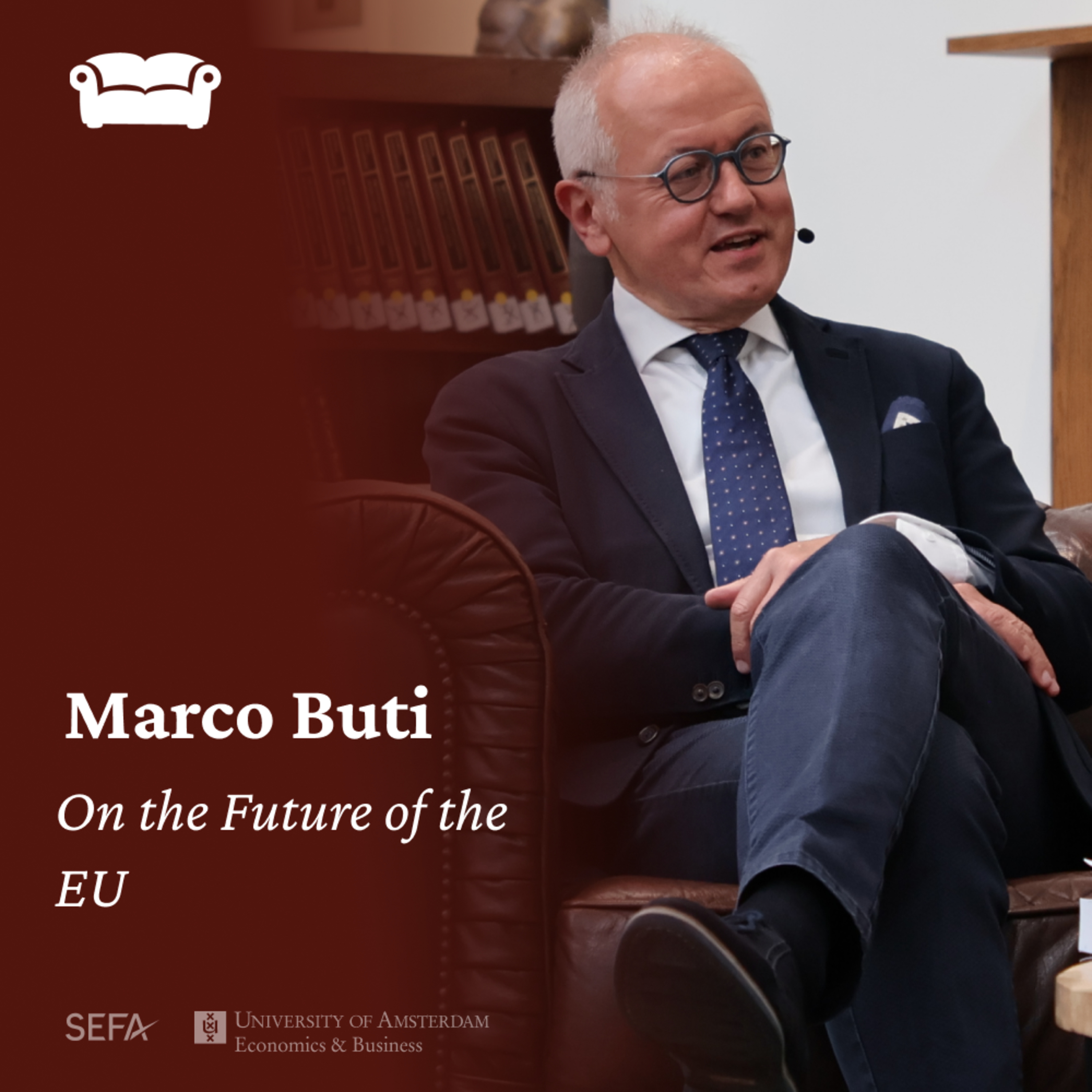
Marco Buti- On the Future of the EU
May 1501:00:13Tap to summarizeEurope is entering a period of growing fragmentation. Rising defence pressures, economic stagnation, and geopolitical dependence are colliding at a moment when the European Union appears increasingly unable to act collectively.We welcome Marco Buti, former Director General for Economic and Financial Affairs at the European Commission and one of the key figures behind Europe’s response to the Eurozone crisis.In this discussion, we discuss the future of the European project; from austerity and common debt to defense spending, industrial policy, and the growing tension between national interests and collective European action.
Transcribe →