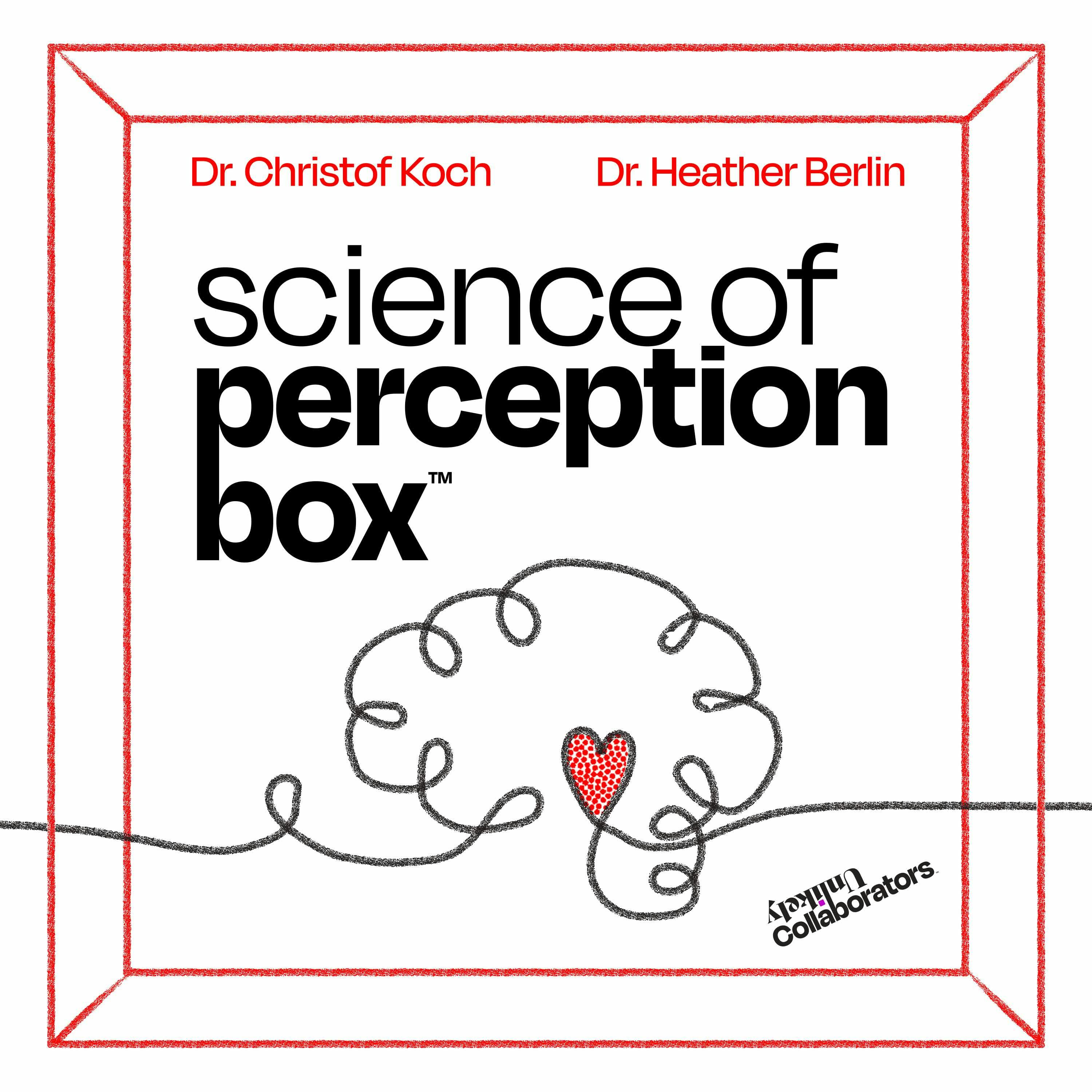
Introduction to the Science of Perception Box
In the premiere episode titled "Introducing: Science of Perception Box" of the Science of Perception Box podcast, hosts Dr. Heather Berlin and Dr. Christoph Koch set the stage for an enlightening exploration into how our minds interpret and shape our reality. Released on December 5, 2024, this introductory episode lays the foundation for understanding the core concept—the Perception Box—and outlines the podcast's mission to delve deep into the science behind human perception.
Hosts and Expert Perspectives
Dr. Christoph Koch, the Chief Scientist for the Tiny Blue Dart Foundation and former president of the Allen Institute for Brain Science, co-hosts the show alongside Dr. Heather Berlin, a Professor of Psychiatry and Neuroscience at the Icahn School of Medicine at Mount Sinai in New York City. Together, they bring a wealth of knowledge from neuroscience and psychiatry to dissect the intricate mechanisms of perception.
The Perception Box: A Metaphorical Framework
The Perception Box, a metaphor introduced by Elizabeth R. Koch, serves as the central theme of the podcast. It represents the mental framework through which individuals interpret reality, influenced by their beliefs, biases, and neural wiring. Dr. Koch articulates this concept succinctly:
"We all live inside our own perception box." [00:03]
This metaphor underscores the subjective nature of human experience, where each person's reality is uniquely constructed by their internal cognitive processes.
Expanding and Contracting the Perception Box
A significant focus of the episode is on understanding how various emotional states influence the expansion or contraction of our Perception Box. The hosts explain:
"We ask why and how does the mind expand in states like love or awe?" [00:52]
Conversely, they explore the constriction of perception in response to negative emotions:
"And why and how does the mind contract in response to anxiety, fear, or anger?" [00:58]
Dr. Koch provides a vivid illustration of this phenomenon:
"Think of what anxiety feels like, what worrying feels like. It's like this, oh no. Oh no. So we're kind of closed down. We're contracted. We're kind of stuck in our box." [01:05]
This dynamic interplay between emotional states and perception sets the stage for the podcast's exploration of how to manage and potentially expand our perception to enhance our experiences.
Exploring Diverse Topics Through Expert Conversations
Science of Perception Box promises to cover a broad spectrum of topics that influence human perception. Future episodes are slated to include discussions on:
- Mindfulness: Techniques to heighten awareness and foster a more expansive perception.
- Romantic Relationships: Understanding how love can broaden one's perception of the world.
- Psychedelics: Exploring their impact on neural pathways and perception.
- Human Connection: Investigating the role of social bonds in shaping our realities.
The hosts plan to engage with a variety of expert guests, including psychiatrist Dr. Judson Brewer, anthropologist Dr. Helen Fisher, and journalist Michael Pollan, among others. These collaborations aim to provide multifaceted insights into the science of perception.
The Journey Ahead
Dr. Berlin encapsulates the podcast's mission by posing fundamental questions:
"If I don't have a sense of who I am, then I have no idea what are the choices I should be making in the world. These are questions that the podcast is dedicated to exploring." [01:14]
Listeners are invited to subscribe and follow the journey of redefining reality through scientific inquiry and thoughtful discussions.
"Subscribe to the podcast on YouTube and follow the show wherever you listen to podcasts." [01:28]
Conclusion
The introductory episode of Science of Perception Box successfully sets the groundwork for an engaging series that seeks to unravel the complexities of human perception. By leveraging expert insights and a compelling metaphor, the podcast promises to offer transformative perspectives on how we understand and interact with the world around us. Whether you're interested in neuroscience, psychology, or simply curious about the workings of the mind, this podcast aims to provide valuable knowledge and foster a deeper awareness of your own Perception Box.
Follow the Science of Perception Box:
- Platforms: YouTube, Spotify, Apple Podcasts, Amazon Music, and more.
- Release Schedule: New episodes every Thursday.
Embark on this scientific journey to unlock greater awareness, foster curiosity, and reshape your perception of reality.