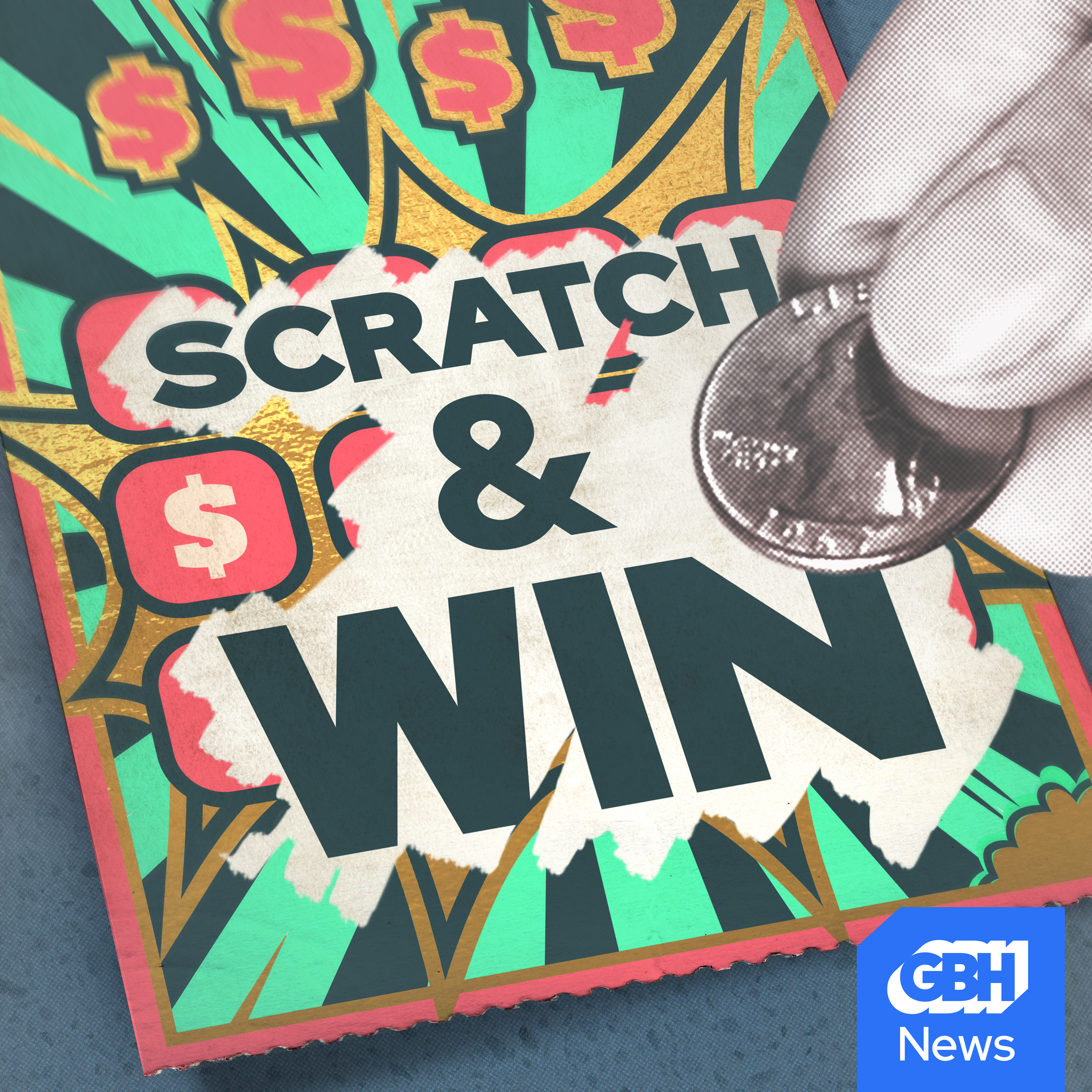
Podcast Summary: Scratch & Win – “Introducing: Scratch & Win”
Overview
“Scratch & Win,” produced by GBH News and distributed by PRX, delves into the fascinating transformation of gambling in America, focusing on the rise of state lotteries and their profound impact on both society and government. Hosted by Ian Coss, the series explores how gambling transitioned from illegal vice to a mainstream, state-sanctioned enterprise. The introductory episode, released on January 22, 2025, sets the stage by tracing the origins of the most successful state lottery in the United States, highlighting the battles between state bureaucrats and mafia bookmakers in 1970s Boston, and examining the implications of gambling's entrenchment in modern American life.
Setting the Scene: The Gambling Landscape
The episode opens with a vivid description of a contemporary casino environment, capturing the essence of modern gambling’s allure and chaos. Ian Coss paints a picture of a bustling casino filled with games like craps, blackjack, and an array of slot machines. However, he draws attention to a striking installation—a giant blue orb surrounded by 16 massive TV screens and a ceaseless scroll of data, likening it to the frantic energy of election night at a cable news network or the New York Stock Exchange floor. This setup represents the sportsbook, a modern gambling hub where patrons bet on everything from MLB to college football.
“Never in American history has it been so easy to gamble, legally at least.” [00:00]
Coss emphasizes the unprecedented accessibility of legal gambling in the United States today. He underscores that this ease was made possible by state lotteries, which have effectively brought various forms of gambling into the public sphere and, intriguingly, into governmental operations.
The Birth of the State Lottery
Transitioning to the historical context, Coss narrates the emergence of state lotteries in the 1970s, using Boston as a focal point. This era marked a pivotal shift where gambling moved from the shadows, traditionally associated with illegal activities and mafia influence, to a regulated, state-controlled enterprise. The introduction of scratch tickets, in particular, revolutionized how Americans engage with gambling, making it more accessible and socially acceptable.
“It’s the unlikely story of America’s most successful state lottery and how it took gambling from the shadows and margins of society into the corner store, onto your television and inside the government itself.” [02:45]
Here, Coss encapsulates the essence of the podcast’s narrative—charting the improbable rise of state lotteries and their role in legitimizing gambling nationwide.
Bureaucrats vs. Mafia: The Struggle for Control
A significant portion of the episode focuses on the intense rivalry between state bureaucrats and mafia bookmakers in Boston during the inception of the lottery. Coss details how state officials, driven by innovation and the potential revenue from lotteries, faced formidable opposition from entrenched criminal interests that had long dominated the gambling scene.
“State bureaucrats going up against mafia bookmakers.” [02:45]
This confrontation was not merely a battle for regulatory control but also a reflection of broader societal tensions regarding gambling’s place in American life.
Technological and Political Challenges
The narrative delves into the technical and political hurdles faced by the state in launching the lottery. From securing funding to implementing fair and transparent operations, bureaucrats had to navigate a complex landscape to ensure the lottery's success and legitimacy.
“Are the secret tape recordings about finances, taxes, machine politics.” [03:16]
This quote highlights the murky underbelly of political maneuvering and potential corruption that threatened to undermine the state's efforts. The mention of “secret tape recordings” suggests attempts by opponents to derail the lottery through illicit means.
Innovation and Opportunity
Despite these challenges, the drive for innovation prevailed. The introduction of scratch tickets was a game-changer, offering a simple yet engaging way for the public to participate in state-run gambling. These tickets became a staple in corner stores across the nation, embedding lotteries into the everyday lives of Americans.
“And about ruthless, restless innovation.” [03:27]
Coss underscores the relentless push for new ideas and methods that kept the lottery evolving, ensuring its sustained popularity and profitability.
The Allure of Chance
A recurring theme in the episode is the fundamental human attraction to chance and the dream of easy wealth. This psychological aspect is crucial in understanding why lotteries have become so ingrained in American culture.
“All driven by the simple power of chance.” [03:30]
By tapping into this intrinsic desire, state lotteries have managed to maintain their appeal despite criticisms and ethical concerns.
Modern Implications: The State’s Role in Gambling
As the podcast progresses, it bridges the historical narrative to contemporary issues surrounding the gambling industry. Coss examines how state lotteries have paved the way for other forms of legal gambling, such as casinos, sports betting, and online poker, questioning the appropriateness of state involvement in such a lucrative but morally ambiguous business.
“How do we feel about the gambling industry that lotteries helped summon into being? And should the state be in this business at all?”
These questions invite listeners to reflect on the broader societal and ethical implications of state-sanctioned gambling, setting the stage for deeper discussions in subsequent episodes.
Notable Quotes and Insights
Throughout the episode, several poignant quotes encapsulate the central themes and conflicts:
-
Conflict and Secrecy:
B: “The big question mark in this trial.” [03:16]
Coss: This refers to the uncertainties and unresolved issues surrounding the initial trials and opposition to the lottery.
-
Corruption and Advice:
B: “My advice to you, Mr. Treasurer, be next time use a shredder.” [03:24]
This suggests attempts to conceal incriminating evidence, highlighting the corruption challenges faced by state officials.
-
Jackpot Temptations:
B: “Record $105 million jackpot.” [03:30]
Evokes the immense allure and temptation that large jackpots hold for potential gamblers.
-
Hope and Risk:
B: “I thought you said it was a silly bet. Well, you gotta have that one in a million shot there. You gotta have that try. You have to.” [03:37]
Reflects the optimism and desperation that drive individuals to gamble, even against rational judgment.
The Transformation of American Gambling
The introductory episode masterfully sets up the narrative arc of “Scratch & Win,” illustrating how a combination of state initiative, innovation, and societal change transformed gambling in America. From the clandestine operations of the past to the regulated, omnipresent lotteries and sportsbooks of today, the series promises an in-depth exploration of the forces that have shaped the modern gambling landscape.
Conclusion: A Journey Ahead
As the episode wraps up, Coss teases the upcoming content, hinting at a deeper dive into the stories of those who championed the lottery, the adversaries they faced, and the long-term effects on American society. By blending historical accounts with contemporary analysis, “Scratch & Win” invites listeners to ponder the complex relationship between chance, chance-driven economies, and the state’s role in regulating human behavior for profit.
“Never to win $40 or more. So anyone who can scratch can win.” [03:45]
This closing remark encapsulates the democratizing promise of lotteries—offering everyone a chance to win big, while subtly questioning the sustainability and ethical dimensions of such a system.
Final Thoughts
“Scratch & Win” is poised to be a compelling series that not only chronicles the rise of state lotteries but also invites critical reflection on the broader implications of legalized gambling. Through engaging storytelling, historical insights, and thought-provoking questions, the podcast sets the foundation for a nuanced exploration of an industry that continues to shape American culture and economy.