← Lifers with Christina Farr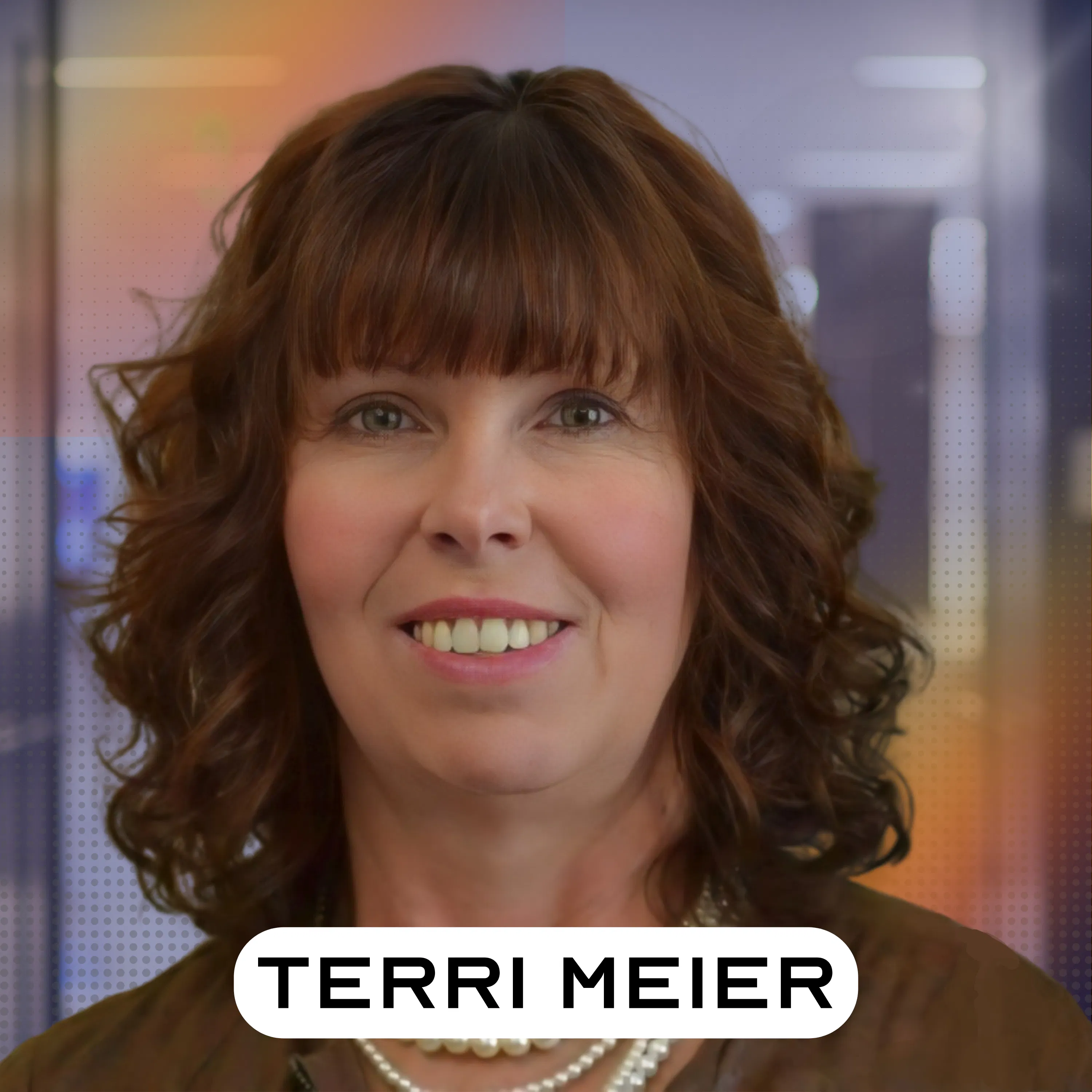
Lifers with Christina Farr
How revenue cycle is evolving from "battle of the bots" to the smash hit application for AI with Terri Meier
00:33:43
For this week's episode of Lifers, Chrissy recorded live with Terri Meier, Assistant Vice Chancellor for Revenue Cycle at UAMS, at the HFMA Revenue Cycle Conference in Dallas. Together they pull back the curtain on the $300 billion part of healthcare nobody wants to talk about.
Loading summary
Transcript61 lines
- [00:00]
A
We used to just not really think about the revenue cycle side.
- [00:03]
B
We are so hyper focused on billing the insurance and getting paid. We've left out that patient financial experience associated with that workflow. UAMS has taken a concerted effort knowing that in order to fund our mission and vision around research, we need to invest in the clinical enterprise. I have a meeting every other week or an hour with cfo, cmo, C E O cio and we sit around the table and talk about revenue cycle.
- [00:33]
A
But the argument that we make is that from a patient perspective, this is so much of what you experience. If you have a bad experience with a bill, you may not return to that hospital to get further treatment.
- [00:46]
B
Right now it's kind of like Battle of the bots. It's who can build the biggest and best system for them. I think I went to a conference, I was in a session where it was a vendor and talking to a group of providers on how their technology can deny claims faster. You know, how do we fight that?
- [01:04]
A
Hi, I'm Christina Farr and this is Lifers. Every week I talk with the operators and founders who've been in the trenches long enough to know that healthcare doesn't move at startup speed. These are the people who've pivoted not once, but countless times because that's what it takes to build something that actually works in the most complex industry in America. Let's dive in. Hello and welcome back to lifers. I am actually here in Dallas, Texas today for the conference hfma, which brings together hundreds of people in the world of RevCycle, specifically the provider side of Rev cycle. And we'll talk about the difference between payer and provider because those are very different things. It's really heads of revenue cycle across many different types of health systems. It's CFOs, it's really the big financial healthcare conference of the year. So I'm really excited to dig into this topic because it's a 300 billion industry that we do not talk about enough and I believe is one of the most important parts of healthcare. So I'm here with Terri Meyer. I'm gonna let Terri share a little bit about her background and how she got into this world. And then we'll dive in and I hope provide a little bit of an education on an area of healthcare that is really not discussed enough. Okay, over to you, Terry. Tell us more about yourself, your background, and how you ended up in this world of healthcare.
- [02:18]
B
My name is Terri Meyer. I'm currently the assistant Vice Chancellor for revenue cycle at The University of Arkansas for medical science. I've been in healthcare for about 43 years. It's been my, my lifelong career got started a long time ago. Graduated high school early. My mother for a graduation president got me a gray suit in an interview at Torrance Memorial and I was off to the races. So that's a little bit about how long I've been in healthcare.
- [02:44]
A
And did you as a child, were you like I want to get into the guts of health care and think about inner billing?
- [02:51]
B
No. My mother was a single parent of four kids and she had been working in healthcare. And like I said, she, she's the one that suggested, I'll put it nicely, suggested that healthcare might be the career for me when I went to college. It is a fun fact because I was so young, I worked during the day and went to college at night and I had to have my diploma, but I also had to have a note for my mom to say that I could stay out past curfew because the class didn't get out past curfew. So very interesting journey, you know, in healthcare.
- [03:23]
A
Yeah. So, you know, I feel like for a long time just haven't really talked about your area of healthcare. We love to talk about care delivery, we love to talk about patients, physicians. We love innovation. But how it all gets paid, that question, it just, you know, it's something that we assume somebody else is responsible for and will just happen. It's invisible. Right. Most of the time. But now that we're in this era of AI, suddenly it's being talked about a lot more because of all the opportunity that these AI companies perceive in, in the space. So maybe share a little bit with us about just the evolution that you've seen over your career. Maybe talk about the phases that you've seen of rev cycle. Definitely like some strong phases around, you know, offshoring that I love to talk about, you know, some big changes around automation before we even moved into the AI era just to set the stage for us a little bit about, you know, just what this evolution has looked like.
- [04:13]
B
Yeah, I still teach at UC San Diego. I teach their revenue cycle certification program. And you know, part of what we do is we dive in, into that history of healthcare. And I've been able to experience a huge transformation from where I started. You know, when I started we still build insurance companies from a typewriter. We had to have our little white out if we made a mistake to get everything in that box so they could process that claim. And then now everything is automated. We've got clearinghouses that, that hold all the payer rules that will stop our claims and tell us, hey, this might deny it's wrong. You know, EHRs electronic health records were not a thing. We had file records and it was fully reasonable to write the balance off when that file was unable to locate. You know, now we've got this whole electronic EHR and you know, again with the advent of the big HR companies in the space, you know, like you said, Cerner and Epic, I mean it has really become something different than it was. I think the principles of billing and collection have stayed the same, but the process in which you utilize to do that work is quite different. I think that that's what's made the biggest change.
- [05:26]
A
And what do you think are some of the big questions now that the industry is facing, particularly on the provider side. What's keeping everybody up at night within your space?
- [05:34]
B
We've got a whole lot of headwinds. You know, the one big beautiful bill we've got, you know, all the cuts to Medicaid and Medicare and now with the Medicaid, the work requirements, you know, price transparency. I think that start it was a good idea, but it has been just a very labor intensive journey and I don't think the patient is getting what they said that the patient would get out of it. And I think that's part of what we've lost focus on is we are so hyper focused on billing the insurance and getting paid. We've left out that patient financial experience associated with that workflow.
- [06:12]
A
Yeah, it's so interesting. I was taking a walk with somebody on the space today who had been a CFO and you know, he said we used to just not really think about the revenue cycle side. But the argument that we make is that from a patient perspective this is so much of what you experience. If you have a bad experience with collections, if you have a bad experience with a bill, you may not return to that hospital to get further treatment. I see this even in my own life where we have a pediatrician, we love the doctor who's great. We moved insurance, we told the front desk and they have now four times billed the same old insurance. And we keep getting these very large bills in the mail after the. That of course is denied because we have a new insurance and we keep calling and trying to give our new insurance information and it's enough to make me want to walk away from a beloved family pediatrician because this just keeps happening. And so, you know, clearly investment needs to be made in that team and Those processes. So would love your thoughts on just like how do you elevate the importance of this team and this part of the machinery of healthcare to the higher ups that oftentimes just don't want to think about it?
- [07:15]
B
Yeah, I mean, I am so privileged here at UAMS to have a seat at the table. UAMS has taken a concerted effort knowing that, you know, in order to fund our mission and vision around research, we need the clinical enterprise and we need to invest in the clinical enterprise. And they are so invested. I have a meeting with them every other week for an hour. Cfo, cmo, CEO, cio. And we sit around the table and talk about revenue cycle. You know, I report our statistics and things. But included in that we have a conversation. They truly ask, what can we do for you? What do you need? I think they recognize that clinical operation is what supports, you know, it offsets the tuitions for the medical school, it helps fund the research and the gap there that they don't get funded from the researchers or the grants and things. They're really invested. So how do you get them invested? That's a good question. You know, I think what tends to happen is things don't work so well and then they start asking questions. And I think that's when the door gets opened. But I think it's how you step through that door, how you engage them is what truly makes the difference.
- [08:28]
A
I think that's a great point, Terri. So one of the big topics I know at this conference is really around this idea of all this innovation, all this AI coming into both sides, lots of focus on the payer side. I would say a lot more on the payer side just because it's where the biggest budgets lie. A lot less on the provider side, but certainly there are vendors on the provider side. And I think one of the concerns at this conference that I've seen a lot of and heard a lot of people vocalize is if you have bots on both sides, then, you know, isn't that a zero sum outcome? Could you effectively reach a stalemate? And I see that it's like a chessboard where you've got a set of chess pieces on one side instead of chess pieces on the other. And no side really has a clear sense of what the chess pieces even are, let alone what the next move is that's going to get made. And so, you know, I wonder if could we be reaching a point where we might have to say, first of all, we've got to level the playing field here by Making it clear, like what the chess pieces are on both sides, so the claim's going to get denied. The rules have to be clear on the other side to the provider of why. Why has that been denied ahead of time? And then is there enough common ground, do you think, on both sides, where we could come to the table and say, you know, what about a net new system that isn't so much that we even have this adversarial relationship with the chess pieces on both sides? Is there a way to come together and say, you know, maybe the future is gold carding, as one example, where there's no prior authorization? Most providers are generally doing the right thing. They're not over billing. They're not recommending procedures that aren't needed. So they're just immediately they've been given the gold card. Right. And then maybe you could reassess that every couple of years. Do they still deserve that gold card? That's just one example that I've heard come up a number of times. But I would love to know, Terry, what you're hearing, what you are saying. Do you think that this technology and this AI and this opportunity that we have ahead of us could lead us to a different kind of future that feels like we could even come to the table and say, what do we have in common?
- [10:16]
B
Yeah, you know, I'm not sure. I think in my career, we've been fighting the administrative burden associated with billing in collections for a long time, and we try to work with the payers and call out those areas of inefficiency, and it kind of falls on deaf ears. So to a certain extent, from an AI perspective right now, it's kind of like Battle of the bots. It's who can build the biggest and best system for them. Well, we think it's a cash flow management tactic, you know, to delay our payment. And you mentioned the AI on the payer side, and it was interesting. I went to a conference. I don't really scan my badge. They haven't come got me yet. You know, I was in a session where it was a vendor talking to a group of providers on how their technology can deny claims faster. You know, how do we fight that? I mean, it's. It's.
- [11:05]
A
We.
- [11:05]
B
We have to invest in the same thing. As far as coming to common ground, you know, I'm not sure. I mean, we're. We're a nonprofit, and I think these payers, it's all about the profits. And I think until that equation becomes equal, I. I'm just not sure that we can come to some sort of a common ground. We've got Bold carding in Arkansas and so we don't get authorizations, but they've increased their requests for additional information on the back end. Instead of denying it pre service, they're denying it for medical necessity post service based on our documentation that we submitted.
- [11:37]
A
And that's such a massive administrative burden as well, you know, to have to prove that there was this medical need for additional services.
- [11:43]
B
Yeah, I mean, because it is about the administrative burden. I think that's where the AI and the technology is coming into place. Because of the manual, the workload, we don't have enough people, we can't employ enough people to do that work. The only way that we are going to have a chance of collecting what's owed to us for the service that we've already delivered. It's not like you go buy a loaf of bread and you pay for it. We're giving them the loaf of bread and we're waiting to get paid for from a third party, not even the person that we delivered the bread to. Until we can work to see how we can offset some of that manual effort and subsidize it with some sort of AI and technology, we'll start to get close to leveling the playing field. But until then, I think it's an imbalanced fight.
- [12:29]
A
Do you see potential for revenue cycle teams to change? Because right now it still feels very task based, very manual and you know, obviously a lot of innovations happened over the last number of decades to make that less the case. Now it seems like we have this opportunity for less task based and more orchestration based, more focus on performance, exception management. I think there's an opportunity as well to hire a different type of person to come in and do a job in revenue cycle. Somebody with say a strategy background to be thinking about what how things could change systemically or somebody with a real expertise around how to use AI. And I also think we could be up leveling existing teams. You know, you teach on this, you train so many new people coming in. Like what do you see as being the big changes to the rep cycle teams themselves that sit on the provider side?
- [13:14]
B
Yeah, I mean, I think you're absolutely right. You know, we're an epic shop. Like I said, we're getting, you know, upgrades to our system quarterly. And now there is so much AI embedded in this workflow. You know, the workflow has to change. But I think first and foremost I'm trying to take a pulse of my team and what is our readiness for that change? Because that's going to dictate my level of adaptability. But even starting with our leadership team, you said there needs to be an evolution, and you're absolutely right. It's going to go from managing those tasks to orchestrating that AI and those people and those processes. Directors are going to have different core competencies. They're going to have to have that AI strategy and oversight more analytical. And our managers are going to have to be able to redesign those workflows to include that AI and be change managers. Because, you know, AI is one thing, but it's that end user that's going to end up using that AI. And I think that's where the rubber hits the road. That's where the success of that is going to come and the real change is going to come. I don't think we have an option. I mean, strategy, you know, technology and our talent, they all have to evolve together for us to be successful, you know, in the coming time.
- [14:27]
A
Yeah, I wonder if you could almost like think about your typical billing team, which could be hundreds of people, right? Could you almost say, raise your hand? Like, we need 50 people, 25 people to raise their hand who just want to use Claude code on the weekend, who want to be really testing out the limits of these tools. Could you see that happening where some portion of the team is sort of set aside almost as like that little mini innovative team to come in and really think about how could we be using some of these tools internally and not just through some of these vendors that have incredible technologists that they themselves have hired and trained.
- [14:58]
B
And that is the current differentiating factor between some of these existing organizations. Because there are organizations out there that have already adopted that model and they're the ones that are on the forefront of that technology. They are looking at their workflows and leaning out. You know, all of the repetitive tasks are, you know, to the AI. Let them do the heavy lifting and looking to hire a different type of team member, you know, that's going to work with that AI because it's not just doing the task now. They're not going to be doing the task, but they're still going to be managing that AI. I know we're in the process at UAMS of developing. We've got levels of billers and collectors one through three, but we're actually now adding a level four that has just those types of requirements in that job description. That knowledge of AI and the willingness to be innovative with that. I'm actually Taking my current revenue cycle analyst, sending her to some classes and changing her job description to include that innovation part, you know, being on top of our EPIC roadmap. Here are the things that are coming. How fast can we adopt them? But how else can we be proactive and contribute to EPIC to say these are the things we'd like to see you develop and if they can, how do we develop them on our own? What types of resources do we need internally to develop them on our own? I know some organizations will be better at that based on, you know, their ability to invest in that type of infrastructure. But I mean, that is going to be a differentiating factor for organizations in the future.
- [16:23]
A
I love it. Yeah, it's fascinating. And as I've been speaking with some of the VC firms out in Silicon Valley, a lot of them are telling me, look like we've got an anthropic, you know, wanting to come in and talk to the billing teams across the big health systems because they see companies like OpenAI Anthropic. They see this is really the biggest opportunity in healthcare right now. You know, if you have to think about one smash hit application, to cite a quote from the piece that we wrote here on Second Opinion and that we did in partnership with Smarter Technologies, that revenue cycle is that smash hit application. And I think increasingly that that is being recognized, which again, you know, gives it that renewed focus that I think you're starting to see today. So on the vendor front, you're obviously getting quite bombarded, I would imagine, given all this focus. How do you think about just separating out like signal from noise? Terry, like what is standing out to you as being a vendor that feels like it's a cut above the pack. And how much do you think about the vendor versus insourcing or doing it in house problem? We'd love to hear your thoughts on that. Especially for those tuning into the podcast who might be thinking about selling into providers and wanting to impress them.
- [17:25]
B
When we started looking at some AI complement to our CDI program, we really were looking at, you know, at the time, there's a lot of vendors out there that are kind of like those software as a service models. You know, you pay upfront, you get your return later. It's kind of a subscription type of technology. You know, we, we move more to that a hundred percent contingency where our accounts receivable more matched our accounts payable. We only paid for the value that we got from the technology. So that vendor had skin in the game. You know, if, if we didn't monetarily benefit from it. They're not going to monetarily benefit from it either. I think that's what's really going to separate one vendor from the other, because from a baseline, the technology could be equal, but I think the business model is going to be the differentiating factor for us. I mean, we're the University of Arkansas. There's other organizations that are in a better financial position than we are. And to your last question, I think we're going to have the have and the haves not because, you know, these organizations are more able to invest in a cloud and that type of thing, and we're not. How do we keep pace with those other organizations that are able to make that investment?
- [18:35]
A
That's a really good point. I think we don't talk enough about what is really facing community hospitals and safety net hospitals. And there are a lot of headwinds right now that we have to acknowledge, we should acknowledge amongst the kind of various things. And you mentioned some of them. You mentioned the Medicaid cuts, you mentioned some of the challenges around grants and funding. What do you have your eye on most now, you know, and how do you think about kind of setting the organization up for, you know, not necessarily success, but even just being able to kind of move through what we expect to see in the coming years?
- [19:04]
B
Yeah, I mean, for us, it is really, you know, those cuts to the ACA subsidies, you know, we're in Arkansas. The whole state is rural. I mean, we're a university hospital and we're designated rural. So those types of things are going to really hit us hard. You know, our Medicaid percentage, I think we are, you know, 11, 12%. That's a huge chunk. And Arkansas in 2018, I think it was, they tried the work request requirement and it failed. So, you know, here we are again. And how will the hospital survive if these shifts are going to take place from sponsored care delivery to unsponsored care delivery? I mean, it is one of the main things that keep us up at night. How do we help our patients get the care that they need and how do we get paid for it?
- [19:47]
A
And of course, I mean, it goes without saying, but I think it's worth emphasizing that these patients will still get treated because they'll just come to the emergency room. Yes, exactly. And then, you know, the physician has a Hippocratic oath to serve these patients regardless of whether or not they have insurance. And so that is just going to directly impact the hospital. The hospital will have to write off that care And I think what worries me is when it's a chronic problem and it's a long term problem that, you know, imagine somebody has cancer or they have diabetes. How do you manage that without that person being able to get insurance and be enrolled into a Medicaid or a program like that? At the moment that they enter into the hospital, it feels like this is going to be a really, really tough couple of years from that perspective.
- [20:30]
B
Yeah. Can you only imagine that patient sitting there and experiencing a medical emergency and saying, I'd love to go but I just can't because I'm not going to be able to afford it? I mean, that's, that's, that's horrible.
- [20:41]
A
And it makes your work more important because you know that more, more and more of this care is going to have to be, like we said, written off. So the portion that in theory you can get paid for, you're going to need to really increase revenue captured, not just revenue earned. Right.
- [20:56]
B
And that's the thing. We have to offset that by being able to bill and collect from those insurance companies everything that we can so we can compensate for that care that we are eventually going to be giving away for free. Then that makes, you know, the whole billing and collection even more important. More emphasis on how we do it. What we need to do to get paid hasn't really changed. It's the how we do it is what's changing. Going from that manual process to that technology enabled workflow and how we are able to most efficiently take advantage of that is what's going to compensate for some of those headwinds.
- [21:30]
A
Yeah, I think those are some, some very, very real headwinds. And you know, I like to talk about these things on the pod because we had somebody, Sachin J. And actually from the parasite on, he said healthcare has a toxic positivity problem that we always want to talk about the good all the time and everything that makes us feel optimistic, but then we gloss over some of the deeply problematic aspects. So I appreciate, Terry, that we're able to go there and really talk about some of these headwinds because they are going to impact health systems like yours and patients. I did want to ask you on the patient side about this trend that we're seeing around the idea of being much more upfront with patients about payment. And we talked about transparency also trying to come up with good faith estimates around what it is likely to cost. And that's now kind of part of some of the policy work that's being done in many states to see if that can be possible. And then better intake processes for patients finding out ahead of time if they have insurance, what kind of insurance, what, what the insurance would cover and not cover. How do you feel about that concept of the front end as being, you know, more important, important for the work that you and your team are doing in the coming years?
- [22:34]
B
Oh, absolutely. Life mission, you know, for our registration team members, they're kind of like the lowest paid team members on our team, but they are responsible. When we send an insurance company a claim, you know, it's called an UBA 92. There's, there's form locators. I think there's 87 form locators or so on that form. Over 50% of those form locators are filled out by the information that is intake by that registration team member. You know, in my opinion, we should change them to pre billers. And I think that's what I'm trying to do with the classes I teach. Give them that background so they understand the downstream effect of their work. And if they were held accountable for putting the right information on the claim, verifying insurance, having an authorization to make sure that we can get paid on the back end, and we wrote that expectation into a job description and compensated them appropriately for doing that work, I think we would have an easier time on the back end. Because it's all about what we do proactive from price transparency. We try to give patients estimates so they know what to expect. Do we do it consistently a hundred percent of the time? No. We can definitely do a better job of that. And then I think, you know, some of these price transparency regs that they initially put out, I mean, great job, but the only people that have been accountable to it, you know, for the most part is the providers. I know the payers have to put out the same kind of transparency file, but what kept getting postponed and what has not even come to fruition yet is our ability to prospectively send that estimate to that payer and that payer adjudicating that estimate and sending a prospective EOB to that patient to say, this is how we're going to process your claim. I mean, that's transparency.
- [24:22]
A
Yes. And that would change the game, right?
- [24:24]
B
That would totally change the game. Can you imagine? They'd have to adjudicate. I'd know up front if they're going to deny me.
- [24:30]
A
Yep, exactly. And then you can bake that into your own forecasts and you could even think about a world in which the costs come down because you're, you know, Every health system I talk to is quietly having to write off millions a month because of these denials where they just don't have the right information to reprocess them. And patients don't understand this. Like I didn't understand this for a long time as a Brit, I was like, how is it possible these health systems are leaking money when I seem to be charged thousands of dollars every time I set foot into one of these systems? And it's, it's because of this, you know, leakage that you see everywhere.
- [24:59]
B
And it is everywhere and every, I mean, every little piece of that whole revenue cycle. Because again, the revenue cycle is comprised of starts when they make the appointment with the physician and it ends, you know, when I get final payment on that bill. That's the revenue cycle. Anything that goes wrong, you know, from point A to point B, you know, I don't get paid.
- [25:16]
A
And there are about 20 steps between point A and point B with an extreme amount of administrative and they involve a bunch of different people and fax machines and very outdated processes. Yeah, I think that's spot on. And then on the patient side, patients seem to be getting religion on this. They're like, oh, it's not going to hit my, my credit report anymore. You know, I don't actually have to pay this. Maybe I can call and negotiate. So you see a lot more of that as well with patients pushing back on, on payment, which I think is another aspect of this that's really come out of the past 20 years and how much things have just gotten worse and worse and worse. So that piece of it is interesting too, which really speaks to Terry, this question I'm seeing around and thinking about, around the consumerism of healthcare, that patients so value price transparency that they are turning to a lot of cash pay solutions at this point in time, especially with their lower acuity needs. Many people are going to Mark Cubans cost block drugs to get their generics. People are paying cash now to see primary care. But how do you think about that? Just because I worry about the integration or lack thereof. Like if a patient's getting their GLP1s on a website and then they come into your hospital and the doctor has no idea because it's not on the medical record, that seems like a huge potential issue there. And then for a health system that's also a patient that's far less loyal to them, that's not coming to them for those needs that maybe would have otherwise.
- [26:34]
B
Yeah, no, you're absolutely right. The interoperability of that Record is definitely an issue. And from the, for the price transparency piece and the shift to patient liability with these high deductible health plans, they've got a regulation now, it's called in high tech. If that patient does not want their protected health information to be submitted to their insurance company for the purposes of billing and collection, I have to honor that. And then they become self pay for, you know, all intents and purposes. And then they enjoy my self paid discount of 65%. I mean, they're getting smart. They got a $10,000 deductible. They need to go and get this limited service. And one visit to the emergency room can invoke that whole $10,000 deductible. Just crazy. So when they have a chance, when they're scheduled visits, they're really doing their homework to say, okay, what's the best way for me to go? Insurance or no insurance?
- [27:29]
A
Yep. I see that baked into the consumer experience aspect to so many of these businesses is that, you know, you can pay cash now and it's $30 or you can wait and use your insurance, but it's going to be tomorrow and it has to be video and it's, you know, also 25 because of the copay. And a lot of people will just pay the cash both for their convenience and you know, to get seen in any modality that they want to get seen on, which could honestly be by text message.
- [27:52]
B
Right.
- [27:53]
A
That's not possible in your world as much because how do you reimburse for that? How do you code that?
- [27:57]
B
Well, that's my competition. How do I get that patient to get service from me? I mean, that's, I've got to pay attention to my volume as well as my payer mix and things to be able to collect enough money to keep the doors open, you know. But that is my competition.
- [28:13]
A
Yeah. And in a cash pay world, you don't, you're not subject to hipaa, you know, all the compliance, all the security that anything that involves an insurance claim, which is basically all the care that you provide and your health system provides. Terry. And that, you know, you can't just be doing. Like here is a text messaging service to text a physician without like layers of, you know, lawyers thinking about compliance and risks associated with that. So it's very hard to keep pace on the user experience side.
- [28:41]
B
Yeah, absolutely. Healthcare is the most regulated industry in the United States, which is to a certain extent unfortunate. We just want to, you know, provide the best care that we can and expect to get paid for it.
- [28:54]
A
Yep, yep. It's very fair. If anybody's listening to this podcast that has magical powers and can wave a magic wand, what would you love to see happen in the coming years? What would be the single biggest fix that we could make? Maybe let's say it's the single biggest fix that's practical versus, you know, in the clouds, because there's a lot we could do that's not practical. But what would you have a politician listening in to this podcast do?
- [29:16]
B
I mean, just pay me for the service that I deliver in good faith. I'm delivering it in good faith. I should be paid for that service. I mean, that would solve the problems. That's the gap. I mean, when you're measuring your insurance net collection ratio, the gap is between what you expect and what you actually got paid. And if there was something that we could do to close that gap, I think it would be better for our organizations, but ultimately it would be better for our patients. But we just need to close that gap between what we expect to get paid and what we're actually getting paid from these payers.
- [29:51]
A
Yeah, that's spot on. And I could also imagine that just bringing prices down over time, which is what, you know, again, it's in the interests of everybody. We need prices to come down. We need to bring some rationalization into the system and then. Any parting thoughts, Terry? Just for the vendors listening in, people creating some of these AI solutions, thinking about Rev Cycle as that smash hit application, like, what do you actually want to need? What would you need to hear from them?
- [30:14]
B
You have a tech that is directly attributable so that I'm only going to pay for the value that I get out of the utilization that I think that's the bottom line for us. That's what makes the difference between choosing one vendor and another for us in the long run.
- [30:28]
A
Yep, fair. And I see that kind of push to performance and pay by performance as a big trend.
- [30:34]
B
Yeah. Determining the roi. I think the actual roi, that's the black hole.
- [30:40]
A
Yeah. And do you engage in pilots or how do you feel about pilots as a starting point?
- [30:44]
B
Yeah, we do. You know, some beta sites, stuff like that. I know our current CDI vendor, AI vendor. We initially started that as a beta site for them. We are not opposed to be early adopters, but we need to work together to make it a successful endeavor and not just purchase vaporware things that don't work. I mean, you just don't want to get stolen. A bridge that we can't cross.
- [31:09]
A
Yeah.
- [31:10]
B
You know, so I mean, just directly attributing the value of its utilization to money in the bank for us is what I would like to have. So it would be much easier for me to sell that to my senior executives to invest in because, you know, AI, it isn't cheap. You know, I, you know, have a fiduciary duty to make sure that I am making decisions that are not very risky for that organization from a monetary perspective. So it's a huge piece of the discussion. I listen to vendors and they explain how they do everything. And then, you know, at the very end, I ask, what's their business model? And I might have to change that to asking that question first before I start listening to everything that they say that they can do.
- [31:53]
A
I think that's a very fair. That's a very fair point. How do you make money and what is the value that you would be providing to an organization like mine versus like, what are all the bells and whistles associated with this product?
- [32:04]
B
Sounds good. Does it actually work? You know, I want to invest in things that actually work. We're getting value from, and it's allowing my team to do their best work.
- [32:15]
A
Absolutely. Well, on that note, thank you, Terry, for joining us on Lifers, and I'm looking forward to the rest of the conference here. It's hundreds of providers and executives like yourself talking about the future of revenue cycle management. How could this $300 billion industry change over the years to come? And what can providers do to defend themselves and also just to stay solvent, which is a huge issue for the industry given all the headwinds that we talked about. So thank you for your candor. Thank you for your transparency and appreciate your time.
- [32:43]
B
Yeah, thank you so much for the opportunity.
- [32:45]
A
That's a wrap on Life is. If you know someone else grinding it out in healthcare, send them this episode. And if you want more unfiltered takes on digital health, check out the second Opinion newsletter link in the show notes.