
Podcast
Sensible Medicine
Hosted by Sensible Medicine Authors and Editors · EN
Common sense and original thinking in bio-medicine
A platform for diverse views and debate
www.sensible-med.com
www.sensible-med.com
33episodes
Episodes
Newest firstAll episodes
This Fortnight in Medicine XXIII
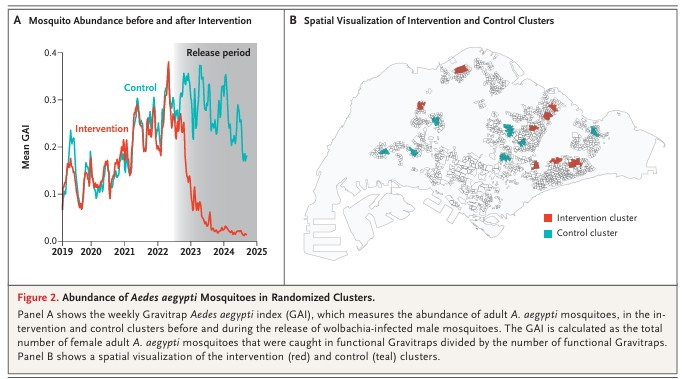
Apr 800:33:34Tap to summarizeDengue Suppression by Male Wolbachia-Infected Mosquitoes* World Mosquito ProgramAntibiotic Therapy for Uncomplicated Acute Appendicitis This is a public episode. If you'd like to discuss this with other subscribers or get access to bonus episodes, visit www.sensible-med.com/subscribe
Transcribe →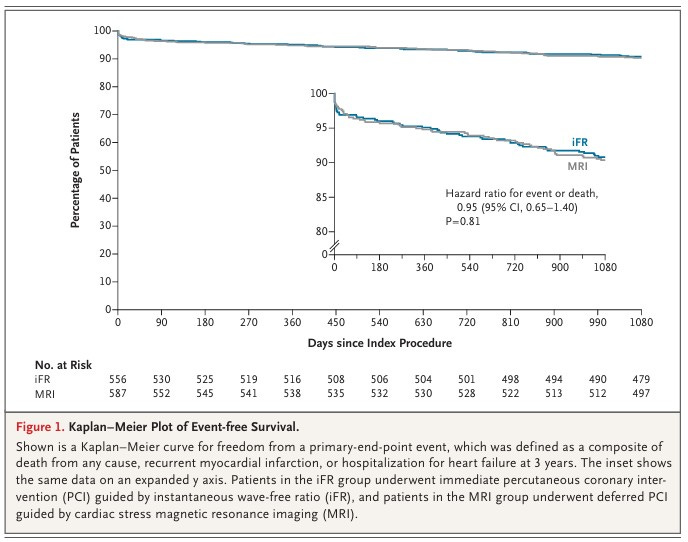
This Fortnight in Medicine XXII
Mar 2400:39:33Tap to summarize* Glucagon-like peptide-1 receptor agonists and risk of substance use disorders among US veterans with type 2 diabetes: cohort study* Immediate or Deferred Nonculprit-Lesion PCI in Myocardial Infarction* Andrew’s previous SM post on the subject: How a Meta-Analysis can Mislead—The Story of Complete vs Culprit-only PCI in STEMIAnd, a bunch of the other studies we discussed.* Complete Revascularization with Multivessel PCI for Myocardial Infarction* FFR-Guided Complete or Culprit-Only PCI in Patients with Myocardial Infarction* Initial Invasive or Conservative Strategy for Stable Coronary Disease This is a public episode. If you'd like to discuss this with other subscribers or get access to bonus episodes, visit www.sensible-med.com/subscribe
Transcribe →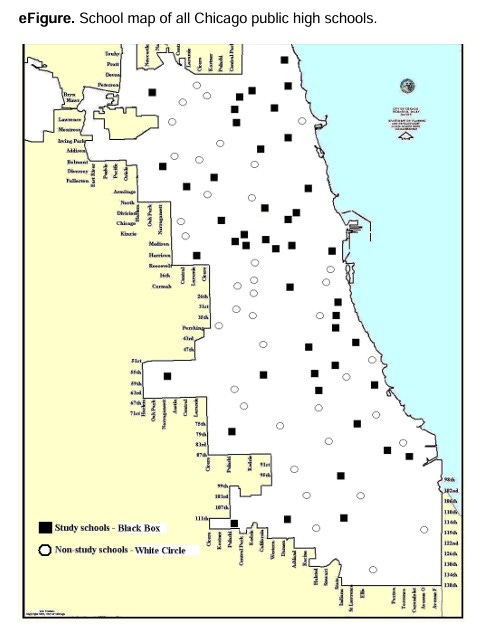
This Fortnight in Medicine XXI
Mar 1100:35:50Tap to summarizeSodium Correction Rates and Associated Outcomes Among Patients With Severe Hyponatremia: A Retrospective Cohort Study* A Randomized Trial of Targeted Hyponatremia Correction in Hospitalized PatientsEffect of Neuromuscular Warm-up on Injuries in Female Soccer and Basketball Athletes in Urban Public High Schools* Why Are So Many Teen Girls Still Tearing Their A.C.L.s?* Injury prevention programs that include plyometric exercises reduce the incidence of anterior cruciate ligament injury: a systematic review of cluster randomised trials This is a public episode. If you'd like to discuss this with other subscribers or get access to bonus episodes, visit www.sensible-med.com/subscribe
Transcribe →
Going Beyond "AI in Medicine"
Mar 400:24:11Tap to summarizeMost conversations about “AI in Medicine” bore me. I think this is because either we lack the imagination to consider how AI will change medicine in the next decade, or we are not being specific enough about how small parts of medicine could be productively affected.Dr. Shantanu Nundy, MD, MBA, is a practicing physician whom I like to think of as a serial innovator. He is currently an advisor on artificial intelligence to the FDA in the Commissioner’s Office. He has spent a great deal of time and energy thinking deeply about what AI can bring us today and in the future. I hope you enjoy this conversation. This is a public episode. If you'd like to discuss this with other subscribers or get access to bonus episodes, visit www.sensible-med.com/subscribe
Transcribe →
This Fortnight in Medicine XX
Feb 2500:39:08Tap to summarizeHigh-Dose Influenza Vaccine Effectiveness against Hospitalization in Older Adults* High-Dose Influenza Vaccine to Reduce Hospitalizations* Efficacy of high-dose versus standard-dose influenza vaccine in older adultsBeta-blockers after myocardial infarction: effects according to sex in the REBOOT trial This is a public episode. If you'd like to discuss this with other subscribers or get access to bonus episodes, visit www.sensible-med.com/subscribe
Transcribe →
Alternative Modalities for Breast Cancer Screening
Feb 1800:36:54Tap to summarizeToday on the podcast, I am joined by Dr. Jennifer Rusiecki. Dr. Rusiecki is an Associate Professor of Medicine at the University of Chicago. She is the Director of Women’s Health and Gender-Based Care in the internal medicine residency program and the assistant clinic director overseeing gender-based care.Dr. Rusiecki and I discussed the article appraised in the other post today, and also discussed the issues of screening for breast cancer in women with dense breasts and breast cancer screening more generally. Dr. Rusieki and I don’t agree on everything, and you might leave more confused than you came, but I still think it is worth a listen.Some further reading:The infographic on mammography we discussed.A recent article on mammogram quandaries. This is a public episode. If you'd like to discuss this with other subscribers or get access to bonus episodes, visit www.sensible-med.com/subscribe
Transcribe →
This Fortnight in Medicine XIX
Feb 1100:44:45Tap to summarizeA Conservative Dialysis Strategy and Kidney Function Recovery in Dialysis-Requiring Acute Kidney Injury: The Liberation From Acute Dialysis (LIBERATE-D) Randomized Clinical TrialBeta-Blockers after Myocardial Infarction with Normal Ejection Fraction* Should Evidence Come with an Expiration Date? This is a public episode. If you'd like to discuss this with other subscribers or get access to bonus episodes, visit www.sensible-med.com/subscribe
Transcribe →
This Fortnight in Medicine XVIII
Jan 2800:45:36Tap to summarizeNo video this week — we had a bit of a computer meltdown — but two interesting articles.As always, thanks for listening. If you have articles you would like us to cover, please send us a suggestion at sensiblemedicine2022@gmail.com.This Substack is reader-supported. If you appreciate our work, consider becoming a free or paid subscriber. This is a public episode. If you'd like to discuss this with other subscribers or get access to bonus episodes, visit www.sensible-med.com/subscribe
Transcribe →
Friday Reflection 56: Comments that Stuck
Jan 2300:07:27Tap to summarizeIn a lifetime of possible memories, only some are accessible. There are a few comments — made by mentors, co-residents, and patients — that have lingered and shaped my medical practice. This is a public episode. If you'd like to discuss this with other subscribers or get access to bonus episodes, visit www.sensible-med.com/subscribe
Transcribe →
When to treat (or not treat) a high cholesterol
Jan 1800:39:51Tap to summarizeI was shocked at the comments on this post. Many people, some of them I know to be smart, thought I was nuts for suggesting two middle-aged women who had isolated high LDL-C needn’t take meds because their calculated 10-year risk was less than 3% What shocked me is that our guidelines suggest treatment with statins when 10-year risk is ≥ 7.5%. You may not know this but clinicians are supposed to consider cholesterol (and BP) based on overall risk, which include things like age, blood pressure, smoking status as well as HDL. Here is a link to the PCE. It drives me bananas that clinicians don’t go over this with patients. They just look at LDL-c in isolation. Content like this comes free of industry support. Please consider becoming a free or paid subscriber.Experts chose this a 7.5% threshold because they felt it was the point where the absolute risk reduction from statins (about 20-25% relative risk reduction) for nonfatal cardiac events outweighed any potential downsides of statins. It is an arbitrary threshold. The thinking: We know from many RCTs that statins reduce future risk by about 20-25% over 5 years. So .25 x the estimated risk outputs the absolute risk reduction. Let’s say a person has a calculated risk of 10%. They can expect a 2.5% risk reduction (.25 x 10% = 2.5%) over 10 years. But .25 x 3% = .75, so a person with an estimated risk of 3% who takes a daily pill for 10 years goes to 2.25%. That’s not much. Here are some pics of the pushback I recieved:My colleagues rightly point out that atherosclerosis of the coronary arteries is a slow process and longer exposure to lower LDL-c is beneficial. They feel that the 10-year horizon is too short. They cite something called Mendelian randomization studies which find that people who were born with genetic profiles that cause low cholesterol also have low rates of heart attacks. I wrote a post about this. I actually think that statins and blood pressure drugs may have greater effects in younger people who are at lower risk. But come on. Both individuals who I helped calculate risk were below 3%. That’s too low to worry about. Further, if you think we treat people with elevated LDL levels who have this low of a risk, why do we need risk calculators? Or…why don’t we just treat everyone above a certain age, since age is the largest driver in the calculators? These are issues I spoke with Drs Foy and Murthy about. I learned a ton. I hope you will too. Topics include:* The value of risk calculators* The uncertainty of prediction* The best time window to consider (statin trials were for 5 years; can we assume effect sizes over 5 years are similar at 30 years?) * The causal role of LDL-c vs “metabolic health”* The value of coronary artery calcium testing * Lipoprotein (a) Academic people like to make fun of podcasts, but I can’t imagine a more educational 40 minutes. Andrew and Venk are two of the most thoughtful people in cardiology today. Enjoy and consider supporting Sensible Medicine This is a public episode. If you'd like to discuss this with other subscribers or get access to bonus episodes, visit www.sensible-med.com/subscribe
Transcribe →