
Podcast
Sex and Psychology Podcast
Hosted by Dr. Justin Lehmiller · EN
The Sex and Psychology Podcast is the sex ed you never got in school—and won’t find anywhere else. Kinsey Institute researcher Dr. Justin Lehmiller takes you on a journey through the psychology of sex and relationships, offering practical tips along the way that can help you take your intimate life to the next level. Learn more on Dr. Lehmiller’s blog at sexandpsychology.com
29episodes
Episodes
Newest firstAll episodes
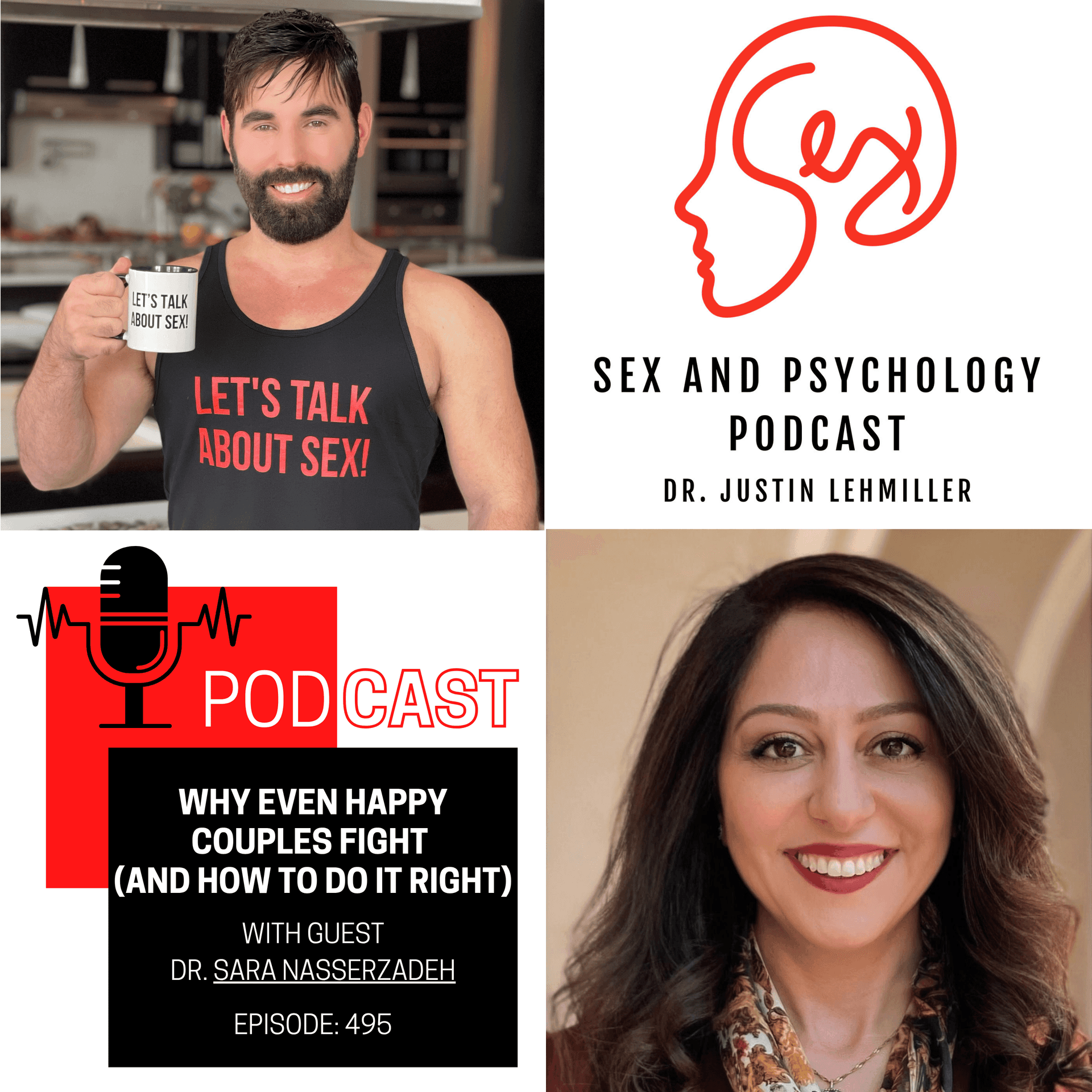
Episode 495: Why Even Happy Couples Fight (And How To Do It Right)
3w ago00:30:26Tap to summarizeA lot of people believe that if you’re in the “right” relationship, you shouldn’t fight. They think that conflict means something is wrong or that you’re incompatible. However conflict isn’t a failure—it’s inevitable. In today’s episode, we’re rethinking what conflict really means and how to navigate it in healthier, more constructive ways. I am joined once again by Dr. Sara Nasserzadeh, an award-winning social psychologist, TED Speaker, and relationship expert. Her latest book, Love by Design: 6 Ingredients to Build a Lifetime of Love, introduces the Emergent Love Model, a framework born from research with hundreds of couples across 41 countries. Some of the specific topics we explore in this episode include: Is it true that happy couples don’t fight? How can conflict avoidance be an even bigger problem than frequent conflict? Why is it important to think about conflict as a disagreement rather than a fight? How can couples navigate mismatches in their conflict style? What does “healthy conflict” look like in practice? Learn more about Dr. Sara Nasserzadeh at www.Sara-Nasserzadeh.com and join her online community here and follow her on Instagram here. Got a sex question? Send me a podcast voicemail to have it answered on a future episode at speakpipe.com/sexandpsychology. *** Thank you to our sponsors! Soaking Wet from VB Health is the world’s first probiotic specifically designed for vaginal and vulva health and wellness. It’s a doctor formulated blend of prebiotics, probiotics, and vitamins specifically designed to restore balance and increase lubrication. Visit vb.health and use code JUSTIN for 10% off. If you’re looking to gain a broad understanding of human sexuality or refresh your knowledge, check out the upcoming Human Sexuality Intensive courses at the Kinsey Institute: https://kinseyinstitute.org/learning/human-sexuality-intensive.html *** Want to learn more about Sex and Psychology? Click here for previous articles or follow the blog on Facebook, Twitter, or Bluesky to receive updates. You can also follow Dr. Lehmiller on YouTube and Instagram. Listen and stream all episodes on Apple, Spotify, or Amazon. Subscribe to automatically receive new episodes and please rate and review the podcast! Credits: Precision Podcasting (Podcast editing) and Shutterstock/Florian (Music). Image created with Canva; photos used with permission of guest.
Transcribe →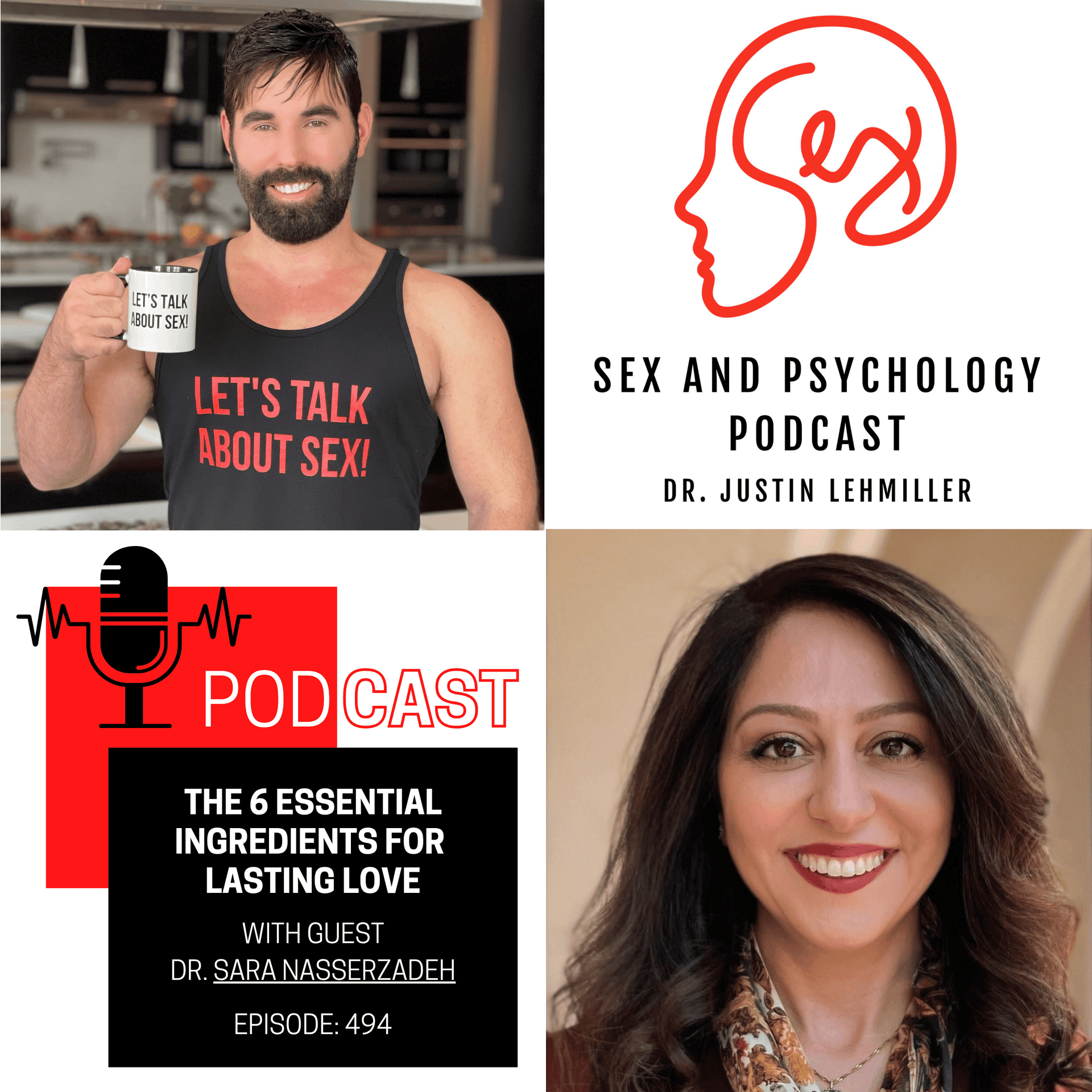
Episode 494: The Six Essential Ingredients For Lasting Love
4w ago00:33:20Tap to summarizeWe tend to think of love as something that just happens. You meet the right person, you feel a spark, and everything else just falls into place. However, love doesn’t come effortlessly. It’s something we build over time. In this episode, we’re exploring the key ingredients of lasting love and the everyday behaviors that keep love alive. My guest is Dr. Sara Nasserzadeh, an award-winning social psychologist, TED Speaker, and relationship expert. Her latest book, Love by Design: 6 Ingredients to Build a Lifetime of Love, introduces the Emergent Love Model, a framework born from research with hundreds of couples across 41 countries. Some of the specific topics we address include: How can you sustain and cultivate attraction over time in long-term relationships? Why is respect one of the most overlooked ingredients of love? How is trust built in small, everyday interactions? How can we learn to be more compassionate in our relationships? Learn more about Dr. Sara Nasserzadeh at www.Sara-Nasserzadeh.com and join her online community here and follow her on Instagram here. Got a sex question? Send me a podcast voicemail to have it answered on a future episode at speakpipe.com/sexandpsychology. *** Thank you to our sponsors! Soaking Wet from VB Health is the world’s first probiotic specifically designed for vaginal and vulva health and wellness. It’s a doctor formulated blend of prebiotics, probiotics, and vitamins specifically designed to restore balance and increase lubrication. Visit vb.health and use code JUSTIN for 10% off. Passionate about building a career in sexuality? Check out the Sexual Health Alliance. With SHA, you’ll connect with world-class experts and join an engaged community of sexuality professionals from around the world. Visit SexualHealthAlliance.com and start building the sexuality career of your dreams today. *** Want to learn more about Sex and Psychology? Click here for previous articles or follow the blog on Facebook, Twitter, or Bluesky to receive updates. You can also follow Dr. Lehmiller on YouTube and Instagram. Listen and stream all episodes on Apple, Spotify, or Amazon. Subscribe to automatically receive new episodes and please rate and review the podcast! Credits: Precision Podcasting (Podcast editing) and Shutterstock/Florian (Music). Image created with Canva; photos used with permission of guest.
Transcribe →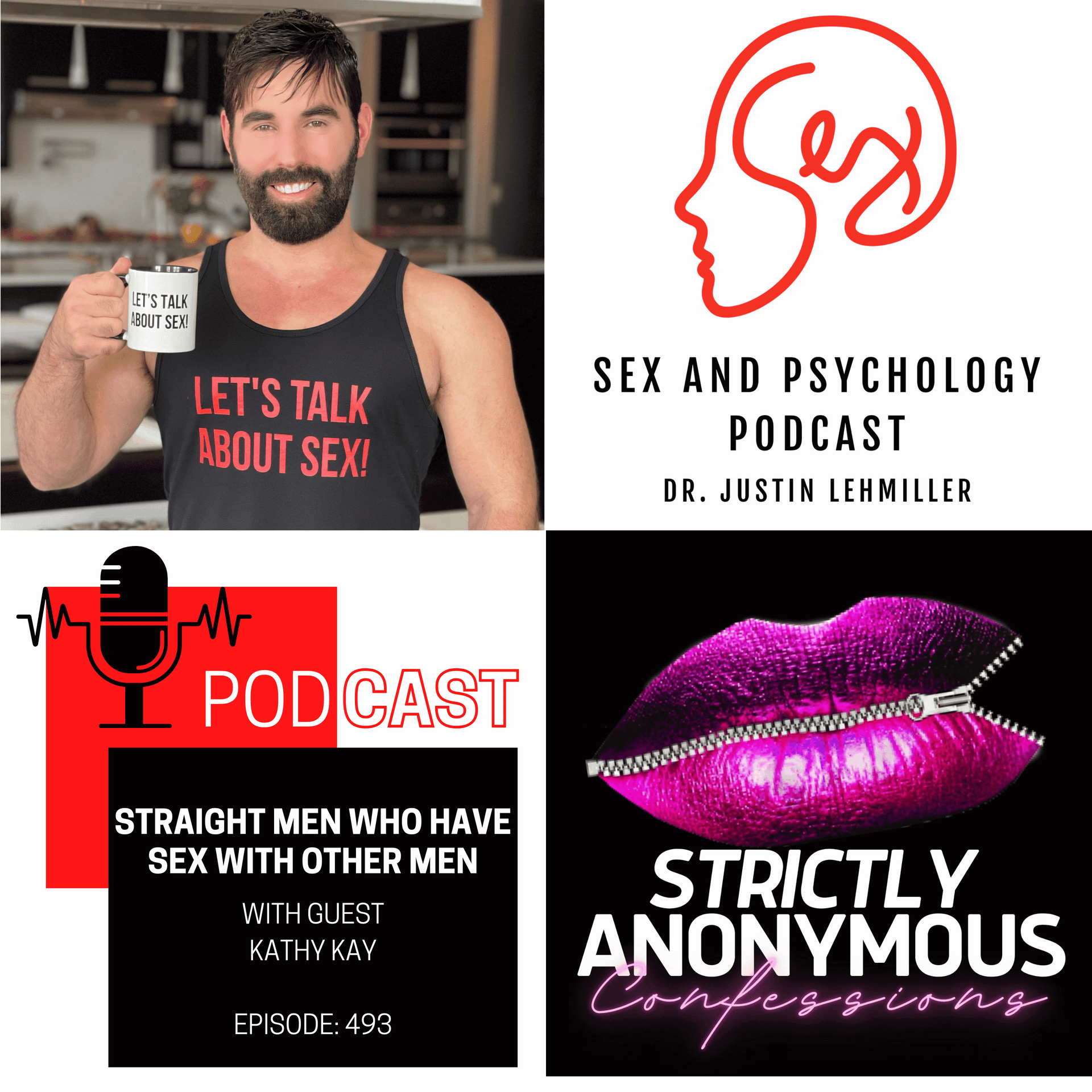
Episode 493: Straight Men Who Have Sex With Other Men
4w ago00:34:34Tap to summarizeWe tend to think about sexual orientation as a fixed identity that’s clear, stable, and easy to define. However, sexuality doesn’t fit into neat and tidy boxes like that. In this episode, we’re diving into the world of heterosexual man who want to have sex with other men, and what this tells us about the complexity of human sexuality. I am joined once again by Kathy Kay, host of the Strictly Anonymous Podcast and author of the new book Strictly Anonymous Confessions: Secret Sex Lives of Total Strangers, a collection of real, unfiltered stories from people revealing their most private sexual thoughts and experiences. Some of the specific topics we explore include: How common is it for heterosexual guys to have same-sex fantasies? Are these fantasies and desires purely physical, or is there an emotional component as well? Are these men just secretly gay? Why is male same-sex behavior more stigmatized than female same-sex behavior? Are women sometimes turned on by watching their husbands or boyfriends with other men? To learn more, check out the Strictly Anonymous website. Got a sex question? Send me a podcast voicemail to have it answered on a future episode at speakpipe.com/sexandpsychology. *** Thank you to our sponsors! Level-up your bedroom skills with Beducated. Featuring more than 150 online courses taught by the experts, Beducated brings pleasure-based sex ed directly into your bedroom. Kick off your journey by taking Beducated’s Quiz to get your personalized roadmap to sexual happiness at https://beducate.me/pd2615-lehmiller If you’re looking to gain a broad understanding of human sexuality or refresh your knowledge, check out the upcoming Human Sexuality Intensive courses at the Kinsey Institute: https://kinseyinstitute.org/learning/human-sexuality-intensive.html *** Want to learn more about Sex and Psychology? Click here for previous articles or follow the blog on Facebook, Twitter, or Bluesky to receive updates. You can also follow Dr. Lehmiller on YouTube and Instagram. Listen and stream all episodes on Apple, Spotify, or Amazon. Subscribe to automatically receive new episodes and please rate and review the podcast! Credits: Precision Podcasting (Podcast editing) and Shutterstock/Florian (Music). Image created with Canva; photos used with permission of guest.
Transcribe →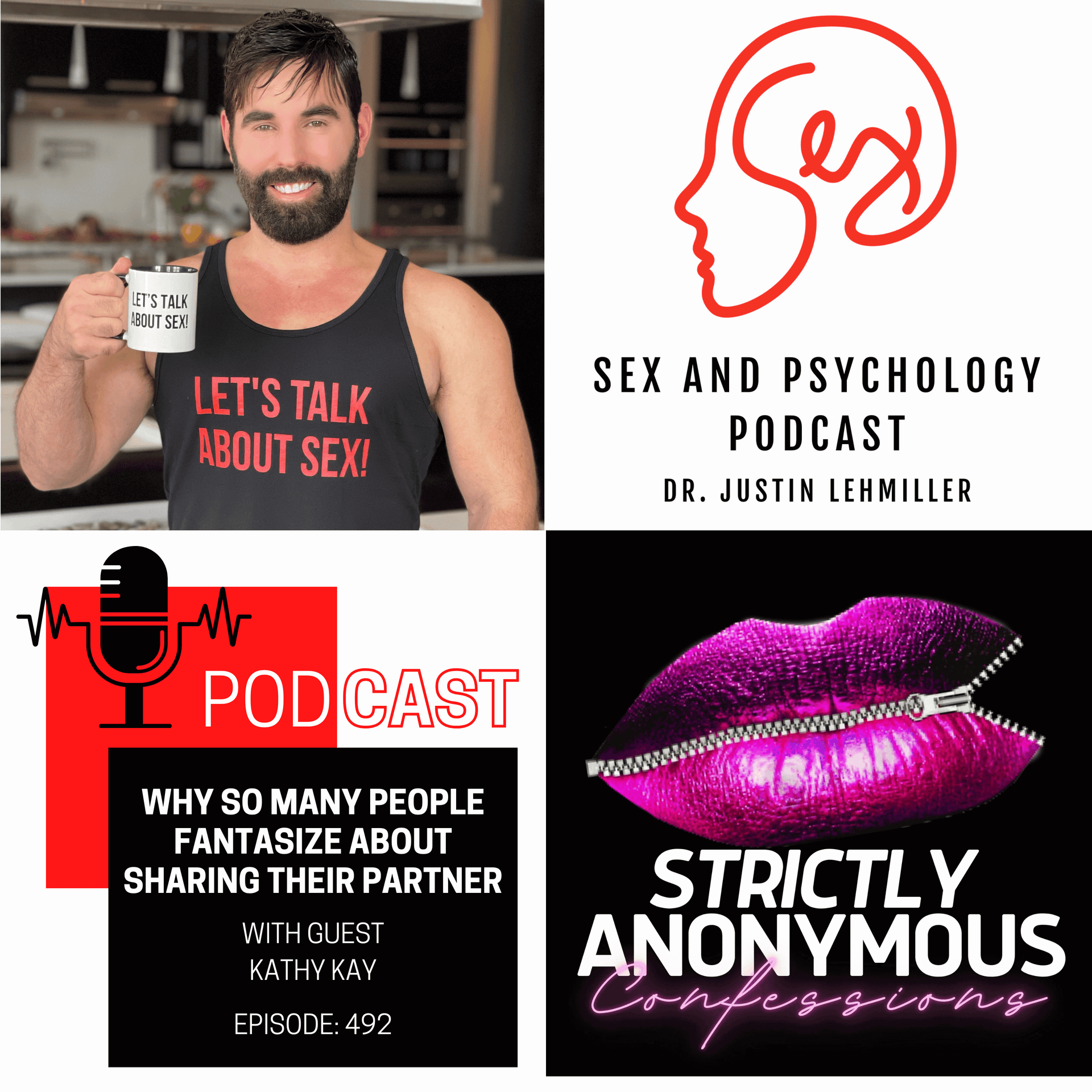
Episode 492: Why So Many People Fantasize About Sharing Their Partner
Apr 1400:36:42Tap to summarizeBeing turned on by the idea of sharing your partner with someone else is a surprisingly common sexual fantasy, and it’s something many couples are actively exploring in real life. In today’s show, we’re diving into a practice known as hotwifing, including how common it is and the psychology behind it. My guest is Kathy Kay, host of the Strictly Anonymous Podcast and author of the new book Strictly Anonymous Confessions: Secret Sex Lives of Total Strangers, a collection of real, unfiltered stories from people revealing their most private sexual thoughts and experiences. Some of the specific topics we explore include: What is hotwifing, and how is it similar to or different from cuckolding? What are some common themes involved in hotwifing fantasies? Why is hotwifing appealing to so many people? What are people’s experiences with hotwifing like? To learn more, check out the Strictly Anonymous website. Got a sex question? Send me a podcast voicemail to have it answered on a future episode at speakpipe.com/sexandpsychology. *** Thank you to our sponsors! Let this Mother’s Day be a reminder that she deserves care, too. Discover how Cozy Earth turns everyday routines into moments of softness and ease. Head to cozyearth.com and use my code JUSTIN for an exclusive 20% off. Passionate about building a career in sexuality? Check out the Sexual Health Alliance. With SHA, you’ll connect with world-class experts and join an engaged community of sexuality professionals from around the world. Visit SexualHealthAlliance.com and start building the sexuality career of your dreams today. *** Want to learn more about Sex and Psychology? Click here for previous articles or follow the blog on Facebook, Twitter, or Bluesky to receive updates. You can also follow Dr. Lehmiller on YouTube and Instagram. Listen and stream all episodes on Apple, Spotify, or Amazon. Subscribe to automatically receive new episodes and please rate and review the podcast! Credits: Precision Podcasting (Podcast editing) and Shutterstock/Florian (Music). Image created with Canva; photos used with permission of guest.
Transcribe →
Episode 491: Sex, Disability, And Barriers To Care
Apr 1000:29:17Tap to summarizeSex education and sexual healthcare rarely meet the needs of persons with disabilities. From limited access to information to barriers in care, millions are being left out. Today, we’re breaking down where these gaps come from, how they show up in everyday life, and what inclusive care would actually look like. I am joined once again by Dr. Kirsten Greer, a postdoctoral research fellow at the Kinsey Institute with the disability and sexual health initiative. Her research focuses on sexual consent, sexual violence, and sexuality and disability. Some of the specific topics we explore in this episode include: Why is disability so often left out of conversations about sexual health and education? What everyday barriers do people with disabilities face when accessing sexual and reproductive healthcare? How much of this comes down to gaps in provider training and knowledge? What needs to change to make sex education more inclusive of people with disabilities? You can learn more about Kirsten’s work and check out her publications here. Got a sex question? Send me a podcast voicemail to have it answered on a future episode at speakpipe.com/sexandpsychology. *** Thank you to our sponsors! If you’re ready to ditch the shady stuff and choose a libido supplement that’s effective and that you can feel confident about, it’s time to check out Drive Boost. Visit vb.health and use code JUSTIN for 10% off. If you’re looking to gain a broad understanding of human sexuality or refresh your knowledge, check out the upcoming Human Sexuality Intensive courses at the Kinsey Institute: https://kinseyinstitute.org/learning/human-sexuality-intensive.html *** Want to learn more about Sex and Psychology? Click here for previous articles or follow the blog on Facebook, Twitter, or Bluesky to receive updates. You can also follow Dr. Lehmiller on YouTube and Instagram. Listen and stream all episodes on Apple, Spotify, or Amazon. Subscribe to automatically receive new episodes and please rate and review the podcast! Credits: Precision Podcasting (Podcast editing) and Shutterstock/Florian (Music). Image created with Canva; photos used with permission of guest.
Transcribe →
Episode 490: Why People Say Yes To Sex They Don’t Want
Apr 700:29:31Tap to summarizeWanting sex and consenting to sex aren’t the same thing. Sometimes we agree to sex we don’t want, and other times we turn down opportunities for sex we do want. Today, we’re going to explore the distinction between wantedness and consent, including common reasons people agree to sex that they don’t actually desire. My guest is Dr. Kirsten Greer, a postdoctoral research fellow at the Kinsey Institute with the disability and sexual health initiative. Her research focuses on sexual consent, sexual violence, and sexuality and disability. Some of the specific topics we explore in this episode include: What is the difference between wanting sex and consenting to sex? Why do people sometimes turn down sex they genuinely desire? What happens when there’s a mismatch between wantedness and consent? How do people feel about that? What does healthy sexual agency look like in practice? You can learn more about Kirsten’s work and check out her publications here. Got a sex question? Send me a podcast voicemail to have it answered on a future episode at speakpipe.com/sexandpsychology. *** Thank you to our sponsors! If you’re ready to ditch the shady stuff and choose a libido supplement that’s effective and that you can feel confident about, it’s time to check out Drive Boost. Visit vb.health and use code JUSTIN for 10% off. Passionate about building a career in sexuality? Check out the Sexual Health Alliance. With SHA, you’ll connect with world-class experts and join an engaged community of sexuality professionals from around the world. Visit SexualHealthAlliance.com and start building the sexuality career of your dreams today. *** Want to learn more about Sex and Psychology? Click here for previous articles or follow the blog on Facebook, Twitter, or Bluesky to receive updates. You can also follow Dr. Lehmiller on YouTube and Instagram. Listen and stream all episodes on Apple, Spotify, or Amazon. Subscribe to automatically receive new episodes and please rate and review the podcast! Credits: Precision Podcasting (Podcast editing) and Shutterstock/Florian (Music). Image created with Canva; photos used with permission of guest.
Transcribe →
Episode 489: How Poppers Changed Sex
Apr 300:26:05Tap to summarizeHumans have always looked for ways to enhance sex, but some of the most popular tools weren’t even meant for that purpose at all. One drug, originally developed for heart conditions, made its way into nightlife and became closely tied to sex. In today’s episode, we’re talking all about poppers, including how they work, how they became linked to pleasure, and why they’re still so controversial. I am joined once again by Adam Zmith, a writer and multi-format producer. His books include Deep Sniff: A History of Poppers and Queer Futures, as well as Solemates: A History of Our Fetish for Feet. Some of the specific topics we explore include: What exactly are poppers? Why do people use them to enhance sex? How did they become embedded in queer nightlife? What myths have fueled stigma around them? Are there any risks in using them? Check out Adam’s website to learn more about his work. Got a sex question? Send me a podcast voicemail to have it answered on a future episode at speakpipe.com/sexandpsychology. *** Thank you to our sponsors! If you’re looking to gain a broad understanding of human sexuality or refresh your knowledge, check out the upcoming Human Sexuality Intensive courses at the Kinsey Institute: https://kinseyinstitute.org/learning/human-sexuality-intensive.html *** Want to learn more about Sex and Psychology? Click here for previous articles or follow the blog on Facebook, Twitter, or Bluesky to receive updates. You can also follow Dr. Lehmiller on YouTube and Instagram. Listen and stream all episodes on Apple, Spotify, or Amazon. Subscribe to automatically receive new episodes and please rate and review the podcast! Credits: Precision Podcasting (Podcast editing) and Shutterstock/Florian (Music). Image created with Canva; photos used with permission of guest (Adam Zmith headshot by Jade Smith).
Transcribe →
Episode 488: How Feet Became A Popular Fetish
Mar 3100:28:23Tap to summarizeWhen I surveyed more than 4,000 adults about their sexual fantasies for my book Tell Me What You Want, I found that 1 in 7 people had fantasized about feet or toes. In today’s episode, we’re exploring the fascinating history of foot fetishes, the psychology behind attraction to feet, and why men seem more likely to report this interest than women. My guest is Adam Zmith is a writer and multi-format producer. His books include Deep Sniff: A History of Poppers and Queer Futures, as well as Solemates: A History of Our Fetish for Feet. Some of the specific topics we explore in this episode include: How long have foot fetishes existed? What draws people to feet in the first place? How common are foot fetishes? Why do women’s feet seem to be fetishized more than men’s? Check out Adam’s website to learn more about his work. Got a sex question? Send me a podcast voicemail to have it answered on a future episode at speakpipe.com/sexandpsychology. *** Thank you to our sponsors! Passionate about building a career in sexuality? Check out the Sexual Health Alliance. With SHA, you’ll connect with world-class experts and join an engaged community of sexuality professionals from around the world. Visit SexualHealthAlliance.com and start building the sexuality career of your dreams today. *** Want to learn more about Sex and Psychology? Click here for previous articles or follow the blog on Facebook, Twitter, or Bluesky to receive updates. You can also follow Dr. Lehmiller on YouTube and Instagram. Listen and stream all episodes on Apple, Spotify, or Amazon. Subscribe to automatically receive new episodes and please rate and review the podcast! Credits: Precision Podcasting (Podcast editing) and Shutterstock/Florian (Music). Image created with Canva; photos used with permission of guest (Adam Zmith headshot by Jade Smith).
Transcribe →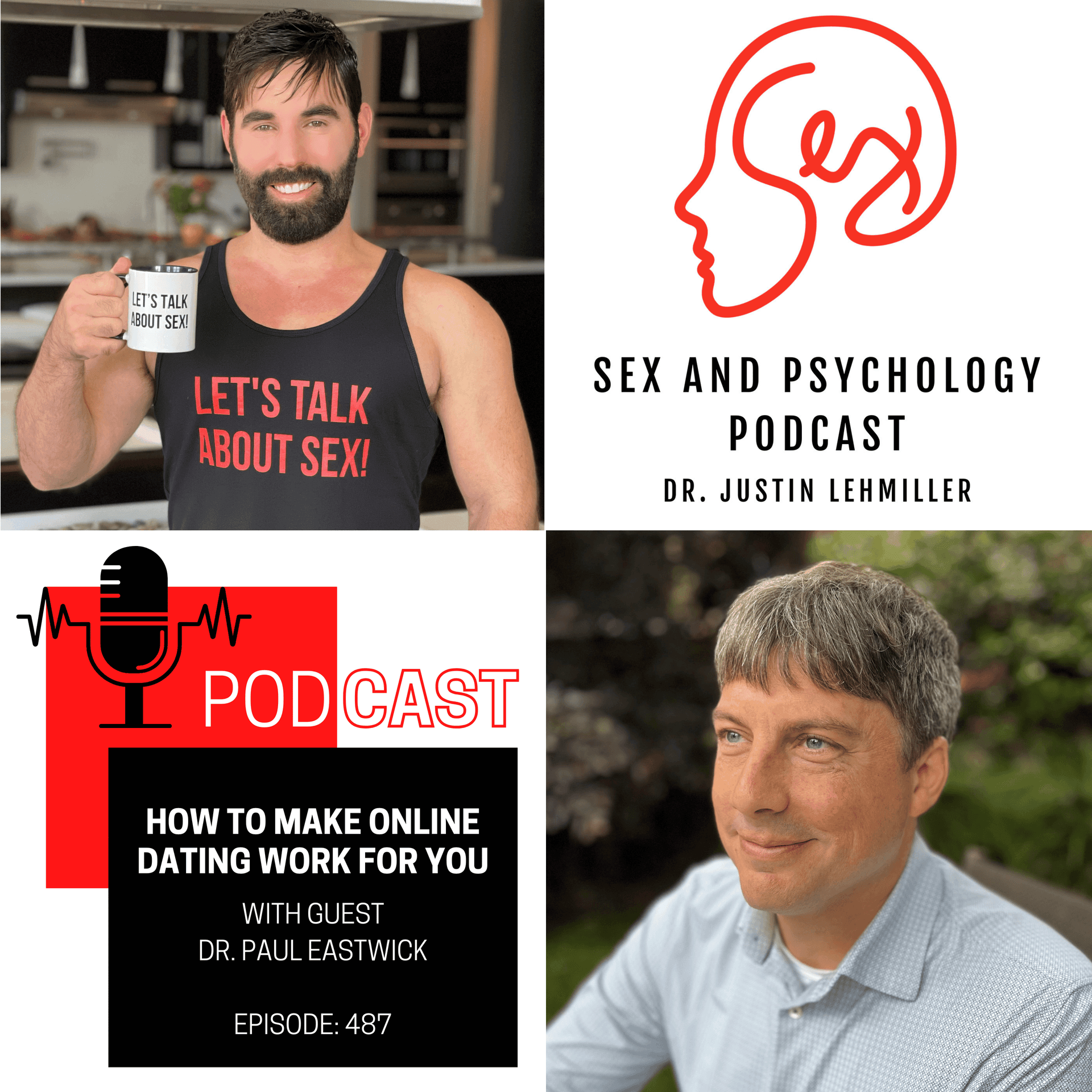
Episode 487: How To Make Online Dating Work For You
Mar 2700:33:20Tap to summarizeDating apps make it seem like you can swipe your way to the perfect partner. But attraction isn’t something we can fully predict from profiles. It emerges through interaction. So what happens when we try to optimize something that’s inherently unpredictable? In this episode, we break down the psychology of online dating and how to approach it more effectively. I am joined once again by Dr. Paul Eastwick, a Professor of Psychology at UC Davis, where he serves as the head of the Social-Personality Psychology program. He hosts the popular podcast Love Factually with his long-time colleague, Eli Finkel, where they analyze rom-coms and romantic dramas from the perspective of relationship science. Paul is also author of the new book Bonded by Evolution. Some of the specific topics we explore in this episode include: Why might using multiple dating strategies improve your odds? Can AI predict attraction better than we can ourselves? How accurate are first impressions on dating apps? Is there an optimal timeline for meeting in person after matching? What strategies lead to healthier online dating experiences? You can check out Paul’s website to learn more about his work. Got a sex question? Send me a podcast voicemail to have it answered on a future episode at speakpipe.com/sexandpsychology. *** Thank you to our sponsors! Head to https://paired.com/JUSTIN and download the #1 app for couples to start maintaining your lasting love today. If you’re looking to gain a broad understanding of human sexuality or refresh your knowledge, check out the upcoming Human Sexuality Intensive courses at the Kinsey Institute: https://kinseyinstitute.org/learning/human-sexuality-intensive.html *** Want to learn more about Sex and Psychology? Click here for previous articles or follow the blog on Facebook, Twitter, or Bluesky to receive updates. You can also follow Dr. Lehmiller on YouTube and Instagram. Listen and stream all episodes on Apple, Spotify, or Amazon. Subscribe to automatically receive new episodes and please rate and review the podcast! Credits: Precision Podcasting (Podcast editing) and Shutterstock/Florian (Music). Image created with Canva; photos used with permission of guest.
Transcribe →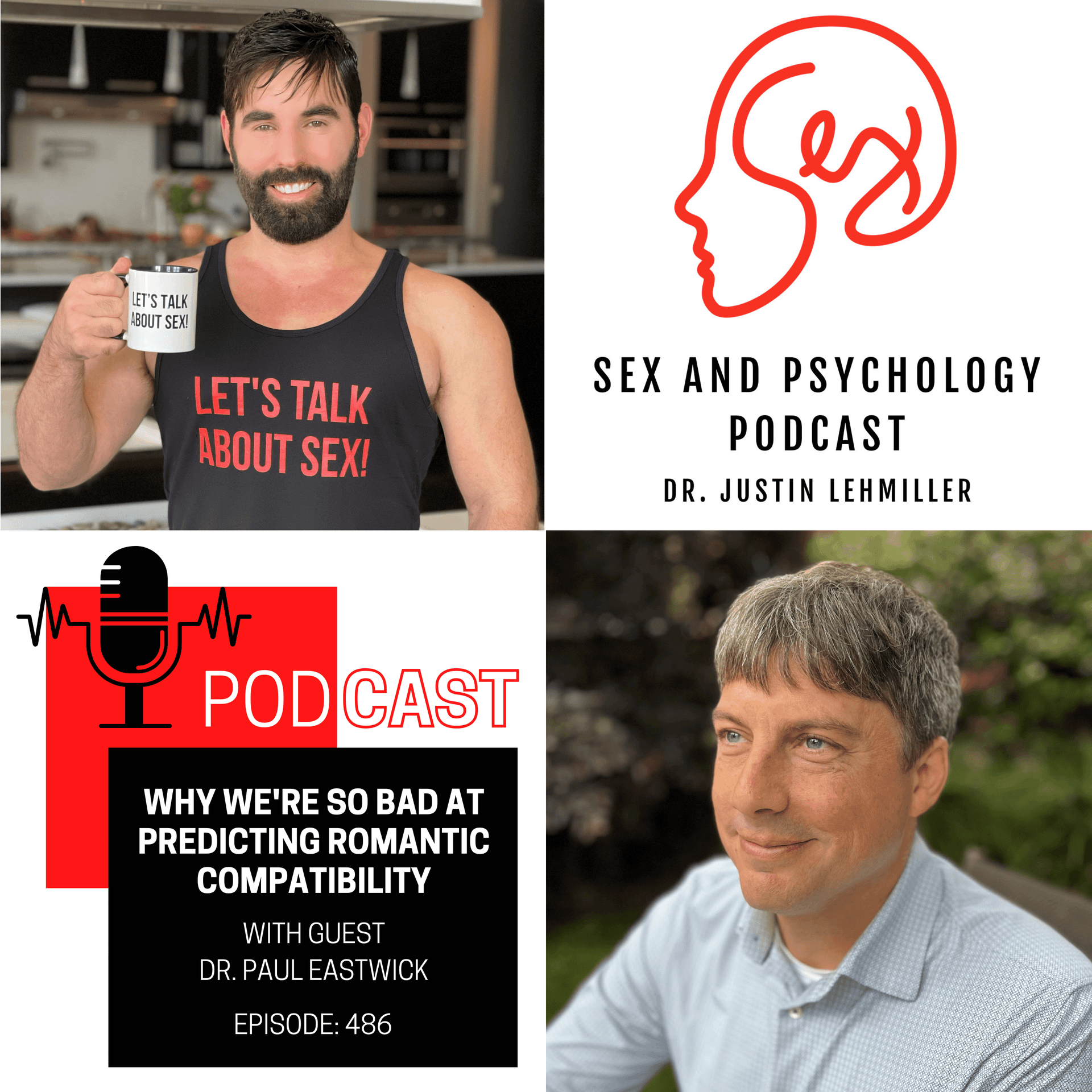
Episode 486: Why We’re So Bad At Predicting Romantic Compatibility
Mar 2400:30:22Tap to summarizeMost of us think we know what we’re looking for in a partner. We have a “type,” a mental checklist, and the belief that if someone checks enough boxes, everything else will fall into place. But decades of research suggest that attraction and compatibility don’t work that way. In this episode, we’ll unpack how attraction really unfolds and why chemistry is so hard to predict. My guest is Dr. Paul Eastwick, a Professor of Psychology at UC Davis, where he serves as the head of the Social-Personality Psychology program. He hosts the popular podcast Love Factually with his long-time colleague, Eli Finkel, where they analyze rom-coms and romantic dramas from the perspective of relationship science. Paul is also author of the new book Bonded by Evolution. Some of the specific topics we explore in this episode include: What’s the link between what we say we want and who we actually fall for? Do we really have a “type” when it comes to romantic partners? Why is it so hard to predict whether two people will feel a spark? How can we improve our chances of finding a compatible partner? How much does long-term satisfaction depend on initial compatibility? You can check out Paul’s website to learn more about his work. Got a sex question? Send me a podcast voicemail to have it answered on a future episode at speakpipe.com/sexandpsychology. *** Thank you to our sponsors! Discover how care in every detail transforms simple routines into moments of true comfort and ease. Head to cozyearth.com and use my code JUSTIN for up to 20% off. Experience the craft behind the comfort with Cozy Earth, and make every day feel intentional. *** Want to learn more about Sex and Psychology? Click here for previous articles or follow the blog on Facebook, Twitter, or Bluesky to receive updates. You can also follow Dr. Lehmiller on YouTube and Instagram. Listen and stream all episodes on Apple, Spotify, or Amazon. Subscribe to automatically receive new episodes and please rate and review the podcast! Credits: Precision Podcasting (Podcast editing) and Shutterstock/Florian (Music). Image created with Canva; photos used with permission of guest.
Transcribe →