Podcast
Shoe Leather
Hosted by Columbia Journalism School · EN
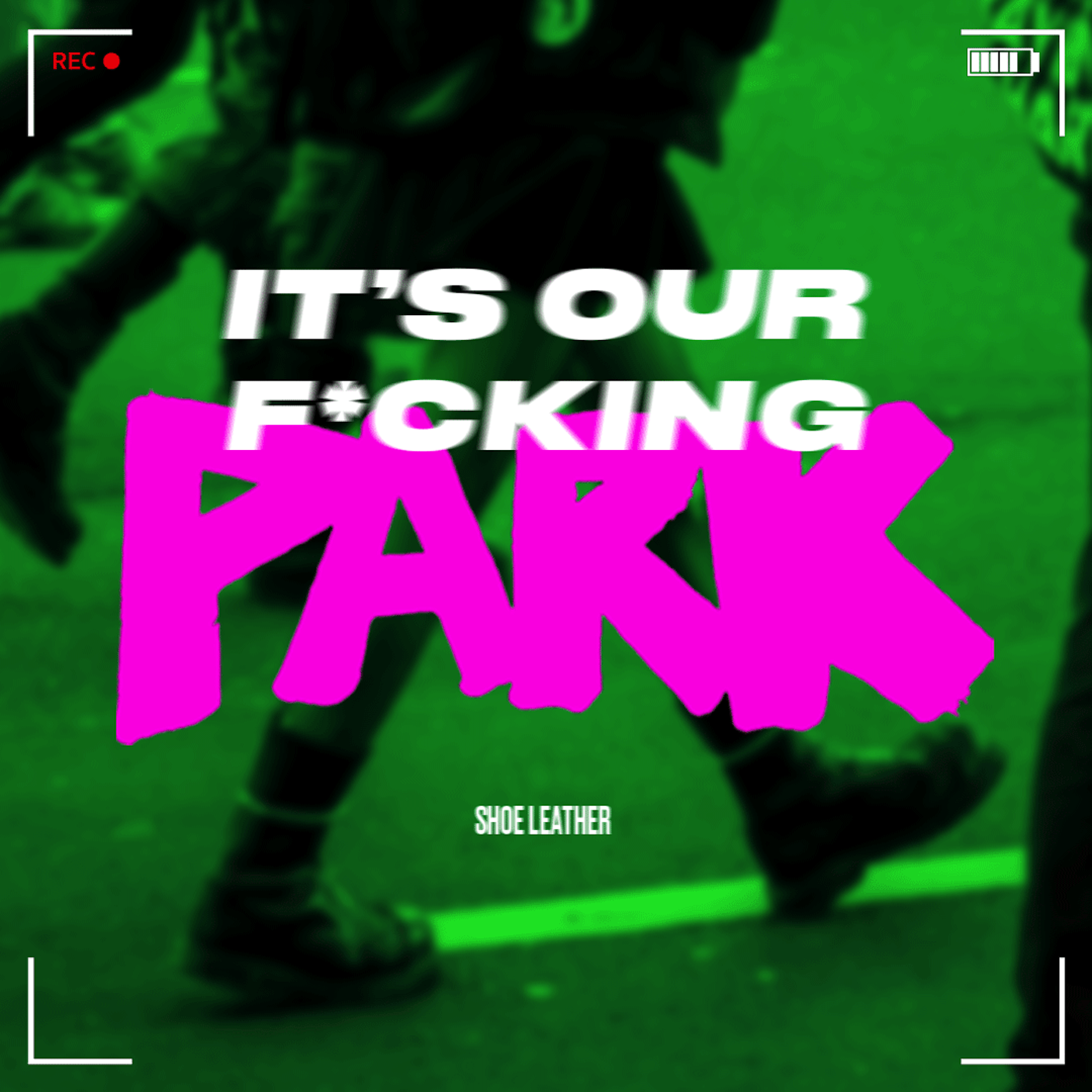
Shoe Leather is an investigative podcast that goes behind the scenes of forgotten stories that shaped New York City. Go along with the team as they knock on doors and track down the people who were at the center of the news.
This season we are focusing on the events leading up to the Tompkins Square Park Police Riot that began the night of August 6, 1988. Prior to that night, people living in the neighborhood had complained that drug dealers, the unhoused and “punks” had taken over the park. In response, local government officials ordered a 1 a.m. curfew to be enforced by police. A rally to protest the curfew was held that night and violence ensued. Police officers openly beat protestors and bystanders. More than 100 complaints of police brutality were filed with the Civilian Complaint Review Board.
Find out what really happened that night, and how it forever changed the Lower East Side.
10episodes
Episodes
Newest firstAll episodes

The Butcher Of Tompkins Square Park
May 12, 202300:43:51Tap to summarizeDaniel Rakowitz would often wander around Tompkins Square park holding a Bible and carrying a live rooster. Everyone in the neighborhood knew him, or knew of him. In 1989 - Daniel would go on trial for the brutal and complicated murder of Monika Beerle. Turns out, he'd told people he was going to kill her. So, why didn't anyone listen? This episode is “The Butcher of Tompkins Square Park.”
Transcribe →10-85
May 11, 202300:35:01Tap to summarizeOver 400 police officers clashed with 200 civilians on the streets of the Lower East Side, in the late hours of August 6, 1988. Ralph Grasso, a retired NYPD officer, take us back to one of the most notorious nights in New York city history, the Tompkins Square park riot. Months after the riot, Ralph himself was in deep trouble. In this episode, we hear an NYPD’s perspective of what happened the night policing and crowd control methods changed forever. It was a year where hand held video cameras were used, where hours of footage captured behaviour that left a stain on the NYPD for a long time to come.
Transcribe →The Party’s Over
May 9, 202300:44:54Tap to summarizeMonths after the 1988 Tompkins Square Park riot, a TV news report blamed some of the violence from that night on a local punk band called Missing Foundation. Led by artist Peter Missing, the band was known for trashing venues, spreading anti-gentrification slogans, and – according to the TV report – even had Satanic beliefs. In this episode, Lindsey Choo and Patrick Hagan set out to learn who Peter Missing was and what role he played in the riot, if any.
Transcribe →Where The Riot Ended
May 9, 202300:27:21Tap to summarizeOn the night of August 6th, 1988 a police riot erupted in NYC's Tompkins Square Park — the heartland of punk music, anarchy and activism in the Lower East Side. The riot ended when protesters broke through the lobby of the Christodora House. This episode covers how one building became the symbol of class warfare in the 80s.
Transcribe →
The Miracle Baby
May 20, 202200:46:33Tap to summarizeOn September 10, 2001, New York City newspapers reported that a newborn baby girl was found alone on a rock in Central Park — with her umbilical cord and placenta still attached. They said the baby was abandoned. And the mother could potentially face charges for leaving her child unsafe in one of the biggest parks in the world. Around the same time, New York had just enacted the Abandoned Infant Protection Act, which allowed a mother to legally and safely relinquish her child to a fire department, police department, hospital or church. People around the city wondered: Why wouldn't the baby's mom take advantage of the law, known as the Safe Haven law, and save herself the trouble? "The Miracle Baby" is about the journey of two curious reporters searching for the baby born just before 9/11, also looking to find out what societal conditions would lead a mom to feel like abandonment was the only choice. They encounter a world of inaccurate reporting, a man who helps deliver babies for a living, and a now 20-year-old woman who may or may not know her origin story.
Transcribe →That’s so 9/10
May 17, 2022Tap to summarizeIn 2001, fashion week began with big budgets, colorful collections and extravagant parties. It was a much anticipated season - fashion magazines had predicted it to be the biggest yet. But on the morning of its fifth day all of that changed. In this episode, we go back in time to look at how the fashion industry reacted to the September 11 attacks. We wanted to know, during times of social and political disruption, is fashion a distraction or is there something helpful — perhaps necessary — about it? From the 9/11 attacks, to war, to a worldwide pandemic, how does fashion reflect the time we live in? To find out, we talked to designers Kenneth Cole, Liz Lange and Adam Lippes among others. Does fashion reflect society? Does it have the power to soothe and help heal crisis driven era’s?
Transcribe →The Almost Mayor
May 16, 202201:01:04Tap to summarizeSeptember 11, 2001 was supposed to be primary day in New York City. As the divisive tenure of Mayor Rudy Giuliani was winding down, the city seemed poised to elect a more inclusive mayor. The Democratic frontrunner, progressive Mark Green, appeared to fit the part. But when the Twin Towers went down, voting in the primary was halted. In the following weeks, many New Yorkers embraced Giuliani, who was anointed America’s Mayor. In this new, unknown New York, there were no certainties. The moment of unity before the attacks was lost. And instead of Green, New Yorkers elected a little-known Republican billionaire named Mike Bloomberg. This is a story about how our principles are tested in times of crisis. https://shoeleather.podcasts.library.columbia.edu/
Transcribe →The Disappeared
May 13, 202200:40:05Tap to summarizeOn the night of September 10th, Sneha Philip went shopping, then stayed out for the night. In upstate New York, Juan Lafuente rested before a morning commute to Wall Street. A mother in Mexico looked forward to a weekly call from her son, Fernando Molinar, one of a number of undocumented immigrants worked in or…
Transcribe →The Party
May 12, 202200:44:06Tap to summarizeOn the morning of September 11, 2001, news trucks lined the driveway of Horace Greeley High School in Chappaqua, N.Y. Reporters were on campus covering one of the biggest stories of the day. A group of football players had thrown a party that triggered a national media storm. The story launched the suburban high school…
Transcribe →The Other Hijacker
May 10, 202200:54:42Tap to summarizeIn 1971, Patrick Critton helped rob a bank as part of a Black separatist group and, to escape capture, became the first person to successfully hijack a plane in Canada. He spent 30 years on the run until he was arrested and pleaded not guilty on Sept. 10, 2001. Less than 24 hours later, the 9/11 attacks left him as an ironic footnote in history. "The Other Hijacker” is a story about dedication and pursuit, about how far people are willing to go – and what they’re willing to sacrifice – for their beliefs. But it's also about identity and redemption, about how the only way to determine a legacy is to keep writing the next chapter. For more information about “The Other Hijacker,” including photos, videos and references, visit our website http://www.shoeleather.org.
Transcribe →