← Sibling Revelry with Kate Hudson and Oliver Hudson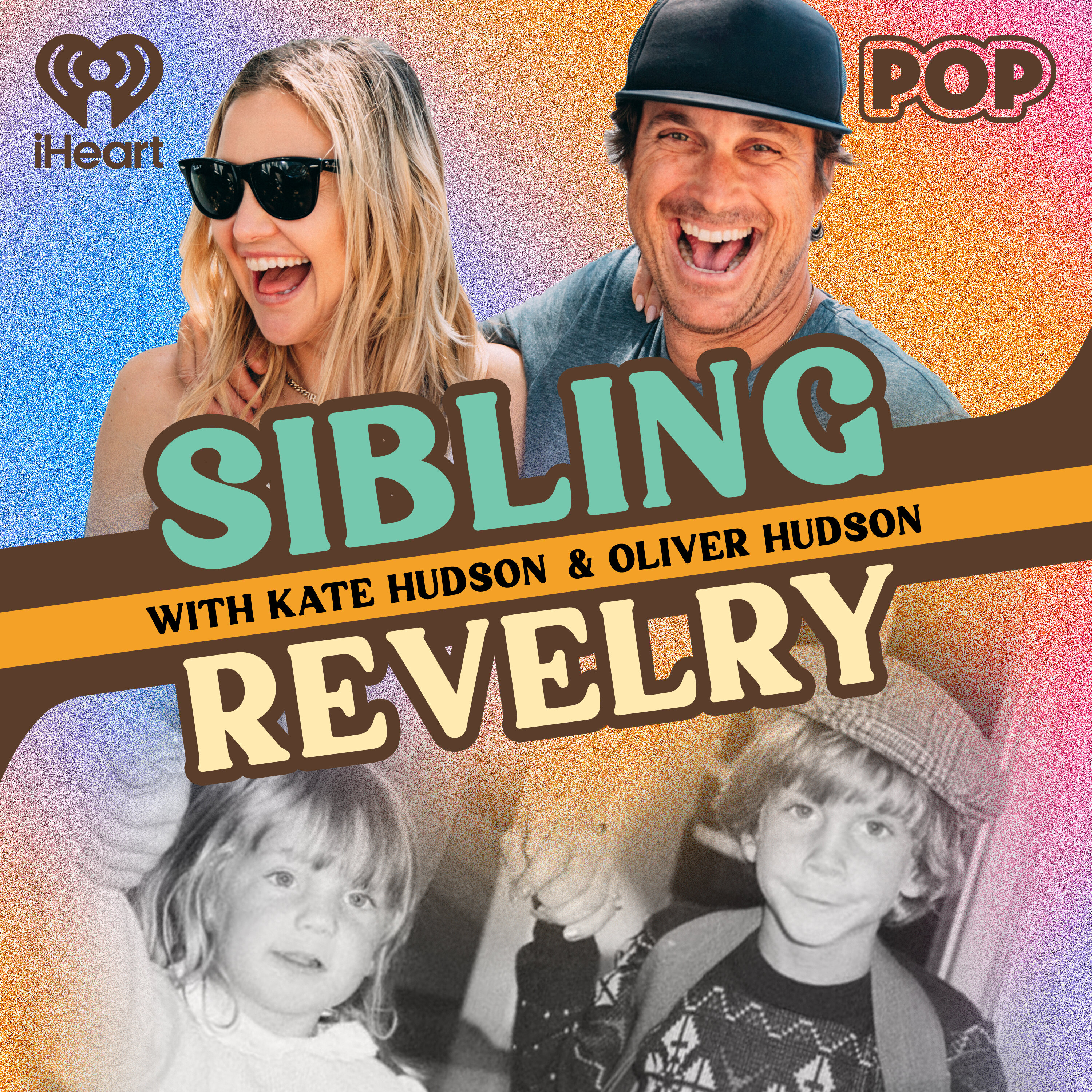
Sibling Revelry with Kate Hudson and Oliver Hudson
Revel In It: How to Help Your Kids Feel Blessed, Not Stressed
00:50:23
Loading summary
Transcript147 lines
- [00:00]
Oliver Hudson
This is an I Heart podcast.
- [00:04]
Kate Hudson
One of the things I love most about what I do is that I'm always going to new places and experiencing new things whether it is close to home or far from home. And this month I'm actually headed to Napa, California. I'm doing my first festival gig. I am super excited and what was the first thing I did is I went on Airbnb to look at what homes were available in case I wanted to bring the entire family up and we could all be under one roof. So if you're on the road like me and you're always looking for a place to bring your family, Airbnb is the best way to live like a local. And then if you're going away, why not make some extra money by hosting your home on Airbnb? And with the co host network you have the option to hire a high quality local co host who can manage your reservations, provide on site support and even assist with with designing and styling so that way you can focus your energy on enjoying your time away without any hassle. So find a co host@airbnb.com host with.
- [01:07]
Ryan Seacrest
T mobile no Trendspotter has to deal with Trendspotty service because T Mobile helps keep you connected from the heart of Portland to right where you are on America's largest 5G network. Switch now keep your phone and T Mobile will pay it off at the $800 per line via prepaid cart. Visit your local T Mobile location or or learn more@t mobile.com KeepAndSwitch up to four lines via virtual prepaid card. Allow 15 days qualifying unlock device credit service report in 90 plus days device knowledgeable carrier and timely redemption required Card is no cash access and expires in six months.
- [01:37]
Ashley Graber
You see the world differently where others see empty lots, you see blueprints where others sit in lecture halls. Future leaders choose Ferris State University to build something real. Ready to dig in and learn through action. Ferris State gives you the tools, the team and training to unleash your potential with paths to high demand careers and in state tuition for non residents. At Ferris State, students don't just study, they build. They lead. They succeed. Visit Ferris. Edu Ferris State University we build champions.
- [02:06]
Maria Evans
Hey, it's Ryan Seacrest for Albertsons and Safeway now through June 17th. Shop in store or online for your favorite personal care Items and save $5 when you spend $15 or more. Stock up on items like Dove Body Wash, Degree Motion Sense De Deodorant, Tresemme, Hairspray, Dove Shampoo, Dove Bar Soap Dove Men's Body and face Wash and Dollar Shave Club blades. And save $5 when you spend $15 or more. Hurry in before these deals are gone. Offer ends June 17. Promotions may vary. Restrictions apply. Visit albertsons or safeway.com for more details.
- [02:38]
Oliver Hudson
This is Justin Richmond from Broken Record. Are you the kind of person who sets standards for themselves? Like, personally, I told myself if the Lakers lose their do or die game five, I wouldn't let it impact my mood at home with family. The standard Lexus has set for themselves is to experience amazing. Lexus measures success by the feelings and emotions evoked in a driver, like exhilaration and joy. Amazing can only be achieved by knowing people on a deeper level. The standard of amazing results in machines that make you feel more human. Because a car that doesn't make you feel something is a car that stops short of amazing. Experience. Amazing at your Lexus dealer.
- [03:19]
Justin Richmond
Hi, I'm Kate Hudson.
- [03:21]
Oliver Hudson
My name is Oliver Hudson.
- [03:22]
Kate Hudson
We wanted to do something that highlighted.
- [03:25]
Oliver Hudson
Our relationship and what it's like to be siblings. We are a sibling revelry. No, no sibling revelry.
- [03:39]
Kate Hudson
Don't do that with your mouth.
- [03:43]
Oliver Hudson
Sibling revelry. That's good. Ah, Oliver Hudson. It's Oliver Hudson. Oliver Rutledge Hudson. I just went on a run and I'm a little sweaty and I'm taking a million supplements and I'm injecting myself with peptides and I'm getting to this place. It's strange where I don't even know who I am anymore. I'm transitioning from like an old Oliver to a kind of a new Oliver, shedding a bit of skin, so to speak. Like a snake. Where all of a sudden I'm not drinking, I'm not smoking cigarettes, I'm not doing anything, I'm eating healthy, I'm taking supplements and I feel incredible. But at the same time, I'm like, who am I? I have to, like, adjust to this new me and not sure how it's going anyway. Maybe I can talk to our guests about these issues, even though they are. I think they're child therapists, but I think they're family and child. So their parents do. Maybe. Maybe they can help me out. This is a pretty good segue. It was unintentional, but Ashley Graber and Maria Evans, let's bring them on and let's. Let's talk about my. My problems, shall we?
- [05:16]
Justin Richmond
Hi there. Hi, Oliver.
- [05:18]
Oliver Hudson
Hey, guys. How are you?
- [05:20]
Unknown
Oh, good. Nice to meet you.
- [05:24]
Oliver Hudson
So in my intro, because I do weird intros and you know, whatever. But I was talking about myself. We're gonna get into kids. I've been in therapy for a thousand years. I went to the Hoffman Institute. I'm always trying to work on my shit. It's never ending. And I think that is a comforting thing to sort of think about because we're looking for an end and there is no end. We are all going to suffer throughout our lives, but it's just about mitigating it and understanding why we suffer, which helps, right? I mean, this is my own interpretation. Suffering may be a large word, but you know, it's a never ending process because there is no end. We can always sort of be better. We can always be introspective and want to understand who we are. Sometimes though, I wish I didn't because I know people who don't give a shit, you know, and it's almost like their lives are better because they just don't care. They just accept who they are, all flaws and everything and have no desire to sort of change or shift. So there's no anxiety attached to it. You know, I'm anxiety prone, you know, since my 20s. I'm on Lexapro and you know, I'm a very sensitive sort of being, I guess. But anyway, I was just talking in my intro about how I'm starting this new sort of chapter in my life where I am held on a health kick. I was drinking too much, I was smoking cigarettes, I was just in a foggy, shitty place. I decided to do a battery of tests, taking supplements, taking peptides, not drinking, and I feel incredible. Okay, but here's the, here's the psychology. It almost feels like I don't know who I am anymore. Strangely, I'm so used to that other person that there is some anxiety around even feeling like my best self because I'm transitioning into sort of someone who I'm not too familiar with. Does this make sense in any way?
- [07:33]
Unknown
It does. It absolutely makes sense. It, you know, when we are used to doing things a certain way, getting to know doing it a different way is uncomfortable because it's unknown. We sometimes talk about if there's a dirty pond and a clear pond and you're used to swimming in the dirty pond, but somebody says, hey, there's a clear pond next door, why don't you go swim in? It makes a lot of sense. You'd want to go get in that clear pond. But most people get in that clear pond and say, wait a minute, I don't know this pond at all. I'm Going to go back to the one that I know. And it's not that we're going to make changes overnight or be used to things. We kind of have to get used to this idea of we're going to take one. It's that idea of like one. One step forward, a couple steps back. We're going to. We're going to try to get used to something and maybe default back to what we already know as we're moving towards something different.
- [08:32]
Oliver Hudson
Yeah, yeah, yeah, totally. I mean, I have friends who are like that in sort of the dating world, you know, older guys like my age or 50 who are so used to living and so comfortable in the chaos that in order to step into something healthy, they can't. You know what I mean? It's easier to live in the pain of the chaos and the uncertainty in the back and the fourth, even though it's soul destroying for them and they don't understand why. Why can't I find love? Why can't I do this? Well, because you're just comfortable in the why. You're comfortable in all of that, you know, and when you make an effort to step outside and to find some purity or try to work on yourself, it's like, ah, fuck that. Let me just go back to this. So interesting.
- [09:17]
Justin Richmond
Yeah. And as. As someone who's done a lot of therapy, you probably know that our unconscious minds are drawn to recreating the patterns that we're used to, even if they're not good for us. So we'll find ourselves drawn again and again in the same dynamics, the same situations, not wanting to be, but just drawn there. And part of therapy is becoming more aware so that you can make a different choice.
- [09:40]
Oliver Hudson
Do you think that's a learned behavior or do you think there's. It's a primal thing? You know, I'm wanting from an evolutionary standpoint, and I'm going back and getting a little deeper on it. But, you know, I totally agree with that. Our subconscious sort of takes us back to those things. I wonder if that was some sort of a defense mechanism, you know, know, for back in the day, or if this is something that is sort of environmental, so to speak.
- [10:03]
Justin Richmond
That's a very good question. I guess I would wonder, when did the unconscious mind develop? Did cavemen have an unconscious or were they just operating out of pure impulse, you know, and, and where did those behavioral patterns get set? We know that once you're used to even, you know, opening your milk a certain way or opening the door a certain way, that you're going to do it every single time the same way. Right. So we know some things are totally wired.
- [10:28]
Oliver Hudson
That's a great question. Early man caveman. I mean, did they have. I think, of course, they must have had an unconscious mind. How. Why wouldn't they?
- [10:37]
Justin Richmond
Yeah. I mean, we know that animals dream.
- [10:39]
Oliver Hudson
Yeah. Yeah. Oh, I've tapped into something. Maybe that's our next. That's our next book, the three of us. This is Caveman, the Unconscious Mind.
- [10:50]
Justin Richmond
That's right. Let's go back to those times. How did cavemen date?
- [10:59]
Oliver Hudson
I mean, honestly, it would be. Would be pretty cool. That's right. A dating book for the caveman. Well, I love that you guys are into the child world, you know, and doing what you're doing. I have three kids, as I told you. I have experienced anxiety in my life. And my. My oldest, when he was in eighth grade, went through it, and it started with him sort of disassociating and telling me that he doesn't feel real, which I could completely relate to him. I was like, ah, fuck. You know, I was like, good news, bad news. Bad news is I know where this is going. Good news is, is that I've been through this, so I can help you, you know, and I'm. I'm not fearful, you know, And I had to keep him home for like a month. We did, my wife and I, because he was just in this space, and we didn't put him on medication, and, you know, I didn't want to do that. He was young, and he was just journaling, and I taught him some meditations, and, you know, he would sit outside and write in his journal, sort of things that I did to help myself get out of it in my 20s. And it seemed to have worked. You know, I guess the question is, children, anxiety, you know, how much of an uptick are you seeing? And what are some of the best sort of ways to speak to your child if you haven't experienced yourself to try to help the little one?
- [12:25]
Unknown
It's kind of one of the most common questions we get is if we see anxiety rising in kids and we really have seen a lot more anxiety. Kids are exposed to a lot more. They're experiencing things at earlier ages, and the world is more worrisome. I mean, it's kind of why we named the book, gave the book the title that we did, Raising Calm Kids in a World of Worry. Because there is so much. And the thing that we would start by saying is really, listen, if you don't know what it is, that's going on to listen to what a child is saying and believe them, like what you said, just believe what they're saying and try not to dismiss it or fix it, which is what we often want to do. When a problem is brought to us, then we feel uncomfortable with it because maybe we don't know about it or we just don't want the person to be suffering that is bringing us something.
- [13:35]
Justin Richmond
Yeah, it's. It's such a hard time to parent right now because there's so much coming at parents. It's a totally different time. There's technology, there's AI, there's all these different things. There's the news, there's social media, everything that none of us had to deal with as kids, really. And so parents are really met with this great challenge, which is how do I raise a kid that's not completely terrified of the world that I don't even know how to walk them through? So our book is all about, and our philosophy is about the idea that you can raise kids who generally have a greater sense of safety through the way that you parent. So that even when they do feel anxious, they have those tools, they know what it is, they can come to you, they've got a sense of belonging in the family. And so we've got all kinds of tips and, you know, whatever you'd like to chat about, we can kind of go in that direction. But so many ways to parent, to create that environment so that they're not shaking in their boots every day, you know, and so you're not either.
- [14:38]
Oliver Hudson
There's not one right way to do it. Right. All kids are different, all parents are different. But as far as the freedoms that our kids don't have anymore because of the fears that we have as parents, how do you navigate that so they're not afraid of everything and sheltered.
- [14:57]
Unknown
Such a good question. And building a strong connection to your kids is going to be such an important piece of it because as you said, there are things going on that we have to deal with. And if a child feels like they can come and talk to you about it, whatever it is, then then you can let them roam a little bit more free, that if they feel like they can come back. I remember growing up, we had this contract that if there somebody was drinking and driving, we signed a contract with our parents. And if somebody was drinking and driving, you could call them, you call your parents and they would come and pick you up and there would be no conversation that night. You wouldn't get in trouble. You would talk about it the next day and, you know, whatever the family sort of decided in that moment, but that there was this understanding that you could fall back on your parents. And that's so much of what we try to teach, is that if you have this bond and you and your children know that you can come to you, then whatever is happening that's, that's changing in the world is, is okay for them. I mean, if you're, if you're talking about things like we get asked a lot about social media to teach good practices, to talk to your children about the things that are going on versus kind of ignoring it or not speaking about it, because in that way then a child knows, okay, I know I come to my parents, you know, or I know that they're going to be there to talk to me about something if, if there's something scary that comes up.
- [16:46]
Oliver Hudson
Hey, it's Oliver Hudson.
- [16:48]
Justin Richmond
It's Kate.
- [16:49]
Oliver Hudson
Kate Hudson. Kate, I know that you and I both travel a lot for work. You more than me. We've gotten to experience a lot of great places because of it. Now, if you had to choose one.
- [16:59]
Kate Hudson
Destination to visit again, I'd actually like to explore Portugal.
- [17:05]
Oliver Hudson
Mm, love that.
- [17:07]
Kate Hudson
Yes, you Ali.
- [17:08]
Oliver Hudson
I want the mountains. I'm going to go for somewhere in Wyoming. Oh, I like it.
- [17:12]
Kate Hudson
This is a great answer. Now, if you're on the road like we are and you're looking for these things, what's a great way to explore?
- [17:19]
Oliver Hudson
Okay, you know the answer to this. It's Airbnb. Is there any other place to go? It's a win win for me because I can scroll, I can love, I can dream, and I can book. And now Airbnb has made hosting EAS easier than ever with the Airbnb co hosts network where you can team up with a high quality local co host who will help you take care of your home and guests while you're away. So find a co host@airbnb.com host.
- [17:46]
Ashley Graber
You see the world differently. Where others see empty lots, you see blueprints where others sit in lecture halls. Future leaders choose Ferris State University to build something real. Ready to dig in and learn through action. Ferris State gives you the tools, the team and training to unleash your potential with paths to high demand careers and in state tuition for non residents. At Ferris State, students don't just study, they build. They lead. They succeed. Visit Ferris Edu Ferris State University we build champions with T Mobile.
- [18:17]
Ryan Seacrest
No trendspotter has to deal with trendspotty service because T Mobile helps keep you connected from the heart of Portland to right where you are on America's largest 5G network. Switch now. Keep your phone and T Mobile will pay it off up to $800 per line via prepaid card. Visit your local T Mobile location or learn more@t mobile.com keepandswitch up to 4 lines of your virtual prepaid card. Allow 15 days qualifying unlock device, credit service report in 90 plus days device ineligible carrier and timely redemption required. Card is no cash access and expires in six months.
- [18:46]
Maria Evans
Hey, it's Ryan Seacrest for Albertsons and safeway now through June 17th. Shop in store or online for your favorite personal care Items and save $5 when you spend 15 or more. Stock up on ID items like Dove Body Wash, Degree Motion Sense Deodorant, Tresemme Hairspray, Dove Shampoo, Dove Bar Soap, Dove Men's Body and face Wash and Dollar Shave Club blades and save $5 when you spend $15 or more. Hurry in before these deals are gone. Offer ends June 17. Promotions may vary. Restrictions apply. Visit albertsons or safeway.com for more details.
- [19:18]
Unknown
From prioritizing time to keep our bodies active to simply creating space to check on our well being, Happiness Lab listeners take their health very seriously. But when it comes to treating complex issues like heart disease, neurological disorders or even cancer, the right care can make all the difference. That's why Cleveland Clinic has been elevating world class patient care for over a century. Whether they're raising the bar in heart care, uncovering the mysteries of the brain, or researching new treatments for cancer, Cleveland Clinic continues to redefine what's possible for every breakthrough in health for every care in the world. Explore a wide array of health and wellness information by visiting clevelandclinic.org today.
- [20:04]
Oliver Hudson
Playing devil's advocate with that. You know, I think inherently kids are mischievous. That's just part of the growing up process. And I have created an open space for my kids to talk about whatever the hell they want. We're very liberal parents when it comes to that. You know what I mean? I haven't forgotten what I was like at 16, 17 years old and I don't want to be a hypocrite. And that's my biggest pet peeve is hypocrisy. That's why I can't stand politics. But that's a whole other discussion. So if I'm thinking about what I was doing at 15, 16, 17 and then getting on my kids for doing similar things, life doesn't feel good to me now. It doesn't mean I can't teach some sort of a lesson. Anyway, the door is always open for them. But they don't always tell the truth. They're always. They sneak, they do their shit. And my kid was very simple and he's a. They're all great, they're all great kids. But I was on him about something and why didn't you tell me this? It's always open door and you know that you can. And he goes, dad, what, am I supposed to just tell my dad everything I do? And I was like, wow, you know what? You're right. Of course you're not. This is a rite of passage. You try, you will get caught. Because I used to do it myself, so I know what's up. And now we have ring cameras and live360, so you're completely fucked. What about that though, you know, because we can't expect our kids to just be all open and honest and vulnerable all the time. Do we give them some leeway? I mean, I do. And for when they might lie or they might sneak out or they might do something mischievous or do we have to get on their asses?
- [21:43]
Justin Richmond
No, you've got it. You've got it, right? It's really important to be understanding of that process. They need privacy. You know, as they become teenagers, they. They start to really develop that sense of self that's totally separate from you. And that can be hard for a lot of parents, but, you know, they become really peer focused. But the thing to really think about in those preteen teen years is kids. As much as you want to be the totally cool parent, that's like, I know you're going to lie, I know you're going to smoke, I know you're going to drink. Kids need a boundary to push up against. So you don't want to be so, like you were describing, just so tight that you don't let them explore the world at all. But you also don't want to be all the way wide open because then they have absolutely nothing to push up against. So you want them to know something like, oh, my dad's totally going to kill me if I don't check in at midnight and tell him where I am. You want them to have that feeling so that they do check in, or so that maybe they don't come home at 12, but they come home at 12, 15 versus I know you're a teenager and you're just going to waltz in any time, so whatever, right? Because then they might come in at 4am, so right that makes sense. You want to keep in mind that your job is still to hold boundaries so that they get to experience going against them.
- [22:57]
Oliver Hudson
Yeah.
- [22:57]
Justin Richmond
The trick is finding where does that boundary lie so that they get to explore. But also, they don't just go completely haywire.
- [23:05]
Oliver Hudson
That's so important. I couldn't agree more. I mean, and I. I wrestle with that. We wrestle with that a little bit, but we have boundaries. But again, it's about figuring out sort of it. You know, it's like a. A dog pen for a puppy. Like, how. How small are you gonna make it, you know, or how big are you gonna make that? And. And I think that is to each their own. There is something. There's personal. It's personal. You know, for me, it's big moments, you know, like. Like the other day, my kids have these surrons. You know, they're like, basically motorcycles. I mean, it's. You know, they have helmets. My wife is. Cannot believe that I'm letting them do this, but, you know, they're. They. They ride around. They drive into Westwood. And my kid rode to school today, you know, on a surround. And I come home and the bikes are gone and the helmets are in the garage, and I'm lenient, but that's a big no, no. And they came back and I just ripped him. You know, I was like, dude, part of it is like, I give you so much. You know what I mean? Like, this is the. These. There are certain things where you sort of pick your battles, you know, so where they can sort of hear that and understand that. But you're right. The boundary thing is important. But then I. Again, there are parents who, like, are too restrictive, I. I think. And that's actually in my next question. Because you work with parents as well, right? Obviously. So have you found a pattern? I know everyone's different, but is there something. If you were to poll all the parents or pull your experiences with these parents, is there a through line with, like, the new parent that you see a lot of? Is it fear? Is it worry? I mean, is there something that is a through line? Or is everyone completely unique and different?
- [24:55]
Unknown
I would say one of the things we see so often is really not wanting to talk about the things that they should talk about. But maybe they didn't. They didn't have a model for that growing up. They didn't have. Like, your children will likely have a similar relationship with their children where. And perhaps you do with your parents, or you did it completely differently. But we see that often a parent will say Like, I don't want to expose my child to such and such. And because there is so much more now, it's too early. I don't want to talk about it. And we see it a little bit differently. We want to talk about things, age appropriately, but we do want to talk about things. And there's just, as Maria said earlier, there's just so much now that parents are balancing that they didn't have to before that. That seems to be a really common thing that comes up. It's like, oh, I don't. I don't really want to. I don't want to talk about that thing. I don't want to scare my children. I don't want them to be thinking about something earlier than they should be when. What we know from the work that we do and also from working with kids directly is that they just generally do know what's going on. They're hearing about it in some way or another, whether it's their older sibling, their friend's older sibling at school, on the news, in the house. They see a phone that somebody's holding. They overhear a conversation.
- [26:37]
Oliver Hudson
Oh, my God. I know. I think these kids soak it up. Their ears are to the. Their ears are to the ground. They, they, they. We don't think they're listening, but they are listening. Oh, my gosh. It's scary sometimes. You know, everything. Oh, they hear everything. My wife would be talking in the room also. My oldest was like, what were you saying? I'm like, dude, nothing. Nothing. Like what?
- [27:00]
Justin Richmond
Bionic ears. They have them.
- [27:02]
Oliver Hudson
Like, I heard you were talking about so and so. And what was that? Like, you sort of raised your voice a little bit. I'm like, wilder. Since Wilder. I'm like, wilder. It's. This is not. Doesn't concern you. I know, but dad, like, what was. I mean, he will not let it go. Persistent.
- [27:18]
Justin Richmond
Yeah. The other thing is, with social media, they can access everything. They know so much. They don't need to come to you and ask you about something. They, they. And oftentimes they'd rather look it up because then they don't have to have the awkward conversation, you know? So.
- [27:31]
Oliver Hudson
No, I don't think so.
- [27:32]
Justin Richmond
Much sooner than anybody thinks.
- [27:33]
Oliver Hudson
Oh, my God. Although. Especially now that they're on all the trends, you know, my kids, you know, it's disturbing when. And I. I give them what I think is some wisdom on a subject and, like, well, AI said that. I'm like, AI said, now, AI is a human. I mean, I know that we're getting there. But like, can we just put the brakes on for a second? AI said, I don't like that totally. I've been, I've been resistant to it just from a conscious, but still an unconscious level. I, you know, I love the outdoors. I'm, I'm pretty analog, you know, I have a boat and I love the mountains and I fish and all that. But I, it's some reason, for some reason, I resist. And, you know, even though I should probably get on board.
- [28:20]
Justin Richmond
Well, it's super threatening, right? Especially with how fast it develops. It's really scary to imagine where it's going to go. And at the same time, as parents, there is a tremendous responsibility to learn AI because the kids already know it. And most parents don't even necessarily know yet just what AI is capable of. Even now that you can open up an email draft and an AI letter is just written for you as a response, or obviously writing essays with AI, which a lot of schools have banned and things like that. But even more than that, it's really amazing and, and scary at the same time. But it's kind of like if you remember when the iPhone came out, if all the parents were like, oh, no, we're not getting iPhones, they would just be in a different world than the kids.
- [29:12]
Oliver Hudson
It's another great point and one I should probably advise, I should take, which is, you're right, we as parents and adults have to learn it because the kids know it. So we have to know it. I mean, they're so versed in it, it's crazy. Part of me is, wow, that's disturbing and scary. And then the other part is, well, at least your brain is working and you're figuring it out. You know what I mean? I said to my kids, and this was controversial amongst my friends, but I said, I would rather you cheat honestly, in school, because the alternative is not giving a shit. So if you're cheating, you're caring to some extent. You're worrying about a grade, you're worrying about getting your assignment in on time. Whereas if you just don't give a shit, then you let it pass without a care in the world. I know that sounds insane.
- [30:06]
Justin Richmond
Yeah, look, maybe, maybe you could amend that a little bit and go, if you're going to cheat, here's what our family values say about what makes sense there and what doesn't. So we want you to have critical thinking skills. I don't want you to cheat by having AI write your whole essay. But if you want to use it to find all of the sources, or if you want to use it to write up your reference page or things like that. That totally makes sense. Save time. Fine. Don't tell your teacher. Okay, but here's where I don't want you to cheat. And here's why it matters. Because we do want them to develop those critical thinking skills. I read something where this. I think it was like a student at Stanford was having coffee with a journalist and I read this article where the student admitted to the journalist or something like that that I use AI so much that I'm having trouble formulating sentences right now at this coffee with you.
- [31:02]
Oliver Hudson
Whoa. That's scary. Oh, gosh. Is this where we're headed? Please, God, no.
- [31:11]
Justin Richmond
We got to prepare. Yeah.
- [31:13]
Unknown
And something to think about too is that if it's an interest of your child's that a way to bond with them? And I think you mentioned this. The way to bond with them is to ask him to show you about it. To ask him to teach you about it. And if it is interesting to him or he's using it in some way, then that is something. Yeah, that and. And then in that way you'll learn. And you'll probably learn a lot more from asking him than going figure it out.
- [31:45]
Oliver Hudson
Yeah.
- [31:45]
Unknown
Yourself.
- [31:45]
Oliver Hudson
Yeah. Hey, it's Oliver Hudson.
- [31:53]
Justin Richmond
It's Kate.
- [31:54]
Oliver Hudson
Kate Hudson. Kate, I know that you and I both travel a lot for work. You more than me. We've gotten to experience a lot of great places because of it. Now, if you had to choose one.
- [32:04]
Kate Hudson
Destination to visit again, I'd actually like to explore Portugal.
- [32:10]
Oliver Hudson
M love that.
- [32:12]
Kate Hudson
What about you, Ollie?
- [32:13]
Oliver Hudson
I want the mountains. I'm going to go for somewhere in Wyoming. Oh, I like it.
- [32:16]
Kate Hudson
This is a great answer. Now, if you're on the road like we are and you're looking for these things, what's a great way to explore?
- [32:24]
Oliver Hudson
Okay, you know the answer to this. It's Airbnb. Is there any other place to go? It's a win win for me because I can scroll, I can love, I can dream, and I can book. And now Airbnb has made hosting easier than ever with the Airbnb Co Hosts Network, where you can team up with a high quality local co host who will help you take care of your home and guests while you're away. So find a co host@airbnb.com host.
- [32:51]
Ashley Graber
You see the world differently. Where others see empty lots, you see blueprints. Where others sit in lecture halls. Future leaders choose Ferris State University to build something real. Ready to dig in and Learn through action Ferris State gives you the tools, the team and training to unleash your potential with paths to high demand careers and in state tuition for non residents at Ferris State. Students don't just study, they build. They lead. They succeed. Visit ferris. Edu Ferris State University we build Champions.
- [33:21]
Ryan Seacrest
With T Mobile no trendspotter has to deal with trendspotty service because T Mobile helps keep you connected from the heart of Portland to right where you are on America's largest 5G network. Switch now. Keep your phone and T Mobile will pay it off up to $800 per line via prepaid cart. Visit your local T Mobile location or learn more@t mobile.com keepandswitch up to 4 lines via virtual prepaid card last 15 days qualified unlock device, credit service port in 90 plus days device knowledgeable carrier and timely redemption Required card is no cash access and expires in six months.
- [33:51]
Maria Evans
Hey, it's Ryan Seacrest for Albertsons and Safeway this spring. Stock up on all your personal care favorites and earn 4 times points. Now through June 17th. Shop in store online for deals on all your favorite personal care items like Pantene Shampoo, Native Body Spray, Deodorant, Secret Body Spray, Venus Razors, Always Pads, Head and Shoulder Shampoo and Native deodorant and earn 4 times points. Then use those points for discounts on groceries or fuel. You don't want to miss these deals. Offer ends June 17th. Promotions may vary. Restrictions apply. Visit albertsons or safeway.com for more details.
- [34:22]
Unknown
From prioritizing time to keep our bodies active to simply creating space to check on our well being happiness Lab listeners take their health very seriously. But when it comes to treating complex issues like heart disease, neurological disorders or even cancer, the right care can make all the difference. That's why Cleveland Clinic has been elevating world class patient care for over a century. Whether they're raising the bar in heart care, uncovering the mysteries of the brain, or researching new treatments for cancer, Cleveland Clinic continues to redefine what's possible for every breakthrough in health, for every care in the world. Explore a wide array of health and wellness information by visiting clevelandclinic.org today.
- [35:07]
Oliver Hudson
Here's the other issue I have, and I can only speak from experience. You know, I got expelled from high school, okay, for cheating on a test. And that's just the one I got caught for. I cheated, right? I was not mature enough yet to want to learn. I mean, I'm in high school. I love being in school. I, I, my, my education was sort of Learning how to get by and learning how to sort of, you know, use the system, essentially. I went to Boulder for two years. I knew I wanted to be in the movie business. And I left school because I wasn't academically inclined in any way, nor was I wanting to educate myself philosophically or read books or just understand the meaning of life, so to speak. So I'm not very educated as far as the standard education goes. I consider myself an intellectual person. I'm a big thinker. It just took me a longer period of time. Maturity is such a big component in education. We're expecting these kids to just be bang, bang, bang. And their brains developed enough to be like, oh, you're going to college, you're going to learn right now, and you're going to soak it all in. But everyone is so different. And it's almost like we have to cater to that in a way, you know, because I only in my twenties is when I thought, oh, you know what? Like, I want to start reading books. I'm interested in this, I'm interested in that. I want to start to sort of learn about myself a little bit more and humanity. And then I got inspired. But prior to 22 years old, I was like, I don't give a shit, you know, so how do you. How do we calculate for that? I think we're doing better now in today's world, but it's just a fact, you know.
- [37:00]
Unknown
Yeah. I mean, we're not experts on the educational system per se, but the. It is a kind of blanket system that's out there and as you said, think people are so different and do things in different ways. I remember after my senior year of high school, I went and I had this whole speech prepared. I was gonna tell my dad, my mom and dad, who were very much wanted me to go to college, and I was gonna tell them I was gonna take a year off and work. And I, you know, planned this whole speech and I got myself ready and sat down in my dad's office to talk to him. And he turned it to a credenza behind him to pick up something. And I blurted out, wanted to say, and he turned back and said, absolutely not. And the fact is, is I would have done better to take a year off because I was similar to you. I just wasn't that mature and ready. So I screwed off in the, In. In the first couple of years of, of my undergraduate. And I think if, if. If parents can nurture what is happening for their own children, then, yeah, and not this sort of idea. And it's hard because there is a pressure for parents to have their children go to college or go to a specific college or become a certain thing. And that could be familial, that could be societal pressure, whatever it is. But to step back and just to look at. And this is easier said than done. Look at who it is you're dealing with. And maybe it's not even, you know, your two children, that one is just very different from the other. I mean, we think we often will say that's kind of the joke in parenting, that you get one child, and then once you figure it out, you're like, okay, I got this work. You know, sort of figured out how to do this. You get a different child.
- [38:55]
Oliver Hudson
Oh, my God. I know. Oh, my God. So much so, actually, real, real quickly, it's almost like what you're saying is, you know, you are not your kid. It you are. You don't. Don't impose what you feel on someone who is a completely different human being than you. You know what I mean? Like, I think we fall victim to that a little bit. Like, this is what I believe. So you need to believe this as well. You need to go to college, because that's what I did. That's the right thing to do. But that's just. You know what I mean? Like, you have to recognize your children for who they are, not stand so rigid and in just what you believe, you know? And the other thing, too, is. That's such a good. It's so true. And I had a moment with Wilder, my oldest, where he did some shit or whatever, and, you know, I maybe reacted incorrectly. And I walked into his room and I said, hey, look, dude, I said, I've had to switch the way I parent because you're going from sort of toddler into preteen, and now you're teenager, and there's a big shift, so you no longer want to cuddle with me. Like, you're. It's a whole different world, and I am getting used to this. So I said, I don't know what the. I'm doing okay, because you're number one bod and Rio are going to benefit from you. And just as you are sort of figuring out this new sort of teenage chapter which you were sort of trying to navigate, I'm the same thing. So I said, I'm going to make mistakes. You're gonna make mistakes. And this just. It is what it is, you know? And it was. It was a healthy, good conversation to have. Even though he just Kind of nods and grunts, but I think they hear it. I think they.
- [40:42]
Justin Richmond
Yeah, that's beautiful. That's. That's exactly what we want parents to do, is have conversations. Own. When things don't go great, start again, start fresh. Show that you can apologize for your side of the street, demonstrate that you're not perfect. All of these things are some of the most tremendous things you can teach kids. And it's very different than, you know, the olden days and how parenting.
- [41:05]
Oliver Hudson
Yeah. And I also think we need to temper our frustrations when the kids don't respond the way that we want them to, you know, because it's like I'm being vulnerable and I'm expressing myself to you, like, give it back, bastard. But that is just not the way that they. That. That's not the way they take it in. I think we need to understand they are taking it in in their own way. So that's.
- [41:28]
Justin Richmond
That's brilliant.
- [41:29]
Oliver Hudson
Yes. Say what you need to say, and then. Okay. All right, Peace. I love you. I'm out, you know?
- [41:34]
Justin Richmond
Yeah. And that's part of letting them be who they are. And kids really appreciate that. They like those parents who can just let them be or know that they're listening even if they're not responding or if they're not making eye contact, if they're not, you know, immediately smiling about something. They love to be known in that way and just given that space.
- [41:53]
Oliver Hudson
Yeah. And it's not easy because you're like, what do you. Come on, man. You know, give me some vulnerability.
- [42:00]
Unknown
Yeah. Yeah, sorry. We talk about having difficult conversations with kids or having conversations at all and noticing when does your child respond? Is it that you're walking to school together and you all aren't side by side, that are side by side and not looking at one another? Is it that, you know, you said you're out there outdoorsy. Is it that you all are on the beach together, that it's that you're hiking together? Is it that a child likes to do art and they're sitting there, but they're not looking at you and knowing that about your child, that those are the times that you can talk to them more freely and they will hear you and maybe they will connect more? They may not. And that's okay to what we were just talking about, but that they paying attention to. When does your child talk to you and when do they open up? And if you can figure that out, then you can actually maybe have a little bit more.
- [43:01]
Justin Richmond
If.
- [43:02]
Unknown
If that's what you're going after. Because it's such an important point too, to say it's okay if they don't give back what you are looking for in that moment.
- [43:13]
Oliver Hudson
Usually at like 10:00pm like, oh, yeah, he wanders in my room and all of a sudden he's just attached to the foot of the bed, just sort of talking and saying weird shit. And I'm like, this is his moment. Like, he always comes in late and just sort of want, like, sort of paces around the room and talks about weird things. It's funny.
- [43:33]
Justin Richmond
Yeah, that. That's so classic. And you know, the other thing that can be challenging on the subject of letting kids be who they are is knowing what do they want to talk about. You know, I remember early on, one of my first ever teen clients, all they wanted to do. All you wanted to do was talk about video games every session for several weeks. And I remember just thinking, what is he getting out of this? What is he getting out of this? And then at some point I asked him, I said, you know, you talk about video games a lot. What are you getting out of this? And he said, you know, you're the only person who will listen to and this. And it's my whole world, right? It really matters to him. And so really, being the parent that lets the kid talk about whatever it is, they're actually interested. You may not care at all about the topic whatsoever. You might not like the band or the artist or whatever it is, but, you know, when you turn off that music and you say it sounds like crap, they feel insulted and they feel like it's a blow to their system, you know?
- [44:32]
Oliver Hudson
So true.
- [44:33]
Justin Richmond
You know, and they're not gonna like it forever. So if you can just hold out until the next phase comes and they can feel like, all right, my dad gets it, you know?
- [44:41]
Oliver Hudson
Yeah, yeah. It's so true. Because you. And you have to force yourself sometimes to be like, to. To get up and like whatever it is they're liking or immerse yourself in whatever it is that they're into at that time, you know, and you're like, oh, cool. Yeah, those Airsoft guns are rad. I'm like, oh, God. I mean, more airs off. I want to get to the mindfulness thing real quick. But, you know, just to go back, just to tell a story sort of about how the expectations are not met. I did a movie in Toronto in January, and. And Wilder, my son, got to got a part, and he was. It's a big part. I mean, he's in the whole Movie. I was there was with him for six weeks in Toronto, living together. And I had this like montage fantasy of I, I, I over spent and got an amazing house. And I was like, oh, we're gonna cook and we're gonna like watch movies and it's just gonna be rad when we have like a beer and, and we get to the place and I'm like, all right, cool. This is awesome. And literally I'm like, it's like up the stairs, in the room, the door closes. I'm like, first day, I'm like, what happened to my montage? Like, I had the music playing in my head and everything and I'm like, wilder. Like, do you want to like get and let's watch a movie, dude. Like, this one's like, nah, I'm cool. Oh my God. Oh no. This is supposed to be an incredible experience.
- [46:03]
Justin Richmond
Such a funny scene, such a relatable scene.
- [46:12]
Oliver Hudson
Hey, it's Oliver Hudson.
- [46:14]
Justin Richmond
It's Kate.
- [46:15]
Oliver Hudson
Kate Hudson. Kate, I know that you and I both travel a lot for work. You more than me. We've gotten to experience a lot of great places because of it. Now, if you had to choose one.
- [46:25]
Kate Hudson
Destination to visit again, I'd actually like to explore Portugal.
- [46:32]
Oliver Hudson
Love that.
- [46:33]
Kate Hudson
What about you, Ali?
- [46:34]
Oliver Hudson
I want the mountains. I'm gonna go for somewhere in Wyoming. Oh, I like it.
- [46:38]
Kate Hudson
This is a great answer. Now, if you're on the road like we are and you're looking for these things, what's a great way to explore?
- [46:45]
Oliver Hudson
Okay, you know the answer to this. It's Airbnb. Is there any other place to go? It's a win win for me because I can scroll, I can love, I can dream, and I can book. And now Airbnb has made hosting easier than ever with the Airbnb Co Hosts Network where you can team up with a high quality local co host who will help you take care of your home and guests while you're away. So find a co host@airbnb.com host.
- [47:12]
Ashley Graber
You see the world differently. Where others see empty lots, you see blueprints. Where others sit in lecture hall halls. Future leaders choose Ferris State University to build something real. Ready to dig in and learn through action. Ferris State gives you the tools, the team and training to unleash your potential with paths to high demand careers and in state tuition for non residents. At Ferris State, students don't just study, they build. They lead, they succeed. Visit Ferris Edu Ferris State University we build champions with T mobile.
- [47:43]
Ryan Seacrest
No trendspotter has to deal with trendspotty service because T Mobile helps keep you connected from the heart of Portland to right where you are on America's largest 5G network. Switch now keep your phone and T Mobile will pay it off up to $800 per line via prepaid card. Visit your local T Mobile location or learn more@t mobile.com keepandswitch up to 4 lines via virtual prepaid card. Last 15 days qualify and unlock device credit service port in 90 plus days device and eligible carrier and timely redemption required Card is no cash access and expires in six months.
- [48:12]
Maria Evans
Hey, it's Ryan Seacrest for Albertsons and safeway now through June 17th. Shop in store or online for your favorite personal care Items and save $5 when you spend $15 or more. Stock up on items like Dove Body Wash, Degree Motion Sense Deodorant, Tresemme Hairspray, Dove Shampoo, Dove Bar Soap, Dove Men's Body and face Wash and Dollar Shave Club blades and save $5 when you spend $15 or more. Hurry in before these deals are gone. Offer ends June 17. Promotions may vary, but restrictions apply. Visit albertsons or safeway.com for more details.
- [48:44]
Unknown
From prioritizing time to keep our bodies active to simply creating space to check on our well being, Happiness Lab listeners take their health very seriously. But when it comes to treating complex issues like heart disease, neurological disorders or even cancer, the right care can make all the difference. That's why Cleveland Clinic has been elevating world class patient care for over a century. Whether they're raising the bar in heart care, uncovering the mysteries of the brain, or researching new treatments for cancer, Cleveland Clinic continues to redefine what's possible for every breakthrough in health for every care in the world. Explore a wide array of health and wellness information by visiting clevelandclinic.org today.
- [49:30]
Oliver Hudson
Anyway, I want to talk about sort of of meditation and mindfulness and how you guys sort of implement that into your practice with parents and children. I don't know if you know, my mom has done has a foundation called Mind Up. Do you guys know of it? Okay, so it's nuts. It's very similar to potentially what you guys are doing. You know, she gets into the science of it, you know, so these kids can sort of learn about why they're feeling the way that they're feeling from a science place as well.
- [49:59]
Justin Richmond
Did you grow up with any mindfulness skills?
- [50:01]
Oliver Hudson
Yeah, I mean my mom was going to India forever and she was always sort of meditating and it was sort of always surrounding us as as children know which we could have benefited from because we were products of divorce, and it was tumultuous and it was crazy. And that's why I've been in therapy, you know, for a million years. But it probably would have helped in my teens. Late teens is when meditation sort of came into play for me and helped me in my early twenties get through gnarly bouts of anxiety, you know, and it. Strangely, it's the hardest thing to do. I'll work out for an hour and a half. I'll get on my boat and fish. I'll do this. I'll read, I'll clean. I'll do. And it's like, oh, just sit down for 10 minutes and meditate. I'm like, I can't. I don't have the time. I'm. It's so strange how it's. You just resist it, you know, I don't know what that is. Just being quiet, being in. Being alone with your inner thoughts. I don't know. But. Yeah, but talk about how you talk about that in mindfulness meditation, how you guys sort of use it.
- [51:08]
Justin Richmond
Yeah.
- [51:08]
Unknown
Well, for one, I just want to. I just want to say, I think sitting with the nature of our own mind, you know, being still is hard because we're. There's a lot coming at us all the time. And. And what we will often teach parents is to bring mindfulness into the things that you're doing already. And to help your children do that. You just named a lot of ways in which you are possibly getting present. You know, if it's fishing on your boat, if it's hiking, whatever it might be. But finding those ways to help a child do that too. And meditation is wonderful. We will often say, like, it's so hard to get people to sit down and do that, but weaving mindfulness into your everyday life is a little bit different.
- [51:56]
Oliver Hudson
Yes.
- [51:56]
Unknown
And one of the things that we'll always talk about is that you can't help be. You can't help but be present if you're using your senses. And that gives kids a lot of choices. So to help them, we also learn that in school, what are your senses? And so to help a child to tap into that find, which sense do they like to use the most? Is it their ears? Their eyes, their touch? And to practice with a child? And that doesn't mean that you're all sitting down and meditating. It could mean that you're finding five circles in a room. It could mean that you're finding four things that are blue in a room. It could Be that you're cooking and you all take a second to run through your senses just quickly, but to do that. And I imagine, you know this from having anxiety, that if you do it consistently, that that is going to help and it is going to make a difference. And if a child knows how to do that or. And a parent knows how to do that, you can slow things down. And really, by slowing things down is where anxiety lowers, whether it's, you know, in our nervous system or it's running in the home in a moment. And really the idea that we're going to get people to sit down and meditate, we often will say this. Like, we don't really even try that much to get people to sit down and meditate that much anymore. It's great, if you will, but if you can practice those things, if you can practice when you walk through a doorway, try to take a breath.
- [53:41]
Oliver Hudson
Death. Yeah. Well, it's funny because I. I did meditation with the kids when they were younger. We'd sit down and put on like a, you know, a guided thing. And they were little and. And, you know, Wilder, I'm always talking about Wilder, but Bode's my middle one. He's more down. Rio's my girl, and she's just like, I don't know, from another planet. She's an incredible human being. But he was always restless. He's like, I don't want to, you know, but we tried and it was fun because we got into it, but then it was, you know, laughy and, you know, it was. It was an experience that just didn't last very long. And this is leading up to sort of my final question, because we got to get out of here soon. But, you know, I went to the Hoffman Institute and I came back like I was on cloud nine. I mean, that honeymoon period, we were just like. I literally felt psychic. I mean, I could see things that. I mean, it was incredible. You. You realize the potential that we have as a human being. Not that you will ever stay in the. That state of bliss, because it's not really possible.
- [54:40]
Justin Richmond
You.
- [54:40]
Oliver Hudson
You build the toolbox, you got some tools. But in that first couple weeks, you're just like, oh, my God. Like, I see the world differently. I am clean and pure. And I come home and, you know, the first thing I do is like, okay, kids, I got canvases and paints. I'm like, we're going to paint or the way we feel. And they're like, what is wrong with you? Like, what is this Hoffman place? You went to this I was like, just paint your feelings. And they're like, what the fuck are you doing? And then we did, and I still have them and it was fine. This is leading up to my question. How do you hide the broccoli? So to speak? You know what I mean? Like, how do you hide the greens? The sustenance, where you can put it in a turkey patty, you can put it in a burger, or put it in, you know, to where they're getting it, but they don't know it because a lot of kids right now, they're savvy. They don't like that feeling of woo woo, that, that sort of vulnerability that, okay, now we're gonna do this or talk about your feelings. How do you feel? You know, at least in my world, you know, there's gotta be a way to hide the broccoli.
- [55:46]
Justin Richmond
Totally, totally. It. You know, part of it is helping teens and kids understand that they're already doing it. It's not like it's something you're forcing them to do. They're already doing it it. So you can have a casual conversation and go, hey, when you're on those bikes, what's that like? What does that feel like? I mean, are you like thinking about TikTok when you're on the bike or what's going on in there? Oh, no, I'm just, I'm just kind of riding. It feels good. Oh, it feels good. Nice. And you just leave it right there because that is the mindful activity, right? Anything where they're using their senses so helping them see that, what they're doing and then just really helping to develop those things. So if somebody really likes to draw, get them some markers, leave them there, you know, get them some new stuff and, and maybe don't even say anything. That can be like a. We talk about playing it cool. So, you know, you don't want to jump up and down and go, hey, you're being mindful. You're being mindful right now. Later that night you can be like, hey, that was pretty cool how you just like got into it. Like you didn't even check your phone for like 20 minutes. That was awesome. You know, like just small things like that, really plant those seeds and then modeling just being the parent that does those things. Because if they feel close to you and you have a strong bond and you are the parent that is modeling that vulnerability and going to workshops and Hoffman and caring about emotions, you are going to raise kids who do too. You don't even have to jam it down their Throats, they will become that way. So you're already doing it, really?
- [57:18]
Oliver Hudson
Yeah. And then. And then, you know, I know that that tech is good and bad. I think it's expression. I. As I. I do wish it was, you know, more in person, but words are strong as well. And that's how I express myself because I love to write, and I'm actually a pretty good writer. One of my sort of gifts, I guess. And I. I love to express myself through the words, and it's easier for me to do that than it is in person. And Hoffman changed that because I was able to feel more vulnerable and be able to look at my wife or my mom and especially with women, strangely, to say, or my sister, and being like, I just want you to know I. I love you so much, and I don't tell you enough. And. And it was hard for me to do because I'd be like. And sort of shy away from that feeling. But I could use words to express myself, and it was completely accepted. I just wanted to sort of change that for myself. All that being said, sometimes text is amazing. You know what I mean? And they're able to express their feelings towards you, towards me, through text. Two nights ago, I was thinking about Wilder. I said, just thinking about you, man. Like, he's in his room. I was like, I just. You're just a great kid. I love you so much. He's 17 and just doing well. And he's like, man. He's like, thanks, dad. Like, I love you, too, so much. Nothing he would ever say to me in person. Person, honestly. But I was able to. You know, you're able to do it through. Through text. So communication. There's a lot of ways to sort of communicate these things, you know?
- [58:55]
Justin Richmond
Amen.
- [58:56]
Oliver Hudson
Yeah. All right. Book. Plug the book. What are we. What are we reading?
- [59:03]
Unknown
It's called Raising Calm Kids in a World of Worry. And Maria Shriver. It's her imprint called the Open Field at Penguin Random House.
- [59:11]
Ashley Graber
House, yeah.
- [59:12]
Unknown
And you can buy it anywhere books are sold. It's written for parents to really help learn just what we've been talking about, just different ways of being and dealing with all of the worry that's out there today. We wrote it so that you can read it in a school pickup line so that you can pick up a little bit, take in some tools. Marie and I feel really strongly that having a big book that is impossible to get through is just unrealistic for parents today. So they can really pick it up and just learn a little something. They can listen to it.
- [59:55]
Oliver Hudson
Is it. Is it safe to say that it's not just a book based on your. Your profession and your education, but also from learned experience as well?
- [60:08]
Justin Richmond
Certainly, yeah. I mean, the book every.
- [60:10]
Oliver Hudson
That's cool. It's like, not just like, we're psychologists and this is what we do. It's like, yes, we know a lot, but here's who we are as well. Experientially.
- [60:20]
Justin Richmond
Totally. And what you'll find is, you know, it's hard to pay attention to books these days. And what we did is in almost every other paragraph or so, there's an example. So right away, you're just in. In somebody's room or you're in a parent's head or you're hearing about a conversation, you know, similar to what we had in session or something like that, so that you just apply it immediately and see yourself in it and just get some of those tools going at home.
- [60:43]
Oliver Hudson
Yeah. Yes.
- [60:44]
Unknown
And we're both children who had anxiety, and there were many, many times throughout this process that we said, this is like a undoing. You know, learning about ourselves and our families is so much as well, because we have the lived experience as well as the professional experience to bring to this. And we really wanted parents to have something to do it differently because we both have wonderful parents. They just didn't have these tools.
- [61:13]
Oliver Hudson
Yeah, no, totally. I mean, totally. And then. And then we actually had this ADD ADHD, like, expert has been studying it for 25 years, 30 years on the podcast. And it was great, you know, because he's like, people, it's. They're calling it an illness, but it's. He's like. It's a superpower, what he was saying, as long as you learn how to manage it. But think about it. It's a. It can be a real superpower. You know, I think it's turning some of these negative things around. Not that anxiety isn't detrimental, and it's been. It was gnarly, but, like, you know, I wouldn't change anything. I've learned so much about myself, you know, so, yeah, it's about lessening, you know, I just. There's. There's so much of it now, you know, that the. The fear around it needs to sort of dissipate a little bit and learn how to sort of use it for. For good, you know? Anyway, thank you guys for coming on. This was. This was great. I appreciate it.
- [62:09]
Justin Richmond
Thanks, Oliver. It was so great.
- [62:10]
Oliver Hudson
Yeah. Really fun. All right.
- [62:12]
Justin Richmond
All right, take care.
- [62:13]
Oliver Hudson
Good luck. We'll talk later. All right.
- [62:15]
Unknown
All right, bye.
- [62:17]
Oliver Hudson
Yeah, I feel like, I feel like I could be a psychologist. I feel like I could be a psychologist. Just. Well, I haven't gone going to school, you know. I wonder if I could life coach. I don't think you have to. I don't think, I don't think you need an education to be a life coach. But acting, you know it's been great and love my business but maybe I will start a non licensed psychology practice and just be straight up like I am not licensed but I'm calling myself a psychologist. The hardest thing to do is to practice what you preach. You know what I mean? I need to follow my own advice sometimes. I think we all need to follow our own advice sometimes. Easy to give the advice, harder to follow your own. You can tattoo that on yourself if you want. Copyright Oliver Hudson I'm out.
- [63:14]
Ashley Graber
You see the world differently. Where others see empty lots, you see blueprints. Where others sit in lecture halls. Future leaders choose Ferris State University to build something real. Ready to dig in and learn through action. Ferris State gives you the tools, the team and training to unleash your potential with paths to high demand careers and in state tuition for non residents. At Ferris State, students don't just study, they build. They lead. They succeed. Visit ferris. Edu Ferris State University we build Champions.
- [63:44]
Maria Evans
Hey, it's Ryan Seacrest for Albertsons and Safeway this spring. Stock up on all your personal care favorites and earn 4 times points. Now through June 17th. Shop in store on for deals on all your favorite personal care items like Pantene Shampoo, Native body spray deodorant, Secret Body Spray, Venus Razors, Always pads, head and shoulder shampoo and native deodorant and earn 4 times points. Then use those points for discounts on groceries or fuel. You don't want to miss these deals. Offer ends June 17th. Promotions may vary. Restrictions apply. Visit albertsons or safeway.com for more details.
- [64:16]
Oliver Hudson
New out of nowhere obstacles. New all or nothing moments. New less than likely triumphs. Season two of the Unshakeables podcast has it all. Hi, I'm Ben Walter, CEO of Chase for Business and host of the show. We're excited to bring you more inspiring stories from small business owners who share the what are we gonna do Moments that ended up changing everything. Listen wherever you get your podcasts. Chase Mobile app is available for select mobile devices. Message and data rates may apply JP Morgan Chase bank and a member FDIC. Copyright 2025 JPMorgan Chase & Co.
- [64:51]
Unknown
When it comes to your health and well, being the right care can change everything. That's why Cleveland Clinic has been elevating world class patient care for over a century. From the latest in heart neurology and cancer care to advanced diagnostics and beyond, Cleveland Clinic is here for every carer in the world. Explore a wide variety of health and wellness info by visiting clevelandclinic.org today.
- [65:14]
Oliver Hudson
@ California Psychics, we know some people can't read the career warning signs like your boss still not knowing your name. You, Tina, Lisa, Sheila, whatever.
- [65:23]
Ashley Graber
Get that report to me by lunch, okay?
- [65:26]
Oliver Hudson
It's Carrie, ma' am.
- [65:27]
Ashley Graber
Just get it done.
- [65:28]
Oliver Hudson
Terry so talk to California Psychics and receive the career guidance you need. We only connect you with the very best, so guarantee if your reading isn't likely to changing. It's free. California psychics. Visit CaliforniaPsychics. Visit CaliforniaPsychics.com today for limited time offers. This is an I Heart podcast.