← Skin Anarchy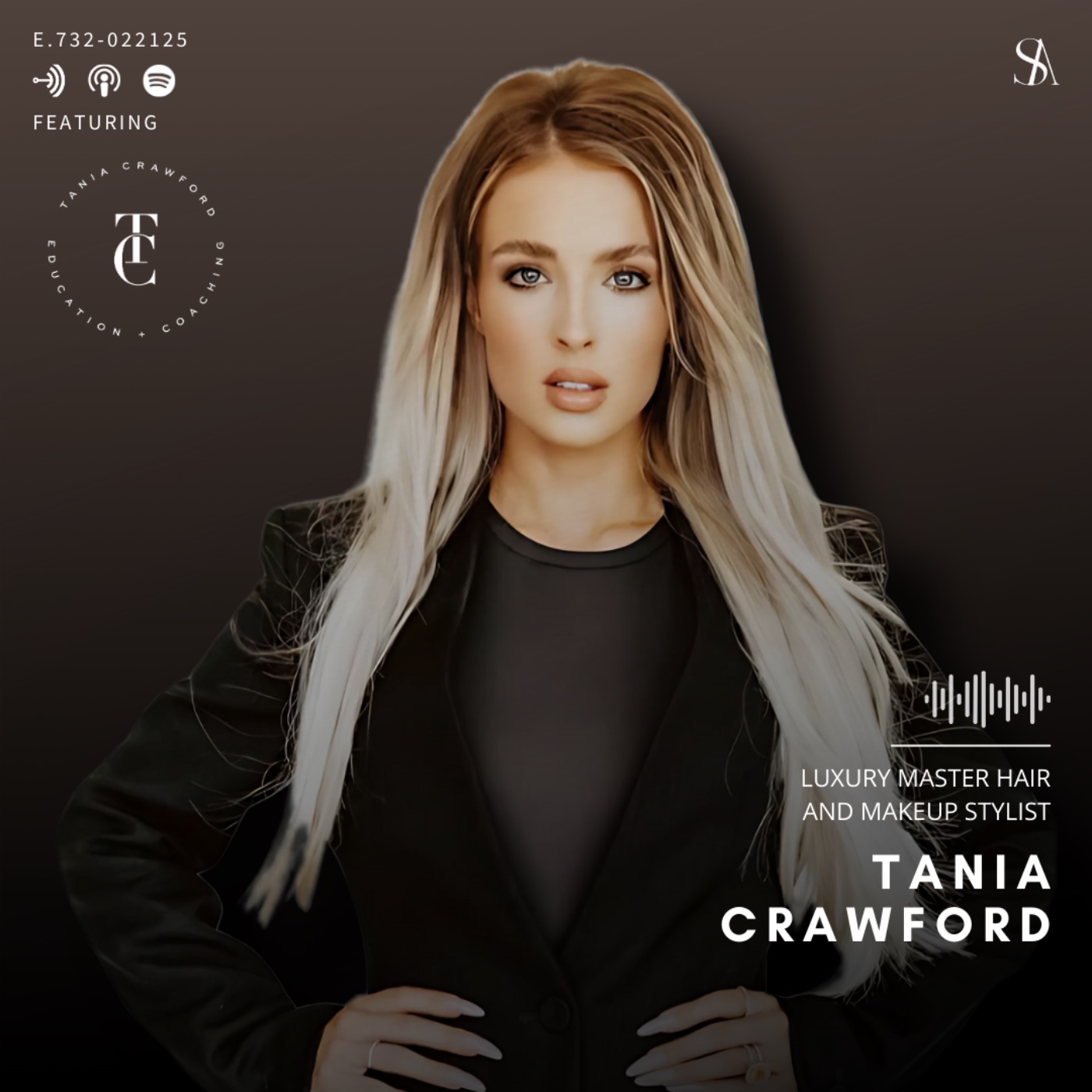
Loading summary
Transcript53 lines
- [00:00]
A
Hey, guys, welcome back to another episode of Skin Anarchy. Today's episode is really special because we're going to be diving into the business of what it takes to create a truly successful salon. I know many of you out there have your favorite stylist that you go to, many of your favorite salons that you go to, but when it comes to the business of what it takes to make those establishments truly successful, I mean, I don't think we have a lot of information and insight in that regard. The guest we have today, Tania Crawford, is truly, truly a powerhouse in this regard because she's been in the beauty industry for quite a while now. She's helped stylists and salon owners scale their businesses to reach multiple six figure levels. And so I'm really excited to chat with Tania and kind of learn a little bit about this side of the beauty industry. So welcome Tania. I'm so excited to host you.
- [00:50]
B
I am so excited to be on your podcast. I've been looking forward to this day because I've been following you and your podcast for a long time and I'm just so excited to have some girl chat time today.
- [01:06]
A
Yeah, no, I am too. I think that this is such a fun opportunity because, you know, like I said in the intro, we don't really get to learn about this area of the beauty world. I think that a lot of times it's all about just the products and, you know, these recommendations. But there's a lot of business owners out there and there's a lot of, especially right now, there's a lot going on in terms of trying to scale businesses and make sure that you're still growing in an economy. Me, that just feels like it's not doing that great. I'm very excited. But I'd love to learn about you if you could kind of walk us down memory lane. Tell us about your story.
- [01:40]
B
So I actually have always been fascinated with beauty. I kind of grew up around it. My mom was in fashion design when I was younger. She worked actually for Emilio Pucci. So always like in that fashion and like beauty world. And then my uncle actually was doing facial plastic surgery. And so I've always been around and I've been really fascinated with skin care also, just like beauty standards in general and how it makes people feel. So I knew from a very young age I somehow wanted to be involved with that. Not really sure how, but I figured it out pretty much towards the end, like in my late teens that I really wanted to be involved in hair and makeup. Just Because I feel like there is such little education for people out there how to take care of their hair. There's so much information on skin, but nobody treats their hair actually like they do their skin. We have this whole routine for our face, but nobody has a routine really for their hair. It's kind of like a very gray area where people don't really know a lot about. So I'm obsessed with skin care for the hair and all those kind of stuff, all those kind of things. And that got me really into wanting to be in this industry and change people's life, especially women with hair loss and men with hair loss and giving them the confidence back.
- [03:08]
A
I like that you said like kind of skincare for your hair. I feel like it's so overlooked how important it is. Have your own stylist make sure you're really actually taking care of your scalp health, your hair health. It's a huge topic actually. Yeah. And there's a lot of brands that are popping up and I know that, you know, that's wonderful to have at home options, but it's really important in my opinion, to always go see professionals because they can tell you things that you don't know. So I want to learn about, you know, you're the top 2% of extension experts. You know you're running a thriving business. Can you tell me about that?
- [03:41]
B
Yeah. So extensions have always been like a huge part of my life and I feel like when you have a personal connection with something that makes you really passionate about the topic, I'm sure you can relate. And so I knew as soon as I got into this industry, I really wanted to make a difference in people couple's life and giving them options of how they can go through their day to day life feeling confident. Because I'm sure you feel the same way when your hair doesn't look good. Nothing really works. Like the outfit doesn't work, your mood is bad, you know. And especially after Covid, there was such a shift in the industry, people started to really get educated about hair extensions, hair loss solutions. And I feel like that's truly when like the boom of hair extensions, non surgical hair replacements and like, you know, the whole industry to help promote hair growth really blew up because people started losing their hair. And I really took that time for my own advantage because it made me realize that a lot of stylists in the industry know so little on how to target their ideal client and all those types of things. And that's what kind of got me into the industry and helping businesses Scale. Scale in that particular niche of my business.
- [05:06]
A
That's interesting. Yeah, no, I feel like with extensions, I've heard a lot about how they can be very expensive. Like, I mean, it's, it's like a whole thing. Like you have to be really educated on type of extension you're getting. I don't know if, you know, if you can take a little minute and kind of educate us, I would love to learn about that. Like, how are extensions kind of graded on their, you know, value?
- [05:26]
B
I always say as far as pricing goes for extensions, it kind of varies from like very low to high. There is mid range and that really depends on your installer. But also what type of hair they're using and what kind of solutions and technologies they're implementing to install it. I can give clients the best experience and completely design and customize the look for that specific client. That's another thing that a lot of people I think might be not having a lot of background information on is the fact that it's really hard to give out pricing for somebody without really seeing their head. Because everyone's head is so different. We all have different density, different amounts of hair on our head also. There might be a fine haired client, but they might not realize there is areas of their hair that are really dense. Different clients need different solutions and they might also need different amounts of hair. There's like no standard amount of hair that fits for everyone. So it's a very personalized experience. It's kind of like you going to a cosmetic or plastic surgeon's office and asking for a price of like a specific makeover. They can't give that either because it's really designed towards that specific client.
- [06:56]
A
That makes sense. That makes a lot of sense. Yeah. Because I feel like nowadays especially hair extensions, you can't even tell that people are wearing them. Like it's, it's so wonderful the way they work. Now, like, I'm Indian, so I remember growing up and everyone telling me like, you need to donate your hair. Like, because Indian hair extensions are like extremely expensive. And so I didn't know. Kind of crazy to see that there are these different tiers, you know, with extensions and how they work. Now one question I have is there's been a lot of growing up. I remember there were certain differences between like, you know, different stylists and spas that you would go to because there was one that was kind of like a really small shop and they were still doing them. You could kind of tell that the quality of, you know, the product they were using wasn't that great, but then you'd go to somebody else and it was like night and day difference. Like, what do you think contributes to that in terms of people, you know, creating these businesses that are very similar, but then they end up in different places? What do you think the biggest contributing factor to that is?
- [07:53]
B
I think a lot of it has to do with their ideal target demographic that they're catering to, but maybe also a mindset thing as well, where they feel like, I want to offer this product that's so much better for the client's hair, but I'm scared that I'm going to lose, like, my clientele because they can't afford that. I think when women see value in a product, they're ready to invest in it. If they truly see the benefit that they are getting from it, I will.
- [08:26]
A
I will go the extra mile and spend that money. If I know something's actually going to work for me. I swear, like, I don't know what it is for. Like, I was obsessed with Aveda salons for the longest time. I mean, that's very interesting because I think oftentimes people kind of forget to invest in their brand. I mean, do you see that a lot in terms of business owners that do want to grow? You know, they're like, salon and they're kind of stuck. I mean, what do you think the biggest contributing factor to being stuck is?
- [08:51]
B
Definitely brand. Brand identity, knowing your target audience. I think that is something that a lot of businesses struggle with. They kind of follow a scheme that might have worked for somebody else, but doesn't really translate into their own business because they don't even really know who they are and what their mission statement is. I truly feel like a lot of times when is a error in their marketing funnel, it's usually. Usually they will blame it on. I cannot find the clients to come to me. Well, you have to go out there and get your client that values your services and appreciates an expert. So there is like an era in the marketing funnel and really finding out what that is and where things have gone wrong in the process. That's how you fix that problem. And a lot of times it has to do with them not even knowing who they're targeting. Targeting too.
- [09:49]
A
This is interesting. This is an interesting topic because there are. There's such a distinction between. Or at least there used to be about with like salons. Like, you know, if you had specific type of hair, you wouldn't go to any salon. You know, it was like a very Distinct. I'm only going to this person in this area of the city.
- [10:05]
B
I'm.
- [10:06]
A
I've always been curious about that because as somebody who has ethnic hair, like my hair is. It's. Each strand is thicker. A lot of the hair that stylists are used to working with. And so for me, it was always like, I need to find that one stylist that can do this and she can do it right, or she or he can do this right. But. And it was very difficult for me when I would be moving around in terms of going to a new city or, like, you know, for school or something. What do you think salon owners need to understand about, you know, servicing, like, a variety of clientele, like, in terms of their diversity, making sure that they can really cater to whoever comes through that door?
- [10:39]
B
I really think being able to be diverse and service different people from different ethnic backgrounds is so important. I always have this saying, you know, if you don't know how to match methods up to different textures and densities and a client's hair, you cannot call yourself an expert. It's like a makeup artist and only working on one skin type and tone. You really have to be well versed. And I think when you think you know it all, you still don't know anything. So it's very important to really stay current on trends. And also, if you're scared of doing a specific texture, that should be your message, to dig deep and learn everything you can to accommodate that specific person with texture like that. Because I feel like putting people in a box and like, their texture is so wrong. Because every ethnical background has different skin textures. But also skin concerns, hair concerns hair textures. So it's really important to be super well versed on all of them. You're prepared when somebody like that walks through the door.
- [11:57]
A
We don't talk a lot about hair diversity in general in the beauty industry. Like, we talk a lot about, like, skin shades and makeup and even skin care. But, like, when it comes to hair diversity, there's such little information out there, and I can't even tell you. Like, for me personally, it was so difficult in the beginning, like, when I was. Especially when I was growing up, because. Yeah, because it was like, you know, you go in and I. My hair grows to be very long. And so there were times where I would sit down and I would get a cut or something, right? And it just looked terrible on me. And it was like the stylist would be confused, like, well, what did I do wrong? And I'm like, well, I don't think you factored in the fact that my hair is thicker than your average. It was a big struggle. And I always used to wonder from like that business perspective of like, well, why aren't salons training people better in terms of like, you need that extra education? You know, if somebody like me.
- [12:47]
B
Absolutely. And I think, you know, we have been kind of trained in the past that you really just focus on one specific group. But I think it's so important to be able to accommodate everyone that walks through that door that is willing to get serviced by you. And one of the things is too. That's why I don't just work with one specific brand. I source from different brands so I can match texture up to a T depending on what the my specific client needs. I can perm extensions, I can match curl and patterns up. I have already pre textured hair that I can use. I source from India, I source from Eastern Europe, I source from Asia. There is just so many factors that play into that role to make it really work for that specific client.
- [13:40]
A
That makes sense. I want to talk a little bit about business with you because I know that there's a lot of salon salons that are doing great right now, and there's a lot of salons that are probably trying to scale. What do you think is like the real big thing that differentiates somebody who's making like $100,000. Right. And versus somebody who's making multiple six figures in this industry.
- [14:01]
B
So I think, you know, especially in my industry, a lot of salon owners, they just open salons because they think, oh, if I open a salon, I have all these people working for me and it's gonna make me money. Well, that's not how it works. You open a salon because you wanna see people grow. People are gonna stay with you if they know that they can grow in the salon and they're going to be supported. And that's when you create stylist loyalty because they know they cannot go anywhere else. So I do think a lot of times that I see with salons that are struggling, the owners don't really have a clear structure in place of how they can scale their business and help their stylists to scale and be successful as a team. Also, Mindset also think pricing is a big, big problem. They don't understand overhead. So a lot of times they're thinking they're making all this, but they really don't have a loss and profit sheet that they go over with also with their stylist. So they understand why things cost what they cost when you have people that work for you. A lot of times, at least here in the US it's handled by a commission scale and a lot of salon owners actually barely make any money on a, on a commission scale. They don't understand how much their product was, how much their overhead just to have that stylist in for that day is. And so we're creative individuals so we don't really think about like the numbers. So I think that is like one of the biggest things that I see when I work one on one with stylists.
- [15:53]
A
It probably can get confusing. You're a business owner, you're, you're trying to figure out, you know, what are the best practices here for me to like stay in line and really make sure that I'm accounting for everything. Tell me about like a success story, like your biggest success story that you've had. I mean, I know this amazing coach for, you know, these business owners. I would love to learn about some experiences you've had.
- [16:14]
B
I obviously host also besides like my personal one on one coaching, I host retreats that are for luxury stylists and the extension business that already generate a hundred thousand behind the chair and they're looking for that next push to get the tools to reach that next level. And there's a lot of programs out there that teach you how to make a hundred thousand behind the chair. But you and me both know when you make a hundred K, you're not walking away with a hundred K. There is overhead, your taxes you have to pay and all that type of stuff. So that's why for that next step, I really require people to be already on that same level when I get them all together in that group so they can all grow together. One really specific one, we just passed one retreat this year, so we're actually having like follow ups with them actually this week. But for my last retreat I had a girl, she was bringing in at that point when she attended about 16 to $20,000 monthly in behind the chair. She's a sole proprietor, she rents a little suite. So she doesn't have people working for her. That's just her doing it all on her own in a suite. She ended up signing up for additional one on one coaching with me and I am honestly so proud of her. She is now generating consistently between 30 and $40,000 monthly and she has a 20% overhead. So she walks away with majority of that cash and she's getting ready to open up her own salon. In mind with what her Overhead needs to be. So I am extremely proud of her. She's still growing and so I'm really excited to see where it takes her.
- [18:01]
A
That is really exciting. Wow.
- [18:03]
B
And honestly, like, she saw those changes after working with me. I require them to do a minimum of four months with me and then they can renew. She started seeing the change, of course, after the retreat because she implemented the tools that we give them immediately after. And then she really saw a difference, like two months and working and scheduling out every single day and really having consistency within her business. And so she was able to pretty much double of what she was making before.
- [18:38]
A
That's pretty neat. I mean, I didn't realize. I mean, I think it goes back to the idea of like, everyone needs a mentor, what industry you're in. Like, you need somebody who's going to be able to walk you through certain things because I mean, I think all of us especially I think in the entrepreneur world, we have this mindset of like, I can do this, you know, and, and that's great. And I think you should all have that, you know, and we all hit these walls where it's like, how do I get beyond this?
- [19:02]
B
I completely agree and I'm sure you can relate to this too because you are obviously a female entrepreneur as well. When you're a woman in a position like this, it is hard finding like minded women sometimes once you hit certain levels because there is a lot of jealousy naturally. And it's really nice finding your tribe and building that community and having a mastermind group you can bounce ideas back and forth with. And that is truly one of the things why I created retreat style education for women and beauty because we're lacking that sort of sisterhood where everyone is like clapping and cheering and so excited for you when you have a win. And it's important to celebrate your wins, especially when you have people that support you.
- [19:55]
A
I mean, I can definitely relate. I think, you know, anytime you are, you know, trying to create something and start a business, it's really hard to not only find that mentor, but also like your tribe. Like you said, you know, you gotta have, you gotta have that support system. And so this retreat style is so intriguing to me that you've created kind of like a safe place for that for people to come and feel supported. I just wish there was like more of this in other industries. I want to talk about brand collaborations with you a little bit because I know there are a lot of partnerships that go into a lot of the salons. I know a lot of I go to. They have their carrying products by certain brands. You know, they're kind of like using treatments that are geared towards, I mean, what are your thoughts on like major brands in this industry and collaborating with them? You know, on a salon level, I.
- [20:41]
B
Think it's really important. I always say consistency is what gets you really to the next level. And having a healthy relationship with a brand that you're super passionate about and believe in is important because if you support them and you have that loyalty program with them, they will give you the support back. And I think there are so many brands that have come to the US recently that are so geared towards hair health and educating the client, but also the stylist, which makes honestly our life so much easier behind the chair performing for our clients and setting them up for success and wanting to them to have healthier hair. Because the end goal for them, if they can, is to have healthy hair where they're not depending on hair extensions. Hair extensions in the best case scenario is a choice and not a must, right? In some cases it is a must because it's permanent hair loss. But how amazing is it to help somebody on the journey to have overall healthy hair habits, healthy hair routine where they don't have to rely on external factors to help them have their dream hair?
- [22:01]
A
Yeah, absolutely. Absolutely. Now I think that's, it's really interesting because a lot of times I've discovered the best, the best treatments, the best products, the best brands through my stylist. I've had these like great, you know, experiences where like, you know, in a salon where they teach you so much about own hair and your own self care and I feel like that whole experience for the customer especially like that is what, like kind of for me at least as a customer hooks me into a salon.
- [22:32]
B
And that's like one thing I always like really put high up on all my coachings. When people feel like everyone wants to feel hurt.
- [22:41]
A
Yeah.
- [22:41]
B
Everyone wants to feel valued and everyone wants to feel like they're not just a number and you remembered something specific about them. If you can do that, that creates client loyalty. Teach them how to do an extra step at home that they didn't know is crucial for their hair health and they're going to remember that, they're going to tell their friends that that's your best advertisement.
- [23:04]
A
Yeah, absolutely. I saw this, I mean specifically I've seen this with a couple of brands, I'm sure, you know, but like just for everyone out there, K18 is like one of my favorite hair care brands ever you know, and I feel like when K18 came out, they had this beautiful way of, like, merging with stylists and salons where it was like a whole treatment that you could do. And I remember the first time I went and got it, and I was just like, blown away with how much, like, my stylist knew how much, like, the brand was, like, pouring into wanting to give you this, like, professional experience, whatever they were, whoever they were partnering with. And I just remember thinking, like, this is, to me, like, the. The greatest way for, like, a brand to partner with, like, a, you know, in the hair space, because they're so rooted in education as a brand, you know, and then. And then they go and they partner with these salons that are actually value that education component, and they value that experience for the consumer where you literally watch your hair get transformed.
- [24:00]
B
So I work a lot with Melbourne products. I don't know if you're familiar with those. I kind of became a believer once I started using it myself. And they're really. They actually, like, advertise as skin care for your hair. And. And it's incredible seeing people that use it specifically designed for their hair needs how it transforms their whole hair and makes, like, the whole experience way better. And it's the same thing. They know that the stylist is the one that needs to educate the, you know, consumer on the product. You can only get it through salon. So it's like a great loyalty program just for you to get your client back to replenish.
- [24:44]
A
There are a lot of products now, and there's a lot of stuff out there. And I feel like consumers, we don't exactly know how to use them. Like, I'm not. I. I honestly don't think we do agree. Yeah, like, it's crazy. Like, some. Some of these, like, styling creams, they're beautiful technology, but, like, let's be real. How much do we really know at home? So it's like, it's. I feel like you're not getting the most money worse if you don't really understand what you need to do with your hair. And that's where it's integration between professional brands and stylists. Like, it's so meaningful.
- [25:21]
B
And I'm so glad you brought this up, because I think a lot of times when people have a bad experience, like, for instance with extensions, it's a lack of education that was happening in the salon, so the client wasn't actually able to take fully care of it, and so they just think it's a bad product. But they were never educated on it. It's the same thing. I have so many clients that sit in my chair that were never taught in their life how to properly wash their hair. And as crazy as that sounds now, I started implementing, like, I think I implemented this starting six years ago. I include a complimentary wash every time somebody gets an install because they think they know how to wash their hair. But most of my clients, when I talk to them, maybe 2% actually know how to properly wash. And we were taught you wash and you put conditioner on it. Right. And nobody actually knows. You're supposed to clarify and detox your scalp before you use your shampoo because your first wash is just going to remove, you know, all the product and the build up. That's not going to get your hair clean or your follicles, you know, exfoliated and like your scalp fresh so you can have healthy hair. Most people just wash once. Most people have to wash three times. Yeah, it's crazy to me. I'm like, stylists need to educate their clients in the chair that that's what the standard should be.
- [26:50]
A
Or especially if you have like an oilier scalp. Like, people just, just watch people, you know, I've had girlfriends before. They're like, I just can't get my hair to like, like to a place where I don't have to wash it every single day. And I'm like, well, that's something you need to like, go talk to, like an actual professional. Like, are you using the right products? Are you doing the right technique? Like, you know what I mean? You need to understand that. And I feel like a lot of that, you know, now we're shining a light on scalp health, right? We're like, finally talking about it. I really do think about stylists when it comes to this because it's like, if you can find the right education on the topic that's relevant to you, it's going to make such a huge difference. And you know, it's going to make a difference not only, only because you're going to see improvement, but you're going to spend less money. You know, I mean, how many times do people go and spend 200 bucks on a product and it just doesn't work for them because they don't know how to use it.
- [27:44]
B
You know, I love the shift with a lot of medical spas to how they're now incorporating, you know, hydrafacials for your scalp and like PRP and microneedling on your scalp to, like, stimulate production of, like, hair Growth and getting your follicles cleaned out and getting access this sebum out of your, you know, your scalp. And it's amazing to me how this industry is, you know, always evolving, and I love that. And we as stylists have to stay current with that, otherwise we fail our clients.
- [28:22]
A
Absolutely. Absolutely. I agree. No, I want to shift gears a little bit because I think that, you know, this is. I really want to gain more knowledge from you about, you know, for anyone who is out there, who is in the, the, you know, salon industry. You've worked with so many stylists, you know, and, and, and they're at every stage of their careers. So, you know, I want to learn, like, what's the one piece of advice that you find yourself giving over and over again?
- [28:46]
B
Definitely you want to perfect your skill. After you perfect your skill, you have to work on your mindset and being able to truly charge your worth. And a lot of people don't understand what their worth is. And I always say, you know, you figure out your worth by the demand of stylists requests that you get. So if you're fully booked, obviously the demand is there, so people think you're worth it. So that's a good time to raise your prices. And I always say, as a new stylist beginning out, it's important to find mentors. You always should be very aware of where you're at in your career and charge accordingly. There's so many times I see stylists getting right out on the floor charging $450 for a full highlight. Well, does that really match your experience and the time you have spent to perfect your skill? Because I think that's where clients start feeling taken advantage of. And that's what's giving people. They're feeling like they can go online and start bashing people for pricing and stylists, you know, are getting canceled for it and all that type of stuff. Clients are very much educated now on through TikTok and Instagram, how much things cost. It is our job to live up to their expectation when there is a price ticket like that. So you want to show up up like that price tag that you're charging, and you want to have the conversations in the chair that at that price point should be there. That means your client should feel uplifted, motivated, and inspired when they leave your chair. They don't want to feel like they wasted four hours of their time. So it's really important to have the whole package when they come in. Skill, mindset. And then, of course, like the value that you're giving and actively listening and hearing what your clients see say, I.
- [30:52]
A
Feel like that actually even resonates with me as, as a consumer. You know, I love it when my, when my stylist really does listen to me. I'm one of those, like, really annoying people that comes in with pictures and stuff.
- [31:02]
B
We love that, though, because then we can really dive in and have a really good con conversation about expectations and what your hair can and cannot do.
- [31:11]
A
You know, when I first started doing it, I was like, really shy about it. But, like, I've had such good experiences with certain stylists that I've gone to where they're just like, this is awesome. Like, thank you for, you know, giving me this like, like kind of a place to start from. And I didn't know that I needed. I'm one of those people that you need to dry my hair before you cut it because of the way it, like, lays. And I didn't know that. I had no idea about that because everybody was doing it wrong before. So, you know, I learned that through exactly what you just said. Like, when they actually listened to me and they didn't just like, you know, it wasn't like a situation where it was like, oh, you're not a stylist. You don't know what you're talking about.
- [31:45]
B
I love that. And it's all about communication. If you can effectively communicate. This goes like both ways as a stylist, but also as a consumer. It makes it hard. So if a consumer isn't like that good at communicating what they want, it's our job to really, like, dive in and figure out what they're trying to tell us.
- [32:06]
A
What are some things you see on the horizon for 2025 and even 2026? When it comes to, like, this industry and like, scaling in this industry, consumer.
- [32:15]
B
And consumer spending habits are getting pickier and pickier because there is such an overload of experts and products out on the market. And it's our job to really dive in on personal brand and finding a connection with the consumers. They're not going to buy anymore unless they find a personal connection with your brand. Changing strategies of how you attract but also how you sell is really important for business owners. This year. Instagram and TikTok are changing. It's not about, like the perfect pictures out there anymore. It's about actually having a connection with the audience and making them feel like they're actually talking to you and not like some AI generated caption that they're getting So I think AI is great for certain aspects of the business, but, like, definitely you want to have a connection, so I think that's really important. I think we're going to see more and more people really wanting to be educated on hair and scalp health and just doing, like, a specific regime and routine. So I think it's really important staying ahead of the game and the trend of, like, scalp care and, you know, overall hair analysis that a lot of salons and studios offer now. I think this is, like, a really great, great way for salon owners to stay ahead of the game.
- [33:43]
A
And also in terms of, like, working with you, like, how can people get connected with you, Tania, in terms of wanting to, you know, really get your coaching?
- [33:51]
B
So I actually have. It's not just me that coaches. I have, like, other resources that I pull back from, too, if it's something that's, like, out of my expertise. But if they want to work with me, there is different ways of how they can do that. They can obviously attend one of my retreats. We're already selling for 2026. We're halfway sold out, actually. But they can find me through Instagram at Tania Underscore Crawford. And there's like a whole. All the links that need to be listed are there so they can get more information on the retreat. They can also inquire through my Tania Crawford Edu, which is built out for personal coaching, where they can inquire for the retreat. But then they can also stay tuned for fun little launches that we're doing this year as well, because we're launching additional things as we're building out. The company easiest, of course, is Instagram. They can connect with me the best through there.
- [34:54]
A
Awesome. Well, I will be linking everything in the show notes for this. If anyone out there is curious and you guys want to get started, make sure you keep an eye out for that. But, Tania, thank you so much. It's been so fun chatting with you and learning from you. I really enjoyed this.
- [35:08]
B
I know. I loved it. And I. And I love this girl power that we're having in this world.
- [35:13]
A
Yeah, it's such a important service that you're providing. I know the economy is, like, crazy right now, and it's so important for small business owners to kind of have the right tools, and I really believe in that. Grow their business, scale their business. Very cool.
- [35:29]
B
Thank you so much and obviously it's been an honor being on your podcast. So thank you so much for having me. Me.
- [35:35]
A
Oh, no, it's been a pleasure thank you so much. Hey, guys. So I hope you love that episode. Please make sure to hit subscribe if you're tuning in to us on any podcast platform. We are available on so many different platforms, so wherever it is that you're tuning in, just go, hit subscribe. You will be immediately notified when we publish new episodes. This way, you're able to tune in to amazing insights from experts, brand founders, industry leaders, authors, all the wonderful, wonderful people that we host. And that's very important for me because I love to hear from you guys and really understand what you love and what you want to hear more of. Also, make sure to give us a follow on all of our social media outlets. We're available on Instagram, TikTok X, you name it, we're there. We also have a blog on Medium, so if you're a reader and you love Medium blogs, check us out on Medium. We publish some really great articles on there that do deeper dives than just what's available on the podcast. And it's really a great place for all of you science geeks out there that want to learn a little bit more. We go above and beyond with our research and making sure we're bringing you information that you usually probably won't hear about in other outlets. So check us out, leave us a comment, leave us a review, and we'll be back next time with another episode. Thank you.