← Skin Anarchy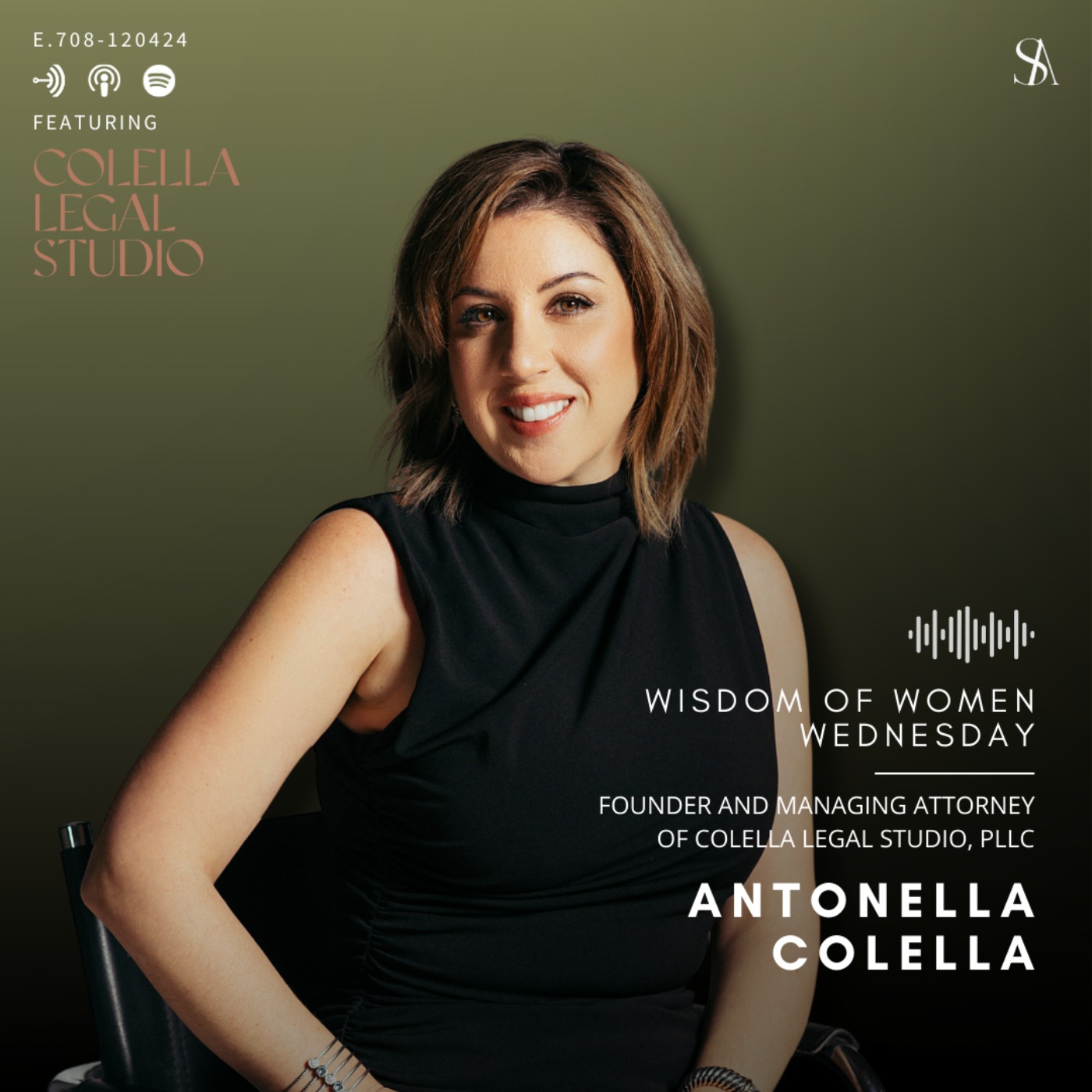
Skin Anarchy
The Essential Legal Steps Every Beauty Entrepreneur Should Know ft. Antonella Colella
00:25:39
Wisdom of Women Wednesday
Loading summary
Transcript39 lines
- [00:01]
Ekta
Hey guys, welcome back to Skincare Anarchy. This is your host, Ekta. And I'm really excited to welcome back our guests today because I feel like legal stuff and law in the beauty industry is an area that a lot of us are, you know, kind of confused about. There's a lot of hazy areas, a lot of gray areas. So without further ado, I want to welcome back Antonella Colella from Kolola Law Firm. Welcome to the show at Saw.
- [00:25]
Antonella Colella
Thank you. Good to be back.
- [00:28]
Ekta
No, it's really great to have you and you know, it's really great to be able to chat with you because you know, so much in this landscape and there's so much we don't know. You know, not only for my side as a consumer, I don't have a beauty brand my own, but there's so many that tune in that do, you know, and it's really, I think, confusing in terms of figuring out what's, you know, what is stuff that we need to prepare for. And I'd love to kind of remind our listeners and all of your background, if you don't mind, you know, just kind of do a little, you know, walk down every lane of, of your legal background and your expertise.
- [01:00]
Antonella Colella
Sure. So I've been an attorney for 15 years now and always working with businesses, always doing transactional work. And I've worked at law firms, I've worked in house as a deputy general counsel for a company. So I have a lot of experience kind of guiding companies through compliance, regulatory matters, contracts, and then also IP. So I went out on my own in 2021 to start my own practice, my own firm and I work with all businesses. But I do have a niche with beauty based businesses. So I work with businesses that are starting products, manufacturers and also on the service side, so estheticians and spas and salons, et cetera. So, you know, the work is a lot of contracts, it's a lot of trademark and IP protection. And then on the beauty product side, there's also of course the regulatory work, Mocra and FDA regulations and kind of getting everybody compliant. And that's, I think that's where a lot of people are scratching their head because especially with Mocra, it's so new, nobody knows what's going on. Even, you know, ourselves, like the professional service people that are trying to work through it, they have not released regulation. So they, you know, they have not told everything that we need to know about it yet. So we're just kind of like going through it with like a, I Don't know.
- [02:30]
Ekta
Yeah, no, I bet. And also, like, I want to actually talk about Mocha, like, in depth, because I. I don't think a lot of people really understand what it is. I know if you're a beauty brand founder out there and you're going through it, you know, in terms of getting everything in order, I mean, that's one thing. But for those who don't know, Antonal, can you tell us, like, what is Mokra? And, like, why is it significant?
- [02:51]
Antonella Colella
So Mocra is a cosmetics law that was passed. It was actually passed at the end of 2022, and it has kind of like staggered dates of when requirements are due. And so some requirements are already in place and they're already due to be complied with. But it's significant because it is really the first cosmetics law in about 80 years. So, like, there has just been no regulation, really. I mean, if you. Not. Not really in the US with cosmetics, I mean, it's very kind of the FDA does have some power, but they don't really have a lot of power and, you know, not like the EU does. The EU has, you know, more compliance and kind of stricter regulations. And Mokra was an answer to that. So, you know, the US said, well, let's try to get our stuff together and. And let's kind of model ourselves off of the EU model of cosmetic regulations. And so that's what it. It is. And it does have, you know, requirements for different businesses, whether you're large or small. But any really that applies to any cosmetic brand, any brand that's selling cosmetics in the U.S. whether you're, you know, an international brand that's selling in the us you still have to apply, whether you're small. You know, if you're a one person, you still. There are still things that you have to do with you from Okra. So it is. It is significant.
- [04:16]
Ekta
That's gets me is that, you know, it kind of like landed out of nowhere. I feel like, you know, for a lot of people, because I think for those who are behind the scenes and were paying attention, it might have been, you know, a slower journey. But I know it kind of. People started talking about it, it was like a flood, you know. So I think it'd be overwhelming for a lot of small business founders, especially because, you know, when you are told that, oh, my gosh, here's all this regulatory stuff that you have to now be in compliance with, I mean, it could be really overwhelming. So I'd love to get, you know, some insight from, you about, you know, how does this really differ from obviously, other regulations, but also other business stuff that you would have to go through legally, you know, to secure your business? I mean, what are some things they can really, I guess, like, you know, prepare for and be ready for?
- [05:03]
Antonella Colella
Yeah, yeah. So Mocra distinguishes between large business and small business. And they define that as having a million dollars in revenue in the past three years kind of averaged. So if you have a million or over, you're large. If you don't, you're small. And so it imposes, I mean, really, the, the biggest change, I would say, is the product registration. Whereas, you know, before cosmetics, you did not have to register them anywhere. There was actually there was a voluntary database where you could register your products, but that was not, you know, that was voluntary. It wasn't enforced. So now you have to register your products. If you're large business, you automatically have that requirement. If you're small, you may have to register them. If there are. There are certain types of products, they give us kind of four caveats to that. And so, you know, if you're kind of preparing for Mocra, I mean, you have to know that, like, whether you need to register your product, there's also record keeping requirements for safety substantiation. So they are requiring to have safety substantiation for your product and keep those records, have them on hand. The thing that we don't know, which is like, this is typical with Mocra. We don't know. They didn't tell us which test they want us to do. So they just said safety substantiation. We kind of have an idea just from industry standard of what we think you should get. But again, that's another thing that's kind of. We're in the dark on that until they tell us. And then there's also actually labeling changes. So on the label now, you need to list fragrance allergens in the ingredients. And then you also need to add a contact, either a phone number or an email for the brand. So, and the reason for that is they want to have an easy way for consumers to report adverse events. And so they're requiring that label change. Some people, you know, have that information already, but that's not a requirement. So, you know, people just have the website, which is not enough. You need like an info email or an admin email, some kind of, like, general mailbox that would be sufficient where people could, you know, put in their adverse events, if there's. If there are any.
- [07:30]
Ekta
So in terms of, like, you Know, like actually like, being like, like in compliance with moca, like, like legally speaking. I mean, what are some things that people need to look for? Because I know that, you know, we kind of go to lawyers and a lot of lawyers might not know about these regulations. Right. I mean, I think that's where you really stand out to me, because you're so, like, integrated in and you understand the beauty community and something I would love for people to understand that, you know, you. What you should look for, you know, like, if you're going to somebody to represent you or to help you through this, what are some, like, key things a lawyer should be able to understand and, you know, just so they can protect themselves.
- [08:10]
Antonella Colella
Yeah. I mean, if you're a beauty brand, you know, of course you would want somebody that understands the regulations, that understands Mokra, that understands, you know, the OTC regulations. You know, if you like, you know, sunscreen is regulated as a drug in the U.S. so, you know, that has different requirements altogether. So, you know, for the regulatory piece, you know. Yes, absolutely. You know, search for somebody that has the experience in the industry that you are in. And then, you know, the other stuff which, you know, we. We talked about a lot in our first meeting was like, you know, the other legal foundation of, you know, getting your business up and running, getting your ip, you know, registered and really identifying your ip. You know, people have. And companies have, you know, log slogans, product names that they could protect, and sometimes they don't know or they don't realize. So, you know, obviously, yes, you want to search out professionals that, you know, great if they have experience in your industry and are able to, you know, really help you get started legally and, and kind of protect yourself as you go.
- [09:22]
Ekta
That makes sense. That makes sense. And you know, I think that in this area is just so. It's so new that, you know, I really suggest whenever you're looking for representation or someone to really help you along from the legal standpoint, like, you know, I mean, obviously I will tell you people to go to you at 10 off because you're the only lawyer I know, you know, that's really specializing right now in this, the beauty space, I mean, but also just in general, I mean, just do your homework before you, you know, go to somebody because they might not know. It's so new, you know, I can't imagine everyone being very well versed on it already, you know, in terms of all the law, regulations.
- [09:57]
Antonella Colella
Yeah, I mean, especially with this. I mean, like, there's just ev. When a law comes out they issue regulations that interpret the law, and they just. They have not done that yet with Mora. So it's. There's a lot that is kind of just being assumed, like, we just don't know. So we are going off of what we do know. And, I mean, the law is in effect, so, like, we have to comply, you know, whether we understand it or not. We have to do kind of, you know, what it's telling us in the statute. So. So that's kind of how we're guiding brands right now.
- [10:35]
Ekta
That's interesting. And I want to, actually, I want to shift gears a little bit because I know last time we spoke a lot about. You mentioned it just now about things like, for example, getting ready for your business. Right. Like making sure you're protecting it through trademarks and, you know, really kind of protecting the name, the logo or whatever, whatever you're using to distinguish yourself in the industry. And now that I watch this industry grow every day, and I swear there are five brands that pop up every day, I'm literally overwhelmed myself, you know, just when I search for brands. And so I can't imagine how difficult that must be, you know, Like, I know you had posted a while ago on your social media about Road and that case.
- [11:16]
Antonella Colella
Yes.
- [11:17]
Ekta
You know, there was this whole, like, actual, like, legal process that they had to go through with their name. Can you, like, tell us a little bit about that? Like, how does that work in terms of finding, for example, start with the name. Finding a unique name. Right. And then being able to protect it and make sure that nobody else has it so later on you're not paying so much money trying to protect it even more, you know?
- [11:39]
Antonella Colella
Yeah. I mean, this is just so, so important, and specifically with beauty, because, like you just said, it's very crowded. Like, it's a very, very crowded market. So, you know, what is it that's making you stand out? It has to be your branding, your name, your voice, your story. And, you know, trademark is the legal mechanism, you know, to protect the brand. And that's what, you know, branding is in a legal sense. So, you know, and I have this conversation multiple times a week with potential clients or on consultations. I just had one this morning. They have a name in mind. They may have already started, like, printing labels, and they come to me and I have to tell them that name is not available. Like, you cannot trademark that name. Either it's already taken or it's too similar to something that's already out. And, you know, they end up being the infringer like you are infringing right now because you know, you're using a name that's already registered. And so it's, it's so important in the beginning when you're naming something, when you know, if you're coming, developing a new product, if you are doing something new, you know, just run the name by a professional to have them search it. And you know, the, the search is, is really the most important part in the beginning. I mean, obviously then you have to follow through with it and actually do the registration. But, you know, you need to know what else is out there that is, you know, potentially similar to that name that you want, because you could be an infringer. You could spend all this money marketing and building a brand and then get a cease and desist letter. So you. And, and then the other thing is, you don't want to kind of like build a brand and then five years later realize, oh, wait, you know what? I never trademarked this name. Let me go to Antonella and see, you know, how I can register this. And then I have to tell you, it's not available. So just, it's so sad. Like, you know, the founders, you get crushed, like, when you hear that news because you've, like, come up with this name. You've just like put so much blood, sweat and tears into, into the name, into the brand. And then just to find out it's not, it's, you know, you can't own it. So.
- [13:59]
Ekta
Yeah, yeah, no, that's got to be like something that is absolutely crushing for not only, like, you know, personally, because you get attached, but the vision also that you might have for your brand. I mean, that's, that's got to be rough. And, you know, so when should we start planning for things like that? You think, like, way before you're even like anything. Like, that's the first thing, right, that you should do is make sure you're securing your, your name.
- [14:21]
Antonella Colella
I. I think so, yes. I mean, when you are forming a business and you know you're going to form an LLC and you're kind of trying to figure out your, your structure, you know, it's okay to form an llc. Your LLC name could be anything. Like, it's. That's not name ownership. You could have, you know, your name as the ll. Whatever it is, it doesn't. That's not your trademark. Your trademark is, you know, the brand, the name of the brand, if it's different than the llc, a product name. So when you're n. That thing, whatever it is, the name of your business, really just, you know, double check, have somebody search it. And the thing is, the search, there is a free search on the USPTO website, but that is not a comprehensive search. That's only going to tell you and kind of if there's any direct hits. But it doesn't do the search as the trademark office does a search. So, you know, all trademark attorneys have a software that they use. There's, there's several on the market, but the, those softwares are specialized and that algorithm searches, you know, in the same way that the trademark examiners will do their search. So that's why you want to have it professionally done. I mean, just kind of looking online, Googling or even looking on the, the USPTO trademark, the free site, it's not enough. So, yeah, you need that extra, that extra protection in that search.
- [15:52]
Ekta
That makes sense. I didn't know that. I didn't know that you couldn't just completely like, just go on to Google, you know what I mean, and look this up on the.
- [15:59]
Antonella Colella
Right.
- [16:00]
Ekta
Yeah, that's, that's interesting. So like, in terms of like, I mean, other pitfalls, I mean, what are some common pitfalls you've seen small businesses run across and fall into when it comes to just securing themselves and their business and whatever that might be?
- [16:14]
Antonella Colella
Yeah, I mean, I would say the biggest has to be just not doing the legal stuff in the beginning. People don't like to spend money on legal in the beginning because it's not like sexy. It's not, it's not like moving you further. As, you know, a marketing firm would like, you know, like you, you, you hire a marketing company and you know that they're gonna, you know, they're gonna work on your brand and they're gonna make you stand out. And that, that's something that you can see. Whereas the leg. See it, it's just something that you need to do. So people don't like to start with that. But the problem is like, if you, if you don't do that and then you start building and you spend all this money, then you have to come back. You know, you have to come back and do the legal and then it's more expensive or you just can't do it. In like, in the case of the trademark, you may not even be able to register that name or, you know, you don't have contracts with your vendors or your partners, and then something goes wrong and then you have to spend money, you know, trying to fix that. So there's just things that I would say that's a really big issue, you know, with maybe not. Not only smaller brands. I mean, I just think it's not something that when you're starting a company, you really want to think about.
- [17:30]
Ekta
Yeah. It's not like the sexy thing to think about when you're first getting started. I mean, I think that there's so much. Right. I mean, I'm personally like, like, very intrigued by some things that. And I don't know if you or, you know, specializing in this area or not, but I think for me, things like copyright come up because there's so many brands that use, like, imagery and stuff that, you know, they might not know if it's the right thing to use or if they're allowed to use it. I mean, I feel like there's a lot of people who get inspirational flights like Pinterest, and they don't realize that, you know, Pinterest is not a place you can really take anything from. And, you know, it might stuff like that. You know, it could be difficult. Right?
- [18:08]
Antonella Colella
Yeah. No, so actually, this that you're bringing up now, this is a huge issue that I am seeing more and more, which is I'm getting clients, potential clients that are coming to me and say, I got this nasty email or letter from a lawyer that said that I, you know, in 2015, I used this photo on my website, and I don't even remember this or, you know, when a social media intern put this up. I have no idea. And that is copyright infringement. And that is, like, there's damages and statutory damages, like, in, you know, the five figures and up. And if you're a small brand, you just like. It's like, what? Like, you know, you're. You're asking me to pay $30,000 for a picture that I don't even have on the website anymore. I mean, it's really, really scary the way that that's. I'm seeing that happen a lot. And so that, I mean, I just tell brands, like, you have to really train, you know, train your social media people or, you know, interns or people that are doing, you know, the marketing for you. But then also, you know, obviously, you have to understand that you can't just take any picture that you, you know, you find.
- [19:25]
Ekta
Yeah, you can't. You can't just like, randomly take it. And I feel like this almost like, especially in the beauty industry, and I feel like this needs to be, like, there needs to be a handbook, like, I'm not joking, like a legal handbook, you know what I mean? Because there's so much like when you're trying to market your brand or when you're trying to like go out there and sell it to people and make people relate to it. I mean, there are so many things that you want to do. You know what you just like we were just talking about like Pinterest or some random size you get pictures off of, but even like, you know, getting like content. For example, I've seen people repost like in like micro influencer content and I don't know if they get their permission or not, but they'll post it up. And it's just stuff like that they need to be able to understand, like, is this something I can do? And if not, you're going to be in a hole, you know, and you're not going to know what to do at that point.
- [20:14]
Antonella Colella
Right.
- [20:15]
Ekta
Yeah, it gets really a cleansing. So I feel like we need something.
- [20:20]
Antonella Colella
When you're, you know, when you're starting up a business, you know, just kind of check in with, with a professional, like you should check in with an, with an accountant, you know, a lawyer, and just say, okay, I'm starting a business. What do I need to know? What do I need to do? And that's, I mean, that's helpful.
- [20:36]
Ekta
Yeah, I completely agree. I, I think it's, it's something that maybe goes over people's heads, you know, when they're first starting out. You're so excited about what you want to create and your vision and your, you know, the ideas. But yeah, this is absolutely a must, I, I guess, to, to really round things out. I would love for you to just tell us like any, like one critical legal tip that every beauty brand should know.
- [21:00]
Antonella Colella
I mean, there's never just one. Yeah, I mean, I think it would have to be just check in. Like check in. Yeah, do it correctly, check in with a lawyer when you're starting something. Because there's just, I mean, we've talked. How many pitfalls did we talk about? You know, in these.
- [21:15]
Ekta
Yeah, yeah.
- [21:16]
Antonella Colella
Minutes that we've been talking. I mean, it's just, yeah. Landmines. There's so much that you don't even realize. And you know, again, you know, the, the trademark, the IP thing is very important and it could really cost you a lot of money if you are using somebody else's brand, their name, because they will come after you. Like they will send you cease and desist letters. They can even get, you know, profits from you. And like, if you've been using the mark and have made money you know, so it's, it's really important that you check on that and make sure that you do that. The other thing I didn't mention about that is like if as you grow, any time you bring on an investor or if you want to end up, you know, selling the business, at some point they are 100 going to want intellectual property protection of that brand. Like yeah, they want that. Otherwise they won't even look at you. And that brings, it's an asset of your business. It brings value. So if you don't have that stuff, you know, they, your business is going to be valued at much less. So that's, you know, also something to think about.
- [22:28]
Ekta
I totally lied. Also, I have one more question for you and this is something that's very intriguing to me now because I see so, like you said, so many brands popping up every day, you know, and I am very curious, like what happens when. Because you always see like XYZ skin care. You know what I mean? Like that's the, that's kind of the go to that I'm seeing is like a brand name and then they put skincare at the end of it. What is the legality around that stuff? Like when you come up with a name and say it's taken because you add things to end of it that help, like make it unique. I mean, is that a practice that you see common brand with brands?
- [23:03]
Antonella Colella
It can help in some instances. It really, really depends on what the, you know, the main word of the mark is and kind of how crowded the registry is with that mark.
- [23:18]
Ekta
Yeah.
- [23:18]
Antonella Colella
Word. But things like, you know, skin care, that is not, that's part, you know, that could be part of your trademark, but that's usually disclaimed because it's descriptive of your product. So and that just means like the examiner will say it's something like drunk elephant skin care. I don't even know if it's called that. So they will say that the word skin care is disclaimed meaning like you're not, you cannot have ownership of the word skincare because it's just descriptive. So and, and that's totally common and normal. And that's just what happen. So the trademark office does not like descriptive marks. So if you have a mark like lovely nails for, you know, some press on nails, that entire thing would be disclaimed because. Or not even be able to be registered because it's too descriptive.
- [24:10]
Ekta
Interesting. Yeah, I didn't know that. I mean, I think that that's where I get confused because every brand either has beauty at the end of it or skin care at the end of it. And I'm like, I wonder why they do that, if it's, like, to differentiate their sell themselves in, like, you know, trademark applications or something. But that's interesting, because I know they do that with podcasts. Like, they'll do, like, you know, something like a really common name for a podcast, and they'll be like, podcast, right? Or with so and so, you know, and it's like, it's not a new name. They've just added something at the end of it. Well, this was amazing. Snl. I love talking to you. You're so. There's so much wisdom here, and you're always, like, guiding us from this, like, legal standpoint. And I think that that's something I want to see more in this industry, because it's just there, you know, I follow a lot of, like, blogs and people, and I'm always. Even for me, you know, being, you know, the host of this podcast, it's always confusing. You know, where are our limits? What should we be looking out for? And I can't. I can't imagine how that is for actual beauty brands. We're creating products, getting them out there, especially with what we discussed, you know, with Mokra. So, you know, thank you for your guidance here and all the knowledge.
- [25:17]
Antonella Colella
Absolutely. Thank you for having me again.
- [25:20]
Ekta
Yeah, I'd love to have you again. But everyone listening, if you guys have any questions at all, if there's anything you're curious about, maybe a legal issue that came across your desk and you're kind of confused about it, you know, in the beauty realm, please chime in, let us know. And, you know, I hope that this was helpful to you. Thank you so much.