← Skin Anarchy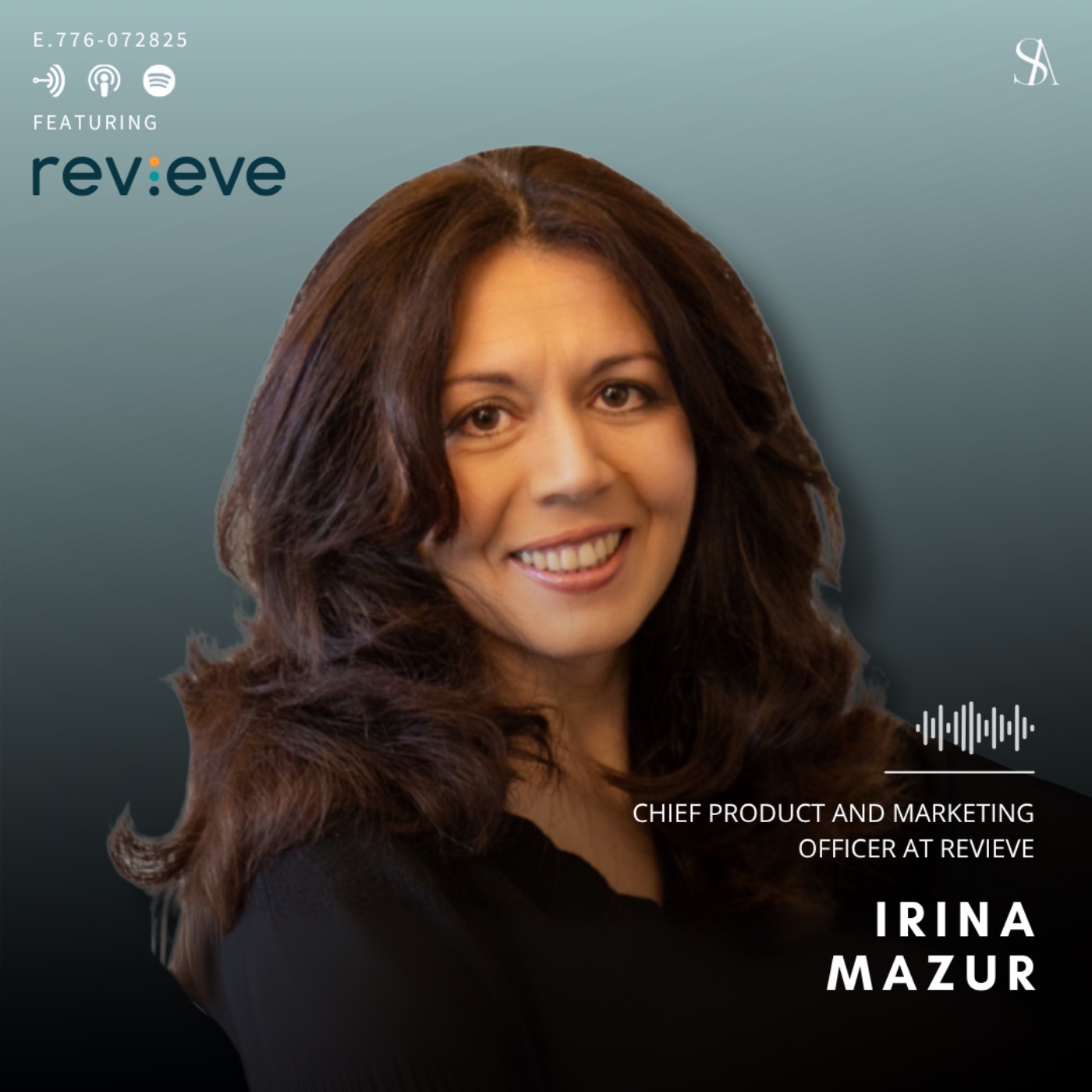
Skin Anarchy
The Future of Personalized Beauty Starts with Intelligent Diagnostics ft. Revieve
00:29:10
Loading summary
Transcript69 lines
- [00:01]
A
Hey guys. Welcome back to Skin Anarchy. Today's episode is kind of an inside look into how innovation and, you know, technology is working in the beauty industry, especially when it comes to product recommendations and how we as consumers are interacting with, you know, the world of beauty and consumerism. So I'm super excited to introduce you guys to our guest today, Irina Mazur, who's the chief product and Marketing officer at Reveal. Welcome, Arena. I'm so excited to host you.
- [00:29]
B
Thank you so much. I'm excited to be here. Thank you for this opportunity.
- [00:33]
A
Yeah, no, I'm really excited to chat because what you guys are doing at Raviv is so exciting for me. You know, I, I grew up as a gamer and so I really love everything tech and AI and, and beauty and so I can't wait to learn more about it. But I would love to, you know, have you walk us down memory lane. What got you involved with the beauty industry and, you know, kind of tell us where you started.
- [00:55]
B
Well, you know, looking back at my career, I really did it all, I think by now. But the way I was working on mobile tag back in the days of Motorola, or diving into analytics at Spins, or I was leading digital health innovation at init, the always have been, at least for me, this consistent strat. I've always been very passionate about using data and technology and making things more personal and meaningful for actual people. So that really drew me into the beauty space with Revive. And it allows me to bring this mindset of data driven, deeply tech, deeply consumer focused into an industry that is so personal, so understood, but yet so misunderstood by others and evolving so, so quickly. And I get to bring together everything that I've done from analytics to software to product strategy, to go to market strategies and communication and hopefully impact the people through AI creating this beauty and wellness journey.
- [02:08]
A
Yeah, that's really fascinating. I love that you're coming from this, like, deep technology understanding because the world of beauty is so, so different now than it was even like five years ago, you know, and I'm sure you know this better than me. You know, it's from the, from the tech side. But it's very fascinating as a consumer for me to sit and watch how we are interacting now, you know, with how we purchase products or get our recommendations or even, you know, feedback right, for brands to really, you know, understand what we want. So I'd love for you to talk about this a little bit and tell us really what does Raviv sp specialize in and what do you guys do for all the listeners out there so they can get an understanding.
- [02:48]
B
Absolutely. So. Well, first of all, you're absolutely right. Beauty is evolving constantly and it's very tactile, very visual. And it does require a lot of AI technology to create a deep experience. So the space also, while it's something where consumers touch and see and feel, at the same time, the industry itself feels extremely overwhelming. So consumers, a lot of times we need guidance and they need that comprehensive experience to make the decision with confidence and choice. So ultimately, we do provide that comprehensive journey, comprehensive intelligence, empowered by whole slew and whole spectrum of technology to create that guided journey for consumer. So, for example, it might start from asking a few questions to really understand consumer preferences and needs and goals and what is that that they're trying to bring to life. Then we bring in analysis of their, either their skin or of their facial characteristics, depending on sort of what their buying needs are. And then from there we actually have an opportunity to also educate consumers on their skins, their facial feature. You would be amazed to, to find out. Well, actually, you probably know how many people actually can't even describe their skin. They might describe a feeling, but they don't really know how to put it in a more specific context. And then from there we guide them to personalized routines, personalized recommendations, the products that work well together, that they could create this either full look, if we're talking in case of makeup, or a comprehensive skin routine for the daytime, nighttime. And so, so it's really end to end, guided journey. And there is full spectrum of AI technology behind the scenes.
- [04:56]
A
That's really interesting. And you know, with AI, it's, I feel like it's limitless, you know, when it comes to really understanding how to customize, you know, our experience. And it's interesting what you said in this whole personalization aspect. I think right now people are definitely, you know, wanting to figure out what goes hand in hand with what they already have, you know, so if you have like, I don't know if you have like your favorite blush, right. Like, what lipstick would go really well with this? I mean, what is the kind of like, give us some examples of like how, you know, Raviv works, like for consumers.
- [05:30]
B
Yeah, so. So maybe perhaps I will also touch you. You brought in the word personalization, and I think we use that all the time. I do feel that this word has become a bit overused in the industry and because of that it kind of lost its meaning.
- [05:48]
C
Right?
- [05:48]
B
Yeah, with, with the personalization, it actually has very different aspects. We do need to be able to Personalize not only to individual consum to the category. For example, a journey in skincare might be very different while using similar technologies, but very different than the journey in makeup or that the journey in the hair color. But then there is also another aspect and oftentimes it overlooked. The journey also requires deep understanding of actual product catalog. Every retailer or brand, they have a collection of products that they bring to the customer. We need to have deep understanding of all of the characteristics, properties, right? All of those details to actually make a sophisticated decision and recommendation. And then last but not least, let's not forget in case of relief, where our direct customer is a business, right? The retailers a brand and then they in turn serve their consumers. But all retailers, all brands are also different. They have their voice, they want to communicate and, and evaluate in a different way. They want to have their own look and feel, their own story. So to us at revive that word, personalization truly has multiple dimension of personalizing to all of those aspects. And I didn't even mention of, you know, another one. Our journey in the physical space in a store, for example, versus our journey online versus our journey on the road is also different. So it truly does need to be multi dimensional. But perhaps if I were to take one journey, let's maybe take a look at skincare, for example. So we usually ask a guided set of questions. For example, what concerns consumer has, what are their goals, what are their lifestyle habits, what are they trying to accomplish? And oftentimes we also we win a kind of couple of questions about what do they think their skin type is, what do they think their concerns are? And it's quite interesting to be able to have that understanding of, let's call it consumer perception, right. Versus what the reality is. And then we take them through the guided diagnostics. So it's based on the selfie. We guide them through how to take the correct selfie in the right light conditions and so that they get the best accurate results. And based on that selfie, we are able to evaluate it for whole spectrum of metrics. We evaluate over 200 different metrics behind the scenes and then we communicate that with a audience. All the different types of and placement of wrinkles, skin texture, redness, acne concerns.
- [08:52]
C
Right.
- [08:52]
B
So all of those details were communicated back to them. Essentially those metrics represent skin health, right? Yeah. That's interesting.
- [09:03]
A
So how do we grade whether. So you know, you're looking at. So say I take a selfie, right. And then I. You're look like it's. The system is analyzing my Face, you know, for the parameters you define. Is there like a, you know, you talked about perception, Is there like a consumer perception metric that is, that comes into play or is it all predefined?
- [09:26]
B
So I believe. So if we're talking about metrics, right. That are done based on the analysis itself, that's purely based on our understanding of consumer demographic, different features and whatnot. So when we are communicating those metrics, they regardless of what consumer thinks they have.
- [09:47]
C
Right.
- [09:48]
B
So essentially that's more. We now have an opportunity to educate the consumer about what, what the reality really is. And, and oftentimes consumers actually confuse some terms. So there's something else behind that. So we, however, from a data perspective, when we, we can then kind of share that and of course in anonymized form because we don't, don't have any personally identifiable data or anything like that. But we can share some insights back to brands or retailers about, like, hey, you have this group of customers that might actually have a very different perception about themselves rather than what's the reality. And usually that's a signal that maybe we could weave in some additional educational materials in the journey. Maybe a retailer brand could also put up some additional education.
- [10:44]
C
Right.
- [10:44]
B
And create tighter relationship with the customer. All of that is kind of like combination. We're serving the consumer and helps them learn about themselves while we are learning about them. And we also equip our customers with some additional data so they could act on it.
- [11:02]
A
Wow, that's really cool. I like that a lot. Because, you know, what's crazy right now, and I'm sure you've seen it, you know, when I look at social media a lot now, I see a lot of us out here, we have this very skewed, you know, understanding of what we might actually look like or what our actual concerns are. You know, when you're talking about skin health, I don't know how many people think that they have dehydrated skin or dry skin, but in reality, maybe you're dealing with a whole different issue that you don't understand. Right. So there's a lot of this happening in the skin care industry, especially when I look at how people are, you know, gravitating towards certain brands or certain products or even ingredients. They, we are assuming like, this is my problem and I need to fix it this way. Whereas this could completely revolutionize that. You know, where it's really a reality check for us that, you know, this is not maybe what we think is not really it. And, you know, it's it completely redefines, I think also how we look at dermatology.
- [12:00]
B
You know, you are spot on. And, you know, I'll take it maybe a little bit even simpler. When we deal with makeup, we usually focus on more analyzing facial features, such as is your face round or oval? You would be surprised how many people don't know how to answer that question.
- [12:17]
A
Yeah, yeah, that's really interesting, you know, because I, I always see this, especially with, you know, the younger generation, because they have these like crazy makeup trends now, right, where it's like everyone's trying to contour away their face. I feel like, you know, you talk to a professional makeup artist and they'll tell you not everybody needs contour. You don't need it, you know, so you need to understand those kind of things, like the shape of your face. And so that's very interesting to me that you guys are bringing this forward in such a strong way. So I want to ask, you know, in terms of getting brands on board with this, you know, where do you think that change needs to happen for brands, especially the more established brands, you know, in the way they're thinking? Like what, what is your insight in that?
- [13:01]
B
Well, I think we are seeing very strong understanding because what I perhaps very lightly touched on, and our journey doesn't end with education. We actually focus on creating and providing recommendations for the consumer. So bundled routines, and it's dynamic. So let's take, maybe let's take skincare, for example, just to give a bit of a, of a story to that. We all layer skin care products for the most part. Unless somebody is kind of going with simplistic, one size fits all. Well, it requires understanding the catalog, how the products interact with each other.
- [13:42]
C
Right.
- [13:42]
B
Maybe somebody was looking for products that contain retinol. But if you layer five different products with very strong retinol presence in it, you're probably not doing yourself any favors. So it does require additional nuances, not only understanding consumer and their characteristics, but understanding the catalog and knowing then now how to match that catalog, what to put together what not, and then match it to the person in the end, when you have that end to end journey. This is very simple business metrics that I would zero in. All right, it's conversion. There is immediate uplift to conversion. We are seeing conversion uplift from 20% and up. There is also uplift on overall number of items in the basket and basket order because we are creating that routine that's complementary in the products, and we provide in that opportunity to choose the products together. So Those two metrics alone, not to mention time spent and overall trust and loyalty and all that, that's already business metric enough. That speaks for itself. And we have numerous customers around the world that deal with that. But then on top of that, the data, the data that that journey collects. Most retailers and brands are desperate to get this data so they can make educated business decisions. Not just as far as direct to consumer journey, but other actions. So marketing, communication.
- [15:16]
C
Right.
- [15:16]
B
How would they, what should they emphasize on whatnot? We have actually partners that have made formulation decisions based on the data that they received because they saw that as an opportunity. They realized that their consumer demographic was lacking products with certain characteristics and they added that into their formulation and into their product lines. Similarly, retailers could make that when making assortment decisions and then various, that data also allows them for various partnership monetization strategies. And mind you, that's the data you can't buy anywhere because it's data about their own consumers. So honestly, I think we don't have a problem getting them on board. I just wish perhaps some of them moved a little faster right in that. But, but every single one of them is realizing the need for, for this kind of journey.
- [16:14]
A
Yeah, I think this is going to be definitely like the next, you know, the new frontier when it comes to doing your homework as a brand. You know, I think that we, for a long time consumers have been knocking on the door of brands to pay attention and listen to, you know, what we think we need. But it's really about being more data driven at the end of the day. Because if you're not able to analyze, you know, it's like the argument you can collect all the data you want, but if you can't put, you know, piece it together and make some sense of it, then it's useless. Right. So absolutely. Yeah. So that's where I think this is very, very cool. And I think even for us consumers, like, I'm very excited to see that this technology exists because oftentimes, I mean, especially in skin care, you know, to feed off of everything we've talked about. But skin care, I think you brought up a really interesting point with layering skin care, you know, and I think a lot of times we think it's all ingredients that we need to pay attention to, but it's not. It's actually like the skin physiology as well. So if you're layering actives and then you, you know, maybe you are somebody who doesn't have sensitive skin, then you're able to add on another layer of a More hydrating, you know, product, you're fine. But then the next person might do that and they get severe irritation on their skin, you know, so it's like this individualized response that we're having. And it's not only ingredients that are causing that. So that's where I feel like this is really going to revolutionize our understanding of, like, what true, you know, like, optimization of formulations is.
- [17:42]
B
No, you're absolutely spot on. And I mean, I will say that the consumer these days is getting more educated, but in a sort of blind way, if I may say that. This way, because they're learning that certain ingredients are good. They're not quite sure for what.
- [18:03]
C
Right.
- [18:03]
B
Perhaps sometimes there's a buzzword and they're not quite sure, of course, of their exact, I would say, chemical properties.
- [18:10]
C
Right.
- [18:10]
B
But they know that this is supposed to make you look younger or this is supposed to do something else. So they zero in on that and they don't actually understand that some of the ingredients, maybe two good ingredients put in the same formula become. Create negative effect, for example, right. There's a chemical reaction. So all of those effects, we are factoring that in, in the journey. That's why I'm stressing always that, yes, our platform facilitates understanding consumer and all of the details about their skin and their face, but our platform also takes a very deep look into the catalog available.
- [18:53]
C
Right.
- [18:53]
B
That we take to that consumer and all those ingredients and properties behind the scenes to create that proper match. And then from there we also, once, once we go, we take consumers through that journey. We are able to also put additional information on each next product they select and kind of say, like, well, this might be good for you and this may not be good for you. So it actually helps with the rest of the journey. Should they want to browse or should they want to swap the products, for example?
- [19:22]
A
That's huge. That's really huge. Especially like if you're going to, like, I keep thinking of like an esthetic provider, you know, that's like carrying like multiple lines in their clinic or their practice and then having this tool to recommend, you know, to not only recommend, but also maybe let the patient or the client, you know what I mean, utilize the technology and then they know what I should be shopping for. I mean, that's. That's huge. That's really huge.
- [19:48]
B
Well, and maybe if I may, I bring up another point into this. Being able to do diagnostics for all the different demographics requires also a very sophisticated technology because how certain concerns or certain things manifest Itself on skin like, of different tones is different.
- [20:10]
C
Right.
- [20:11]
B
In some cases, certain conditions are more noticeable to the naked eye on certain, on one type of skin tone, but not noticeable at all. So some people may not even see.
- [20:22]
C
Right.
- [20:23]
B
And have enough information. But with the computer vision, we are able to do that sort of thing. But there is another aspect which since we're dealing with brands and retailers and of course they get in the stories they want, they mostly do want to serve their consumers the best they can. But we are dealing with selfies, right. We are dealing with essentially sensitive information. So they do need to be very careful in choosing the technology that respect a pii, right. That does not collect or store sensitive or personally identifiable information and facilitates experience.
- [21:04]
C
Right.
- [21:04]
B
Make sure that there is proper UI prompts, opt in, opt out.
- [21:08]
C
Right.
- [21:09]
B
But also technology provider or if they build in themselves, of course, you need to be also aware of all the different laws in different territories. And perhaps for retailers it's not as important because many retailers are a little more specific to a particular territory. But with brands, and especially with brands that are global, adhering to all the regulations that might be different in US or for example in UK or in the rest of the Europe, that's. That's another very significant factor in figuring out that the technology is really, really tight on that.
- [21:45]
A
Yeah, that's going to be actually huge. I'm glad you brought that up because when I look at the space right now, it's longevity is the big, big one example of this where a lot of people are getting things done that are, you know, very sensitive to personal information. Like you're sharing your personal information very readily with these different platforms. And so, yeah, you're absolutely right. You know, protecting user privacy is absolutely number one, you know, because God forbid, you know, you, if you end up putting your information in somewhere and then that resurfaces in a terrible way that's going to compromise the way that we look at, you know, things like longevity medicine or like, you know, even like any new technology and incorporating tech in our, you know, healthcare system overall, I think that's going to really change the game. So I, yeah, I agree. I think, you know, user privacy is huge and it's honestly, nobody's really talking about that at all. You know, I keep seeing, yeah, I keep seeing companies pop up, they're like, I can, we can track, you know, 500 biomarkers, but it's like, well, I don't know if I want to give you my, my information so you can track 500 biomarkers and then it gets leaked somewhere. You know, that's a big concern.
- [22:52]
B
So, yeah, you're spot on.
- [22:55]
C
Right.
- [22:55]
B
And crafting that user experience journey. Right, like what prompts and what disclaimers and how you make sure that they're readable and also suitable for the people perhaps with disabilities.
- [23:08]
C
Right.
- [23:08]
B
All the right disclaimers. But also maybe people will give you their permission, but you also need to make sure that you're compliant with the law. Maybe you didn't have a right to even ask for that permission. So with us, with Revive being global, we operate in just about any territory that I could think of. We, we make sure that all of that is to the letter of the law and actually above and beyond that with all the transparency options to opt out wherever possible and very strict disclaimers. But we also don't just do not store or collect any PII information that gets discarded. We.
- [23:53]
A
Yeah, that's good. That's good. Yeah, no, I, I want to talk about a little bit more like go a little deeper because, you know, when we see like all the different diagnostic layers, especially with skin health, I mean, a lot of different topics come up, such as the microbiome, hormonal health, you know, all these parameters that we are now understanding in medicine to be relevant to the way that our skin interacts and they're also trackable. Right. So how does that, you know, how do you see the next wave of beauty tech adapting to this, you know, in terms of how to really integrate all this information in a way that's going to be truly tracking the overall wellness rather than just little points, you know, that are maybe meaningless if we look at them standalone.
- [24:40]
B
Yeah, no, absolutely. You're absolutely spot on.
- [24:43]
C
Right.
- [24:43]
B
Overall behind all of this, it's overall wellness. Right. That's really what, what the consumer is going towards. And perhaps I will start that at least even today we already kind of create in that breach. So for example, we can bring an element of wellness into the recommendations. So for example, part of the routine could be certain supplements or certain educational component on sleep patterns or something like that. However, I think it's important to understand it's really what consumers, when consumers saying what product should should I use, what they actually are asking what should my lifetime choices be and then which product should I use? So they do care about, you know, their sleep, their stress levels, their lifestyle choices and they want to make sure that they connected essentially to any purchase decisions.
- [25:41]
C
All right.
- [25:41]
B
And, and evolve that. So we are seeing overwhelming growth in demand for overall wellness and bringing the wellness into the beauty experience in the, in a meaningful way. People also want to factor in the travel schedule or climate, which by the way, we already factor in as well, climate characteristics and things like that over time. So I think it's a combination of factors for us. We're going to continue to evolve. We do want that personalization platform for wellness. We will continue collaboration and looking for partners to bring in additional data points.
- [26:24]
C
Right.
- [26:24]
B
Additional levels of information or technology needed to bring that into the experience. And then we will be continuing to look how to bring all of that data into more comprehensive recommendations beyond the product.
- [26:41]
C
Right.
- [26:42]
B
Or also factor it in, into. Into selection of products themselves. But our recommendations wouldn't just about the skin care products per se, but rather other supplements or activities or actions. So. But I would say it's not about. Sometimes I hear people say, well, we're just going to overwhelm consumer with data. No consumer wants that data. I think it's not about pushing more data on them, but it's more to give them that experience that feels holistic and supportive.
- [27:18]
C
Right.
- [27:18]
B
So that we're not eating one part and leaving and ignoring everything else.
- [27:23]
A
I completely agree. I think that's really, you know, it's absolutely the, the right way to go with this because I, you know, I do worry because we are getting to the point now where everything is trackable, you know, and it's like, I love that, I love that we're able to have this extreme level of personalization. Right. It's almost like on extreme level. But then bringing context to all of that is the most important part, I think, of tech right now, you know, in the current landscape of how things are moving and, you know, that's the most, the biggest question mark as well. Right. Even if in the, you know, I look at the side of like medicine, we can collect all this information, but if we can't understand what it means, it means nothing at the end of the day. So I think that's very, very true, everything you said. I'm excited to see how this space evolves, you know, especially for beauty.
- [28:11]
B
Absolutely. And I think it's something that everyone understands and that's why we all say we all want to be younger. We just want to feel good.
- [28:21]
A
Yeah, that's so true. That's so true. I love it. I love what you're doing with Raviv. And I really, you know, applaud you guys for bringing this to the beauty world and for, you know, for any brands out there, any founders listening in. You guys have to, you Guys, got to check this out. This is definitely the future, you know, and I think we should all be thinking about this true meaning of what personalization is, you know, when it comes to integrating tech into what we are creating and we're putting out there. So I'm a huge fan, but thank you so much. This has been so great.
- [28:50]
B
Irina, thank you so much and thank you for opportunity to share our experience and what we built at Revive. Hopefully the listeners out there get some interesting information and of course, very welcome to to join us on this quest for beauty. Awesome.
- [29:08]
A
Thank you so much.
- [29:10]
B
Thank you.
- [29:10]
A
Hey guys, so I hope you love that episode. Please make sure to hit subscribe if you're tuning in to us on any podcast platform. We are available on so many different platforms, so wherever it is that you're tuning in, just go, hit subscribe. You'll be immediately notified when we publish new episodes. This way you're able to tune in to amazing insights from experts, brand founders, industry leaders, authors, all the wonderful people that we host. And that's very important for me because I love to hear from you guys and really understand what you love and what you want to hear more of. Also, make sure to give us a follow on all of our social media outlets. We're available on Instagram, TikTok X, you name it, we're there. We also have a blog on Medium, so if you're a reader and you love Medium blogs, check us out on Medium. We publish some really great articles on there that do deeper dives than just what's available on the podcast. And it's really a great place for all of you science geeks out there that want to learn a little bit more. We go above and beyond with our research and making sure we're bringing you information that you usually probably won't hear about in other outlets. So check us out, leave us a comment, leave us a review, and we'll be back next time with another episode. Thank you.