Podcast
Slate Culture Feed
Hosted by Slate Podcasts · EN
Get the Culture Gabfest and all of Slate's culture coverage here.
Hosted on Acast. See acast.com/privacy for more information.
187episodes
Episodes
Newest firstAll episodes
ICYMI - Are You Anti-Influencer, Or Anti-Women?
3d ago00:39:02Tap to summarizeAfter a small business in Nantucket put a “no influencers” sign in their store, creators accused it of being sexist. The issue divided the internet, when really, both things can be true: Influencer culture is harmful, and “influencer” has become a pejorative word for any woman who posts online. On today’s episode, host Kate Lindsay talks with writer Kat Tenbarge about how the word “influencer” has belittled female creators since the beginning, and how male creators have escaped the same scrutiny.This podcast is produced by Vic Whitley-Berry, Daisy Rosario, and Kate Lindsay. Hosted on Acast. See acast.com/privacy for more information.
Transcribe →ICYMI - We Lost Another Creator To AI, Boys
6d ago00:37:56Tap to summarizeHank Green is finally burning out. After creating for the internet for almost 20 years, the YouTuber (and one half of Vlogbrothers) confessed to having a “not healthy” relationship with AI, relying on the tool to help him create more and more content. Viewers, however, feel betrayed, and worry they can no longer trust Hank’s work to be his own. In today’s episode, host Kate Lindsay talks with Charlotte Moore-Lambert, who like Hank is a science communications creator and mutuals with him on TikTok. She made her own video about the controversy, about how we got here, and why there’s no such thing as ethical AI. Note: While preparing this episode, Hank Green dropped a new video about this controversy on the Vlogbrothers YouTube channel. You can watch it here.This podcast is produced by Vic Whitley-Berry, Daisy Rosario, and Kate Lindsay. Hosted on Acast. See acast.com/privacy for more information.
Transcribe →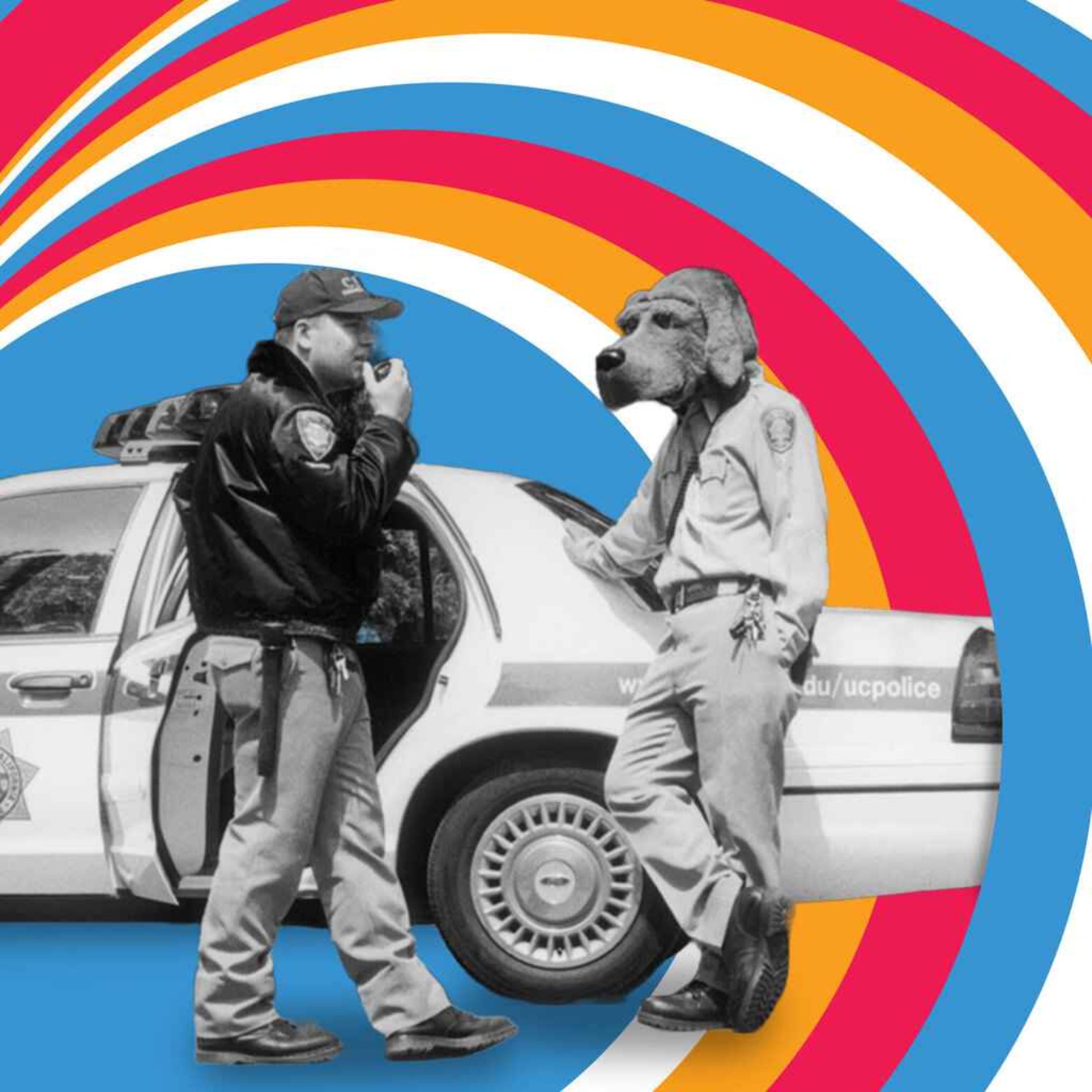
Decoder Ring - McGruff Takes a Bite Out of Crime, Part 1 (Encore)
6d ago00:33:44Tap to summarizeMcGruff the Crime Dog arrived on the scene at the dawn of the 1980s, just as a firehose of anti-drug PSAs was inundating the youth of America. These messages didn’t always work as intended—but they did work their way into the long term memories of the kids who heard them.In the first of two episodes, originally released in 2022, we take a look at PSAs and their strange afterlife through the lens of a trench-coat wearing bloodhound and his bizarre, yet catchy anti-drug songs. We’ll talk to Dan Danger, Sherry Nemmers, Joseph Cappella, David Farber, Mike Hawes, and Robin Nelson to discover how the McGruff Smart Kids Album came to exist in the first place.This episode was written by Willa Paskin. It was produced by Willa Paskin and Katie Shepherd. We had production help from Sam Kim. Editing by Jamie York and Derek John. Decoder Ring is produced by Max Freedman and Evan Chung, our supervising producer. Merritt Jacob is Senior Technical Director. Our intern is Phoebe Mulder.Thank you to Wendy Melillo, Dan McQuade, Dale Mantley, Larissa Zargeris, Daisy Rosario, Dave Bledsoe, Larre Johnson, Duane Poole, Ari Merkin, Charles and Karen Rosen, and Eric Greenberg.If you have any cultural mysteries you want us to decode, email us at DecoderRing@slate.com or leave a message on our hotline at (347) 460-7281.Get more of Decoder Ring with Slate Plus! Join for exclusive bonus episodes of Decoder Ring and ad-free listening on all your favorite Slate podcasts. Subscribe from the Decoder Ring show page on Apple Podcasts or Spotify. Or, visit slate.com/decoderplus for access wherever you listen. Hosted on Acast. See acast.com/privacy for more information.
Transcribe →
Death, Sex & Money - A Refreshingly Curious Adventure through Our Divided America
1w ago00:55:39Tap to summarizePeter Santenello has been documenting his world travels on YouTube for nearly two decades, but it wasn’t until he moved in with a family in the Ukrainian countryside that he really began to hone his storytelling approach. There were no flashy edits or celebrities, just visits with locals talking about their home, and his Ukraine series quickly gained an online following in that country. When the pandemic hit, Peter moved home to the United States and wondered if his formula could work there too – and that’s when his audience really exploded. Now with more than 4 million subscribers, Peter travels around the country chronicling all sorts of micro-cultures that “the media fails to capture,” showcasing places at various points of the economic cycle, some booming, and others left out of prosperity and struggling to hold on. He joins Anna to talk about transitioning to US-based videos, what makes his approach unique, and why curiosity beats expertise. You can watch all of Peter’s videos on his YouTube channel @PeterSantenello, and his new book Your Fellow Americans: Dispatches from Across the Country We Call Home is out now. This episode was produced by Andrew Dunn. Get more Death, Sex & Money with Slate Plus! Join for exclusive bonus episodes of DSM and ad-free listening on all your favorite Slate podcasts. Subscribe from the Death, Sex & Money show page on Apple Podcasts or Spotify. Or, visit slate.com/dsmplus to get access wherever you listen.If you’re new to the show, welcome. We’re so glad you’re here. Find us and follow us on Instagram and you can find Anna’s newsletter at annasale.substack.com. Our email address, where you can reach us with voice memos, pep talks, questions, critiques, is deathsexmoney@slate.com. Hosted on Acast. See acast.com/privacy for more information.
Transcribe →ICYMI - The "Skinnyphobic" Myth
1w ago00:45:52Tap to summarizeWe don’t know how to talk about bodies online. When a popular content creator named Samyra posted a TikTok accusing The Cheesecake Factory’s “Skinnylicious” menu as fatphobic, the internet couldn’t stop itself from berating her about her size. But when Ariana Grande releases a new music video and people express alarm about her weight loss, suddenly it’s inappropriate to discuss other people’s bodies. Today, we’re joined by Sesali Bowen, author of Bad Fat Black Girl: Notes From a Trap Feminist to help make sense of all this and why it seems like it’s open season to litigate on fat people’s bodies.Get more of ICYMI with Slate Plus! Join for exclusive bonus episodes of ICYMI and ad-free listening on all your favorite Slate podcasts. Subscribe from the ICYMI show page on Apple Podcasts or Spotify. Or, visit slate.com/icymiplus for access wherever you listen.This podcast is produced by Vic Whitley-Berry, Daisy Rosario, and Kate Lindsay. Hosted on Acast. See acast.com/privacy for more information.
Transcribe →
Hit Parade | Music History and Music Trivia - Her Heart Will Go On Edition
1w ago00:44:11Tap to summarizeCéline Dion is set to emerge from her career dormancy into a sold-out Paris residency—a triumph over a rare neurological illness that, until recently, prevented her from singing. Her silence seemed unimaginable. Only a few decades ago, a precocious Dion evolved from a big-lunged teen Francophone chanteuse to the chest-beating frontwoman of a string of smash English-language hits—including several titanic movie themes. The sheer physicality of her athletic voice captivated audiences in the ’90s, and filled your mom’s car.Join Chris Molanphy as he unlocks the heart of Céline Dion's chart history—how she built pop’s most soaring career from working-class Quebec to the stage at Eurovision…from the power of love to the prow of a very large ship.Podcast production by Kevin Bendis. Hosted on Acast. See acast.com/privacy for more information.
Transcribe →ICYMI - Don’t Fall For 90s Nostalgia Slop
2w ago00:41:07Tap to summarizeThe internet is never not nostalgic for the past, but something about the 90s is different. While previous trends like Y2K and “millennial optimism” have been mostly about the hair and clothes, 90s nostalgia is all about the tech. Or rather, lack of tech. Host Kate Lindsay and showrunner Daisy Rosario talk about what social media gets right about the decade, and what’s just “nostalgia slop” trying to sell us something. Plus, Slate favorite Dan Kois has a challenge for listeners: Party Like It’s 1996!This podcast is produced by Vic Whitley-Berry, Daisy Rosario, and Kate Lindsay. Hosted on Acast. See acast.com/privacy for more information.
Transcribe →Death, Sex & Money - I Have a Crush on My Therapist. Now What?
2w ago00:55:55Tap to summarizeCaroline started going to therapy as a teenager because of depression. After a couple of years working together, she expressed a fantasy. “I had a vision of us dancing to Pachelbel's Canon” she told him. Caroline's therapist was 45-years-old and married, but they soon started a romantic relationship. In this episode, Anna hears from Caroline and other listeners about when romantic feelings come up in therapy and unpacks it all with Sally Openshaw, a psychologist and expert who studies erotic transference.Podcast production by Zoe AzulayDeath, Sex & Money is now produced by Slate! To support us and our colleagues, please sign up for our membership program, Slate Plus! Members get ad-free podcasts, bonus content on lots of Slate shows, and full access to all the articles on Slate.com. Sign up today at slate.com/dsmplus.And if you’re new to the show, welcome. We’re so glad you’re here. Find us and follow us on Instagram and you can find Anna’s newsletter at annasale.substack.com. Our new email address, where you can reach us with voice memos, pep talks, questions, critiques, is deathsexmoney@slate.com. Hosted on Acast. See acast.com/privacy for more information.
Transcribe →ICYMI - Women's Health Is Not Your Clickbait
2w ago00:39:29Tap to summarizeWomen’s health is being yassified online, from ill-advised marketing campaigns by companies trying to go viral to creators pushing anti-abortion agendas under the guise of “natural” birth control. It feels like there’s no one to trust when it comes to sexual health, and it’s playing right into conservatives’ hands. Writer Noelle Perdue experienced this first-hand, and joined host Kate Lindsay on today’s episode to talk about the real-world harm of this online rhetoric. This podcast is produced by Vic Whitley-Berry, Daisy Rosario, and Kate Lindsay. Hosted on Acast. See acast.com/privacy for more information.
Transcribe →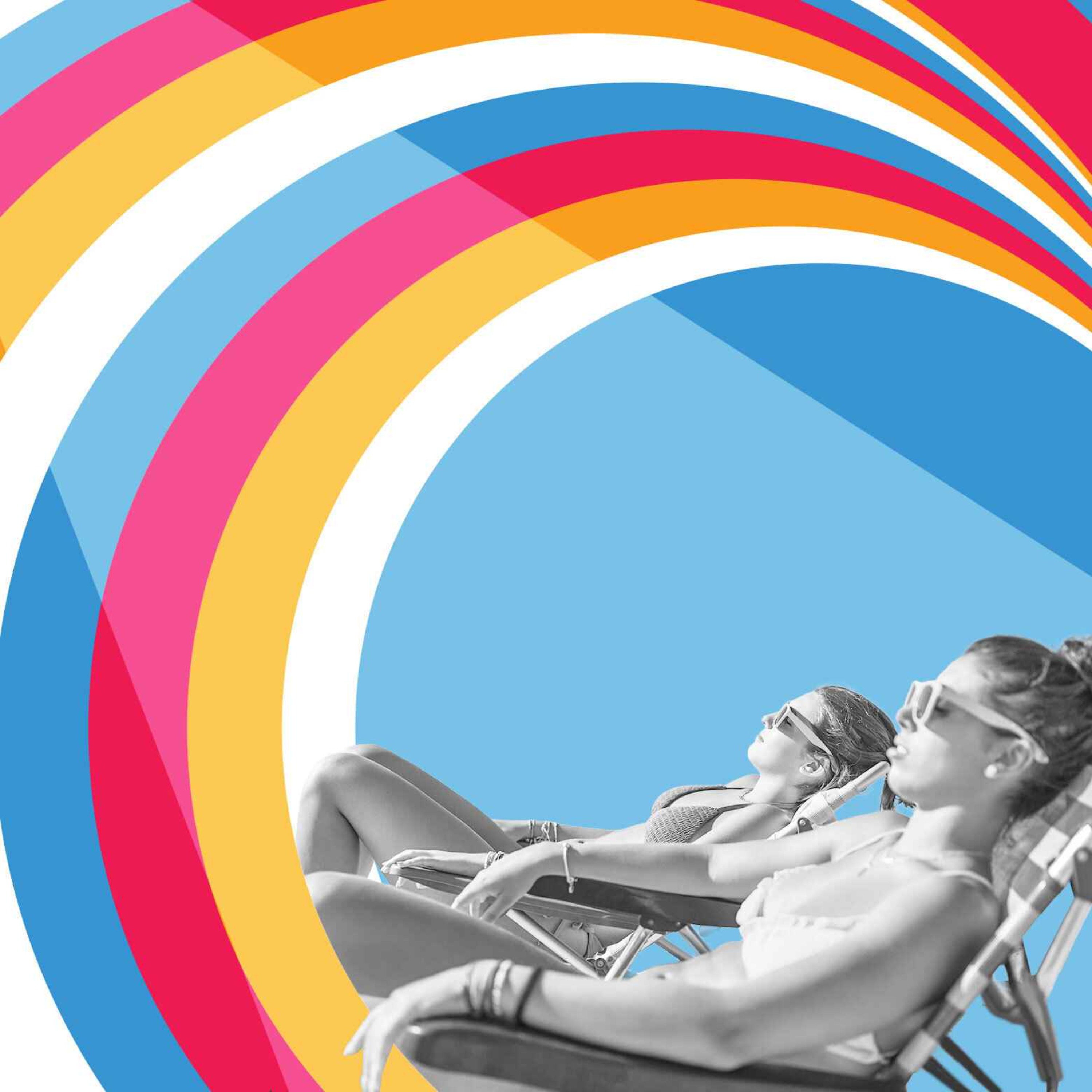
Decoder Ring - The Fight Over Sunlight
3w ago00:52:18Tap to summarizeThe sun has always been a hot topic. For centuries, we’ve flip-flopped over whether our health depends on soaking up its rays—or shielding ourselves from them. The current conventional wisdom is clear: Avoid sunburns at all costs, using shade, hats, long sleeves, and the highest SPF sunscreen your drugstore has to offer.But in a historical sense, that advice is pretty new. Not long ago, doctors told parents to slather babies in oil and let them roast in the afternoon sun. Tanning was once medically prescribed. Though we’ve lived under it for all of human history, we’ve never quite figured out how much sun is actually good for us. So where has the pendulum landed today? And why does it keep swinging in the first place?In this episode of Decoder Ring, Willa talks to Rowan Jacobsen, author of the new book In Defense of Sunlight: The Surprising Science of Sun Exposure, who argues that our current guidelines have gone too far in emphasizing the risks of the sun. She also speaks with Catherine Cocks, the director of the Syracuse University Press and author of Tropical Whites: The Rise of the Tourist South in the Americas, about how race drove our cultural obsession with suntanning.This episode was written by Willa Paskin and our supervising producer, Evan Chung, who also produced this episode. Decoder Ring is also produced by Max Freedman. Merritt Jacob is Senior Technical Director. Our intern is Phoebe Mulder.If you have any cultural mysteries you want us to decode, email us at DecoderRing@slate.com or leave a message on our hotline at (347) 460-7281.Get more of Decoder Ring with Slate Plus! Join for exclusive bonus episodes of Decoder Ring and ad-free listening on all your favorite Slate podcasts. Subscribe from the Decoder Ring show page on Apple Podcasts or Spotify. Or, visit slate.com/decoderplus for access wherever you listen. Hosted on Acast. See acast.com/privacy for more information.
Transcribe →