Loading summary
Transcript1 lines
- [00:02]
Katie Milkman
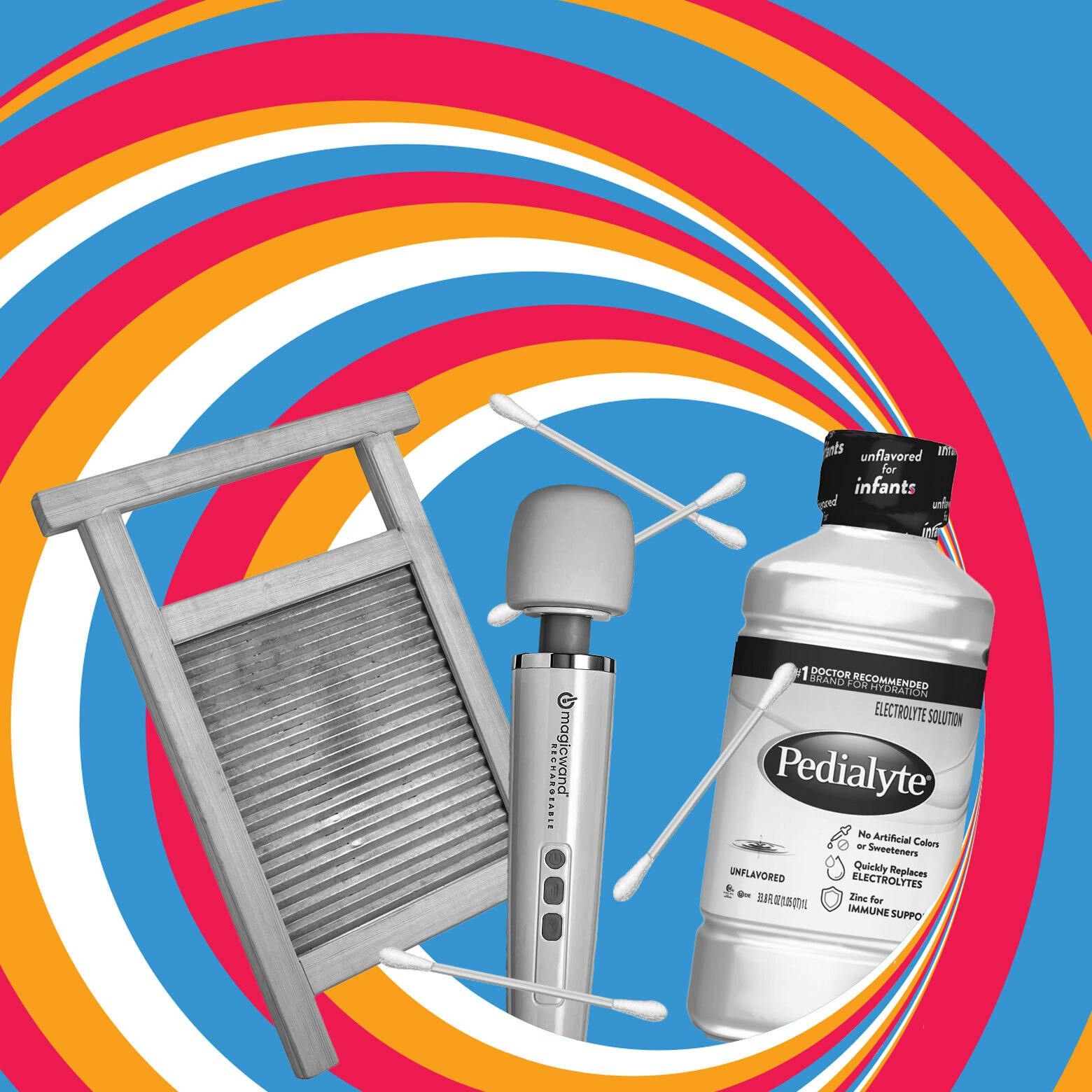
This episode is brought to you by Choiceology, an original podcast from Charles Schwab. Hosted by Katie Milkman, an award winning behavioral scientist and author of the best selling book how to Change. Choiceology is a show about the psychology and economics behind our decisions. Hear true stories from Nobel laureates, authors, athletes and everyday people about why we do the things we do. Listen to choiceology@schwab.com podcast or wherever you listen. This episode is brought to you by Amazon. Sometimes the most painful part of getting sick is the getting better part. Waiting on hold for an appointment, sitting in crowded waiting rooms, standing in line at the pharmacy. That's painful. Amazon One Medical and Amazon Pharmacy remove those painful parts of getting better with things like 247 virtual visits and prescriptions delivered to your door thanks to Amazon Pharmacy and AmazonOne Medical Healthcare just got less painful. A heads up before we begin, there's a segment in this episode that contains adult content. We'll let you know when we get there. Roberto Ferdman is a journalist and a couple years ago he became so fascinated by a completely ordinary household object that he had to write about it. I've known for the longest time that Q tips are not meant to be used inside of your ear. And yet everyone still does it. Roberto does it. I do it. According to ents and studies about Q tip use, you probably do it too. And frankly, Q tips look made to stick in your ear. They are perfectly ear canal sized. And then there's how it feels when you stick them in and give them a good swirl. It's satisfying. I mean, I hate to say it, but it's not just. It's not just satisfying because it feels good. It's also quite satisfying when you see what you've taken out of your ear. You're like, wow, like I'm. I'm like two pounds lighter. At least. In fact, it's disappointing when you clean your ears with Q tips so much that they're clean all the time. You almost want to wait and just get like a gross orange, disgusting Q tip. I am embarrassed at how relatable that is. It's not clear exactly when people started sticking Q tips in their ears, but it was soon after they were invented. So Q tips as they were originally conceived, this was in the early 1920s, were used for baby care. The story goes that a man named Leo Gertzenzang saw that his wife had affixed a puff of cotton to the top of a toothpick to preen their infant daughter to apply ointment, clean crevices wipe up moisture, and a light bulb went off. He was like, people need this. Mothers, fathers need this. So he invented what was originally called Q tips. Baby gaze. The Q stood for quality. That eventually became Q tips. And then, you know how it started, I don't know, but people started putting them in their ears, and they were like, wow, this feels incredible. Q Tips never advertise themselves as explicitly or primarily for ears, but it was mentioned as something you might use them for. You can see that in an Advertisement from the 1960s that has eight small color illustrations of people using Q tips in different ways. One's applying makeup. Another's polishing jewelry. One's tending cuts and scrapes, dusting nooks and crannies, cleaning typewriters. And in one of these, it says, dad has found the ideal blotter for water in the ear. And he's holding the Q tip just outside of his ear like we all know what's about to happen, right? Like he's about to dive deep into his ear, and he's excited about it. Look at that smile. But despite looking and feeling like little ear cleaners, Q tips are not actually good for your ears. Q tips are bad for a variety of reasons. For one, most people do not need to clean their ears at all. The skin is pretty soft inside of your ears. It's susceptible to ear infections. Earwax protects against that. It protects against things entering into your ears. And then on top of that, using Q tips to clean your ears. It ends up pushing a lot of the earwax further into your ear. That can damage your eardrum. It can cause hearing problems. And so Q tips began telling people there might be some flaws with using Q tips the way people had been using Q tips for decades. We found an example of packaging for the 1970s, where on the back, it explains how to clean your ears. And it ends with. Without entering the ear canal. You know, I wouldn't call that explicit. I'd say that's like a soft warning. The warning was still pretty soft in the early 1980s, when Betty White was appearing in ads for the product. Just because nobody ever slips on a cotton swab in the bathtub does not mean you should. Shouldn't be concerned about its safety. You can hear her literally stop. Just short of saying you could use them on your ears. Use them on your eyes or on your nose or on your ear. Q Tips, the safe swab. But Q tips did eventually stop being cute about the warning. If you look at the packaging of Q tips today, it says warning this is in bold too. Do not insert swab into ear canal. So they're serious about it? I would say so. Yet despite these serious admonishments to get us to stop, we don't, we won't. We keep putting Q tips to their off label use. We know that that is not the purpose. And yet I can't imagine a more satisfying use for Q tips than putting them inside of your ear. And we don't just do this with Q tips. Some things are just meant to be used other than how they're supposed to be. This is Decoder Ring. I'm Willa Paskin. Products often tell you how they're intended to be used. Drink this, clean with this, play with this, plop this in your bath. Give this one to your mom. But why stop there? In today's episode, we're going to look at three distinct objects that are ostensibly meant for one thing but are well or best known for another entirely. It's a little crash course in the fascinating stuff that can happen when we stop following instructions. So today on Decoder Ring, what's the right way to use something wrong? The temperature is rising and summer is almost here. Tired of looking at the same tank, the same shorts, the same everything? Give your daily uniform and upgrade with Quince. Their pieces are easy, elevated and will make you feel more put together without even trying. I have a great sleeveless summer dress from Quince that feels nice and cool to the touch, easy to throw on and looks really nice. And I've been wearing it a lot. By working directly with top artisans and cutting out the middlemen, Quince gives you luxury without the markup. Like 100% European linen shorts and dresses from $30 Luxe Swimwear and Italian leather platform sandals and so much more. Treat your closet to a little summer glow up with quints. Go to quints.com decoder for free shipping on your order and 365 day returns. That's Q-U-I-N-C-E.com decoder to get free shipping and 365 day returns. Quints.com decoder go. The off label use we're going to start with is a handheld electric appliance that purports to be something banal but is in fact worthy of the content warning we just gave at the top of this episode. So if you're listening around sensitive ears, now's your chance to skip ahead 15 minutes or so, because we're going to start with a Hitachi Magic Wand. Oh, the Hitachi Magic Wand. Is the best sex toy in the world. Every other vibrator is judged by its power. Halle lieberman is a sex historian and the author of the stimulating history of the sex toy. You know, if we had a hall of fame, you know, like it, it would be on the Mount Rushmore and it would be in the middle. I can't overstate its importance. The magic wand was first released in the United States in the late 1960s by the Japanese multinational company Hitachi. And his design hasn't changed much since. The magic wand almost looks like a baseball bat. It's got a hard plastic handle that is a foot long or longer, and it's got the little buttons on it, and it's heavy. About half a million magic wands are sold every year, and it enjoys the kind of name recognition that other products, let alone vibrators, could only dream of. I heard you like magic. I got a wand and a rabbit. So, baby, let's get freaky, get kinky. Let's make this bed get squeaky. But if the magic wand is the iconic vibrator, it's not thanks to the company that makes it. You know, nothing sexual is on the package. The Hitachi magic wand is a handheld all purpose vibrating massager that stimulates your circulation. Its smooth vibrations alleviates sore muscles, Removes the lactic acid, and reduces your stress. It's basically marketed as a back massager. This kind of circumspection can seem a little prudish today. But a company playing coy about being a sex toy has been a part of the story of vibrators since they were first invented 150 years ago in the 19th century. We have, like water powered vibrators. You have air powered, you've hand cranked. We get the first electromechanical vibrator in the 1880s, which was actually intended for men. Others made for women too soon followed. Like all early vibrators, they were marketed for use in doctor's offices as a medical device. But Halle wants to make clear they were never actually used in the manner that's most infamous. Vibrators were not invented to cure women of hysteria. Doctors were not masturbating women in their offices in the early 1900s. Never happened. That's not why they were invented. Instead, they were sold as a cure for just about everything else. It could treat your eye problems, it could treat your ear problems, it can treat caked breasts, which some people today think was, you know, breast cancer. Cancer. But doctors ultimately didn't find vibrators to be medically useful. Vibrator companies started selling directly to consumers. And as houses got wired for electricity, they became one of the first and most common electrified appliances in the home. They were sold door to door by salesmen and advertised in newspapers as an all purpose therapeutic aid and a wrinkle reducer. All without mentioning any potential sexual use. At least unless you read between the lines. You look at vibrator ads at this time, you see, like, women with low cut dresses, so much sexier than everything around them. You can see their cleavage and they're like, oh, curing indigestion. That's like my favorite one. It's like curing indigestion. Like, really? Who, who looks like that when they have indigestion? Nobody. That's how they, like talk. Told the audience, oh, this is sexy. Like, even the men in some of the vibrator ads, they're like, they got their muscles, their biceps, and they're like vibrating it and they're like feeling better, feeling manly. And it's like, huh. Vibrator companies were sneaking past sensors and obscenity laws to reach savvy consumers. But how many people actually use the product erotically in the privacy of their own home? That's hard to say. People don't write about masturbation in their diaries. The records we have, you do have some doctors in the 1920s saying, like, don't let your wife use vibrator treatment. She won't want to go to bed with you. So they knew, but they didn't say anything. You know, it was that kind of thing. And that's pretty much how things stayed for the next several decades. There were almost certainly some people using their vibrators for sexual reasons. But for the general public, apparently they were just another household appliance, like a vacuum cleaner. A thoughtful gift for husbands and sons, a beauty product for Mom. In 1953, Good Housekeeping was still giving vibrators its seal of approval. So there was nothing particularly unusual about a Japanese made vibrator arriving in American department stores. And the Hitachi magic wand might have remained unremarked upon if not for one woman. How does it become big? How do people find out that it has sexual uses? Enter Betty Dodson. That's how people find out. I'm probably hooked on my vibrator. I'm probably going steady with it, but I'll worry about that later. I don't know. This is Betty Dodson speaking at a National Organization for women Conference in 1973. Listen, I brought four with me to the conference. What can I Say, I got four. Four, not one. I've got four vibrators. Betty Dodson was an artist, and she did what women of that era did, which was she thought she had to get married or she'd be an old maid. She got married. Sex with her husband sucked. We would make love. I wouldn't have an orgasm. And I thought at the time, naturally, naturally, it was my fault. You know, what am I doing wrong? And she thought she was broken. So she would roll on her side and masturbate and not tell her husband a thing about it. I was terrified that one night he would look over and catch me doing it. Then what? Would they take me away. She's a masturbator. She thought this masturbation habit was something like horrible. Like she was, like, ashamed of it, thinking, no one else does this. I'm a freak, whatever. But after she got divorced in 1965, Dotson met a new partner who had a different perspective. And he's like, oh, I masturbate. Everyone masturbates. It's fine. And that was kind of like her awakening. And that wasn't all. He had an idea of something she might want to try, a device he'd seen at a barbershop. He told her, when I go get my hair cut, the barber has a vibrator. And they would massage the back of your neck. Dodson was nervous to try it at first, but when she did, it was a revelation. The vibrator seemed to unlock something within her. Soon she was experimenting with different models until she landed on her favorite one of all. When Titchi came out, it was like, oh, this is the best. Dodson was a radical feminist, and for her, the magic wand was more than a toy. The way she saw it, it had the potential to be a tool of political power. If you were dependent on a man for your orgasm, you were going to be dependent on him for everything. You were never going to achieve your dreams. You were never going to achieve anything. So to extricate them, to get financial independence and sexual independence, you had to know how to give yourself an orgasm. And the best way to do that was with a vibrator. She's like, I'm just going to go all in. I'm going to teach women how to masturbate. Dodson became an evangelist of masturbation. Her views were controversial even within the feminist movement. But she was undaunted. She formed her own consciousness raising group and published a pamphlet titled Liberating Masturbation. And then she had an idea to take things even Further, I decided because I was working with women all the time and talking to women all the time and sharing this information and going to see our groups and having this whole trip going down, that I would start a workshop in my own apartment, put a nice rug down on the floor, put up a couple of mirrors, and went and started a body sex workshop for women. Dodson hosted her first body sex workshop in 1972. You would knock on the door, she would enter, she'd be completely naked, iconic. And then the women would come in and she'd be like, take off your clothes. She didn't want any hesitation because if you had hesitation, you might be like, oh, bad idea. And then you sat in a circle and women went around discussing their bodies, what they didn't like about them, what they did like. And then she would teach women how to masturbate. That's when she would pull out a Hitachi magic wand. She would masturbate in front of them with it, have an orgasm, show women how to do that, hand them a Hitachi. And a lot of women sitting in the circle, it was the first time ever having an orgasm. And that, that's how the magic wand became like, oh my God, this changed your life. And women went out and bought them and evangelized about them. One of the women who came to Betty Dodson's apartment was a 50 year old ad executive named Del Williams. And in an instant, my whole consciousness changed. This is from an interview Hallie recorded with Del Williams in 2015, shortly before she passed away. She was so forthright in her attitude about it. Everybody would drop their shyness about sex. She went to this workshop and she was transformed. And she was like, okay, well, I'm gonna buy my own vibrator. So Del, full of confidence, marched to Macy's to pick up a magic wand. And the clerk, who was like two decades younger was like, what are you wanting for? I didn't know what to say, but I said something, I don't know, to massage my shoulders. She was filled with shame and embarrassment. And when she thought about it later, she realized that other women must be having the same experience and it shouldn't have to be that way. She's like, women need a place to buy vibrators where they don't feel ashamed. Hey, why don't we sell these sex toys? So in 1974, Del began a mail order business out of her New York City apartment called Eve's Garden. It's like vibrators by feminists for feminists for women. She would put Hitachi in her catalogs as like, this is the best. This is amazing. The orders start flooding in. And it's not just like women ordering. A vibrator comes in. They would write her these really long letters like I've had my forced orgasm. And these were women in their 30s and 40s. I feel so differently about life. Like people wrote poems to the vibrator and they sold all different kinds of. No, they only sold three products. The Hitachi Magic Wand, Dodson's Liberating Masturbation Butcher, and the Prelude Vibrator. That's it. The Magic Wand, like built that company. On the strength of those Magic Wand sales, Del Williams opened Eve's Garden as a history making brick and mortar store. This in person store was huge. It was the first feminist sex toy store in the US this was a woman's space, like a literal safe space. There were few places in society where you could talk about sex openly and talk about your needs. And that was it. It was beyond just selling sex toys. It was education as well. In the years that followed, other pioneering feminist sex shops opened up like Good Vibrations in San Francisco. And the Magic Wand would become the best selling item there too. By the 1980s, the off label use of it had become well known enough to be winked at in the Tom Hanks movie Bachelor Party when a stripper pulls out a magic wand and scandalizes the unsuspecting guests at a bridal shower. Is there an empty outlet around here? Thanks. The extent of the Magic Wand's penetration became clear in 1999 when Hitachi lost its American distributor and it triggered a panic. Nobody can get them in the US and this is when the popularity really comes to the fore for the general public because they're news articles about this Itachi shortage. Oh my God. They start selling for $300 on eBay. So like it's a high value item. Hitachi found a new distributor before long. And the shortage ended in time for Samantha's Magic Wand to play a pivotal role in a 2002 episode of Sex and the City. Can I help you? Yes, I'd like to return this vibrator. We don't sell vibrators. Yes, you do. I bought it here six months ago. That's not a vibrator. It's a neck massager. You expect me to believe that women buy these to help their sore necks? It's a neck massager. I know a man who's in desperate need of a neck massage. But this uptight fictional salesman is not alone. You know who else has refused to acknowledge the alternate use of the Hitachi Magic Wand as a vibrator. The Hitachi Corporation of Japan. Itachi's completely silent. This was like a small part of their business, their huge business. And it was like, if we can make extra money from the vibrator, fine. But you don't see the company coming out and saying, hey, this is great. Like they were making money. But they were embarrassed even to this day. Like, the packaging is not sexual. No. I was checking their website and I was like, huh, I wonder, have they judged it up or whatever? No, it was like, it's brought pleasure to millions, you know. That was as close as they got in 1999 during the Magic wand shortage. The company told the Village Voice, clearly the wand is a straightforward product. There are no implications of anything beyond standard healthcare use. When we reached out to Hitachi's American director of communications ourselves, his reply was simply pass. Embarrassed or not, they keep profiting from it. Now, in addition to the classic magic Wand, there's a rechargeable one and micro versions too. And this is like the mini. It's so cute. Can you hear it? Oh, yeah. These are all still sold as massagers, but ultimately it doesn't matter what it says on the package. It's hard to keep a good use down. If you're gay or if you're straight, you can always masturbate. Masturbate. Don't you Wait. Syphilis won't be okay if you're horny in the night. Masturbate. You'll be alright. Why don't we. We master together? It's smart to always have a few financial goals. What's a really smart one? You can set earning cash back on what you buy every day. With Discover, you can get this. Discover automatically matches all the cash back you've earned at the end of your first year. Seriously, all of it. Discover trusts you make smart decisions after all you listen to this show see terms@discover.com credit card. It's smart to always have a few financial goals. What's a really smart one? You can set earning cash back on what you buy every day. With Discover, you can get this. Discover automatically matches all the cash back you've earned at the end of your first year. Seriously, all of it. Discover trust you make smart decisions after all you listen to this show see terms@discover.com credit card now we're moving on to the next object that's become best known for a secondary use. And to do that we need to head to Logan, Ohio. Right now we are in the assembly room for the washboards. And up on this floor, the girls put the washboards together every day. Jackie Barnett is a co owner of the Columbus Washboard Company, which has been making old timey washboards since 1895. You know the ones, a wooden frame, a piece of corrugated metal inside, maybe some elaborate lettering at the top. So right now she's putting the first, the left hand leg into the head of the washboard. As a factory employee employee assembled a washboard using 130-year-old equipment, Jackie explained how one gets put together after pressing together the wooden rails. It gets a nameplate, which actually is where you rest your soap when you're doing laundry. And then below that, now she's putting in the metal, which is crimped in the old fashioned wavy way. And that's where you scrub your laundry on. After sliding the rest of the wooden frame around the corrugated metal sheet, Lisa nails it all together and there you have a completed washboard. The Columbus washboard factory is the last remaining washboard manufacturer in America, but there used to be a lot more, because washboards used to be as common as doing laundry. Doing laundry for a farm family in the 19th century or running a laundry business was a really all consuming several day process. Chris Wilson is the chair of the Home and Community Life division at the National Museum of American History at the Smithsonian Institute. And he told us the process started with making one's own soap. Could be beef tallow, but usually it was lard from hogs and then your starch, either using potatoes or rice, but also hooves of animals. Then you'd have to physically carry all the water you needed. You know, moving the water itself was a really demanding part of that job. You'd soak the laundry for a full day and then boil it. Clothes were wrung out, starched, and then wrung out again, hung out to dry, and then ironed. And in the midst of all of that was the step of agitation, of agitating the clothes to help the chemicals and the water get the dirt out. And that's where the washboard comes in. Scrubbing it on that washboard was an essential step. Early washboards weren't much more than a thick piece of wood, which were an improvement over the ancient practice of scrubbing clothes against a big rock. But wooden washboards were far from perfect. Over time, the wood would wear down and splinter and you could tear your clothes. People were always trying to come up with a better washboard that did the job better, that was lighter, that lasted longer. So in the 1830s, an inventor patented a new kind of washboard, one that wasn't just a piece of wood, but a wooden frame enclosing a piece of fluted metal. Metal is both smooth and hard and, you know, does the job in a really efficient way. Over the course of the 19th century, the metal washboard became a fixture of just about every home in America. But as it became ubiquitous, it also began a second parallel life, completely unrelated to laundry as a percussion instrument. And this is what you listening to this in the 21st century probably know the washboard for. Not as a board for Washington, but as an instrument used in old timey, homespun Americana music. The first people to make music by rubbing and tapping on washboards were likely enslaved Africans in the American South. You think this is a household utensil that we serve you by washing your clothes? No. This is one of the instruments that we use to take our spirits out of this crazy place. Sule Greg C. Wilson is an educator and musician who's played in many bands over the years, including the Carolina Chocolate Drops. He says part of why enslaved people adapted the washboard as an instrument is that it was something they could keep, unlike, say, a drum, because that thing would be taken. What are you doing with this thing? Smash. But a washboard, that's always going to be allowed to be had in the house. But Sule thinks it's important to understand that the washboard was much more than an instrument of last resort. There's this trope that keeps going around. The poor little Negroes could not afford real instruments, so they had to play bottles and household utensils like spoons and washboards. Aren't they so inventive? And that's not it at all. The point is, this is a continuity of an African aesthetic that stayed with us through everything. Sule says the music created by peoples across the African diaspora has certain recurring sounds in it. Sounds straight from the African tradition, sounds that musicians were intentionally trying to recreate on Zoom. He used some of the many instruments he had nearby to show me exactly what he meant. There's the banjo type sound. There's some kind of vocal bass, which here I have a growler. So there's something going. Then there had to be some kind of. Some kind of scraper sound. You know, in Cuba, you get. You know, in Puerto Rico, you get. And in the United States, they use the washboard. Do you have a washboard nearby? I just happen to have a washboard nearby. Would you go get it? Yes, ma'am. Hold on. All Right. Now, as you know, a washboard has a zinc galvanized surface that you scrub upon, right? But as you know, most washboards have a piece of wood at the top. So, like, how many different ways are there to play a washboard? There is the across the chest way to play. You could play it in your lap, but me, I play with it between my legs. Washboards as an instrument hit their peak popularity in the 1920s, because before that everything was either in slave quarters or in our own neighborhoods. Wasn't until the twenties that African American culture starts bubbling out into the mainstream. You know, it's two generations after slavery, and so there's a little bit more mobility and interaction between the so called races. You'd hear the washboard in jug bands, but also ragtime, jazz and blues. And if you ain't got nobody please take a chance with me. One of Sule's favorite artifacts from the washboard's heyday is a short film recording of Eddie Thomas and Carl Scott from 1928. Woman's Washing clothes. And the husband comes. Woman's always taking my instrument, you know, woman using my instrument to wash him. The ukulele is playing the chords. Pearl Thomas, he's playing a washboard and he's got cymbals on it. And he picks up a kazoo, plays the kazoo and they tear it up and then he picks up a tube and puts it over the kazoo, puts that down and picks up a teapot. All this while still keeping the rhythm with the washboard. So it's just showing it's two people. How do you create an orchestra? But after World War II, electric washing machines became more accessible and metal washboards started to become increasingly obsolete, not only in homes, but also in music halls, where they were replaced by drum kits. But the washboard didn't disappear completely. Instead, it got reinvented and made over in the swamps of Louisiana for a new style of music known as zydeco. Oh, I always describe it as happy feet music. You know, it's something that makes your feet happy, makes your whole body happy, makes you smile, make you want to dance. CJ Cheniere is the son of Clifton Cheniere, known as the king of zydeco, who you're hearing right now. CJ's an accordion player himself, carrying on the legacy with his red hot Louisiana band. I've been on zydeco role for over 40 years, man. Zydeco is a fusion of traditional French Creole music with other things like rhythm and blues that got popularized in the 1950s. The main instrument is the accordion, and it's always accompanied by a washboard or fatoire. The fro toir was actually dreamed up by CJ's father Clifton, and played by his uncle, Cleveland Chenier. It's basically just the metal part of the washboard. Instead of having to hold it, you hook it over your shoulders like a bulletproof vest. That makes it a whole lot easier to deal with and more functional and more fun. My uncle Cleveland used to play with bottle openers, six in each hand on his fingers. This is CJ's cousin Steve Nash, who plays the Fro Tor in CJ's band. I play with everyday spoons from the finest restaurants. Yeah, from the top of the line. So up and down motion. One hand will sometimes keep the rhythm and the other hand adds accents. CJ Cheniere and the Red Hot Louisiana band is still touring around, keeping the musical washboard tradition alive. And you can also still buy a washboard brand new at the Columbus Washboard Company. We're approximately around 15,000 of them a year now. Jackie Barnett again, we do sell a lot for obviously musicians. About 40% of what we make is for musicians. And they're a novelty item as well. We actually sell them to Disney. We sell them to Dollywood. I believe in Disney, they're used as a tray to bring food to people at Frontierland, they also have another relatively new and growing customer base. There are a lot of doomsday preppers these days who are actually requesting and buying washboards and putting it with their stash of water and other items. But the rest of us don't have to wait until the end of the world to appreciate the washboard. We can just listen up. Hey there, travelers. Kaley Cuoco here. Sorry to interrupt your music, great artist, BT Dubs, but wouldn't you rather be there to hear it live? With Priceline, you can get out of your dreams and into your dream concert. They've got millions of travel deals to get you to that festival gig, rave, sound bath, or sonic experience you've been dreaming of. Download the Priceline app today and you can save up to 60% off hotels and up to 50% off off flights. So don't just dream about that trip. Book it with Priceline. Go to your happy price. Priceline. Ladies, you'll end up shopping for your guys deodorant. Right. So try Degree's original Cool Rush. You see, last year, Degree changed the formula and men were mad. One guy even started a petition. So Degree admitted they messed up and brought the original Cool Rush. Scent back. It's clean, crisp and actually smells like someone you want to cuddle. And it's in Walmart, Target and other stores now for under four. So toss one in your cart and find out why it's the best selling men's antiperspirant for the last decade. Degree Cool Rush is back and it smells like Victory. So for our last segment, we're going to look at a product that's unexpected use has been officially embraced. That's off. Label use has just about made it onto the label and the writer, Dan Brooks has had a lot of experience with this product as it's meant to be used and as it's not, thanks to a nauseating problem that's plagued him his entire life. I've always been a puker. I've vomited mid sentence in a potted plant at a party. I have vomited while scuba diving, which is terrible. If I needed to vomit for the purposes of the interview right now, I could do it. It started early on as a child in Iowa. Dan was a champion of the upchak. When I was a kid, I threw up all the time. It seemed like I was vomiting every day. The nurses in the nurses office at school were visibly annoyed with me. There was only one thing that seemed to help or Pedialyte. My Pedialyte. My Pedialyte. If you haven't tasted Pedialyte recently, you may be in for a surprise. I was first introduced to Pedialyte when I would, you know, vomit so much that various adults would begin to be concerned about, like my survival. Pedialyte is an electrolyte solution meant for children having a hard time keeping their fluids down. It was first developed in the 1960s by Abbott Laboratories in Chicago. Here, the chemical ingredients for hundreds of different products are prepared in mass quantities, but with all the careful attention to purity and proportion demonstrated by a neighborhood druggist. The drink was based on a formula created by the World Health organization in the 1940s that was used to treat cholera patients. At first, Pedialyte was only available in hospitals. But in 1969, Abbott started selling it as a consumer product, advertising it to mothers hoping to reduce fuss in their dehydrated infants. As Dan got older and headed to college, he left Pedialyte behind even as he kept puking, if for new reasons. I think when you're a male nerd, you have to go out of your way to assert your masculinity. And that has required me to prov a lot of things by binge drinking and you will not be Surprised to hear the primary feature of Dan's hangovers. You hear a lot about the headaches, but for me they are overshadowed by, you know, projectile vomiting. In his 20s, Dan's hangovers were not pleasant, but he wasn't going to sit out a wild and crazy night just because of the morning after. As he got older, though, the morning after got pretty unbearable. And then came his 37th birthday. I had like my first two day hangover. Like I went out on Friday night, Saturday was a total loss. And then I woke up Sunday and I was like, oh, God, this is the rest of my life. He started combing through the Internet looking for a solution. And then he remembered Pedialyte. He's a big kid, but when he has diarrhea, he still needs Pedialyte. By now, Pedialyte was widely available in pharmacies, if in the baby care aisle, and it had been advertised heavily on TV for more than a decade. Dan knew it wasn't meant for middle aged men, but he figured that any drink that soothed kids tummies might help his own. So he picked up a bottle. So I drank it one morning. I would say it's like drinking mineral oil. Like, it's very thick. And I found that I was able to keep it down, which is a huge plus. As soon as I start choking down Pedialyte, I am back in a PDO state. Like I'm right back to childhood and I feel as if I'm just going to cede control over today to my body. Now I give myself permission to feel better. Dan had finally found something that helped his hangovers. Soon he was regularly heading to the store to grab liter bottles of Pedialyte. Any female cashier between the ages of like 30 and 60 will sort of make sympathetic noises, assuming that I have a sick toddler at home. So I would always have to choose between lying to, like, a kindly older woman or being like, actually, I'm childless and still drinking heavily, so I'd usually go with lying. But maybe Dan was selling the checkout ladies short. Some of them probably knew what he was all about because Dan is far from the only adult using Pedialyte in this fashion. Move over, babies. Pedialyte isn't just for you anymore. Word around the street says Pedialyte cures the effects of drinking one too many. Fix the hangover. It helps. It really does. The idea was being floated at least as far back as 1978. That was just a decade after Pedialyte became widely available and an Idaho pharmacist was already being quoted in a newspaper suggesting it might work as a potential hangover remedy. But it seems like like word really started to spread in the 90s and early 2000s when Pedialyte started advertising on TV and reports emerged of college kids chugging entire bottles and metal bands relying on it to get through long party filled tours. By the late aughts, Carson Daly, Diplo and Pharrell Williams were talking about it and it was getting name dropped on shows like True Detective and in a song by Young Thug, Baby, I'm Important, Hit that again and get you some Pedialyte. That stuff is for babies. Babies with hangovers. There is, for what it's worth, limited scientific evidence that Pedialyte is particularly effective as a hangover cure. The primary symptoms of hangovers come from the way your body breaks alcohol down. Bluntly, it breaks it down into what is basically a poison. And you're going to feel pretty lousy until you clear it, which just takes time and Pedialyte can't help with that. But you do need some fluids as all of that is going on and Pedialyte can't hurt. So people did with it something we've been doing for millennia. They turned it into another unexpected hangover remedy. The ancient Greeks and Romans had many different hangover remedies, including ground up sparrow beaks and the eggs of owls. Shaughnessy Bishop Stahl is the author of the Morning after and One Man's Quest for the Cure. The Mongolians used the eyeballs of sheep in a particular elixir. Cowboys in the Wild west used jackrabbit droppings and made it into a tea. In Puerto Rico, they took lemon wedges and rubbed them in their armpits. There's another one, maybe from London, that involves a crushed human skull. Does that ring a bell? Yeah, it does ring a bell. That one involved snorting like the powder from a crushed human skull. I think there's a certain amount of broken telephone where there was probably something that really did have an effect at some point and it got mistranslated over hundreds of years and before being written down and so on. But if you really start digging into it, you do realize that they all do have some sort of basis in scientific accident, if not understanding. What's an example of an old hangover cure that has some logic to it. In Victorian England, chimney sweeps used to sell small bags of soot from the chimneys around Christmas time. And you would put it in your drink or put it in a glass of milk and mix it before you would start drinking because it has a chemical aspect that when it goes into your body, it kind of grips onto toxins and pulls them back out. Are we thinking like here, like the way charcoal, like we think of it taking out impurities, is that. Yeah, exactly. The same thing can be said for things like boiled cabbage, which goes back tens of thousands of years. As a supposed remedy, for centuries, if not millennia, we used to sprinkle cheese into wine, which was actually the. The origins of our wine and cheese parties of today. And there's real evidence that cheese does help with hangovers. Based on some rather recent medical findings regarding getting mice drunk, Shaughnessy has found hangover cures that involve all sorts of fruits and herbs, as well as eggs and herring. I mean, when you think of it, the history of hangover cures is a history of repurposing, right? Like, you know, jackrabbit poop was not made for hangovers and neither was soot in the fireplace and neither were lemons and neither was, you know, owl eggs. So Pedialyte, a viscous medicinal product that has long been marketed to worried parents as a cure for the runs, is the latest in a long line of ancient off label cures. But it's also something else too. Not just a hangover solution embraced by the underground, but one promoted by its manufacturer. Pedialyte isn't just for kids anymore, and the company knows it. The drink to help pump electrolyte into your feverish kids, is now marketing directly to adults who swear by it for hangovers. In 2015, Abbott Laboratories, the manufacturer of Pedialyte, started running print and online advertisements featuring worn out looking young adults stumbling to the fridge to grab a bottle. Adults. Pedialyte. Really crazy, huh? Pedialyte began sending brand ambassadors to music festivals to hand out news. New Pedialyte powder packets that you could put in water to make a fizzy Pedialyte. And they started using various hashtags on social media like Team Pedialyte and See the Light, L Y T E. And users shared posts holding a beer in one hand and Pedialyte in the other. The Pedialyte social media team would seemingly almost instantly respond in the comments saying like, you made our day day stay hydrated with like sunglass emoji smiling faces. Caitlin Tiffany is a staff writer at the Atlantic, and she reported about Pedialyte's marketing shift at the time. And then that's when they would send out like a beer koozie that would say lit today, light tomorrow. Even with the beer koozies, Pedialyte is trying to walk a fine line. Something like plausible deniability. I mean, this is a medical company that's science based and very lowercase c conservative. But Pedialyte wanted to lean into it just a little bit. Their commercials portray adults drinking Pedialyte and strongly imply why. But they don't come right out and say, drink Pedialyte when you have a hangover. Hey, that's mine. How about you, Pony? Advanced Hydration isn't just for kids. Pedialyte helps you hydrate during recovery. When Caitlyn reached out to Abbott Labs directly, the official line was equally evasive. They said, we know that alcohol dehydrates and we know that our product rehydrates. That's about about as direct as they would get with it. I don't know if they would totally want to be like the hangover cure company since it is also still widely used for its original purpose. Fully embracing utilizing a product use that's a little tawdry can be risky for a company. Making sick kids feel better is a lot more wholesome than doing so for hungover adults, and that makes Pedialyte's expansion unusual. It seems safer to make like Hitachi and turn a blind or knowing eye to what customers are doing rather than grabbing them up in a bear hug. But maybe for some businesses, the really risky thing to do is ignore a huge potential customer base. That customer base may be drunk and unsavory, but as Dan Brooks knows, they are likely to be reliable. I do think that there is like a perverse satisfaction in getting hungover again and again and continuing to do it, even though the solution is obvious to just stop drinking. This is Decoder Ring. I'm Willa Paskin. Decoder Ring is produced by me, Katie Shepherd, Max Friedman, and Evan Chung, our supervising producer. We had additional production this week from Sophie Kodner. Merrick Jacob is senior Technical director. We'd like to thank Kate Sloan, Dr. Carol Queen, Briony Cole, Amber Singer, Molly Bourne, Laura seligson, and Nell McShane Wolfhardt. If you're a fan of the show, I'd love for you to sign up for Slate plus. Slate plus members get to listen to Decoder Ring and every other Slate podcast without any ads, including Dear Prudence, our advice show hosted by Janae Desmond Harris. Janae just had me join her on a recent episode where we advised a woman who hates her sister's husband and some others as well. I I love to give advice in private, not so much in public, but it was fun. Go listen. Slate plus members also get unlimited access to Slate's website. Member support is crucial to our work, so you can subscribe now on Apple Podcasts by clicking Try Free at the top of the Decoder Ring show page, or visit slate.comdecoder+ to get access wherever you listen. If you have any cultural mysteries you want want us to decode, please email us@decoderinglate.com or you can call us on our phone number at 347-460-7281. We love to hear any and all of your ideas for the show. Thanks for listening and we'll see you in two weeks. It's smart to always have a few financial goals. What's a really smart one? You can set earning cash back on what you buy every day. With Discover you can get this Discover automatically matches all the cash back you've earned at the end of your first year. Seriously, all of it. Discover trusts you make smart decisions. After all, you listen to this show. See terms@discover.com credit card Leon I'm Leon Nayfak and I'm the host of Slow Burn Watergate Before I started working on this show, everything I knew about Watergate came from the movie all the President's Men. Do you remember how it ends? Woodward and Bernstein are sitting at their typewriters, clacking away. And then there's this rapid montage of newspaper stories about campaign aides and White House officials getting convicted of crimes. About audio tapes coming out that proved Nixon's involvement in the coverup. The last story we see is Nixon resigns. It takes a little over a minute in the movie. In real life, it took about two years. Five men were arrested early Saturday while trying to install eavesdropping equipment. It's known as the Watergate Incident. What was it like to experience those two years in real time? What were people thinking and feeling as the break in at Democratic Party headquarters went from a weird little caper to a constant constitutional crisis that brought down the President. The downfall of Richard Nixon was stranger, wilder, and more exciting than you can imagine. Over the course of eight episodes, this show is going to capture what it was like to live through the greatest political scandal of the 20th century. With today's headlines once again full of corruption, collusion and dirty tricks, it's time for another look at the gate that started it all. Subscribe to Slow Burn now. Wherever you get your podcasts.