← Snap Judgment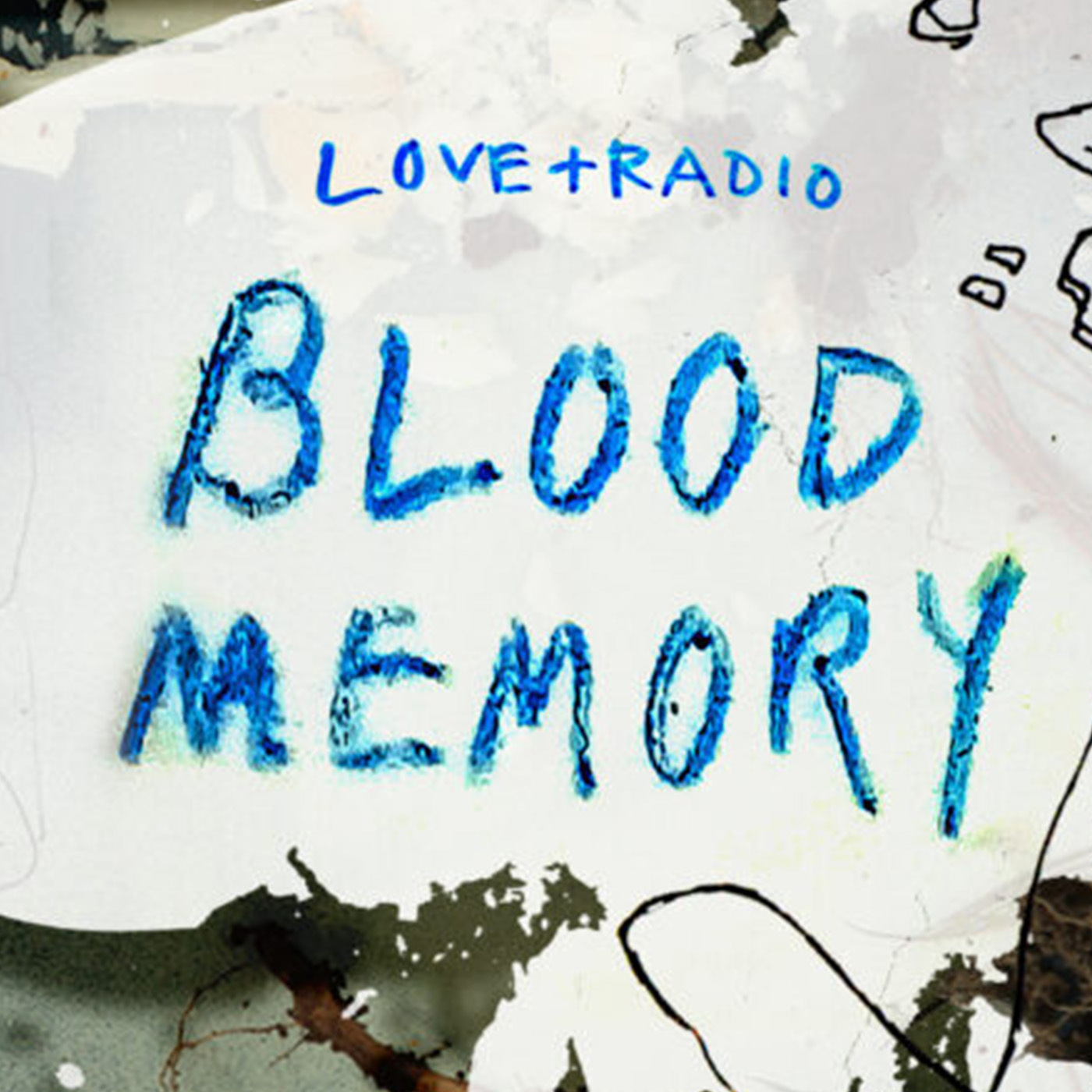
Snap Judgment
Blood Memory from Love and Radio
00:43:06
From our friends at Love and Radio, the groundbreaking new series Blood Memory. In this first episode, two women meet the same man in prison and walk away with decidedly different impressions of him.
Loading summary
Transcript101 lines
- [00:03]
Snap Judgment Host
Snap Studios
- [00:07]
Nick Van Der Kolk
the new LinkedIn hiring pro can't undo your last hire the empty seat, who is actually just that, an empty chair in your office because you couldn't find someone to fill it, so it just sat there, costing you money with all its fancy ergonomic features. But LinkedIn Hiring Pro can make it easy to fill that seat with the right candidate. With nearly 60% of businesses finding someone to interview in the first week alone, hire right the first time with LinkedIn Hiring Pro.
- [00:34]
Heather (Prosecutor)
Post a free job today@LinkedIn.com Pandora
- [00:39]
Snap Judgment Host
snapnation this very special snap comes from my dear friend Nick Vander Kolk, the maker of the legendary podcast Love and Radio, which might just be the second best show in the universe, you know, after Snap and everything. But Nick, he's interviewed some wild people over the years for this latest series, a 10 part epic called Blood Memory. Nick has outdone himself. Love and Radio has always been a weird show in the best way. Nick drops you into the deep end of the story, lets you figure out what's going on one breath at a time. And Blood Memory is no exception. It's a story about justice, about manipulation, about memory, and it's about the truth standing just out of view. It's also a story about the narratives we build, the ones that can heal us and the ones that hurt us. Blood Memory is the culmination of more than a decade of interviews and research by Nick and his collaborators, and it just won the best Nonfiction Podcast award at the Tribeca Festival. Today's episode is torn from real life, and due to the nature of the story, it does contain cursing, descriptions of violence, including domestic violence and references to drug use. Snap Judgment is proud to present Love and Radio's Blood Memory. Stay tuned afterward for an interview with show creator Nick Van Der Kolk and Snap producer John Facile.
- [02:06]
Michael Thompson
You find out what your beliefs are when they're put to the test. If they don't stand up to the test, then you damn well better reevaluate to determine what your beliefs actually are, because otherwise you're just living a facade. When you step forward and take a stand for something, there's intimate knowledge associated with that stand. Elsewise, you wouldn't be taking it. You see, my intent is not to stand against anything, but stand for. And there's a difference. It's about relationship. Whether you're riding a 2,000 pound bull that doesn't want you on its back or you're in a knife fight, there's an intimacy there.
- [02:55]
Narrator / Interviewer (possibly Nicholas Sardine / Nick Van Der Kolk)
Can you think of a specific Example of a fight that you were in where you especially felt that sense of intimacy and connectedness with the person you were fighting with.
- [03:04]
Michael Thompson
Sure. I took a knife away from a guy once that was intent on killing me. Felt it as I was getting ready to walk by him. And then I just took his arm and I pushed it into the bars. And he had a knife in it. So I held him there and took the knife away from him. I took him down and he pled for his life. He begged me.
- [03:27]
Narrator / Interviewer (possibly Nicholas Sardine / Nick Van Der Kolk)
You were holding him down on the ground or what? Yes, with the knife to his throat.
- [03:32]
Michael Thompson
Close. He wasn't going to move. Choice was mine. Within prison culture, I would have been perfectly within my rights to take his life because he was going to take mine. But that's not how I see it. And that's where ethics comes in. And the intimacy associated with that is. I made a decision not to take his life. There was no need. I choked up on the knife and I tattooed a circle around his heart, lasting circle. And that was a very intimate act.
- [04:04]
Narrator / Interviewer (possibly Nicholas Sardine / Nick Van Der Kolk)
I hope this doesn't sound like a weird question, but the way that you talk about people you've had fights with, it almost sounds like you're talking about past lovers or something. Doesn't feel like that to you at all?
- [04:15]
Michael Thompson
Isn't that great? I think that's great.
- [04:28]
Narrator / Interviewer (possibly Nicholas Sardine / Nick Van Der Kolk)
From love and radio, you're listening to blood memory. I'm nick van der kolk. This is episode one.
- [04:39]
Nick Van Der Kolk
Everybody dreams of having a great love in their life. They have daydreams about being heroic or whatever, but that's a dream. If they ever have to test their mettle of being courageous or heroic or having a great love, I think most people will not make it. Our real motives, our real desires are for comfort, security, having things be easy, pleasant. I can't blame anybody. That's just human. But sometimes if you want something great, you have to make a lot of sacrifices.
- [05:27]
Narrator / Interviewer (possibly Nicholas Sardine / Nick Van Der Kolk)
Chapter One. Ariel.
- [05:31]
Nick Van Der Kolk
My first memory as a child was a flower farm across the street. There were acres and acres of Hawaiian flowers. I grew up in the 50s and 60s in Hawaii, mostly in Honolulu. I was a flower child quite naturally, because I was born and raised surrounded by flowers. It was just really laid back. And as a matter of fact, I didn't like it because it was too laid back for my personality. I was just a very uncomfortable person, probably to be around, and not very Japanese. I don't think I was really well liked, even in my own family. As I grew up, I found out that there was another whole world out There, outside of the islands and how people were living there. That's so different from how I was living. And I wanted to experience that. I wanted to be there. I just felt like I'd probably fit in better. So when I got a chance, finally, I did move. After I left, I persisted in my flower child kind of mentality. I was a poet teaching children in schools, you know, how to write poetry. I saw something that disturbed me, and that was that, you know, all children seemed to be gifted with unlimited potential when they were younger. It didn't really matter whether they were rich or poor or black or white or brown or yellow. It didn't matter whether they were male or female, but it didn't matter. They were all just so full of curiosity and positivity and potential. But by the time they were in, I would say by seventh grade, sometimes earlier, it was all different. You could see which kids were not going to succeed and which kids were going to succeed. It was very clear. I got a grant, a small federal grant to teach in a school in East Palo Alto. Now, today, East Palo Alto is a. I mean, it is a good place to live. It's full of tech people who have a lot of money. And now East Palo Alto is a happening place. But when I was teaching, it was full of poor black people all herded into this one little area. So I went in there. These were seventh graders. I'm so short. I mean, I had seventh graders who were like a foot taller than me and classrooms full of children very unhappy with their education and very jaded by the time they're in the seventh grade. That's so sad. I was told point blank, you're never going to have these kids sit still for 15 minutes to do a lesson in poetry. Are you kidding me right now? But go ahead. You got the money. Go ahead. They just kind of threw me to the lions. And they did think that I was going to be eaten up and spit out very quickly. I said, I know that you probably just walked to and from school trying to not look around you, but I want you to look around you tomorrow. And for the rest of the week, I want you to look around for beauty and the beauty that you see. Bring it to class and share it in order to help them. Because I thought that in the beginning they wouldn't really believe me. So I went through the neighborhood, and I found wildflowers and little shiny things that somebody had thrown away. I brought them into the classroom and showed it to them and told them what I thought was beautiful about Them, they just weren't wrapped the rest of the week. They would come to class bearing in their arms or their hands some little thing that they found. Flowers, a rock. And they were writing beautiful poetry. They acted like nobody had ever asked them about who they were as a person and an individual. They just woke up, they were so engaged. In fact, I had one teacher tell me that these kids are writing poetry during recess. And she couldn't believe it. People have it in them. And if they're ever recognized for being an individual, you know, and having something to say and having their feelings validated and valued, they would do it. About 1986 or so, I quit it. I just couldn't take it anymore. I had a really hard time with the individual suffering I saw because of systemic failures. And I thought, do I really want to be a poet? And I realized, no, I'm just lost.
- [09:52]
Narrator / Interviewer (possibly Nicholas Sardine / Nick Van Der Kolk)
Did you have a plan?
- [09:54]
Nick Van Der Kolk
No, I had no plan. I'm not a very planful person, really. I tend to do things with great passion until I burn out, and then I have to reassess. That's just my nature.
- [10:11]
Narrator / Interviewer (possibly Nicholas Sardine / Nick Van Der Kolk)
So, like, what. What did drifting around look like?
- [10:14]
Nick Van Der Kolk
It started one day in a cave I will never forget.
- [10:16]
Narrator / Interviewer (possibly Nicholas Sardine / Nick Van Der Kolk)
Sorry, a cave.
- [10:17]
Nick Van Der Kolk
A cave, Yes. I was exploring where it was in Illinois. You know, there are a lot of caves in the Midwest. Some of them are what they call wild caves. A lot of spelunkers like those caves, but. And I had a great time. I wasn't afraid. I even went into parts of the cave that the only way you can get to it is to go on your belly and crawl through, slide on your belly like a reptile. I had to actually do that. And I was just, like, perfectly happy doing that. Nothing was wrong. I thought, oh, this is so great. The second time I went there, it was like somebody was moving the furniture of my mind. And not just the chairs and tables, but the whole set. This is the only way, by metaphor, I can explain it. That's what happened to my mind. My mind started to disassemble itself. So while my friends were going on, I said, ah, you know what? I'm going to just sit here for a while and wait for you to come back. That was tremendously stoical because I was actually losing my mind at the time. So while they did that and waiting for them to come back, I sang Everybody song. I knew the lyrics to every song I could possibly think. I sang it. I sang it out loud just to keep my sanity until they came back. That began my whole saga. Of panic attacks for seven years. I went through counseling, I went through rebirthing. I did all kinds of things. I couldn't quite shake the vulnerability to having a panic attack. I was pretty much disabled for much of those 10 years because of that. I couldn't even write. I had writer's block the whole time. After seven years, I said, I don't know if I'll ever get over this. I can't wait my whole life to get over this. I've got to do something. What would people pay me to do that I can do kind of naturally? And I realized I can listen to people. People tend to want to tell me their problems. This happened to me ever since I was a little girl. People would tell me their life story. And I don't know why. Maybe because I just listened. And then my ex husband, who was a public defender, and he said to me, you should do mitigation. I never even heard of it. And he said, well, I have an attorney who needs somebody like you to help him with interviews. Would you do it? And I said, sure. To me, it was easy. You sat there and you develop rapport. You listened to their stories, you asked them questions, you wrote things down. The attorney wanted to pay me for this, and I thought, this is amazing. I get paid for listening to people. That's how it started.
- [13:10]
Narrator / Interviewer (possibly Nicholas Sardine / Nick Van Der Kolk)
So I'm sure this is an oversimplification, but essentially, after someone has been convicted, you come in and your job is to show a jury that your client should receive a lighter sentence because of mitigating circumstances. Is that more or less right?
- [13:26]
Nick Van Der Kolk
Right. Right. It's a simplification, but it's not totally inaccurate. I work on, principally, capital murder cases, which means he's eligible for the death penalty. I don't work on whether the client is guilty or innocent. As a matter of fact, I pretty much professionally have to assume the person is guilty, even if he might not be. Because my job specifically is to do the family history, Anything that goes into who he is as a person, an individual, and why he got into trouble in the first place. Ultimately, what mitigation comes down to is humanization. The prosecutor wants to dehumanize the defendant and demonize the defendant and make the jury feel like this is not even a human being. This is a monster of some kind. Incomprehensible, can't believe and can't understand why this person would have done it. It's so incomprehensible that the only thing you can do is just put them to death and get rid of Them my job is to do the opposite, which is much harder.
- [14:47]
Heather (Prosecutor)
Believe it or not, Nick, when I was young, I was dating a parolee. I just thought he was hot and he looked like Robert De Niro. And he drove a souped up Chevy Nova. Super sport.
- [14:59]
Narrator / Interviewer (possibly Nicholas Sardine / Nick Van Der Kolk)
How'd you guys meet?
- [15:00]
Heather (Prosecutor)
I met him at the lake. I'm from the east coast, small town called Dalton, Massachusetts. It's like three hours west of Boston. You know, where I'm from, it's like a small town where everybody has like a lifted truck or a big cool car, you know, and drives up and down the strip, you know, the main drag and the town over. It's just stupid small town living, you know? So I was dating this guy and he was bad news.
- [15:29]
Narrator / Interviewer (possibly Nicholas Sardine / Nick Van Der Kolk)
Chapter two.
- [15:31]
Heather (Prosecutor)
Heather, I was so in over my head, okay? But I knew that he had been to prison and was out on parole. And when he was very young, he had committed some crime that got him in prison. I think he got arrested when he was like 19. And then by the time he got out, I don't know, he's like 26. So when I was dating him, he was 26, I was 16.
- [15:58]
Narrator / Interviewer (possibly Nicholas Sardine / Nick Van Der Kolk)
Oh my God.
- [15:59]
Heather (Prosecutor)
Yeah. And I lied and told him I was 18. And I used to lie to my mother and tell her I was going babysitting. And you know, I would go out with this guy. I always, in my 16 year old brain always thought this guy didn't have the tools to assimilate back into society, which is why he would get in trouble and go back into prison. You know, it's hard to find a job when you got a conviction for a robbery or whatever it was he did right after being incarcerated for that long. You have a prison mentality, you know, and sometimes it's kill or be killed in prison. I always felt like, hey, you know what? I think that these criminals need more help functioning outside of prison. Now, mind you, unbeknownst to me, Eddie, we'll just call him Eddie, was using drugs and got really upset one night and popped out of the bushes and he punched me in the head. He had a cast on his arm. I saw stars that night. I didn't call the police because I was like, oh my God, like he's going to get arrested, go back to prison and then it's going to be all my fault. And when he gets out, he's going to come kill me, right? So he ended up going back to prison not because of me, but for something else. I think he's in prison for life now, but When I ended up coming out to California to go to college, I decided I wanted to be a parole officer, and I was going to help all the criminals assimilate back into society. I started working for the probation department in LA county, and I was assigned to work in their narcotics testing unit. So I would, like, watch not so hygiene conscious people pee in a cup to make sure that it was their urine for their drug testing. And I saw all kinds of things. This one girl barfed all over me one day because someone told her to drink dreno and it would give her a clean pee test. And then like, one guy got busted with like a fake penis. You know, he had like a fake contraption that he had filled up with somebody's clean urine and got busted. There was all kinds of crazy stuff going on. And I thought, God, you know, there's all these criminals who are actually drug addicts and alcoholics, right? Maybe if I became an alcohol and drug counselor, I could help society better that way. I was getting my certification to be an alcohol and drug counselor. I was waitressing too, right? To get through undergrad. The night manager at the restaurant, his name was Jim Dutton. I used to swing my finger and be like, you listen here, Jim. And I'd just pop off about things I was upset about or whatever. And he said to me one night, you know, Heather, you love to argue so much. Have you ever thought about being an attorney? And I was like, no. Never in my life that thought ever entered my mind. Okay, so fast forward. I'm at this group counseling session. You have to do like 600 hours of group counseling, like, where you're like, volunteering your hours and doing this to get your certification. And I looked around at all the people and I was just, you know, you're listening to their stories. And a lot of these people had done some horrible things. And most of them were in counseling because they were ordered to by the corps to get into some treatment. Or their family members were at their, you know, on their last leg of even caring because they had stolen from their family members, depleted their life savings on rehabilitation. That was ineffective. And I was sitting in this session and I looked at this and I thought, oh, my God, if I had you for a mother, I'd be shooting up heroin too, right? Like, this lady was awful. And then I looked at the next guy and he was like eating like a scab off of his hand. And I just went through the whole room of these people, and I thought, every one of you needs to be locked up and have the keys thrown away. Like I had that moment. I thought, you have all just destroyed your family's lives, done horrible things to other people. None of you actually want to get clean. You're only doing this because you've been ordered to by the court. And maybe I'll help one of you. And in that moment, I thought, I'm going to become a prosecutor. Lock all these up.
- [20:32]
Snap Judgment Host
You're listening to Snap Judgment. Stay tuned. Welcome back to Snap Judgment. Today, Snap Judgment. Proud to present Love and Radio's Blood memory.
- [20:51]
Nick Van Der Kolk
In about 2000 and. Yes, 2005, beginning of 2005, I got a case. It was a trial of a Aryan brotherhood defendant, Michael McElhenney, or Big Mac, as he called him. He was at that time facing the possibility that he could go to trial for capital murder.
- [21:09]
Narrator / Interviewer (possibly Nicholas Sardine / Nick Van Der Kolk)
Chapter three, Ariel.
- [21:12]
Nick Van Der Kolk
He was acting as his own attorney. So I took my orders from him. I met with him.
- [21:17]
Narrator / Interviewer (possibly Nicholas Sardine / Nick Van Der Kolk)
And Big Mac was a member of the Aryan Brotherhood.
- [21:20]
Nick Van Der Kolk
Oh, definitely. That's the best thing that ever happened to Big Mac. Which says something about the things that happened to Big Mac.
- [21:26]
Narrator / Interviewer (possibly Nicholas Sardine / Nick Van Der Kolk)
Okay, so you start working with Big Mac, and it's already tense because he's representing himself.
- [21:31]
Nick Van Der Kolk
Yeah. And he has a really bad temper. And somehow he's getting his hands on pruno. So when I come to see him, he's drunk.
- [21:36]
Narrator / Interviewer (possibly Nicholas Sardine / Nick Van Der Kolk)
He gets his hands on what?
- [21:37]
Nick Van Der Kolk
Pruno.
- [21:38]
Narrator / Interviewer (possibly Nicholas Sardine / Nick Van Der Kolk)
Like bathtub wine?
- [21:40]
Nick Van Der Kolk
Right, right. Yes, exactly. Which is why you rarely get any ketchup in prison. Because they make great pruna out of ketchup, apparently. I don't want it. I think ketchup is bad by itself, but, you know, wine made with ketchup? I don't think so. But he would come drunk to our meetings and he would make no sense at all. And he wasn't any help to me in my job. And I thought, this is ridiculous. I'm wasting my time. But one day, he gave me an assignment. He said, here's a list of all the Aaron Brotherhood dropouts. It was not a long list. I want you to go through this list, send a letter to each one of these MF ing rats and ask them if you could come and interview them for me. I said, okay, what do you want me to get out of this? And he says, well, find out why they testified against the ab. So I went down the list and I sent all these letters out. Some people didn't even reply. But some people replied and said, what are you doing? I know you're trying to get me. You're trying to get me killed. I Know what you're doing? The only one who wrote back and said he would see me was Michael Thompson. I had written to him a pleasant letter saying, you know, what's it like out there? And all of that. At the time that was, let's see, where was it? Calipatria, I think. A desert prison, real far south, a horrible place. And he wrote me back the most wonderful little letter talking about the ecology of Calipatria. They have a lot of date, I don't know if you call them groves, but trees, date trees. And I went, what? The language was so educated and so precise and descriptive that I thought, this is a guy who must have copied this stuff, stuff from a brochure or something. I mean, this stuff was like almost poetic. And so I brought that to Big Mac and he said, haha, yeah, Thompson, I knew that expletive deleted would say yes, that overbearing expletive expletive he used to be true ab Ask him what happened to him. Why did he become a rat? So I thought, okay, Mack, you want to send me to Michael Thompson, who bucked the whole ab, dropped out and testified against them. And you think I'm going to go there and convince him to take back his testimony, to recant? What am I supposed to use or say, what's the incentive? He says, oh yeah, you use your feminine wiles. And I just laughed. I say, I don't have that many wilds, number one. And number two, even if I had all the wilds in the world, this is a man that did this. I went out there and I thought I was going to get a face to face interview with Michael Thompson. So I was surprised when I arrived there to find that he was behind glass. Obviously I introduced myself and he knew obviously why I was there. We already corresponded, I suppose. We talked about the case and everything that was going on with the prosecution and so forth for maybe an hour or less. Every once in a while a correctional staff would come in there and look in to see if I wanted to leave. But I was just immersed in conversation and it didn't even occur to me to leave.
- [25:06]
Narrator / Interviewer (possibly Nicholas Sardine / Nick Van Der Kolk)
What were you guys talking about?
- [25:07]
Nick Van Der Kolk
Everything. It was just like one thing led to another. Mostly about spirituality and our beliefs. It was just like a very free ranging conversation. It was not very structured. He talked about his Native American beliefs. Some of the things he said to me floored me because it was like listening to myself talk except on the deepest part of me. Things that I would never share with anyone. He was saying them to me I was just stunned that I would have a conversation like this with an ex gang leader in a level four prison in a desert in California. I had the best time. And when it finally came time, when the guy came back again, the correctional officer, and I was thinking to myself, you again, we're not done yet. And he said, you have to leave. And I said, why? What time is it? And he said, It's 2:30 or something. And I was shocked because I had been there for six hours.
- [26:12]
Narrator / Interviewer (possibly Nicholas Sardine / Nick Van Der Kolk)
Do you remember what you were thinking to yourself on the drive home?
- [26:15]
Nick Van Der Kolk
I was thinking to myself, this is not a man who should be in prison. I was just confused. Why is this man still in prison?
- [26:30]
Heather (Prosecutor)
Are you as charmed by him as everyone else is? You don't think he'll whack me, do you?
- [26:36]
Narrator / Interviewer (possibly Nicholas Sardine / Nick Van Der Kolk)
Chapter four.
- [26:38]
Heather (Prosecutor)
Heather I first became aware of Michael Thompson when I was assigned to cover a parole hearing. We as a prosecutor have the opportunity to go and oppose the release of those individuals and present any evidence at those hearings that we perhaps have, or any arguments as to why that person shouldn't be released. So I just coincidentally got on the list. It's kind of an alphabetical list where they, you know, ask you, hey, are you available? I read through the transcript from the prior hearing. I also read the entire file that I had.
- [27:14]
Narrator / Interviewer (possibly Nicholas Sardine / Nick Van Der Kolk)
Did anything jump out at you in his file?
- [27:16]
Heather (Prosecutor)
Well, the fact that he was in prison for murdering a couple people. But moreover, it's not just the original facts of the case, it's what they've done while in custody. Mr. Thompson had been locked down for many, many years by the time I went to oppose his release. And so when I looked at all of the quote, unquote, trouble that he'd been in while in prison, you know, you get written up for having too much peanut butter in your cell sometimes, which I believe was one of his violations. But as a prosecutor, I don't see that as a deal breaker for him getting released by any stretch. I'd probably be hoarding peanut butter if I was in prison, but, you know, or anything I could get my hands on. The board of paroles sometimes sees that as like, oh, wow, you can't follow the rules, which I get, you know. But me personally, when I'm looking at that, I look for big things like violence, things like drugs, anything that's indicative of some type of criminal activity while in prison. Mr. Thompson had been on video talking about how he is an incredibly violent man.
- [28:19]
Michael Thompson
I'm probably one of the most violent individuals you'll ever meet in your life? Don't brag. Just fact. It's that simple.
- [28:26]
Heather (Prosecutor)
To me, that should be a huge red flag to most people that this intimate should not be released ever. And then, you know, obviously you look at the seriousness and the nature of the original crime and the callousness and also the inmates ability to actually come to terms with really their motivation for such a crime. Like, what would drive you to commit such a horrible, heinous, violent act against another human being? I studied psychology in my undergraduate schooling, and I also used to do a lot of counseling with addicts and whatnot. And I think that I have an eye for people who manipulate other people, and that served me well as a prosecutor. One of the biggest things that stood out to me in Mr. Thompson's file, but it wasn't even as apparent on paper as it was when I was in the presence of Mr. Thompson at those hearings, is just how truly manipulative he is.
- [29:25]
Narrator / Interviewer (possibly Nicholas Sardine / Nick Van Der Kolk)
Were there any incidents that jumped to
- [29:27]
Heather (Prosecutor)
mind when he was speaking in front of the parole board? He would twist things ever so slightly. There were two women that were on the board, and I was sat there watching this, and they were enamored with him. He's a very charismatic, charming man. Okay, he's attractive. He used to be much larger when he was younger. He's, I'm sure with age, probably gotten a little bit thinner and a little smaller, but he was a very large, imposing man. And he speaks in a manner that is so calming, and his voice is somewhat soothing. And he comes across as a very calm individual, very composed. They were like, wow, oh, Mr. Thompson, we applaud you for getting your PhD. And I'm like, PhD, I think that's okay. Sorry, can I say that?
- [30:26]
Michael Thompson
Yeah, yeah.
- [30:27]
Heather (Prosecutor)
Okay, I smell. But I also noted what I did see was a pattern. And I brought this up to these women at the board. And I was bold in my argument. I said, if you look at the pattern and practice, he's like, capitalized on keep your friends close and your enemies closer. As soon as law enforcement is onto him, as soon as they smell like, whoa, whoa, whoa, he's engaged in some illegal activity, he immediately will turn state's evidence and say, hey, whoa, whoa. You know, look over here. I know about these dead kids. Let me tell you where their bodies are at. And law enforcement thinks, oh, well, this little, you know, insurance scam or this scheme or this is nothing compared to us solving these unsolved problems, murders. But he's full of. He's full of. That's all there is to it. He can be as good looking as he wants. He's lying. He believes his own lies. He's truly pathological. I do believe that he believes his own lies. And the first parole hearing I went to, I didn't leave that prison till almost 11 o' clock at night. I was like, oh, my God, I'm going to take one in the head in the parking lot right now. I was definitely concerned about my safety when I went to my car that night.
- [31:43]
Nick Van Der Kolk
I don't believe very much in romance. Romance always seems to fade and become something else. But family, family is another thing. Family is that unspoken blood commitment to people that you will help them no matter what. You may not approve of them, but because they're family, you have a kind of visceral connection. You just love them. That's how I felt about Michael from the very first. In fact, he felt more like family than my own family. Felt like somebody who was so much like me in a kind of spiritual way, emotionally close. I could understand him so well. In fact, when I started to write him letters and he would write back, or he'd tell me, I don't understand how you understand me so well.
- [32:31]
Heather (Prosecutor)
He is a smart man because he understands people. He has a confidence about him that is very attractive to people. I wasn't going to let fear or apprehension stop me from doing my job and from standing up for something that I believe in and for the safety of the people of California.
- [32:50]
Nick Van Der Kolk
I said to myself, I'm going to help get him out. The world would be a much better place with this man out of prison. And I wouldn't say that about too many people. You know, whether they're in prison or not in prison, the world would not be one way or the other changed. But he is so charismatic. Just naturally, it's like a light just kind of pours out of him. And I was determined to help that light get out into the world. Do your actions mention your heart's intentions? Will find out, we'll find out. Is your mind mistaken? Is your conscience not at ease? We'll find out, we'll find out. Do you strive to deny each kindred spirit in the room soon we'll find
- [33:57]
Jon Facile
out,
- [33:59]
Nick Van Der Kolk
we'll find out. And it's your highest pleasure now the misfortune of fools. We'll find out, we'll find out. You hide nothing. Just believe it. We all see it.
- [34:32]
Narrator / Interviewer (possibly Nicholas Sardine / Nick Van Der Kolk)
That's it for this episode of Blood Memory. Music on this episode comes from Michelle Benabila. Natalia Bayless Las Olas Zaroshi, Memory Scale, Sarepti, Glitchbird, Russ Young, Interspecifics, Quixosis, Dialect, Esmeralda and Timber Timbre. Check the show notes for the full playlist. The series producer of Blood Memory is Meera Kumar. Robin Amer is our managing editor. Additional reporting by Bryan Kranz and Anya Schultz, fact checking by Nicole Pasulka and Visuals by Orla McCarty. I'm Nicholas Sardine. Punch. Punch Van Der Kolk. Thanks for listening.
- [35:13]
Snap Judgment Host
Thank you, Nick. Now we're going to step deep into the story with an interview with Nick and Snap producer Jon Fasile.
- [35:26]
Jon Facile
Hey, this is Snap Judgment producer Jon Facile. I'm currently sheltering by a jetty on Venice Beach. I'm reporting a story for Snap Judgment about a surf spot in la. I also, I had to do an interview for another episode at NASA's Jet Propulsion Laboratory. So Snap Judgment listeners have all that to look forward to. And I'm being blasted by sand. But it's a beautiful day and I thought there was no other place. I wanted to interview my friend Nick Van Der Kolk about his series Blood Memory on Love and Radio.
- [36:06]
Narrator / Interviewer (possibly Nicholas Sardine / Nick Van Der Kolk)
I feel like you should also mention that you had asked me to also go to a beach. Now I'm in. I'm on the west coast of Ireland and our beaches are a lot rainier. So I. I did not show up at a beach today.
- [36:19]
Jon Facile
Really let me down. Is it raining right now?
- [36:22]
Narrator / Interviewer (possibly Nicholas Sardine / Nick Van Der Kolk)
It's always raining.
- [36:25]
Jon Facile
This is like a. What you've reported is like a quintessential Cabin California story. You know, it really. It takes place in la, rural California, California prisons. There's a lot about California prison gangs. It's funny, we actually, later in the series, Nuestra Familia is mentioned and we've done an episode about Nuestra Familia as well. The Higher Gun. For the rest of the series, you mostly hear from the first person who you speak to in this opening episode, Michael. Why don't you describe who Michael is to us?
- [36:59]
Narrator / Interviewer (possibly Nicholas Sardine / Nick Van Der Kolk)
So Michael is most famous for being one of the most senior members of the Aryan Brotherhood prison gang to defect and testify against them. I mean, he's honestly like one of the most interesting people I've ever met in the course of my life, which is kind of saying a lot because I talked to a lot of interesting people in the course of the kind of work that we do. This is not like a classic redemption story. Even though he did leave the Aryan Brotherhood, he is sort of a like kind of a classic unreliable narrator. And so part of the series is kind of trying to piece together, you know, what is true and what isn't true about his story.
- [37:47]
Jon Facile
And how did you first hear about Michael and meet him?
- [37:52]
Narrator / Interviewer (possibly Nicholas Sardine / Nick Van Der Kolk)
There was a NAT geodocumentary. I watched it sometime in 2011, but it was about the Aryan Brotherhood prison gang. And they're connected to some absurdly. I don't have the number in front of me, but some absurdly high percentage of all of the homicides that were perpetrated in the US Prison system. But Michael was in it. You know, he's a prominent voice, but he's not sort of the central character. But every time he would come up on screen, whatever you're imagining an Aryan Brotherhood guy to be like, he doesn't fit that stereotype. You know, he's incredibly soft spoken. He's very articulate. He was wearing, like, one of those. I think they're called a bolo tie with. With some, like, Navajo symbols on it. I'm not entirely sure, but it was. It was some sort of, like, Native American emblem, which also really surprised me. I just found him very arresting and very charismatic. And I was like, I got an. I gotta find this guy. And it was. It was quite difficult. At that time, he was in protective custody because a lot of people wanted him dead.
- [39:10]
Jon Facile
What does that mean, protective custody?
- [39:13]
Narrator / Interviewer (possibly Nicholas Sardine / Nick Van Der Kolk)
It's essentially like the prison equivalent of the witness protection program.
- [39:19]
Jon Facile
So he was in prison, though? He was still in prison.
- [39:21]
Narrator / Interviewer (possibly Nicholas Sardine / Nick Van Der Kolk)
He was still in prison, yes. Yeah. You know, this was all over snail mail. I think I made a good impression in terms of the way that I approached him. We would have this exchange. We talked on the phone a little bit. Eventually, I think this was in 2018. I went out to meet him finally for the first time. He was in Chino at that point. So I went out to Chino. I was not allowed to record. I wasn't allowed to bring, like, a notepad or anything, but it was. Yeah, it was like, weirdly. Weirdly chill. You know, it's California. It's like, beautiful day, and the visitor center is outside.
- [39:57]
Jon Facile
What did you talk about in that first couple conversation?
- [40:00]
Narrator / Interviewer (possibly Nicholas Sardine / Nick Van Der Kolk)
Like, everything he talked a lot about, you know, the themes that. That come up a lot in the piece, like the intimacy of violence. I remember at one point, my dad is a. Has written a lot on the subject of trauma.
- [40:14]
Jon Facile
Your dad is Bessel Van Der Kolk? I don't know if you know that. Yeah, he's pretty famous.
- [40:20]
Narrator / Interviewer (possibly Nicholas Sardine / Nick Van Der Kolk)
Yeah.
- [40:20]
Jon Facile
The Body keeps the Score guy.
- [40:22]
Narrator / Interviewer (possibly Nicholas Sardine / Nick Van Der Kolk)
Yeah. At one point, Michael Quoted that book to me, and I thought he was, like, being cute. And I go, oh, ha, ha, ha. That's funny, Michael. And he. And he was like, why? Like, why are you laughing? And I said, like, you know. You know, my dad wrote that, you know, and he said he had no idea. I don't know if I buy that, to be totally honest with you, because, like, Van der Kolk's, like, kind of an unusual name, you know, that's the
- [40:50]
Jon Facile
thing about this series. Michael is very. There's no other way I can put it, untrustworthy. And I'm listening to the first couple episodes of this, going, like, what is going on here? Like, is this guy? Is this guy for real? And over the course of the series, the question, is this guy for real? Becomes kind of the occupying force.
- [41:16]
Narrator / Interviewer (possibly Nicholas Sardine / Nick Van Der Kolk)
You know, I will say, like, a lot of the work that I do is really predicated on the idea that, like, there's no truly good guys and truly bad guys. People are made up of these parts, and they wear different masks depending on the context in which they are in. And unfortunately, I feel like the zeitgeist of the way that we consume media, especially in the last 10 years, it doesn't allow for that.
- [41:42]
Michael Thompson
Yeah.
- [41:43]
Jon Facile
Well, this is a really thoughtful series. It explores a lot of ideas. It's very nuanced from a documentary standpoint. It's beautiful. There's lots of different kinds of tape. It takes you all these different places, and it's independently made. I mean, I just. This is such a unicorn of a thing right now, and I hope that people really appreciate. Appreciate it. It's rare that something like this gets made and it exists, and it only happens because of persistence. Congrats on getting it out there, and I hope people go and listen.
- [42:22]
Narrator / Interviewer (possibly Nicholas Sardine / Nick Van Der Kolk)
Thank you. Thank you. Actually, one funny story. By the time we were actually sitting down to do the interviews, I had known Michael for eight years at that point, and he said to me, you know, Nick, I'm just. I'm really in awe of, like, how much you've really stuck with this, you know, and how persistent you've been with this. You know, like, don't take this the wrong way, but you would have done really well in the Aryan Brotherhood.
- [42:50]
Jon Facile
Well, I suppose that's always available to you if podcasting doesn't work out.
- [42:55]
Narrator / Interviewer (possibly Nicholas Sardine / Nick Van Der Kolk)
Yeah. Which is looking more and more likely every day, so.
- [43:01]
Jon Facile
All right. Thanks for talking to me, Nick. I'm covered in sand. I don't know if you can see this.
- [43:06]
Narrator / Interviewer (possibly Nicholas Sardine / Nick Van Der Kolk)
Oh, my God. Whoa. Holy shit. Well done. That's commitment to the art.
- [43:12]
Jon Facile
People think you just get on a microphone and talk. It's not so simple.
- [43:22]
Snap Judgment Host
Thank you Nick and John. This interview was produced by John Facil and featured music by Renzo Gorio. Listen to Blood Memory on the Love and Rage radio feed wherever you get your podcasts.
- [43:43]
Nick Van Der Kolk
This show is supported by Odoo. When you buy business software from lots of vendors, the costs add up and it gets complicated and confusing. Odoo solves this. It's a single company that sells a suite of enterprise apps that handles everything from accounting to inventory to sales. Odoo is all connected on a single platform in a simple and affordable way. You can save money without missing out on the features you need. Check out odoo@o-oo.com that's o d o o.com Lamine Yamal steps into McDonald's, looks
- [44:16]
Snap Judgment Host
left, sees Pulisic, looks right, sees Jimenez, gives a nod to Ronaldinho in the corner with a FIFA World cup meal.
- [44:22]
Nick Van Der Kolk
Ronaldinho sees son in the booth.
- [44:24]
Snap Judgment Host
Son finds Beckham going for extra Big Mac sauce.
- [44:27]
Nick Van Der Kolk
He's got Davies at the table just behind him.
- [44:29]
Snap Judgment Host
Davies going for his collectible cup. A steal by Henry, who pulls his own collectible cup. Collect one of nine legendary cups with
- [44:36]
Nick Van Der Kolk
a FIFA World cup meal.
- [44:38]
Snap Judgment Host
Participating McDonald's for a limited time while supplies last. All rights reserved. 2026 McDonald's at FIFA World Cup 2026.