← Stars on Suspense (Old Time Radio)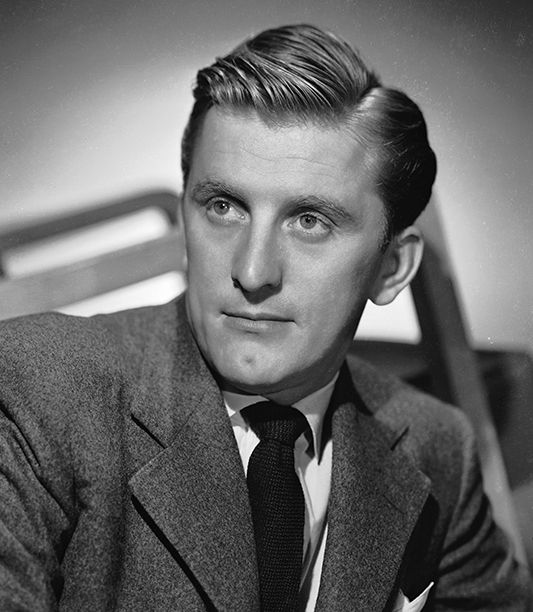
Stars on Suspense (Old Time Radio)
Episode 418 - Favorites from 1947
02:35:02
1947 marked the end of an era on Suspense as Roma Wines (“that’s R-O-M-A”) ended its sponsorship of the program. But before it parted ways with “radio’s outstanding theater of thrills,” it brought another big line-up of stars to the...
Loading summary
Transcript1 lines
- [00:10]
Host
The hushed voice, the prowling step in the dead of night, the crime that is almost committed, the stir of nerves at the ticking of the clock, the rescue that might be too late, or the murderer who might get away. Mystery and intrigue and dangerous adventure. We invite you to enjoy stories that keep you in suspense. Hello and welcome to Stars on Suspense, where we continue our journey through the years of radio's outstanding Theater of Thrills with my favorite episodes from 1947. Now, 1947 marked the end of an era for suspense when Roma Wines, which had sponsored the show since 1943, ended its affiliation with the program. The November 28, 1947 broadcast of the Pit and the Pendulum, starring Jose Ferrer, was the final suspense show sponsored by Roma. A month later, the final half hour episode of Suspense aired before the show's temporary transition into an hour long format, but we'll hear more about that in our 1948 episode. For now, here are my favorite suspense shows from that final year of Roma Wine's sponsorship. First up is Van Heflin in Three Blind Mice from January 30, 1947. Heflin plays an executive who discovers one of his partners dead in the office. He decides to muscle the surviving partner out of the business by framing him for the murder. Halflin was a great presence on Suspense, where he almost always played pretty despicable characters. In his first appearance here, he does a great job as the conniving businessman who hopes to capture his company and the woman his partner loves in one fell swoop. Next up is another story from Cornell Woolrich, whose works have popped up as many of my favorites so far. We'll hear you take Ballistics, starring Howard da Silva as a cop and Jack Webb in his pre dragnet era as a crook. This one originally aired on CBS on March 13, 1947, and it's a taught police procedural about a criminal who must be guilty, but the ballistics evidence says he has to be innocent. Then we have a double feature starring Kirk Douglas where the legendary actor plays a pair of pretty despicable heels. First up is community property from April 10, 1947, where his plans for divorce shift to murder when he wants to prevent his soon to be ex wife from splitting his share of an inheritance. Then he stars in the story of Markham's death from October 2, 1947. In this one he's a mystery author struggling with writer's block. He discovers a lost Edgar Allan Poe manuscript and with a quick switch of the author's name, he's back on top until Douglas Deception is discovered by a Poe scholar. And finally, we'll hear Ozzie Nelson and Harriet Hilliard, one of TV and radio's most beloved couples in a story far from the domestic comedy of their titular sitcom. We'll hear Too Little to live on from December 26, 1947, the last of the half hour suspense shows before its 60 minute format. Both Ozzie and Harriet are fantastic. In rare dramatic roles. They play a couple who are essentially live in help for a wealthy old uncle. Rather than continuing to subsist on the pittance he pays them, they decide to kill him and take everything for themselves. So now let's head back to 1947 and my favorite shows from the year in Suspense. Yes, Roma wines taste better because only Roma selects from the world's greatest wine reserves for your pleasure. And now, Roma Wines. R O M a Roma Wines present Suspense Tonight, roma wines bringing Mr. Van Heflin in. Three Blind Mice, a suspense play produced, edited and directed for Roma Wines by William Speer. Suspense Radio's outstanding theater of thrills is presented for your enjoyment by Roma Wine. That's R O M a Roma Wines, those better tasting California wines enjoyed by more Americans than any other wine. For friendly entertaining, for delightful dining, yes, right now a glassful would be very pleasant as Roma Wines bring you Van Heflen in a remarkable tale of suspense. Lockwood, Bentley and Walsh Publishing. It still said it on the big brass nameplate going down. Oh, evening, Mr. Lockwood. Good evening. Sure, the elevator operators were nice to me. Most of the office boys remembered to knock on my door before they came in. And even some of the stenographers still spoke to me. But everybody else above the rank of junior story reader knew it was just a question of time before the big brass nameplate in the lobby came down and another one went up in its place. Bentley and Walsh Publishing. No more Lockwood. If ever a man hated his partners, I did. Main floor, sir. I went out of the building and across the street to the Savoy for dinner. Even the head waiter must have heard the rumor. He gave me the dime sized table over in the corner that's generally reserved for out of town ribbon clerks. That's all right, Bob. There'll be another day. I'd gotten to coffee and dessert when I saw Helen Conover. Well, that just about summed it up. There were two things that I wanted in this world to get my hands back on that corporation and Helen Conover. But she saw me and I waved to her and she waved back and started over to my table. She was head of our promotions department. She was smart and ambitious, and she could have personally modeled for any pinup art that you ever saw. But she was reserving anything along that line for my partner, Dick Walsh. Okay, sister, it'll be another day. Hello, Arthur. Dining alone? Oh, yes. It's habit, but I could break it under the right conditions. No, but you're all finished. It's all right. I'm just a big book publisher. Got nothing to do. Well, if it's not against office regulations to have dinner with the boss. Regulations never bothered you, now, did they? No, Arthur. Let's keep this clean. Does my diamonds to order? Yes, the steak dinner, please. No soup and no potatoes. Very good, madame. Working kind of late, aren't you? Not working? Dick wanted me to see him off on the train. Train? Where's he going? Chicago. What for? Business, I suppose. Didn't he tell you? You know they never tell me anything anymore. Well, it wasn't anything very important, I guess. Well, I'd known even less if it had been. Maybe you can tell me about Sam. About Sam? Did he get the report from the doctor? Oh. Oh, yes, he did, as a matter of fact. How was it? I'm afraid it's pretty bad. How bad? Well, it's his heart, all right. They don't give him much more time. Oh, six months at the most. Well, that means they'll have to work fast or I will. What? Wouldn't you say so? Arthur, I don't understand you. I've just told you that one of your partners has only six months to live, and you don't even seem to care. Now, look, let's be grown up about this, at least. Sam Bentley and Dick Walsh have been trying to ease me out of that firm for the last year. Now, Sam's going to kick off. Now, why should I care? You really hate him, don't you? Me? I don't hate anybody. I just hope he kicks off tonight instead of waiting six months and the Dick Walters train runs into the Hudson river, that's all. I don't hate anybody. I just wish they were dead. Oh, Arthur, how can you? What's the matter with that? I wish my partners were out of their way. And you wish the. Well, I know what you wish, too. Only I'm honest about it and you're not. This isn't a very pleasant conversation. There's always a better one. For instance, what are you doing tonight? I'm going home and get a good night's sleep for a change. Oh, by the way, how long is Dick going to be away? About a week. You'd be kind of lonely, won't you? I don't see why I should. That's what I was thinking. You know, I've always had a sort of a yen for you, Helen. Why, Mr. Lockwood? Why don't people tell me these things? People don't have to tell people like you those things. Well, now that you mention it, I do seem to have noticed a sort of leer every so often. Oh, that was no leer, baby. That was the real McCoy. Look, Arthur, this may sound kind of corny, but I'm in love with Dick, and he's in love with me. It does what sound corny? Why doesn't he marry you? You know why. Sure. That wife that won't divorce him. He's been using that for the last 10 years. Please, Arthur, I'd rather not talk about it. Okay, okay. Not to change the subject, but what do you expect to get out of it? Out of what? The reorganization. The big day when they kick old Arthur out of the firm. Think they'll make you a vice president? Maybe. I really don't know what you're talking about, Arthur. You ought to think about it, because you never can tell. I might be able to make an even better proposition. I'm afraid I'm not interested in your propositions, Arthur. Any of them. Okay, baby, but there'll be another day. It was mostly bluff, and she knew it. But there was one thing that she didn't know. There was the chance that my smart partners had actually been holding out on me. And if they had, the way our incorporation papers were drawn, then I could really nail them. Well, I'd been snooping through the files at night lately, and I'd already dug up a couple of things. And this night, I went back at it again. I let myself in through the side door of the building and walked up the two flights to the office. Everything was dark and deserted. You could just barely make out the long lines of desks. And then I saw a light under Sam's door. Well, I crossed the office very quietly and listened. There was nothing tapped on the door. Still nothing. So I opened it. And there was Sam. There was Sam leaning back in his chair and staring at me with those cold and slightly protruding blue eyes, much the way he always did. Except tonight. There was a small hole in the right side of his head. And Sam Bentley was dead. The gun was lying on the carpet where it fallen out of his hand. It was his, all right. I recognized it. His other hand had Fallen against an open drawer of the desk. And his wristwatch was broken. It had stopped at five after eight. I picked up the phone to call the police. Number, please. I noticed the letter on his desk. It was addressed to Richard Walsh. Number, please. I put the phone down and looked at that letter. And then I opened it. Well, it was what I'd figured. The doctor's report on his heart, the usual all around apology, and then a detailed explanation of how Dick Walsh could use the corporate insurance to pay off Sam's family for his share of the bill and then take it over himself because Sam didn't want me to have any part of it. The signature was a little scrawly, but it was Sam's all right. So there it was, the double cross. And yet. It's funny, but almost before I got through reading it, I knew the answer. I looked at that broken wristwatch of his again. Five after eight, it said. An hour later, I was home in bed and sleeping like a baby, knowing that Dick Walsh, too, was going to die. Well, I strolled into the office the next morning about 10, just to be on the safe side. But of course, they'd already found him. All over the office there were little huddles that broke up furtively as I approached. Well, I played it for all it was worth. And then I headed for the largest and most important huddle, the executive huddle outside of Sam's door. They were all there, including Helen Conover, and she was looking pretty sick. Well, what. What's all these? Who are you? Well, I'm Arthur Lockwood, Officer. What's this all about? Oh, just wait here, please, Mr. Lockwood. Hey, what's going on here? Anybody? Somebody robbed the till. Arthur, It's Sam. Oh. Oh, his heart. No, he. He was shot. Shot? Arthur, the police say it's murder. Will you come in, please, Mr. Lockwood? Yes, certainly. Captain would like to see you again, too, please. Ms. Connor. Yes, all right, we went in. Sam was still sitting there, but by this time somebody had thrown a towel over his face. Big gangling guy came across the room toward us with his hand out. Mr. Lockwood? Yes. Yes. Captain Gibbons, Homicide. Is that Sam? Is that Sam Bentley? Yes. I know it must be something of a shock to you, sir, but I afraid I'm gonna have to ask you a few questions. Oh, well, yes, of course. Go right ahead. Know anybody to want to kill your partner, Mr. Lockwood? Well, you sure it would? Well, I mean. I mean, couldn't it have been suicide? Why would he want to kill himself? Well, I Don't know. He's been pretty depressed lately. His health has been bad. Well, only yesterday he got a report from his doctor that he probably wouldn't live more than six months. No, won't hold, Mr. Lockwood. Not unless you figure that Bentley shot himself and then carried the gun into your other partner's office. That's Mr. Walsh, isn't it? Mr. Walsh? Yes. Does that surprise you? Yes. What do you mean that you found the gun in Mr. Walsh's office? In the wall safe. How many people have the combination of that safe, Mr. Lockwood? Why, just the three of us, I think. The three partners we each have a safe at. Somebody else has to have the combination just in case. Well, you know, if you trust your partners, Mr. Lockwood. Well, Captain, I'll be frank with you. There hasn't been a great deal of love lost between us lately. But, yes, we trust each other in our own way. Yes. Where were you at 10 after 7, Mr. Lockwood? I was having dinner at the Savoy across the street. You can prove that as sport? Yes, of course, I. Well, as a matter of fact, Ms. Conover here came over later and joined me. I understand Ms. Conover was seeing your other partner, Mr. Walsh, off on the 735 for Chicago. Yes, so she told me. Yes. You sure of the train time? Yes, of course. Well, it's the one that Dick Walsh always takes to Chicago. Why. Why this interest in time? Have you set the time of the. When it happened, Bentley's watch was broken. It stopped at 10 after 7. Oh. Either of you ever see this before? What? Where did that come from? Recognize it? Well, of course, that's Mr. Walsh's watch charm. He keeps losing it. He loses it all the time. Yeah, I guess he does. We found it in the chair behind Bentley's body. Well, now, wait a minute, Captain. You don't seriously mean to suggest this. How does it add up to you? Well, I mean, that watch charm doesn't mean anything. It's true, he did lose it all the time. But he could have lost that here anytime. Not in a chair, Mr. Lockwood. It wouldn't stay there very long, not without being found. Captain, there must be some mistake. There must be. You can go now, Ms. Carno. But please. I said you could go now, Ms. Connell. Come on, Helen, please. Guess that's it, Harry. Yes, I guess it is. Better call Chicago and issue a warrant. Richard Leonard Walsh, suspicion of murder. No. All right, all right, now, it's nothing. She just fainted. All right, get back to your work, please. I'LL call anybody that I need for suspense. Roma Wines are bringing you Van Heflin and Three Blind Mice Roma Wines presentation tonight in radio's outstanding theater of thrills. Suspense between the acts of suspense. This is Ken Niles for Roma Wines. Next time you have friends over in the evening, try this simple, gracious way to add warmth to their welcome. Serve delicious Roma California sherry, port or muscatel delightful with cheese, nuts, cake or any tasty snack you're sure to please every guest with better tasting. Roma wines for Roma wines are favorites from coast to coast, enjoyed by more Americans than any other wine. The reason Roma wines taste better. Because Roma starts with choicest grapes. Because Roma, with patient skill and America's finest winemaking resources, guides these naturally finer grapes unhurriedly to tempting taste perfection. Because Roma then places this luscious grape treasure with Roma wines of years before to await selection from the world's greatest reserves of fine wines for your pleasure, so insist on Roma R O M A Roma wines made in California for enjoyment throughout the world. And now, Roma Wines bring back to our Hollywood soundstage. Van Heflin as Arthur Lockwood with Kathy Lewis as Helen Conover in Three Blind Mice. A tale well calculated. To keep you in suspense, does the defendant wish to make a statement before sentence is passed? If not, we'll proceed. Richard Leonard Walsh, having been tried and found guilty of the murder of Samuel Bentley in first degree, you are hereby remanded to the custody of the warden of the state penitentiary where at such time as the state shall deem appropriate, you will be executed in the manner prescribed by law. It's a nice easy way of getting along in the publishing business. If you're lucky, one of your partners commits suicide, you rig the evidence to frame the other partner for his murder. Net result, a new firm. Arthur Lockwood Incorporated. Arthur Lockwood being me. Of course, there were the usual appeals and the things dragged on, but that didn't worry me. I had other things to think about. And number one on that list was Helen Conover. But there I'll admit I was surprised. Because Dick knew he'd been framed and must have suspected me. And Helen was supposed to be in love with Dick. So I played it very carefully. The paternal approach, the sorrowing Fran dinner and the theater, stuff like that. But never a wrong word or gesture. Never. Then one night, about a week before Dick Walsh was scheduled to be executed, I just brought Helen home from a sedate little tour of some of our most upper crust hot boxes. And we were at her apartment a Swell evening, Arthur. You've been awfully sweet to me. Well, that's the least I can do, Helen. No, you mustn't feel that way, Arthur. What way? That you sort of owe me something. Owe you something? Well, why should I? It's just that I know how you feel. I wonder if you do. Well, yes, I think so. You've been awfully brave about it. But I think I know. Arthur. Once you said that something I said was corny. Remember? Yes, I remember. Well, it was. Wasn't even true. You aren't. You weren't in love with him. I'm afraid I'm a pretty heartless little girl. Arthur, you know that he's to be executed next week, don't you? Yes. Well, then he's not much good to me now, is he? Even if he did want to marry me. Oh, now you know I'm heartless. Cold blooded, cruel. Well, I ought to, but I don't. No, no, I don't have to be that way. I can be other ways. What other ways? Like this. Ellen. Ellen. That was that. I didn't care about anything after that. Even marriage. We made a quick trip down to Virginia where names in the publishing business wouldn't mean a thing, even ours. And was all over, very quiet. No publicity, no fuss. When we got back, we took a little place in the East 50s. Although of course she kept her apartment, I kept mine. Well, it had to be that way for a while. At least until after Dick's execution and things had cooled down a little. Well, I knocked off early at the office. Office that day for the looks of things, and Helen was already home when I got there. Well, you're home early, aren't you, darling? Any particular reason? Oh, no, no, no particular reason. Penny for your thoughts, darling. My thoughts? Oh, nothing special, I guess. I was just thinking. I don't know. I'll bet I know what you were thinking about. Dick. He's going to die tonight. Well, maybe it was. I don't know. Well, I'm glad you did come home anyway, darling, because I wanted to have a little talk with you. Sure. Now what? But you really shouldn't let it bother you, you know. What bother me? The execution. Well, why should it bother me? He killed a man, didn't he? Why should I worry about what the law does to him? Are you so sure, Arthur? So sure of what? So sure that he did kill a man. Right then it hit me that all the time I'd been thinking how slick everything was, something was wrong, terribly wrong. That all this time she'd been playing with me like a smart young cat with a silly, blind old mouse. Three mice. And one of them dead, another of them as good as dead. And I was left the evidence and everything. It wasn't like Dick to do a thing like that. You don't think he killed him, huh? Arthur, do you remember, oh, a long time ago, you asked me what I expected to get out of it if Sam and Dick squeezed you out of the firm. Yeah, I remember. And you said you might have a better proposition. Yeah. Well, I've decided what I want. Sure. You really want to be a vice president? Well, we can fix that easy enough. Although I sort of had the idea that you'd be pulling out after a while. Now that we're married, you're priceless. No, I'm afraid of vice presidency isn't at all what I have in mind. And I don't know where you got the idea that I'd be pulling out of the firm ever. All right, what do you want? I want a full partnership, Arthur. A partnership? Yes. Is that so strange? Well, we are partners now. In a way. You're my wife. No, I mean a real partnership. A corporate partnership. Look, Helen, you're asking me out of a clear sky to give up to you a half share in a million dollar business. Yes, well, that. That'll take some thinking about. Yes, I suppose it will. As I was saying, it was strange about that evidence. For instance, there was the letter. What letter? The letter that was on Sam's desk when he killed himself. He disappeared. You must be crazy. Am I? And then what about the wristwatch? When he died, it said five after eight, but when they found him, it said ten after seven. And the gun? It was lying on the carpet by his hand. But somehow it got into Dick's wall safe. You knew all that and you let an innocent man go to the chair. Really, Arthur, you are priceless. I let an innocent man go to the chair? You know that a wife cannot testify against her husband. Oh, no. A wife can't be forced to testify against her husband. But she can if her husband conscience. All right, all right. What do you want, darling? I thought I'd mentioned it. The partnership. I see. Now, you're not going to be unreasonable about it, are you, darling? No, Helen, I'm not going to be unreasonable. You know, I was thinking. I really feel we ought to rearrange the office space. She'd even turned her back on me. Now she was gazing out of the window, dreaming up the future, her future. Just. Just the Way she'd planned it. I couldn't guess how she knew. She must have been hiding somewhere and seen me. But that didn't matter much now. I only knew that I was right back where I started from, the business slipping out of my hands. And someday no business and no Helen. Well, I had to think fast and act fast. There was a bronze statuette on the end table. I picked it up and hefted it just about right. And I stepped over behind me, both be exactly the same. Except for that. Now, you won't mind that, will you? I hit her hard, but not too hard, because this was one suicide that was going to come off right. I carried her out to the kitchen and propped her up in a chair in front of the kitchen table. And then I went into the bathroom and got some towels that wouldn't leave any marks. And I tied her feet and her hands and gagged her so that even if she did come to for a few minutes, it wouldn't matter. All I had to do was come back in a couple of hours and put the towels away and make everything look just as natural as I could. It was a risk, those two hours, and I knew it. The whole thing was a risk, but it was the best I could do. I looked at her once before I left. She hadn't moved a muscle. And then I turned on the gas. By the time I got back to my own apartment, I was shaking all over. This time I'd really killed somebody. But why would anybody connect me with it? I told myself. Why would anybody think it was anything but suicide? She had the motive. This day of all days, everybody knew that she'd been in love with Walsh. And even if her marriage to me did come out, the motive would still hold. And then that doorbell. And I jumped a foot. At first I wasn't gonna answer it, and then I thought, well, maybe I better. Whoever it was would establish that I was here at home and I could brush him off before I had to leave. Hello, Mr. Lockwood. Busy? No. Captain Gibbons, no. Come right on in. Thanks. Right in here, please. Have a seat. Cigar? Thanks. Pretty good cigar. You must be doing pretty well for yourself nowadays. You better let me light it myself. You seem kind of nervous. Well, you know how it is. I mean today. Oh, you mean your partner, Walsh, going to the hot seat? I try not to think about it, but. Well, it. Yeah, you'll be sitting down there pretty soon now. Pretty soon. They say it doesn't hurt, but I don't know. Do you ever see one? Say, look, please do we have to talk about it. Makes you feel kind of bad, eh? I wouldn't wonder. Why did you do it, Lockwood? Do what? Frame him. I. I don't know what you're talking about. Sure you do. You changed the time, stashed the gun, tore up the suicide note. In fact, as I was saying, you framed him. No, Walsh killed him. You know he did. He was convicted of killing him. All the evidence was that he killed him. Oh, sure. Walsh killed him, all right. What? Walsh killed him. He told us he did just today, but it was. Say, what. What. What is this, anyway? Are you. Walsh killed him and framed it to look like suicide. And you came along and pinned it back on Walsh where it belonged in the first place. He gave us a full confession just this afternoon, then. So I don't know whether we ought to thank you for making it easy for us or try to pin a wrap on you. But DA is willing to let it go, so it's all right with me. He wants a statement, though. Oh, it's certainly anything. Anything you say. Oh, by the way, what about that dame? What dame? The one in your office that was supposed to be sweet on Walsh. We want her worse way. Why? Accessory to murder. She was in it up to her ears. So that was it. That's how she'd known. And I'd taken my life in my hand for nothing. She was up there dying right now. I was murdering while Gibbons sat there risking my life to do something that the law would have done for me. Or maybe it still wasn't too late. But Gibbons sat there talking and talking and talking. Well, you just go down to the DA's office and give him that statement. Yes, certainly. I sure will. Tomorrow, the very first thing you know. You sure are a heel, Lockwood, but you're a lucky heel. It was 10 blocks away, but I didn't dare take a cab. I didn't dare even run for fear that somebody would see me and remember, in case it was too late. By the time I got there, I was gasping for breath as though I'd run every step. As I let myself in, the smell of gas hit me just like a brick wall. I put my handkerchief over my face and rushed into the kitchen. I flew open the window and shut off the gas. She was sitting there just as I left her. Well, I got her up on a table. I dragged it over toward the window, got the gag out of her mouth and I began working her arms. Artificial respiration, I knew that much. I worked over there by the window until the Sweat was running down my face, but I couldn't tell. I couldn't tell yet. The towels that I tied her feet with were still there. But I didn't bother with them or anything else. I just kept working. Over, up and down, up and down. As though. Yes. As. As though my life depended on it. It did. I'm afraid you're too late. L. I'm afraid your wife is dead. He was a smart cop, that Gibbons. You know a lot. He says now that he's pretty sure it doesn't hurt the electric chair, I mean. Tonight I'm going to find out. Suspense presented by Roma WINES R O M A Roma, America's favorite wines. This is Ken Niles bringing back to our microphone the distinguished star of tonight's suspense play, Van Heflin. Van, you played the part of a publisher tonight. How about publishing a few tips on Roma wines? With wine like Roma, Ken, all you need to do is publish the facts. Well, fact number one is that Roma, America's greatest vintner, has asked me to present you with this basket of Roma wines for your wonderful performance tonight. Well, that's a very good beginning, Ken. My thanks to you and to Roma. Fact number two, Van, is that your friends will enjoy the Roma California sherry in your gift basket for gold and amber. Fragrant Roma sherry with tempting nut like taste is the perfect first call to dinner, the ideal wine for entertaining anytime. Right, Ken? But tell the people why Roma Sherry is so good. Give them the facts, my boy. The facts. Right you are, Professor Heflin. Roma sherry, like all Roma wine, begins with California's choicest grapes. Then Roma vintners, with America's finest winemaking resources, guide these select grapes unhurriedly to tempting taste perfection and place them with Roma wines of years before. Later, Roma selects from this vast taste treasure the world's greatest wine reserves for your pleasure. Ken, you're hired. Thank you and good night. Van Heflin may currently be seen in Metro Goldwyn Mayer's Technicolor musical Till the Clouds Roll by with Van Johnson, Judy Garland and Frank Sinatra. Tonight's suspense play was written by Kenneth Pettis and Robert Richards. Next Thursday, same time, you will hear Mr. Glenn Ford as star of suspense, produced and directed by William Speer for the Roma Wine Company of Fresno, California. In the coming weeks, Suspense will present such stars as Agnes Moorhead, James Stewart and Mickey Rooney. Make it a point to listen each Thursday to Suspense Radio's outstanding theater of thrills. This is cbs, the Columbia Broadcasting System. Yes, Roma wines taste better because only Roma Selects from the world's greatest wine reserves for your pleasure. And now, Roma Wines. R O M A Roma Wines present. Suspense. Tonight, Roma wines bring you Mr. Howard de Silva. In you take Ballistics, a suspense play produced, edited and directed for Roma Wines by William Spear. Suspense Radio's outstanding theater of thrills is presented for your enjoyments by Roma Wines. That's R O M a Roma Wines, those better tasting California wines enjoyed by more Americans than any other wine. For friendly entertaining, for delightful dining, yes, right now a glassful would be very pleasant as Roma Wines bring you Howard Da Silva as Homicide Lieutenant Ed Harvey. In you take, Ballistics, Cornell Woolrich's remarkable study of the police mind at work, which is tonight's tale of suspense. By this time, it was night, pretty late. I walked down toward the apartment on the opposite side of the street like I had a dozen times before that day. This time I had to count the doorways. I knew Cass was on the 10th one down from the corner. I knew he was there, but I knew I'd never see him. It was too dark. Cass was a lot too smart. Hi, Lieutenant. He made any moves yet? Not a move. How about the back way? No, Peters is covering that. He'd leave us? No. Anyway, you know he's still up there. Every little while. You can see the shadow against the shade there. See? Huh? Hey, look, you got a match? Oh, sure. Here. Hey, Lieutenant, did you get any orders, or do we just stick around? Myself, I think he's settling down for the night. No, this isn't getting us any place. I'm gonna make the pinch now. Come on up with me. See what we got. Sure. Oh, boy, it's good to stretch. My gams were killing me. Yeah, I know. I've done plenty of stakeouts myself. Anyway, it was warm tonight. That's a help. Yeah, that's always a help. Hey, you know what I think, Lieutenant? What? I think that guy's waiting for something. Or someone. Like who? Us. He's wise, huh? Smart. Pretty smart. I don't like it. Yes, sir, Gents. Coleman. Clarence Coleman. Take us up. Yes, sir. I need a shave. Nah, you don't look bad. How long has he been living here? You. How long has a Coleman been living here? Oh, Mr. Coleman. Two or three years. Second doorway. What a dump. Hey, no, no, no, Lieutenant. No gun. He won't give us any trouble. He's too smart. Your name Coleman? Yeah. We're from headquarters. Okay. You want to come in or you just want to talk to me? Where you are? We want to talk to you downtown. But first we want to come in. Come on in. Nobody's look around. Cat. Yeah? Suppose you guys got a search warrant. I suppose you got a witness that we don't. Go ahead. Look, I just want you to know I'm not dumb, that's all. Sure, I know you're smart. I was doing a crossword puzzle. You don't mind, do you? Ride ahead. I want to get that one down before I forgot. Cass, you find it? No. Do you own a gun? Why, sure. Where is it? Tell them to look in the bottom drawer of the bureau. And they're under my winter underwear. Did you hear that, Cass? Yeah. I got a license for it, too. You fired it lately? Yeah, sure thing. I got it. Here she is, Lieutenant. Forgot she don't rub off any prints. I told you we're smart. Maybe too smart. 38. One shell gone. When'd you fire it last? Right. Last night. Why should I lie to you? You're gonna give me the nitrate test as soon as you get me downtown anyway, right? Last night, huh? Right into Edmund Lombard's body. Wrong end of the floor here. You got all the answers, haven't you? I only know what I know. Can't do better than that for my own brother. If you fire that into the floor, where's the crease? See that little scatter rug? Just kick it aside. See it. I can do better than a crease. Dig in with your pen knife. You can probably get the slug. Uh huh. Now let's have a look. Hey, hey, hey. What are you doing that for? Cass, this guy's just making a chump out of you. Maybe. But we better have a slug just the same, Lieutenant. All right, you take your hands out of your pockets and get your favorite hat and start moving toward the door. You're coming with us. Ah, There we are. OK by me. You get it? Yeah, it's a.38 all right. Am I under arrest? Well, if you gotta have a name for it. No, not yet. You're just a guest of the department for the rest of the night. Get the works, I suppose. Cass, take him down the stairs, will you? I want to talk to this kid on the elevator for a minute. All right. Hey, hey, wait a second. You got any more of that gum? Yeah, here. Sure, Lieutenant. There you are. Come on, you. Yes, sir. Got a match? Oh, sure. I heard the gun go off anywhere in this building last night. Sure his did. Who's Coleman? Yeah, the people downstairs telephone me, so I had to go up there. He fired into the floor by mistake. He was plenty scared. Hey, he in trouble? Nothing serious. Just a little thing called murder. Foreign are bringing you Howard de Silva in. You take ballistics Roma Wines presentation tonight in radio's outstanding theater thrills suspense between the acts of suspense. This is Truman Bradley for Roma Wines. Next time you buy wine, remember this for entertaining, for everyday pleasure. More Americans enjoy Roma than any other wine. That's because Roma wine tastes better yet costs so little. Yes, in Roma wine you enjoy an important difference. An extra goodness in fuller bouquet, richer body and better taste. To bring you this difference, this better taste. Roma starts with California's choicest grapes. Then Roma master vintners with America's finest winemaking resources guide this great treasure unhurriedly to tempting taste perfection. Later, along with Roma wines of years before, these choice cuvees await selection from the world's greatest reserves of fine wines. For your pleasure tomorrow, enjoy the better taste of Roma California wines. Whether you prefer sherry or port, muscatel or toque, insist on Roma wines. Your best buy in good taste. Remember R O M A Roma, the greatest name in wine. And now, Roma wines bring back to our Hollywood sound stage, Howard de Silva. And as homicide lieutenant Ed Harvey in you take ballistics. A tale well calculated. To keep you in suspense, I've been on the forest for quite a while. And I've. I made my shares of arrests, big and small. Little punks and chiselers and big time racket men and crazy wild eyed killers. I never made a pinch that looked better and that I liked less than Ms. Coleman. We had everything we had to make the pinch. Yet I knew it was going to turn sour the minute I walked into that apartment. And a sour murder rap is something. Well, I personally don't. We didn't take him downtown. We took him over to a little precinct house up on the west side. And we didn't book him. We just tossed him in the back room and let him wait. Leffinger, my boss, got there about 10 minutes later. Did you bring him in? Yes, sir. He's in the back. Here's his gun. He claims it went off into the floor last night by mistake. Oh. Beat us to the paraffine test, huh? Well, he could have framed it that way after he killed Lombard. Yeah, he could have. There's a slug, Captain. 38. Yeah. Turn the stuff over to ballistics. Yes, sir. Hey, Cass, give me a light, will you? Sure. Okay. Yeah. Any report on the one they dug out of Lombard? Probably on its way now. Who are these two guys? The night elevator man that took him up to Lombard's apartment and the night counterman at a lunchroom about half a block away. Do you recognize him? Positive. Well, let's go to work, Sergeant. Yes, sir. We want to spring these witnesses on them. One buzz sending the elevator man, two buzzes the other guy. Okay. You think you'll sweat? You? No. Hi, Coleman. Sit over there. Sure. Put the light on him, o'. Farl. Yes, sir. All right, Coleman. Suppose you tell us what you did last night. Beginning when? Beginning when you left your apartment. Well, I went out about 9 o', clock, walked over to 23rd and 7th. There's a cigar store there. I made a phone call. Who to? Edmund Lombard. Oh, so you did contact Lombard. Sure did. I say different? Go ahead. You know Lombard's racket. You tell us. Collected bets on the nags. Only the long shots. He wouldn't turn in. They never came in anyway, so who knows the difference? Only this one time, I get a tip on one that comes in 20 to 1. Lombard can't cover. He lambs. I just catch up with him last night on the phone. I tell him I want my dough. I tell him to meet me in an hour. Did he meet you? I didn't give him a chance. I went up to his place. You went up to his place? Sure. Percentage for me to lie. I know you got me placed up there. So you went up to his place? Yeah. It was already packing, getting ready to lamb again. He kind of laughed and said, you can't blame a guy for trying. I said, I want my two grand. Okay. He said, you'll win. He asked me for a receipt so I can't come at him again. Fair enough. I write one out for him in the hotel stationery. We'll wind it up. Let's see how good you can make it. That's all. So he begins unpacking, figures he might just as well stay where he is now. And I leave. So that's how it was. Sure. You didn't leave out anything? No. Why'd you leave out about killing him? Because it belongs out. Because I didn't. You. You didn't have a gun on you when you went up there? Oh, yeah, sure I did. Why'd you take a gun if you didn't plan to shoot him? So he wouldn't pull one on me. You think a guy like Eddie Lombard's gonna cough up two grand just like that? Ah, don't lie to us when we bring in here. We want the truth. You shot him first and collected your dough afterwards. No. And then you wrote out your receipt to a dead man. No. That's how it happened, isn't it? No. Answer me. Isn't it? No. No. Cass. Yeah, captain? Never mind those witnesses. He spiked them for us. Come on in here and give us a hand. Sure. Okay, bring him out of it. All right, come on, come on, come on. Will you get up there. Why don't we give you something to pass out about now, why'd you tell him? You listening? Why'd you tell the night man that Lombard was staying and not to bother about his luggage? Because I was afraid he'd go up there and Lombard might think it was me again and take a shot at him. Because he was dead in there. And you wanted to get clear of the building before he was found. If I did, I didn't go very far. I stayed in the coffee shop down the block for 15 or 20 minutes after. Look, what'd you do with the money you took off him after you killed him? The dough he gave me put it in the bank first thing this morning. Take over, cash. All right. Come on, Harvey. No, no, wait. I wash my hands, you know, I need a shave. All right, come on. Come on. See you later, Cass. Yeah. Yeah. All right. Coleman. Come on now. Why don't you. You know, if I'd hang around there much longer, I'd be liable to hurt him. You see what I mean? Yeah. How come nobody heard this shot? People next door were out and down below, they were asleep. You know, I don't like it. You notice how he beats us to the punch every time? We got witnesses for everything except the killer, which all adds up. But we got nothing but circumstantial. Wouldn't stand up in court five minutes. Well, maybe ballistics will tie it up for us. Yeah, maybe. What's the matter, don't you believe in ballistics? Sure, but you heard the guy. He's got every other angle covered. Not gonna slip up on anything as obvious as ballistics. Don't you think he's guilty? I think he's guilty. I went back up to Coleman's apartment. I hate this part of any job. There's always the off chance that it may turn up something. So it has to be done. But nine times out of 10, it doesn't get you a thing. Didn't this time either. It's a lot of junk in the living room. Items. Course, Word puzzle had been working on a pencil stove. The butt of the cigarette he'd been smoking and the package came out the bathroom. Items. Usual assorted stuff in the medicine cabinet and 15 rusty razor blades under the bathtub. Kitchen items, three empty beer bottles and some very lively cockroaches of sordid sizes. A bedroom items, a bureau full of linen and three suits in the closet. One of them was the grain number he'd been wearing the night he called on Lombard. There was nothing in the pockets but a Canadian dime, a faded snapshot of a faded blonde and a book of cigarette paper. I put the stuff from the his pockets in a regulation brown envelope for no very good reason. Went back to the precinct. Lavender was still there, biting his nails. Heard you get anything? If I did, I don't know it. How's he doing? How's he doing? How are we doing? Lousy. Yeah, so far. You're still sure of him, huh? I was never sure of a pinch in my life. Listen, I'm going to let it go through on circumstantial. Ballistics will be sure to match his gun to the slug that killed Lombard. And that's enough to do it without anything else. I don't know. Say, what are you Dr. Yeah? Yeah, this is Leinger. Well, it's about time. Well, you knew where to reach me. I told you I was going to bring him out here. Yeah. What? Yeah, okay. Ballistics. Coleman's gun was a.38. I know that. Oh, you know that. Well, then maybe you know that the slug they took out of Lombard is a.32. So now what do you know? That does it. Yeah, that does it, all right. No, I don't mean that. I mean he's our meat. He's the guy. You can't tell me different. I'm not telling you different, but ballistics is, and ballistics don't lie. You setting yourself up above ballistics? You take ballistics, I'll take human nature. That don't lie either. If you mean he did it with a.32 and then ditched it, you're wrong. Because we checked. All I know, I. I know he didn't. Otherwise he wouldn't have shot that slug into the floor. But the slug in the floor was a.38. Listen, Cap, I've called on alderman. Yeah, and, and state representatives and. But even they get a little scared when you say headquarters. But not this guy. He was waiting for us. He was calm. He was doing crossword puzzles. He was too calm. Now he's too smart. He's got everything covered. He's been ahead of us all the way. He's our guy. I tell you, he's our guy. He's our guy. He's our guy. Well, go on out and prove it then. All right. Don't take it out on me, Cap. I feel as bad about it as you do. Yeah, well, you're the guy with all the big ideas. Go out and do something about it. All right. How long will you give me? Tomorrow morning? You can't hold them forever without booking them, you know. Tomorrow morning? What am I going to do at this time? Look, make it known, huh? Give me a chance anyhow. All right, noon, and I'm stretching it for you. Yeah, thanks, Cap. Listen, wait a minute. You're not holding out on me, are you? I wish I was. I don't know a thing more than you do, Cap. I just know it's got to be our way, that's all. Yeah, gotta be. Hey, I. I think I'll take another look at him before I go. Oh, now, listen, Carla, we know you did it. Why don't you make it easy for yourself? Make it easy for you coppers, you mean. I know you guys. Anything for a pinch. What do you care if you got the wrong guy? All right. Okay, okay, Cass, you can lay off. You got something? Yeah. The slug that killed Lombard was a.32. His gun is a.38. Huh? Uh. All right, throw them in a cell. We'll probably have to turn them loose in the morning. Morning? What's the matter with tonight? What's the matter? Don't you like it here? All right. But you'll have a sweet case of false arrest on your hands by morning. Remember that copper when you're backpiling a beat. Oh, I won't forget. You're smart. Got a magic. Go and have a cigarette. I got my own. Go ahead, have one. I wouldn't take a smoke from a copper if it was the last one before I die. You may have a chance to prove that someday. Yeah? Yeah. When he got to the electric chair. Well, that sounded good, but I wasn't too sure. Now, they say every criminal makes at least one mistake. Well, I wasn't too sure of that either. All I was sure of was that he'd done it. So there had to be some way to prove it. First, I went back to his apartment. I went over the joint with a fine tooth comb. Nothing. Then I thought of that suit in the closet. I got it out. I went over it inch by inch, turned the pockets inside out. Right there was where I found something that gave me an idea. Or rather, it was what I didn't find that I should have. I went out to Coleman's. Kitchen. I made a pot of black coffee and I sat down to think. And the more I thought, the better I liked it. It might not mean a thing, it might not even be possible, but it was all I had. So. So the next stop was headquarters in the pistol range in the basement. By the time I got through, it was daylight at a quarter to seven. I was waiting outside that cigar store at 23rd and 7th where Coleman had made his phone call to Lombard. It was run by a little guy named True Hawk. We questioned him before, but this was different. Story wasn't open yet. Finally, after what seemed at least an hour and a half, I saw him, saw True Hope come puffing down the street. Fair, Fair, Lieutenant. You're the real early bird, huh? You're late. Late, he says. What time you want a cigar store? Should open the middle of the night. Come on, come on, let's go inside. I want to ask you a couple of things. Ah, more questions? Didn't you ask me already everything but my grandmother's middle name? Yeah, I forgot that. That's why I came back. All right, all right. So now what about this Coleman when he was in here? Look. Sure, sure. He telephoned from the booth back there. How can I hear what he says way up here? I don't care about that now. He used to buy smokes from you though, you said? That's right. Every day, Almost. Any particular brand? Sure. Always the same for two years. These, these here, Always machine made cigarettes? Why not? What did he buy from you the night he was in here phoning? Heard the same. Why not? You're sure he. He didn't buy these? Why, yes. If I didn't see them in your hand, I would never remember. Cigarette papers for change, he said. To cut down expenses. He said. It was the first time he ever bought them. Did he buy any loose tobacco to go with him? Why, I think he didn't ask me, so I figured he's got some already. Okay, okay, you can give me some now. Oh, sure thing. Hey, give me some matches, will you? Sure, sure. Help yourself. Say, what is it all of a sudden? A future 10. She looked like she just swallowed the cat that ate the canary. You're all right, Pop. And I've got to fix you up. Yep, to be a witness of the nice big murder trial. Free. I went back to the precinct, but Leffinger had moved into another one over on the east side on account of the 24 hour detention law. That took more time to locate him. But that was one thing I had plenty of Now I was either in with what I had or I was out. And suddenly I felt tired. I felt tired as an old dog. I tried breakfast, but that didn't help much. So I went on over to the east side. Leftinger was right on deck, cranky as ever, but I could see he was worried. We had this guy pretty nearly 48 hours. And the cops don't like to break the law any more than the next guy. Well, where you been all night, bright eyes? You look like you slept on a park bench. I didn't sleep any place. I've been using my brains. Why did you leave word you were going to move him? What's the difference? His next move is out. His next move is a. Raymond, after what I'm going to show you. Great, Great. I'm just in the mood for lantern slide. Let's have him in, huh? Yeah, bring him in, Johnson. Okay, Captain. Now, look, first I want you to watch how he rolls a cigarette. What are we doing now, playing parlor games? Just, Just, just watch him, that's all. And remember, I found these cigarette papers in the pocket of a suit. A suit he wore the night he went to see Lombard. Oh, I suppose he gassed him to death with cheap tobacco. There he is, Captain. Oh, the Rover Boy. You guys woke me up just to move me to another hideout. Why don't you get wise to yourselves? You know, you're gonna have to book me or turn me loose sooner or later. All right, all right. Forget it. We're turning you loose. All we want you to do is to sign a waiver that nothing happened to you in here, nuts. I signed nothing. Hey, take it easy. Well, yeah, we got the guy that did it. Yeah, yeah, got nothing to worry about. We just don't want any suits for false arrest, that's all. Yeah, well, you took the words right out of my mouth, copper, because my first stop after here is a lawyer. Now, wait a minute, wait a minute. Let's talk this over. Smoke? Nah, not one of them things. Will you smoke these? Don't you? Yeah, sure. Here's some tobacco. Go ahead, roll one. Thanks. That's not the way. I'm a little out of practice. A little out of practice, he says. Don't look to me like he'd ever rolled one before in his life. Is it to you, Cap? All right, so send me to the chair for that just the same. He bought these cigarette papers the night he went to see Lombard at the cigar store where he phoned, where he bought all his smokes. First time in two Years. He ever bought any? I know. Tobacco to go with him. And not a shred of loose tobacco in any of his pockets. Now, why do you suppose he bought those cigarette papers that night, huh? You're telling it. I'm listening. Are you listening, Coleman? You're talking in your sleep. I'll tell you why I bought him. Tell him that. I'll show you why. Let me have your gun a minute, will you, cap? Yeah, sure. That's.38, right? Yeah. Same caliber as Coleman's gun? Right. All right. Now, here's a.32 caliber bullet. The same caliber as the slug that killed Lombard. Do you want to see it? I know a.32 when I see it. All right. Now we take the.38 bullets out of your gun. Now, we take this.32 bullet and about. About three of these cigarette papers. We double them over, we wrap them around the bullet. See how snug that.32 fits in the.38 gun now. Now watch. Now watch how a.38 gun will fire a.32 bullet. I'll put it in the baseboard over there. That's ballistics, Cap. How do you like it? Ballistics. Ballistics. You take ballistics, I'll take. Human nature. Every time. Three months later, Coleman went to the chair. Whether he took a cigarette from a copper or not before he died, I don't know and I don't care. Foreign Suspense Presented by Roma Wines R O M A Roma America's favorite wines. This is Truman Bradley bringing back to our microphone the star of tonight's suspense play, Howard Da Silva. My accomplishments, Howard, on a grand performance. So tell me, how did you like being on the side of Law and Order for a change on the screen? I've seen you as a pretty tough character, Truman. I much prefer to be law abiding. Makes me more popular with my friends. Well, here's something, Howard, that will make you even more popular with your guests. A gift basket of Roma wines from Roma, your host of the evening. My thanks, Jerome Itromon. This is my idea of real hospitality. That's what your friends will say, Howard, when you treat them to the golden amber, fragrant Roma California Sherry in your gift basket for Roma. Sherry, with its tempting nut like taste is the perfect first call for dinner. And served with nuts, fruit cake or any tasty snack. Roma Sherry is a truly delightful wine for entertaining anytime. Right, Truman? Roma Sherry is certainly a versatile wine. Versatile is the word for Roma Sherry, Howard. And extra good, too, for Roma Sherry, like all Roma wines, gives you an important difference. An extra goodness in Fuller Bouquet. Richer body and better taste. And the best proof I can give you that Roma wines taste better. Is the fact that more Americans enjoy Roma than any other wine. Well, that's proof enough for me, Truman. And now, who's on suspense next week? Well, Howard, it's Claude Rains, my favorite actor. Yes, Claude Rains. And a very unusual suspense story. Mr. Rains will be entirely alone. No other member of the cast. A real solo performance. The story will be a famous English study. And terror the wax work. And you'll want to hear what it feels like to spend the night in a museum. Haunted by the spirits of famous murderers of the past. That I've got to listen to. Thank you and good night. Howard de Silva appeared through the courtesy of Paramount Pictures. And is currently being seen in their production, Blaze of Noon. Tonight's suspense play was written by Robert Richards. From the story by Cornell Woolrich. Next Thursday, same time, you will hear Mr. Claude rains as star of suspense. Produced and directed by William Speer. For the Roma Wine Company of Fresno, California. Buy your share of Easter happiness. Bring new life and hope to crippled children through Easter Seals. Buy Easter Seals today. This is cbs, the Columbia Broadcasting System. Yes, Roma wines taste better. Because only Roma selects from the world's greatest wine reserves for your pleasure. And now, Roma Wines. R O M A Roma Wines present Suspense. Tonight, Roma Wines bring you Mr. Kirk Douglas in Community Property. A suspense play produced, edited and directed for Roma Wines by William Spears. Suspense Radio's outstanding Theater of Thrills is presented for your enjoyment by Roma Wines. That's R O M A Roma Wines. Those better tasting California wines enjoyed by more Americans than any other wine. For friendly entertaining, for delightful dining. Yes, right now a glassful would be very pleasant. As Roma Wines bring you Kirk Douglas. The young American actor who made such an auspicious screen debut. And the strange love of Martha Ivers. Mr. Douglas appears as George Mason. With Kathy Lewis as his wife, Lois. In Community Property. Tonight's tale of suspense. You sure manage to look sloppy in the mornings, don't you? Thanks. Coffee? Yeah. Maybe I shouldn't have qualified it. You look sloppy most of the times nowadays. Why should I waste my time looking glamorous for you? Oh, don't mind me. I'm just your husband. I just pay the bills. That's all I do. What bills? I should look like one of the 10 best women of the year. On what I can squeeze out of you, I suppose. I'm not talking about clothes. But you could get your hair out of your face and put on a little lipstick for A change? Sure. Get up three hours early and go to the beauty parlor. Offer the privilege of making your breakfast and listening to your sour cracks. What's the matter with you? Didn't you sleep well? What do you care? I thought maybe you'd been lying awake nights again, wondering how you're going to spend your share of Uncle Bert's 50,000 bucks. I never lie awake nights wondering how to spend any money that you ever got your hands on. Well, you got something there. I've got better use for that money than letting it go into freak hats and imitation furs. Well, then stop harping about it. I don't care about the money. I don't want to see the money. I don't want to hear about the money. What you call this coffee? That's what it says on the can. Yeah, you can even make stuff out of a can. Tastes rotten. Look, if you don't like it, go get your breakfast at Schwab's Drugstore. It's no pleasure for me. Well, I would if I could afford it, you know. You're not kidding me any Louis kidding you? I stopped even trying to communicate with you. That doesn't prevent you trying to make my life as miserable as possible, though, does it? Your life? What kind of a life do you think I've had this past year? I can't even remember the last time I had a civil conversation with you. And if for anything else, I'm nothing more than a housekeeper around here. A housekeeper that doesn't get paid. Yeah, it's tough. Sometimes I wonder how you standing. So do I, but I know why. All right, you know everything. I told you you weren't kidding me anything. As long as you think I'm gonna get that inheritance from Uncle Bird, you'll stick to me like a leech, won't you? I told you, I don't care about the money, and I don't want to hear about the money. Heard enough about it. Even if your uncle is fool enough to leave it to you, which I doubt. Oh, sure, you don't care about the money. Not much. All I care about is having a decent life. I've about to come to the conclusion it's impossible for you to be decent to anybody. Well, if it's as bad as all that, why don't you get a divorce? Well, maybe I should. Maybe it's. What time we talk divorce, George? Maybe it's just high time. Well, what's stopping you? Sometimes I wonder. Well, I don't. You'll never get a divorce as Long as you think I might inherit 50,000 bucks. That's what you think? Yes. Well, I've thought about it. I've thought about it plenty. Then why don't you do something about it? Cause I know you're too cheap to pay alimony and the lawyer's fees, that's why. Is that honestly all that's worrying you? I'm certainly not worried by any illusions I might ever have had about you. All right. Pay the lawyer's fees in advance. And any reasonable alimony you can get a judge to grant you. You mean that, George? I never meant anything more in my life. Brother, you've got yourself a divorce. I tried to register shock and righteous indignation. But I could hardly keep my face straight. Lois was going to get a divorce. I'd been working on it for a year. Ever since I'd realized that Uncle Bert was going to die and I was going to inherit his estate. Ever since I'd realized that under the community property laws of California, Lois would get half of it. Half of 50,000 bucks? I figured maybe even more. 50,000 bucks. I wasn't going to share that with Lois or anybody else for a year. I'd been nagging her and insulting her and even knocking her around a little. But it was no use. She just turned sullen and took it. And so I'd just about given up thinking about divorce. I'd begun to think about something else for Lois. I'd begun to think about murder. For suspense. Roma Wines are bringing you Kirk Douglas in community property Roma Wines presentation tonight in radio's outstanding theater of thrills, Suspense between the Acts of Suspense. This is Truman Bradley for Roma Wines to enrich your quiet evenings at home. To add warmth to your welcome when friends drop in, serve Roma wine. Yes, your family and friends will appreciate and enjoy the important difference in Roma. The extra goodness in fuller bouquet, richer body and better taste. That better taste of Roma wine begins with California's choicest grapes. Then, with ancient skill and America's finest winemaking resources, Roma master vintners guide this grape treasure unhurriedly to tempting taste perfection. These choice wines are placed with mellow Roma wines of years before. And from these reserves, the world's greatest reserves of fine wines Roma later selects for your pleasure. So for everyday enjoyment or gracious hospitality, serve Roma California sherry, port or muscatel. You'll find all Roma wines delightful, moderate, inexpensive and always better tasting. That's why more Americans enjoy Roma than any other wine. And now, Roma Wines bring back to our Hollywood soundstage Kirk Douglas as George Mason and Kathy Lewis as his wife, Lois in community property. A tale well calculated to keep you in suspense. So now Lois is going to give me a divorce at last. And Uncle Bert's $50,000 would be mine as long as she started proceedings before I inherited. And knowing Lois, I figured now that she'd finally decided she'd probably go to work on it that very afternoon. When I drove out to Uncle Burt's later in the day, I was feeling like a kid just out of school. It was one of my regular visits, and I never missed three or four times a week. That was a four and a half pain. But I'm a guy that can put up with $50,000 worth of almost anything. Good afternoon, Mr. Mason. Oh, hi, Judson. How's the old boy feeling this afternoon? Not too well, I'm afraid, sir. Oh, gee, I'm sorry to hear that. One of his bad days, eh? Rather difficult. Yes, sir. Well, do you suppose it's all right for me to see him? Oh, yes, sir. It's nothing that serious, I should say. He's called for his lawyer, Mr. Bernard, and for Dr. Thor. I should imagine he'd be quite able to see you as well. Yes? Yes, what is it? Your nephew, Mr. Mason, is here to see you, sir. All right, show him in. Hello, Uncle Bert. How you feeling? Oh, not well, my boy. Not well. Not well at all. Well, go on, Judson, close the door. Go about your business. Yes. Judson was saying you've had sort of a bad day. Ah, yes, I'm completely bedridden now. As you see, I'm afraid the end is not far off, my boy. Oh, don't be silly, Uncle Bird. You'll live to be a hundred. No, no, no, no. I've called Dr. Thorpe. Oh, you can't scare me. Well, you call Dr. Thorpe every other day. I tell you I'm sick. I'm dying. Are you going to sit there and argue with me? Oh, why, no, Uncle Bird. But, Di. Well, I hadn't realized it was that serious. Well, it's most serious. I'm glad you came today. I'd have called you if you hadn't. Oh, I understand your lawyer is coming over here. Oh, yes. I wish to be absolutely certain that my affairs are all in order before the end. Gee, Uncle Bert, would. Gosh, it's hard to believe that anything could happen like that. I mean. Ah, my boy, there's no disputing with the Grim Reaper when your time comes. Oh, pull your chair a little closer. Sure, George, you have Always been a good nephew to me. Of course, I know you're always thinking of the money. Oh, but that's only natural. I don't care, Uncle Bert. Now, that's not fair. You're a liar, George, but you're a good liar, and that's a comfort to an old man. Plus, I don't know what you're like in daily life. I've been ill so long. Just average, I guess. I wouldn't think so. No, I imagine you're mean and greedy and thoroughly dishonest. When it's safe to be, as I was before. It runs in the family. It's only natural, too. You make me sound like a pretty bad guy, Uncle Bert. Only true to human nature, George, with a little dash of Mason family thrown in. Yes, you've always been a good nephew to me, George, even though you may have been a hypocrite about it. And that's all anyone has a right to expect at my age. You won't have any reason to regret it. I wish you wouldn't talk that way, Uncle Berta. What way? Well, about the money and things like that. Don't you want to hear about him? Well, have I ever asked you about it? I. No. No, you haven't, George. You've been very clever about that. But you may as well know now. Well, as my will stands now, my estate will be divided into two parts. Oh, yes. One half of my estate will go as an endowment to my old school, Weymouth College. Half? Yes. Oh, come in. Well, hello, Mr. Basin. How are we today? Old man's handing out bad news today. Now, in your case, I'm afraid you're about to lose a steady source of income, Doctor. Oh, meaning? Meaning. Meaning me. Yes. I'm afraid you're going to have to find some other victim to pay your office rent very soon now. Oh, well, yeah. You know my nephew, Carson. Sure. Hi, Doc. Hello, George. Oh. Oh, by the way, George, here. Here's a prescription your wife asked me to write out for her. You might have it filled on your way home, if you have time. Sure. Thanks. Yes, bad news all around. Now, George here, I've just informed him that I'm leaving half. Half my money to my old school. Looks mighty disappointed, doesn't he? Well, now, Uncle Bertie. Well, it's your money. Why should I be sore? Now, the pulse, please, Mr. Mason. Yeah. Thank you. Of course, I. I haven't told him all of it yet. You want to hear the rest, George? Whatever you say, uncle Bert. Really, Mr. Mason, you shouldn't Be talking too much. Your condition's not as good today as it might be. Oh, I know that. I was saying. Sure. What was I saying? Oh, yes. Well, as a matter of fact, I'm leaving you fairly well provided for, George. Enough to give you a little start in life, anyway. Now, take it easy, Uncle Bert. It's you I care about, not the money. I. Oh, you're an accomplished lion, George. That's the only word for it. But you can relax again. Again. The other half is going to. You know, you didn't have to do that, Uncle Bert. Well, not that I don't appreciate it, but I think it will help George. You. You'll be able to use $500,000. Won't what you say? Really, Mr. Mason, I must forbid you to get excited now. Your. Your condition. Didn't you hear me, George? I said. Uncle Bert. Mr. Mason. Uncle Bert. Uncle Bert, listen to me. I'm afraid he's gone. Tell me what you said. For heaven's sake, man, have a little decency, can't you? He's dead. He can't be. It's some kind of a gag. Did you hear it? $500,000. Oh, come in. I'm afraid you're too late. Bernie. Bernie, you drew up the will. You'll know. Bernie, he said 500,000. 500,000? You mean you're in inheritance? That's roughly what it comes to. Wow. Half a million bucks. And permit me to be the first to congratulate you, George, on bearing up so well under your bereavement. That is half a million bucks. And he never told me why, the rotten old liar. I left the house in a day. I got my. And started driving, just driving around. I don't know where I drove to. I just drove. And I must have spent that $500,000. 500,000 different ways. But I wasn't in such a fog that I didn't do a little real thinking, too, about Lois. Because now if she got her divorce, she'd nick me for half that money anyway. And I wasn't having any of that, not after what I'd been through. So it would have to be so I'd have to talk her out of the divorce, or it looked too much like a motive. First, I wanted to be absolutely sure of everything. I spotted a corner drugstore. It was late for this time, but I had Bernie's home number, so it didn't matter. Then, on the way past the drug counter, I remembered the prescription Doc Thorpe had given me. I think I had the idea right Then, yes, sir. How long will it take you to fill this well? Oh, that won't take any time. Okay. Where's your phone? Just to your left. Thanks. Hello? Bernie? Yeah. George Mason. Why, hello, George. I'm afraid you can't have the money tonight, old boy, but come in first thing tomorrow. Great kidder, aren't you? Listen, Bernie, I wanted to ask you something. Anything you ask will be charged against you now on Joe. No, seriously, though, I. I met a friend of mine today. Well, a Texas oil man, but he married out here. And, well, he's having a little trouble with his wife. Turn him around, I'll give him a discount. Well, maybe I'll do that, but all he wants now is free advice. You see, he's worried about this community property law. Well, it seems he came into quite a hunk of dough out here lately and. Coincidence department, huh? Not exactly. This was, well, a deal. You know, real estate. Well, he wants to know if there's any way he can keep his wife from cutting in on it. Oh, a heel, huh? That's right. Not a chance, my boy. Any property accumulated in the normal course of affairs after the marriage is community property. That's the law. Yeah, that's what he was afraid of. Alyssa, Want to know something cute had nothing to do with your friends. Well, I gotta go, Bernie. I'm late. I'll call you tomorrow. But I'm trying to text you. Well, save it till tomorrow, huh? Good night, Bernie. I was in no mood to listen to bright sayings. I had too much else to do. At the drug counter, I picked up a prescription. It was what I thought it was. Sedative. It said she'd been taking stuff to make her sleep for quite a while now. At the next corner, I bought her the biggest box of candy I could find. Then I went home to kill it. Lois? Thank you, George. Yeah. You going to bed? Yes. You're late. Yeah, I. Well, I'll tell you about it. You don't need to. It's nothing unusual. I. I know it isn't, Lois, and, well, that's what I want to talk to you about. Oh, here's something I picked up for you. What's this for? Nothing. I just thought you might like it. You must have wrecked a car or something. No, but. Well, I've been doing a lot of thinking today, Lois. So have I. Well, you. You haven't done anything about that yet, have you? I mean, the divorce. Not yet. I know you're in a big hurry, but tomorrow will be time enough, won't It. Oh, now listen, Lois. Like I said, I've been doing a lot of thinking today. Well, it was quite a shock when you said that this morning. When I said it. When it came up that way, I got to thinking. Well, I've been pretty rotten here these last few months. Well, I don't know why, but I have. And I know you haven't been exactly the ideal companion, George. As though something was driving me. Making me do things and say things that I didn't mean and I didn't want to and I couldn't help myself. Gosh, I don't know what it's been. Worry. Trying to scrape along with everything. Going sky high and running into debt and thinking about the old man's money. I don't know what it's been, but I know it's been awful for me too. And I know it's been 10 times as bad for you. I know, George, but everybody has those kinds of worries nowadays. I know. Well, they don't take it out on somebody else the way I have. But when you talked about divorce, it made me realize I love you, Lois. I don't know how I could ever get along without you. Do you really mean that, Joy? I never meant anything more in my life. Just give me another chance, Lois. I'll do anything. I'll go to a psychiatrist or something. I know it's been my fault, but I can change. If you'll help me, I can change overnight. It'll be the way it used to be, huh? Darling, I know I've been a terrible heel. I. I knew it wasn't really you. It hasn't been all your fault either. I've been selling the nasty. But I had to do something. Just self defense. Just to keep from going crazy. I love you so now. There, there, baby. Different now. I've learned my lesson. I'll escape, George. I know it will if we try. If we both just try. We used to be so happy. We're going to be happy again too, Lucy. Happier than ever. Noah. I know. I think I'll really sleep tonight for the first time in a month. Good. I've been so nervous lately. I've just been a wreck. Oh, say, that reminds me. I ran into Doc Thorpe today and he gave me a prescription for yours. I had it filled on the way home. Here. Oh, my sleeping pills. That's funny. You're thinking about that now. And I probably won't need them anymore. You better take one anyway, just to be on the safe side, huh? Say, maybe I'll take one too. See, it's been a pretty tough day, all right. I guess tonight maybe. I'm almost too happy to see you. Would you warm up a little milk for me, darling, to take him with? Why, sure, honey. I'll fix you right up. Thanks, darling. I went downstairs and started warming the milk. I'd had the stuff hidden away for a couple of months. Now. It was a narcotic that would have the same effects as the sleeping pills and show up the same way in an autopsy. I put some sugar and cinnamon in the milk to cover the taste and then dumped in enough of the stuff to kill a horse. Then I took it up to her. Thanks, darling. Yeah, that's nice. What'd you put in it? Oh, just sweeten it up a little. Sweet. Sweet. Oh, here's your pill. Thank you. Huh? It tastes a little funny. Oh, it's nice, but kind of funny. Yes. Maybe I got the milk a little too hot, huh? It always tastes funny when it's boiled. That said, drink it all now. That's a good girl. There, that's the ticket. Feeling sleepy all of a sudden? Well, now, you lie down and let me tuck you in. And you get a good sleep. And tomorrow we'll start all over again. Oh, yeah, A new life. That's right. Tomorrow there'll be a brand new. I took the glass downstairs and washed it out thoroughly and brought it back again, half empty. I dumped about three quarters of the sleeping pills down the drain and then tipped the bottle over on the bedside table to give things that reckless look and went to bed. You think that's pretty funny? I suppose lying down in the next bed to someone you know is dying will be dead before morning. Someone you just murdered. Well, maybe it is. But all I was thinking of was that 500,000 bucks and spending it over and over another million different ways as I went off to sleep. And believe it or not, I slept like a baby. I woke up early, feeling great, not knowing why for a minute. And then I remembered. I went over to look at Lois. She was lying just the way I'd left it. I put out my hand and touched her arm. That was all I needed to know. She was cold. Stone cold. Doctor saw trouble. Give me the doctor. Quick. Quick. Calling, please. What's the. George Mason. Hurry, please. Hello, George. Oh, doc. Listen, you gotta come right over here. Something's happened. Something terrible. What is it, George? Lois. Those pills you gave her, she's taken almost all of them. I can't get her to move. Now, wait a minute, George. Wait a minute. Are you sure there isn't some mistake? I know there isn't. She's cold. You'd better call the police, George. Police? Yes, yes, it's usual in such cases. I'll be over, but you'd better call the police. In about half an hour they arrived. Two plain clothes Dicks and a man from the coroner's office. He and one of the Dicks went in to look at Lois, and the other one stayed outside talking to me. I know it's a trying time for you, Mr. Mason. I can't understand it. I can't understand it. Had you and your wife had any quarrels? No. Well. Well, we had our little Fat. But nothing more than any other married couple. Nothing to make her do a thing like that. She'd been taking these sedatives long? The last few months. I don't know exactly why. Well, she's been nervous and upset. You know, she wasn't getting any younger. Of course, she took them on advice of a physician. She was under a physician's care, I suppose. Oh, yes, Dr. Alexander Thorpe. Well, he saw her regularly, but he never told me there was anything mental. Oh, how about it, doc? Narcotic poisoning. Pretty clear. That bottle was full when she went to work on it. She took enough to kill her, all right. I got it filled for her only last night. Well, I guess that's about all, Mr. Mason. I've got Thor, the family physician. Oh, hello, John. Hello, Alex. You know Lieutenant Parley. How do you do, Lieutenant? Hello, Doc. Hello, George. You want to see the. I take it Mrs. Mason is dead? Uh huh. Narcotic poisoning. Your prescription, wasn't it, Alex? Yes, yes, so it was. But I'm afraid there's some discrepancy here. Discrepancy? Yes, I had been prescribing sedatives for Mrs. Mason for some time. Lately, however, I reached the conclusion that her mental health was such that the possession of drugs in any quantity would be dangerous. My last prescription, therefore, contained no sedative of any kind. What did it contain? Nothing. Sugar and a neutral base. What if Mrs. Mason died of poisoning? The poison was administered to her in some other form. You said administered. I did. From the evidence, I can reach no other conclusion. Neither can I. Well, Mr. Mason, can I call my lawyer? You're entitled to do that. And for where I sit, bud, looks like you're gonna need a good one. Well, let that be a lesson to you, George. Before you commit a murder, all always check with your attorney. Great kidder, huh, Bernie? Sure, if you'd only told me this on the phone yesterday. Instead of that cock and bull story about a friend from Texas, I could have saved you a lot of trouble. Oh, I tried to tell you. Money that you earn or make in business is community property. Money that you inherit is not what that 500 grand would have been. All yours. You see what I mean? Next time, check with your attorney. Check with your attorney. A great kidder. Now, he says, don't worry. If he can get me off the gas chamber, I'll still have the worst years of my life ahead of me. How do you like Zach? Suspense Presented by Roma Wines R O M A Roma, America's favorite wine. This is Truman Bradley bringing back for a curtain call our suspense to of the evening, Kirk Douglas. Kirk, you know, millions of our suspense listeners will remember you as Barbara Stanwick's husband in the Strange Love of Martha Ivers. Seeing you play the part of a weak, neurotic man. They had never guessed you were a wrestling champion in college. Well, Truman, you know, the difference isn't as great as you might think. No, you see, college wrestling was my first acting experience. See, that's where I learned to portray suffering. Well, since you were undefeated champion, Kirk, I imagine most of the suffering was done by your opponent. But you must have some other hobby besides wrestling, Kirk, after all, you can't be throwing your guests around the living room all the time, you know. Well, my wife claims my favorite hobby is eating. I do have an awful sweet tooth, you know. When it comes to eating cake, I'm worse than a 10 year old at a birthday party. Say, speaking of birthday parties, Kirk, reminds me that your host of the evening, Roma Wines has a gift for you. This hamper of Roma wines with the compliments of Roma, the greatest name. Thank you, Truman. And my compliments to Roma. And for that sweet tooth of yours, Kirk, let me suggest this. After dinner tomorrow, or with dessert, enjoy the tempting taste luxury of Roma. California port. Yes. Brilliant ruby red Roma port with its rich, full body and mellow natural sweetness is the ideal finishing touch to a fine dinner. And when friends drop in, add warmth to their welcome with Roma port. You'll find Roma port delightful with your favorite fruits or nuts too Roman. I'll remember that. And remember, Kirk, that in all Roma wines you enjoy an important difference. An extra goodness and fuller bouquet. Richer body and better taste. Yes, Roma wines taste better because Roma selects better tasting wines from the world's greatest reserves. That's why more Americans enjoy Roma than any other wine. I can't think of a better Recommendation? Thank you and good night. Kirk Douglas appeared through the courtesy of Hal Wallace Productions and can soon be seen in the RKO picture Out of the Past. Tonight, suspense play was written by Robert Richards from a story by Howard Leeds and Arthur Julian. Next Thursday, same time, you will hear Mr. Lloyd Nolan as star of suspense produced and directed by William Speer for The Roma Wine Company of Fresno, California. This is CBS, the Columbia Broadcasting System. Suspense. Tonight's suspense brings you Mr. Kirk Douglas as star. But first, a brief message from your announcer. In America's finest hotels and restaurants, wherever hospitality is the last word in luxury. The first name in wines is C R E S T A B L A N, C A Cresta Blanca. Cresta Blanca. When you proudly pour Cresta Blanca California Burgundy or Sauterne, you pay guests the most gracious compliment possible. For Cresta Blanca wines from the finest of the vines distinguish America's finest tables. That's why when you serve Cresta Blanca wines, you and your friends enjoy the best. Shenley's Crestablanca Wine Company, Livermore, California. And now, Shenley brings you radio's outstanding theater of thrills. Suspense presented by Roma Wines. That's R O M A Roma wines of Fresno, California tonight starring Mr. Kirk Douglas in the story of Markham's death, a suspense play produced, edited and directed for Shenley by William Spear. You say Phil Martin's run dry? Well, I didn't make it up. My wife got it for man hasn't written a word in six months. Yes, and I got it from Peterson, his publisher. They dropped him from their spring list. Well, bye. Bye. Deed of American Mystery Writers. I'm glad to see him go. Phil Martin. I thought that guy. Right from the grave. I don't understand it. I guess it happens to the best of us. Hope he saved his money, but I suspect he hasn't. Phil Martin rund dry. I. I don't get it. I don't get it. No, I didn't get it either. Unless you border on that fringe of abnormality which marks you as a writer, you can't possibly understand the complete futility you feel when your talent is suddenly turned off like a water spout. I spent as much time staring at the blank paper in my typewriter as I ordinarily spend in writing an entire novel. Oh, and good. Sympathize with me because she loved me. But I didn't need Ann's stupid sympathy. Phil, darling, I'm sure it's only temporary. Temporary? And I can't even write a decent 10 word telegram. And it's no use, Anne. I'm afraid I'm through. Oh, no, you can't be. Not anyone as great as you, Phil. Maybe you've done too much, darling. Maybe you'll rest. Why don't you rest for a few months? I've been resting. Well, I mean, get away. Yes. That's my last chance, dear. I'm going to do just that. I'm going abroad. Abroad? Oh, honey, when are we going? We aren't going. I am. Hi. You're Philly. Is this a way of letting. I mean you. Oh, don't worry, dear. I'm not running out on you. I'll just be gone for a few months. Oh. Oh, well, just a few months. Yes. Alone. And I told you when I first met you, I'm a complex person. I'm difficult to understand. Yes. Yes, dear, I know that. I. But I thought I understood you. Well, you can't. Nobody can. But I love you, Phil. And I love you, Ann. But that doesn't change matters. I'm going to England for a few months by myself. You don't have a thing to worry about. You keep your apartment and wait for me. The rent's paid through the first of the year. I'll be back. Before that. Ann Fleming was the beautiful, not overly intelligent type of girl I've associated with since my divorce. Her only family was a half brother, a petty hoodlum whose habit of always wearing gloves won him the imposing nickname of Kid Gloves. That hadn't helped when he ran his car into a storefront, killing two people just a block from where he'd held up a tavern. Kid Gloves had gone to jail three times months before I met Anne to serve 40 years for manslaughter and robbery. A very corny plot, the whole thing. Including Anne. As I roamed around London, I thought maybe a visit in this city of great mystery, tradition would be my answer. And it was the second day. While wandering around aimlessly in the bombed out and still unrepaired section of Bloomsbury, I stumbled onto my last inspiration quite by accident. Say, when was all this hit? Oh, right at the start of the war, sir. Oh, then this isn't V bomb damage? Lord, no, governor. As a matter of fact, the old house across the street had it the first time Jerry come over. I'd almost say it was the first house to be hit in the war. Well, did it take only one bomb to level it like that? But how many do you think it takes? They cleaned it up a bit now. Old house that too. Built back in 1750. Really? Yeah. Pretty well known. Lots of Yanks made their digs there before the war. That is, a Yankee rider stayed there once when he was here. What was his name, ducky? Oh, E. P Rowe. No, Poe. Poe. That's it. Poe. Say, you don't mean Edgar Allan Poe, do you? That's his. Him. That's him. What? Edgar Allan Poe once stayed in that house. That's right. American writer. Acquaintance of yours? Well, well, hardly a contemporary. What? Oh, oh, nothing. My little Halbert was playing in the rubble there Tuesday last and dug out a box of junk. Maybe some of it was Mr. Poe's. Like to see it? Why, yes, certainly. Well, it's vaguely possible. I looked through the battered steel box. The woman provided me with a cup of tea as I spread the contents out in front of me. It was thrilling somehow, to think that these dusty things perhaps had once belonged to the man who had invented the detective story more than a hundred years ago. As she went out and I replaced the trinkets, I snagged the faded, musty gray satin lining of the box and accidentally tore it trying to get it back together. I only ripped it further. I put my hand under the lining to straighten it and something fell out. It was a waterproof packet containing three yellowed sheets of paper. Written in a small, fine hand at the bottom of the third page was the name Edgar Allan Poe. I slipped the packet into my pocket and returned the box. Oh. Find anything? No. Just as you said. A lot of worthless trinkets. Oh, by the way, I. I ripped the lining as I was putting everything back. Oh, that's all right. Oh, no. I'd like to give you something for your trouble and for my clumsy damage. Here. And thank you so much. Five quid. Oh, I say five quid, but the old thing probably ain't worth a thrippin a bit. Well, your time, your trouble and your courtesy are though. Thank you very much. Like five quid. Oh, I say. £5 for an original Edgar Allan Poe manuscript. It was a short story written by Poe during his brief stay in England many years before his rise and subsequent fall. As I read and re read the manuscript, I realized that it was an experiment in a completely new mystery technique. Here, in effect, was what Polte had never discovered in his thesis on the existence of only 32 basic dramatic situations. Suddenly I realized I was the only one who knew this and that I could put it to better use than as a museum piece. Why, here Indeed was the 33rd situation. Why, in my hands it could blossom forth as a Novel, a film, a radio play. I was about to be reborn and literary immortality was at my fingertips. I began writing in London and all the way back home. It took me six months to complete my work. And then with everything finished, I burned the original PO copy and sent the novel off to the publisher. Then I called Anne. Will it be a big success, darling? Big success? Well, I've never been as confident of anything in my life. Oh, that's wonderful. And they said you were through. I told you a rest was all I needed. A change of scenery. I'm proud of you, Phil. I'm so proud. I'm glad. Maybe now you. Now Phil, maybe. Maybe you'll think differently about things. I'm so glad. You aren't even listening to me. Oh. Oh, I'm sorry, dear. Oh, look, look Anne, I am going to be pretty busy for the next few weeks now. I won't be able to see you very often. Oh, I should think you'd have time now that. Well, I haven't. But we'll see. They have a date tonight. Well, I'm going to the Mystery Writers banquet tonight and tomorrow. Well, well, okay. But I'll come over for you at 8 o'. Clock. And for once will you try to be ready on time. Every year on the anniversary of Edgar Allan Poe's birth, the Mystery Writers of America hold a banquet similar to the Academy Award banquet. Instead of awarding Oscars, they give Edgar's for the outstanding works of the year. All of a sudden everybody was looking at me. Now I have a special Edgar to give. This special award goes to the first writer to discover a new and startling different approach to the mystery story since the death of our patron saint, the great Edgar Allan Poe himself, Philip Martin. For your novel Markham's D. Yes. A special Edgar for an idea plagiarized from Edgar Allan Poe. The end had justified the means and I knew that the original manuscript was now only ashes. I was the only one who had ever seen it. I was completely happy and enjoying my victory after the banquet, in the quiet of my own home. Mr. Martin? Yes, speaking. This is Dr. Sellgrove. Dr. Sellgrove? Yes. I'm head of the Academy of American Letters. I want to congratulate you, Mr. Martin. I was at the banquet tonight. Oh, well, thank you, sir. Well, yes indeed. I've been collecting data on Edward Allan Poe all my life. Your work was in the finest traditions of Poe. Well, that is the supreme compliment, Doctor. Mr. Martin, what did you find behind the lining in that steel box in London? What? It was you, wasn't it. I don't know what you're talking about. Yes, in the truest Pole tradition. So much so that I have reason to believe your idea was once posed. Now look, doctor, I. I hope you haven't spread this misinformation around. Why, you're wrong, of course. But what even the faintest suggestion could do me irreparable harm. If you mean. Have I been deceived, sir, I have. Until now. Look, how do you want me to disprove this ridiculous accusation? I'm at the Academy every day. I'll be there tomorrow night until 9:30. The doors close at 8. But I'll wait for you. That will be fine, doctor. I'll be there around 9. And as I set the receiver back on the hook, I wondered just how much he actually knew. And what I would have to do to silence him. For suspense, Roma Wines are bringing you Mr. Kirk Douglas in the story of Markham's death. Roma Wines presentation tonight in radio's outstanding theater Thrills. Suspense Suspense. Radio's Outstanding Theater of thrills is presented by Roma Wines. That's R O M a Roma Wines from the world's greatest reserves of fine wines. Now that autumn is here, you'll be spending more evenings at home reading, listening to the radio or entertaining friends. Now here's an easy delightful way to make the most of these pleasant hours. Simply serve delicious Roma California wines such as glorious Roma Sherry with its nut like taste. Ruby red Roma port or mellow Roma muscatel. Yes, you'll find that Roma wines really help an evening along. That's because Roma wines taste better. They have a full, rich body and fragrant bouquet you can find only in a fine wine. Tomorrow, give your family and friends a real surprise. Treat them to better tasting. Roma Wines, that's R O M a Roma Wines, America's largest selling wines. And now, Roma Wines. Bring back to our Hollywood soundstage. Kirk Douglas as Philip Martin in the story of Markham's death. A play well calculated to keep you in suspense. The hands of the clock on the wall seemed drugged. They moved so slowly that day. My appointment with Dr. Sellgrove was for 9pm I was to be at Ann's at 8. I figured about 20 minutes would wipe that slate clean. Hello? Honey, I'll be ready in a minute. I said I'd be here at 8. Oh dear, it isn't 8 already, is it? Yes, it's after 8. I thought it was only about 7:30. I'll hurry. Well, there's no reason. Are we going out? No, Anne, we're Not going out. As a matter of fact, we're never going out again. What? I'm sorry, Ann. This is the last time we'll see each other. But I, I. Phil, I've. I've told everyone. What have you told everyone? That we were going to be married. You shouldn't have. Did I ever say I'd marry you? No. I was married once and it doesn't work for me. This would be different. Oh, would it? I don't think so. You see, Anne, you're taking up too much of my time. But I wouldn't get in the way. Phil, you know that. You're also taking up too much of my thoughts. I probably hit that bad slump a few months ago because of you. Oh, it wasn't your fault. It was mine for not realizing it. Billy, you really mean. Now, look, what about me? What about me? What am I going to do? You'll get over it. Here, this should help. What's that? Take it. Just what you like. A roll of nice clean new fifty dollar bills. Feel better now? You think you can buy everything with money, don't you? But you can't. And stop drumming with that letter opener. Sorry, I didn't realize that. Well, that takes care of everything, doesn't it? We're still friends. No. No, we'll never be friends, Phil Martin, you're rotten. You're rotten and you're conceited. You're everything I've ever. I hate you, I said. I don't like scenes. Goodbye, Anne. Get out of here. Get out. As I left her apartment, I paused to look at my watch. It was 8:30. I noticed a man fade back into the darkness of the doorway. But outside of the fact that he looked vaguely familiar, I thought nothing more of it. I felt as though a weight had been lifted from my shoulder. At least from one shoulder. And I was on my way to lift the weight from the other one. The Academy of American Letters was just a short distance for man's apartment. Mr. Martin? Yes. I take it you're Dr. Sellgrove. That's right. Sit down, Mr. Martin. I'll stand, thank you. You were at the banquet last night. I remember seeing you. And when I saw you, I knew my search was over. You fit the description, just like the missing piece in a jigsaw puzzle. I knew you were the man Mrs. Carruthers described. Who is Mrs. Carruthers? The woman who gave you the steel box. The box which must have contained the Edgar Allan Poe manuscript you so skillfully rewrote. Preposterous. You deny that you were in London? No, but. Or that you found the box and examined it? Well, no, but. Mr. Martin, a poverty stricken woman like Mrs. Carruthers couldn't forget a man who gave her five pounds. She could forget seeing him slip a packet into his pocket. That is, until someone came along and gave her ten pound to refresh her memory. For ten pounds she probably dreamed up the whole story. Look, you say you know something of Poe. Then you know that the time he spent in London was long before his prominence as an author. Why? For all we know, he didn't write a line during entire stay there. Mr. Martin, I've devoted my life to gathering information about Edgar Allan Poe. It's my hobby as well as my job. I've been looking for one missing manuscript for a long time. A. A manuscript whose existence I learned of by quite by chance. What are you talking about? This letter, which Edgar Allan Poe wrote to a cousin in Boston during his London visit. Fine piece, isn't it? Well, what about it? Let me read it to you. He says my new theory for a tale of murder is a form of induction as opposed to deduction. I refer to it as Markham ism after the title character. My first draft manuscript is still behind a satin curtain built of steel to age and mellow until such a time as I may produce it without being turned mad. I see. Dear me, you were overconfident, Martin, calling your novel Markham's Death. Not only didn't you change the process, you didn't even alter the name. And if I should admit to all this, what would be your price now, Mr. Martin? Money's of no consequence. I'm a student, a collector of American letters. All I want from you is the manuscript. Impossible. In return for my everlasting silence, possessing the manuscript is payment enough. I have no desire to ruin you. Unless of course, it should become necessary for me to do so. How would I know you wouldn't show it? Certainly you don't question my word. The manuscript has been destroyed. Don't expect me to believe that. It's the truth. I burned it. Well, if you want to be difficult, I won't agree with you, Mr. Martin. Pity you won't cooperate. I'll just put this letter back in the safe and then tomorrow we'll see. The panic fled with the return of cold logic. Dr. Sellgrove was unquestionably dead. I had to act quickly because speed was essential. I knew that from what I myself had often written. I took the letter and pocketed to be burned later in the privacy of My own home. There would be no suspicious ashes for the police to sift. The bookend was the only thing I touched. I carefully filled the wash basin with hot water and dropped the bookend into it, smearing and obliterating any fingerprints. Now I had to work backwards. The average murderer establishes his alibi first. But in my case, I had to establish it behind me and cover my time. Most people are careless about exact times and can be off many minutes, especially in their recollection. Have you ever looked at your watch, then had someone ask you the time, only to find that you had to look? Yes, Ann would work as my alibi. I couldn't confide in her, but she was careless about time. But what of the man I'd seen in her hall at 8:30? Suddenly, I knew it was Ann's brother, Kid Gloves Fleming. Now that I thought about it, I knew I recognized him from his pictures. He'd obviously escaped from prison and had gone to Ann for help. Yes, Anne would be more than happy to say I'd been with her until a quarter to nine. Unobserved, I hurried back to her apartment house. In front of the building, I hailed a passing taxi and entered at precisely 9 5. Where to, mister? The Milford Club on 59th. Not many taxis in this neighborhood, are there? Were you waiting long? 10 or 15 minutes. I wanted to be at the club by nine. Oh, it's almost that now. Is that all? I thought it was later. Oh, well, I'll get you there fast. Oh, that's all right. There's no hurry. Oh, good evening, Mr. Martin. Oh, good evening, Henry. Well, not many coats being checked tonight, are there? No, sir, but look at all those hats. Let me see. Hmm. Seems as though I've misplaced my watch. Have you the time, Henry? Why, sure. It's 20 minutes after 9. Oh, thanks. I seem to be losing everything tonight. Oh, what's wrong? Well, I've dropped my notebook. Oh, I must have dropped it in that taxi. Was it important? Well, just to me. I had some personal notes in there. Oh, look. I wonder, Henry, if you'd call the cab company for me and ask if it's turned in? Oh, sure. Thanks. My name and address are engraved in the COVID As a matter of fact, I even recall the name of the driver. It struck me as unusual. And it was Alonzo P. Alonzo. I'll take care of it for you. Thanks. Oh, and you might add that I'll post a $25 reward. Then I went down to see Lieutenant John Kirkland of Homicide. We'd been Classmates. And I'd spent many an evening at headquarters discussing our favorite subject. Crime. Well, well, well. Hello. Hello, fish. Hiya, Johnny. Anything on the docket? Just routine. Mind if I sit in? I want to get my mind off Anne. Ann. Well, what's the matter? Oh, you know, Johnny. The usual. I. I wrote Finnide to our little romance, and, well, she wasn't too happy about it. Still a dog with the women, eh, kid? Oh, say. Say, this is a coincidence. Remember that wild kid brother of Anne? His kid brother? Oh. Oh, you mean the one they call kid Glove? Well, I remember reading about him. Why? Well, he broke out of jail late this afternoon. Uh. Oh, say, Ann will certainly be worried. Well, she won't have to worry anymore. What? Yeah, they caught him down at the railroad station trying to get out of town. What, are they bringing him in? Yeah, stiff. Oh, yeah. The poor fool decided to shoot it out. And he picked a crack shot like o' Malley to draw on. Oh. Well, is o' Malley all right? Oh, sure. O' Malley's always all right. But the kids did. Oh, this is going to be tough on Anne. Even though they didn't get along, he's still there. Her brother. Well, she'll get over it. I. I guess it's better this way. It's a funny thing, though. He was still wearing those kid gloves. And he had a roll of new $50 bills that would choke a. Now, I understood. Anne's brother had visited her just after I left, and she'd given him the money. Well, I was completely relaxed now. The only person who could possibly spoil my perfect story was Dick. Oh, pardon me, Phil, please. Sure. Hello, this is Kirkland speaking. Oh, when I see. Who. Philip Martin. Huh? Why. Why, he's right here. I said he's right here. Oh, is it for me? Just a second, Phil, please. Yeah, okay, let me know. I'll send him right out. Hey, what's up, Johnny? I thought that call was for me. No, no, it's. It wasn't for you, Phil. It was about you. About me? Yeah. Where were you this evening? I told you. I had dinner, went over to see Anne and then met you. Weren't you anyplace else? Are you sure? Of course I'm sure. Say, Johnny, what is this, the third degree? Do you remember what time you left Anne's? Why? Well, I must have left about a quarter of nine. Yes, I'm sure of that. It was just about nine when I caught my cat. Was anyone with you at Anne's? No, we were alone. Couldn't you be Mistaken. Couldn't you been someplace else? Maybe at 8:15 or 8:30? No. Why, Phil? Why do you play right into my hands? Why do you make it impossible for me to help you? What are you talking about? Murder, Phil. I'm. I'm arresting you for murder. In a few hours, I'm going to be executed for the murder of Dr. Selgrove. But the police don't know that yet. You see, although I'm innocent of the crime I'm scheduled to die for, I'm powerless to save myself. Yes, I backed out of my own crime successfully. Only I set myself squarely in the middle of a worse one. The only way I can save myself is by telling that I was busy killing Dr. Sellgrove at the time I'm supposed to have killed Ann Fleming. I know that Ann was killed by her brother, but there's no way of proving it. The letter opener he plunged into her chest still had my fingerprints slightly smeared by his kid gloves. Robbery was ruled out because nothing was disturbed. Snooping neighbors had heard Ann and me quarrel and had heard her scream around a quarter of nine. They suspected that I had hit her and nothing more. But it placed the time exactly. Exactly as I had placed myself in her company during that time. Well, I see where they dug up another original hitherto unknown manuscript by Edgar Allan Poe. In somebody's closet in Fordham, New York. It's all about a man who builds such a perfect alibi for himself that he gets executed for the wrong murder. Well, I'm glad they only found it today after I had already written the above confession. Otherwise they'd say I'd been plagiarizing Poe. Again, suspense. The story of Markham's death. Starring Kirk Douglas. Presented by Roma Wines. That's R O M a Roma wines, America's largest selling wine. Yes, Roma wines are America's largest selling wines. And this is Truman Bradley to tell you the reason. It's because Roma wines taste better. You see, Roma gathers and presses only the choicest California grapes. Then, with age old skills and unmatched winemaking resources, Roma master ventners guide this grape treasure unhurriedly to peak taste richness. These fine Roma wines are laid aside with mellow Roma wines of years before to await later selection for your enjoyment from the world's greatest reserves of fine wines. This weekend, enjoy the better taste of nut like Roma sherry, fruity Roma port or fragrant Roma toque. And always remember to ask for Roma. That's R O M a Roma wines enjoyed by more Americans than any other wines. Kirk Douglas may soon be seen in the Hal Wallace production, I Walk Alone. Tonight's suspense play was written by Bob Platt. Next Thursday, same time, you will hear Richard Nay as star of suspense produced and directed by William Spear for the Roma Wine Company of Fresno, California. In the coming weeks, Suspense will present such stars as Louis Jordan, June Havoc, Dennis o', Keefe, Marsha Hunt and others. Make it a point to listen each Thursday to suspense Radio's Outstanding Theater of Thrills. This is cbs, the Columbia Broadcasting System. Suspense produced, edited and directed by William Spear. Suspense Radio's Outstanding Theater of Thrills presents the last of a special series of Friday night performances. At this hour tonight, from Hollywood, we bring you a most unusual broadcast starring a famous radio couple who have never before appeared in a story of this kind. Mr. Ozzie Nelson and Ms. Harriet Hilliard. You are accustomed to hearing our stars in their own comedy show. But tonight, Ozzie and Harriet appear for us as a couple who are driven to the plotting of murder in Too Little to Live on by Robert Richards. A play well calculated to keep you in suspense. I tell you, it doesn't matter now. How do you think anything could matter anymore to me now? You should have let me die. That was the best way. That's all that matters to me now, is that I want to die. That's all I care about, being dead. I don't know whether we ever thought about it before this morning or not. It might have crossed our mind sometime, one or the other of us, I don't know. But we never talked about it. Never, never before this morning. And then this morning, everything just seemed to come to a head. Every little thing that happened all those months and years just seemed to pile up at once. It just seemed as though this morning was the last straw. Hi, honey. Hello, darling. Your breakfast is there, keeping warm on the back of the stove. I get it for you, but I'm already late with his. That's right. You better hurry, though. I'm not going to the office today. You're not? He wants me to stick around. His lawyer's coming over sometime today. His lawyer? Yeah, don't you remember? I guess I forgot. His lawyers coming over so I have to stick around the house all day. Couldn't you go over the office and come back? No, that's not the way he wants it. He says the lawyer's coming, but he doesn't know when. At least that's his story. Well, maybe he really doesn't know. Oh, he knows all right. Not that it matters much. I don't have Any appointments today? Anyway, people around here wouldn't have their teeth fixed if you. They can't help it if they're poor, Dave. I didn't say they could. I just said they can't afford to go to the dentist. I'm the dentist they can't afford to go to. I know. Oh, darling, if we could only move to another neighborhood, then at least you could start building a decent practice. Sure. How? With what I know. With Uncle Ed's money. When we get it. At least that's what we've been telling ourselves the last three years. But couldn't we talk to him? Couldn't we make to see us have a tough Likes to have us dependent on that money? That's all he lives for. And he'll probably live to be a hundred. We've just got to be patient, Dave. Oh, there he is. He's up. I've got to hurry. At least he'd spent enough dough to have some decent tires put on that wheelchair of his so it wouldn't bump around over our heads like a 10 ton truck day and night. Well, I suppose we ought to be thankful he doesn't spend his money. In a way. Have you seen him this morning? Uh huh. How's he feeling? About the same, I guess. He made me bring his lemon juice and water down and heat it up again. Said it wasn't hot enough. Willie almost bit me again. That mutt. Well, dog's getting old. I suppose he can't help it any more than Uncle Ed. They could both help it. He wants it that way. He gets a kick out of it now it's got so. We even have to kowtow to a snarling little mutt. He sits there and laughs. We've just got to be patient, Dave. One thing. When we get that $30,000, we sure will have earned it. Dave. Yeah? What about the lawyer? What about it? I mean, what do you suppose it means? What should it mean? He's always getting that guy over here every three or four months and going into some kind of a huddle. But why should he want you here? He probably needs us both as witnesses to something. You know, he's been talking an awful lot lately about that orphanage over in Brooklyn. Sure, and last winter all he could talk about was some foundling home for straight down in Pennsylvania. Just cracking the whip, that's all. To see us jump. Oh, Dave, if he was to change his will now, after all we've been through. Oh, don't worry, he won't. Oh, there he goes. He's something for his breakfast. Coming right up, Uncle Ed. Let's see. I hope his eggs are right. Get the coffee off the back of the stove, darling, while I get a cup. Okay. Take it easy. It's all right, honey. It's only a cup. I know. Sometimes it makes me so nervous, I feel as though I was going crazy. Take it easy, dear. Here, let me get this ready. No, no, I'm all right now. There's a pan of milk warming on the stove. Fill this bowl about half full and break up a handful of those little dog biscuits in it. Okay. Sugar, salt, pepper, cream. All right. Come on. Open the door for me, will you, darling? Here, I'll carry the tray. No, he likes to have me bring it. What's the difference? Oh, don't ask me. Dave, hold the paper for him. Oh, you've got it. Oh, I haven't read the paper yet myself. You can read it later. Come on. Here's your breakfast, Uncle Ed. All right. I'm sorry I was a little late. Well, set it down. Set it down. I heard what you said about the paper. David, if it's getting so you even begrudge a little thing like that to a helpless invalid. No, I don't begrudge it, Uncle Ed. Here's your paper. So important for you to read the paper. Why don't you subscribe for two of them? I'm afraid the boy won't stand for little luxuries like that. Ah, when I was your age, I had my first thousand dollars in the bank. Well, things were a little different in those days, Uncle Ed. I was a little different. That's what the difference was. I'd set Willie's breakfast down for him. Ira. No, no, not there. Over by his bed where he can get at it. Yes, Uncle Ed. I'm afraid Willie doesn't like me anymore. Here, I'll give it to him. Bigot. Stop. You dare strike that dog? David, I wasn't going to hit him. I just want him to let go of my sleep. Poor Willie. Oh, Ell, if Meyer would take him out once in a while, he wouldn't feel that way. I take him out anytime you ask me to, Uncle. I forget sometimes you want to do it without my asking. Well, you can go now. I know you don't want to stay any longer than you have to. Oh, Myra, hand me my glasses on the bureau. Glasses? Yes, Uncle Ed. Here. What? Myra, you fool. Oh, Uncle Ed, I'm so fool. Sorry. Maybe I can mend them. Of course you can't mend them. They're broken, you idiots. Don't talk to her like that. What's that? I said, don't talk to her like that. Dave, please. I see now you're trying to bully me. A helpless old man in a wheelchair. Well, I won't stand for it, Uncle Ed. He didn't mean anything. I made my bargain with you, David, and I intend to keep it as long as you do. And I've never complained about the care you've given me, although heaven knows it's been little enough. But don't think for a minute I'll stand for anything like this. I'm sorry, Uncle Ed. Afraid that's scarcely enough. Well, won't happen again. Look, I'll get the glasses fixed. I know a guy that can do it right away. Probably take a week. And in the meantime, I'll be as blind as a bat. And don't expect me to pay for it. No, don't worry. I'll pay for it. You'll have him back tonight. This reminds me, David. Be sure that you're here when my lawyer comes today. I'll be here. That's why I stayed home from the office. Well, that's all for now. Oh, and I suppose neither of you has taken the trouble lately to find out which of my prescriptions need refilling. Oh, yeah, I was thinking of that yesterday. Oh, were you? Well, let's do it now. Bismuth's entirely gone, look. Entirely gone. You better get another bottle of Iron Tonic. Let me see the drops. Yeah, that's all right for now. And the thigh. Sign it. You better get that refilled too. While you're at it, take the bottle and the bismuth too. I'll go right away, Uncle Ed. Yes, you do, and you come right back. You know that I must have my bismuth not later than 20 minutes after each meal. Yes, I. I know. Come on, Myra. I hate myself. Oh, take it easy, dear. It's all right. It's all right now. Aunt Dave, I've died. I've died, but I can't go on like this. Oh, take it easy, Honor. It won't be much longer. We've been saying that for three years. We're like prisoners. We can't go out of the house together because somebody has to be with him. We can't have friends in because they disturbed him. Dave, we can't even have a baby. I could kill him sometimes. I could kill him. Dave, don't. I mean it. When I see what he's doing to you, when I See him making a slave out of you. Making a nervous wreck out of you so you can't even call your soul your own. No, no, Dave, please. Please. I'm all right now. Sure, we made a bargain like he said, but not this kind of a bargain. Oh, darling, I know it's just as bad for you as it is for me. It's just that I'm here alone with him all day. I'm sorry. I shouldn't have let myself go that night. Oh, I hate myself, Myra. If I'd known I was gonna be like this. It's not your fault, darling. I knew what we were. I'm not even a man anymore. I let him sit there and say things to my wife that a man wouldn't take from anybody on earth. But I take it. I take it and smile. Dave. Dave, it's not your fault. Oh, it is my fault. If I was any kind of a man, I'd do something about it. Well, there's nothing to do. Don't you see? I should never have acted like this. We've just got to be patient and wait, that's all. Wait. Maybe another three years. Maybe 10 more years. Oh, honey. Oh, what's the use of kidding ourselves? How do we know how long it's gonna take him to die? Sometimes I don't even think he's sick. Sometimes I think he's just putting it on to make us wait on him. But the doctor says he could fool the doctors. It's been done. Even when he does die, how can we ever be sure? Dave, you don't. I think he's just that mean. Yes. Snatch the money away at the last minute and die laughing at us. But he said it was a bargain. He said he. You think promises mean anything to him? Could he do it without. I mean, with. Do what? Change his will? Well, sure. He could do it anytime he wanted to without even telling us nothing that says he has to tell us anything. Oh, Dave, the lawyer. Yeah, I know. Today. Why does he have to come today of all days? After I broke his glasses and you hollered at him? Yeah, I know. Could he do it just like that today? Sure. You do it today. You could do it, do it anytime. We'd never know until he told us. Oh, he wouldn't. He couldn't. Why not? You might just as well do it anyway. He'll hold it over us in the last minute like he did just now till we probably die of heart failure before he does. But you said just a few minutes ago. I know. I've been kidding myself for three years, but not anymore. Dave, what are we gonna do? What can we do? I don't know, Myra. I don't know yet. If only something could happen. Like what? Nothing's gonna happen, Myra, unless we make it happen. Dave, we couldn't. We can't go on like this either. We can tell him to go away. Three years of our lives. The three years we've rotted in this dump. We've earned that money. $10,000 a year isn't half enough of what we've gone through. Dave, I don't care about. Well, I do. Anybody but him, I'd feel different. I don't have any more feeling about him than I do that dog up there. Dave, you don't really mean. I don't know what I mean. Listen, I've got to go over to the drugstore and get his medicine. All right. Hurry back. I'll only be a minute. It's just across the street. Dave. Yeah? What about the lawyer? What about him? What if he should come now? Yeah. Well, keep an eye out for him. But what if he comes? I don't know. I've got to think. Stall him off. Tell him something. What should I tell him? Tell him the old man's sick. He can't see him. Sick? Yeah, yeah, sick. All right. Dave. Oh, Dave, have you got his glasses? Yeah. I'll give them to Mr. Herman at the drugstore. He knows an oculus right here in the neighborhood. He wouldn't mind sending them over. All right, Hur. Well, good morning, Dr. O'. Connor. Oh, good morning, Clancy. Taking a day off today? Yeah, yeah, that's right. Taking it easy. Say, how's the old gentleman this morning? Oh, he's. He's all right. Well, I'm glad to hear. Glad to hear. He's a fine old man. Hello, Mr. Herman. Well, Dr. O'. Connor. You come for your regular batch of medicines, I suppose? Yeah, yeah, that's right. How is Mr. O'? Connor? Better, I hope. Well, I'm afraid he's been having a little pain lately. Oh, that's too bad. He's such a courageous old man. So cheerful. Yes. Every time I go by and he's sitting up there by his window, he waves. Always. He sends his little remembrance at Christmas. Yes, your uncle is a real gentleman. Yeah, yeah, yeah, that's right. Well, what will it be today? Oh, the iron tonic business. 100 tablets and refill the thiocyanate prescription. Here, I. I brought the bottle. All right, I'll get it for you. Right Away. You got a prescription for the thiocyanate? A new one? No, but I'll sign it. Oh, sure. That's right. You can sign it. You know how it is, Doctor. We got to be careful of these things. You better give me the big tablets this time. Sure thing. You reach just over the counter there. You'll find the prescription blanket just below there. You got it? Oh, yeah, yeah. Thanks. There we are. But don't bother. Rapid. All right. Let's see. That's. That's 487. 487. Here, I got it even. Oh, and say, Mr. Herman, I wonder if you could do me a little favor. Why, surely. Anything, Doctor. My uncle broke his glasses this morning. Oh, say, that's too bad. Yeah. He's almost helpless without them. Yes, that's right. I know he is. Yeah. I wonder if you could send him around to a good oculus in the neighborhood. Why, sure. Sure, I could. No trouble at all. I could go myself, but. Well, he's not feeling too well this morning, and I ought to get right back whatever the bill is. You know I'm good for it. Don't you worry about that. Why, sure. I'll do that right away for you, Doctor. Yeah. Well, thanks. Thank you, Doctor. Give the old gentleman my best, doctor. Sure. Sure, I. I will. Dave. Yeah? The lawyer come? No. Did you get the glasses? Yeah, I gave them to Mr. Herman. Come on in the kitchen. I got the medicine. Myra. Oh, Myra, do you know what these things are that he's been taking? No, not exactly. Well, this is bismuth stuff he takes after each meal. Three or four of them. The stuff he's due to take right now. Dave. Now, wait a minute. These are thiocyanate. He only takes these once in a while for his heart. Just one of them, less that one because I got bigger tablets this time. Dave, what are you trying to say? I'm trying to say if he took three or four of these instead of his bismuth by mistake, it would kill him. Dave. No, by mistake, I said it couldn't be. Yes, it could. Look at the tablets. Can you tell them apart? Hardly. If they were in the wrong bottle afterwards they noticed they were in the wrong bottle, they'd know that somebody was. He'd think it was all right from the shape. But afterwards we'd put him back in the right bottle. Well, then they'd know it couldn't be a mistake. They'd know he could read right on the bottle from the label. No, they wouldn't. They'd Know he couldn't read the label. They'd know he couldn't read anything. His glasses. That's right, his glasses. And the Oculus would have to swear to it. Dave, are you sure? Are you sure he can't see? He's blind as a bat. Without him, that much I know is real. Don't you see? It's the only way, Myra. It's a chance of a lifetime. No tampering with anything. No changing labels so they could analyze glue if they got suspicious. None of that. I know, but. And don't forget, his lawyer's coming today. Couldn't we just tell him to go? What about the money? David, I can't think. The front door. That must be the lawyer now. Yeah, it is. I can see him standing outside. What should we do? Get rid of him. Well, hurry, before he rings again. He might hear us. Will I tell him what. What you told me to tell him. That he's had a bad turn. We're calling the doctor. And then if he asks any questions anytime, we could say it was. Yeah, all right. Good morning, Mr. Eldridge. How do you do, Dr. O'? Connor? Say, I'm sorry you had to come way out here, but my uncle has had sort of a bad turn. Oh, I'm so sorry. Nothing serious? No. We're calling the doctor. I. I don't think it's anything serious, Mr. Eldridge. I. I don't see how it could be. Why, no, but he was wondering if. If you could come back some other day. Oh, I see. Well, it's just a matter of his signature on a document. Yeah, well, I'm really afraid he is not putting the trailer. I see. Well, perhaps I could phone him later in the day. Could I say I could phone him? There'd be no objection to that, would there? No, no, no. But if there's any message, I. I could give it to him later. Yes, well, you might say that I've made the changes that he requested. He'll know what I mean. All right, I'll do that. And thank you, Mr. Eldridge. Thank you, doctor. Good day, sir. Goodbye. Has he gone? Yeah. Did he? No, no, no, it was all right. What is it, Dave? Did he say anything? Oh, he said that he made the changes, whatever they were, and that he'd understand. He said that all he wanted was his signature on some document. His will. We didn't say that. Oh, now or never, Myra. Oh, Dave, let me just think, just for a minute. Come on. What about it? Yes. All right. All right. Here are the two bottles Come on now. Well, Dave. No, you've got to come. Why? Because. Because you have. All right. You don't have to say anything. All right. Well, did I hear someone at the front door? No. There hasn't been anyone here, has there, Myra? No. I thought it might have been Mr. Eldridge. Here, I got your medicine. Well, you took long enough about it. I'll put it over here by the bed where you can get. Well, what do you want, Myra? I. I just came to get your tray. Didn't Willie like his breakfast? Oh, it was too hot, of course. I'm going to give it to him now. Have you got water for your pills? Yes. What about my glasses? Oh, they. They'll be ready this evening. All right. You show Mr. Eldridge up here the minute he arrives. Yes. Yes, I will. Uncle Ed. Yes? Want me to take the tray? No, I got it. Oh, Dave, how could we? What's the use of that? It's done now. It's horrible. Don't you realize that we're. That it's murder. All right, it is, and I'm glad. Dave, don't say that. What's the difference what you call. It was the only thing to do. It's even better for him this way, Dave, that. I'm afraid. Nothing to be afraid. Listen. Yeah, he's wheeled himself over to take his pills, saved as it. Will it take long at his age. And if his heart is anything like what the doctor says it is. No. Is it painful? No, Like a heart attack, that's all. What was that? He must have fallen. Then he's. Yeah. Yeah, a minute. Anyway. We ought to go up. No, no, wait a minute with the bottles. That's plenty of time. Shouldn't you wear gloves or something? No, I thought it out. It'd look funnier if there weren't any fingerprints. David, we ought to go up. Even if. I mean, it would look better. All right. We'll have to call the doctor. We'll have to anyway. Either way, I suppose. Don't worry. It won't be like that. The wheelchair's empty. He's not here. Quick, look in the closet. No, under the bed. Dave, look. Willie, he's dead. The dog is dead. Myra. But how. There's a note on the chair. Oh, what, Dave, what is it? It's from him. It says, my dear, dear niece and nephew, the thing has at last occurred which I have always known would someday inevitably occur. Poor little Willie has given his life to save mine. It may interest you to know that from my window I saw Mr. Eldridge leaving the house. I also suspect that the incident of breaking my glasses it was not quite an accident. And so, my dear children, I have gone to the police. And the little bottles with their transpose contents are in my pocket as final and conclusive evidence of your murderous intent. Fortunately, I have never been quite as helpless as I allowed you to believe. And have in fact conserved my strength for precisely such an emergency. The circumstance to which it now appears I owe my life. For your further information. Mr. Eldridge was not coming to change my will. Now my would be heirs and assigns a fond farewell. I will see you in court. Your loving uncle, Ed P. S. Did you hear my body fall? I thought you would like that. I did. How could he have gotten out? Oh, down the front stairs while we were. You said he couldn't read the label. He didn't. Tried it on the dog. What can they do? Attempted murder. 20 years to life. But would they believe. They'd believe what everybody else believes. A fine old jack, gentlemen. Why, there it is. David. Yes? Are there any more? What? The pills, Myra. There isn't anything else to do, is there, David? No, I guess not. Are there more? Enough? Yes. Of the little ones in my pocket. These? Yeah. How many? Half a dozen. You said it didn't hurt. No, not much. Oh, Dava. I did so. I have children. A door. Look out the window. See who it is. Dava, I'm afraid. What's there to be afraid of now? Couldn't we. Couldn't we go away somewhere? Some other country? With what? It's probably the police now. David. Here. You'd better go down and tell them something. Anything. Just so they'll leave us alone. Give us some time. Yes, all right. Myra. Yes. Goodbye, darling. No, wait. Go on. Good. Goodbye. Yes, officer. Good evening, Mrs. O'. Connor. I'm sorry, but. Yes, Clancy, I know. I'm afraid you don't, ma'. Am. I've got some bad news for you, Mrs. O'. Connor. About your uncle. Yes, Clancy. Yes. I don't know how he could have got out there, but he was just hit by a car. Yes. Yes, ma'. Am. He's dead. Dead? Yes, dead. David. David, that's all. I tried, but they stopped me. David had died before I got there, that's all. I just wanted to have children. I wish I was dead. Suspense Produced, Edited and directed by William Spring Spear Tonight you heard Ozzie Nelson and Harriet Hilliard as stars of Too Little to live on. Now Mr. Spear joins our stars at the microphone. Ozzie and Harriet. May I tell you sincerely that you are great. Well, thank you indeed, Bill. You really mean it? I certainly do. Well, thanks. It's been a real experience to do a show of this kind, Bill. I don't know about Ozzy there, but I never plotted a murder before. Now. He had such a fine accomplice in the control booth too. I'm blushing attractively. Incidentally, I'm told that you inherit this broadcast time next week. Yeah, that's right, Bill. Next Friday night the same time, Harriet and I will be acting like ourselves again in our own show, the Adventures of Ozzy. That's me and Harriet. That's her. This is our last Sunday coming up. How about suspense? Bill, you're changing time too, aren't you? We are. And we have some pretty exciting things planned. Beginning a week from Tomorrow, that's Saturday, January 3rd, the Spence will be broadcast as a full hour series Every Saturday from 8 to 9 o' clock Eastern time. Oh, a full hour. That's wonderful. Tell more. Well, with us every Saturday during the series as the man who'll lay down the welcome mat and play host to our listeners will be a very, very distinguished star. I'm very happy and very honored to have him with us. I'll give you another hint. He's an actor. Director. I guess you're going to make us wait for his name, huh? Just creating suspense, Harriet. The Gentleman's name is Mr. Robert Montgomery. Oh, that's really something, Bob is great. Ought to be a wonderful series. Well, shall we wish each other some kind of good luck or something? Fine. I'm sure you've had a merry Christmas, so let's put in a plug for a happy New Year to you. And a happy Friday from now on too. And a happy Saturday to you, Bill. Ozzie and Harriet appeared through the courtesy of International Silver Company, creators of International Sterling and 1847 Rogers Brothers Silver Plate. Tonight's suspense play, Too Little to Live on, was written by Robert Richards. Appearing in it were Joseph Kearns, who played Uncle Ed, Wally Mayer, Frank Albertson and Jerry Hausner. Music composed by Lucian Marowak was conducted by Lud Gluskin. Next week at the same time, listen to the Adventures of Ozzy and Harriet. Next Saturday night at 8:00 Eastern Time, listen to Mr. Robert Montgomery in suspense. This is CBS, the Columbia Broadcasting System. We just heard Three Blind Mice. You take ballistics. Community property. The story of M4rKim's death and too Little to Live on. That will do it for this week's show. And my favorites from 1947. Thanks for joining me. I hope you'll be back next week for my favorites from 1948. In the meantime, you can check out down these Mean Streets, my old Time Radio Detective podcast. New episodes of that show are out on Sundays. If you like what you're hearing, don't be a stranger. You can rate and review the show on Apple Podcasts or wherever you listen. And if you'd like to lend support to the show, you can visit buymeacoffee.com meansts OTR now good night. Until next time when I'll share my favorite shows from 1948, each of them a tale well calculated. To keep you in suspense. Ladies and gentlemen, the chief hope of our enemies is to divide the United States along racial and religious lines and thereby conquer us. Let's not spread prejudice. A divided America is a weak America. Through our behavior, we encourage the respect of our children and make them better neighbors to all races and religions. Remind them that being good neighbors has helped make our country great and kept her free. Thank you.