← Stars on Suspense (Old Time Radio)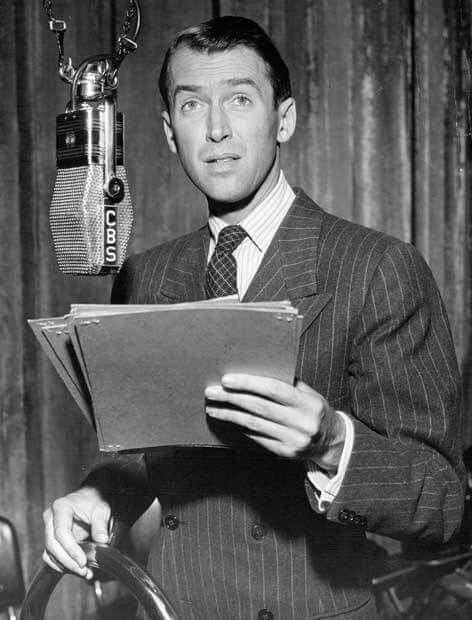
Stars on Suspense (Old Time Radio)
Episode 420 - Favorites from 1949
03:36:04
Comedy legends, legendary leading men, and the first lady of Suspense - they’re all here in my favorite episodes of 1949! Fibber McGee and Molly take the car ride from hell with an uninvited passenger in “Backseat Driver” (originally aired on...
Loading summary
Transcript960 lines
- [00:10]
A
The hushed voice, the prowling step in the dead of night, the crime that is almost committed, the stir of nerves at the ticking of the clock, the rescue that might be too late, or the murderer who might get away. Mystery and intrigue and dangerous adventure. We invite you to enjoy stories that keep you in suspense.
- [00:52]
B
Foreign.
- [00:57]
C
Hello and welcome to Stars on suspense, where today we're continuing our journey through the years of radio's outstanding theater of thrills. With 1949, it was the first full year of sponsorship by Autolight and a year largely split between two directors, Anton M. Leiter, who had taken the reins in early 1948, and Norman McDonnell, who took over the show in September. McDonnell was the longtime director of Escape, CBS's adventure anthology show, but he was also the man behind the scenes for two of radio's best programs, the Adventures of Philip Marlowe and Gunsmoke. Now here are my favorites from 1949, a year full of great suspense episodes. It was hard to narrow down my list to these seven, but I think every one of them is fantastic. First up are Jim and Marion Jordan, better known as Fibber McGee and Molly, the legends of radio comedy star in Backseat Driver, Originally aired on February 3, 1949. Now this episode is a terrific example of how suspense cast its stars against type, with the Jordans leaving the funny stuff behind for a tense half hour as a couple carjacked by an armed and very dangerous fugitive. Then we'll hear Gregory Peck in Murder through the looking glass from March 17, 1949, a classic man on the run suspense story with a little bit of amnesia thrown in for good measure. Peck wakes up on a train with another man's coat and a missing memory, only to discover that he may be a murderer wanted by the police. Edward G. Robinson, who we heard last week in our 1948 showcase, is back in youn Can't Die Twice for March 31, 1949. Through a strange series of events, Robinson's mild mannered man is believed to be dead and his long suffering wife convinces him to disappear so they can collect the insurance money. But waiting out the clock in exile takes its toll on Robinson, and he spills the beans to a sympathetic woman. Or at least she seems that way at first. For our fourth show, the first lady of Suspense herself, Agnes Moorhead, stars in an eerie story about an unwanted houseguest. Originally aired on CBS on June 16, 1949. It's the trap. Ms. Moorhead plays a woman who lives alone until strange occurrences around the house make her believe an otherworldly Presence has taken up residence and it wants her gone. Our fifth show aired one week later and for my money, it's one of the best and scariest that suspense ever produced. From June 23, 1949, it's Ghost Hunt, starring popular game show host Ralph Edwards. In another instance of a well known figure cast against type. Edward stars as a radio DJ with a knack for stunts and gimmicks on the air. For his latest, he plans to spend the night in a supposedly haunted house. And he brings along his recorder to capture every minute. It's a kind of radio era Blair Witch Project. Listen to this one with the lights off, if you dare. Lucille Ball and her then husband Desi Arnaz co star in our sixth show, the Red Headed Woman. That's an appropriate title. From November 17, 1949. It's a story that starts out much like Hitchcock's Psycho. With Lucy making an impromptu decision to embezzle a pile of money from work and then take it on the lam. But on the road, she runs into Desi, who bears more than a passing resemblance to a wanted bank robbery. And we'll close with an episode near and Dear to My Heart for several reasons. From December 1, 1949, its mission completed. Starring the great Jimmy Stewart. It's an engrossing and thrilling story of a World War II vet convalescing in a hospital when he discovers that his old enemy, the commander of the Japanese prison camp where Stuart and his buddies were tortured, is working as the local florist. Stuart plots his revenge, all while trying to keep his activities secret from the nurses and doctors who still believe him to be completely paralyzed. It's a fantastic episode. It's also a show that I transcribed for a community theater production a number of years ago. So every line is etched into my brain to this day, along with every one of Jimmy Stewart's trademark stammers. Now let's journey back to 1949 for my seven favorite episodes from the year in suspense.
- [06:19]
A
And now Auto light and its 60,000 dealers and service station present Suspense. Tonight, Autolight brings you fibber McGee and Molly in Backseat Driver, a suspense play produced and directed by Anton M. Leiter. Say, Harlow. Looks like Old Home Week on Suspense tonight. Old Home Week hap. Well, I wouldn't say not. With millions of Auto Light resistor spark plugs finding new homes in every make of car in America. I know, Harlow. I. I meant Old Home Week because I hap there just isn't going to be any old or new home for more and more narrow Gap spark plugs. Because they're being replaced in their old homes by wide gap Auto light resistor spark plugs. With Auto light resistor spark plugs. Your car, my car, Fibbers car. Everybody's car idle smoother. Gives better performance with lean gas mixtures. Saves gas dollars and cuts down spark plug interference with radio and television reception. There's one way for every car to be spark plugged, right? With auto light resistor spark plugs. Only Auto Light offers car and truck owners everywhere the sensational advantages of the resistor type spark plug. And now Autolite presents Fibbermagee and Molly in a tail well calculated to keep you in suspend. It can't happen to you. You read about stuff like that in the papers. Girls murdered and mutilated. Drunks left dying in the gutter for the handful of change they had in their pockets. Lonesome old men tortured because some hoodlum gets the idea they're misers with a pot of gold hidden under the floorboards of the shack. Sure you know it's real, but it can't happen to you. Oh, you get your fair share of trouble. I've been a professional man here in Los Angeles for 30 years. I've met up with bums and grifters and petty sharpers. They're around in any business. But the viciousness, the real deep down dirt, that's for somebody else. You do your work and go home to your family. And for a real bang up evening to break the monotony, you take your wife out to a movie. That's what I did that Saturday night. We'd driven all the way in from the San Fernando Valley to Beverly Hills for a picture Ellie especially wanted to see.
- [08:51]
B
Wasn't that a good movie, Joe?
- [08:53]
A
Uh huh.
- [08:53]
B
Just the kind I like. Songs and dancing and girls in pretty clothes. I get so tired of cops and robbers.
- [09:01]
A
What's wrong with cops and robbers?
- [09:03]
B
Oh, you know what I mean. Murder movies. Honestly. All the policemen, stupid. And all the crooks sneering out of the corners of their mouths.
- [09:11]
A
Yeah, the stuff those Hollywood boys dream up. You'd think the streets were knee deep in blood and you couldn't hear yourself think for machine guns. Well, here we are, honey.
- [09:21]
B
You get in first, okay?
- [09:26]
A
All right, Ellie.
- [09:27]
B
Well, now, just a second. All right, Joe. Don't forget the gas.
- [09:36]
A
I got plenty to take us out to the Valley. I'll fill up at Bill's.
- [09:49]
B
You remember how that song goes, Joe?
- [09:51]
A
What song?
- [09:52]
B
In the picture. You know, two on the moon. The one the boy sang to the.
- [09:55]
A
Girl oh, that one. Let's see. Heck, I don't know.
- [10:04]
B
Oh well, we'll be hearing it again on the radio.
- [10:07]
A
How about turning it on the radio?
- [10:09]
B
Yeah, sure.
- [10:11]
A
Set her around 1100. We ought to get some news in a few minutes. I'd like to hear whether they caught that fellow.
- [10:18]
B
That awful mass murderer.
- [10:19]
A
Uh huh. They spotted him in LA this afternoon, but he got away.
- [10:24]
B
I know. You told us at supper. It makes you shiver.
- [10:27]
A
Don't worry, he won't get away with it. We left the lights of Beverly Hills behind and turned into Coldwater Canyon. It's as quick a way as any to get us across the Hollywood Hills to the valley. It's dark in the canyon, quiet, with mighty little traffic at night. I cut my lights up full and we swept up the side of the ridge. News program came on, but I didn't pay much attention. Fellow was talking about brush fires. They'd already put out one near my place, though they were still patrolling it. We were over the ridge and sliding down to the valley before the program got to the part I wanted to hear.
- [11:12]
B
There it is.
- [11:13]
A
Pick it up higher, Ellie. And now the latest news on the New Hampshire murderer. Two weeks ago, Lewis Matrick wiped out an entire family in Greenlee, New Hampshire. Today he was spotted 3,000 miles from the scene of his crime. At 5:30 this afternoon, a patrolman saw and definitely identified Natrick in downtown Los Angeles.
- [11:33]
B
He is here.
- [11:34]
A
However, by darting through heavy traffic at the risk of his life, the killer was again able to make his escape. According to neighbors of the slaughtered family, Matrick first appeared in Greenlee about a year ago from fingerprints in the Noland home. Lewis Mattrick has been identified as Lloyd Matthews, ex convict. He is wanted for questioning in the robbery and murder of a New York storekeeper a year ago, a crime that netted the killer less than $20.
- [12:01]
B
Can you imagine?
- [12:01]
A
Matric or Matthews is 32 years old, height 5ft 9 inches, 155 pounds. He has blue eyes, light brown hair, nose slanted to the left. When seen this afternoon, he was wearing a blue suit and a gray pork pie hat.
- [12:18]
B
He awful. Awful.
- [12:21]
A
Not pretty. No.
- [12:22]
B
And he's somewhere around LA this minute. Joe, you think it's right, us leaving Annie and Bud all alone while we.
- [12:29]
A
No, Ellen. Annie's grown up. And Bud's a smart youngster, if I do say so myself. You can't wrap kids in cotton wool.
- [12:36]
B
I know. Oh, I'm silly, I guess. Neighbors close all around. All he'd have to do is yell. But what would Make a young man do a dreadful thing like that.
- [12:47]
A
Could be a lot of things. Maybe he's got a screw loose. Maybe he went nuts over a girl. Maybe he gets a kick out of killing like some of you. You know all the answers, don't you?
- [12:56]
B
Oh, Joey.
- [12:57]
A
Hey, what the. Keep going. Go on. Keep going. I got a gun here and I'll use it. Telling you, Ellie, against the back of.
- [13:06]
B
My neck I can feel it cold.
- [13:09]
A
Well, are you gonna move? Okay, okay, brother. You're the boss. You said it. I'm boss. And remember it. Otherwise, I'll blow a hole through your wife's head. I've had experience in these for suspense. Autolite is bringing you fibber McGee and Molly in radio's outstanding theater of thrills. Suspense. Harlow, I've got to run. My wife Mary just called up and said someone stole our Autolite resistor spark plugs right out of the engine of our car. Gosh, Hap, I didn't know they were that precious. Skip along so long. Oh, that Mary. What a girl. She's wonderful. I said to Hap the other day. She's got everything an auto light resistor spark plug's got. Hap comes right back and says to me, has she got a 10,000 ohm resistor? Does she save me gas and money, Harlow? And then right away he says, tell me this. Does Mary improve radio and television reception? Well, by Cornelius, I couldn't stand it any longer. What's Mary got to do with that? I cried. Nothing. Shouts the triumphant Hap. Right. I shout back. But by Cornelius, those sleek, slim trim, smart, swift starting auto light resistor spark plugs have. When it comes to plugs, even mine, there's no plug as good as a set of auto light resistor spark plugs. And those wonderful wonders are made by the Autolight Company, the marvelous makers of spark plugs, batteries, complete ignition Systems and over 400 automotive, aviation and marine parts. And now, Autolight brings back to our Hollywood soundstage. Fibbermagee and Molly in backseat driver, a tale well calculated to keep you in suspend. I drove that car like we were skirting the rim of the Grand Canyon with nothing between us and the bottom but a mile of country air. This was it. The thing that happens to other people, to the ones that end up on slabs in the morgue. But not to me. Not to Ellie. First car we'd seen since we left. Traffic swooped down behind us. It passed, but not before the headlights caught our passenger clean. In my rear view mirror. He was hunched forward, sitting on the Edge of the back seat so he could keep the gun rammed into the nap of Ellie's neck. He had light brown hair, pale eyes and a nose that slanted. His mouth twitched jittery as the car went by. His eyes caught mine in the mirror and flicker. Keep your eyes on the road. Sure, sure. Lose your hat, bright boy? Like I said, you know all the answers. No, I didn't lose it. I stuffed it down a drain. Still wearing the blue suit, though. I figured it changed pretty quick now. Think yours will fit me?
- [16:09]
B
You can have the suit and the card.
- [16:12]
A
Helen.
- [16:13]
B
Joe. It's Matric.
- [16:15]
A
The missus is bright too.
- [16:17]
B
He crawled in here while we were in the movie. Joe, you should have had the car door fixed.
- [16:21]
A
You know better, honey. I meant to. I was going to tend to that tomorrow. Shut up. Let's see if you can both be bright enough to keep your trap shut. Turn left on Ventura. Take the slow lane. And don't try playing no tricks. I've been in this burg before. Okay by me. That's real white of you. Straight out to open country, Mac. Then I'll take the missus up on that offer of the suit and car.
- [16:45]
B
What happens to us?
- [16:47]
A
Why, you just walk home. What else? Play it safe and you ain't got a thing to worry about. That was a laugh. That was nothing to worry about. That'd kill you. Once we got out into open country we'd have a chance of walking away from the car. All a murderer can hope for is time. He doesn't leave witnesses around to get the law on his tail one second sooner than necessary. All I could do was stall and pray. Make what feeble gestures I could at Lady Luck. The thing that came into my mind was so risky it brought my hair up on end. But there was a chance provided that trigger finger didn't start jerking in the bright lights of the boulevard. I didn't think he'd notice, but a traffic officer would. I turned into Ventura and took the far lane obedient as a whipped pup. Must have made two or three miles before I heard what I was hoping for. What's that? Huh? Oh, the siren. Why an ambulance? I guess we hear a lot of that. Ain't no ambulance. It's a motorcycle cop.
- [17:56]
B
Joe. It's young Mike Kennedy. He patrols this stretch.
- [17:59]
A
What are you up to? What are you trying to pull? Nothing. The kid's a friend of mine. Think you can get me easier? Well, I warned you. I ain't going alone. You asked. Listen. Listen, will you? The kid lives near Us practically grew up under our feet. All he wants is to pass the time of day. Or maybe send a message to our Annie. Yeah, yeah. You start popping now and we'll all be dead. Keep your shirt on and I'll get rid of him. Okay, but it better be good. I pull to the curb and Mike come up alongside. He sat balancing the bike between his knees, and the grin on his face was a mile wide. It had worked. At least we were still alive and Mike wasn't two feet away. But where did we go from here? I had to think, but my brain was wet wool. My tongue stuck to the roof of my mouth. Well, what do you know? If it isn't Uncle Joe. Something funny, kid? After all the times you've read us the riot act about observing the letter of the law or. Oh, brother. Wait till I tell Annie.
- [18:59]
B
Mike Kennedy, what's the matter with you? I didn't notice anything wrong.
- [19:02]
A
Hi, Aunt Ellie. Nothing much the matter. Just Uncle Joe here proceeding sedately out the boulevard with his headlights up full. Headlights? By golly, that's right. I must have forgotten it in them. You oughtn't to forget those things, Joe. Someday a big bad cop might come along and haul you off to the state. Hey, is that Annie back there? No, no, it's. It isn't.
- [19:23]
B
It's. It's our new neighbor, Mike. Mr. Anderson, that right.
- [19:28]
A
Glad to meet you, sir. Hello. I didn't know there were any vacancies out our way. Well, there weren't until recently. Mr. Anderson has taken over the Charles place. The Charles place? Are you kidding? No. Looks like things got too much for old man Charles. At last he's clearing out for good. Uh, kinda sudden, wasn't it? I guess so. Well, that's too bad for old man Charles. I mean, mighty nice for Mr. Anderson, though. Good places are hard to find these days. All right, Uncle Joe. I'll let you off this time. Give my love to Annie.
- [20:04]
B
Mike, watch it.
- [20:05]
A
Yes, sir. Nothing. Just come see us soon, boy. Always glad to have you. Thanks. I'll be around. My next night off, I got a date with Annie. So long. That was that. Mike turned his bike and headed back down the boulevard. The chance had come and gone, but it felt to me like half my mind went off with the boy yelling at him. Must have been half a minute before I could pull myself together and ease back into traffic. Nobody said anything. I didn't dare to, and neither did Ellie. I couldn't see her, but I could feel her holding herself, stiff as a ramrod. Scared even to turn her head. When two people have lived together as long as we have, each one knows what the other one is thinking. I went back to driving and praying. That and cutting my eyes up to the mirror just in case there might be a white motorcycle eye following us. There wasn't, of course. Back in the back, I knew he was watching, too. Those flickering eyes darting like lightning between us and the rear window. He was too busy checking to talk, not that that helped much. Rage and fear were pouring out of him so thick you could have grabbed a hunk of the atmosphere in your hand. It was queer to drive along like that on the crowded highway. Traffic streaming both ways, lights from drugstores and cocktail joints and eating houses blazing to the sky. And to know if I lifted a finger for help, I'd sign our death warrants. It had to be luck, all luck. There was still a chance I'd get it. The way I figured it, we'd started out with just about enough gas to get us back to Bill Station. When we hit that, the meter ought to show empty gas gauge was hidden from me by the rim of the steering wheel. But I was pretty sure I was right. I waited until I saw the red and green lights above Bill's pumps. A block and a half away and very slow and easy. I slumped over for a peek at the gauge. I leaned just too far. Shut up. Sure. What now? What were you looking at? I was just easing the crick out of my neck. Yes, you was. You was looking at the dash. You. Oh, so that's it, fresh out of gas. Look, I just remembered. Don't give me that. You know it all along. From now on, you keep your hands on a wheel, Mac. But leave me to the driving. Turn into that filling station, get high test gas and fill her up. Hi, Joe. Hi, Bill. Evening, Ellie. Hello, Bill. Oh, evening, sir. Up to the top? Yeah. Ethel. Ethel. It is.
- [22:45]
B
Here.
- [22:46]
A
You've been to the pictures, huh? Uh huh. You people know everybody in the whole valley.
- [22:51]
B
We've lived here 30 years, from back when this was just farmland. Of course, we know lots of people.
- [22:57]
A
I don't like it. Get the gas and get out. Say, I was up to Miranda's for supper. That right? Oh, boy, her chili gets better every time. Don't say how it can, but it does. She's saving some for you. Said you'd be around after the show.
- [23:12]
B
Oh, my. I saw Miranda this afternoon and told her we'd be by for sure. Joe.
- [23:17]
A
That'll be 3, 350 on the nose 3 and 50. Thanks, Bill. Yep. Same to you. What was all that about? Nothing much. Come on. Come on. I got to ask you everything twice. Miranda runs a driving up the road a ways. On show nights, we usually drop in for a carton of chili to take home.
- [23:37]
B
I just hope she won't call home when we don't show up and get Annie all worried.
- [23:40]
A
Wait a minute. Drive in, you said? Yeah. And this Miranda could start checking on you.
- [23:46]
B
I didn't mean it like that.
- [23:47]
A
She could call your Annie, and between the two of them, they'd have the cops on the lookout for you before midnight. You're crazy. Like a fox. I ain't kept ahead of the buttons all this time by taking chances. Well, just pick up that chili, Mac. You want to go to Miranda's, Why not leave Annie, get a beauty sleep? I can cover a lot of ground before tomorrow morning. I ain't eating so good lately. I could use the food, too. And with you and the missus to front for me, what's to worry about? He was right about that. I went back to driving and praying. Miranda's place is one of those goldfish bowls, mostly glass with light pouring out across the space mark for outside service. She saw us pulling up, grabbed a quart carton off the back shelf and hustled to the door.
- [24:41]
B
Here you are, Ellie. I was just saying to Betsy, better fix up that chilly Betsy. It's about time. Ellie and Joe showing up, figuring the distance from Beverly Hills. Thank you, Miranda. Who's that in the backseat? I don't seem to recollect your face, young man. Though anybody will tell you I never forget a face. Well, this is Mr. Anderson, Miranda. He just came out here from the. From the east. How's that a fact? Say, Joe, you planning to go straight up Ventura home?
- [25:08]
A
Sure. Why?
- [25:09]
B
Well, don't you do it. Go the back way. Even if it does take longer. Of course, the brush fire between here and your place is out, but there are still 50, 60 men patrolling it.
- [25:19]
A
What's that?
- [25:19]
B
Oh, but that ain't nothing to what's going on further out the valley. That new fire's clean out of control, licking up hundreds of acres. Well, they've been sending truckloads of firefighters past here all evening. And the road's blocked for miles. The road's blocked for miles, they tell me. And all them poor ranchers losing their homes. Being from the east. You wouldn't understand. But brush fires is awful things. Once they get out.
- [25:45]
A
Thanks. Start moving. We take the back way to your.
- [25:49]
B
House to Our house. What say? Oh, you staying with Ellie and Joe?
- [25:54]
A
Yeah, until the roads. Until I can get into my own place. What are we waiting for? Night, Miranda.
- [26:00]
B
Well, goodbye. Be sure you come see me, Mr. Anderson. I'll be looking for you.
- [26:08]
A
So there it was. We weren't going to the country. We weren't going to be left to rot at the foot of a cliff or buried deep in brush. No, we were going home. Home to the kids. Taking a murderer with us. I still couldn't see Ellie, but I could feel her tensing up tight as a pulled drawstring.
- [26:30]
B
Mr. Mattrick, you. You didn't mean what you said, did you? About coming home with us?
- [26:36]
A
You know a better place? I can hide out till the road's open.
- [26:38]
B
But it wouldn't be safe. We've got neighbors close all around. If somebody sees you.
- [26:42]
A
Nobody will see me. Nobody better.
- [26:45]
B
Joe, couldn't we get around the fire?
- [26:47]
A
Yeah, that'd be better. We could try. There are other roads through the valley. Listen, Matric, we'll nose around and find a way through somehow. Cut it out. You heard the old biddy. Hundreds of acres burning, firefighters, cops. Get off the highway. We're going home.
- [27:01]
B
No. No, I won't have it. Joe, you stop the car right here.
- [27:03]
A
Shut up.
- [27:04]
B
You heard me, Joe. I won't have him in my house. Not with Annie and Barbara.
- [27:07]
A
I said shut up. For Lord's sake, Ellie, it doesn't matter.
- [27:09]
B
About us, but the kids. I won't let him. One word out of you. No, stop.
- [27:13]
A
Ellen, hush. Don't say another thing. I'm sorry, honey. Matrick's the boss. I gotta do like he says. That's telling her. Sure. Do like I say and everything will be rosy. You got no call to worry about the kids. I like kids as long as nobody gives me the brush off. We'll. We'll wake them up soon as we get home. And you and this Annie can fix up a chili supper for us. We'll have us a picnic. And then soon as the fire's out, we'll all take a trip to the country. Another picnic, huh? You keep going. As long as you're breathing, you keep going. Even when it looks like there's no way out. You hang on by your toenails. We poked up and down those black valley streets that twist and turn and sometimes wind up in dead ends. Ellie stopped crying after a while. She slumped down with her head rolling on the seat back, limp as a rag doll with the stuffing leaked out. It took a long time, but it had to come to an end. I saw the bulk of the house looming up. There was light sneaking around the edges of the blinds. Up in Annie's room. She wasn't asleep after all. She'd be sitting up in bed, maybe plastering red stuff on her fingers and dreaming about the date with Mike. Bud's room was dark. He'd be wrapped in covers like in a cocoon and dreaming whatever boy's dream I couldn't remember. I pulled up to the concrete walk. I'd poured with my own hands before there was any Annie or Bud, and I cut the lights in a second or two. My eyes got used to the dark. I could make out the high head jelly planted around the place and the roof rising up beyond it. Out, Mrs. Face the house. Now. You, Max. Slide out the same side, stand beside her, walk to the door slow. And no funny business. I'm right behind you. It's okay, Mike. Got him. You all right, Uncle Joe? Aunt Ellie. Ellie. Ellie, honey, you all right?
- [30:18]
B
All right indeed. Smack flat on my face on a concrete walk and you falling on me.
- [30:24]
A
Nothing wrong with her. That's my girl.
- [30:26]
B
Oh, well, don't you stand there. Help me up.
- [30:29]
A
Here you are.
- [30:30]
B
Oh, I've got to get in the house before the kids come busting out here. I won't have them mixed up in this.
- [30:35]
A
Well, how's he doing, boys? Got him through the gun. Hand on the right shoulder. See? A lucky shot, copper. If you weren't lucky, you'd all be cold meat now. Maybe. Matt. Rick, isn't it? Uncle Joe? That's him. Miranda scribed him to you, eh? The old girl didn't miss a trick. She even knew you were taking the back way home. You left a clear trail, Uncle Joe. Slick work. I had to get him out of the car before the fireworks started. Ellie didn't stand a chance. She helped, though. Ellie catches on quick. How bad? A mean guy like Mattrick. Make him think you don't want to do something and he'll break his neck doing it. I let on I was trying to run out of gas. That got us to bills. Then we both made out there was no sense going to Miranda's. So we got bullied into going to Miranda's. It was a thousand to one. She'd run off at the mouth about the brush fires and scare him into hiding out. After that, all Ellie had to do was turn on the hysterics. He was dead set on coming here. Bright boy. Like I said, bright enough. You did all right, too, Mike. I was watching the Rearview mirror. All the time you were tailing us, but you never showed. You knew I was there, though. When one officer starts double talking another officer, he wants to know why. Officer double talk. You never said a thing to him. Except that I bought some place out here. Yeah, the Charles place. Poor old man Charles. In a tough spot and moving out for good. Well, what's wrong with that, Mattrick? Didn't anybody ever tell you it wasn't smart to take up with strangers? Maybe I'd better introduce myself. The name's Charles. Joe Charles. Detective Homicide. Tonight I was off duty and was just taking my wife to a movie. Thank you, Fibber McGee and Molly, for a splendid performance.
- [32:45]
B
Why, thank you.
- [32:46]
A
Thanks very much, Bud. We're not used to doing a show with a gun stuck in our backs.
- [32:50]
B
No, we.
- [32:52]
A
We're used to doing them with Jack Benny breathing down our necks and vice versa. But that guy over there, he. He looks familiar.
- [33:01]
B
Why, dearie, that's Mr. Wilcox.
- [33:03]
A
Old waxy himself. The guy that sells Johnson's Wax on our Tuesday show.
- [33:07]
B
Not Waxy on Thursdays, dearie. Sparky.
- [33:09]
A
Sparky, eh? Well, what do you know. Hey, Junior. Hello, Fibber. Hello, Molly.
- [33:14]
B
Hello, Mr. Wilcox.
- [33:15]
A
Say, you two were terrific tonight. Tell me, did you drive over from Wistful Vista? Uh. Oh, Molly, I'm afraid to answer that. Because if you did, I hope your car had auto light resistor spark plugs. See what I mean? And listen, pal, if I were you, I'd stop and see an Autolite serviceman on the way home. That old boy. Listen, Waxy, I mean, Sparky, you don't have to tell me where to stop. I stopped on the way over. Why, those masterful miracles of manufacturing magnificence.
- [33:41]
B
Now, McGee, McGee, that's Mr. Wilcox's story. Let him tell it.
- [33:45]
A
Well, what Fibber means is that auto light parts and original factory parts. Auto light parts and service and your car go together like McGee and Molly, Hap and Harlow, Amos and Andy. So when you replace worn out parts, visit your auto light service station or the dealer who sells your make of car and ask for original factory parts and service leading cars. Use them all. Auto light makes them all. Be right. Get autolite parts and. Uh, Just a minute. Fibber and Molly, don't go away. Oh, that's right. You want us to say that word? If you please.
- [34:27]
B
Oh, yes. Well, go ahead, McGee.
- [34:28]
A
No, you say it, Molly.
- [34:29]
B
Well, why don't we both say it then?
- [34:31]
A
Okay. Well, I know you're going to want to hear Radio's Outstanding Theater of Thrills next week because Charles Lawton is going to be on the program.
- [34:40]
B
Yes, and in a famous story by John Collier called Demorteus. And it's another gripping story study in suspense.
- [34:52]
A
Tonight's suspense play was by Sally Thorson with music composed by Lucian Morowek and conducted by Lud Gluskin. The entire production was under the direction of Antone M. Leider. In the coming weeks, suspense will present such stars as James Mason, Jane Wyman and many others. Make it a point to listen each Thursday to suspense radio's outstanding theater of thrills. And next Thursday, same time, hear Charles Lawton in Demortius.
- [35:21]
B
You will find Auto Light service stations listed in your classified telephone directory under automotive electrical equipment. Your right with Auto light.
- [35:33]
A
This is CBS, the Columbia Broadcasting System. Now Autolite and its 60,000 dealers and service stations present suspense. Tonight Autolight brings you Gregory Peck in Michael Vanning's Murder through the Looking Glass, a suspense play produced and directed by Anton M. Lieder. Friends, even a camel can't compete with an Autolite stay Full battery because it An Autolite stay Full battery needs water only three times a year in normal car use. Yes, sir, that dandy, dynamic, dependable Autolite stay Full battery has extra plates too, for extra power. Protected by fiberglass insulation for longer life and stronger life. Did I say longer life? Well, I meant it. An Autolite stay Full battery has almost double the life of an ordinary battery. Why, in tests conducted according to the Society of Automotive Engineers of life cycle standards, Autolite Stay full batteries give 70% longer average life than batteries without Stay Full features. So get wise. Get Autolite. Remember, you're right with Autolite. And now Autolite presents Gregory Peck in a tale well calculated to keep you in suspense. The sound was a dull, monotonous roar in my ears. And I listened, wondering if it were real or part of a dream. Suddenly I. I was awake. And I knew that I was riding on a train. But where? I didn't remember getting on a train. I opened my eyes and saw that I was in the lounge car. There was only darkness through the window. A man sat across from me, reading. There was a bridge game down the aisle, a porter serving drinks. Everything nice and normal. Except that I had no idea how I got on the train or why I was there. I tried to think of a reason for being there, but I. I couldn't. These spells of forgetfulness have been coming on more often lately. I leaned back and closed my eyes, listened to the rhythm of the train. A melody began to fit itself to the rhythm I couldn't remember ever having heard such a song. But somehow I seemed to know the words. Down in the valley Valley so low Late in the evening Hear that train blow Hear that train blow. I beg your pardon, sir, but your singing is disturbing the other passengers. I'm sorry. You understand, sir, it's the other passengers. I kind of liked your singing myself. Your singing didn't disturb me either, young man. In fact, it was a rather pretty melody. What was the name of it? Why, it's. I. You know, it's silly, but I. I don't know. I can't even remember the tune now. That's the way it is with songs. I've had the same thing happen to me. So what. What train is this? Why, it's the New York Express to Philadelphia. Ought to be there any minute too. You must have been on some party if it lasted all day or what? What time is it? 7:00pm that is. Yes, sir. It must have been pretty drunk out where you were. I think he said something else after that, but I wasn't listening. And then I noticed that I was wearing a brown top coat. It wasn't mine. Maybe I'd accidentally exchanged coats with someone if I couldn't remember it. It must have been that kind of a party. If so, I felt for my wallet. It was there. I opened it to see if I had any money left. And my eye was caught by the driver's license made out to John Blake. In another pocket of the wallet there were engraved cards reading John Blake Insurance. I wasn't John Blake. I was Jeffrey Bruno, a writer. I couldn't even drive a car. I didn't know anything about insurance. I'd never heard of a John Blake. But here was his identification in my wallet. What's the matter, young fellow? Are you ill? The man across from me said something, but I didn't hear what it was. I looked through the other pockets. There was a bank book showing that John Blake had a big bank balance of $647.55. My balance had never been higher than 15 bucks. There was a letter, a bill for shirts addressed to John Blake at. At an address I never heard of before. There was a moment there, a few crazy seconds, when I wondered if I really was John Blake. No, I couldn't be. I knew I was Jeffrey Bruno, who lived at a two room apartment in Greenwich Village and wrote mystery stories for a living. I knew who I was. Well, here we are. Or are you going on downtown? Well, I see I could get a train back To New York here, couldn't I? Sure. Right across on the other platform. That must have been some party X ray.
- [41:08]
B
We know about the murder.
- [41:09]
A
I had to get back to New York and straighten out this business about John Blake's coat and identification. He, whoever he was, might even be thinking I'd stolen them. Besides, I wanted to find out where I'd been the night before and all day. And why I'd awakened on a train to Philadelphia. Then, just as I got up from the seat, I glanced out of the window. The newsboy was holding up a newspaper. Across the top was the big headline.
- [41:34]
B
Killer Blake Escape Blake.
- [41:38]
A
And just below it, there was a picture of me pulling down my hat and turning up my coat collar. I managed to get on a New York train without anyone recognizing me Then. Fortunately, no one pays any attention to anyone else on New York subways. Two blocks from my apartment house, I stopped at the corner stand to buy a newspaper. Oh, There you are, Mr. Bruno.
- [42:08]
B
Haven't seen you around for a couple days.
- [42:10]
A
Yeah, I've been busy.
- [42:11]
B
Hey, you know, I saw your somewhere today.
- [42:17]
A
You got a story in one of the magazines, maybe? No. No. Well, good.
- [42:20]
B
Wait a minute. I'll remember where I saw your picture. I never forget a picture.
- [42:24]
A
I've got to go now. You can tell me about it tomorrow. I had to get away before he remembered. I looked down and saw my picture on his papers at home. There were a lot of letters in my box, too many for just one delivery. When I got to the apartment, I looked at them. Two of the letters had been postmarked in New York three days before. It doesn't take three days for letters to be delivered locally. Where have I been for three days? Who? Who's there?
- [42:53]
B
Rosalie.
- [42:54]
A
Oh, Rosalie, just a minute.
- [42:59]
B
Hi, Jeff. I thought I heard someone in here. Well, a friend of yours stopped by, but you weren't home. You ran into me on the stairs and asked if I lived here and then wanted me to give you a message. Brunette, was his name. Bill, I think he said.
- [43:10]
A
Oh, yeah. Well, I'm. I'm glad you're here, Rosalie. Stay and talk to me. We can have some coffee or a drink. When did you say Bill was here?
- [43:19]
B
Yesterday morning. He said something about having had a date with you the night before, but.
- [43:23]
A
You never showed up yesterday morning. Oh. Oh, yes.
- [43:28]
B
What's the matter, Jeff? Don't you feel well?
- [43:31]
A
Oh, sure, I feel fine. Rosalie, Tell me, do I ever do anything out of the ordinary? I mean, do I? Well, have I ever seemed strange?
- [43:45]
B
You mean, are you well, you've always seemed very sane to me, if that's what you mean. In spite of your vanishing acts.
- [43:51]
A
My. My what?
- [43:53]
B
The times you disappear. You don't know. I'm sorry.
- [43:58]
A
Let me finish it for you. You mean the days when I've awakened thinking it was Tuesday, only it'd turn out to be Thursday? You mean I'd disappear for a couple of days, go somewhere else, become somebody else?
- [44:10]
B
I wouldn't have said anything, Jeff, but.
- [44:12]
A
Well, then why don't I remember? I've heard of people drawing blanks because they've had too much to drink, but now maybe it's something different.
- [44:21]
B
What is, Jeff?
- [44:22]
A
Well, I told her all about it. All I knew, anyway. At first she was frightened, but then I guess she felt sorry for me and she got over it. Before, Rosalie had always been just a beautiful, desirable girl. I'd had drinks with her a few times in her apartment and mine, but that was all. Not that I hadn't wanted to take her out, but she was a model. And I was sure that she led a glamorous life with rich men begging to take her out. But now she didn't look as glamorous as she looked understanding. I needed that. I was beginning to believe that the explanation of John Blake wasn't as simple as I first thought.
- [44:58]
B
I'm glad I came in, Jeff. You need someone. And it doesn't matter whether you're John Blake or not.
- [45:04]
A
Well, it matters to me. Look, I know I'm Jeffrey Bruno and not some guy named John Blake. I can remember my whole life. Living on the farm, going to school, working on a newspaper, coming to New York. I can remember every minute of it.
- [45:18]
B
Every minute?
- [45:21]
A
No, no, not every minute.
- [45:25]
B
You know, Jeff, such things can happen. White bearded old men with eyeglasses write books about such things. They've. They've got a word for it. I can't pronounce it, but it means that you can be two people at one time and not know it. So maybe.
- [45:38]
A
So maybe I'm John Blake, too. I was way ahead of you in thinking that.
- [45:42]
B
And if you are, that's a sickness. And people can get over being sick. Maybe you'll remember all the things John Blake did.
- [45:49]
A
I already know one thing he did. He killed someone. I don't know who or how, but. But I. John Blake murdered someone.
- [45:56]
B
You brought a paper home? Why not see whatever happened, Jeff, we'll find a way to work it out.
- [46:03]
A
Thanks, Rosalie. Here it is. His name was Rufus Carrington. He was an old man and wealthy. I. John Blake worked part time for his nephew, Roger Gunn. There's money missing from the firm, and it's believed Rufus Carrington may have found out about it.
- [46:21]
B
I see.
- [46:22]
A
Roger Gunn arrived to see his uncle this morning and was told by the butler that the old man was in the study with an unknown caller. Roger Gunn was talking to the butler when they heard the old man cry out. He ran to the study and found him dead. Your nephew saw me, the killer, escaping, and recognized him. Well, if I were John Blake, my other self didn't do things in a small way.
- [46:44]
B
Oh, don't you?
- [46:45]
A
I never wanted the things John Blake must have wanted. I never wanted riches. Never thought of going into a business like insurance. I just can't understand this thing.
- [46:53]
B
They'll understand, Jeff. They have people who understand things like that.
- [46:57]
A
Rosalie, whatever happens, will you promise me that if you don't like Jeffrey Bruno, you'll like John Blake? But like one of us, it doesn't matter which one it is.
- [47:05]
B
I like you, whichever one of them you are.
- [47:08]
A
You see, Rosalie, I'm innocent, even if John Blake isn't. I haven't murdered anyone. It was another part of me. But if I try to run away, they'll find me. They'll hurt me for what John Blake did. Where can I go? What can I do?
- [47:24]
B
You can go to the police and tell them the whole truth. Because, you see, they can't do anything to you. You're not responsible for what you did as John Blake.
- [47:33]
A
Yeah, maybe you're right. There's no point in running. Look, I know I have no right to ask it, but. Would you go with me, Rosalie?
- [47:43]
B
Of course I will, Jeff.
- [47:46]
A
It's like being haunted, knowing that somewhere inside of me there's another man, never knowing when I'll be him. Say. Say, what if. What if I turn into John Blake before we even get to the. For suspense, Auto Light is bringing you Gregory Peck in radio's Outstanding Theater of Thrills. Suspense. Say, Hap, the sound man and I have cooked up our own suspense show. Yeah? Well, let's hear it. All right. Our hero, Jim Brown, is in a frantic rush to get to his office. He leaps into his car, tries to start it. Will it start? Won't it start? Will our hero get to his office in time to read his morning paper before his stenographer puts him to work? That's real suspense, Harlow. Ah, but I come along. I give him a hot tip on sure fire starting, get an auto light, stay full battery. And now this happens. There. You see what I mean? That Auto Light Stay full Battery takes the suspense out of starting and puts it on CBS by an Autolite. Stay full. Battery needs water only three times a year in normal car use that liberal liquid libation practically eliminates one of the major causes of battery failure. Imagine an Autolite Stay full Battery needs water only three times a year in normal car Use an Autolite Stay full. Battery has extra plates too, for extra power. And fiberglass insulation adds months to the life of a battery. Money can't buy a better battery, so switch to autolight. And now Auto Light brings back to our Hollywood soundstage. Gregory Peck as Jeffrey in Murder through the Looking Glass. A tale well calculated to keep you in suspend. Rosalie was right. I thought about it as we walked down the stairs. They'd know what to do with a case like mine. They know that Jeffrey Bruno wasn't responsible for what John Blake did. Of course, they'd lock me up for my own good and. And then they'd leave me in there.
- [50:02]
B
What's the matter, Jeff?
- [50:02]
A
Wait. Wait. Rosalie. You're right. I mustn't run away. But first I've got to find out about the other me, About John Blake. All I know is that he murdered someone. I have to know other things about him, what he was really like.
- [50:14]
B
I understand, Jeff, but you mustn't do anything foolish.
- [50:17]
A
I have to know about my other life. What. What books I read, what kind of girls I liked. You can see that's important, can't you?
- [50:23]
B
Of course, Jeff. I just thought of something. I know a man, a psychiatrist. Maybe if I called him, you could see him tonight. He'd understand. Maybe he could tell you what to do. Will you talk to him?
- [50:34]
A
I'll do anything. It'll help me to understand what I was like when I was John Blake and why I was like that.
- [50:39]
B
I'll go in the drugstore here and call him. I'm sure he'll see you, and we'll do whatever he says.
- [50:51]
A
Now, Mr. Bruno, you say there have been many times when you haven't remembered what happened for days. Oh, not many. A few times it only happened after I'd been drinking and I. I thought that's all it was until this. I see. That's a very interesting case. What is it, Doctor? I've done some reading on psychiatry, and it sounds. Is it split personality, schizophrenia? Yes. Very possible. For instance, subconsciously, you might have had a desire for things which consciously, you'd convinced yourself were bad. That desire became so great that you created John Blake so you could satisfy it without compromising Jeffrey Bruno. Wouldn't I be partly aware of wanting those things? Isn't it possible that I'm not John Blake? That all of this is something else? I'll let you answer that yourself, Mr. Bruno. How can I? If I could answer it, I wouldn't be here. Mr. Bruno, do you honestly believe that there is a real person named John Blake? A person who looks exactly like you? A person whose coat and identification came accidentally into your possession? No, I guess I don't. But there must be another explanation. The alternative would be to believe that someone is framing you. Do you believe that someone drugged you several times or there'd be days you couldn't account for that Someone forged the papers of John Blake and planted them on you. Can you believe that someone planned to commit this murder months ago? Rented an apartment in the name of John Blake, filled it with clothing in your size, put your photograph in the apartment. According to the newspaper story, the nephew of the murder victim was the only man to identify your picture. Therefore, he would have to have been the one to frame you. Well, this would imply that this Roger Gunn knew you and you knew him. Do you? No, I don't remember. Well, then can you believe that he was able to drug you to know your clothes size to get a photograph of you? I guess. Besides, if he framed you, that implies he is the murderer. But that can't be, because according to the butler, the nephew was with him at the time the murder took place. You. You see, Mr. Bruno. I see. What can I do, Doctor? Well, if this were not a murder case, the answer would be a simple one. I'd undertake to treat you. But as it is, I'm afraid I must suggest that you go to the police. Yeah, I suppose you're right. I'm sorry I wasn't able to help you, young man. If you'd only come to me sooner. Jeff.
- [53:10]
B
Can you help him?
- [53:11]
A
Doctor, under the circumstances, it's too late for me to do anything directly. I've advised Mr. Bruno to go to the police.
- [53:19]
B
Come on, Jeff. I'll go with you.
- [53:21]
A
All right. Oh, thank you, doctor. Oh, not at all. Sorry, I. I can't do more. Good night. Good night.
- [53:27]
B
Good night. I'm sorry, Jeff, but they'll have to believe you. They can't make you suffer for what John Blake did. And then when you're well.
- [53:39]
A
When I'm well, what?
- [53:42]
B
We'll see.
- [53:45]
A
Rosalie, there's one. One more thing I want to do before I go to the police. I want to see the apartment where I lived when I Was John Blake. I still don't know what I was like when I was being here. Maybe if I can only see how I lived, it'll give me a clue.
- [54:07]
B
There it is, Jeff. Right across the street.
- [54:09]
A
The lobby looks empty. Now let's see. The address on the letter is apartment 203.
- [54:14]
B
Wasn't there anything in the letter?
- [54:15]
A
It was a bill. It seems that I'm not only an embezzler and a murderer, but I didn't even pay John Blake's bills.
- [54:21]
B
Please, Jeff, don't joke about it.
- [54:22]
A
All right, Rosalie, no joking. I don't think it's very funny either. Now, if I were John Blake, I ought to have a key to my own apartment. Ah, this must be it. I don't remember ever seeing it before, but the number 203 is stamped on it. Well, Rosalie, I'll stay here and warn.
- [54:39]
B
You if the police come. Good luck, Jeff.
- [54:42]
A
The lobby was empty. I got on the self service elevator and I rode up to the second floor. It too was deserted and I walked to the door of John. Of my apartment. I hesitated, wondering if maybe there were a policeman inside. Well, I had to take the chance. A key worked and I stepped inside. The place seemed empty. I turned on the light. It was a small apartment, Inexpensive, perfectly correct and dull. There were hunting prints on the wall. There were two suits in the wardrobe, my size all right, even though I couldn't remember buying them. There were even monogrammed handkerchiefs. It was unreal. Yet I had to believe all these things belonged to me. That there had been times when I liked wearing them. My head was spinning by now and I leaned up against the wall. I don't know how long I stood there unaware of anything except the pain inside. Gradually I. I was aware that somebody was knocking on a door. But it was several seconds before I located it. It was. It was at my door. The police. Oh, no. Rosalie said she'd warned me it was the police. I wasn't ready to give myself up yet. I ran to the window. There was a fire escape outside. I raised the window and looked out. I couldn't see anyone. Take a chance that there wasn't a cop. At the bottom of the fire escape, I climbed out and closed the window. As I started to break in, I ran down the fire escape. I jumped to the ground and looked around the corner. There was one man sitting in a police car. I turned and ran. The other. I must have run two blocks before I heard footsteps behind me. I. I turned and it. It was Rosalie. Oh, Jeff, you Said you'd warned me what happened.
- [56:46]
B
But I did, Jeff. I rang the buzzer twice while they were getting out of the car. When I saw you getting away, I thought you'd heard. You must have heard it.
- [56:53]
A
You rang twice. The bell must be out of order, just like John Blake. Or. I didn't hear it. I almost didn't hear them knocking. I'm sorry, Rosalie. I. I just. I don't know.
- [57:04]
B
It doesn't matter, Jeff. I. I was so frightened.
- [57:07]
A
Oh, you mustn't be. I. I promise I won't do anything to involve you or hurt you.
- [57:10]
B
I wasn't thinking it myself. You can't go on like this, Jeff. You've got to go in. Give yourself a chance to get well.
- [57:16]
A
I know. You know, upstairs there for a minute, I. I thought of running away, of going to some little town and changing my name. But that's no good either. That wouldn't get rid of John Blake. Then I've got an idea. Just one more try. Another hour won't make any difference to the police. All right, Jeff.
- [57:35]
B
Where are we going?
- [57:36]
A
Not we, Rosalie. I'm not going to involve you in this anymore. I was John Blake. I did the things John Blake did, and I have to see it through to the finish.
- [57:43]
B
At least tell me where you're going.
- [57:45]
A
It'll be better if you don't know.
- [57:46]
B
Oh, please, Jeff.
- [57:47]
A
No. This is the way it has to be. Then if it turns out worse than we think, you can just remember that for a few hours you were friendly to someone who needed it. If I come through this, if I get well, then.
- [57:58]
B
Yes, Jeff.
- [58:00]
A
Well, as you said, Rosalie, we'll see. I put her in a cab and gave the driver the address in the village. Then I went to the place where I was afraid to go. Yet it was the one place I had to go. Yes, sir. Well, don't. Aren't you Mr. Carrington's butler? Yes, sir. Clark is the name, sir. I've been. I was in Mr. Carrington's service for 40 years. But why do you ask? Well, don't you recognize me? I. I don't believe so, sir. Of course, there were so many of you here today from the newspapers when I was here even earlier. I. I'm John Blake. Oh, then you're the gentleman who murdered Mr. Carrington, according to the newspapers. Why do you say according to the newspapers? I don't believe you killed Mr. Carrington, sir. You. You don't? Why not? Why, he didn't even know you, sir. Well, maybe he only got acquainted with me this morning when I came to kill him. If he had made an appointment with you, sir, I would have known. But didn't you let me in to see him? Oh, no, sir. He answered the door himself when his visitor arrived. I see. Is Mr. Carrington's nephew here, Mr. Gunn? Yes, sir. But he left word not to be disturbed. He did, did he? Clark, did Mr. Carrington have a gun? Yes, sir. Would you trust me with it? If it might help catch the murderer, I guarantee it'll catch him. Won't you step in? Thank you. I was very fond of Mr. Carrington, sir. He kept the gun here in the hall near the door. Oh, here it is, sir. I'm an old man myself, and perhaps I'm foolish to even. Don't you worry. Just. Just take me to see Mr. Gun. Oh, but I can't do that, sir. Oh, pardon me, sir. Yes, Mr. Gunn? Who are you talking to? Clark? Is that the attorney? No, sir. It's a young. Wait a minute. I know that voice. I'm sorry, Clark. Who the devil. You? Yes, me, Mr. Gunn. Or should I say Dr. Gunn? Clark, leave the room. Yes, sir. Well, I. This is all a terrible mistake. You bet it is. And I want to hear why. The nephew of the man I'm supposed to have murdered is also the psychiatrist who convinced me I was crazy and ought to surrender to the police. Don't move. Don't point that gun at me, please. I. I'm expecting a phone call from the attorney about the will, and then I. I'm sure we can straighten this thing out. I. I'll give you money. We'll straighten it out now. Without money. You killed your uncle, didn't you? No, I was with Clark. He can tell you. Don't answer that. Clark will answer it then on the extension. And he knows I'm here. Let Clark answer. But I'm gonna get the truth out of you before you have a chance to talk to anyone. I. I meant you no harm. Not much. You just wanted me to take your seat in the electric chair. You told me the whole thing when you were posing as the psychiatrist, didn't you? You told me the truth, making me think it couldn't have been like that. The only thing you didn't tell me was about the person who killed your uncle and helped frame me. I beg your pardon, sir, but it's an urgent call. Don't move. Gun. If it's so urgent, I'll take it for you. Yes, Roger.
- [61:34]
B
I'm calling you from our usual place. He hasn't Gone to the police yet? Roger, are you there?
- [61:39]
A
I. Yes, I. I can't talk now. The attorney's here.
- [61:44]
B
Wait, Roger. I think he's on his way over there. Be careful.
- [61:47]
A
All right.
- [61:48]
B
You don't sound right. Are you getting frightened again? After all we've done so far? You've got to keep your nerve up. I'm coming over, Roger.
- [61:56]
A
Good.
- [61:57]
B
I'll be there in five minutes. Stall him when he arrives. Goodbye, Roger.
- [62:03]
A
Goodbye, Rosalie. Clark. Yes, sir. You were right before. Mr. Carrington opened the door this morning for a beautiful young lady after a date had been made by Mr. Roger Gun here. I. I told him she was blackmailing me and I. I wanted him to see her because he'd had experience handling that sort of thing. But I. I swear Rosalie didn't tell me she was going to kill. Never mind. Clark. Call the police. Tell them by the time they arrive, the murderer of Mr. Carrington will be here waiting for them. Thank you, Gregory Peck, for a great suspense show. Say, Greg, while out driving one Sunday afternoon recently, I heard you on the family hour of Stars, Busman's Holiday. Yes. And I was thinking then how you always give a splendid performance. Just like a Stay Full battery. A battery I'm being compared to now? Well, not just a battery, Greg, but Autolite Stay full batteries there as tops in their field as you are in yours. Well, then you can just call me stay full bank from now on. Tell me more. Well, Greg, Stay Full Batteries are made by Autolite men who make over 400 products for cars, trucks, airplanes and boats in 28 auto light plants from coast to coast. Yes, sir. And Autolyte also makes complete electrical systems for many makes of America's finest cars. Spark plugs, generators, starting motors, coils, distributors, all ignition engineered to fit together perfectly. Work together perfectly because they're a perfect team. So folks, don't accept electrical parts that are supposed to be just as good. Ask for and insist on Autolite original factory parts at your neighborhood service station, car dealer, garage or repair shop. Remember, you're right with Auto Light. And now, here again is Mr. Gregory Peck. Well, as usual, it's been great fun to do a suspense play. It's one of the programs that every actor in Hollywood most enjoys to appear on and to listen to. For instance, I wouldn't miss next week's show when Pat o' Brien stars in a really outstanding story, Dead Earnest, another gripping study in suspense. Gregory Peck can currently be seen starring in the 20th Century Fox production Yellow Sky. Tonight's suspense story was by Michael Venning. Whose books have also been written under the more familiar name of Craig Rice. The adaptation for radio was by Ken Crossan. Music was composed by Lucian Morowek and conducted by Lud Bluskin. The entire production was under the direction of Antone M. Leiter. Next Thursday, same time, hear Pat o' Brien in dead earnest.
- [64:53]
B
You can buy Auto Light electrical parts, Auto Light resistor spark plugs, Autolite Staful batteries at your neighborhood Autolite dealer. Switch to Autolite. Good night.
- [65:05]
A
We have the highest standard of living in the world. Safeguard the American way. This is CBS, the Columbia Broadcasting System. Now Autolight and its 60,000 dealers and service stations present suspense. Tonight, Autolight brings you Edward G. Robinson in you Can't Die Twice, a suspense play produced and directed by Anton M. Leiter. Friends, if a camel got a drink of water only three times a year, his tongue would hang out like a Christmas necktie. But an Autolite Stay full battery thrives on three drinks a year. Yes, Siri, an Autolite Stay Full battery needs water only three times a year in normal car use. And VI Cornelius, an Autolyte Stay Full battery has extra plates for extra extra power. Protected by fiberglass insulation for stronger longer life. Why? In recent tests conducted according to the Society of Automotive Engineers life cycle standards, Autolyte Stay full batteries gave 70% longer average life than batteries without the stay full features. So remember, be battery right get Autolite. And now, Autolight presents Edward G. Robinson in a tale well calculated to keep you in suspend. Yeah, it's funny how it happened. Take a good look at me. Am I the type you'd say could harm a fly? Ask around my neighborhood. Ask any of my old customers. Sam, they tell you. Sam Brown. Why, he wouldn't say boo. Sam Brown a murderer. Besides, there must be some mistake somewhere. Sam's dead a whole year now. So that's what I want to explain how it all happened. It all began that Sunday morning at home with my wife, Katie. Poor Katie. An April fool.
- [67:39]
B
Today is April fool, isn't it, Sam?
- [67:41]
A
Yeah, I guess it is, Katie. Why?
- [67:43]
B
Why? Because we'll have to expect a lot of silly tricks today, that's why. From your so called.
- [67:48]
A
Yeah, that's right. I guess we'll have to be on our guard, huh?
- [67:51]
B
You're talking after the way you fell for that April Fool's joke last year?
- [67:55]
A
Yeah, some let down all right when I learned it was all a practical joke and I hadn't won 50,000 in the Irish sweepstake. Hey, you. You sure took it to heart too.
- [68:04]
B
Why not will I ever in my life even see money like that.
- [68:07]
A
Oh, Katie, please.
- [68:08]
B
Will you ever make it from your miserable milk route? Will ya?
- [68:11]
A
I'm sorry I even mentioned it.
- [68:12]
B
You were gonna give me so much. You were gonna get plenty. Throw a million at my feet. A million what? Empty milk bottles.
- [68:18]
A
Well, so I didn't get the breaks. Now what do you want me to do, Katie? Rob a bank? Murder someone? Please let me alone, will ya? I want to hear.
- [68:26]
B
Turn that off and listen to me. Murder somebody, he says. Being poor is murdering me. I'm fed up, I tell you. Look up to here.
- [68:34]
A
Oh, Katie, please.
- [68:35]
B
Don't Katie me. What's the matter so early in the morning? Hello.
- [68:41]
A
Mrs. Kathryn Brown?
- [68:42]
B
Yes.
- [68:42]
A
You're the wife of Samuel e. Brown of 22 Maple Street?
- [68:45]
B
Yes.
- [68:46]
A
I'm sorry to have to inform you that your husband has been killed, Mrs. Brown.
- [68:51]
B
What's that?
- [68:51]
A
His body was found just a few hours ago in a ditch on the Clinton turnpike. Killed by hit and run driver. Mrs. Brown.
- [68:57]
B
Ha ha ha. What is this, somebody's idea of an April fool gag? Now cut it out.
- [69:02]
A
I'm really sorry, Mrs. Brown, but this is not an April fool gang. I wish it was, for your sake. Please call it the county morgue, will you?
- [69:08]
B
What?
- [69:09]
A
Well, you'll have to identify the. The remains. It's almost beyond recognition. But There's a wallet, Mrs. Brown. That's all we had to go on.
- [69:16]
B
Listen, you. You think a joke like this is funny, you ought to have your head examined. Who is this?
- [69:21]
A
Police Sergeant Ryan, ma'. AM, third precinct.
- [69:23]
B
Go on, you crazy dope.
- [69:25]
A
Mrs. Brown, please be at the morgue as soon as you can. That is, if you want to claim your husband's body. Hey, what was it? Some gag?
- [69:33]
B
Of course it was a gag. Well, you're right here. Probably that Joe Brody again with his April fool jokes. He'll get a piece of my mind, believe you me. Must you listen to that radio, Katie?
- [69:45]
A
My one day off a week. Let me live. A man tentatively identified as Samuel E. Brown, a local milk driver employed by Deselberry's company. What did you say? I've been the victim of a hit and run driver. The body was found in the ditch on the Clinton Turnpike, mutilated almost beyond recognition. A wallet is the sole clue as to his identity. And that winds up the 9:30 edition of the what do you know about. Did you hear that, Katie?
- [70:09]
B
Yeah, I did.
- [70:10]
A
Well, that was me, wasn't it? Me they were talking about. That's a hot one, isn't it, huh?
- [70:18]
B
Sam, that phone call just now.
- [70:20]
A
Yeah?
- [70:21]
B
I thought it was an April fool joke. Must have been the police. Wonder how in the world, huh?
- [70:27]
A
Now what?
- [70:28]
B
Let me. Hello, Katie?
- [70:31]
A
This is Harry. Katie, Kurt and me, we just heard. We were listening to the radio, and you. You all right, Katie? You know about it?
- [70:39]
B
Sure I know about it, but we.
- [70:41]
A
Feel awful about it. Katie, we're coming right over. We'll take care of everything.
- [70:45]
B
Harry, listen. It's all right, Colonel.
- [70:47]
A
Go downtown with you when you're ready. I'll take care of all the paperwork. Oh, excuse me for mentioning it at a time like this.
- [70:53]
B
I don't have to go any. What paperwork?
- [70:56]
A
The insurance policy I sold Sam. Remember? Remember? I told you both how someday it might be? Little did I dream. I'm so glad I talked you both into it. 10,000 with double indemnity for accidental death. That's 20,000. You know, a final thought for your welfare from Sam.
- [71:14]
B
Harry, I can't.
- [71:15]
A
I know, I know, I know. You don't want to talk about it. Now, listen, Katie, we'll be right over. 10, 15 minutes. Harry, what was that all about? What do you want? Katie, I'm talking to you.
- [71:26]
B
Wait, Sam. I'm trying to think. It's impossible. You're right here, Sam. What do they mean? They identified you by your wallet. You have it, don't you?
- [71:38]
A
My wallet?
- [71:40]
B
Your wallet?
- [71:41]
A
Well, naturally. Right here in my pocket where I all. What the devil? I'm wearing the same pants. It's not here. Wait a minute. I remember something now. Well, that maybe clears up this whole mystery.
- [71:56]
B
Yes, Ham?
- [71:56]
A
Well, last night after the poker game, coming home on the bus, there was some character jostling against me. We almost had a fight on the bus. Sure. Now I think of it, he must have picked my pocket. Why, Katie, it's him they must have found on the turnpike. Sure. Say, let me hit that phone, will ya? I'll call the police and straighten out the stuff.
- [72:15]
B
No, wait, Wait, Sam.
- [72:16]
A
What for?
- [72:17]
B
Sam, Maybe we oughta consider this thing a little.
- [72:20]
A
Consider what?
- [72:20]
B
Your $10,000 life insurance policy, Sam, with that double indemnity clause.
- [72:24]
A
What are you talking about?
- [72:25]
B
About our one big chance that we've been waiting for.
- [72:28]
A
What are you driving at?
- [72:29]
B
Did anybody see you coming home last night?
- [72:31]
A
No, I don't think so.
- [72:32]
B
Why can't you understand? There's a body lying in the morgue. The only thing they got to go by was that wallet. Say, you never came home last night, Sam, or ever again. Say, I went right now and identified that wallet. The insurance company would pay me $20,000, wouldn't they?
- [72:46]
A
Yes, I. I guess they would. Are you out of your mind?
- [72:50]
B
You could disappear right now, go to Chicago, say, without being seen. I could write to general delivery after a while, after I collect, I could join you there. No one will be the wiser. We can begin life all over, Rich. This could be it, Sam.
- [73:02]
A
No, no, no. Money got in this way would never do us any good, Katie.
- [73:05]
B
For that amount of money, I'll take my chance. And so will you. You'll do it, Sam. Oh, yes, you will. Because if you let me down this time, it's the end.
- [73:12]
A
Katie. Aya.
- [73:13]
B
$20,000. 20,000.
- [73:28]
A
For suspense. Autolite is bringing you Edward G. Robinson in radio's outstanding theater of thrills. Suspense. Say, Hap, will you help me out here? Why, sure. All right. Pretend you're on a quiz program and I asked you this question. What is it that needs water only three times a year? Hmm, let's see. It's. Is it a kangaroo? No, it's not a camel nor a cactus. Oh, well, can you give me a hint? All right. Goes on your car. The initials are A.L.S.F.B. a.L.S.F oh, I've heard that somewhere before. It's dandy, it's dynamic, it delivers power, pep, performance. It's an auto light stay full battery that needs water only three times a year in normal car use. Don't tell me, let me think. It's. I can't give you any more hints, so. Except to say it's an Autolite stay full battery with that extra liquid reserve. That's it. It's an auto light stay full battery. Right. With auto light, the gentleman wins a hand embroidered auto light stay full battery carrying case and the right to drive into the nearest auto light service station and buy an auto light stay full battery. Remember, be battery. Right. Switch to auto light. And now, auto light brings back to a Hollywood soundstage. Edward G. Robinson as Sam in you can't die twice. A tale well calculated. To keep you in suspense. Katie always could make me jump through a hoop. Besides, I. I might as well admit it. I'm human. Show me the human can spit her that kind of money. Anyway, I snuck out of town that very day, got to Chicago, got me a crummy room under the name of Lionel Hendricks. Weeks went by and nothing happened. No news at all from Katie. And I got really frightened. Something gone wrong. I wrote her, got an answer? General delivery.
- [75:31]
B
Dear Mr. Hendricks, in answer to your inquiry, everything is proceeding smooth. I'm advised that the delay on the transaction is because of its unusual nature. No more letters, please. Thank you for your interest. Sincerely.
- [75:49]
A
More weeks passed. Another month. Two, three. Without a word from her. Now the police found out. Were they on my trail? And then I began to get suspicious of Katie. What was she up to? I had a phone.
- [76:03]
B
Hello?
- [76:04]
A
This is me.
- [76:05]
B
Are you out of your mind? Oh, it's you, Clara.
- [76:10]
A
Well, I. I had to talk to you. Why haven't you written? What are you up to? Haven't you got it yet?
- [76:16]
B
Not yet.
- [76:16]
A
For when?
- [76:18]
B
In a little while, Clara. Just have a little more patience.
- [76:22]
A
Oh, cut out that Clara stuff.
- [76:23]
B
I'll be seeing you soon.
- [76:25]
A
Dear Katie, it's awful lonesome for me. Do you love me, Katie?
- [76:29]
B
Of course I do.
- [76:31]
A
Well, I get to wondering. It's six months now. This is crazy. I'm a wreck. I'm scared. I can't stand this life. I've never been away from home. I'm a family man. Katie. Katie, make it quick. With you. For Pete's sake. Who is that?
- [76:43]
B
What?
- [76:43]
A
That voice.
- [76:44]
B
You're imagining.
- [76:45]
A
I heard a man's voice. He's right there in the room with you. Now don't deny it.
- [76:48]
B
I'll. I'll explain everything when I see you, Clara.
- [76:52]
A
I see. So you're too timing me, huh? Well, that explains everything. I'll fix you. I'm coming home right now.
- [76:57]
B
If you do, you'll go to jail for about 10 years. Think it over. Goodbye, Clara.
- [77:10]
A
There, you see? What could I do? Anyway, that's when I started to drink. What else was there? I was all mixed up and alone. I used to get good and drunk and wish someone would at least say hello.
- [77:26]
B
I said hello. You all alone?
- [77:28]
A
Hmm? What's that?
- [77:31]
B
You really tied one on, haven't you? Stranger in town?
- [77:36]
A
Stranger everywhere. How do you know you're lonely, huh?
- [77:40]
B
Aw, well, don't cry about it.
- [77:42]
A
I'm not crying.
- [77:43]
B
You are company.
- [77:45]
A
Sure.
- [77:46]
B
You're kind of cute. Luther.
- [77:49]
A
Yeah.
- [77:49]
B
Cleo Rye high on the gentleman here coming up.
- [77:52]
A
Your name is Cleo?
- [77:54]
B
Yeah, I know. Cleo Carter. What's your name? Oh, what?
- [78:00]
A
Oh, I mean Lionel. My name is Lionel Hendricks. That's my name. Lionel Hendricks.
- [78:07]
B
What happened to Sam?
- [78:08]
A
Oh, he's dead.
- [78:09]
B
Dead?
- [78:10]
A
Yeah, dead. Poor lonesome ghost. Nobody cared.
- [78:15]
B
Are you married? Uh huh. Where you from, Lionel? You're not on the lam or something, are you? Cop shy?
- [78:25]
A
No. Nobody cared. Not even his widow. Sam's widow? Her name is Katie. Catherine. You know Katie don't even care. Two timing him. Never mind. Change the Subject. What do you do, Cleo?
- [78:43]
B
This and that. What do you do, Lionel?
- [78:47]
A
That and this. Where you from, Cleo?
- [78:53]
B
Here and there. You?
- [78:56]
A
There and here. We make a great team, don't we, Sam? We sure do. Here you are, Cleo. Fly high.
- [79:06]
B
Thanks, Luther.
- [79:07]
A
How about a trip up the Nile, Cleo?
- [79:10]
B
Character. Luther's a comic san.
- [79:12]
A
Yeah. Now. Now, my name isn't Sam now. Lionel is my name. Lionel Hendrix.
- [79:18]
B
Excuse me, Lionel, not Sam.
- [79:21]
A
I remember. Hiya, Cleo.
- [79:22]
B
Hey, when did you get back? I gotta pay a visit. Nice to meet you.
- [79:26]
A
Oh, no, no, no. Where you go? Where are you going? Oh, no, no, no. Don't leave me alone, will you?
- [79:31]
B
You like my company?
- [79:32]
A
Oh, very much. Much. Very, very, very much. Much? Is that. Yeah, I said.
- [79:39]
B
Well, it's. It's this way with me, Lionel. I'll be very frank. First of all, you're a married man.
- [79:43]
A
No, no, no, no. Not me. Not. Not Sam's married. Not Lionel. That's Sam Brown. You're a good fell all of a sudden. Dead. Killed dead. You know, always left a wallet. There's a few. Sensible. Now he has $20,000 success story.
- [80:04]
B
$20,000?
- [80:05]
A
Mm. He was worth more dead than alive.
- [80:09]
B
Lionel, let go my hand. Look, I'm gonna see your friend over there.
- [80:13]
A
Yeah, but why?
- [80:14]
B
Percentage, Lionel. He always shows me a good time. Spends money like it was water. He's rich.
- [80:18]
A
Oh, he's rich. Well, I'm richer. Don't leave me alone, Cleo. I got $20,000, I tell you.
- [80:25]
B
Not you, Sam.
- [80:27]
A
Well, what's his is mine. I can lay my hands on it anytime I want.
- [80:31]
B
You wouldn't kid me, would you?
- [80:32]
A
Why? Oh, I haven't said a word. Not a word. Oh, I think I'm going to be sick.
- [80:41]
B
I think you better come rest at my apartment, Lionel. I really do. We can talk there. I like your talk. It jingles. Oh.
- [81:00]
A
What?
- [81:00]
B
You awake, angel?
- [81:01]
A
Huh? Where am I?
- [81:04]
B
Little Cleo's.
- [81:05]
A
Don't you remember?
- [81:06]
B
Just running the vacuum. All those butts you tumbled on the floor.
- [81:09]
A
Cleo.
- [81:10]
B
Cleo. Carter took pity on you. Let you sleep off a hangover on the couch. Here, Cleo, are you forgotten?
- [81:19]
A
I remember.
- [81:20]
B
Guess what you need is a little drink, huh?
- [81:23]
A
Yeah.
- [81:23]
B
Well, it's all right.
- [81:24]
A
Aw.
- [81:27]
B
You know why I'm laughing? I'm surprised at myself.
- [81:30]
A
Why?
- [81:31]
B
Because I like you. I don't know when I ever felt this way before. So fast. You said you felt the same way about me. Do you mean it? Or was it that bottle talking?
- [81:43]
A
And I must have entered Cleo.
- [81:46]
B
All right, then. How does it feel to be dead? Sam Brown?
- [81:51]
A
What?
- [81:51]
B
How do you suppose Katie's taking him?
- [81:53]
A
No, no, I didn't tell you.
- [81:55]
B
It's all right. It's all right. You told me everything. But it's safe with me. To me, Sam Brown is dead.
- [82:02]
A
Could I please have that drink? Oh, sure. Okay.
- [82:06]
B
The insurance money really comes to $20,000, doesn't it? Or will you exaggerate?
- [82:11]
A
No. I mean, yes, it's. It's 20,000.
- [82:14]
B
Why are they taking so long to pay off?
- [82:16]
A
I don't know. I don't know.
- [82:17]
B
Ten months is a very long time. Maybe they've already paid and Katie's holding out on you.
- [82:22]
A
No, no, no, no. Katie wouldn't do a thing like that.
- [82:24]
B
Why not? Look what she's already done for the money.
- [82:25]
A
Well, not Katie. She wouldn't.
- [82:27]
B
She may have met another man she likes more than you.
- [82:28]
A
Oh, now, stop it. Stop it, will you? Katie isn't like that.
- [82:31]
B
Look, you. Did you mean what you told me about you and me, or didn't you? Will you repeat it sober, right now?
- [82:39]
A
Why? Repeat what?
- [82:41]
B
That you never felt about her in all your married life the way you feel about me. That you're gonna leave her for me after you get the money? Say it again, Sam, or walk right out of my life.
- [82:51]
A
Oh, cle.
- [82:52]
B
I mean it.
- [82:52]
A
Well, I can't say that about Katie. I just can't.
- [82:55]
B
Get out.
- [82:59]
A
That's the way you feel. I'll go.
- [83:02]
B
Go ahead. When you leave, you might think about whether or not you can trust me now that I know all about it.
- [83:08]
A
What?
- [83:08]
B
I could call the police, you know.
- [83:10]
A
Oh, Cleo. I never did know how to handle women. That was always my big trouble. She could have called the cops, couldn't she? So I made up with her. Anyway, I had someone to talk to now. Maybe something would happen. Who did? Oh, she was smart, that Cleo.
- [83:33]
B
You know, Sam, it'll be good to have $10,000 all at once.
- [83:37]
A
Yeah, sure will.
- [83:38]
B
Know what would be twice as good? 20,000.
- [83:42]
A
Wish for the moon, why don't you? My share's only 10.
- [83:45]
B
Your share's as much as you can get. You can get it all.
- [83:49]
A
Katie would never give it to me. Not all of it.
- [83:51]
B
The way I figure, it's Sam's. This. She'll come here to Chicago when she finally collects. Well, she can't afford to have you suddenly turn up alive back there. So she'll come here. When she does, we'll take it all, you and me.
- [84:02]
A
Oh, no, now she'll never give me all of it. I know, Katie.
- [84:05]
B
I said we'd take it. Use your head, Sammy. Use your head.
- [84:09]
A
There's ways, huh? Oh, oh, no, Cleo, no.
- [84:17]
B
Perhaps not. But get used to the idea just the same. Like breaking in a pair of shoes. Know what I mean?
- [84:29]
A
That's the way she worked on me over and over again. Then she began to get impatient until one day a year less a day from the time I left home.
- [84:38]
B
What is all of this? A practical joke? Tomorrow's April 1st. You waiting to tell me, April fool? I'm calling your bluff, Sam. Come on down to a phone booth right now and call that wife of yours. Let me hear with my own ears. Hello?
- [84:59]
A
What do I say?
- [85:00]
B
Answer.
- [85:03]
A
Hello, Mrs. Brown, this is me.
- [85:07]
B
I've got it. I'm holding it in my hand now. I'm leaving for Chicago this afternoon. I'll be there at midnight. Get me a room at the Stevens. You'll meet her at the station information booth.
- [85:18]
A
Tell her I'll meet you at the station in information booth. Katie.
- [85:24]
B
But why?
- [85:24]
A
Why?
- [85:25]
B
You're renting a cabin out in the country. You're taking her on a second honey. Cleo, tell her. Hello.
- [85:31]
A
Hello, Katie. I'm renting a cabin out in the country for us. We're going on a second honeymoon. Oh, Cleo, I can't go through with it. Please change your mind.
- [85:54]
B
I'll give you just 15 minutes. I'll be hiding in the back of the car. And if you're not out there with her and the money in 15 minutes I'll have every cop in Chicago looking for you. I mean it, Sam. Lionel. Lionel, darling. Thank you, Mr. Gaten. Darling. Lion. Oh, Sam. My darling Sam, I'm so happy.
- [86:17]
A
Hello, Katie. Don't, don't, don't cry.
- [86:21]
B
You're crying, dude.
- [86:22]
A
Oh, no.
- [86:25]
B
We're together again and we're rich. We're rich.
- [86:29]
A
Yeah.
- [86:31]
B
Oh, aren't you excited? Wasn't it worth waiting for? And no one suspects. I can't believe it. We have money and we're together.
- [86:41]
A
Here, let me take your bag.
- [86:42]
B
Yeah. Hasn't been out of my hand the whole trip. It's all in here in hundred dollar bills.
- [86:48]
A
No wonder it's so heavy. Come on, let's go quick.
- [86:51]
B
We're really going on a second honeymoon. Oh, Sam, I could die for Jo. Well, it certainly is way out in the country. Sam, say that for it. So quiet.
- [87:16]
A
Yeah, I know.
- [87:17]
B
You're acting funny, Sam. I couldn't help it that it took so long. They Said they had to investigate and everything. It was no picnic, let me tell you.
- [87:27]
A
Where the devil is that light? Oh.
- [87:30]
B
What is. Is this the cabin you rented for our second honeymoon? This shack? Sam, what is it? You couldn't have brought me here for a honeymoon. Why did you bring me here? Answer me, Sam.
- [87:50]
A
I'm leaving you, Katie.
- [87:51]
B
What?
- [87:52]
A
I'm leaving you. This is the end of our life together.
- [87:56]
B
But why? Why?
- [87:58]
A
Open the bag and get out the money. Now, you take a half and I take a half and we each go our way. Please. Quick, quick, quick.
- [88:04]
B
How can you do that?
- [88:05]
A
I want my half now.
- [88:07]
B
You mean you want it all, Sam.
- [88:08]
A
Now. You said you'd let me handle it alone.
- [88:10]
B
Cleo.
- [88:10]
A
You promise not to interfere? You promise?
- [88:12]
B
So that's it. Another woman? Take the money out of the bag, Sam, and let's go.
- [88:17]
A
Oh, Sam.
- [88:18]
B
Oh, Katie, how could you do this to me?
- [88:23]
A
I loved you, Steph.
- [88:25]
B
I loved you. I wanted only your good, believe me.
- [88:28]
A
Oh, Katie. Katie, don't cry. I can't stand seeing you cry. It hurts me.
- [88:33]
B
Katie.
- [88:34]
A
Huh?
- [88:35]
B
Get the money, Sam. All of it.
- [88:38]
A
Kitty, I have to do this.
- [88:40]
B
Not one cent.
- [88:40]
A
Now, give it to me, Katie. Cleo, can't you keep half?
- [88:44]
B
Half? I'm keeping it all. And you know what else I'll do? I'll send the police a letter.
- [88:49]
A
Oh, no.
- [88:49]
B
And tell them everything.
- [88:50]
A
No, no, you wouldn't.
- [88:51]
B
Wouldn't I? Oh, wouldn't I, though?
- [88:53]
A
K.K. you don't mean that.
- [88:55]
B
Just try me. Go ahead. You might as well put down that wrench, because I'm not scared of you. Not that much. I'll send them a letter with a whole story. And your description and hers and everything.
- [89:06]
A
Come on. Come on. Because it's all your fault. All your fault.
- [89:10]
B
All your fault.
- [89:20]
A
Katie was dead. I don't remember much of the ride back to Cleo's place with the valise with the money on my lap. I was numb, exhausted. I collapsed on the floor of the apartment, fell asleep cradling that valise. And it was past noon. I woke up. The valise was still in my arms. But it was open and the money was gone. So was Cleo. She wasn't there. She was gone. I was alone.
- [89:59]
B
Cleo.
- [90:05]
A
Luther, have you seen Cleo today? So she left you, huh? You better have a drink. You look as though you could stand it. That's right. Well, you can't blame Cleo. Not after what you done last night, huh? Last night? I know all about it. What do you mean? You know what I mean. Sam, how can you live with yourself? I didn't do anything. I. Don't give me that. I know everything because I was there. No. No. You think no one was watching you, huh? But, Sam, I saw the whole thing from start to finish. You couldn't have.
- [90:46]
B
Can I?
- [90:46]
A
Will you? If I'd done that, I couldn't live with myself for the rest of my life. It'll torture you, see? Now stop it. You won't eat and you won't sleep because the memory of it'll always haunt you. Stop it. Stop it. It'll haunt you and haunt you until the day you die. Unless you confess right here and now. All right, stop. I did it. I killed my wife. That's about all, Lieutenant. It was strange how it all happened. Strange how it started. And stranger still how Luther here knew. Yeah, how did you know, Luther? Well, I didn't, Lieutenant. What's that? Oh, not a thing. What did I say to him? How can you live with yourself after last night? So what? Everyone done something last night they was ashamed of? Oh, every night in the week. How was I to think this here guy commit a murder? You see, Captain, all I was zhuhtuism. Well, what's the date today? You get it now? I was just making with an April fool joke. April fool joke. April fool. Oh, Luther, you killed me. Thank you, Edward G. Robinson, for a great suspense show. Your name Wilcox? Yes, Mr. Robinson. You the fella that keeps talking about Autolite Stay full batteries. Yes, Mr. Robinson. Well, I want one of those batteries in my car, see? Yes, Mr. Robinson. Can't you say anything but yes, Mr. Robinson? Yes, Mr. Robinson. I can say this. Stay full. Batteries are made by Autolite men who make over 400 products for cars, trucks, airplanes and boats in 28 autolite plants from coast to coast. Yes, siree. And Autolight also makes complete electrical systems for many makes of America's finest cars. Batteries, spark plugs, generators, starting motors, coils, distributors. All ignition engineered to fit together perfectly. Work together perfectly because they're a perfect team. So folks don't accept electrical parts that are supposed to be as good. Ask for and insist on Autolite original factory parts at your neighborhood service station. Call car dealer, garage or repair shop. Remember, you're always right with Autolight. And now here again is Mr. Edward G. Robinson. Once again, it has been a real pleasure to join Tony Leiter and his suspense cast and crew. I hope they'll invite me back many more times. And that's no April fooling. I know too, that all of you are going to be as anxious as I am to hear next week's show when radio's outstanding theater of thrills will present Ronald Coleman in the noose of coincidence. Another gripping study in suspense. Edward G. Robinson will soon be seen starring in the 20th Century Fox production, the house of strangers. Tonight's suspense play was written by Joseph Ruskall and prepared for suspense by Walter Newman. Music was composed by Lucian Morowek and conducted by Lud Gluskin. The entire production was under the direction of Antone M. Leader. In the coming weeks, suspense will present such stars as Edmund, Gwen, Bob Hope, Mickey Rooney and many others. Next Thursday, same time, hear Ronald Coleman in the noose of coincidence.
- [94:30]
B
You can buy Autolite Staful batteries, Autolite resistor spark plugs, auto light electrical parts at your neighborhood autolite dealers. Switch to Autolite. Good night.
- [94:39]
A
This is CBS, the Columbia Broadcasting System SA now Autolite and its 60,000 dealers and service stations present suspense. Tonight, AutoLight brings you Ms. Agnes Moorhead in the track, a suspense play produced and directed by Anton M. Leiter. Friends, replace old worn out narrow gap spark plugs with a set of the sensational new wide gap auto light resistor spark plugs. Your motor will idle smoother, give better performance on leaner gas mixtures. Actually save gas. Yes, sir. These winning benefits are all made possible by a newly developed autolite 10,000 ohm resistor built right into every Autolite resistor spark plug. This exclusive auto light resistor makes practical a wider spark gap setting. And that's what does the trick. What's more, auto light resistor spark plugs with this exclusive auto light resistor cut down on radio and television interference. So folks, see your autolight dealer and have him replace old worn out narrow gap spark plugs with a set of the new Autolite resistor spark plugs. Remember, you're always right with auto light. Yes, sir. And also remember the Autolite suspense show is now on television every Tuesday night in many parts of the country. And now Autolyte presents Agnes Moorhead in a tale well calculated to keep you in suspense. This the attic?
- [96:55]
B
Since it's at the top of the house, directly beneath the roof. What else could it be? Yes, this is the attic.
- [97:00]
A
It seems kind of dead in here.
- [97:02]
B
My father used it for studio when he was alive. It's soundproof. Sometimes he slept here.
- [97:07]
A
Anybody sleep in arms?
- [97:08]
B
Craig, I told you I lived alone. Alone A L O N E. I've lived alone ever since my sister. Must you ask such stupid questions?
- [97:18]
A
Anything missing changed in this room?
- [97:20]
B
There were I'D have mentioned it. You've asked the same question about every room from the basement up. One thing is certain.
- [97:26]
A
Well, one thing is certain. It ain't burglary, miss.
- [97:29]
B
Oh, brilliant, brilliant. And I agree, since nothing is missing, it ain't, as you say, burglary.
- [97:34]
A
Really?
- [97:35]
B
Now, I never knew Such intelligence, Ms. Crane. Just try to relax. Don't tell me to relax, please. I'm awakened in the middle of the night by someone whistling in a house I believe to be empty except for myself, and I call the police. And what's the upshot of it all? Two? Incompetence, clumping about, urging me to relax.
- [97:51]
A
You sure you heard whistling?
- [97:53]
B
Are you trying to tell me I was dreaming?
- [97:54]
A
We ain't not trying to tell you anything. But what we've got to try to discover is if there's a possible explanation. Now, right now, we find no sign of breaking and entering, no sign of burglary.
- [98:06]
B
I tell you, I heard it.
- [98:08]
A
Anything like this ever happened before?
- [98:10]
B
No. But this evening when I was preparing dinner, there was a muffin missing from the bread box. I know I didn't eat it myself. And the clock in the hallway when I was leaving for work yesterday, I. I noticed it had stopped, and a mental note to wind it when I returned. But when I came home, it was ticking away as if it had been. Why did you look at each other like that? Do you suspect me of harboring delusions? Do you? Do you think I'm a crank?
- [98:36]
A
Well, no, of course not. You don't think Ms. Crane here is a crank, do you?
- [98:39]
B
Oh, don't try to humor me. I tell you, all these things happen.
- [98:43]
A
We're not trying to humor.
- [98:44]
B
Oh, you are.
- [98:45]
A
You are.
- [98:46]
B
But they did happen. Someone ate my food, wound my clock, walked through the house whistling. It's as though someone were living here with me. When they had gone, I thought of the house, the honeycomb of rooms and connecting closets upstairs. No one could be found up there, not if they didn't want to be. It would be easy to stay hidden, to slip from room to closet. I hurried to my bedroom and bolted the door and clamped the windows down to the sills. And then I. I lay in bed and listened and listened. And suddenly it was morning and I'd overslept. Oh, careful, careful, careful.
- [99:28]
A
Ms. Crane. You almost knocked me right off the porch.
- [99:30]
B
I'm sorry. I didn't see you. I'm late.
- [99:31]
A
Rush, rush, rush, rush, rush. Everybody these days.
- [99:34]
B
I overslept. Is there any mail for me?
- [99:35]
A
Nope. I'd Be out of a job if everybody got as few letters as you.
- [99:38]
B
I dare say you're right. I really must.
- [99:40]
A
Not so f. Not so fast. Something I got to explain to you. Hey, Eddie, got anything for me? Yeah, quite a few. Be right with you, Mr. Holm. Snap it up, will you? I've got to catch.
- [99:49]
B
I'm very lazy.
- [99:50]
A
This will only take a second. Now, here, let me show you. Now, you filled out this part, all right.
- [99:56]
B
What? But what is this?
- [99:58]
A
The Form 22 you left in your box for me order to change address. You filled out this part all right, but. Right.
- [100:03]
B
Change address.
- [100:04]
A
Yeah, these lines are filled out. Okay. Name, old address and new address. But is that Thomas Cook and Son, Paris, France, or Thomas Coke and Son, Paris, France?
- [100:14]
B
Well, it says Thomas Cook and Son, but I never.
- [100:16]
A
Just a second, Mr. Holm. I'm showing Ms. Crane how to fill out a change of address card. Where is she going? Where are you going, miss?
- [100:23]
B
I don't understand. I never said.
- [100:25]
A
Where is she going?
- [100:26]
B
Harris, I didn't put this card in the mailbox. I don't know.
- [100:31]
A
Yeah, just. Anyway, you forgot to write your signature down here at the bottom, Ms. Crane. And unless you do that, your mail won't be forwarded. You understand?
- [100:39]
B
No, I don't understand. I didn't fill out this car. Oh, there's my bus. Here, give it to me. I have to run.
- [100:46]
A
Well, if I don't see you again, Ms. Crane, have a nice time.
- [100:54]
B
On the bus. I examined the change of address card. The information it required had been typed, but not by me, I was sure of it. Not by me, by whom. Then I looked at the card again. The crossbar on the capital T was lopsided, and all the E's were out of line, slightly higher than the other letters. It couldn't be. Two typewriters with two such defects together, there could only be one. Suddenly, I felt sick to my stomach. There was only one typewriter like that, and I knew where it was. On the desk in my living room. I worked like an automaton all day, going through the usual routine of a physician and secretary. But my mind was not in the office. It was at home, following the intruder in my house from room to room. Now in the kitchen, now in the library, now perhaps in my bedroom, smiling a bleak, faceless smile and planning to.
- [101:49]
A
To what?
- [101:51]
B
Something dangerous. Something dangerous.
- [101:56]
A
Helen. Helen.
- [101:58]
B
Huh? Oh. Oh, yes, doctor.
- [102:01]
A
Yes, Doctor. Now, relax, Helen. We're alone. It's time to close shop.
- [102:06]
B
What?
- [102:06]
A
Time to go home. What is it, Helen? Are you ill?
- [102:10]
B
No. No, I Feel? Well, it's just that I didn't get much space last night. I. I was awakened by someone whistling in my house.
- [102:18]
A
What?
- [102:18]
B
Yes, around three this morning. I phoned the police and they searched, but they weren't really looking. They didn't believe me. But I heard it. I heard it distinctly. I even recognized the tune.
- [102:28]
A
Relax, kid. Relax. Now, come on. Now. You recognize the ch.
- [102:32]
B
Yes, I recognize Aloha. You know, Farewell to the Farewell Do. Why do you smile?
- [102:46]
A
Helen, if you came to me with this story as a patient, I'd prescribe a vacation. You want one so badly, you even dream you're about to go off on one. To Hawaii, no less, complete with musical background.
- [102:56]
B
Oh, how can you be so stupid? I'm sorry, Perry, but it's infuriating to be told it was a dream. And I know that there are things happening in the house that frighten me. Last night there was a muffin missing from the bread box and I ate.
- [103:10]
A
You probably ate it. Oh, now, everyone has had similar experiences. Now, many times I find a cigarette smoking in my hand and I have no recollection of having lit it, you see.
- [103:19]
B
Oh, and the clock, it was run down. And then it was going again, and I hadn't wound it.
- [103:23]
A
May not have been run down now. A gear may have jammed for a few minutes or something like that.
- [103:27]
B
And this morning the mailman told me about it.
- [103:30]
A
Now, Helen, now, please listen to me. It seems to me that you're in a bad state of mind. You're finding dark omens and bloody portents and normal everyday occurrences. You're being neurotic about these things. You're like Chicken Little, running to tell the king the sky is falling. You go on like that and pretty soon they'll come and wrap you in a cold, wet sheet.
- [103:49]
B
You think I'm losing my mind. You do? I do.
- [103:55]
A
No, no, no, no. I was only kidding. Say, are you still living alone in that big old barn of a house?
- [104:00]
B
Yes, and it's not a barn. It's a perfect.
- [104:03]
A
Okay. You're alone too much. Helen, how long has it been now since.
- [104:08]
B
Two years. Jessica's been away almost two years.
- [104:12]
A
Well, it was all right for you when she was there. I mean, she was a lively kid. She filled the house with excitement and.
- [104:17]
B
Energy and necking parties and drinking and great hulking boys following around. It was disgusting. A lively kid. She was wild and a cheat and a liar. Stop it, Helen.
- [104:28]
A
I've no desire to rake over old coals. I'm only offering you sound advice. It's not good for you to remain in that house all by yourself. Now, why not rent out part of it? The whole upstairs, say, fill the place with people and.
- [104:41]
B
No, no, no. I don't want people in my house. It's my house now and I like it the way it is.
- [104:46]
A
Okay. Can I give you a lift?
- [104:49]
B
No, thank you.
- [104:50]
A
Right. Helen, if you don't like the idea of renting part of your house, why not close it entirely for a while and take a vacation? I recommend that as a doctor, even though it'll be tough getting along without you. Now, think about it. Will you think about it?
- [105:18]
B
On my way home, I thought of what Perry had said. It was possible I'd been morbid about the whistling and the rest of it. It could be. As I walked down the street toward the house, I. I looked at it and its familiarity was reassuring. This was no place of fear and mystery. This was my home. And there was no intruder. And really no had been.
- [105:44]
A
Miss Crane?
- [105:48]
B
Who is it?
- [105:48]
A
It's me, Miss Crane. Harry Penning. Penning's Luggage Shop. Did I scare you? I'm sorry. Where's your porch light? I'll put it on.
- [105:56]
B
Oh, it's. It's at the left of the door.
- [106:00]
A
See? It's me. I don't blame you for being scared. A voice coming out of the shadows like that.
- [106:07]
B
What do you want, Mr. Penning?
- [106:08]
A
I brought the two valises you ordered.
- [106:12]
B
The two valises I ordered?
- [106:14]
A
Uh huh. It was on my way home anyway, and I figured, well, I'll just put them in the car.
- [106:18]
B
I didn't order any valises.
- [106:21]
A
Sure you did. This afternoon. Don't you remember? You said you wanted a big one and a little one. Leather, high grade.
- [106:27]
B
I ordered them. I did, Yes.
- [106:31]
A
I took the order myself as after.
- [106:33]
B
But I didn't. I was nowhere near your shop.
- [106:35]
A
Oh, you telephoned. You said you were going on a vacation soon and you wanted to have.
- [106:39]
B
No, I didn't.
- [106:43]
A
One of us is crazy, Ms. Crane.
- [106:46]
B
Crazy?
- [106:47]
A
Well, when I say crazy, I don't mean crazy, of course. Excuse me. I mean. Well, I know you ordered them and asked me to have them delivered.
- [106:57]
B
Oh, yes, yes, yes, that's right. I remember now. I remember now. Two polices.
- [107:01]
A
Yeah, that's it. I. I guess in the hustle and bustle of getting ready for a vacation, a thing like this could slip your mind.
- [107:06]
B
Yes, it slipped my mind.
- [107:07]
A
Yeah. Well, now you want. Want to pay me now or should I send you a bill?
- [107:11]
B
Yes, yes, send me. Send me a bill.
- [107:13]
A
Yeah. Well, have a nice time, Ms. Crane. Believe me. I sure envy you. I sure do. I'd like to change places with you.
- [107:26]
B
I carried the valises into the house and set them down in the hallway and stood there staring at them. Perry said I had dreamed of a vacation. Had I? And had I put a change of address card in the mailbox and ordered these releases? Either I was losing my mind or I'd been right all along. Was there someone in my house? Someone who not only wanted to live there but who also wanted me out? I was in an agony of confusion and indecision, and then. What's that? Oh, no. Oh, no, no. Information. The telephone number of the Daily Times. Hurry, please. The editorial office or the business office or the classified ads department. That number is listed in your directory. The number is Avalon 1634-634. Daily Times Classified. May I help? My. My name is Helen Crane. I want to put an ad in the for rent column. Five bedrooms, share bathrooms, low rent. Inspection after 6pm the address is 1132 Duralaman. I wanted to run every day until further notice. All right. Shall we bill you at that address? Yes. Will that be in tomorrow's Times? Yes, it will. Oh, thank you. There. Did you hear that? Did you hear that? Do you know what that means? It means this house will soon be filled with people. There'll be people living here, eating here, sleeping here, crowding you out. There'll be no room for you. Do you hear me? I know you want me to leave, but I'm not going. You are. You are. You are. You are.
- [109:49]
A
For suspense, Autolite is bringing you Ms. Agnes Moorhead in radio's outstanding theater of thrills Suspend. Hello. I hear you're going to be a summer theater actor. To be or not to be. Full of pep, there's no question. Those auto light resistor spark plugs maketh thine engine idle smoother. Make it better to perform forsooth upon leaner gas mixtures. I wot. Shakespeare. I hope you're an understanding man. Friends, Romans, countrymen, lend me your ears. Each autolight resistor spark plug hath built in a mighty mighty a 10,000 ohm resistor that permitteth wider gap settings actually increaseth the electrode life 200%. Yea, and more. Ah, parting is such sweet sorrow. But not if thou partest with old narrow gap spark plugs and install in thine engine those peerless paragons wide gap autolight resistor spark plugs. For they doth make thine engine idle smoother and giveth better performance. On leaner gas mixture. Actually saveth thy guests. Hodsbodkins. Shades of Shakespeare. Say, Hap. You know, I like this acting business. Brings out the ham in me. It sure does, Harlow. Uh oh, here's suspense. And now, Auto Life brings back to a Hollywood soundstage. Agnes Moorhead as Helen in the Trap, a tale well calculated to keep you in, Susan. Then.
- [111:34]
B
My sleep that night was deep and refreshing, and I awoke next morning and went to the office feeling very pleased with myself. By noon, the Times would be on the stands with my ad. I might have tenants by tonight. After that, goodbye, unwanted guest. Good morning. Dr. Coleman's office.
- [111:52]
A
Like to talk to Ms. Crane.
- [111:53]
B
Speaking.
- [111:54]
A
This is the Hughes Lock and key company. Ms. Crane, about that padlock you wore.
- [111:58]
B
Just a minute. What did you say it was? I ordered padlock.
- [112:02]
A
The one you ordered Yesterday. This is Ms. Crane, ain't it? Ms. Helen Crane?
- [112:07]
B
Yes.
- [112:08]
A
Well, I think we located the cart you wanted. Believe me, it was a job doing it in the first place.
- [112:13]
B
Intruder wanted the padlock. Why? How did the padlock. End of the scheme to force me out of the house. For a moment I was frightened, and I realized it didn't matter. I'd already taken steps to ensure my remaining. My house would soon be filled with people.
- [112:30]
A
Do you want me to bring it over to the house now or later?
- [112:34]
B
Now, if you like.
- [112:35]
A
Will there be somebody there to let me in?
- [112:37]
B
Oh, yes, yes, somebody's there.
- [112:38]
A
Okay, Doug. Thanks, Ms. Crane. Goodbye.
- [112:40]
B
Goodbye. Padlock. Why a padlock? It doesn't matter. It really doesn't matter now. At noon, I left the office and went down to the lobby for a newspaper. The Daily Times, please.
- [113:01]
A
Hey, thanks. Hello, Helen. You watch your arm.
- [113:04]
B
Yes, Perry?
- [113:05]
A
Anything requiring my immediate attention up there, or have I time for a bite?
- [113:09]
B
Oh, you have time.
- [113:09]
A
I'll join you, if I may.
- [113:11]
B
Just a moment, Perry. I'm trying to find something in the paper.
- [113:13]
A
Where should we go? The coffee room here all right with you? Or would you prefer to go up the street to the Italian place?
- [113:18]
B
Perry. Perry, it's not there. It's not in the paper. They told me it would be, but it's not.
- [113:22]
A
What is it?
- [113:22]
B
Have you got a nickel? I want to make a call. Sure. Hell, I'll be right out.
- [113:34]
A
One.
- [113:38]
B
More. Daily Times, Classified. May I help you? This is Helen Crane. Why isn't my ad in the paper? Did you place an ad with us, ma'?
- [113:47]
A
Am?
- [113:47]
B
Yes, I did over the phone last night, but it's not in there today. Why didn't you run it? Well, Just a second, ma'.
- [113:51]
A
Am.
- [113:51]
B
I'll check it with our phone orders. Was it supposed to start today? Yes. Yes, it was. Well, I have it here now. I remember. I took it myself. Helen Crane, 1132 North Jeroleman. Yes. Well, the ad did not appear, ma', am, because shortly after it was placed, it was canceled. What cancelled? The notation on the slip says that shortly after it was placed it was canceled, also by telephone. Hello? Hello? Thank you.
- [114:16]
A
Are you all right, Helen? Helen, are you all right? What is it, Helen? What is it? Do you feel ill?
- [114:24]
B
I'll go upstairs and lie down for a few.
- [114:27]
A
You won't do anything of the sort. I'm sending you home in a cab right now. Now, you get into bed as soon as you arrive and phone me if you have a temperature. I'll try to drop in to see you first thing in the morning. And, Helen.
- [114:37]
B
Yes?
- [114:38]
A
Yes? Oh, I wish you'd give some thought to taking that vacation.
- [114:48]
B
There was no mystery about it, really. The intruder had opened, overheard me placing the ad. That was all phoning in. The cancellation was a simple matter. My head hurt. I tried to think what to do next, but my mind wouldn't work and I was. I was sick to my stomach. Finally. Finally, the cab pulled up in front of my house. My house.
- [115:15]
A
Want me to help you to the door, miss?
- [115:16]
B
No, no, no, I can make it. Thank you. Thank you. Ms. Crane. Ms. Crane. Oh, yes, what is it, Mrs. Hall? Are you busy? May I speak to you for a minute? What is it? Well, I wanted to have a few words with you before you went on your vacation. My husband told me you were going to France. I certainly envy you. I do. And we had a talk, the Mr. And I. What is it, Mrs. Holmes? Well, we were wondering what you intended to do about the house. It's really none of our business, of course, but then again, we decided. No harm to ask, is there? We'd like to know if you intend to put it up for sale. Because if so, we'd like to consider buying it. The Mr. Sometimes dabbles in real estate. Sell my house? Well, that's what we'd like to know, whether you're going to or not. I spoke to Jessica about it this morning. Jessica? You spoke to Jessica about it? Jessica? She said she didn't know what your plans were behind a long vacation and that anything you wanted to do do with the house was all right with her. Because, after all, you're the older sister. You spoke to Jessica about it? You don't mind my speaking to her? First, do you? It's only because you weren't here and we wanted to know. And say, hasn't she blossomed out?
- [116:25]
A
Who?
- [116:26]
B
Jessica? Oh, her two years up there didn't do her a bit of harm, did they? She told me it was more like a college than a reform school, like. Yes, she did learn a lot there. I asked her how she felt, you know, about you for having committed her, and she said she'd always remember you for having given her a purpose in life. Where is she? Jessica? Where is she? I heard some hammering from upstairs in your house a few minutes ago, so I guess she must be up there. You won't forget to tell me, will you, about selling the house? I need.
- [117:14]
A
Hello? Hello, Jessica?
- [117:16]
B
Perry.
- [117:16]
A
Oh, Helen. How do you feel now? You all right?
- [117:18]
B
I'm.
- [117:19]
A
Oh, listen, I've got that airline ticket for France for you. It's a good thing I know somebody with a company. I really had to throw my weight around. Everything is booked right through summer. Well, anyway, you've got your ticket. You sure move fast, don't you? Once you've made up your mind? I almost fell out of my chair when Jessica phoned me and told me you were going. Say, it's greater being back, isn't it? Hello. Yes, I'm delighted you decided to take a rest. Ought to do you a world of good. Why so long? I mean, two years abroad for you means two years without the best secretary I ever had. What am I?
- [117:51]
B
Jessica. Jessica, where are you? Why don't you come out? There's no point hiding any longer. I know now that it's you. Jessica. Why did you stay here without letting me know? Why did you insist on trying to send me away? Jessica. After me? Jessica. All right, Jessica. All right. All right. We'll forget the past. We'll start over. You're welcome to stay here, Jessica, for as long as you like. I sent you away only for your own good. For your own good. Now, please try to understand and believe that you were wild and bad and I had to do something. But it's all right now, isn't it? We'll live here together, you and I, won't we? And I won't hurt you, and you won't hurt me either, will you? Jessica? Sister, where are you? Come out. Come out, please. You're frightening me. You wouldn't harm me, Jessica. You wouldn't harm me. It was for your own good. Where are you? You upstairs? Are you upstairs? Don't leave. Don't leave, Jessica. Stay there. I. I'm coming. I'M coming. I. I want to explain things to you. I. I want to explain how they were and how they are now. Do you understand? I. I. I don't see you. I. Where are you, Jessica? Please. Please let me see you. Say something to me. Oh, Jessica. All right. All right. I did wrong to send you away. I was wrong. I was jealous of you all the time. You were Papa's favorite and everyone else's too. And I was jealous. I admit it. I admit it. You see, you always had all the boys you wanted, and I never had any. And it made me jealous. I'm. I'm honest with you, Jessica. And I'm letting you see what's in my heart. Won't you let me know what's in your. Lord, answer me. Oh, answer me. I know. I know why you stole money, Jessica. And it was. It was. It was mine. I. I wouldn't let you have any. I wouldn't let you get a job. It was my fault. I know. I know. You took the money. Only run away from me. I was wrong. I was wrong, Jessica. I admit it. I confess it. I was wrong. I'm sorry. I'm sorry. Truly, I'm sorry. Jessica, Are you up there in the attic? Wait. Wait there. Jessica, don't leave. I'm coming up. You'll forgive me, won't you? Say you'll forgive me. If you'll let me explain. If you let me explain. I know you'll forgive me. I'll make it up to you. You'll stay here with me. We'll be together. Are you here? Are you here in the attic? Jessica, Are you? Jessica? Oh, no. Jessica, no. No, you can't do this. No. You can't lock me up in here. It's like a prison. It's like. It's like a prison. Two years. Oh, two years. Two years. Jessica, I.
- [120:29]
A
Out of here.
- [120:29]
B
Jessica. Let me out. You can't do this. You can't get me locked up in here. Jessica, please. Oh, please. Please let me out. Hello, Perry.
- [121:08]
A
Yes, Jessica.
- [121:09]
B
Perry, Helen has just had what I think is a marvelous idea. She's busy finishing packing, or else she'd tell you herself. Anyway, it is a marvelous idea. That is, if it's all right with you.
- [121:20]
A
What is it, Jessica?
- [121:22]
B
Well, Helen suggests that since she'll be gone two years, why don't I take her place with you at the office?
- [121:45]
A
Thank you, Agnes Moorhead, for your third splendid suspense performance this season. Oh, Ms. Moorhead.
- [121:51]
B
Yes, Mr. Wilcox?
- [121:52]
A
Since you've been our guest star on suspense so often, by now you should be thoroughly familiar with my remarks about auto light resistor spark plugs.
- [121:59]
B
Well, I think I am. Let me see if I can do it like you do. Don't you say something like this. Auto light resistors spark plugs make your engine idle smoother, give better performance on leaner gas mixtures, actually save gas. Is that right?
- [122:15]
A
It is indeed, Ms. Morad. Thank you. And let me add that Autolite resistor spark plugs are ignition engineered by Autolite, which makes more than 400 products for cars, trucks, airplanes and boats in 28 plants from coast to coast. And Autolight also makes complete electrical systems for many makes of America's finest cars. Batteries, spark plugs, generators, starting motors, coils, distributors, all ignition engineered to fit together perfectly, work together perfectly because they're a perfect team. So folks, don't accept electrical parts that are supposed to be as good. Ask for and insist on Autolite original factory parts at your neighborhood service stations, car dealer, garage or repair shop. Remember, you're always right with Autolite. And now here again is agnes Mohead. Oh, Ms. Mohead, I might tell you that we're asking Radio Mirror magazine to utilize tonight's story as they've done with another suspense thriller in their current issue.
- [123:13]
B
I think tonight's play would be wonderful for Radio Mirror. It was a real pleasure to work with the great cast of actors that Tony Leiter chose for the night. And I'll be listening next week when radio's outstanding theater of thrills bring you Ralph Edwards in Ghost Hunt. Another gripping study in suspense.
- [123:32]
A
Agnes Moorhead may currently be seen in the Metro Goldwyn Mayer production, the Stratton Story. Tonight's suspense play was adapted by Walter Newman and Ralph Rose from the story by Virginia Myers with music composed by Lucian Morowek and conducted by Lud Gluskin. The entire production was under the direction of Anton M. Leiter. In the coming weeks, suspense will present such stars as Ralph Edwards and Joseph Cotton. Make it a point to listen each Thursday to suspense radio's outstanding theater of thrills. And next Thursday, same time, hear Ralph Edwards in Ghost Hunt.
- [124:04]
B
You can buy Autolite resistor spark plugs, Autolite electrical parts, Autolyte. Stay full batteries at your neighborhood Autolyte dealers. Switch to Autolyte. Good night.
- [124:16]
A
This is CBS, the Columbia Broadcasting System SA now autolight and its 60,000 dealers and service stations present suspense. Tonight, AutoLight brings you Mr. Ralph Edwards in Ghost Hunt, a suspense play produced and directed by Anton M. Leiter. Friends replace worn out narrow gap spark plugs with a set of those new wide gap auto light resistor spark plugs, your motor will idle smoother, give better performance on leaner gas mixtures, actually save gas. These winning benefits are all made possible by a newly developed autolite 10,000 ohm resistor built right into every Autolite resistor spark plug making practical a wider spark gap setting. And that's what does the trick. What's more, Auto light resistor spark plugs with this exclusive auto light resistor have greatly increased electrode life and cut down on radio and television interference. So folks, see your Autolite dealer and have him replace old worn out narrow gap spark plugs with a set of the new Autolite resistor spark plugs. Remember, you're always right with auto light. And also remember, the Autolite Suspense show is now on television every Tuesday night in many parts of the country. And now Autolyte presents Ralph Edwards in a tale well calculated to keep you in suspense. Yeah, didn't that leave you high, huh? Left me feeling treetop tall. That was Louis Armstrong's I can't give you anything but love. And that's all we have time for on the Hot and Mellow Hour tonight.
- [126:47]
B
Yes, yes, yes.
- [126:48]
A
This is Smiley Smith, your favorite disc jockey, I hope, I hope. Booting the Hot and Mellow Hour home for this evening. I'll be back again tomorrow night, minus the music, but with a little surprise for you. Tomorrow night. Friday night, as you know, is stunt night here at station wxp. And have I got a stunt for you. Last week, if you remember, I planted my wire recorder in the steam room at a ladies Turkish bath and let you listen in on the playback, remember? Well, tonight, as soon as I leave the studio, do you know where I'm going? Your friend Smiley is going to spend the night in a haunted house on a spook hunt. You heard me. A spook hunt in a haunted house. I'm bringing my little old wire recorder along with me. And if you tune in tomorrow evening at this time, you'll learn what it's like to spend a night in a haunted house. Ain't that something? A real haunted house. No kidding. Four people are known to have committed suicide there. So tune in tomorrow night and share a real thrill with your old pal Smiley. I must be crazy, Smith. Good night. Care for a cigar, Mr. Thorpe? I got some cigars in the dice there. No. Well, no reason for you to carry a chip on your shoulder, Mr. Thorpe. Oh, really? Well, I don't like this fool stunt. Well, I don't see it as a fool stunt at all. I really don't. I think it's the only way you're gonna unload this house. Ordinary selling methods won't work in a case like this. Now, don't forget the reputation saddling this house. Four suicides since 1939. You know what people call it? The death trap. Yes, it's a lot of nonsense, sure, but try to convince people of that. Anyway, when this disc jockey offered me this chance to kill all the rumors about the death trap, about the property, I just naturally jumped and took him up at it. Especially since it don't cost a cent. You sure about that? I'm not liable for a penny. Not a cent. We're doing him a favor, letting him use the place, he said. Thanked me for the chance last night when I drove him out here. So one end washes the other. As the feller says, he got a chance to pull off a stunt. The wire recording will prove the people the property is a number one. And we increase the chance of selling the place. Well, as long as it doesn't cost me anything. Not a thing. He's using his own recorder and I'm paying for the rental of a couple of walkie talkies he hooked up to. Well, what about this Reed? Does he charge anything? He comes gratis too. Dr. Reed is whatchamacallit. Psychic investigator. Belongs to a couple of societies that do nothing but hunt ghosts. He showed me articles. He's written about it in their magazine. Well, here's the house. Yeah, looks real nice in the sunshine, don't it? Yeah. Man, smell that sea breeze. You don't have to sell me. Well, let them know we're here. Yeah, probably asleep. Up all night and everything. Why don't they come out? Do you think they've gone? I told them last night I'd pick them up around 11. Smith. Smith. Hey, Smiley. Dr. Reed. Yeah, fast asleep. I guess we better go ahead and wake him up. Of course, they may have taken the bus back to town. Oh, no, no. It's a two mile hike the main highway. Smith. Hey, Smiley, where are you? Wake up. You don't suppose. Do you? Oh, no, no. Smith. Dr. Reed. What's that clicking noise from in there? Well, it's his wire recorder. He left it running. These mistakes. Machines cost a lot of money. Doesn't he care if he uses up his batteries? Well, where is he? And where's this Reed? Maybe they're upstairs. Smith. Hey, anybody home? They must have walked to the highway and taken the bus. Well, he wouldn't have left these machines. Well, where Are they? Then where are they? No, no. Don't get excited, Mr. Thorpe. Don't tell me not to get excited. If something's happened to them in my house, I'm liable. You try this side. I'll try that one. All right. Smith. Hey, Smiley. Smith. Smith. Oh, McDonald, come here. No. What it. Oh, no. Re. Doctor. Re. No, no. Don't touch him, Mr. Thorpe. You'll get your hands off. Look. Blood. Is he dead? I can still feel his pulse. We better get him to hospital fast. Care for a cigar, Mr. Thorpe? No. No, thanks. Why not? Try to relax. The nurse said Reed would be all right as soon as he's had a blood transfusion. You told the radio station to be sure and call us as soon as they had any word about Smith. Yes, I told him. Why don't you sit down? No, I'm all at sixes and sevens. What do you suppose happened out there last night? We're gonna know in just a second. Just as soon as I can get this recorder set up. You don't suppose Smith and Reed got into a fight, do you? Yeah. There. Huh? A fight. I don't know. Well, what's wrong? Won't it work? It works. Take it easy. 1, 2, 3. Testing. 1, 2, 3. There. Testing. 1, 2, three. All set, Dr. Reed. Mr. McDonald. Hey. Okay, here we go. This is Smiley Smith speaking. Smiley Smith, the ghost hunter. I don't know whether to hope this will turn out to be a success for the sake of the program or a failure for my own sake. Anyway, all the preparations have been made now, and it's up to the spooks. I better tell you where we are right now. We're standing on the lawn of a house about 12 miles above Malibu Beach. The ocean is a hundred feet away, straight down. The house is perched on a cliff, and there's a sheer drop of about a hundred feet right into the old Pacific. Maybe you can hear the surf pounding. I'll turn up the volume. Hear it. Now I'm gonna have you meet two gentlemen who are here with me. Incidentally, we're the only people around for miles and miles. First, I'd like you to meet Dr. Clarence Reed of the British and American psychical research guilds. Dr. Reed is a famous investigator of psychic phenomena and I'm very honored to be associated with him on this ghost hunt. He's smiling in an embarrassed sort of way. You're much too kind, Mr. Smith. Dr. Reed has conducted experiments in this to such great believers in spiritualism as Oliver Lodge and Arthur Conan Doyle. He Looks a bit like Santa Claus. He's short and stocky. You don't object, do you, Dr. Reed? No, no, no indeed. And he has a magnificent white beard. A truly great beaver. Dr. Reed is so enthusiastic about ghost hunting that he got out of a sick bed this evening to be with us. Excuse me, My lungs. I was gassed in the First World War. Yeah. Anyway, Dr. Reed and I are here on the lawn looking at the house. Can't see much, it's around, oh, 11pm Now. Seems to be a rambling sort of house, two stories high. Since it was built, there have been four suicides here. Is that right? That's right. Into the mic, please. Four suicides since 1939. I better tell them who you are so they won't think you're a ghost. Standing with the doc and me is a real estate agent, Mr. Charles McDonald. He handles it property and he can tell you a lot more about it than I can. Well, the house was built by a man named Marcus. Toby Marcus, an orange grower built the house as a wedding present for his wife. Month after they moved in, she took her own life. On the day of her funeral, he committed suicide the same way. There have been two other cases since then. Did they all jump into the ocean? Yeah, all four of them right over there. The last one was actually seen doing it about three years ago. He was seen running like all get out the edge of the cliff. And he was shouting and laughing and yelling as though there was people at his side running right along with him. You kidding? No, it's a fact. He was laughing and yelling and running. And when he got to the edge right over there, he jumped and never came above water. As good an argument against cold bass as ever I've heard since then. People just refuse to live in this house. Silly I call it. Anyway, if you and Dr. Reed find any sign of a spook, I'll advise the owner to pull the house down and rebuild. But if you don't find anything, I'm hoping this will convince folks that here's a real buy. Yeah. Okay, Mr. Smith, you and the doctor on your own. I'll be by in the morning to pick you up around 11. Goodbye, Ms. McDonald. I hope there's something left for you to pick up in the morning. Well, it's almost pitch black, folks, And I guess Dr. Reed and I ought to begin. I don't believe in ghosts, never have. But what I say is this, if you're dead set on looking for them, this is a dandy place to do it. So long. Mr. McDonald. Just checked out. And then there were two. Well, three. Oh, my dog. Yeah. Folks, I have my dog Jeff with me. He's a wire haired terrier. 3 years of age and he can talk. Yeah. Say hello, Jeff. Come on, Jeff, say hello. Come on. Well, anyway, he's a wire haired terrier and he's three years old. Should we go inside now? Dr. Reed, I was about to suggest you. Now, how do we hunt ghosts, Doctor? How do we do it, huh? We don't really hunt them. If there should be any in the house, they will come to us. How cozy. And please, not ghosts. Do not refer to them as ghosts. We know them as apparitions. Now remember, I have no desire to hurt their feelings. Where ghosts are concerned, I say live and let live. Well, we've opened the front door now. Maybe you heard the hinge squeak a little. Now we're standing here looking in. Can't see much. Smells sort of musty and damp. What's the matter, Jeff? What's the matter, boy? Jeff. Oh, come on now. Come on. My dog seems to object to entering this house. He has all four feet braced and he's straining against the leash. Perhaps he senses something. We don't like apparitions. Maybe. Perhaps it's not unusual. Animals lack the veneer of sophistication we humans possess and are more sensitive to such ammunition. Yeah, come on, Jeff. Now stop this nonsense. He probably smells a mouse or rat or something. Come on, Jeff, we're going in whether you like it or not. There's a short entrance hall and over there at the end of it is a flight of stairs leading to the second floor. Jeff. And over here at the left is what seems to be a large reception room. We're entering this large room now. There are windows over there, French windows, and through them I can see the ocean. The electricity hasn't been turned on, so all I have to see by is a flashlight. Not a very powerful one at that. Dr. Reed is now adjusting his walkie talkie. It's hooked up to my recorder so that he can cut in while he's hunting and tell us what he's found. Here's a few words from Doc before he sets forth on his investigation through the house. Ladies and gentlemen, excuse me. Mr. Smith has introduced me as a ghost hunter. He spoke, I think, in a spirit of skepticism and levity. I. I'd like to assure you all that my purposes here are serious. I have spent my entire life seeking reliable proof of the appearances of apparitions. Have you ever Seen any ever? I have seen phenomena which lead me to believe in the possibility of their existence. Although I have never seen any, I account myself sensitive to the evidence of their existence. This house, for example, affects me profoundly. It doesn't seem to affect you in the same way. I'm not too happy about all this, if that's what you mean. You are not psychic and therefore not sensitive to these matters as I am. I imagine the question in the minds of those of you listening to us is, shall we find apparitions? I don't know. But I feel they are here and that they are evil. I sense danger. I shall soon know. Dr. Reed's leaving the room now to make a tour of the house. First thing I'm going to do is open the windows and let some fresh air in. It feels better already. Cooler. Anyway. I know that what was. A bat. A bat just flew. Flew into the room. I think it's a bat, not a bird. I didn't actually see it, just its shadow as it fanned my face. There it is again. It touched me as it passed. Jeff. Jeff. Jeff, come back here. Jeff, you fool dog. Come back here. Dr. Reed. Dr. Reed. Dr. Reed. For suspense, Autolite is bringing you Mr. Ralph Edwards in radio's outstanding theater of thrills. Suspend. Snap out of it. Oh. Oh. I'm reading a letter about the new Wide Gap Auto Light resistor spark plugs app. It's from Mrs. Clark Perry right here in Hollywood. She says our 1948 station wagon has given constant trouble. Finally, the garage man said all the difficulty was spark plugs, and he installed a set of Auto Light Resistor spark plugs. Now the car runs beautifully the very first time. My husband has been really pleased. Well, smart garage man. Smart people to take his advice. Hap. You know, as more and more people learn about Wide Gap Auto light resistor spark plugs and how they make an engine idle smoother, give better performance on leaner gas mixtures. Actually save on gas. Why, then more people will replace old, worn out, narrow gap spark plugs with sensational new Wide gap Auto Light resistor spark plugs. Any more letters like that, Harlow? Plenty, Hap, plenty. Why, here's another one from New York City. Oh, read it to me later. Harlow, we haven't time because here's suspense. And now, Autolyte brings back to our Hollywood soundstage. Ralph Edwards as Smiley Smith in Ghost Hunt, a tale well calculated to keep you in suspend. Jeff. Jeff, come back here. Jeff, you fool dog. Come back here. Dr. Reed. Dr. Reed. Dr. Reed reed speaking. What Is it Smith? Jeff has run off. My dog. He jumped through the window and ran off. Oh. So? I told you. He said something about this house, didn't I? Yeah. You want to come and see if you can determine what it was exactly? It set him off. Soon. I am making my way slowly up the stairs toward the second floor. Now I'm halfway up. I'll be down with you soon. Folks, my dog's run away. You probably heard him howling. He jumped through the window and took off. Never did anything like that before. Frightened by the bat, I guess. Personally, alone here in this big room, I can understand how he must have felt. This isn't a cheerful spot by any means. I may not be psychic, but I sure have a feeling this house doesn't want us here. Read again. Excuse me. I have something of great interest to report. I'm now standing in an alcove on the second floor, trying to recover my breath. As I reached the head of the stairs, I felt what I think is a definite psychic manifestation. I felt suddenly as though I had been punched in the solar plexus. That's the only way I can describe it. At the same time, I began to perspire. My head is still swimming slightly and I have difficulty in swallowing. My pulse rate is around 110 in a minute. The sense of evil is very strong. I feel very. What shall I say? Profoundly depressed. Do you want me up there? No, I prefer to remain up here alone. The presence of a disbeliever, such as you might interfere with my investigation. Folks, I'd like you to get a picture of what it's like here. It's very quiet, for one thing. I've never been in such a quiet place. And it's pretty dark. No light except my flashlight. Tell you what. You go now and douse all the lights you have on. Go ahead, put out the lights and that'll give you a clearer feeling of how it is here with me. Go ahead, put out the lights. Hey, did you hear that? Real estate agent told me I'd probably hear rats and mice in the walls. I can certainly hear them now. Even you can hear them. I think it's as though. Dr. Reid speaking. I've been working my way toward the front room, the one directly above, the one in which Mr. Smith is now. The vibrations have become stronger and more and more pronounced as I approach it. I think I am on the verge of an important discovery. Important discovery. Did you get that? Now I can hear Dr. Reed moving about in the room above. I don't Suppose you can have a try anyway, huh? Hear him? I hope he finishes his investigation soon. Because, quite frankly, I'd like to get out of here. I can well imagine people becoming unhinged in this place. Right now, I find myself pretty jumpy. Not being very brave, am I? It's being alone in this room down here that does it. This darned old house. I mean, you know, the atmosphere, it's so very. I wish only to make this hurried report before continuing with the investigation in this room. I have carefully sounded out all the parts in this room and the emanations are most strong from what appears to be a closet before which I am now standing. As soon as I open the door to this closet, I will have, I think, a thing of great interest to communicate. I find no key to the lock, and so I will attempt to remove the hinges with my pen knife. And I will tell you what I find when I open it. I'll tell you what it would cost to get me to open that door. In the basement at Fort. There's that bat again. It seems to like me, the way it. Each time it passes, it touches my face or my neck with its wings. Smelly things, bats. I don't suppose they bathe very often, if at all. I wonder how.
- [145:17]
B
Get away, you bat.
- [145:19]
A
That battle be the death of me. It's like a jingle, isn't it? Battle be the death of me. The death of me. The death of me. Battle be the death of me. It isn't far from London no, it isn't. The way it goes. It's come down to Q in lilac time in lilac time in lilac time Come down to Q in lilac time it isn't far. I haven't thought of that since I was a kid in grammar school. Gee, I had a lonely childhood. When you come right down to it, I mean. Well, that's my affair, isn't it? Yes, it is. It certainly is. I have succeeded in removing the hinges to the door and I find inside it is not a closet, but much larger. It is, I think, a dressing room. I have not yet been inside, but I am about to enter. What was I talking about? Oh, yeah, Bats. Well, the bat flying back and forth in this room is. Did you hear that? Did you hear it? Dr. Reed must have knocked something over in the dressing room. A chair. A chair? Yeah, A heavy chair, by the sound of it. The chair, or whatever it was must have fallen right. Right over my head. That's the way it sounded. I can see a small stain forming Right on the ceiling, right over my head. Something ran across my foot. Just a rat, I think it was. I've always hated rats. Most people do. Of course, that stain up there bothers me. It's gotten so big so soon. I think I'll take a chance and bother Reed and asking what it is. Dr. Reed? Reed, can you hear me? Are you all right? Hello? He didn't answer. I think he's just a little bit deaf. Think. So what do you suppose he's found, huh? I'm afraid this is rather dull for you listeners. I'm not finding so. Of course. There. I heard him cough. Did you hear that cough? Hope he's all right. He got out of a sick bed to come here this evening. You know, he was gassed in the first world war. And this place is beginning to get on my nerves a wee bit. Just a teensy weensy bit. Reid speaking. I. Hello? He switched off. That's a bad cough he's got. I feel so lonely. Been alone so much in my life. Not so much now, of course, but when I was younger, I was alone so much of the time, you know, struggling to get ahead, living in a hall bedroom, wondering where my next meal is coming from. I get the blues just remembering it. Seem sad, young people having to spend so much time alone. Sad for old people too, of course. I'm saying of course a lot. Of course I am. Hey, that stain on the ceiling, it's grown amazingly. It's actually beginning to drip. I mean, form bubbles. They'll start dropping soon. Colored bubbles. They seem to be odd shaped stain. Like a body lying on its back with its arms stretched out. It's cheerful. I'll certainly advise Mr. McDonald to have this place pulled down. I'll go upstairs in a minute or two to see how Dr. Reed's making out. You know, listeners, I really believe I'd go completely crazy if I had to stay here much longer. Wears you down. That's exactly what it does. It wears you down. It's so close and musty in here. I feel sort of trapped. Don't know why I said that. That's what they call this place, you know, the death trap. There. What did I tell you? That stain started to drip. Drops, drip. Drops, drip. Drops, drip, drops drip. I'll catch the next one in my hand. Reid. Dr. Reed. I'm going upstairs now, listeners. I'm afraid something has happened to Dr. Reed. I'm not kidding now. I mean, this is on the level. Which room could it be now? Right. No, right, right. This Is it? I think. Evening, gentlemen and madam. I'm so glad to see you. I was just aching to see somebody, anybody. I've been so lonely down there. What have you done with the doctor? Huh? I know, I know. He's been hurt. See the color of the bubble on my hand? What have you done with him? Make way, please, gentlemen. Make way. Well, this isn't the funniest darn thing. This can't be Dr. Reed lying here. He didn't have a red beard. Don't crowd me, gentlemen. Don't. Don't crowd me, please. Huh? You want me to go where with you? You want me to do what? Speak up, gentlemen. To the cliffs.
- [149:30]
B
Down to the cliffs.
- [149:31]
A
You mean right now? Well, all right. If you'll come with me. I don't want to be alone anymore. You will come with me? All of you?
- [149:38]
B
All four of you.
- [149:40]
A
You too, ma'. Am. Oh, good. Come on then. To the cliffs. To the cliffs.
- [149:44]
B
To the cliffs.
- [149:45]
A
To the. He jumped over the cliff. He jumped over the cliff. McDonald. He jumped over.
- [149:56]
B
Mr. McDonald. Mr. Thorpe, you may come in to see Dr. Reed now.
- [149:59]
A
What? Uh huh.
- [150:01]
B
Dr. Reed is conscious. You may see him now.
- [150:06]
A
Is. Is he able to talk?
- [150:08]
B
Just for a few minutes. In here.
- [150:13]
A
Come in. Come in, gentlemen. How are you? Dr. Reid, we've been waiting to see you. Yes, and I must apologize, gentlemen. I had a most unfortunate accident. Hemorrhage. Hemorrhage? Yes. My lungs, you know. Now, gentlemen, hemorrhage. Dr. Reed, what happened in that house? What happened to Smith? We've just been listening to a playback of the recordings you made out there. Smith? Isn't he with you? We've just heard the recording, Dr. Reeds. Smith jumped over the cliff into the ocean. Oh, that poor boy. Dr. Reed, will you please tell us what happened? We heard on the recording there were ghosts in that house. Ghosts? I didn't see any ghosts. But Smith. What about him? If he went over the cliff, it was fear that drove him over. Gentlemen, I didn't see any ghosts. As for that unfortunate young man, who can say now what he saw or thought he saw? Thank you, Ralph Edwards, for displaying your versatility by appearing as guest star on Suspense. See, Harlow, that Edwards does everything. Uh, half. No. Does. Don't use that word on our Autolite show. Oh, come now, Harlow. I can make you use that word, as you call it. How? Now, don't you say that auto light resistor spark plugs make your car engine idle smoother. Yes, but. And your car gives back better performance on leaner gas Mixtures saves gas. Sure does. I mean, do. I mean does. Aren't we devils? Ha ha. Ralph, you tricked me. Well, anyhow, it does my heart good to tell people that Autolite resistor spark plugs are ignition engineered by Autolite, which makes more than 400 products for cars, trucks, airplanes and boats in 28 plants from coast to coast. Autolite also makes complete electrical systems for many makes of America's finest cars. Batteries, spark plugs, generators, starting motors, spark plug wire, battery, cable, coils, distributors. All ignition engineered to fit together perfectly. Work together perfectly because they're a perfect team. The lifeline of your car. So, folks, don't accept electrical parts that are supposed to be as good. Remember, you're right with Autolite. And now here again is Ralph Edwards. I want to thank Tony Leiter and his great cast of actors for helping to make my appearance on suspense a very pleasant consequence. Like all of you, I'm a great suspense fan. And I'm looking forward to next week when radio's outstanding theater of thrills brings you. Joseph Cotton in the Day I Died. Another gripping study in Suspend. Tonight's suspense play was adapted for radio by Walter Newman from an Original story by H.R. wakefield with music composed by Lucian Morowek and conducted by Lud Bluskin. The entire production was under the direction of Anton M. Leiter. Make it a point to listen next Thursday to suspense Radio's outstanding theater of thrills. Remember, next Thursday, same time here Joseph Cotton in the Day I Died.
- [153:51]
B
You can buy Autolite resistor spark plugs, Autolite staple batteries, Autolite electrical parts at your neighborhood Autolite dealers. Switch to Autolite. Good night.
- [154:00]
A
This is CBS, the Columbia Broadcasting System. Suspense Autolyte and its 96,000 dealers present Ms. Lucille Ball and Mr. Desi Arnaz in the Red Headed Woman, a suspense play produced and edited by William Spears. Well happy you over your cold. Oh, no, Harlow. I still feel run down. Hey, watch your words. We're on for Autolite Stay full batteries, remember? And Autolyte has done everything to keep these brawny bundles of endless energy from running down. Why Auto Light stay full Batteries have extra water reserve above the plates to foil failure from lack of liquid. Need water only three times a year in normal car use. They've even got fiberglass retaining mats at every positive plate for longer battery life. Why? In recent tests, based on SAE life cycle standards, autolyte stay full batteries gave 70% longer average life than batteries without. Stay full features. So, friends, see your Autolite battery dealer and get an Auto Light Stay. Stay Full battery for your car. You're always right with Autolight. And now with the Red Headed Woman. And with the performance of Desi Arnaz and Lucille Ball, Autolight hopes once again to keep you in suspense.
- [156:00]
B
Jensen Corporation.
- [156:01]
A
Hello? Hello, Linda?
- [156:03]
B
Yes? Oh, hello, Frank. Look, darling, I thought I told you not to.
- [156:07]
A
I know I shouldn't call you at the office. I'm sorry, redhead, but I had to talk to you. You see, I.
- [156:14]
B
Darling, you sound so grim. Is there anything wrong?
- [156:17]
A
I. Oh, this is going to be tough, Linda, but you see, I. Well, it's kind of hard to explain, but.
- [156:24]
B
Well, go on, dear. You can tell me anything, you know that you're sure?
- [156:28]
A
Swell, Linda. That's why it's so hard to tell you.
- [156:31]
B
I. Frank, you haven't committed a murder or anything, have you?
- [156:36]
A
No, no, of course not.
- [156:37]
B
Well, what is it then?
- [156:39]
A
Linda, please. I tried to tell you last night. I. I know it's hard to justify, but.
- [156:45]
B
But what, Frank? You've met someone else, is that it?
- [156:51]
A
Yes. Linda, I'm sorry.
- [156:53]
B
Oh, it. It's quite all right. Is she blonde or brunette?
- [156:58]
A
Oh, honestly, honey. Linda, I couldn't help it. It was one of these things. It just happens sometimes. Things do.
- [157:06]
B
Well, you don't have to explain, Frank. I'll send your ring back this afternoon. I hope it fits her.
- [157:13]
A
Good luck.
- [157:19]
B
Tears came, and then I tried to laugh it off. Then I felt myself getting good and mad. What a fool I'd been. For two years, my every thought, my every move had been patterned toward Frank's wishes and welfare. Other girls, the selfish type, were holding their men. It was. Well, I made up my mind that the future would be different. From that minute on, I'd think of myself first, last and always. Suddenly I wanted to get away, do things. I have beautiful clothes. Money. Especially money. I suppose it's a kind of independence any woman wants to grab for in a moment like that when she's found out you can't depend on a man.
- [158:00]
A
Good morning, Glinda.
- [158:01]
B
Oh, good morning, Mr. Jensen.
- [158:04]
A
Feeling all right?
- [158:06]
B
Of course. Why shouldn't I?
- [158:08]
A
Well, I don't know. You just seemed a little despondent.
- [158:11]
B
No, I'm fine.
- [158:12]
A
Good. Good, good, good. Oh, will you put this away for me?
- [158:16]
B
What payroll money? Well, it's only the fifth, isn't it?
- [158:19]
A
I'm going to Florida for a couple of weeks, Linda. Oh, I drew the payroll money today because I'm leaving tomorrow.
- [158:25]
B
Oh, it sounds wonderful.
- [158:26]
A
Yes, doesn't it? I've been thinking about it for years. Say, why don't you take a few days off while I'm gone? Linda.
- [158:34]
B
What?
- [158:35]
A
Why don't you, Linda? It's a good idea. Certainly. I won't be needing you.
- [158:39]
B
Well, I. I could come in on the 14th and handle the payroll.
- [158:42]
A
Ah, you needn't bother. I can get Walters.
- [158:45]
B
Well, he's pretty busy, Mr. Jensen. I'll come back and handle it. I'll just be in the country, somewhere close by. Thank you, Mr. Jensen. Looking back, I suppose I thought of stealing the payroll right then. I must have. For a few minutes after Mr. Jensen left, I visualize how easy it would be. Only he and I had the combination to the safe. He'd be far away in Florida for two whole weeks. I could leave the next day. I could have at least 10 days before anyone could find out anything was wrong. I thought about Frank and that brush off he'd given me. How easily I might forget him in new surroundings. Well, when I closed the office that evening, I took the envelope was $21,000 in bills and stuffed it into my handbag. Then I don't know why, I took the gun Mr. Jensen always kept in the safe. Next morning I left Kansas City and began driving west. By the next afternoon I was well into Texas on the inland route. I knew vaguely that I had to get across the border. But the actual fact that I was a criminal hadn't quite percolated yet. A few miles out of Big Spring, the weather changed and dark gray clouds replaced the blue skies. Then I came to a roadblock and I had to detour. It was a winding makeshift road of dirt that stretched on and on for miles. I hated going so slow, but there wasn't anything I could do about it. So I switched on the radio and turned, tried to feel comfortable and forget what I had done. Then a few drops of rain splashed against the windshield and I hoped that I'd make the main highway before it really let loose. It was then that I heard the announcement.
- [160:34]
A
This afternoon, in one of the most daring daylight hold ups in Texas history, the 7th bank of Abilene was robbed of $40,000. As far as is known, only two persons participated. A tall, dark complexioned young man wearing a light gray suit and hat and an attractive red haired woman dressed in a green suit. In affecting their successful getaway, one of them shot and critically wounded an elderly bank guard, a veteran of World War I. The couple left in a green panel truck and are believed headed in the general direction of El Paso. More news after our next music.
- [161:08]
B
Well, these were worse criminals than I was by far, and they'd made a getaway. I shut off the radio. To my right, black letters loomed suddenly against the yellow background of a sign. Midland, Odessa, Pecos. I slowed down to 30, rounding a series of blind curves. Coming around the last one, I saw a man standing in the middle of the road. I jammed down my brakes to keep from hitting him, Started walking toward me.
- [161:35]
A
I'm very sorry to bother you this way, but my car is out of gas and I was wondering, could you perhaps. Perhaps let me siphon a little from your tank?
- [161:42]
B
Sorry, but I'm low myself.
- [161:43]
A
Oh, please don't be like that. I've been waiting here for hours. You're the first car I've seen. I would just take a little.
- [161:48]
B
No, I can't. Honestly, I.
- [161:49]
A
All right, all right. Then perhaps you would be so kind as to give me a little lift to the next gas station. Oh, come on now. Don't you believe in the good neighbor policy?
- [161:58]
B
Well, all right. Get in.
- [162:01]
A
Thanks. Thanks a lot. We'll find a gas station right down here someplace. I won't even take you out of your way.
- [162:09]
B
Well, that's all right. I'm going in the general direction of.
- [162:12]
A
Of El Paso.
- [162:15]
B
El Paso. It all came together suddenly. The radio announcement and this man who was just sitting down beside me. He fitted perfectly. Dark complexion, light gray suit. I glanced at the car parked by the side of the. Of the road. Yes, it was a green panel truck. Well, senorita, look, I'm terribly sorry, but I don't think I can take you after all.
- [162:42]
A
You see, I. Oh, now, please. I have been maroon here for two hours. It's very important that I get to Pecos in the next two hours.
- [162:48]
B
Oh, and where are you going after that?
- [162:50]
A
Me? I'm going to travel all over. After Pecos, I'm going to be down to Juarez. That's across the border. From there we're going to.
- [162:58]
B
That's what I thought.
- [163:00]
A
Look, I would like to pay you for helping me.
- [163:03]
B
Drew a sheaf of new bills from his pocket and dropped a fresh 20 into my lap. I opened my handbag and my fingers closed around Mr. Jensen's gun. He looked down at it.
- [163:13]
A
Hey. What?
- [163:13]
B
I said. I've changed my mind.
- [163:15]
A
Okay? Okay. That's the way you feel. I don't argue with a girl who's got a gun.
- [163:21]
B
I didn't even wait for him to close the door. I let out the the clutch, stepped on the gas and got away fast. When I finally reached the highway, I speeded up still more I'd had a bad scare. I wanted to talk to someone about anything and forget that man. Maybe that was why I was so relieved when I came to the little town of Pecos and saw the carnival a short distance ahead. And why I stopped to look at it. Even from the car, the bright lights and the people in the carousel gaily painted horses going round and round made me feel less lonely. I wanted to get out and mingle with the people and drink some pink lemonade and buy a red candied apple. Go in one of the midway tents and see Tortoro, the sword swallower and Lopez, the ventriloquist. But instead I ate a hot dog in the car and bought a silver ashtray from a little Indian girl. And a sudden burst of thunder reminded me of the approach storm. I started the car and left the carnival behind me. Soon afterwards, it began to rain. Then a cloud burst hit. Fifteen minutes later, I spotted an autocort. As I came to a stop, a gray mustached man in a rubber hat and raincoat came out to meet me.
- [164:41]
A
Hello there.
- [164:42]
B
Hello. How far to El Paso, please?
- [164:44]
A
Not planning to go there tonight, are you? Well, you never make it. A lot of bad spots in the road. I know, because in rainy nights I always pick up a lot of money. Pull. Install cars out of the mud.
- [164:54]
B
Well, maybe I'd better spend the night here then. If you have a vacancy, I got.
- [164:59]
A
More vacancies than anything else. I'll fix you up with the best cabin on the place. Used to living in my shelf. Come on, I'll show you. It's number three.
- [165:06]
B
It sounds fine. Do you mind if I use your phone first?
- [165:09]
A
No, go ahead, go ahead. There's a booth over there, right next to the office.
- [165:11]
B
Thank you.
- [165:13]
A
I'll open the cabin door and leave the key on the dresser. You can put your car in the shed there.
- [165:19]
B
I was going to phone the El Paso police and tell them where I'd last seen the man answering the description of the Abilene Bank.
- [165:25]
A
Robert.
- [165:26]
B
I dialed and waited for her to answer.
- [165:33]
A
Operator.
- [165:34]
B
And then I remembered something. There should have been a woman, too. A woman with red hair. But the man had been alone. Operator. After all, there was more than one green truck in the world. More than one dark young man. Besides, I thought with a shock, I'm in no position to risk their maybe tracing the call and finding out my name and investigating me. I hung up the receiver. I went out and wheedled a cup of coffee and a donut out of my host. And then I went up to my cabin and went to bed. I woke up about 10 o'.
- [166:11]
A
Clock.
- [166:12]
B
A car had driven up and stopped right outside my window. The headlights were shining in. When I got up to pull down the shade, I saw the car. It was the green panel truck I'd seen on the road. And this time a woman was in the front seat. Then the proprietor and the other man came out of the cabin next to mine. I lowered my shade and then listened to.
- [166:31]
A
I'll wait till the storm is over and then I'll go on to El Paso. Is it all right if I leave my truck out here? Sure. There's a garage in back if you want to use it. No, thanks. I'll just park it here, near to the door.
- [166:43]
B
I heard him enter his cabin. I locked my door and sat down on the bed. It was very quiet next door. Finally, I guess I must have dozed off. But then, all of a sudden, I was awake again. Voices, a man's and a woman's, were coming from the cabin next door. I got up, opened my window very quietly and listened. I don't think you had better forget that. If you do, you will be sorry. Very sorry.
- [167:11]
A
You are wrong, Carmencita. It will not be me who is sorry. It shouldn't be difficult for you to figure that out.
- [167:17]
B
You mean. Oh, but that is so funny. You couldn't get along without me. No. Not even for one week? Not one week.
- [167:29]
A
I would not laugh if I were you. Carmen.
- [167:34]
B
Wait. Jose, don't do it. You're just trying to be funny. No, you must not do it. But they know. They've gotten. After that, everything was quiet. I was stunned, Frozen. Then I heard his door open. I hurried to my window and carefully raised the shade a few inches. It was quite dark, and at first I could only hear his footsteps. And then I saw him. He snapped on a flashlight, looked around with it. He was carrying a roll of blankets and he put it down carefully in the wet grass. Then he opened the rear door of the green panel truck. There was a long, oblong box on the floor. He stooped over and lifted what I thought was the roll of blankets. But I was wrong. From one end a head was visible. A woman's head with red hair. I must have thrown up my hands and hit the window shade. It clattered to the top. In the tense silence of the night, it sounded like a machine gun. The man outside spun around. He trained his flashlight on me. He took a long look. Then he turned around and dropped his gruesome bundle into the long Box. When I turned away, I couldn't look anymore. Finally, I heard him walk toward his cab and go inside and shut the door. Then I took a chance. I threw on my raincoat and shoes and hurried to the proprietor's office. Vernon knocked on his door and called you. There was no answer, so I wrote a quick note and slipped it under his door and hurried back to my cabin. I closed my door and was just fumbling with the key when the lights went on.
- [169:07]
A
No use to lock it now, senorita. And don't make a noise.
- [169:11]
B
He was sitting in a chair, smiling casually pointing a gun at me. My gun that I'd foolishly left on the dresser.
- [169:20]
A
You were not so very smart, were you, sweetheart? This gun, it looks nice. I think you handle it good too. I almost found out this afternoon on the road, didn't I?
- [169:29]
B
Now, look, I wasn't going to use it, honestly, but. Well, you know, you. You read a lot in the papers about the trouble people get into picking up strangers, and I.
- [169:37]
A
Yes, yes, sure, sure. You're always careful. Stay out of trouble. Mind your own business. That is very good to remember, senorita.
- [169:45]
B
That's all I was doing. Well, what do you want with me?
- [169:48]
A
It's just too bad. You looked out on me just now. I wouldn't have known you were here.
- [169:52]
B
I didn't mean to spy on you. I was awake. And when I heard a noise outside, I looked out. That's all. That was natural, wasn't it?
- [169:59]
A
Maybe. But it didn't turn out so good for you, did it? Come on, now. We got an arrow here. And you are coming with me.
- [170:05]
B
But where are we going?
- [170:07]
A
Just places, senorita. Just places. Come on, now.
- [170:12]
B
What do you want with me? You don't want me?
- [170:15]
A
Don't want you? Why, I'm crazy for you. I've been looking for you. I've been looking for somebody just like you. Auto Light is bringing you Ms. Lucille Ball and Mr. Desi Arnaz in the Redheaded Woman. Tonight's production in radio's outstanding theater of Thrills, suspense. Feeling better, Hap? No, Harlow. I think I'll take the vacation my doctor advised. Decided where you'll go? Not yet. How about the Atlantic Ocean? Or the Great Lakes? Or the Mississippi River? Say, that's a lot of water. Right? It'll remind you of Autolyte's Day. Full batteries that they have longer and larger liquid reserve above the plates as compared to ordinary batteries. Need water only three times a year in normal car use. Or, hey, better still, half visit the zoo. See the camels. Tell them Wilcox sent you. What, and get tossed out on my ear for suggesting that Autolite Stay Full batteries can go without water longer than camels can. Well, tell them about those fiberglass retaining mats protecting every positive plate for longer battery life. Tell them that in recent tests based on SAE lifecycle standards, autolight stay full batteries gave 70% longer average life than batteries without Stay Full features. Well, wherever you go, Hap, take along an Autolite Stay Full battery. You're always right with Autolight. And now, Auto Light brings back to our Hollywood soundstage our stars Desi Arnaz and Lucille Ball in the Red Headed Woman. A tale well calculated. To keep you in suspense.
- [172:15]
B
It was quite a moment. Jose motioned with a gun for me to pick up my suitcase. And right then the door opened and the proprietor came in.
- [172:22]
A
I got your note, miss. Well, what's all this? What's the gun for, mister? Oh, it belongs to the lady. She was just showing it to me.
- [172:32]
B
Oh, yeah, well, yes. Yes, that's right. I'll take it back now.
- [172:39]
A
This man bothering you, miss? Is that why you left the note?
- [172:44]
B
I remembered my position again. I thought of the 21,000 in my handbag. I wanted this murderer locked up, but I didn't want to risk too much investigation.
- [172:53]
A
I wasn't bothering her.
- [172:55]
B
No, No. I just thought I heard someone at the window. And when I couldn't find you, I went next door. And this gentleman was kind enough to guess.
- [173:04]
A
I owe you an apology, mister. But when I saw you with a gun. It's okay. It's okay. Forget it. Forget it, amigos. Sure. Well, good night.
- [173:14]
B
All right, you. You stand over there.
- [173:16]
A
Well, I guess you must be crazy for me, eh? Too lie for me like you did?
- [173:22]
B
No, I'm just fond of myself. Things have kind of changed, haven't they, Jose?
- [173:28]
A
Oh, you know my name, too?
- [173:30]
B
I know all about you.
- [173:31]
A
Really? Yes. I guess things have changed.
- [173:35]
B
All right. Now, that was a good idea you had before about leaving here. Come on, pick up my suitcase.
- [173:40]
A
Yes, ma'. Am. Where are we going?
- [173:43]
B
Like you said, places, Jose, just places. Now, walk quietly. My car is right outside.
- [173:50]
A
Anything you say, senorita.
- [173:57]
B
He drove while I held the gun. After we'd gone about five miles, we came to a side road. I told him to turn.
- [174:03]
A
It's a pretty deserted neighborhood, no?
- [174:06]
B
Yes.
- [174:07]
A
Please tell me, where are we going?
- [174:09]
B
Oh, you're not going very far.
- [174:10]
A
You know, I wish you didn't make me leave my truck back there.
- [174:13]
B
Oh, you're worried about what's in that pile of blankets, huh?
- [174:17]
A
Yes, that's right. Somebody might find her. Senorita, please.
- [174:21]
B
Not a chance.
- [174:22]
A
Oh, look, now, why don't we talk this thing over? I think maybe we could.
- [174:27]
B
I'm not buying a thing.
- [174:28]
A
Well, I certainly hope you know what you're doing. Oh, I'm sorry, but we're stuck in the mud.
- [174:36]
B
Oh, well, that's a very fancy trick, but it won't work.
- [174:40]
A
You don't believe me?
- [174:41]
B
No.
- [174:41]
A
Well, then get out and see for yourself.
- [174:43]
B
And have you drive off? And leave me? Oh, no, thanks. Come on, start the car.
- [174:48]
A
But I'm telling you the truth. We're stuck in this ditch.
- [174:51]
B
You better start the car, mister.
- [174:53]
A
Okay, okay. Anything you say. You see?
- [175:05]
B
Try it again.
- [175:06]
A
All right, but it only got us in deeper.
- [175:16]
B
Well, what do we do next?
- [175:19]
A
You're running the show. You tell me.
- [175:22]
B
Okay, I'll tell you. Get out of the car.
- [175:26]
A
What do I do now?
- [175:27]
B
Pick up some broken branches and put them under the wheels.
- [175:30]
A
Like I said, you are running the show.
- [175:32]
B
No, no. Never mind. It's too dark. I can't see. You get back in the car. Here.
- [175:36]
A
But you give up too easy. Why don't you think of using a flashlight?
- [175:40]
B
I don't have one.
- [175:41]
A
Well, maybe if you ask me real nice, I will let you use mine.
- [175:46]
B
Where is it?
- [175:47]
A
It's here in my coat pocket. All right, senorita, drop the gun. Quickly.
- [175:54]
B
It was over in a second. Before I knew it, he'd reached in his pocket and jumped behind me. I'd forgotten the most important thing of all. I hadn't searched him. I could feel the gun against my back.
- [176:06]
A
Now you're gonna get into the car. Hurry.
- [176:09]
B
Yes, sir.
- [176:13]
A
Now you will drive for a while. No.
- [176:15]
B
But I thought we were stuck.
- [176:17]
A
That is exactly what I wanted you to think. Good, huh? Start a car. Do you know, senorita, you should have searched me before we started.
- [176:33]
B
Yes, I've already figured that out. But this whole thing is kind of new to me.
- [176:37]
A
Oh, come on. Let's quit the kitten. You know, I think you would have been very surprised if you would have searched me. You know why?
- [176:44]
B
Nothing would surprise me?
- [176:46]
A
Oh, I think so. Because you wouldn't have found any gun. Only this.
- [176:51]
B
A flashlight.
- [176:54]
A
It feels very much like a gun against your back, doesn't it? Especially when you're very frightened.
- [176:59]
B
Look, let me go. I swear I'll never bother you again.
- [177:02]
A
You won't bother me. Not where you're going, you won't bother anyone. Drive a little faster, please.
- [177:10]
B
I drove for several miles without saying a word. Then I took a chance. I speeded up to 60, then jammed the brake to the floor.
- [177:17]
A
Oh.
- [177:20]
B
Jose's head banged against the windshield. He dropped the gun. I grabbed it almost before it hit the floorboard. Now out again. Mr. Finnegan, we're gonna change seats.
- [177:29]
A
Oh, my head. That was very smart, baby. Very smart.
- [177:33]
B
Almost as good as your flashlight gun trick.
- [177:36]
A
That's better. Your trick wins. Oh. Well, what goes now?
- [177:41]
B
We're heading straight into El Paso Police Department.
- [177:44]
A
But, but, but, baby, you can't do that.
- [177:47]
B
Why can't I?
- [177:49]
A
Because it's too foolish. And the senorita is not a fool.
- [177:53]
B
No, the senorita isn't. That's why you're driving straight to El Paso. And the police.
- [177:57]
A
Yes, ma', am. Whatever you say. I certainly hope you know what you're doing.
- [178:03]
B
The senorita has learned a lot in the last few hours. Drive carefully. He shrugged his shoulders and settled back behind the wheel. I decided I'd been needlessly concerned about the police. After all, no one knew I had the $21,000 in my handbag. No one even knew it was missing. When I handed the police the man they were looking for, they wouldn't bother about me. They would accept my statement that I was just a secretary on my way to Mexico for a vacation. As we entered the outskirts of El Paso, I switched on the radio and settled back to enjoy it.
- [178:40]
A
And now, our Texas roundup of the latest Texas news. Texans who expect quick and speedy action when it comes to law breakers in our state won't be disappointed when they hear the outcome of the bank holdup and killing of a guard in Abilene two days ago.
- [178:54]
B
What? What's that?
- [178:55]
A
Be quiet. Listen. Manuel Milani, a non Texan, and Betty Murphy, a red haired Californian, were apprehended today in big spirit. Sprang only 61 hours after their spectacular holdup of the 7th bank of Avilene. Both freely confessed to the crime, the bravery of our Texas. Hey, wait a minute.
- [179:14]
B
You wait a minute. Stop the car now. I don't believe it.
- [179:19]
A
Neither do I.
- [179:21]
B
You don't? All right, then. Who was it? You killed me.
- [179:25]
A
I didn't kill anybody.
- [179:26]
B
Stop it. It was your. Your accomplice. I heard the argument. And then you killed her. And then you.
- [179:31]
A
Oh, you're crazy.
- [179:32]
B
What do you mean I'm crazy? Right this minute there's a red haired woman dead in the back of your.
- [179:37]
A
What the. Oh. Oh, boy. That's a good one. You know, you're right. You did hear an argument. And you did see me put a red haired woman in the trunk.
- [179:51]
B
She was dead.
- [179:52]
A
Yes, that's right. She has been that all her life. She's the argument, as you say you heard went something like this.
- [180:03]
B
Half of the money, it is mine, Jose. I don't think you had better forget that. If you do, you will be sorry. Very sorry.
- [180:11]
A
You are wrong, Carmencita. I will not be me that is sorry.
- [180:15]
B
You couldn't get by without me. No. Not even for one week? Not one week, for heaven's sake. A. A ventriloquist.
- [180:25]
A
What do you mean, a ventriloquist? I am the best. Jose Lopez the great.
- [180:31]
B
Oh, what a relief.
- [180:33]
A
Your relief. What about me? I thought the whole time. Here I am traveling with a criminal.
- [180:38]
B
Me? How could you think that I was a.
- [180:40]
A
Why not? You got the red hair. You're wearing the green suit, just like the description. Hey, listen, there's only one other thing that is confusing me.
- [180:54]
B
What's that?
- [180:55]
A
How come you carry such a big bankroll, all these thousands of dollars in your purse?
- [181:01]
B
Well, I.
- [181:03]
A
Yes, well, you.
- [181:05]
B
Oh, what's the use? I might as well tell you the whole. And you know, I found myself doing it. And Jose explained to me how silly I'd been to ever try such a thing. And then it struck us that it was still only the 13th of the month. So we drove back to Kansas City together. I put the money back and the payroll went off just like it always does.
- [181:34]
A
And.
- [181:35]
B
Oh, that Jose. He's so cute and so wonderful.
- [181:39]
A
Hey, baby, come on, hurry up with that dinner.
- [181:41]
B
Yes, Jose dear.
- [181:43]
A
Hey, what are we going to eat tonight, baby? And it better be something good. You know, a husband can testify against his wife.
- [181:49]
B
Same as usual, amigo, baby. Enchiladas with tacos and hot sauce.
- [181:54]
A
Yum, yum.
- [181:55]
B
Chili with tomatoes.
- [182:04]
A
Suspense Presented by Autolite Tonight stars Lucille Ball and Desi Arnaz. Lucille, I heard your radio show last Friday night.
- [182:12]
B
Like it?
- [182:13]
A
Sure. Swell show. Mine? If I get in? Of course not, Dessie.
- [182:16]
B
I warn you, Dessie Harlow will try to sell you an auto light stay full battery.
- [182:21]
A
Oh, me? I'm solid already. That's just what I was going to tell Harlow. His product is terrific. Why, thanks, Dessi and Lucille. Auto light stay full. Batteries are, as Desi says, terrific. They need water only three times a year in normal car use. Yes, sir. They're extra liquid load above the plates as compared to ordinary batteries. Helps lick a leading cause of battery failure. Autolight stay full. Batteries are just one of more than 400 products. Autolight makes for cars, trucks, planes and boats in 28 plants coast to coast. These include complete electrical systems used as original equipment on many makes of America's finest cars and trucks. Batteries, spark plugs, coils, distributors, starting motors, Bullseye sealed beam headlight units, all engineered to fit together perfectly, work together perfectly because they're a perfect team. So folks don't accept electrical parts supposed to be as good. Ask for and insist on Autolight original factory parts at your neighborhood service station, car dealer, garage or repair shop. Remember, you're always right with Autolight. Next Thursday for suspense. Burt Lancaster will be our star. The play is called the Long Wait and it is, as we say, a tale well calculated to to keep you in suspense. Tonight's suspense play was produced and edited by William Speer and directed by Norman Macdonald. Music for suspense is composed by Lucian Morowek and conducted by Lud Bluskin. The Red Headed Woman is an original play by Nancy J. Cleveland. Lucille Ball will soon be seen co starred with Bob Hope in the Paramount picture Fancy Pants and may be heard in her own jello show, My Favorite Husband. Every Friday night over most of the these same CBS stations in the coming weeks you will hear such stars as Bert Lancaster, Mickey Rooney and Lana Turner. Don't forget, next Thursday same time, Autolite will present Suspense starring Burt Lancaster.
- [184:13]
B
You can buy Autolite staple batteries, Autolite Resistor spark plugs, Auto Light electrical parts at your neighborhood Autolite dealers. Switch to Autolite. Good night.
- [184:23]
A
This is CBS, the Columbia Broadcasting System. Suspense Autolyte and its 96,000 dealers present Mr. James Stewart in Mission completed a suspense play produced and edited by William Spears. ALRSP ALRSP Hey, I'm the auto light resistor spark plug salesman here. I know R but I'd like to get in a plug for the plugs too. Swell. Let's have it again. Sure. ALRSP yes. ALRSP Auto light resistor spark plugs. And only Auto light resistor spark plugs have that exclusive built in 10,000 ohm auto light resistor. That means 200% longer electrode life, less spark plug interference with radio and television. Why, with wide gap auto light resistor spark plugs your engine idle smoother, runs better on leaner gas mixtures. Actually saves you gas. So friends, see your Autolite spark plug dealer and have him install a set of the new sensational auto light resistor spark plugs in your car. Remember, you're always right with Auto light. And now with the performance of James Stewart in Mission completed a special Pearl harbor anniversary Drama Auto Light hopes once again to keep you in suspense.
- [186:08]
B
Are you all right for the night, Tom? How do you know when he's all right? Tom and I have a secret code. Don't we, Tom? He blinks once for yes and twice for no. Are you okay, Tom? Night.
- [186:28]
A
Okay? Sure, I'm okay. I've been okay ever since I got liberated from Sugamo Prison in Tokyo in 1945. Yeah, ever since I woke up in this veterans hospital four years ago, I've been okay. I got nothing to do but lie flat on my back and let my eyes wander over the ceiling and look at Suki smiling down at me. Suki seems to smile down at me from the little plaster square of ceiling that reminds me of the prison yard and Sugamo. He can't help smiling and laughing because he knows I can't get at him. Suki knows I'm paralyzed. He knows I can only blink my eyes once for yes and twice for no. You see, Suki was in charge of the camp at Sugamo. And he helped slaughter guys like Camel and Jones, Mayberry Evans. Too many more to count. First he starved them till they couldn't crawl, and then he. Well, anyway, just before we got liberated, I fuzzed up in my mind. I couldn't remember anything. Sometime later, I woke up in a vet's hospital, California, USA And I've been on my back for four years staring at that little square. Once in a while, they dump me in a wheelchair and push me out into the sunshine and wheel me up and down the walk like I was a baby. Only babies can cry.
- [187:59]
B
Which road today, Tom? Do we go down the walk through the grounds or the sidewalk down by the flower shop? Just open your eyes wide if it's a sidewalk. Well, good. You'll see all the flowers. Oh, here comes Janet. Willie Murdoch. Remember him?
- [188:15]
A
Hello, Tom. Hello, Todd.
- [188:17]
B
Hi, Janet. How you doing? Getting in shape with the dance tonight. Am I really? I'll see you there. Isn't Janet a pretty girl? I'll bet you have a nice girl someplace. Come on now, haven't you? We're almost at the flower shop, Tony. Oh, see that man in the window? Isn't that a pretty bouquet? He's getting together. Well, look how tan he is. Oh, I guess he's a jack.
- [188:50]
A
I'm sitting in a wheelchair, paralyzed, looking at a man on a flower shop window. And the man I'm looking at is Suki. While I'm looking at him, something's happening to me. My fingers that I haven't worked for four years are grabbing the arms of the wheelchair and my legs are straining and pushing against the floor. The same legs I haven't used for 48 months. And I want to cry out. And I feel my tongue getting ready to.
- [189:13]
B
Tom. Tom, what's the matter with you? Come on, Tom. Now relax. Maybe you don't like flowers. Ha ha. That's just like a man doesn't like flowers. You want to go home now, Tom?
- [189:28]
A
It's Suki. A man on the flower shop window, and it's Suki. I know it is. If we can get closer, all I have to do is look at that scar down the side of his face. I gave him that scar in Sagamo.
- [189:43]
B
Do you want to go home, Tom? Now, don't frown like that, Tom. What's the matter? Do you want to go closer? Okay, if you want to go closer to the flower shop.
- [190:03]
A
It was sukie, all right. Yeah, it was sukie. We got real close to the shop, and I got a good look. The scar on his face stood out like a half moon. He was busy with flowers. Flowers. I couldn't imagine him working with flowers. But it was Suki. And this time I didn't clench my fingers or strain my legs. I just lay back in the chair and ready relaxed, and I began to plan. I began a plan. I began a plan that I'd started the day I looked around and I found myself in a Jap prison camp plan that almost worked the day Suki got that scar. It didn't work that day. It's gonna work.
- [190:54]
B
I'll leave you here by the door a minute, Tom, Then we'll put you to bed. All right, Tom. Tom, how did you get moved over there? Didn't I leave you right here by the door, Tom? Did you wheel yourself over there? Oh ho. So that's it. Somebody came in here and gave you a push. One day you'll be pushing that chair around like mad. Tom. Just you wait. Just you wait. All right. Now we'll get ready for bed.
- [191:31]
A
You ready for me?
- [191:32]
B
Just about. Would you bring Dr. Benson here?
- [191:35]
A
Okay.
- [191:36]
B
Can't imagine who just walked in here and gave you a shove. Wouldn't it be funny if you did it yourself? Didn't know it.
- [191:45]
A
You sent for me, Ms. Rhodes must.
- [191:47]
B
Have used his hands. He wheeled himself across the room.
- [191:53]
A
How are you tonight, Tom? I think that sunshine is doing you some good. Tom. Did you move yourself across the room? And if you did, blink your eyes once, and if you didn't, blink them twice. No, you didn't do it, huh? That's all. Thank you, Tom. I got myself on a jam already. It's funny how I grabbed those wheels. Instinctively, I guess, I gave myself a shove. Now I'm in bed, and I'm looking up at that little square. The hospital's quiet except for Murdoch, who you can always hear mumbling someplace far off. So then I'm turning over. And my face was in bed, moving muscles. I haven't moved for four long years. And in a moment, I was sitting up. I was trying to light my own cigarette. But then I got so exhausted, I decided to wait till the next night. And it was the same thing over again. Night after night, I practiced it. Being alive. Ten days later, I got out of bed and I stood up. And two weeks later, I was so strong that I was walked around the room 10 times. I never felt better in my life. That night, I nearly got caught. I was sitting in my chair smoking a cigarette. I scrambled into bed.
- [193:17]
B
Asleep. Tom, you've been having visitors. Tom. The air's full of smoke. Tom, are you asleep?
- [193:28]
A
Oh, yeah. That's a close one. Nothing ever came of it, though. But I was more careful after that. A week went by. Every day brought me closer and closer to Sukie. And Sukie closer and closer to some of his own medicine. Right back in his face. And then something happened that spoiled everything. Tom, we've got good news for you this morning.
- [193:51]
B
Look how wide his eyes are. You better not keep him waiting.
- [193:54]
A
Tom, you're getting out of here. We're moving you to within 20 miles of your old hometown. You're going to Colville Hospital.
- [194:01]
B
Better tell him when.
- [194:02]
A
Yes. Tomorrow morning.
- [194:05]
B
He doesn't seem to like Tom. What's the matter?
- [194:14]
A
Sukie was laughing now. He stood on that little square. He laughed down at me because he knew I was going away and I'd never get him. So they were shipping me out on Sunday. Yeah, tomorrow was Sunday. And then I had a plan. I had a desperate plan. It might work and it might not. But if it did, it would bring Sukie right into my room. You see, the plan wouldn't work. Except today was Saturday. Today was Saturday. And right the day before, they were shipping me to Colville, 3,000 miles away. Today? Yeah, today was Saturday. And on Saturday.
- [195:01]
B
This is your last spin around the grounds, Tom. And here comes Jackie. I'll bet you forgot this was Saturday. And Jackie's out of school. And he's going to play Mr. Wheelchair Doctor. Hello, Jackie. Ready to take over? Sure thing, Ms. Rhodes. I get him lots of sun and keep him up full time. Then when you're through, you can help Janet with Murdoch. Yes, Ms. Rhodes. I'll see you later. You be careful. You bet.
- [195:26]
A
All right, kid, you can stop.
- [195:29]
B
What? Did you say something?
- [195:31]
A
I said stop right here.
- [195:33]
B
Gosh, I didn't know you could talk, mister. Well, sure, I'll stop right here, but maybe I better get in order.
- [195:40]
A
Stay right here and shut up. Listen to me. You and I are gonna have a little secret. Are you with me?
- [195:46]
B
What kind of a secret?
- [195:47]
A
You just don't say anything about what you see or hear until tomorrow. Now, what are you gonna do? Are you gonna help a soldier or are you gonna spill everything?
- [195:55]
B
Why? Well, I'll help, of course.
- [195:58]
A
All right, now, keep pushing me until we get down to that tavern. Then push me in that little alcove there. Come on, come on, come on. What are we waiting for? Hurry up.
- [196:05]
B
Yeah, mister. Yeah, but I shouldn't be doing this, should I?
- [196:09]
A
Yeah. That's the best thing you ever did now. Now go into that tavern and get me three dollars worth of quarters. Here's three bucks. I'm gonna use this phone. And don't get any funny ideas about calling the hospital. You're working with me. Aren't you kidding?
- [196:29]
B
I guess so.
- [196:38]
A
All right, now, I'm gonna watch you through the glass of this phone booth. Stay right out there where I can see you. Get me?
- [196:43]
B
Yes, sir.
- [196:44]
A
All right. All right. Here goes.
- [196:46]
B
You shouldn't get up. Hey, don't try to get off of your wheelchair.
- [196:50]
A
Already out. All right, now stand right there. Stand where I can stand. See you.
- [197:09]
B
Long distance.
- [197:10]
A
I want to talk to Bill Mason at Mason's real estate office in San Bernardino.
- [197:16]
B
What is your name, please?
- [197:17]
A
My name's Tom Warner.
- [197:21]
B
That will be a dollar and a quarter for three minutes.
- [197:24]
A
$.
- [197:25]
B
Please deposit a dollar and a quarter for three minutes. Here is your party.
- [197:40]
A
Hello, Bill. Hello. Who's this? Tom. Tom Warner. Who are you kidding? Who is this? It's Tom. It's Tom, you dope. I. What's the matter? What's the matter? Just can't get it through my thick head, that's all. Last time I heard about it. I know, I know, I know, but it's all over now. I'm alive. Now, Bill, listen to me. Now, listen close. That's an awful close. Bill. Bill, Sukie's alive. Sukie? Yeah, yeah, Sukie. He's working on a flower shop in the hospital here. Are you crazy? No, no. I've seen him. I've watched him. I've noticed all his gestures. Yeah, he's got that scar I gave him right on the side of his face. Hey, are you listening? Yeah, yeah, go on. Now, I want you to get a hold of Curly. And tonight the three of us will blast him right out of the face of the earth. Tom, are you okay? What's the matter with you? I found Sukie. He's here, right in the United States where we can get at him. Well, if you're sure it's Suki, why don't you call the cops or the FBI? Because I know what'll happen to him then. He'll end up in an American jail and he'll have a nice soft bed to sleep in. He'll get three good hot meals a day and he'll get all the comforts of home. Look what he gave to us. Not in your life, Bill. Now look, if you start driving right now, you can be here by 9 o'. Clock. Tom, the war's over. I forgot all that stuff a long time ago. I want you to forget it too. Sure, sure. And you can forget it all if you want to. I know why you're forgetting it. It's because you're a chicken. That's why. You haven't got the guts to face him. And you're lousy yellow and your backbone has turned to a sponge. I only wish Maybear and Evans were all here to listen to the lousy rot that was dripping out of you. Tom, what's the matter? I'm blackin out. Hang on, Tom, Hang on. What place are you calling from? Tom? Tom, I'm going to put fright on my face. Where are you, Tom? Wouldn't. Wouldn't you like to know? Auto light is bringing you Mr. James Stewart in mission completed Tonight's production in radio's outstanding theater of thrills suspense will cast the SALRSPS Cell Autolite Resistor Spark Plug Society. Oh, yes, yes, I'm a charter member. And since I've been on the job, millions and millions of auto light resistor spark plugs have been S.O.L. sure we know. And that's why we decided to award you the Velvet Hammer. The Velvet Hammer? Yes, it's for nailing down sails with subtle finesse. Don't need one. Auto light resistor spark plugs are so good they sell themselves by those worthy wizards of cars. Auto light resistor spark plugs mean faster starts at low temperatures with that exclusive built in 10,000 ohm. Auto light resistor Auto light resistor spark plugs let your engine idle smoother, run better on Leaner gas mixtures saves you gas and friends. Auto Light resistor spark plugs have 200% longer electrode life. Cut down on spark plug interference with radio and television. So stop at your neighborhood auto Light dealers and have him install a set of the wide gap Auto light resistor spark plugs or the famous regular type auto light spark plug long recognized for dependability. Remember, either way, you're always right with Auto Light. And now, Auto Light brings back to our Hollywood soundstage our star, James Stewart in mission completed a tale well calculated to keep you in suspense. Tom. Tom, can you hear me? Help me, kid.
- [201:14]
B
Gee, Tom, you shouldn't have got up, mister. There. Why brace the chair? Just lie back there.
- [201:24]
A
I'll be all right. Maybe I need a little air.
- [201:27]
B
Gee, you look as white as a sheet.
- [201:29]
A
Don't say anything about this, kid. Just keep your mouth shut until tomorrow, will you? Tomorrow morning I'll be going away. You promise me that.
- [201:38]
B
Well, okay.
- [201:40]
A
Okay. Now take me home, huh?
- [201:42]
B
Yes, sir.
- [201:51]
A
I was back in my room, flattened out like a pancake. And the bed in the room kept spinning around, wouldn't stay still. Pretty soon I got a sort of a second wind. I decided to try to get up out of bed. I found I could get up okay. I was awful weak. I'd just about given up my plan when I happened to look out the window. The day watchman was changing places with the night patrol and the item that caught my eye was a big fat revolver bulging at the man's side. Maybe my plan would work after all. I didn't need Bill Mason and Curly and anybody else. All I needed was my two hands. A little luck, let's see. I'd have to make another phone call. Well, there's a phone on this floor right in front of Murdock's door. Hospital flower shop. Hello, this is Dr. Benson. Oh, yes, doctor. Would you send a bouquet of flowers? That is, I mean roses. A lot of big roses. Up to 4:11. See, one of the patients is leaving and we like to make him feel good. It's kind of a surprise just before he goes to sleep. And the ward's quiet, you see, about 9 o' clock this evening. Okey dokey. You want some fern to go with it? Yeah, yeah, I think that'd be nice. Just a minute. Who delivers at that hour? Have you got someone? Oh, I deliver myself just before I close out. Okie dokie. Fine, fine. Thank you. I just got the phone back on the hook on Dr. Benson and two nurses came walking along like a shot. I Dropped to the floor of the phone booth and I tried to double up like an accordion. My heart beat so loudly I was afraid they'd hear it. But dream drowning out in my heart. Was Murdoch saying something? Hey, Tom's on the phone.
- [204:03]
B
Don't be silly, Sandy.
- [204:05]
A
Yeah. I held my breath, but they kept on walking down the hall and they turned into the solarium. I got up, I got the door open. I almost fell across the hall into my room. I lay back on the bed, gasping and waiting for my pulse to get back to normal. It was eight o', clock. Getting dark outside. The only sound was the clock ticking in the hall. I was getting all the breaks. A summer shower just come up. Light wind blowing. I got down the hall all right and through the solarium to the fire escape. It was easy going down, hugging the shadows. Pretty soon I was at the bottom. I spotted the patrolmanson under the little eaves at the tool shed. He was trying to keep out of the rain. My hand closed around a broken brick that had fallen off the building. I crept up and back of him. I got the brick, ready to smash him on the head when I suddenly realized he was asleep. I took a step real close and I had his revolver and I was pointing it right into his eyes, which were still blinking off some sleep. And he muttered and then he started to yell. One little whisper and this goes off right in your face. Now get up and get into that tool. Open the door and crawl in. Come on, quick. All right, now take this adhesive tape. Tie your feet together. Come on, hurry up.
- [205:48]
B
Tight.
- [205:49]
A
Hurry. What are you trying to do, fella? Shut up. Do as I say. I made him tie his feet together with adhesive tape. Lied flat in his face while I wound long strips of tape around his wrist. Tied his wrist together and then I hog tied his wrist to his feet and pulled them up tight. Then I turned him over on his side and I crammed two packages into his mouth. Put long strips of tape around those. The rain was coming down in buckets as it made my way back to the fire escape. Made the first two flights, then three, and finally, finally hit four. And I. I slid on my face. Out cold. I don't know how long I lay there on those iron bars. With a fire escape. It was too long for my plans. There was nobody in the hall, so I ran for it. Still nobody in the hall. Still nobody. Nobody in my room. I slid open the door and I started for bed. Bed met me halfway. And I lay there soaking wet with a gun sticking out of my pocket, I spun the cylinder. I saw six.45 caliber bullets. Fifteen minutes went by. Then it was nine o'. Clock. The ward was very quiet. You could have heard a pin drop. Nothing sounded until I heard the sound of the elevator. And it's stopping on four. Someone had got out of the elevator and was padding down the hall. And it was the same little shuffle I'd heard every day for three years in a bug infested hellhole called a prison camp. Yeah, the same footsteps. The footsteps I used to turn my brain to water and sent my heart right down to my shoes. Footsteps that meant someone was gonna get it. And I wanted to yell and scream. Come on, Sukie. It's different now. Come on, Sukie. I'm waiting for you. I couldn't breathe very good. Every breath I took drowned out Suki's feet. So I just. I just. I just took little short breaths and I waited. And I had to grab the revolver with both hands to keep it steady. And Sookie was getting closer. And so I released the safety catch and I tried to keep my wobbly hands steady. He was almost here now. The knob was turning in the door. Sukie. Sukie. This is for Camel. And this is for Joan. And this is for Mayberry and Evans and Murphy. Tom. Tom. I killed Suki. Yes. Yes, you killed Suki, Tom. He's dead and he'll never bother you again. You killed him. Yes, I did. I killed Suki. Now give me the gun, Tom. Yeah, that's it. As you killed Suki, in your mind, he's dead in your mind. You can forget him now, Tom. Yeah, I. I think I better sit down. Ms. Rhodes, shove that wheelchair out of the room. You can sit in a chair, Tom, but not in a wheelchair. You're through with that for good. What? Now, Jimmy? What's that? Are you all right? Yes, Doctor. No powder burns? No, I'm fine, Doctor. Good. Good. Now, Tom, Tom, I want you to meet Jimmy Cato, who works in our flower shop here. And who was Lieutenant Cato of the armed forces in Italy not so long ago. Yeah. I killed Sugi. I killed. Yes, yes, in your mind. You killed Sugi, Tom, and you're okay now. The man you thought was Suki was Jimmy Cato. He was born and raised here in this community, and he has almost as many medals as you have. Now, I want you to shake hands with him. I'm paralyzed. All I can do is blink my eyes. No, you are not, Tom. You are going to shake hands with Jimmy and thank him Hello, Cato. I'm sorry. Nothing to be sorry about. When Dr. Benson told me about your reaction the day you saw me, I was glad to help out. You see, Tom, we're pretty thorough here. When you thought you saw Suki, Ms. Rhodes made a notation that you flexed muscles you hadn't commanded for nearly four years. And so we went from there. You must have thick skin, Cato. I'm pretty good shot. No, no, no. The patrolmen on the grounds here, Tom, always carry blanks. No bullets. You're going home tomorrow, Tom. Well, on the way to complete recovery and in your mind there's a big X mark canceling out a nightmare of four years duration. And written in huge letters is a beautiful sign, Tom. And it says to you once and for all, mission completed. Suspense presented by Autolight. Tonight's star, James Stewart.
- [211:16]
B
Oh, Mr. Wilcox. Mr. Wilcox.
- [211:18]
A
Well, Gracie Allen, what are you doing here?
- [211:21]
B
Well, I came to ask you and Jimmy Stewart if you can fix it with Autolight for my husband, Sugar Throat Burns to sing on suspense. Our sponsor will hear it and realize how great George is. And then he'll let him sing on our show Wednesday night.
- [211:34]
A
Well, look, Gracie, Suspense is all booked up for next week. Mickey Rooney will be on.
- [211:40]
B
Well, how about the week after that, Mr. Stewart?
- [211:42]
A
No, they're booked up for that week too. Lana Turner will be here that week. As a matter of fact, they're booked up for. For the next 4,000 weeks.
- [211:49]
B
Oh, 4,000 weeks would be about.
- [211:52]
A
That's 80 years.
- [211:53]
B
Oh, how about the week after that?
- [211:55]
A
Well, I've got to leave. Gracie. Tell George that he has all my condolences.
- [212:00]
B
Oh, really? I'm surprised they fit him. You know, you're so tall.
- [212:04]
A
Gracie, would you mind if I get in just one teensy weensy word about Auto Light Resistor spark plugs?
- [212:09]
B
Teensy weensy? Oh, you can do better than that. If George were here, I bet he could sing about your spark plugs.
- [212:16]
A
I'll bet he could at that. Everyone is singing the praises of Autolite Resistor spark plugs. And that goes for the 400 other products made by Autolight for cars, trucks, planes and boats in 28 plants coast to coast.
- [212:26]
B
Those are nice lyrics.
- [212:27]
A
Auto Light also builds complete electrical systems for many makes of America's finest cars. Batteries, spark plugs, generators, coils, distributors, starting motors, Bullseye sealed beam headlights. All engineered to fit together perfectly. Work together perfectly because they're a perfect team.
- [212:41]
B
You wouldn't want George to sing that.
- [212:43]
A
No. Friends don't accept electrical parts supposed to be as good ask for and insist on Auto Light original factory parts at your neighborhood service station, car dealer, garage or repair shop. Remember, you're always right with Auto light.
- [212:55]
B
You sure, Mr. Wilcox, that you wouldn't want George to sing?
- [212:58]
A
That I'm sure.
- [212:59]
B
Oh, well, good night and happy Autolite.
- [213:08]
A
Next Thursday for Suspense. Mickey Rooney will be our star. The play is called For Love or Murder, and it is, as we say, a tale well calculated to keep you in suspense. Tonight's suspense play was produced and edited by William Speer and directed by Norman Macdonald. Music for suspense is composed by Lucian Morowek and conducted by Lud Bluskin. Mission Completed is an original radio play by John R. Forrest. James Stewart can currently be seen starred in the title role of the MGM picture the Stratton Story.
- [213:38]
B
You can buy Autolite resistor or regular spark plugs, Auto Light staple batteries, Auto Light electrical parts at your neighborhood Autolite dealers. Switch to Autolite. Good night.
- [213:47]
A
This is cbs, the Columbia Broadcasting System. Foreign.
- [214:05]
C
We just heard Backseat Driver, Murder, through the Looking Glass, you Can't Die Twice, the Trap, Ghost Hunt, the Redheaded Woman, and Mission Completed. That will do it for my favorites from 1949. Thanks so much for joining me. I hope you'll be back next week for for my favorite episodes from 1950. In the meantime, you can check out down these Mean Streets, my old Time Radio Detective podcast. New episodes of that show are out on Sundays. If you like what you're hearing, don't be a stranger. You can rate and review the show on Apple Podcasts or wherever you listen. And if you'd like to lend support to the show, you can visit buymeacoffee.com/tsotr. Now, good night until next week when I'll share my favorite episodes from 1950. Each of them a tale well calculated. To keep you in.
- [215:05]
A
Suspense. Ladies and gentlemen, the chief hope of our enemies is to divide the United States along races and religious lines and thereby conquer us. Let's not spread prejudice. A divided America is a weak America. Through our behavior, we encourage the respect of our children and make them better neighbors to all races and religions. Remind them that being good neighbors has helped make our country great and kept her free. Thank you.