Podcast
State of Play
Hosted by Tommy Geoco · EN
Conversations with designers, founders, and builders behind some of the best work
22episodes
Episodes
Newest firstAll episodes
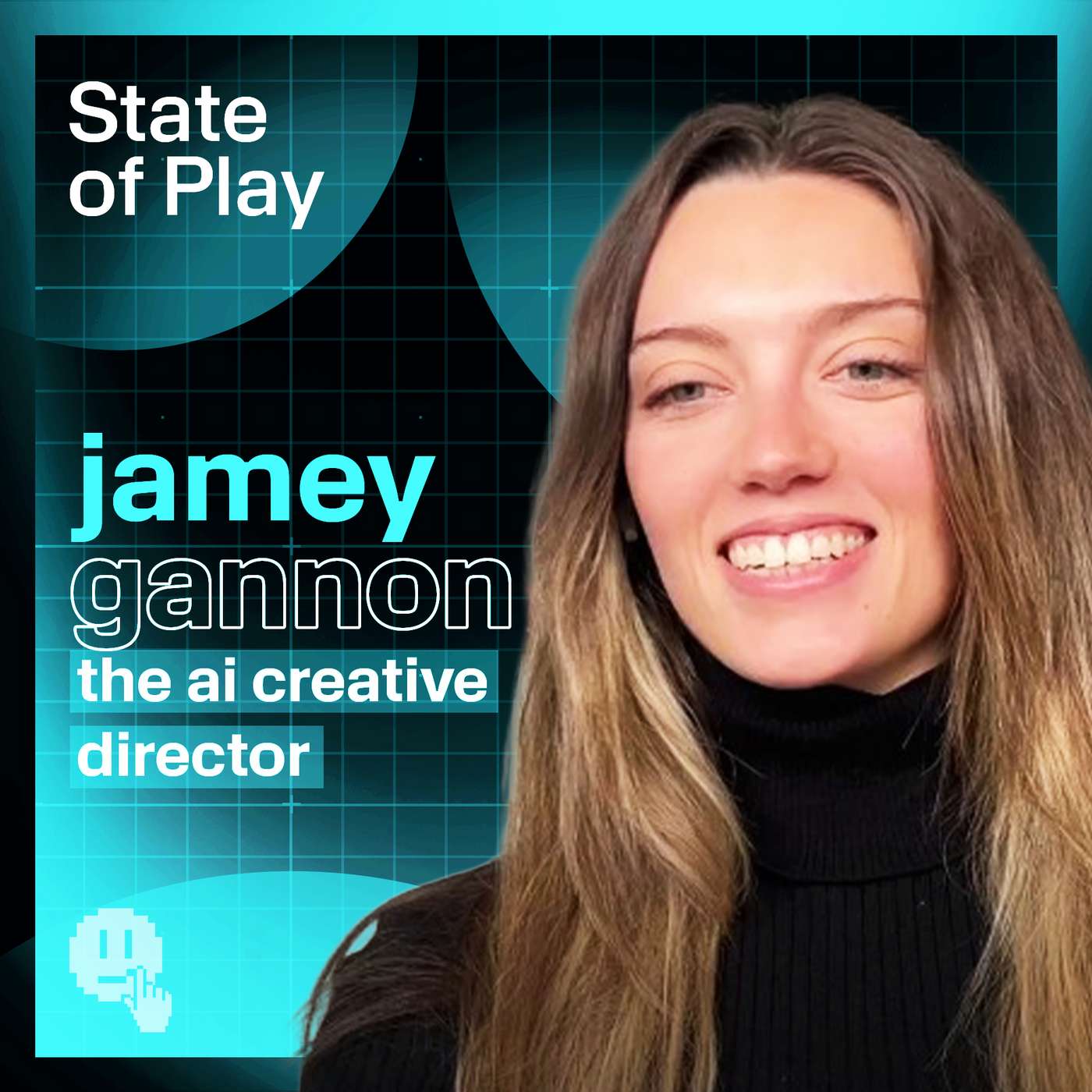
AI Creative Direction Is Here: Jamey Gannon
Jun 200:56:49Tap to summarizeJamey Gannon is a creative director and Maven instructor teaching designers how to control AI like a creative director.She's running brand sprints, directing image models, and building her own tools while she does it.This conversation covers whether you can actually teach AI taste, the inputs most designers miss when evaluating AI tools, why she took an "AI sabbatical" to get good, and the five-principle framework she uses to direct image models.Want to become an AI Creative Director? Get 10% off Jamey's next cohort with promo code TOMMY here: https://bit.ly/4tJ9nF7Get the UX Tools Newsletter (written by me)Join 100,000+ designers for weekly insights on creative software and the people shaping it: https://uxtools.coCHAPTERS:0:00 — Cold open: AI is not magic0:20 — The rise of AI creative directors1:42 — Can AI learn taste?4:30 — What most people miss about prompting7:58 — Brand sprints, speed, and taste13:01 — How AI fits into real client work15:37 — A mood-board tool built with AI22:00 — Jamey's daily creative stack27:21 — How she found time to learn AI31:08 — The one-click AI myth38:39 — Visibility, distribution, and getting chosen42:00 — The split between brand and product designers46:04 — Pricing AI-assisted creative work49:08 — The AI Creative Director framework56:01 — Why being remembered mattersLINKS:Maven (AI Creative Director course): https://bit.ly/4tJ9nF7FOLLOW ME:X / Twitter: https://x.com/designertomLinkedIn: https://linkedin.com/in/tommygeoco
Transcribe →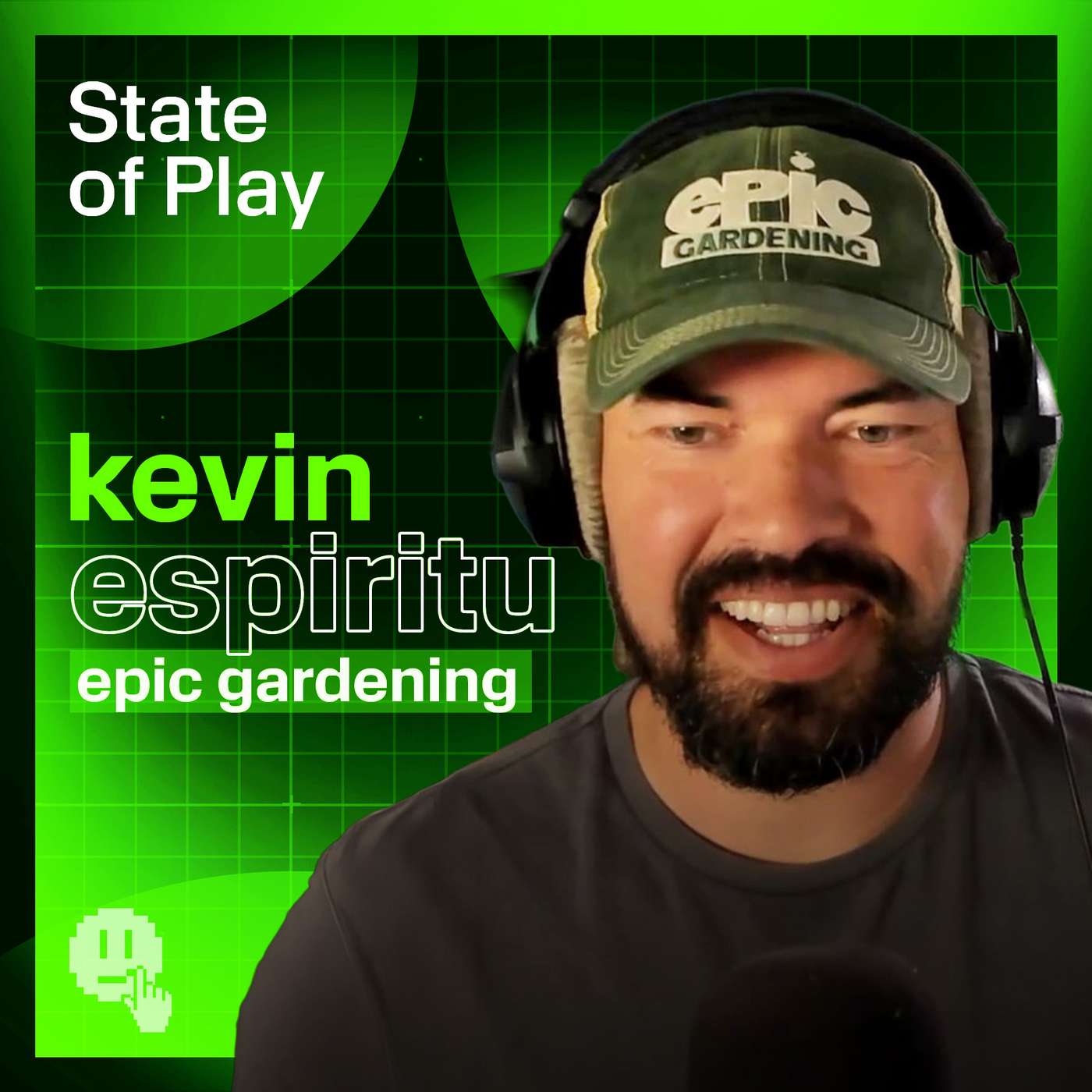
He Designs Channels Like He Grows Plants: Kevin Espiritu
May 1800:56:58Tap to summarizeKevin Espiritu runs Epic Gardening, one of the clearest examples of a creator-led media business that became much more than content: YouTube, commerce, products, books, and Botanical Interests.This conversation covers why Silicon Valley is suddenly fascinated by new media, what Kevin learned from the old SEO and affiliate-marketing era, why creators over-optimize the wrong things, how Epic Gardening thinks about products, IP, TV viewership, brand deals, channel strategy, and what it actually takes to build media that lasts.Get the UX Tools Newsletter (written by me)Join 100,000+ designers for weekly insights on creative software and the people shaping it: https://uxtools.coCHAPTERS:0:00 Media is soil0:27 Why new media week starts with Kevin1:38 Silicon Valley discovers creators3:26 From SEO hacks to durable media7:03 True outliers are one-of-one10:19 Why creators get platform-stuck12:33 Products, IP, and real media businesses17:25 Brand deals without draining trust21:03 YouTube is becoming TV23:22 Format experiments and channel strategy30:31 Packaging before production35:07 Scaling beyond the founder40:03 Tommy's media company, live consult45:30 Broad vs niche audiences50:02 Raising money and the next creator companies56:06 Cultural campfiresLINKS:Epic Gardening: https://www.epicgardening.comBotanical Interests: https://www.botanicalinterests.comKevin Espiritu on X: https://x.com/KevinEspirituFOLLOW ME:X / Twitter: https://x.com/designertomIG: https://instagram.com/itsdesignertomLinkedIn: https://linkedin.com/in/tommygeoco
Transcribe →
Design Tools Are Going Headless: Tom Krcha
May 1200:39:05Tap to summarizeTom Krcha founded Pencil.dev after years inside the design tooling cycle, from Flash evangelism to creating Adobe XD, which gives him a rare view of where AI design tools are actually heading.This conversation covers why agents are best at the first 80%, why designers still need the last 20%, what a headless design tool means, how Pencil is building for swarms of AI designers, and why taste comes from still putting your hands in the work.Get the UX Tools Newsletter (written by me)Join 100,000+ designers for weekly insights on creative software and the people shaping it: https://uxtools.coCHAPTERS:0:00 Headless agents inside design tools0:31 Why design tools are splitting1:36 Tom’s path from Flash to Pencil5:13 Stochastic vs deterministic design6:16 Why designers still need the chisel9:18 How Pencil started inside Cursor10:19 Designer as orchestrator and final authority12:05 Canvas, tweaker, and headless agents14:16 What “headless design tool” means15:52 Context as the portable briefcase17:09 — Pencil as an agent-first canvas20:53 Building tools that build tools24:52 Why users create 50-artboard files26:26 Agent specialization and subagents27:35 Why vibe coding feels like Flash29:38 Can agents create happy accidents?31:17 The canvas as a crime scene32:28 Does AI make you a better author?35:06 What designers do with 60 agents36:38 Pencil’s roadmap and the future of iteration38:22 Taste comes from participationLINKS:Pencil.dev: https://pencil.devTom Krcha on X: https://x.com/tomkrchaFOLLOW ME:X / Twitter: https://x.com/tommygeocoLinkedIn: https://linkedin.com/in/tommygeoco
Transcribe →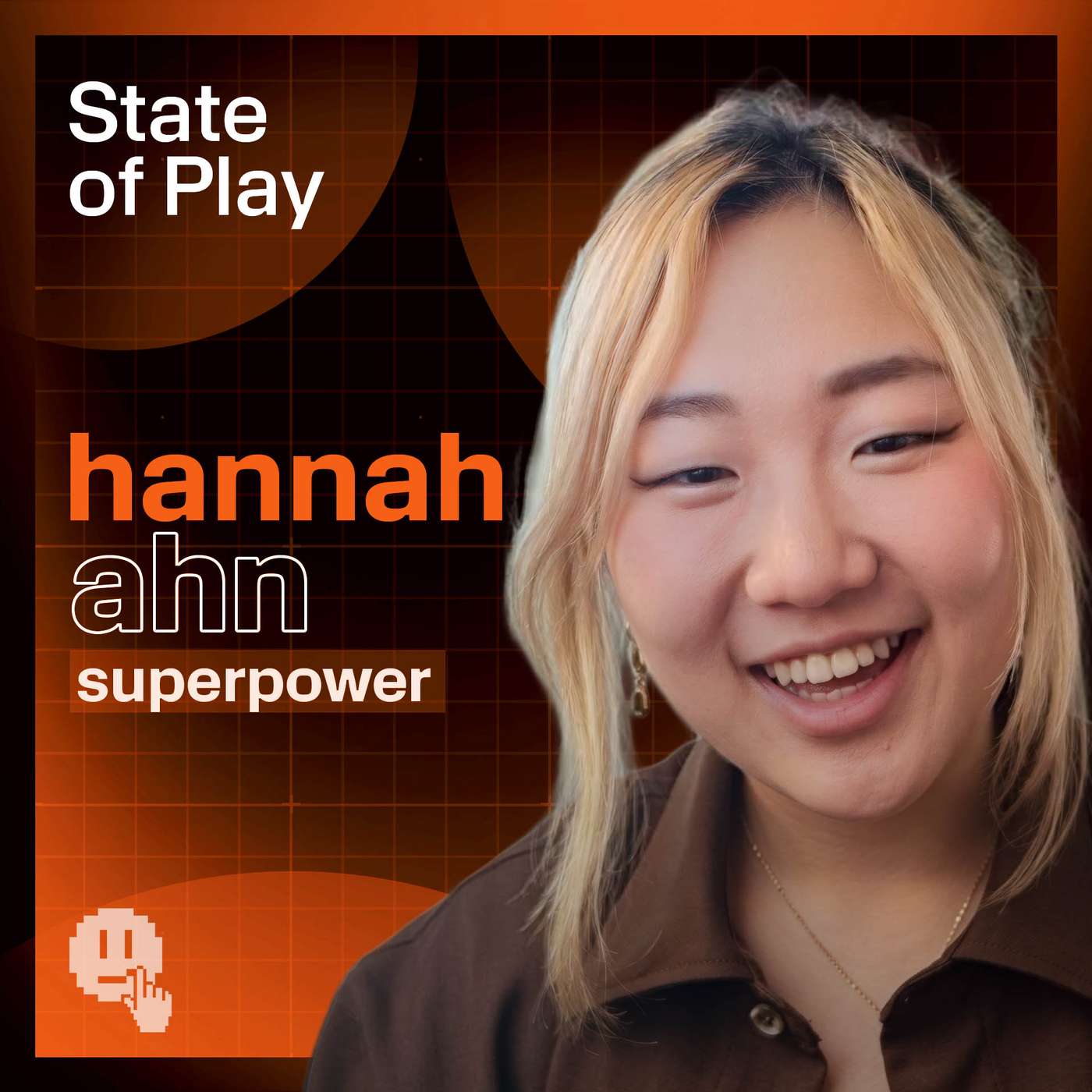
AI Made Junior Designers Better Than Most Seniors: Hannah Ahn
May 500:39:07Tap to summarizeHannah Ahn is designing healthcare in the exact moment AI is making it easier than ever to take control of our health.She leads design and marketing at Superpower, a health startup building an AI layer across bloodwork, labs, genomics, and medical records. Before that, she came up through product management at Canva, which makes her a useful kind of design leader right now: practical, visual, brand-sensitive, and allergic to treating velocity like the whole job.We talk about designing trust around health data, why Superpower rolled out Claude Code to the design team in January, how she hires for team composition, and why the most underrated signal in a designer right now is still love of the game.Join 100k+ designers reading my newsletter:: https://uxtools.coCome party with me at Config 2026 (June 25): https://luma.com/usxsrlu1CHAPTERS:00:00 Designing trust when AI touches your health03:06 PM to designer was the practical path06:41 How Superpower runs a five-person design team10:34 Hiring for composition, not clones13:55 Love of the game beats credentials16:46 Rolling Claude Code out in January21:47 When velocity starts producing slop24:41 The 1% that makes people trust you33:23 The junior ladder is breaking36:31 Designers as architects, not prompt operatorsLINKS:Superpower: https://superpower.comHannah on LinkedIn: https://www.linkedin.com/in/ahnhannah/FOLLOW ME:X / Twitter: https://x.com/designertomIG: https://instagram.com/itsdesignertomLinkedIn: https://linkedin.com/in/tommygeoco
Transcribe →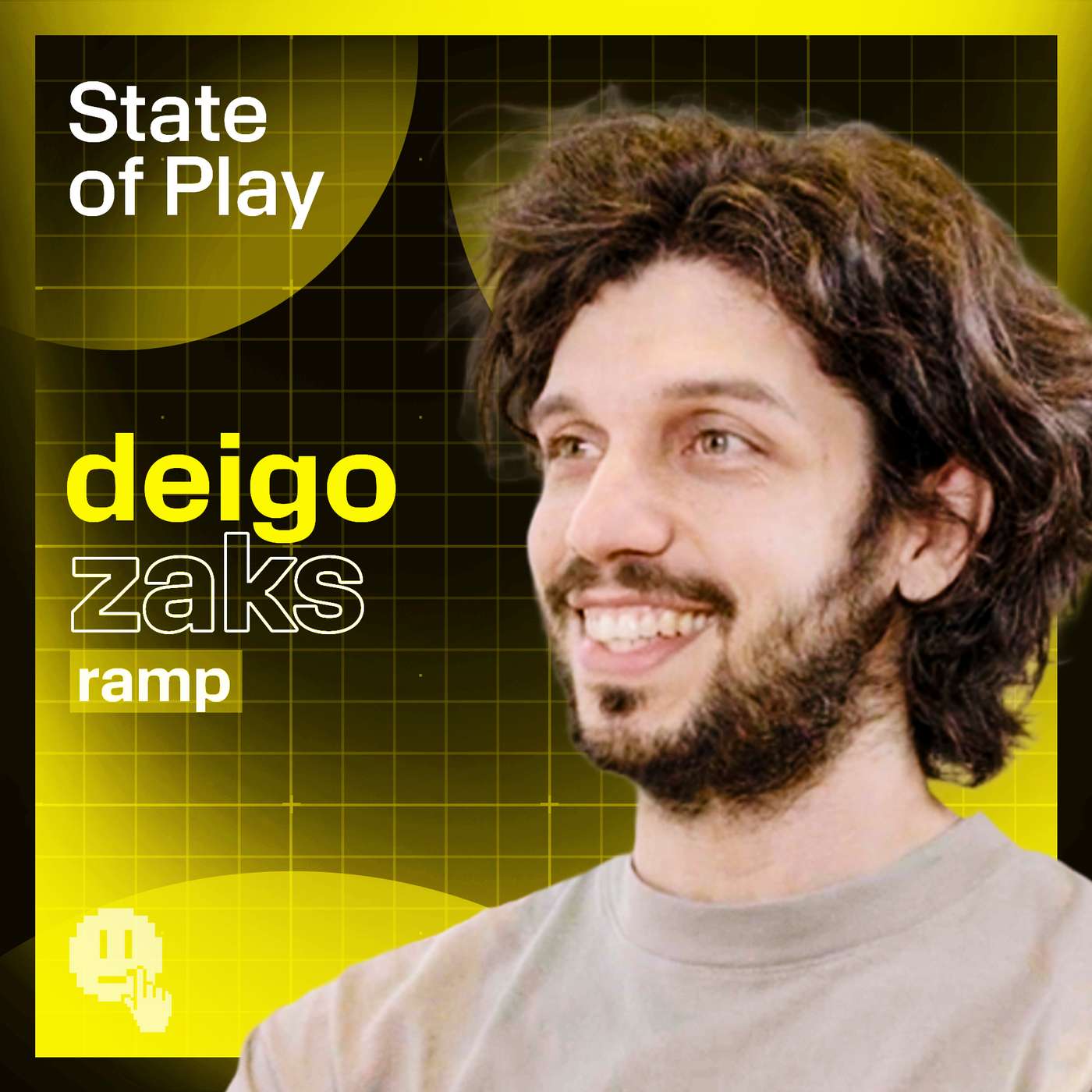
This is Design At The Most AI-Installed Company: Diego Zaks
Apr 2801:01:50Tap to summarizeDiego Zaks runs design at Ramp, the most AI-installed company in the world. Not kidding, Anthropic showed up at their office because they were using Claude Code more than Anthropic was.We talk about how Ramp got there, how design changes when everyone is a builder, what AI fluency means inside their company, and what he thinks design becomes five years from here.Join 100k+ designers reading my newsletter:: https://uxtools.coCome party with me at Config 2026 (June 25): https://luma.com/usxsrlu1CHAPTERS:00:00 The AI-Installed Company03:50 The Slack Engineer Who Wasn't Human10:16 The 4 Levels of AI Fluency13:27 Make Everyone a Designer22:17 How Ramp Hit 99.5% Installed28:54 Anthropic Flew to the Office31:47 Glass: Why Build Your Own AI49:30 What Design Becomes in 5 YearsLINKS:Ramp: https://ramp.comRamp is hiring: https://ramp.com/careersRamp Builders blog (engineering): https://builders.ramp.comRamp Labs on X: https://x.com/RampLabsDiego on X: https://x.com/diegozaksFOLLOW ME:X / Twitter: https://x.com/designertomIG: https://instagram.com/itsdesignertomLinkedIn: https://linkedin.com/in/tommygeoco
Transcribe →
Amelia Wattenberger: Designing The Next Flow State
Apr 2000:45:33Tap to summarizeAmelia Wattenberger spent eight years as a front-end developer before the title on her business card turned into "designer" — she's been at GitHub, now she's building Intent.This conversation covers why developers are mourning their old flow state, the eras of AI coding tools from Copilot to CLI to the app era, why the spec is becoming the new source of truth, and what Amelia means when she says the work is shifting from implementation to intention.Get the UX Tools Newsletter (written by me)Join 100,000+ designers for weekly insights on creative software and the people shaping it: https://uxtools.coCHAPTERS:0:00 — The moment the IDE stopped making sense2:16 — The ladder of abstraction, and a career moving up and down it7:35 — Where the abstraction stops: you can't automate eating ice cream10:29 — Developers are mourning their flow state16:02 — Eras of AI coding tools: Copilot → CLI → the app22:43 — Living specs vs. static PRDs29:38 — Inside Intent: workspaces as desks you pick up and put down39:02 — Plan, implement, review — and where the medium goes next42:46 — Advice for people too employed to pathfind44:33 — Outro: where purpose lives when agents do the restLINKS:Intent: https://www.augmentcode.com/product/intentAmelia Wattenberger on X: https://x.com/WattenbergerAmelia's Musings: https://wattenberger.com/FOLLOW ME:X / Twitter: https://x.com/designertomIG: https://instagram.com/itsdesignertomLinkedIn: https://linkedin.com/in/tommygeoco
Transcribe →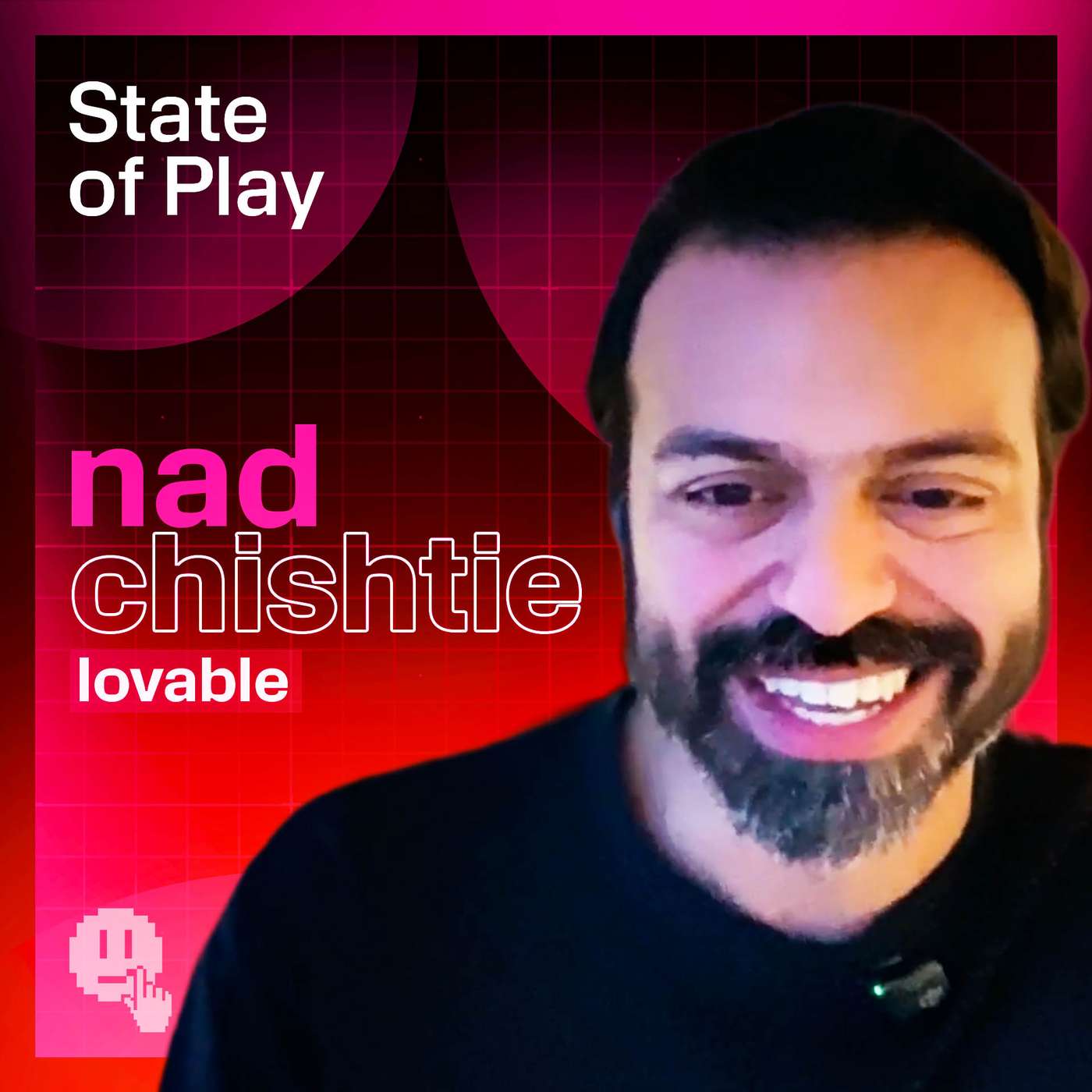
Nad Chishtie: Lovable's Design System For Agents
Apr 1500:50:17Tap to summarizeNad Chishtie is the Head of Design at Lovable — the company at the center of the AI coding explosion. He nearly got fired before his first day for emailing his CEO a thesis on why Lovable should be a web browser.Now he's redesigning what design teams look like when everyone in the company can build software. We talked about why half of Lovable's design system is now written for agents instead of people, what happened when they went full "agent maxing" for two weeks (and why background agents failed), and there's this moment where he explains who actually ends up owning vibe coding when it lands inside a big company — and it's not who you'd expect.Get the UX Tools Newsletter (written by me)Join 100,000+ designers for weekly insights on creative software and the people shaping it: https://uxtools.coCHAPTERS:0:00 — Almost fired before day one1:20 — Falling into design by accident2:39 — The call that changed his career4:45 — Why generalists felt broken in traditional orgs5:08 — The "gumption" trait for AI-native work6:54 — Housekeeping vs cannibalizing yourself8:23 — End-to-end ownership when everyone can build10:54 — Spiking fast and killing darlings faster13:06 — People who couldn't prototype before now can15:05 — How Lovable's org actually works19:44 — When enterprise came knocking22:45 — Hackathons and making room for throwaway work25:15 — The email that almost got him fired (full story)28:09 — Apple blocking mobile vibe coding apps30:27 — Half our design system is written for agents31:34 — Agent maxing: background agents failed, linters won33:53 — Eating their own SaaS stack37:15 — Who actually owns vibe coding in the enterprise42:43 — What Lovable looks for when hiring designers43:28 — Why every designer should be a founder right now46:54 — Territory Studio uses Lovable for sci-fi UIs48:16 — Thesis: everything will be interoperableABOUT TOMMY GEOCOI spent 15+ years in tech and design. Former military. Father of five. Now building Internet Enjoyers, a weird little media + product studio rediscovering soul in creative tech.ABOUT STATE OF PLAYHost Tommy Geoco discovers what fuels the internet's most interesting designers and builders.LINKS:Lovable: https://lovable.devFollow Nad: https://x.com/nadonomyFOLLOW ME:X / Twitter: https://x.com/designertomInstagram: https://instagram.com/itsdesignertomLinkedIn: https://linkedin.com/in/tommygeoco
Transcribe →
Basement Studio: They Used Wine to Build a Website. Here's How.
Apr 800:34:37Tap to summarizeFacundo Santana and José Rago run Basement Studio - 35 people in Argentina, working with Vercel, Mr. Beast, and Kid Super. They poured actual wine on a surface to get a WebGL texture right. That detail tells you everything about how this shop operates.This conversation covers how they protect quality as they scale, the R&D lab that spun out BasHub and XMP, why they open-source everything, how 30 people pile into a single Slack channel before anything ships, and why Basement Ventures is quietly becoming a real VC fund.Get the UX Tools Newsletter (written by me)Join 100,000+ designers for weekly insights on creative software and the people shaping it: https://uxtools.coCHAPTERS:0:00 — They used actual wine to build a website0:24 — Who is Basement Studio?1:36 — From a Buenos Aires apartment to 35 people5:17 — The Kid Super World project7:19 — "Would you show it to your mom?"9:49 — Working with Vercel on Geist and v013:20 — How 30 people review work in one Slack channel16:05 — Open source: BasHub, XMP, and giving back18:06 — The lab that becomes real products21:32 — How AI is changing creative studios24:49 — Basement Ventures: from studio to microfund28:43 — Investing in the tools you actually use31:14 — Building a studio that outlasts its foundersLINKS:Basement Studio: https://basement.studioFacundo on X: https://x.com/falanfantanaJosé on X: https://x.com/ragojoseWatch on YouTube: https://youtu.be/nv7M79lMEnUFOLLOW ME:Newsletter: https://uxtools.coX / Twitter: https://x.com/tommygeocoLinkedIn: https://linkedin.com/in/tommygeoco
Transcribe →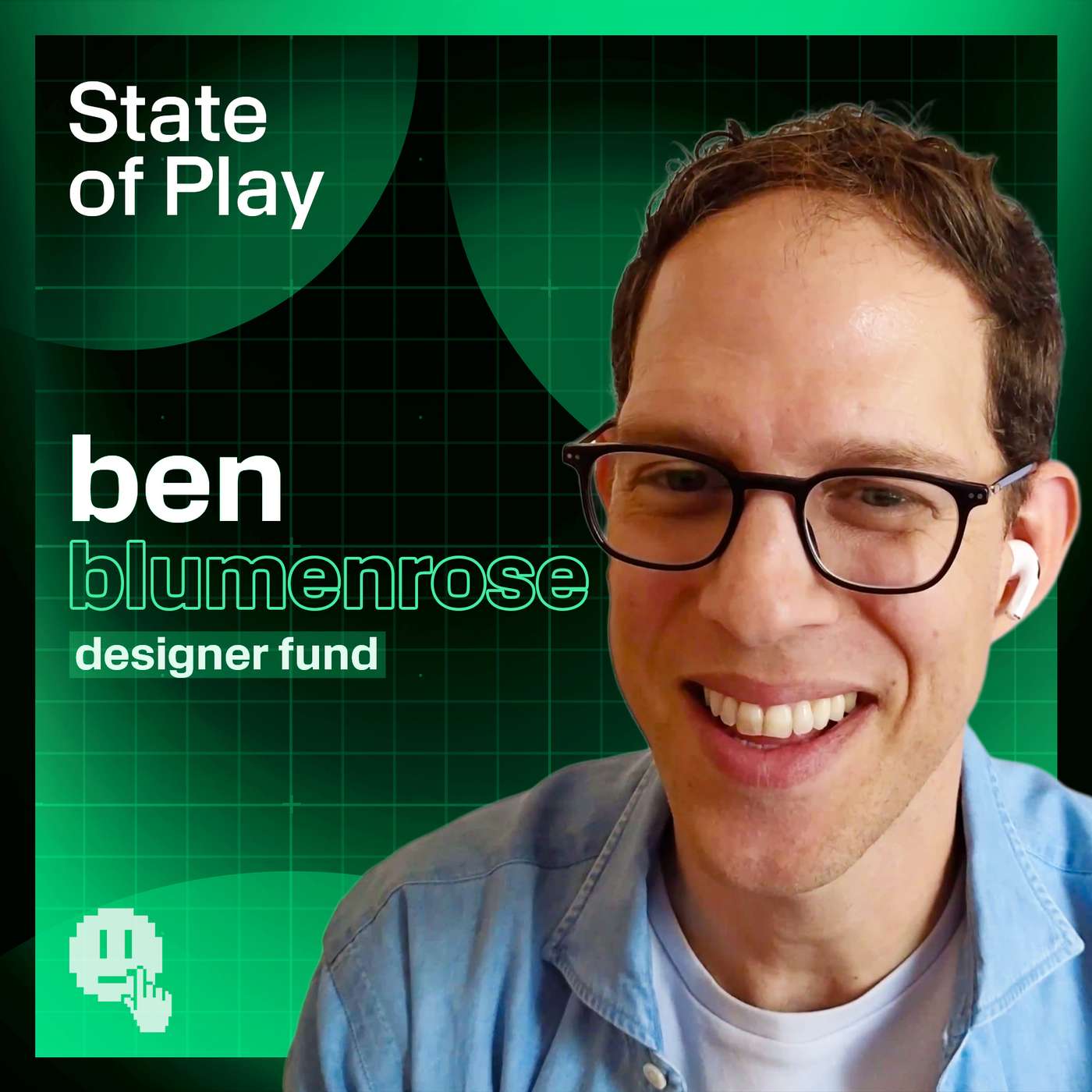
Ben Blumenrose: He Sees How 50+ Design Teams Use AI. Most Are Doing It Wrong.
Apr 400:45:54Tap to summarizeBen Blumenrose runs Designer Fund, which means he doesn't just see one team figure out AI, he sees how 50+ design teams across the portfolio are absorbing it. This conversation covers what happens when the floor rises, what AI fluency actually looks like inside companies, why the AI ops role is emerging earlier than anyone expected, and how Ben is thinking about keeping his own kids away from the tools — for now.Get the UX Tools Newsletter (written by me)Join 100,000+ designers for weekly insights on creative software and the people shaping it: https://uxtools.coCHAPTERS:1:05 — Process flexibility and conflicting signals2:27 — What Designer Fund's portfolio is actually doing with AI5:34 — Enterprise adoption: Carvana vs eBay6:40 — The AI ops role emerging at hire #49:59 — AI Imagineer and redesigning how designers work12:12 — Junior designers vs early career talent16:09 — AI native vs AI fluency21:05 — The 19% slower problem and the factory floor22:12 — The T-shaped designer gets wider and deeper25:21 — Evaluating AI fluency in hiring28:25 — Where the tools are now vs nine months ago30:06 — The floor is high but the ceiling still matters31:29 — Moral panic and the value of exceptional designers33:27 — Does the designer-founder thesis still hold?35:28 — VC path in a world where one person = a team37:13 — Phantom competency: extraordinary person or extraordinary tools?40:24 — Keeping kids away from AI and the Tin Can phone45:14 — Closing: the bar is moving sidewaysLINKS:Designer Fund: https://designerfund.comBen Blumenrose on X: https://x.com/benblumenroseFOLLOW ME:Newsletter: https://uxtools.coX / Twitter: https://x.com/tommygeocoLinkedIn: https://linkedin.com/in/tommygeoco
Transcribe →
Josh Puckett: Design Has Never Been More in Demand. So Why Can't Juniors Get Hired?
Mar 3000:40:35Tap to summarizeJosh Puckett went goblin mode for four weeks to ship Interface Craft — a course where you pick a library card, sign your name on it, and insert it into a web interface that unlocks everything behind it.He's been designing for close to 20 years. Dropbox. Wealthfront. He's mentored and placed hundreds of designers through Upper Study. He invests into early-stage tools companies through Combine VC.We talk phantom competency, uncommon care, why a chef who cooks one new dish a week should probably find a different career, and whether "AI native" is a real skill or just the new "mobile designer."Get the UX Tools Newsletter (written by me)Join 100,000+ designers for weekly insights on creative software and the people shaping it: https://uxtools.coCHAPTERS:00:00 - "You have to demonstrate high slope"00:14 - Who is Josh Puckett01:53 - Coming out of the Interface Craft launch04:03 - Goblin mode & going dark to build04:45 - The Wealthfront chapter: 4-person design team05:49 - Has design actually changed?08:22 - Phantom competency & AI as apprenticeship09:34 - LLMs as tutors: where they help, where they miss11:20 - What are you telling designers right now?12:32 - Uncommon effort vs. uncommon taste16:19 - Discovery has changed: social as a portfolio19:18 - "AI native" is just the new "mobile designer"21:50 - High slope: what it looks like24:10 - The playground pattern25:47 - What to do with the anxiety29:31 - Uncommon care: just give a shit31:44 - Shot selection: where to invest your time35:31 - What multi-perspective gives you37:30 - Product design is not art38:42 - Why designers are the least happy with AI39:52 - One post away from changing your lifeABOUT STATE OF PLAYHost Tommy Geoco discovers what fuels the internet's most interesting designers and builders.LINKS:Interface Craft: https://interfacecraft.dev/Upper Study: https://upperstudy.comFollow Josh: https://x.com/joshpuckettFOLLOW ME:X / Twitter: https://x.com/designertomInstagram: https://instagram.com/itsdesignertomLinkedIn: https://linkedin.com/in/tommygeoco
Transcribe →