
Podcast
Stories of Appalachia
Hosted by Steve Gilly, Rod Mullins · EN
Welcome to "Stories of Appalachia," the podcast where hosts Steve Gilly and Rod Mullins have been unraveling the captivating history and folklore of the Appalachian region since 2015. Join them as they guide you through mist-covered mountains and winding rivers, exploring the stories that define the heart and soul of Appalachia.
www.storiesofappalachia.com
www.storiesofappalachia.com
43episodes
Episodes
Newest firstAll episodes
The Taylor-Mullins Feud: The Road to the Killing Rock
1w ago00:22:45Tap to summarizeThe infamous Killing Rock massacre ended with the deaths of a moonshiner and his wife and several of their friends on a mountain along the Virginia-Kentucky border. It began years earlier with a lawsuit, a bitter rivalry, and two determined men on opposite sides of the law. This week, we trace the feud between lawman Doc Marshall Benton Taylor and moonshiner Ira "Bad Ira" Mullins, and the long road that ended in one of the most notorious acts of violence in that part of Appalachia.It’s another one of the Stories of Appalachia.Don’t miss any of our stories by subscribing on your favorite podcast app or on our YouTube channel.Thanks for listening!
Transcribe →
Franklin's Last Battle: Sevier's Attack at Flint Creek
2w ago00:21:43Tap to summarizeIn the winter of 1789, Cherokee war leader John Watts made a daring decision. Instead of returning to the Chickamauga towns as he usually did for the winter, he established a hidden winter camp deep in the mountains, at what’s now the Lamar Alexander Rocky Fork State Park in Unicoi County, Tennessee, so he and his men could attack the frontier farms when it was least expected. When John Sevier learned of the camp's location, he led a militia through snow and bitter cold to launch a surprise attack that became one of the bloodiest and most controversial battles with the Cherokee. Join us as we tell the story of the Battle of Flint Creek, the last military action taken by the short-lived State of Franklin. If you’ve not done so already, subscribe to the Stories podcast so you don’t miss any of our stories. Thanks for listening!
Transcribe →
47 Years a Hermit: The Strange Afterlife of William Hewitt
3w ago00:15:33Tap to summarizeIn the late 1780s a man from Virginia’s Shenandoah Valley, William Hewitt, crossed the Ohio River seeking to find solitude in the Appalachian wilderness after heartbreak changed his life forever. Living alone in caves and rough dugouts for nearly fifty years, Hewitt lived in peace alongside the Shawnee, served as a scout during the War of 1812, and became a legend across southeastern Ohio. But the strangest chapter of his story began after his death.Join us as we tell the haunting true story of the Hermit of Hewitt’s Fork.Be sure to subscribe to the Stories podcast on your favorite podcast app.Thanks for listening!
Transcribe →
The Untamable Monster Well of 1894: Big Moses
4w ago00:14:36Tap to summarizeIn September 1894, a routine drilling operation on a Tyler County, West Virginia, farm broke into a massive natural gas pocket, unleashing one of the most powerful and uncontrollable wells the world had ever seen. For nearly a year, the Big Moses well defied human engineering, triggered massive fissures in the ground, survived two separate lightning strikes, and wasted billions of cubic feet of gas.Join us as we tell this wild true story from the West Virginia oil boom era about the legendary Big Moses gas well.If you like these historical stories, make sure to hit that subscribe button and leave us a comment on your favorite podcast app to help others find the podcast.Thanks for listening!
Transcribe →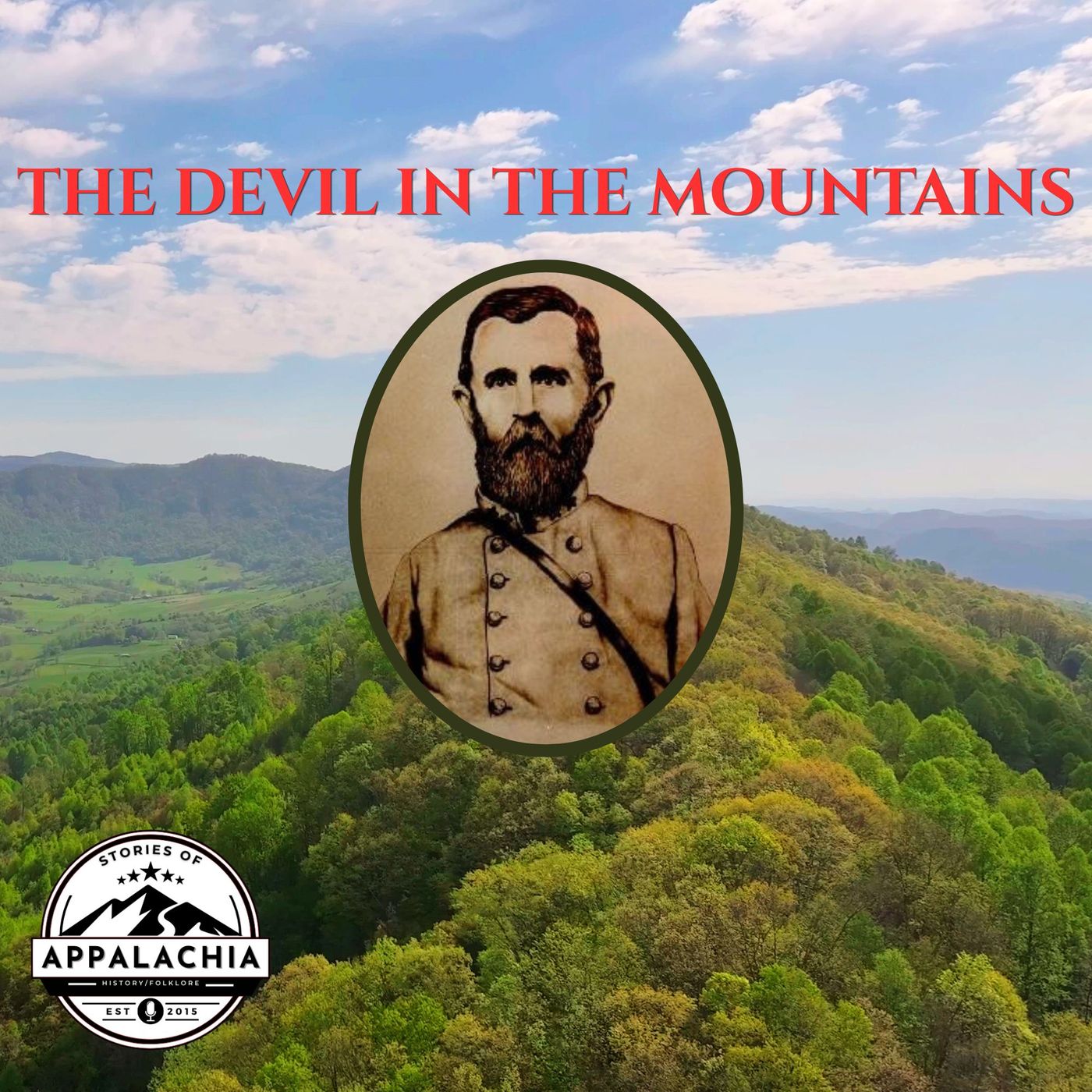
The Devil in the Mountains- The Story of Vincent "Clawhammer" Witcher
Jul 400:32:07Tap to summarizeVincent “Clawhammer” Witcher became one of the most feared Confederate guerrilla leaders along the Virginia/Kentucky border in the Civil War. As the leader of what was called “Witcher’s Boys, he operated from the Ohio River in what’s now West Virginia down into northeast Tennessee, bringing brutal violence to both friend and foe alike. This week we tell his story, including notorious incidents in Lee County, Virginia and Unicoi County, Tennessee, that earned him the name “The Devil in the Mountains.”Be sure to subscribe to the Stories podcast on your favorite podcast app so you don't miss any of our stories.Thanks for listening.
Transcribe →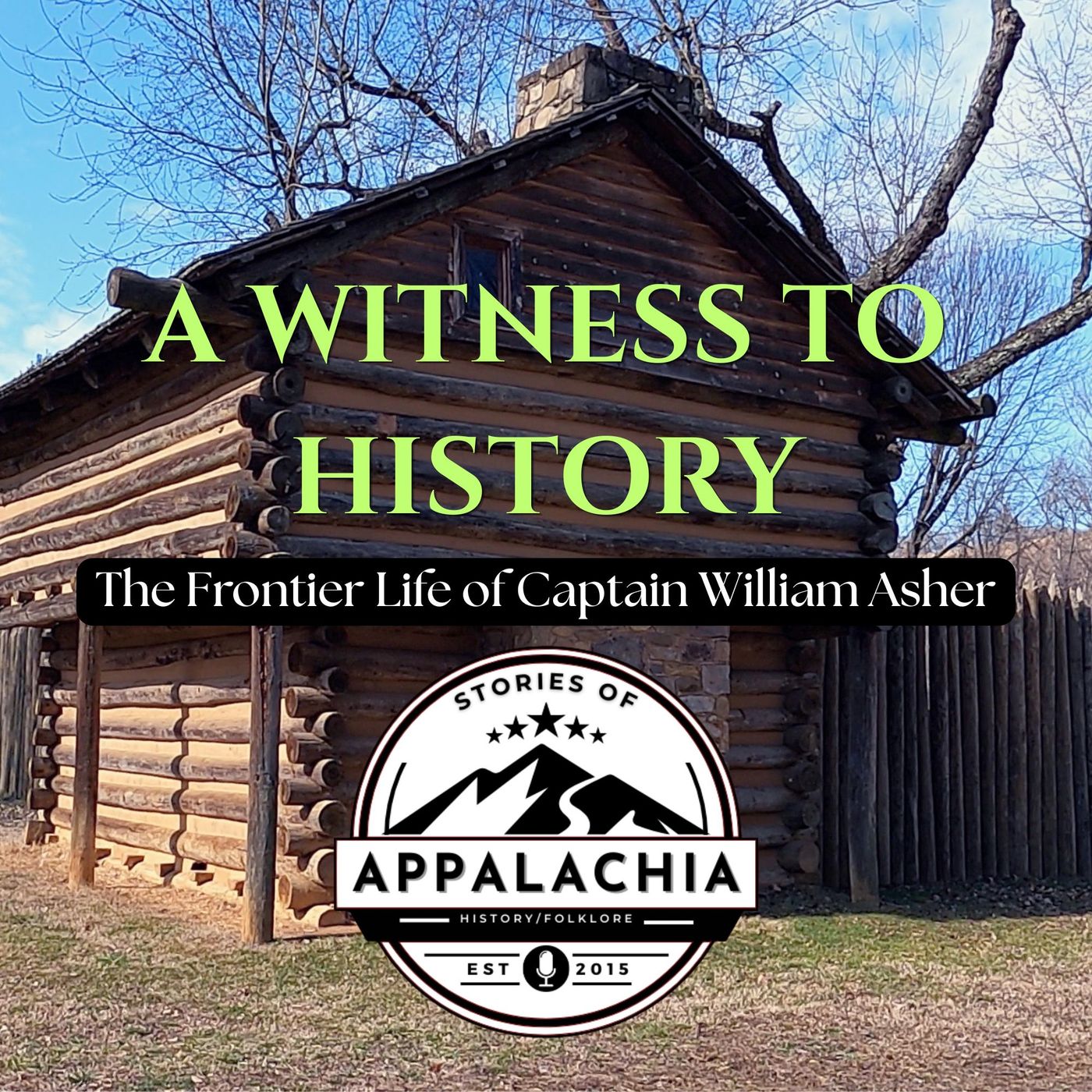
A Witness to History: The Frontier Life of Captain William Asher
Jun 2700:14:22Tap to summarizeThe early settlements along the Watauga and Holston Rivers in what’s now Tennessee were the very beginning of "The Wild West." While names like Daniel Boone, John Sevier, and William Bean filled the history books, another man was standing right beside them at nearly every major turning point—yet his story has been lost to time. In this episode, suggested by one of our listeners, Steve and Rod tell the story of Captain William Asher. One of the first to arrive in the Watauga settlement, Captain Asher served as a Patriot in the American Revolution, fought the Chickamauga, established fortified stations on the frontier and guided surveyors as they headed west, only to meet a sudden, tragic end while hunting deer near his home at Bean Station.If you like our stories, make sure to subscribe on Apple Podcasts, Spotify, YouTube, or wherever you get your favorite podcasts.Thanks for listening!
Transcribe →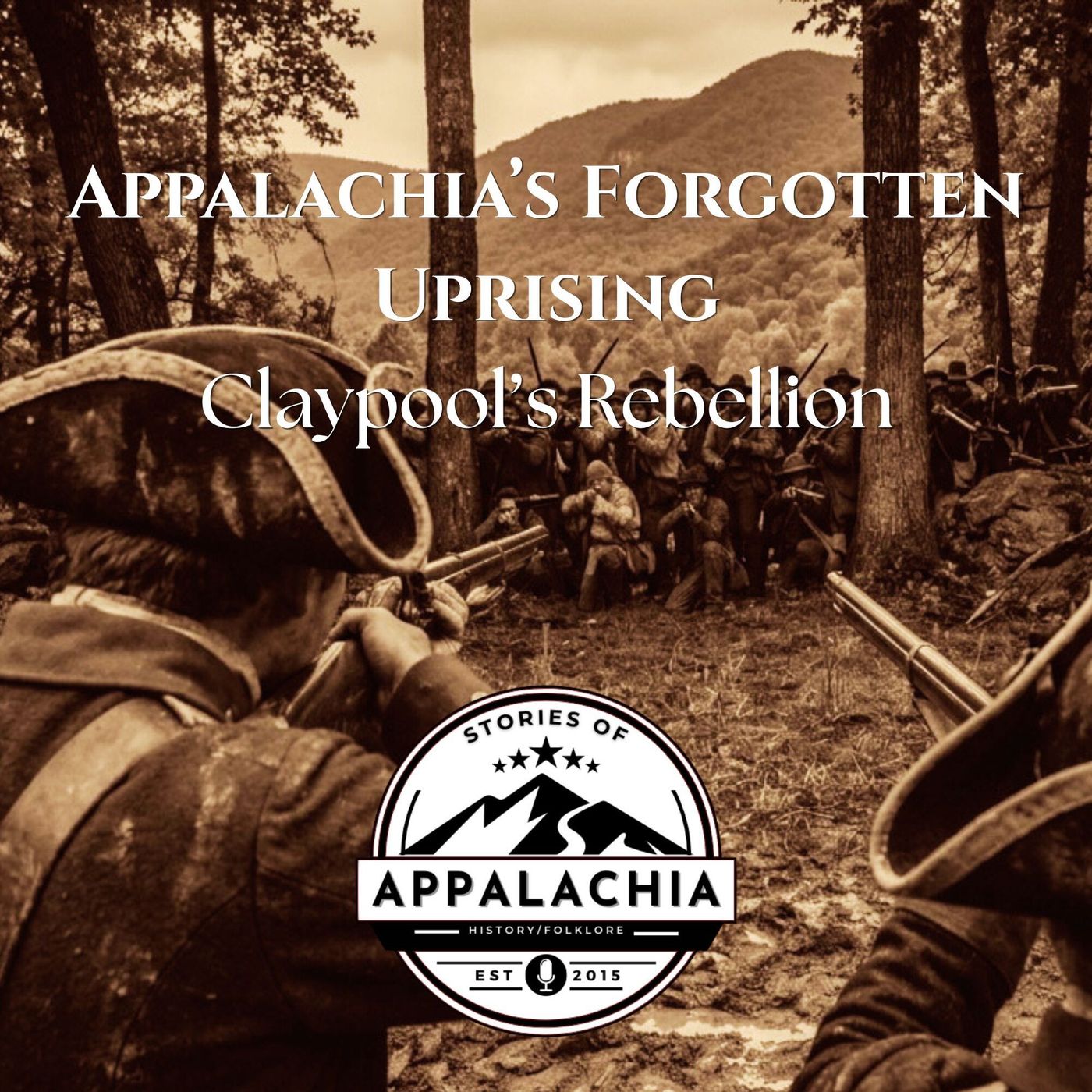
Appalachia's Forgotten Uprising: Claypool's Rebellion
Jun 2000:16:04Tap to summarizeIn 1781, as the American Revolution raged, Appalachian settlers in what’s now West Virginia rose in armed rebellion against the Virginia government. Angry over crushing taxes, forced military service, and wartime demands, John Claypool led an Appalachian backcountry revolt that sparked panic across the Shenandoah Valley. This is the little-known story of Claypool’s Rebellion, another one of the Stories of Appalachia.
Transcribe →A State of Natural Liberty: The Incredible Life of Quill Rose
Jun 1300:15:42Tap to summarizeQuill Rose was a Confederate veteran, bear hunter, blacksmith, storyteller, and moonshiner who lived deep in the Smoky Mountains along Eagle Creek. In this episode of Stories of Appalachia, we tell his story, from Cades Cove in the 1840s through war, family life, isolation, to his illegal whiskey-making in the mountains.Along the way, Quill became a figure known not just for survival, but also for his loyalty to family, his reputation with Plott hounds, his run-ins with the law, and the many colorful stories told about him, many of which he told himself.Subscribe to the Stories podcast so you don't miss any of our Stories of Appalachia.Thanks for listening!
Transcribe →
Stagecoaches, Soldiers and Ghosts- The Story of the Glen Ferris Inn
Jun 600:16:16Tap to summarizeThis week we have not one but two podcast episodes for you!In this one, we go to Glen Ferris, West Virginia, a town at the falls of the Kanawha River, to tell the story of the Glen Ferris Inn, a place that hosted presidents, businessmen, Civil War generals and even, it’s said, a ghost! If you’ve not done so already, be sure to subscribe to the Stories podcast so you don’t miss any of our stories. You’ll find us wherever you get your favorite podcasts.Thanks for listening!
Transcribe →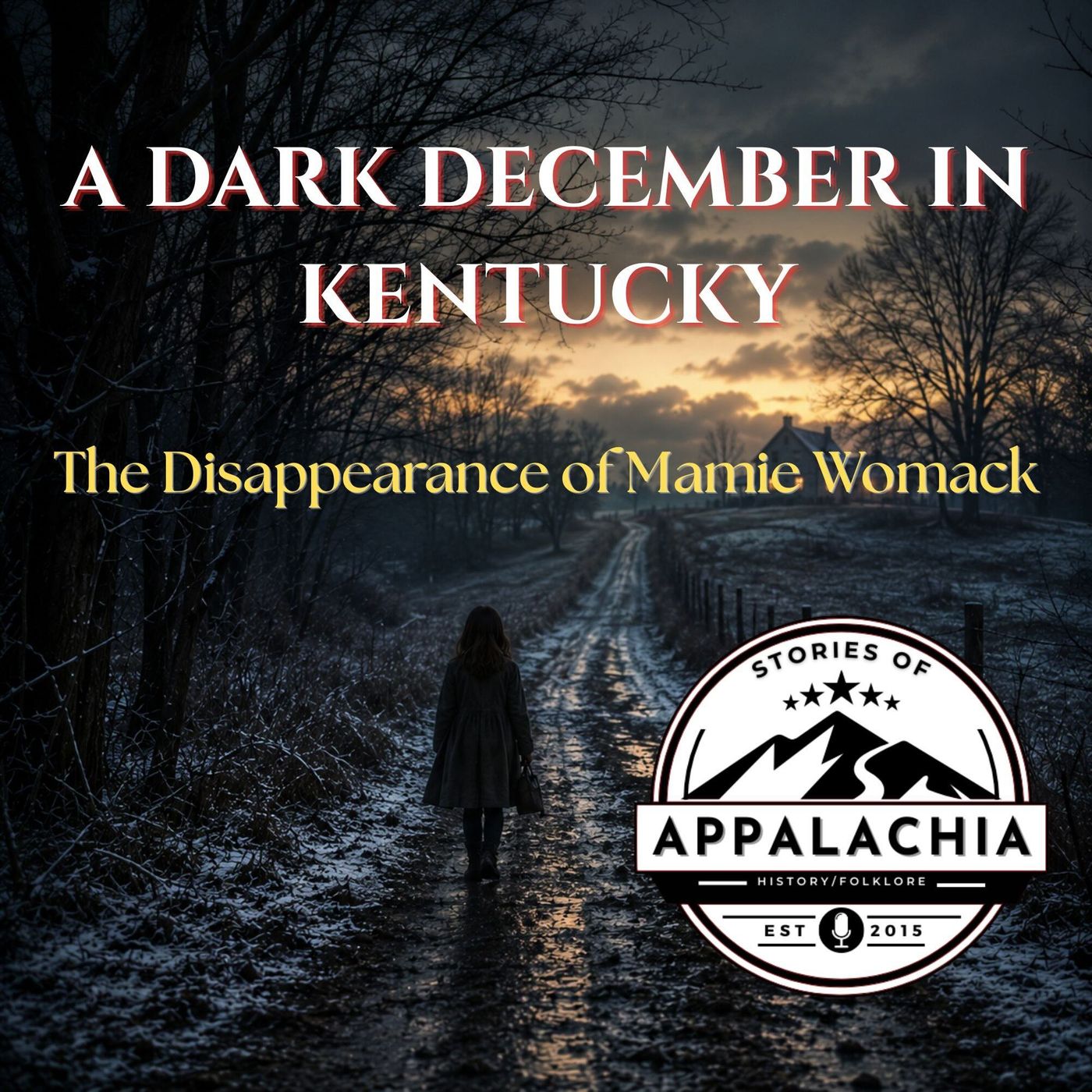
A Dark December in Kentucky: The Disappearance of Mamie Womack
Jun 600:09:40Tap to summarizeThis week we have not one, but two episodes for you!For this story, we travel back to December of 1908, when people in Russell and Adair counties in Kentucky were shaken after 12-year-old Mamie Womack failed to return home from school. Her disappearance that winter afternoon triggered a desperate search, as neighbors, family, and bloodhounds followed a trail through the woods that uncovered a horrible crime.As the hunt for answers widened, suspicion fell on Elmer Hill, a young man with ties to the Womack family, who also went missing. What followed was a multi-county manhunt involving posses, bloodhounds, and growing public outrage. Hill would eventually be captured after days on the run, but the case would not end in a courtroom.In this episode of Stories of Appalachia, Steve and Rod tell the story of Mamie Womack’s disappearance and the chilling fate of the man thought to be responsible, another one of the Stories of Appalachia.
Transcribe →